
Best Lawn Edgers Brands: Pro-Trusted Picks for Every Yard 2026
For small yards and tight flower-bed borders, BLACK+DECKER, WORX and the manual edgers from True Temper and Razor-Back handle short runs with little weight and almost no upkeep. Medium yards with a driveway and a sidewalk fit the battery platforms from EGO, Greenworks and RYOBI. Large properties and long, overgrown edges are where the gas brands ECHO, STIHL and McLane earn their place.
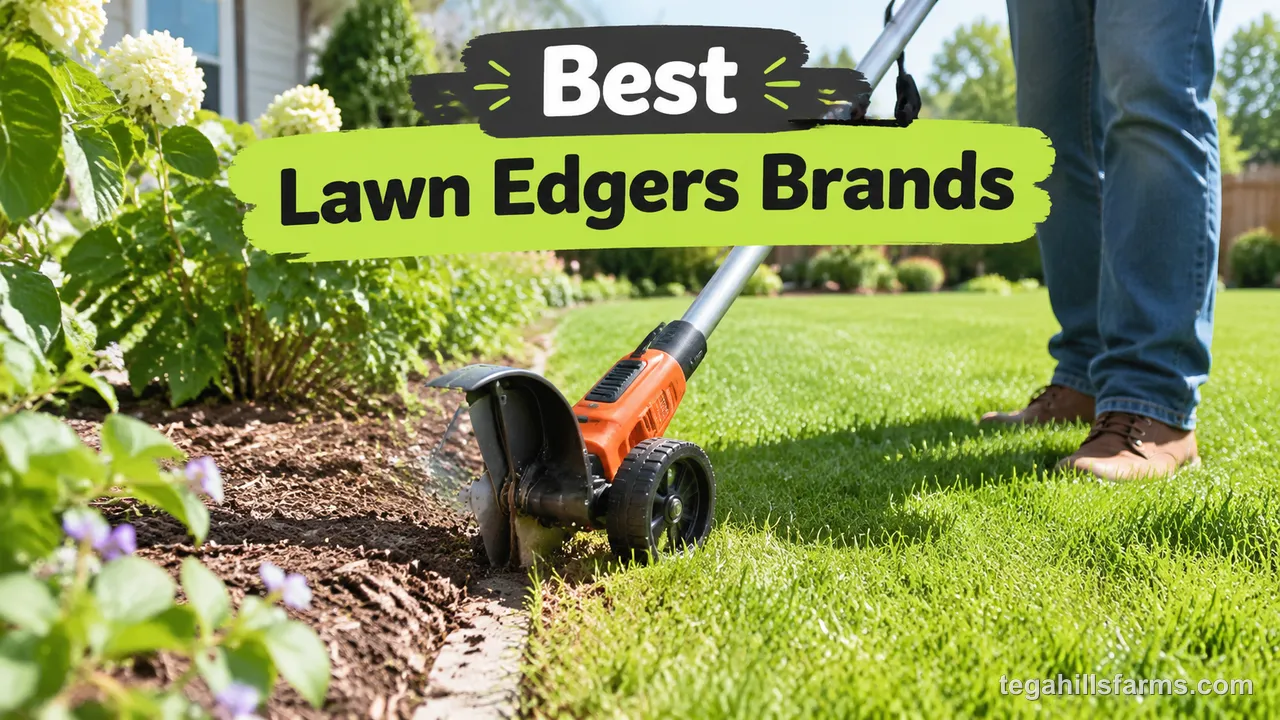
An edger has a harder life than most yard tools because its blade meets concrete, gravel and buried roots on nearly every pass. The brands worth trusting pair a stiff shaft and a solid blade guard with replacement blades you can buy locally. They also offer a power source that matches how much edge you actually cut.
The bigger risk isn’t a weak first cut. It’s buying into a brand whose blades, wheels or batteries are hard to find a few seasons later, which turns a cheap wear part into a reason to replace the whole machine.
If you already run mowers or trimmers on one of these battery platforms, start your search there. A bare edger on packs you already charge keeps you to one charger and one shelf of batteries.
Why Do Pros Trust Certain Lawn Edger Brands More Than Others?
A drivetrain that shrugs off concrete strikes, a guide wheel that holds a straight line, and replacement parts you can still buy years later separate a dependable edger maker from one built around marketing claims. Spec sheets tend to lead with blade size or motor output. Those figures say little about whether the cut is still clean after a season of bumping curbs and driveway seams.
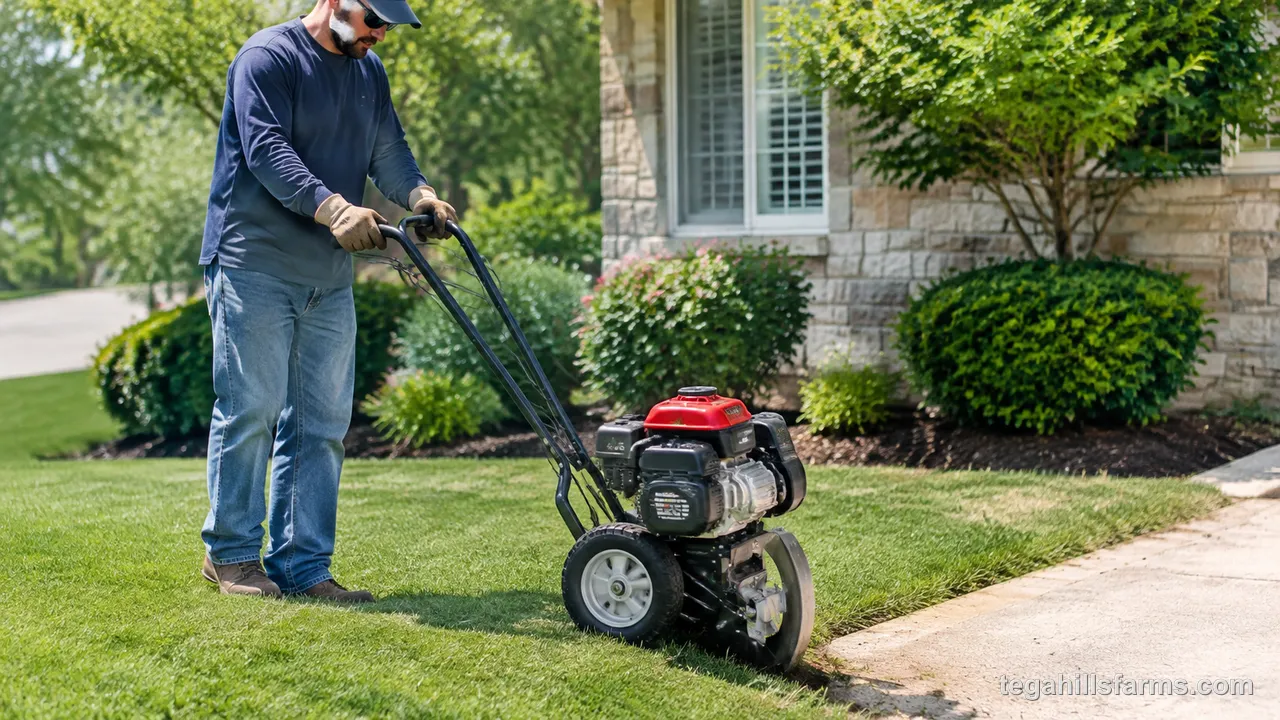
Check a brand’s reputation against how the machine is built and how it’s supported, not against its advertising. If you want to compare specific models rather than brands, start with the best lawn edgers sorted by yard type and power source.
What Makes a Lawn Edger Brand Pro-Trusted in Daily Use?
A dependable maker builds edgers that survive repeated blade strikes on pavement, keep the cut at one depth along the whole run, and start the same way every time. Those three traits matter more than peak power. An edger that drifts or won’t start wastes more time than one that is merely a little slower.
Durability starts at the gear head and blade guard. Every time the blade nicks a curb, the shock travels into the gear housing and shaft. A loosely built head develops play, and that play makes the blade wobble and the edge wander.
Precision comes from a guide wheel that rides the pavement edge and a depth setting that locks firmly. When the depth adjustment slips, the blade cuts deeper in some spots than others and leaves a scalloped line.
Reliable starting looks different by power source. On gas it depends on a dependable primer and choke after winter storage. On battery it depends on keeping packs healthy through a cold garage season.
How Does Brand Support Affect Long-Term Ownership?
The blade wears out long before the engine or motor does, so the parts and service behind an edger decide how long it stays useful. Grinding against concrete rounds off a blade’s cutting edge. A dull blade tears grass instead of slicing it, so you’ll replace blades regularly no matter which brand you buy.
That makes the brand’s parts supply part of the purchase. Some models have a blade, blade bolt and guide wheel stocked at a nearby hardware store or dealer, and those edgers get back to work the same day. A proprietary blade that is hard to find outside a few scattered sellers can park the edger until the order arrives.
Service matters more for gas machines, because carburetor cleaning and recoil repairs come up over the years. A brand with local servicing dealers keeps that work close to home. Before buying, I’d look up the replacement blade for the exact model and see where it’s sold, and I’d weigh that above any feature printed on the box.
Which Edger Brands Fit Small, Medium, and Large Yards Best?
The length of edge you cut sets the choice: light corded and manual tools suit short borders, battery platforms cover a driveway-plus-sidewalk lot, and gas machines pay off on long or overgrown runs. You carry the machine along every foot of edge. Extra weight and power only make sense when there’s enough edge to need them.
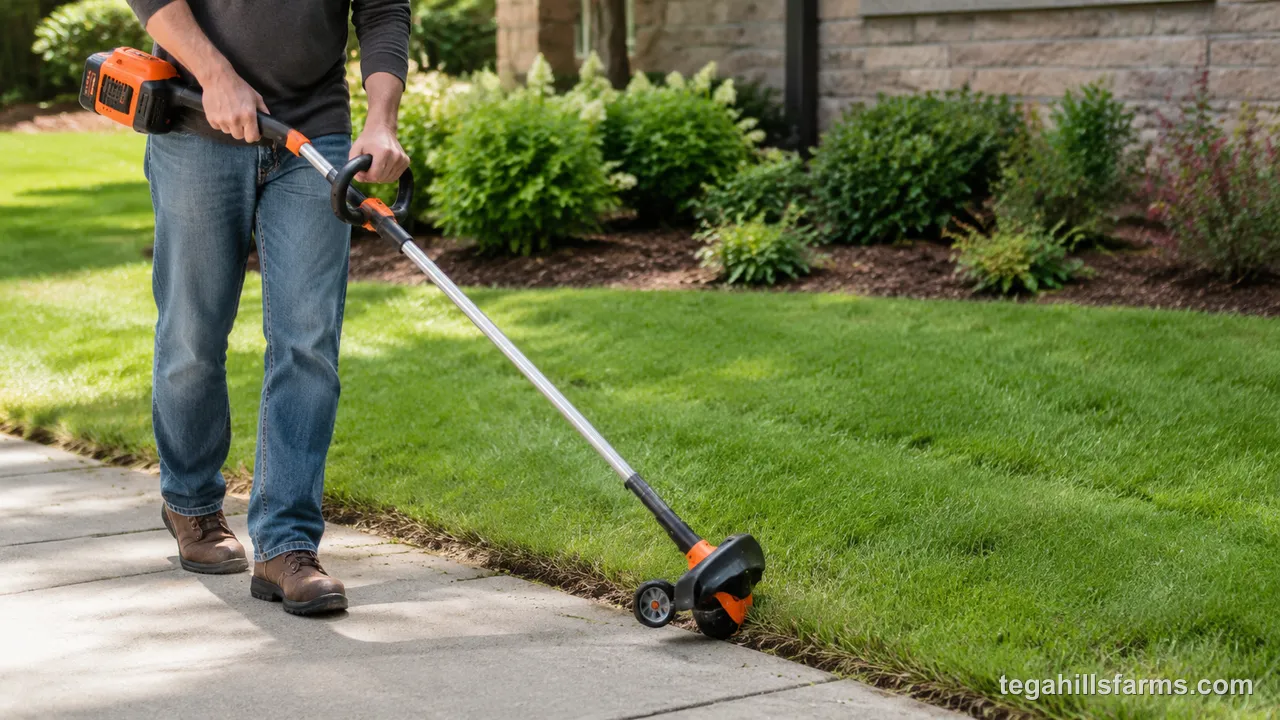
Reach sets the other limit. A corded edger stops where the extension cord ends, and a battery edger stops when the pack runs down. A gas edger keeps going as long as there’s fuel in the tank. For a typical suburban lot, the best edgers for homeowners balance those limits against weight.
Which Brands Work Best for Small Yards and Tight Borders?
On a lot with a short sidewalk and a few flower beds, two groups fit best: manual edgers from True Temper and Razor-Back, and corded edgers from BLACK+DECKER and WORX. Short runs don’t justify carrying a heavy engine. Tight borders reward a tool you can steer around a curve without fighting it.
The True Temper Dual-Wheel Rotary Edger weighs 3.9 pounds, and the Razor-Back Half-Moon Turf Edger weighs 3.8 pounds. Both are light enough to hang on a garage hook. Neither needs fuel, charging or a cord, which suits a yard where edging is a short job. The rotary design rolls along the pavement while its blade cuts, which makes it a natural fit for sidewalk edges. The half-moon edger slices clean outlines around curved beds.
Corded models from BLACK+DECKER and WORX add motor power for the same small lot. With an outdoor outlet near the yard, cord reach rarely becomes a problem on a short run.
Which Brands Suit Medium Yards With Driveways and Sidewalks?
A lot with a driveway on one side and a sidewalk along the front fits the battery platforms from EGO, Greenworks and RYOBI. A mid-size ECHO gas edger is the alternative if you’d rather stay with fuel. That much edge is long enough for a cord to become a nuisance. If you edge regularly, though, the grass along it stays light enough that it doesn’t call for full gas power.
The EGO POWER+ Multi-Head runs on a 56V 5.0 Ah battery and weighs 15.94 pounds. Amp-hours measure how much charge the pack stores, so a larger pack lets you finish a long driveway edge without stopping to recharge. The multi-head design also lets the same powerhead drive other attachments.
Greenworks and RYOBI earn their place through the breadth of their battery lines, since one pack can move between the edger, a string trimmer and a blower. On a lot where those tools all come out the same afternoon, a shared platform means fewer batteries to buy, charge and store indoors over winter.
Which Brands Hold Up for Large Properties and Pro Workloads?
Long property lines, overgrown edges and commercial-style workloads call for the gas brands ECHO, STIHL and McLane. High-voltage battery systems like EGO are the quieter alternative. When grass has crept over a driveway for several seasons, the blade has to chew through thick sod and roots. A gas engine holds its power through that work instead of fading as a battery drains.
The ECHO PE-225 pairs a 21.2 cc engine with a curved shaft and weighs 13.1 pounds. The ECHO PAS-225VP, the brand’s attachment-style powerhead, comes in at 16.2 pounds. If edging is the only job, the dedicated PE-225 is the lighter tool to carry along a long run.
On very long edges, McLane’s walk-behind gas edgers put the weight on wheels instead of your arms and track a straight line along the pavement. If your property has enough curb and driveway to justify that class, look at the best walk behind edgers before settling on a handheld model.
How Do the Best Lawn Edger Brands Compare by Power Source?
Battery platforms trade some reserve power for quiet starts with no pull cord. Gas engines hold full power through long, overgrown edges. Corded and manual tools need the least upkeep but stop at the cord or your own effort. Brand matters within each group, but the power source decides the upkeep you sign up for.
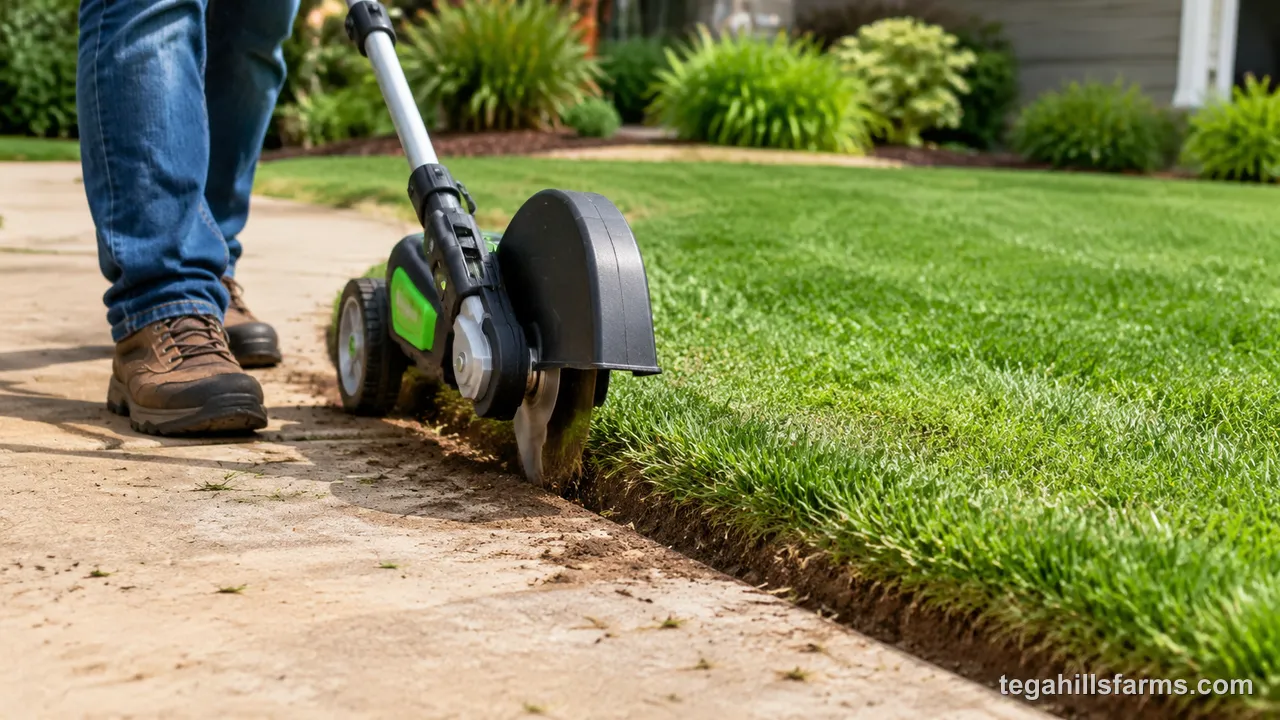
Side by side, the three groups split on upkeep, noise, session length and the yards they suit:
| Trait | Battery (EGO, Greenworks, RYOBI) | Gas (ECHO, STIHL, McLane) | Corded & manual (BLACK+DECKER, WORX, True Temper, Razor-Back) |
|---|---|---|---|
| Routine upkeep | Charge packs, store them indoors | Fuel mix, spark plug, air filter, winter prep | Little beyond blade care |
| Noise | Quieter | Louder | Corded moderate, manual silent |
| What ends a session | Battery charge | Fuel tank, refilled quickly | Cord length or your own effort |
| Overgrown edges | Handles routine maintenance edges | Built for thick sod | Corded handles routine edges, manual suits touch-ups |
| Best yard fit | Medium lots | Large lots and long runs | Small lots and tight borders |
Are EGO, Greenworks, and RYOBI the Best Battery Edger Brands?
For a homeowner moving away from gas, these are the battery brands to start with, and the platform you already own usually settles which one. Each sells bare edgers that run on the same packs as its mowers and trimmers. A household already on one system skips the cost of a second battery and charger.
EGO leans on its high-voltage platform, which suits longer driveway runs and thicker grass along the edge. Going cordless doesn’t automatically mean a lighter tool, though. The EGO POWER+ Multi-Head weighs more than the gas ECHO PE-225, so don’t count on a lighter carry when you leave gas behind. If that heft is a fair trade for no fuel mixing and quiet starts, the best ego lawn edgers are a natural place to compare models.
Greenworks and RYOBI compete on range. Their battery lines cover a wide spread of yard tools, which makes them practical if you’re building a cordless collection one tool at a time. Whatever the brand, store packs indoors over winter. A battery left in a freezing garage loses capacity and may refuse to charge until it warms up.
Are ECHO, STIHL, and McLane the Best Gas Edger Brands for Power?
For tough overgrowth, these three gas brands are the ones to trust, and each suits a different way of working. ECHO and STIHL build handheld stick edgers that reach under fences and along curved beds. McLane builds walk-behind machines that roll along the pavement and favor long, straight runs.
ECHO’s PE-225 keeps the engine small and the curved shaft light, which makes it easy to hold at an angle along a sidewalk. Straight-shaft gas edgers typically use a solid drive shaft and gear head instead. That build holds the blade steadier against heavy sod, at the cost of extra weight. To narrow ECHO’s lineup to one model, compare the best echo lawn edgers by shaft style and yard size.
STIHL sells through servicing dealers, which shortens the trip when a carburetor needs cleaning. The upkeep is similar across gas brands. Most handheld gas edgers burn a gas-oil mix. Fuel left in the tank over winter can gum up the carburetor, so run the tank dry or add stabilizer before storage.
Where Do BLACK+DECKER, WORX, and Hand Edger Brands Fit?
Corded BLACK+DECKER and WORX edgers fit small lots with an outdoor outlet nearby. Manual brands like True Temper and Razor-Back fit tight budgets or precise touch-ups between powered passes. Both groups skip fuel and battery care entirely, which keeps ownership simple.
The BLACK+DECKER 2-in-1 runs a 12-amp corded electric motor, weighs 14.4 pounds and cuts to a maximum depth of 3.75 inches. That depth is enough to recut an edge that has grown back in. Plug it into a GFCI-protected outdoor outlet and use an outdoor-rated extension cord sized for the motor, because an undersized cord can overheat. WORX covers the same small-lot role and also sells battery tools, so the brand can follow you if you outgrow the cord.
Manual edgers weigh a fraction of any powered model and cost little to own. They’re slower over long distances. For re-cutting a flower bed outline or touching up a corner a powered blade can’t reach, a half-moon or rotary edger gives you fine control.
Which Brands Offer the Best Value at Each Budget Tier?
Manual and corded tools stretch a small budget furthest, battery systems deliver strong value once you already own their packs, and premium gas or high-voltage machines pay back only on large or tough lawns. Value on an edger means clean edges per season of ownership. That counts blades, fuel or batteries, and repairs as well as the purchase itself.
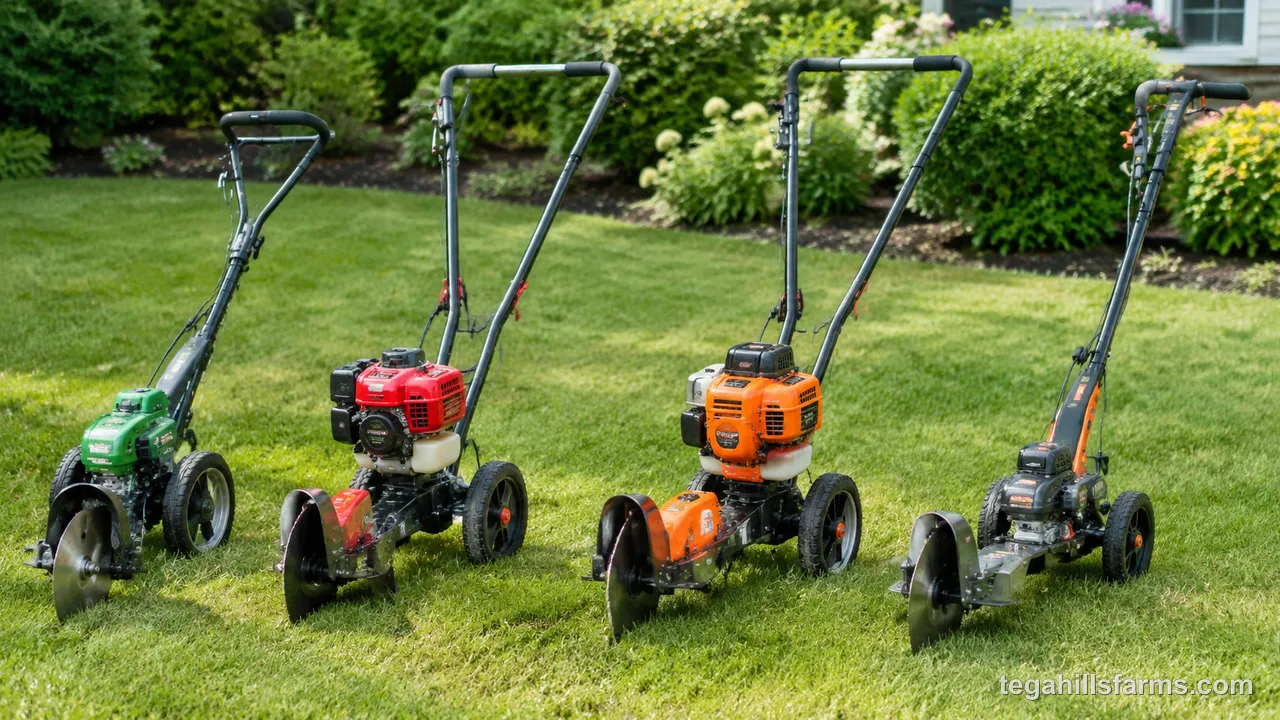
A brand that costs less up front but has to be replaced early isn’t the cheaper choice. Judge each tier by the yard it serves.
Which Trusted Brands Are Best for Tight Budgets?
Several trusted brands deliver clean edges on a small or medium lot without a premium price: BLACK+DECKER and WORX corded edgers, manual edgers from True Temper and Razor-Back, and Greenworks on the battery side. Much of what you’ll find among lawn edgers under $100 is corded or manual. On a short sidewalk, those tools cut as neat a line as a gas machine because the job never tests their power.
Budget picks fall short on long or overgrown edges. A smaller motor bogs down there, and a manual edger turns into real work. If you keep your edges trim, that limit never shows up.
Greenworks is the entry point if you want cordless on a budget, and its line covers the other yard tools you might add later. For owners starting a battery platform at the affordable end, the best greenworks lawn edgers keep the first purchase modest without giving up a clean cut.
When Is It Worth Paying More for Premium Brands?
EGO, ECHO, STIHL and McLane are worth the extra cost when your edges are long, overgrown or cut often enough that time and rework start costing you more than the machine. On a large property, a stronger engine or high-voltage battery finishes thick edges in one pass. A budget motor needs several passes and leaves a ragged line to clean up.
Premium systems also hold their value through parts and service. Dealer-supported gas brands keep carburetors and recoils repairable, and a high-voltage battery platform runs other demanding yard tools. If you’re edging a large lot or reclaiming edges that have grown over for years, the premium machine pays back in hours saved.
I’d only move up to this tier if one of those conditions fits your yard. On a small, well-kept lot, the extra power sits unused while you carry its extra weight.
The first edger blade usually dulls long before anything else on the machine wears out, and that is when the brand behind the tool starts to matter more than the specs on the box. A replacement blade that fits only one model, a battery line the maker quietly retires, or a knockoff part sold under the brand’s name can leave a working edger sitting idle in the garage.
What Rare Brand Details Decide Long-Term Satisfaction?
Three details rarely printed on the box decide whether an edger brand still satisfies after several seasons. They are the steel and fit of its replacement blades, the future of its battery platform, and how much counterfeit stock circulates under its name.
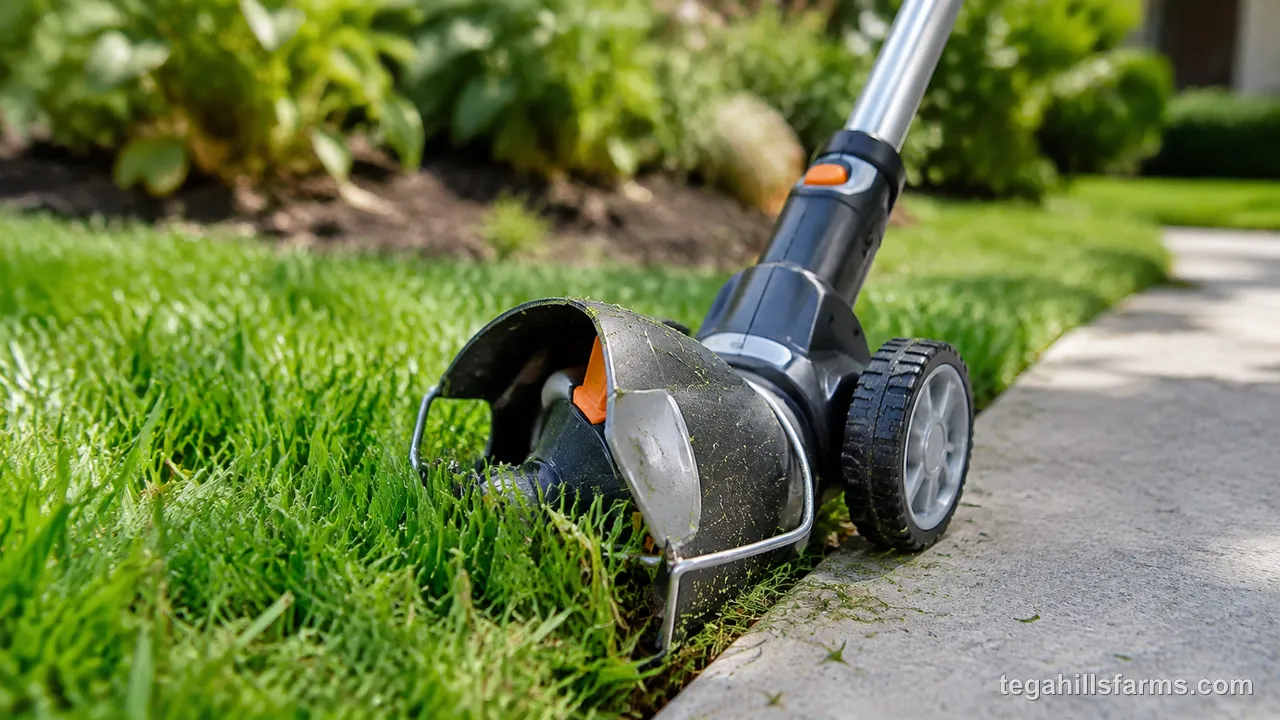
Blade steel shows up as wear. A hardened blade holds its edge against concrete longer. A soft stamped blade rounds off quickly and starts tearing grass, so buy genuine blades listed by your model number rather than universal fits.
A battery platform is only as good as the tools the maker keeps adding to it. RYOBI’s long-running battery line is one reason the best ryobi lawn edgers stay a safe buy if you’re already on that system. A platform that changes voltage leaves its older packs stranded.
Popular brands also attract knockoff batteries and blades sold through third-party marketplaces. A counterfeit pack may skip proper cell protection, which turns a cheap replacement into a fire risk in your garage. Buy from authorized dealers or the brand’s own storefront.
Quick Brand-Choice Questions From Homeowners
Does yard size matter more than the brand name?
Yes, yard size should come first. It decides the power source and how much weight you’ll carry, and brand choice then narrows things inside that group. That’s why the steps for how to choose a lawn edger start with the length of edge you cut, not with a logo on the housing.
Should I stay loyal to my gas brand or switch to battery?
Stay with gas if you edge long or overgrown runs and don’t mind mixing fuel and doing winter prep. Switch to battery if your edges are routine maintenance cuts and you already own packs from EGO, Greenworks or RYOBI. A bare edger on batteries you already charge is the easiest change to make.
Which edger brand is easiest for a beginner?
A corded BLACK+DECKER edger is the simplest start because it needs no fuel or charging and starts at the push of a button. On a small lot, the best black decker lawn edgers give clean results while you learn to hold a steady line. For a few short borders, a manual True Temper or Razor-Back edger is even simpler.
Can I mix brands across my edger and other yard tools?
With gas tools, yes, as long as you mix fuel to each maker’s recommended ratio. Battery tools are different, because packs don’t cross between brands. An edger from a different maker means a second set of batteries and a second charger to store and maintain.
More Guides on Best Lawn Edger Brands
- Best Craftsman Lawn Edgers
- Best WORX Lawn Edgers