

A garden tool set costs anywhere from under $15 for a mini succulent kit to around $200 for a premium gift set. The price you pay largely decides how long the tools hold up in your hands. The cheapest kits are made for potting mix and patio containers. Everyday sets cover planting and weeding in beds. Premium sets are built to be kept and passed along.
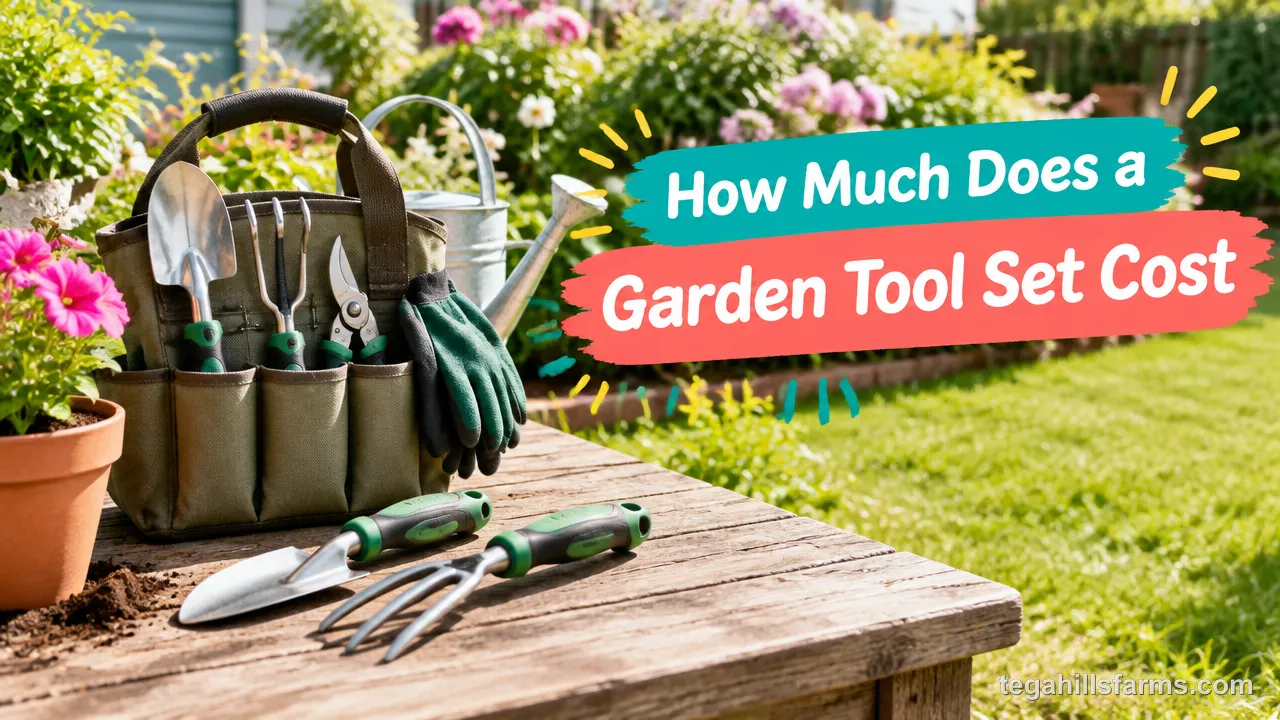
Four things set the price of any set: the metal in the heads, the material and shape of the handles, how many pieces come in the box, and the brand name on the label. Each one changes how a trowel feels after an hour of planting and how it looks after a wet season in the shed.
The real worry for most buyers is spending too little or too much. A cheap set can bend at the neck the first time it meets clay, and you end up buying again. A premium set can sit mostly unused if your garden is three pots on a balcony. Discount labels add to the confusion, because a crossed-out price can make an ordinary set look like a rare bargain.
How Much Does a Garden Tool Set Typically Cost?
Most garden hand tool sets cost under $80. Only premium gift sets with forged or stainless steel heads and hardwood handles climb past $100.
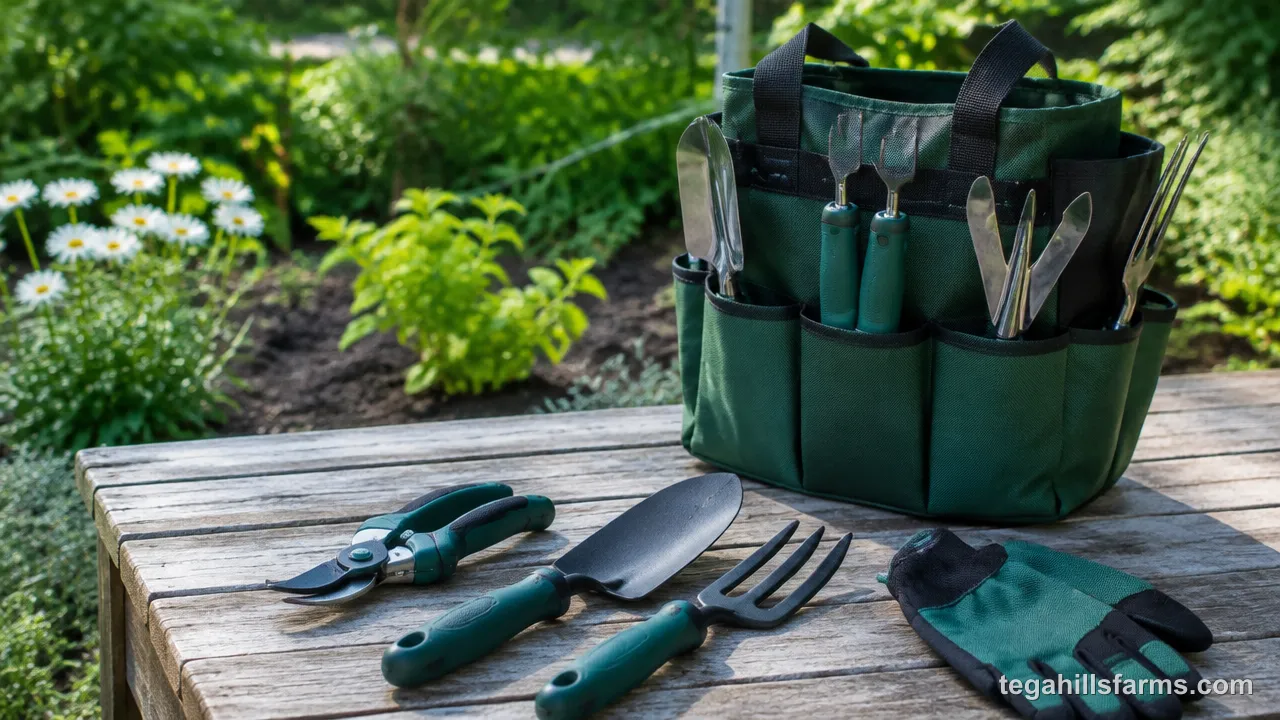
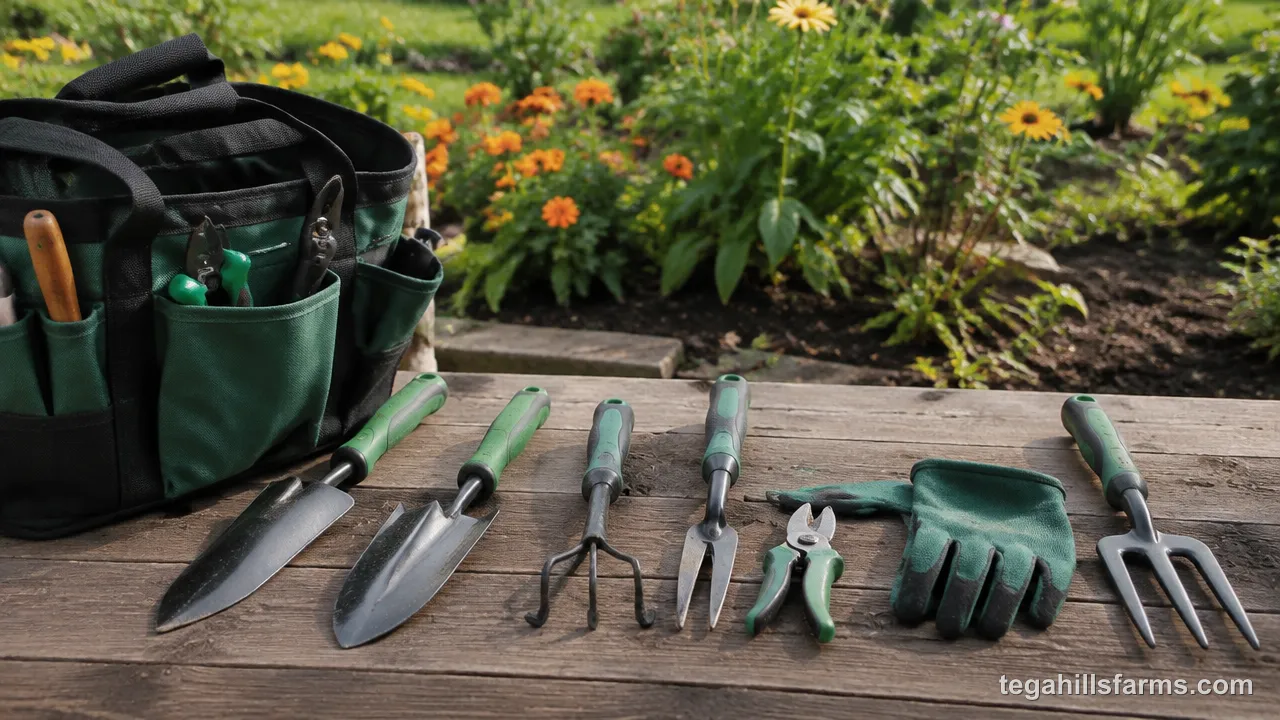
A “set” means a small group of hand tools packaged together. The usual core is a trowel for digging planting holes, a cultivator with curved tines for loosening soil and pulling shallow weeds, and a transplanter with a narrow blade for moving seedlings and bulbs. Many sets add a tote bag, a pair of gloves or a pruner. Those extras raise the piece count on the box, even though they rarely do the hard work in the garden.
The price climbs mostly with the heads. Thin stamped aluminum is cheap to make. Stainless or forged steel costs more because it takes more material and more finishing. Handles come next: molded plastic is the least expensive, rubber-cushioned grips sit in the middle, and shaped hardwood adds cost. A higher piece count pushes the sticker price up a little, and a known brand or a specialty retailer adds a premium for reputation and presentation.
If you are still sorting out which tools belong in your shed at all, our guide on how to choose garden tools covers that question before you set a budget.
What Do You Get at Each Price Tier?
Head material and how the head attaches to the handle decide which tier a set belongs to. The number of pieces in the box matters much less. These two features control whether a trowel bends in compacted soil, how quickly bare metal rusts after a rainy week, and whether the handle stays tight through repeated prying. They also explain why two sets with similar photos can sit at very different prices. A buyer who reads the material description instead of the piece count knows which tier the set really belongs to, whatever the price tag suggests.
Under $15 and $15–$35: Mini Kits and Everyday Budget Sets
Mini and succulent kits usually cost under $15. Everyday budget sets mostly fall between about $15 and $35, with many landing around $20 to $30. Mini kits are scaled-down tools with small heads for loosening potting mix, tamping soil around a succulent and lifting offsets out of shallow pots. Their handles are short and usually plastic, which is fine for container work and too small for digging in a bed.
Budget sets for beds and borders use thin stamped aluminum or basic stainless steel heads. Grips are plastic, rubber-coated or plain wood. Stamped metal is cut from sheet stock, so the neck where the blade meets the shank is the weak point. That neck flexes when you pry against a root or a rock. Accessories fill out the box: a tote bag, gloves, sometimes a spray bottle. A 111-piece aluminum set can only reach that number through small extras, not through more digging tools.
One WORKPRO 8-piece stainless steel set with wooden handles was listed at $29.69 next to a $65.99 “Was” price. A display like that makes a modest set look like a deep markdown.
These tiers suit container growers, occasional gardeners and anyone in a first season. After an hour of digging, the difference shows in your hand. Thin blades bend instead of driving forward, and narrow plastic grips press into your palm. That means more effort for the same hole.
$40–$80: What Mid-Range Big Box Sets Offer
Mid-range sets cost roughly $40 to $80 and sell at Home Depot, Lowe’s and Tractor Supply, often from brands such as Fiskars. Garrett Wade, which sells premium sets, puts big box sets in that same price band. It describes them as stamped steel and plastic that usually last one to three seasons before they need replacing.
What you gain over the budget tier is weight and fit. The heads are thicker, so a trowel holds its shape when you lean into firm soil. Handles are molded to fill the hand better, often with a softer rubber layer that keeps your grip from slipping when your hands are damp. The parts also tend to match: the trowel, cultivator and transplanter share the same handle shape, so switching tools mid-task feels consistent.
These sets still compromise in two places. The joint where the shank enters the handle is usually crimped or pinned into plastic, and it can loosen once you use the tool as a pry bar. The painted or powder-coated finish chips along the edges, which exposes bare steel that rusts if the tool goes into the shed wet.
This is the sensible tier for a weekly gardener who wants better comfort than a budget kit but isn’t ready to treat tools as a long-term investment. Rinse and dry the heads after use, keep the set out of the rain, and it will serve its full lifespan.
$100 and Up: Premium and Gift Sets
Premium sets start around $100 and run to about $200 or a little more. Garrett Wade’s Everyday Garden Set includes six tools in a waxed canvas bag and was listed at $178 on sale, $216 at full price. The Celtic Farm set is listed at $232.99, currently marked to $199.99. Both are presented as gifts as much as working tools.
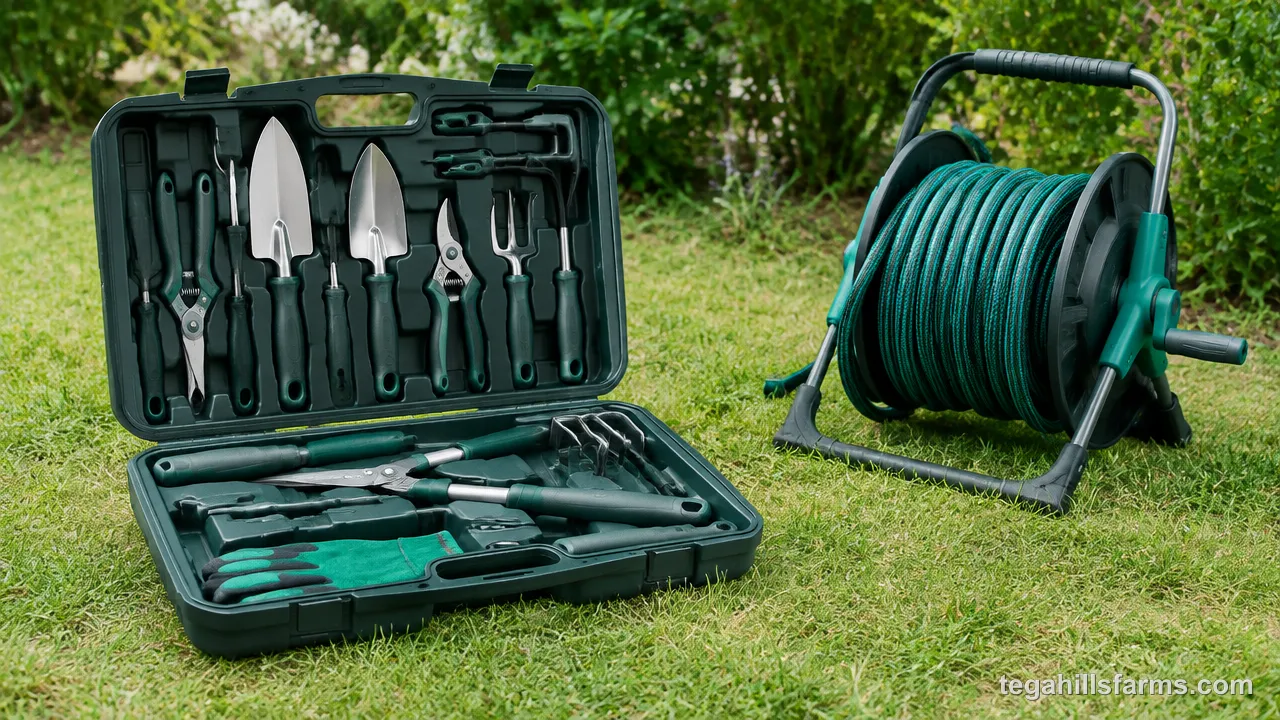
The extra money at this tier usually goes into the metal and the handles. Forged heads are shaped from heated solid steel rather than cut from sheet. That gives a denser blade that resists bending at the neck. Stainless heads skip most rust worries, and carbon steel heads can be sharpened back to a clean edge for years. Hardwood handles are shaped to the hand and fitted with a metal ferrule, a collar that keeps the wood from splitting where the tang enters. A fitted case or waxed bag keeps the set together and dry between uses.
These sets stay at the high end because forging, finishing and hardwood all cost more to produce. Presentation adds cost too, with packaging and a carry case designed for giving. The tools are built for a lifetime of use, so the maker prices them for one purchase instead of repeat purchases.
Long-term gardeners who work beds every week and gift buyers get the most from this tier. Someone with a few patio pots or a single tomato planter would be overspending, because small containers never test the strength these sets are built for.
Why Do Garden Tool Sets Vary So Much in Price?
Head metal, handle material and what fills out the piece count drive most of the price spread. Brand adds a premium on top of all three.
Head metal makes the biggest difference. Stamped aluminum is light and won’t rust, but it is thin, so it bends when you pry. Cast aluminum is thicker and stiffer, but it is brittle and can snap at the neck in rocky ground instead of bending. Carbon steel is hard and takes a sharp edge, which helps a trowel slice through roots. It rusts quickly if it is put away wet, so it needs drying and a light coat of oil. Stainless steel resists rust with little care and costs more, though it holds an edge less well than carbon steel. Forged steel, either carbon or stainless, is the most expensive because shaping heated steel aligns the grain and makes the neck much harder to bend.
Handle material changes how your hand feels late in a session. Wood absorbs some sweat and stays comfortable as it warms. It needs occasional oiling and can crack if it is left outdoors through wet weather. Rubber-cushioned grips soften pressure on your palm and hold well when your hands are damp, but the rubber can split or slide over time. Hard plastic is the cheapest, and it gets slick when wet, so your hand squeezes harder to keep control.
Piece count and extras move the price the least. A tote bag, gloves or plant labels make the box look fuller while adding little to the manufacturing cost. Brand works differently: a known name or a specialty retailer charges for reputation, warranty terms and presentation, on top of the build itself.
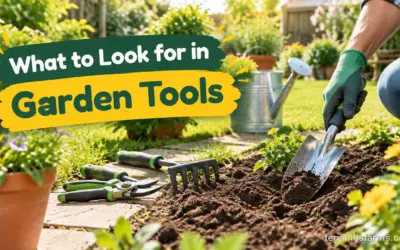
To weigh these points on a store shelf, our checklist of what to look for in garden tools walks through each one tool by tool.
Is a Cheap Garden Tool Set Worth It or Does a Premium Set Last Longer?
A premium set lasts longer because its forged or stainless heads resist bending and rust. A cheap set is perfectly adequate for occasional use, a first season or container gardening.
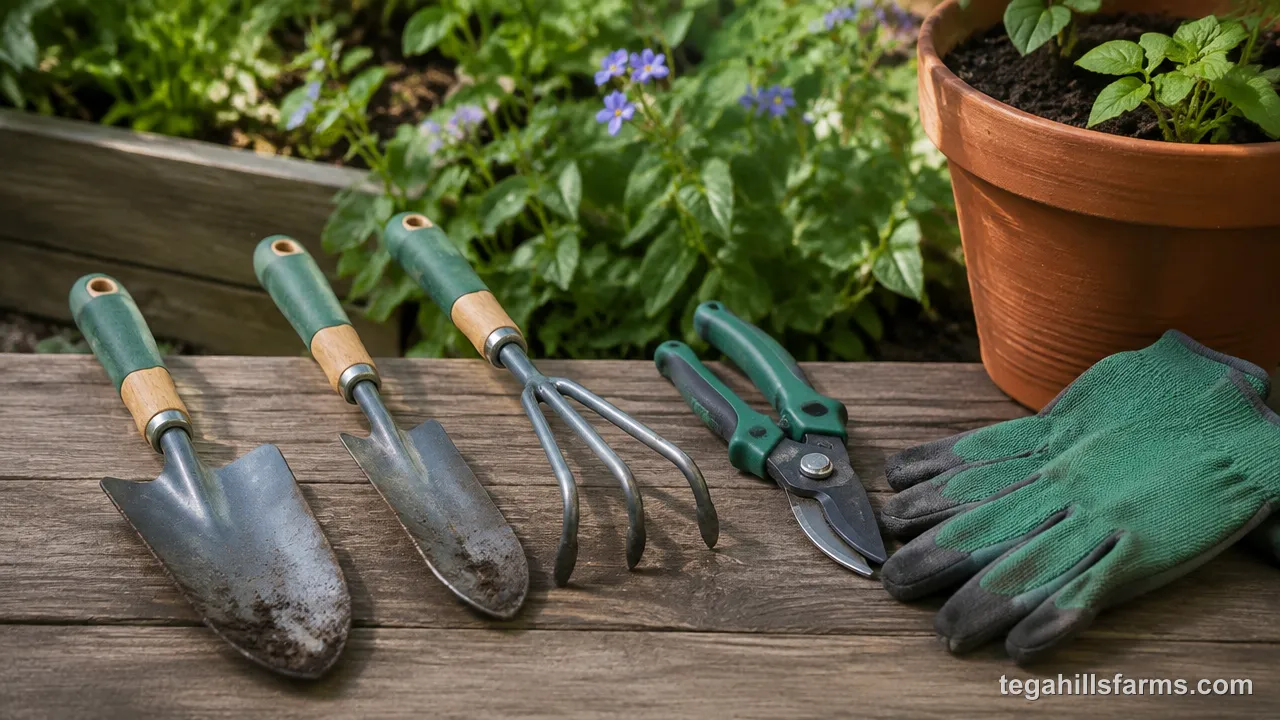
The durability gap comes from the neck and the joint. A budget trowel’s thin neck flexes under pressure, and once it bends, it never goes back to straight. Bare or lightly coated steel rusts at the edges, and plastic handles loosen where the shank was pressed in. A premium tool has a thick forged neck and a tang seated deep in a ferruled hardwood handle, so none of those weak points show up the same way.
The replacement cycle follows from that. A budget set used weekly in firm soil often needs replacing every few seasons. A well-made set kept clean can stay in service for many years. I lean toward the better set once you have already replaced a cheap one, or when your beds are clay or full of roots, because that soil finds the weak neck fastest.
Your hands and wrists feel the difference too. A blade that flexes absorbs part of every push, so you press harder for the same result. A narrow, hard grip concentrates that pressure into your palm and fingers. For someone who gardens several times a week, a stiffer blade and a broader, cushioned or shaped handle mean less strain by the end of a session.
A cheap set makes complete sense when you work in loose potting mix, garden a few weekends a year, or are still finding out which tools you reach for.
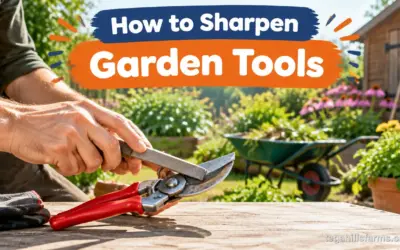
Care stretches the life of either set. Knock soil off after each use, dry the metal, and wipe carbon steel with a little oil before storing. Keep edges sharp so the blade cuts instead of tearing. Our guide on how to sharpen garden tools covers the files and angles for that.
Should You Buy a Set or Individual Tools?
A set saves money when you will use most of its pieces regularly. Buying single tools is the better choice when your garden really calls for only two or three of them.
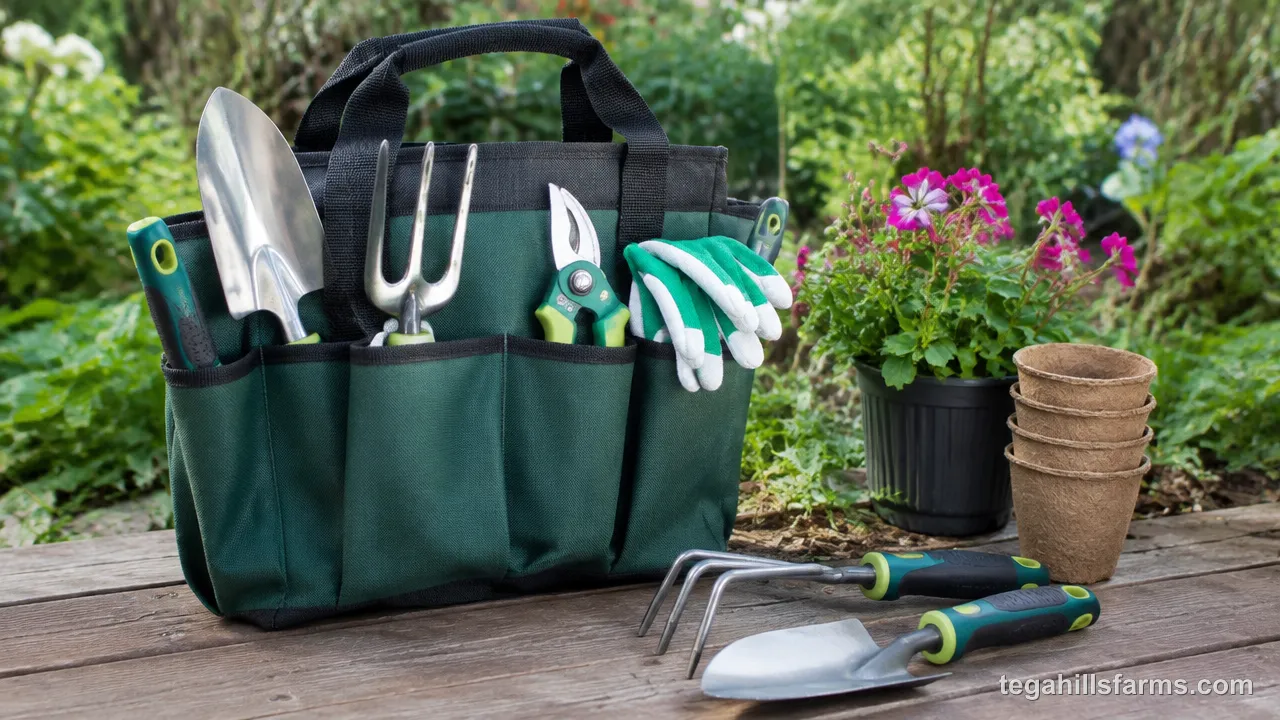
The useful core of a basic set is short. A trowel digs planting holes and moves soil. A cultivator loosens crusted soil and pulls shallow weeds. A transplanter’s narrow blade lifts seedlings and sets bulbs at depth. A pruner cuts stems, deadheads flowers and trims small branches. A hori hori, a Japanese digging knife with a concave blade and one serrated edge, digs, saws through roots and pries out tap-rooted weeds. If a set covers these with decent build quality, it usually costs less than buying the same pieces one at a time.
Large piece counts work against that math. Sets with dozens of items fill the box with labels, ties, small rakes and spray bottles you would rarely miss. You pay for the packaging while the trowel inside is no better than one in a three-piece set.
Before buying, list the jobs you do every week in your own garden. If that list is mostly planting and weeding in beds, a compact set fits. If you mostly prune shrubs, one good pruner matters more than any set. A gardener who only tends containers may need nothing beyond a small trowel.
Upgrading can also happen one tool at a time. The trowel and pruner do the most work and take the most strain, so they are worth replacing first. Buy a better forged trowel, or a bypass pruner whose blades slide past each other for a clean cut, and keep the rest of a budget set for lighter jobs. Cheap pruners in sets can loosen at the pivot and crush stems instead of slicing them.
Which Price Tier Fits Your Garden and Budget?
Your type of garden and how often you work in it decide the right tier more than your budget alone does. A gardener working raised beds every week puts very different stress on a trowel than someone repotting succulents twice a season. A set bought as a present has to suit hands you can’t test it in. Grip comfort matters in every situation, and it matters most for gardeners with stiff, weak or painful hands. Our garden tools for arthritis guide explains handle shapes and grip sizes that ease that strain.
Beginners and Vegetable Gardens
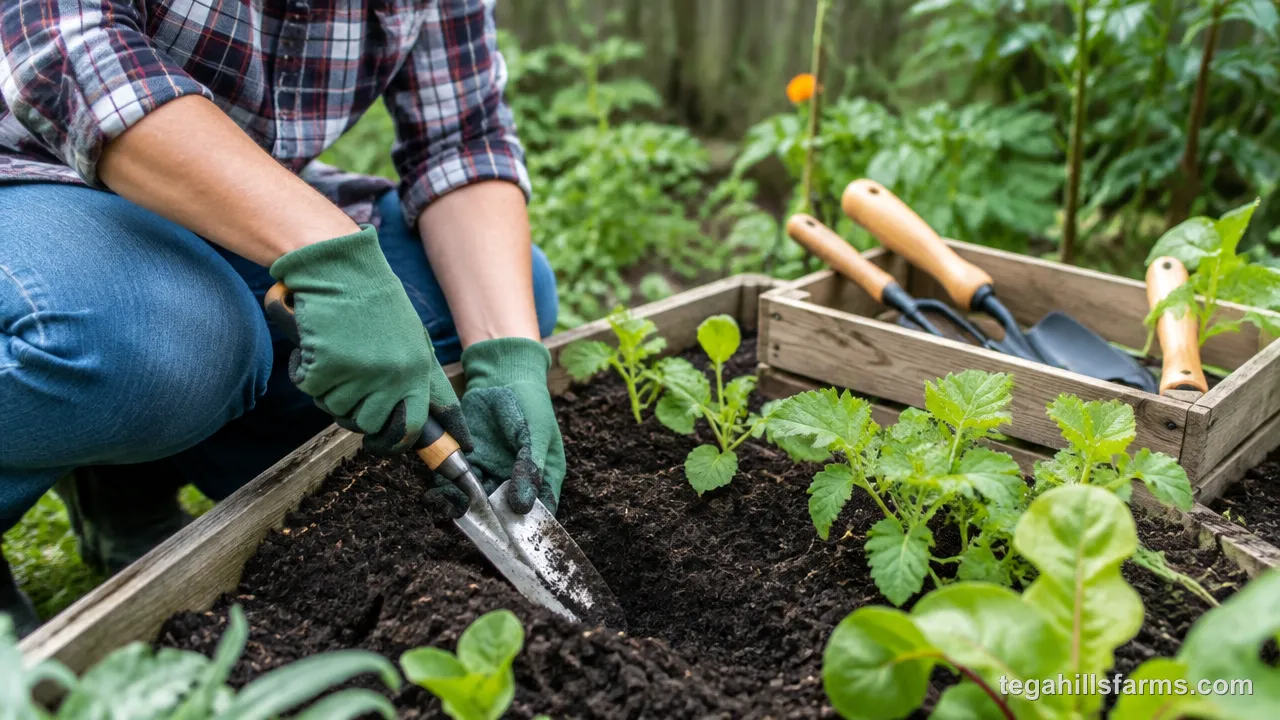
A new gardener or raised-bed vegetable grower needs a sturdy trowel, a cultivator and a transplanter with comfortable grips. The mid-range tier usually balances cost with tools that survive several seasons of regular use. Vegetable beds get turned, planted and weeded repeatedly from spring through fall. That repetition tests the trowel’s neck and the handle joints far more than a flower border does.
Look for heads described as steel rather than aluminum, and grips that are thick enough to fill your hand without forcing your fingers to clench. Those two features keep the blade straight and your hand relaxed through a long planting day. A budget set can work for a first season if you are unsure how much you will garden. Expect to replace it if the habit sticks.
Skip extras that don’t help in beds: plant labels, spray bottles, decorative tool racks, and very small rakes. A plain bag is enough to keep tools together.
Signs that it is time to upgrade are easy to see. A trowel that has bent at the neck, a cultivator with spread tines, a handle that turns on its shank, or rust that keeps returning after cleaning all mean the set has reached its limit. Replace the tool that failed first, which is usually the trowel, with a better single piece.
Container Gardens, Succulents and Gifts
Small-head mini tools suit patio pots and succulents because the soil is loose and the space between plants is tight. A narrow trowel slips between rosettes without disturbing roots, and a tiny rake fluffs gritty mix without spilling it. A low-cost kit is enough here. Potting mix never puts the strain on a neck that clay does, so a cheap set’s weak points rarely matter.
Gift buying follows different priorities. Presentation counts, because a set in a canvas bag or fitted case feels like a considered gift and keeps the tools together for the person receiving it. A lasting material counts too: stainless heads spare someone who isn’t fussy about care from finding rust after a damp week. A premium set makes a thoughtful gift for someone who gardens seriously and will use the tools for years. A budget set with a tote bag fits better for a new homeowner or a friend starting a few containers, where the gesture matters more than the metal.
Before giving any set, check the handles. Look for grips that are wide and slightly cushioned or smoothly shaped, without hard ridges that press into fingers. If the recipient is older or has weaker hands, lighter tools with thicker grips will see far more use than heavy forged pieces.
A Walmart listing can show a crossed-out “Was” price beside the current one, and the seller sets that higher figure, which may not match what the set usually sells for. Buy on that markdown alone and you can end up paying a fair price for thin aluminum heads that bend the first time they hit clay.
How Can You Spot a Misleading Garden Tool Set Deal?
A real bargain shows up in the material and handle description, not in the discount label. A crossed-out “Was” price or a heavy-discount badge only shows what the seller chose as a reference point. The same set listed at another retailer often tells you what it actually sells for, so compare the exact model name before buying.
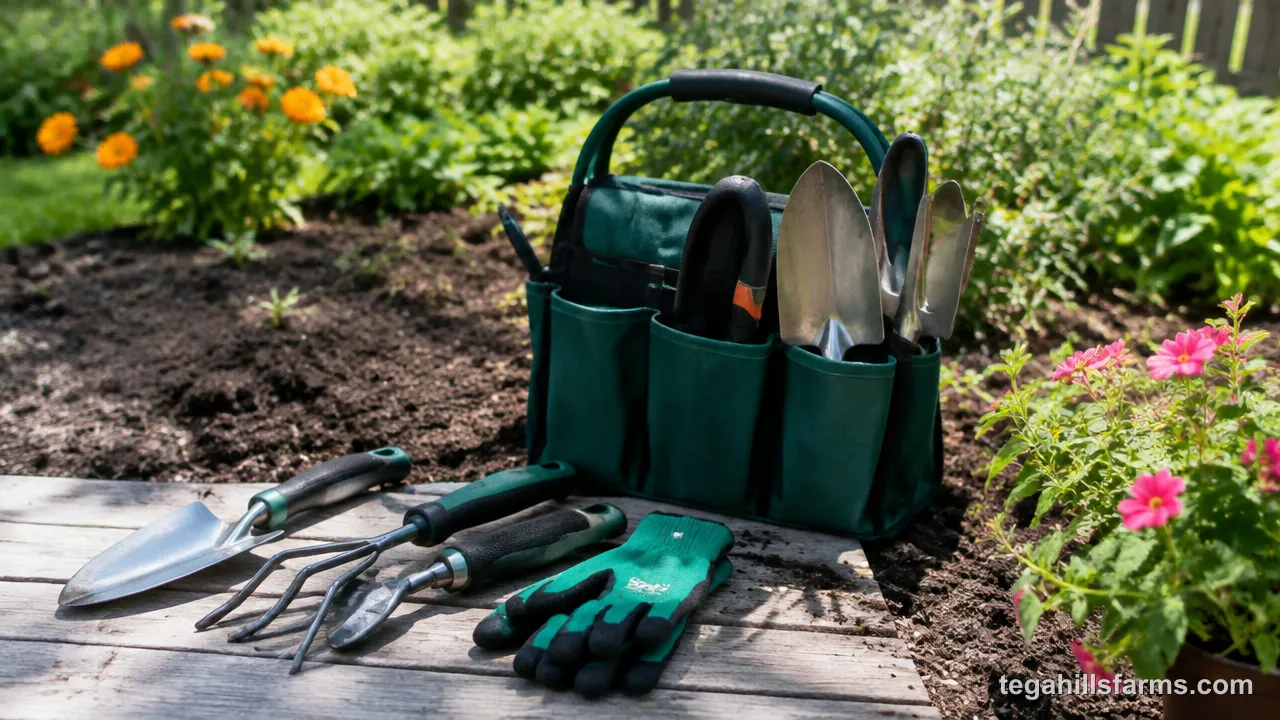
Piece count hides more than it reveals. A big number usually means small accessories bundled around a few thin digging tools. Check what the core pieces are made of: “steel” or “stainless steel” for the heads, and wood, rubber or plastic for the handles. Vague terms such as “heavy-duty” or “premium” with no material named are a warning sign.
Star ratings need the same caution. A rating left in the first week reflects how a tool looks out of the box, not how its neck holds up after a full season in firm soil.
If you can see the set in person or in close photos, look for warning signs of a poor build. These include a shaft already slightly bent, rough seams where the head was stamped, rust spots at the joints, and any wobble where the shank meets the handle.
Where and When Is the Best Time to Buy a Garden Tool Set?
Buy where you can match the set to your hands, and time the purchase to the season. Amazon and Walmart offer the widest variety of budget and mid-range sets. Home Depot, Lowe’s and Tractor Supply let you pick up a mid-range set and hold the grips before paying. Specialty garden stores and tool catalogs carry most premium sets.
Holding a tool before buying tells you more than any listing. Within seconds you can feel whether the grip fills your hand, whether the head’s weight pulls your wrist forward, and whether the handle has hard edges that will dig into your palm over an hour.
Timing affects both selection and price. Spring demand brings full shelves and the most choice, with fewer markdowns. End-of-season clearance in late summer and fall brings markdowns on whatever is left, so selection is thinner. The exact timing depends on when gardening winds down where you live, so watch your local stores as your own season ends.
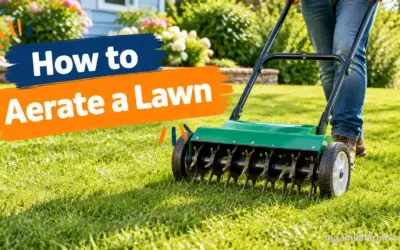
A spring shopping list sometimes includes lawn work alongside bed tools. Loosening a compacted yard needs an aerator, a separate purchase from any hand tool set, and our walkthrough on how to aerate a lawn covers that job on its own.
Garden Tool Set Cost FAQ
Is a 3-piece garden tool set enough?
Yes, for most beds and containers a trowel, cultivator and transplanter cover planting, loosening soil and moving seedlings. Add a pruner if you have shrubs or perennials to cut back. A small set built from better metal often serves you longer than a large set where every piece is thin.
Is a tool bag worth paying extra for?
A bag is worth it when it keeps tools together and dry between uses, especially for gardeners who carry tools between beds or store them in a shared shed. Waxed canvas sheds moisture better than thin polyester. Don’t pay extra for a set mainly because of the bag if the tools inside are weak.
How many seasons does a budget garden tool set last?
Under weekly use in firm soil, a budget set usually lasts only a few seasons before trowels bend or handles loosen. In potting mix or with occasional use, it can last much longer. Drying the tools after each use and storing them out of the rain slows rust on cheaper steel.
Do gloves count as part of a garden tool set?
Many sets include gloves and count them in the piece total, but they add little to the set’s value. Bundled gloves are usually one generic size and thin fabric. Judge the set by its digging tools, and buy gloves separately in a size that fits your hands for real comfort and protection.
Is a set from a specialty store worth it as a gift?
It is worth it when the person gardens regularly and will keep the tools for years. Specialty sets usually offer forged or stainless heads, hardwood handles and a case, which make a lasting gift. For a casual or brand-new gardener, a lighter, comfortable budget set may get more use.

Write Your Review
No reviews yet. Be the first to share your experience!