

Garden tools for arthritis ease wrist and hand strain through three things: handles that fill the palm and keep the wrist straight, a light and well-balanced build, and mechanisms such as ratchets, gears or long shafts that supply the force your fingers no longer can. Matching each tool to the task, then pacing the work, does the rest.
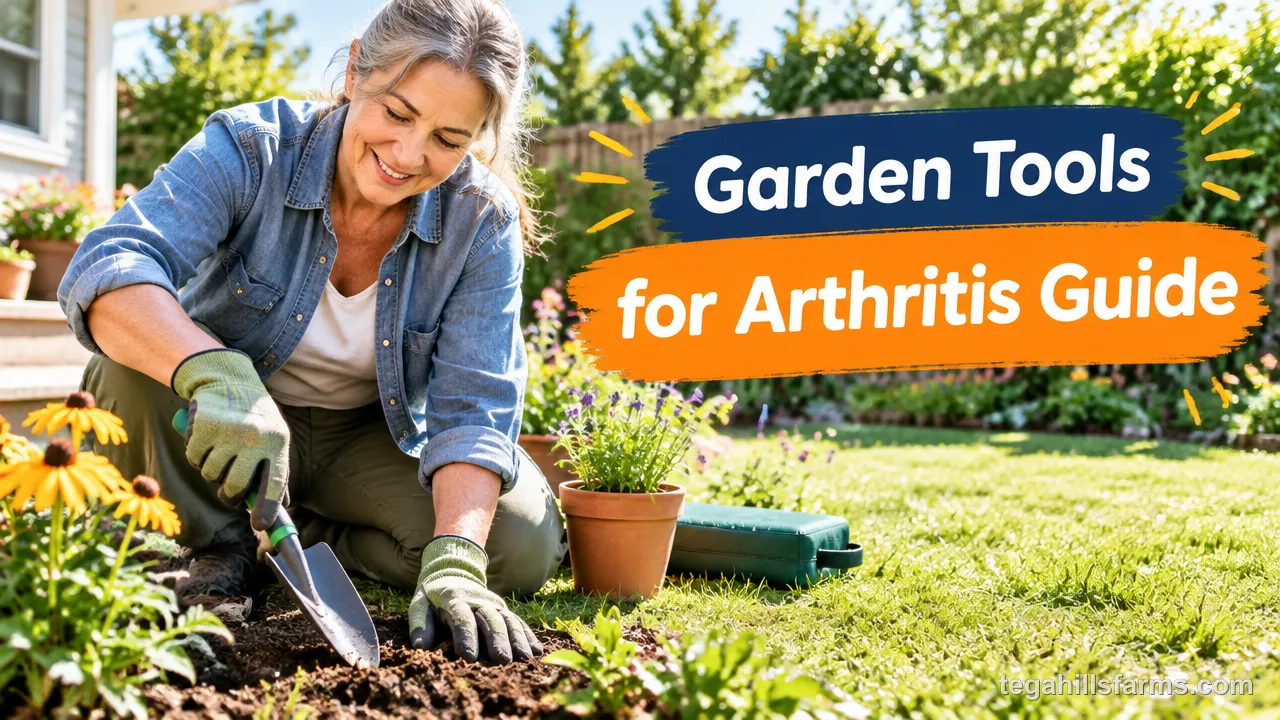
The useful checks are physical ones you can make with the tool in your hand. Look at grip thickness and surface, where the weight sits, how the cutting or digging action multiplies force, and whether the length lets you work standing up.
Most people with sore joints want to know whether gardening can stay a weekly habit without swollen knuckles the next morning. It can, when the tools, the layout of the beds and the way you work all take load off the small joints of the hand.
If you replace only one tool this season, make it the one you use most often and grip the longest. For most yards that is the pruner or the hand trowel.
Why Does Garden Work Strain Arthritic Hands?
Garden work asks the hand for sustained gripping, pinching and twisting, the three motions that load joints already worn by osteoarthritis or inflamed by rheumatoid arthritis.
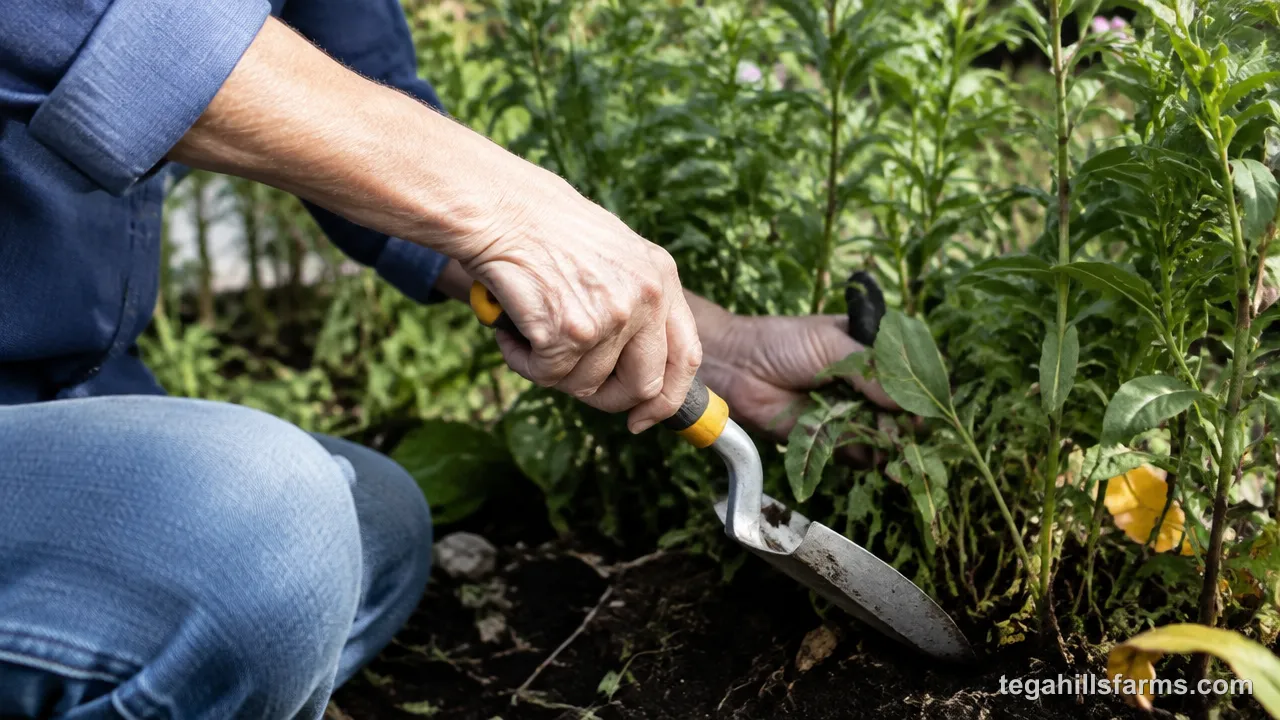
Osteoarthritis wears down the cartilage that cushions the ends of the bones, often at the base of the thumb and in the finger joints. Each squeeze of a pruner presses those roughened surfaces together, so the ache builds with every cut. Rheumatoid arthritis inflames the lining of the joints instead. Over time the swelling can push the fingers sideways toward the little finger, which weakens the grip and makes a narrow handle hard to hold securely.
Gardening stacks the three stresses on top of each other. You grip a spade handle tightly while digging, pinch a weed at the stem to pull it, and twist your wrist to turn a trowel in soil or loosen a hose fitting. None of these is harmful once; the damage comes from repeating them many times in one session with no change in position.
A standard straight shaft makes the wrist bend sideways or backward as you push and lift. In that bent position the tendons slide across the joint under tension. An upright or vertical handle lines up the forearm, wrist and hand, so the force travels through the arm instead of pivoting at the wrist.
Pain tolerance only decides how long you push through discomfort. Tool design decides how much load reaches the joint at all, which is why a better-built tool lengthens a session without adding to the cost the next day. Before narrowing your list for sore joints, it helps to understand how to choose garden tools on the basics that apply to every gardener.
What Should You Look for in Garden Tools for Arthritis?
Comfort for sore hands depends on how the handle meets your palm, how the weight is carried and how much force the tool supplies on its own.
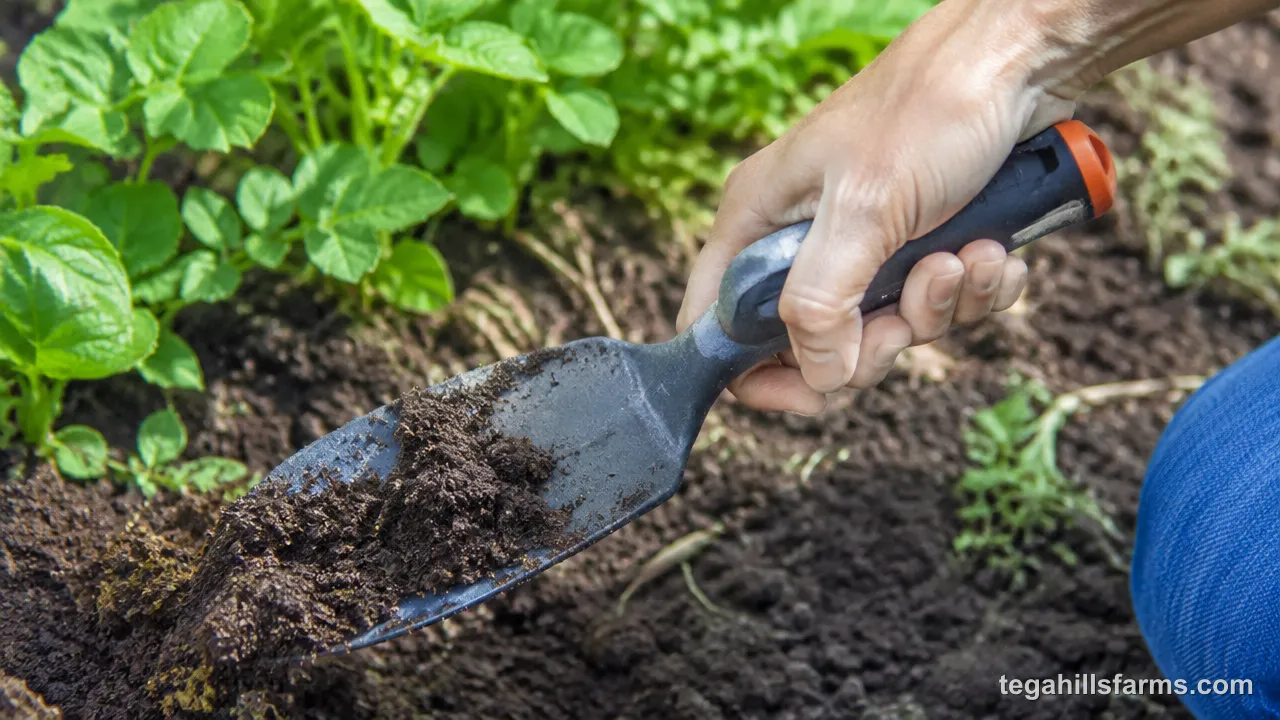
These are build details you can confirm by holding the tool in a store aisle, and they tell you more than the word printed on the packaging. The general points of what to look for in garden tools still apply, such as a solid head and a secure joint between head and shaft. A tool for arthritic hands has to pass a stricter test first, though, because a durable tool you cannot hold for long stays on the shelf.
Which Handle Shapes and Grip Sizes Are Easiest on Sore Joints?
The easiest handles on sore joints are thick, rounded or contoured grips with a soft, non-slip surface. They spread pressure across the whole palm instead of concentrating it at the fingertips and the base of the thumb, which are the joints osteoarthritis tends to reach first.
A handle that is too thin forces the fingers to curl further to close around it. A tightly curled finger joint carries more load, and the thumb has to press harder to keep the tool from rolling. A fuller grip lets the hand stay partly open, so the same control comes from a looser hold. The surface matters for the same reason: a slick handle has to be squeezed harder to stop it turning, especially in damp gloves, while a soft rubber or foam covering holds in place with less pressure.
Upright handles change the angle of the work. On Peta Easi-Grip tools, the handle sits at an angle to the shaft, so you hold the tool the way you would hold a suitcase handle and the wrist stays straight while you push into the soil. D-handles on spades work in a similar way. The closed loop lets your whole hand sit inside the grip, so you push and lift with the arm while the wrist stays in line.
A tool you already own can get the same fuller grip without a new purchase. Slipping foam tubing over a thin handle increases its diameter and softens its surface at the same time.
How Much Do Weight and Balance Matter?
Weight sets the effort for every lift and swing, so a tool made of aluminum, fiberglass or a light composite saves energy over a long session in a way a steel-and-hardwood tool cannot. Balance decides how that weight reaches your wrist, and it matters just as much.
When the weight sits near your hand or spreads evenly along the tool, the wrist only has to guide it. When the weight sits far out at the head, the wrist becomes the pivot of a lever. It has to hold the head up against gravity on every stroke, and the longer the shaft, the greater that load becomes. This is why a very light tool can still be uncomfortable: a cheap aluminum cultivator with a dense metal head may weigh little in total yet tip forward constantly, so your wrist works harder than it would with a heavier, well-balanced tool.
The simplest test is to hold the tool at arm’s length and move it the way you will use it. Make a scooping motion with a trowel, a chopping stroke with a hoe, a pull with a rake. If the head dips, or you have to tilt your wrist upward to keep it level, the balance works against you. A tool that feels neutral in that test will still feel manageable an hour into the job.
Which Mechanisms Reduce the Force Your Hands Must Supply?
Ratchet pruners suit the weakest grip because they split one cut into several small squeezes. Geared loppers and long handles suit people whose arms are stronger than their hands. Battery-powered pruners suit hands that cannot squeeze repeatedly at all, and spring-assisted opening helps anyone with stiff fingers.
Each mechanism has a cost. A ratchet holds the blade’s position between squeezes, so each pump needs only part of the force a full cut would take, but you pay in time, since one branch takes several pumps. Gears inside a lopper multiply the force of each stroke, which helps on thicker wood, though the gear housing adds a little weight near the head.
Longer handles add leverage by moving your hands further from the pivot. The same push produces more cutting or prying force, yet a long tool is heavier at the end and asks for two arms and more room to swing. Battery pruners remove the squeezing effort almost entirely; the trade-off is the weight of the battery and motor in your hand and a higher purchase cost.
Spring-assisted opening reopens the blades after every cut, so your fingers never have to pull the handles apart against resistance. A spring set too stiff adds force to each closing squeeze, so it is worth testing the action before buying.
Which Garden Tools Suit Each Task When You Have Arthritis?
The right tool changes with the job, because digging loads the wrists and shoulders, pruning loads the grip and weeding loads the pinch, while watering strains the hand that carries.
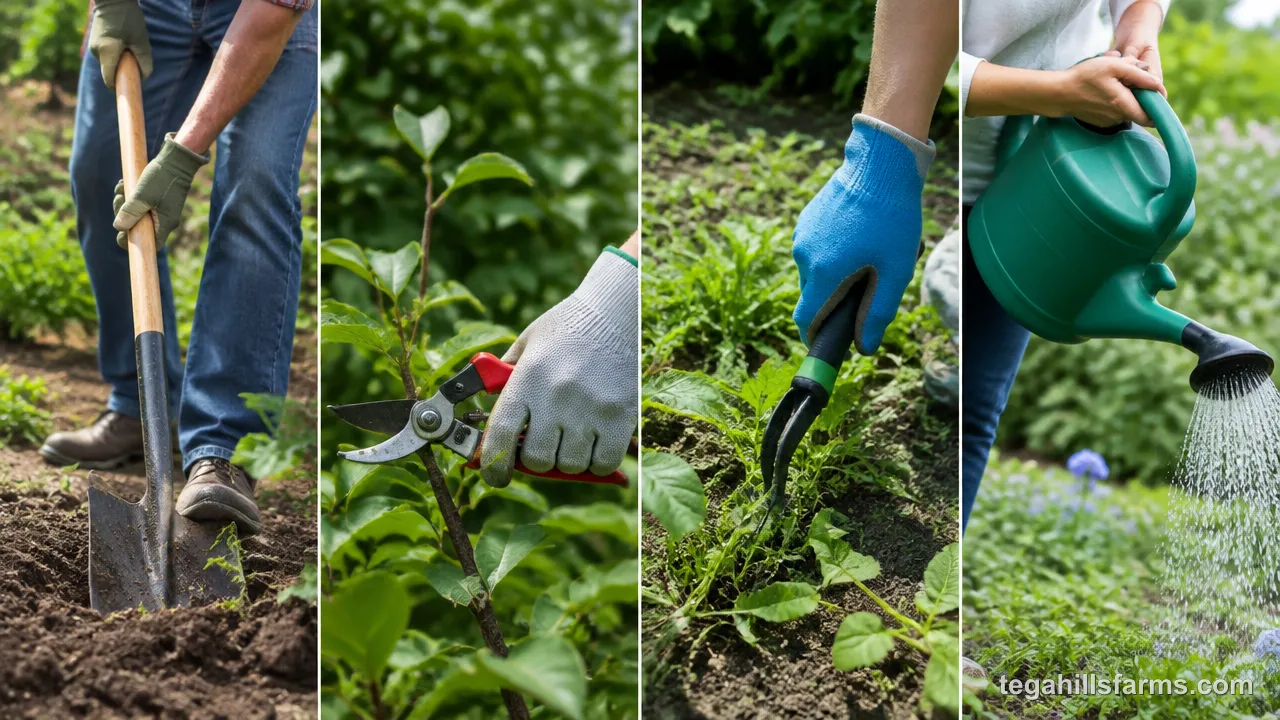
A tool that rescues one joint may do nothing for another. A ratchet pruner spares your grip but not your back, and a long-handled spade spares your back but not your fingers. A single ergonomic set rarely covers every chore, so the useful approach is to look at which joint each task leans on and choose the tool that takes over that load.
What Are the Easiest Tools for Digging and Planting?
For close work, a trowel, cultivator or garden fork with an upright or ergonomic handle keeps the wrist straight while you dig planting holes or loosen soil. For larger jobs, D-handle and long-handled spades and long-reach tools let you dig standing up, which moves the load from your hands to your legs and shoulders.
Some hand tools add a forearm support or an extended grip that rests along the inside of the arm. With that support, the push into the soil comes from the forearm, and the hand only guides the blade. The Peta Easi-Grip Long Reach Garden Tools take a different route: each handle runs more than 31 inches, long enough to reach a bed while standing or seated rather than bending over it.
Spade length depends on the work and the gardener. The 40-inch Spear Head D-Handle spade suits digging and edging and gives useful leverage. The 58-inch Spear Head Long Handle spade suits taller gardeners or anyone who needs extra leverage, and it lets you dig without bending. The 30-inch Spear Head Mini spade fits raised beds and containers, where the work comes from the wrist and hand.
The trade-off is control versus leverage. A short shaft aims precisely in tight spaces but puts more of the load on your wrist. A long shaft multiplies your force and keeps your back straighter, though it is harder to place precisely between established plants. I would pick the longest shaft you can still aim comfortably.
Which Pruners and Loppers Are Easiest to Squeeze?
Ratchet pruners are the easiest to squeeze because they cut a branch in stages. Each squeeze advances the blade a little and locks it there, so you never have to deliver the whole cutting force in one motion. Ratchet pruners such as those from The Gardener’s Friend are meant for branches up to 1 inch thick, which covers most shrub and perennial pruning.
Loppers handle thicker wood by trading compactness for leverage. Long handles put your hands far from the pivot, so a moderate push produces a strong cut, and geared loppers add more force per stroke. The cost is in the arms and shoulders: you open the handles wide and close them with both arms, which suits people whose shoulders are in better shape than their fingers.
Blade sharpness matters more for sore hands than for strong ones. A dull blade crushes the stem before it slices it, and a healthy hand simply squeezes harder to finish the cut. An arthritic hand pays for that extra force in the thumb joint. Learning how to sharpen garden tools keeps the blade cutting cleanly through the season and reduces the force of every cut.
A battery-powered pruner makes more sense when you have a long hedge or many shrubs to cut back, or when even the small squeezes of a ratchet hurt. It removes the squeezing almost completely, in exchange for more weight in the hand.
How Can You Weed Without Pinching and Pulling?
Stand-up weeders remove the weed with its root through foot or lever action, so your fingers never pinch the stem and your back stays straight. With the Fiskars UpRoot Weed and Root Remover, you place the claws over the weed, step on the foot platform to drive them into the soil around the root, then tilt the handle back to lift the whole plant out. The Weed Hound works in a similar way: you press its pronged head down over the weed and pull the plant up with the tool, without bending to grab it.
Prevention reduces how much weeding you need to do at all. A weed mat blocks light from the soil surface, so fewer seeds sprout between your plants. The Pro Weed Mat comes in a 3-by-50-foot roll that you can cut to fit beds and paths. A layer of mulch does the same job in planted areas and also keeps the soil loose, so the weeds that do appear come out more easily.
Different hand problems call for different approaches. If pinching hurts your fingers or thumb, a stand-up weeder removes that motion. If bending and kneeling are the problem, the same standing action helps your back and knees. If any repetitive task triggers a flare, prevention is the better investment, because fewer weeds means less work of any kind.
What Makes Watering Easier on Hands and Wrists?
A lighter hose and a softer trigger take the most strain out of watering. The Flexon Guard N Grip Hose is easier to drag around beds and coil afterward than a heavy rubber hose. A lightweight coiled hose goes further still: it stretches to 50 feet in use and springs back to about 3 feet on its own, so there is little to drag and nothing to wind up.
The nozzle is where your grip works hardest, because you hold the trigger closed the whole time you water. The Melnor RelaxGrip nozzle has a wide, soft trigger that you press with several fingers rather than squeezing hard with two, which spreads the load and eases the thumb.
Carrying water is the other strain. The Presto Bucket is a collapsible nylon bucket that holds almost 3 gallons and weighs only a few ounces itself. Water is still heavy, so filling it partway keeps the load within what your hand can carry. For container plants, an Aqua Cone screws onto a 1- or 2-liter soda bottle and releases water slowly into the pot, which cuts down on daily watering trips.
Hard-to-turn fittings strain the wrist through twisting. A worn rubber washer makes you overtighten a connection to stop a leak, so replacing washers lets a light turn seal it. Quick-connect fittings snap together instead of screwing on, which removes the twist entirely.
Do Gloves, Grip Aids and Wrist Braces Actually Help?
Yes, when each one is matched to a specific problem, though they support suitable tools rather than replace them.
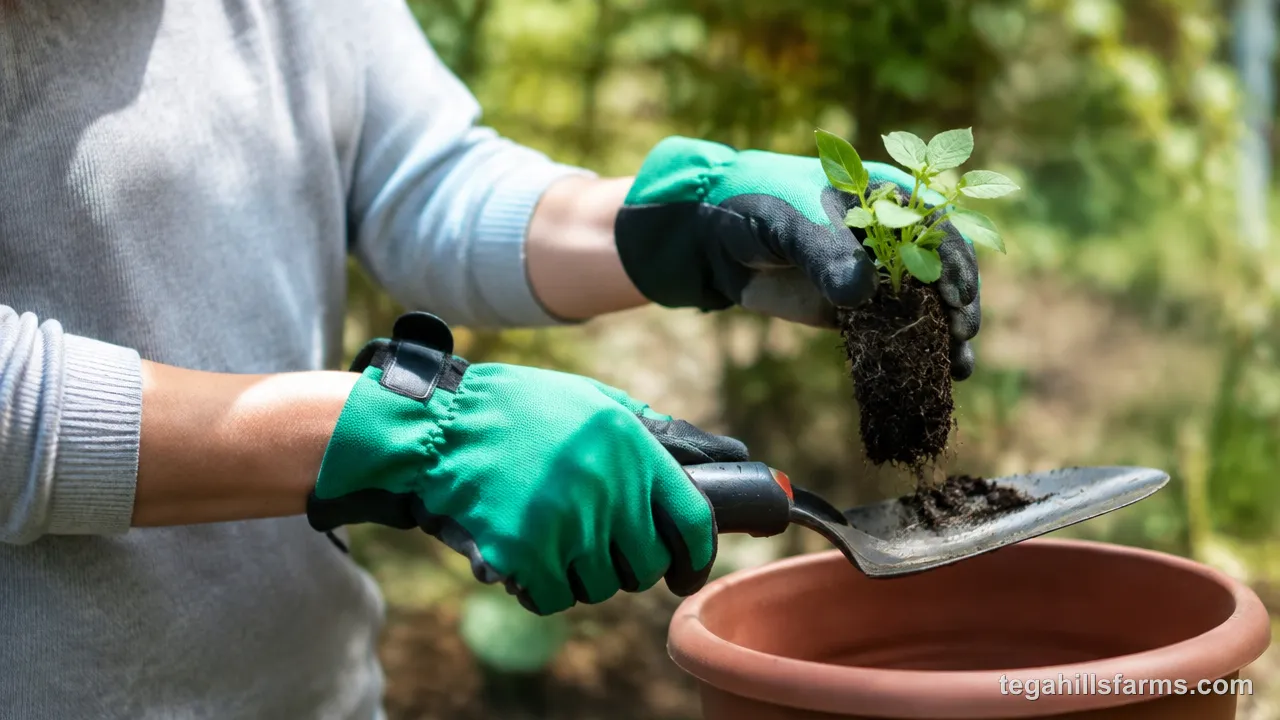
A glove can warm stiff knuckles but cannot make a dull, thin-handled pruner easy to close. A brace can hold a wrist straight but cannot shorten a session that runs too long. The right choice depends on whether you need protection and warmth for the hand itself, or a change in the size and angle of your grip.
What Should You Look for in Gardening Gloves for Arthritis?
Padded compression gloves suit sore hands best for heavy work. The compression gives gentle support and warmth to the knuckles, which can ease stiffness, and padding in the palm cushions the vibration and impact that digging, raking and chopping send through the hand.
Fit decides whether a glove helps or hurts. A glove that is too tight restricts circulation and adds pressure to joints that are already swollen. A glove that is too loose bunches at the fingers and slides on the handle, so you end up gripping harder to hold the tool steady. When rheumatoid arthritis causes swelling to come and go, it is worth trying gloves on later in the day, when your hands are at their fullest.
Fingerless gloves leave the fingertips free for fine tasks such as sowing seeds, tying stems and writing plant labels, while still padding the palm. Full-finger gloves protect against thorns, cold soil and blisters, at the cost of some feel.
Bionic Gloves place padding in zones meant to even out pressure across the palm. For more severe weakness, powered grip-assist gloves also exist; small motors add squeezing force to your own, though they are sold as medical aids rather than garden gear.
Gloves make fine movements harder when the padding is thick, because it dulls touch and widens the fingers. Switching to a thin glove for delicate work avoids that problem.
When Do Foam Grip Aids and Wrist Braces Make Sense?
Foam grip aids make sense for any good tool you already own that has a thin handle. Foam tubing slipped over the grip increases its diameter, so you can hold the tool with a looser, more open hand and less pressure on the finger joints.
Fit matters for foam. Choose tubing with an inner opening that fits the handle snugly, slide it on fully, and secure both ends with tape or a zip tie. Loose foam turns on the handle, and the hand responds by squeezing harder to stop it, which cancels the benefit.
A wrist brace holds the joint straight, so the tendons that run across the wrist are not stretched and loaded by constant bending. It suits short periods of heavy work, such as digging, raking or carrying, when the wrist would otherwise be forced off its neutral line.
A brace works best in short spells. Taking it off between heavy tasks lets the wrist move normally, while wearing it for the whole day lets the joint stiffen and the supporting muscles weaken. An occupational therapist can recommend the right style and fit if a ready-made brace feels awkward.
How Can You Cut Down on Bending and Kneeling?
Reducing strain on knees, hips and back often means changing the garden’s setup as well as the tool in your hand.
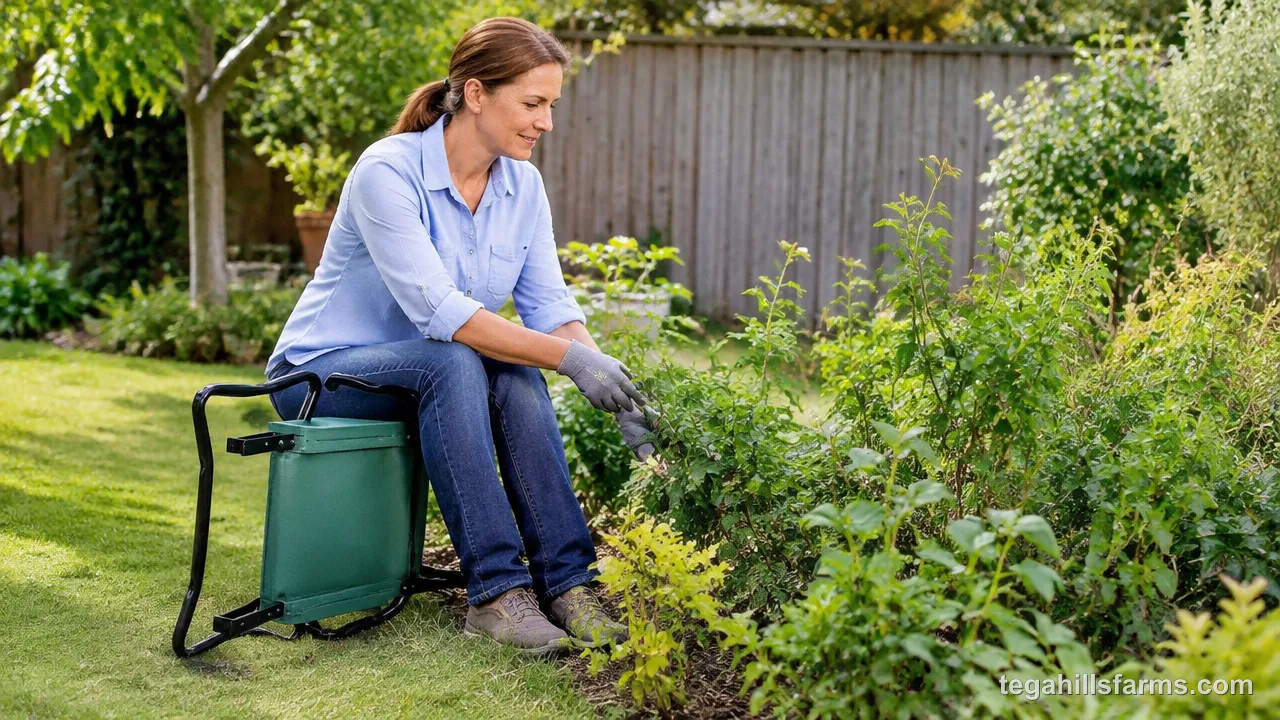
Even the best-designed trowel still has to reach the soil, and when the soil is at ground level the body folds down to meet it. You can make getting down safer and easier, or you can bring the work up to you. For many gardeners with arthritis in several joints, the second approach does more good than any single hand tool.
Are Garden Kneelers and Seats Worth Using?
Yes, a kneeler with handles is worth using for anyone who finds it hard to get up from the ground. The handles give you something solid to push against with your arms as you rise, so your knees and hips do not have to lift your full weight. A flip-over model turns into a low seat, which lets you work at ground level sitting down instead of spending the whole session on your knees.
Wheeled garden seats and carts take over the carrying. A rolling seat lets you move along a bed without standing up and kneeling again at every plant, and a cart moves soil, compost and tools without straining your hands and wrists.
Stability matters more than features for gardeners with balance problems. Look for a wide base, sturdy handles on both sides, and wheels that lock or a frame that does not roll. A kneeler or seat that tips on uneven ground creates more risk than it removes, so it is worth testing it on the actual surface of your garden.
For anyone who struggles to rise from the ground, I would treat a kneeler with handles as the first purchase, ahead of any new hand tool.
How Do Raised Beds and Containers Reduce Strain?
Raised beds bring the planting surface up to waist or seat height, so your back stays straighter and short-handled tools become comfortable to use. A trowel that would mean kneeling at ground level becomes a tool you use standing or sitting beside the bed.
Bed width affects reach. If you cannot reach the center of the bed from either side without leaning over it, the bed is too wide, and the strain moves from your knees to your lower back. Edge height and design matter too: a wide, flat cap along the edge gives you a place to sit while you work.
Raised beds also reduce the effort of every task. The soil is never walked on, so it stays loose and does not compact, and a trowel or hand fork goes in with much less push from the wrist. Weeds pull out more easily from loose soil as well.
Containers on stands suit gardeners who cannot bend at all. Raised to a comfortable height, a pot or trough brings the plants to the level of your hands, whether you stand or sit in a chair or wheelchair.
How Should You Garden to Protect Your Joints?
Pacing and technique matter as much as tool design, because long, repetitive work wears on joints even with a well-shaped handle.
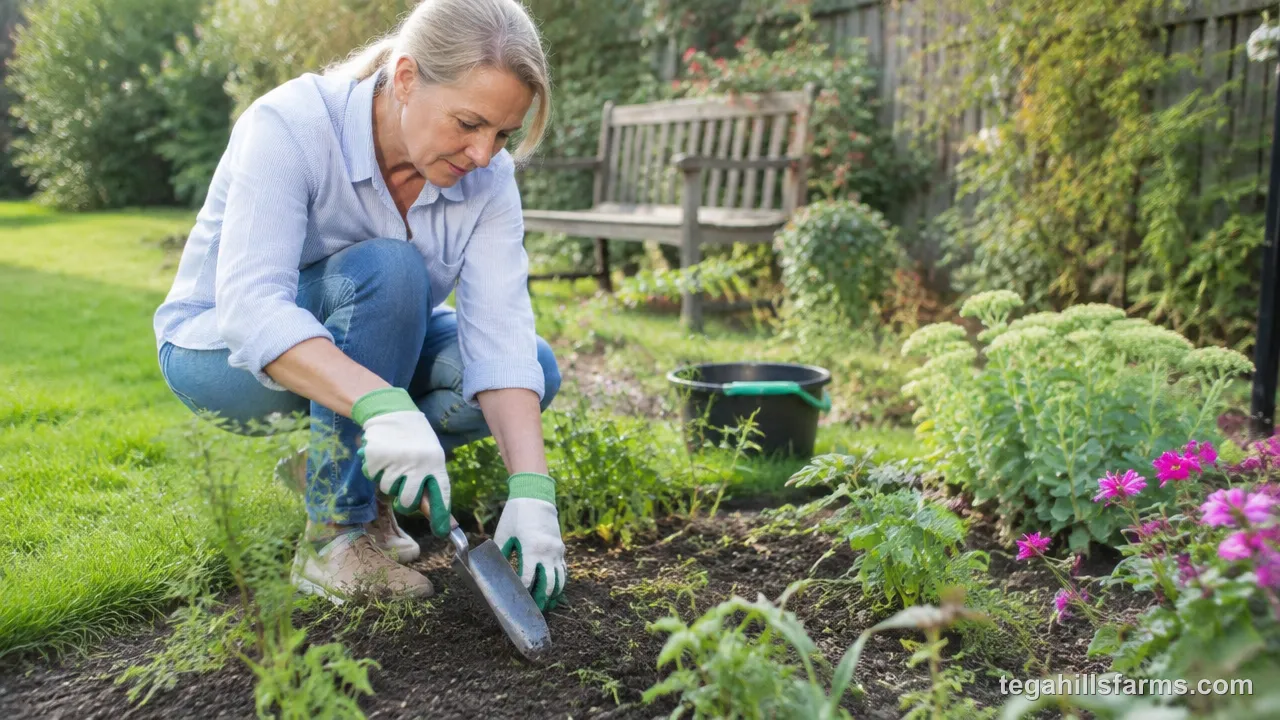
A good tool lowers the load of each motion. How many times you repeat that motion, and with which part of your body, decides how your joints feel that evening. Changes in timing and movement cost nothing and work alongside any tool you own.
How Should You Pace a Gardening Session?
Pacing starts before the first task. Two or three minutes of gentle stretching for your back, hamstrings and wrists prepares stiff joints for work, so the first round of digging does not hit cold, tight tissue. Working in the cooler part of the day suits many people, because heat adds fatigue that makes you grip harder and move less carefully.
During the session, change position every 15 to 20 minutes, moving between kneeling, sitting and standing so no joint holds one posture for too long. Every 20 to 30 minutes, stand up, walk around and shake out your hands. The break works best when you take it before pain starts. Once the ache has begun, the joint has already been overloaded, and stopping then only limits the damage.
Alternating tasks spreads the load across different joints. A session might start with a stretch of digging at a raised bed, then switch to sitting on a kneeler seat to set out seedlings. After that you could stand to water with a lightweight hose, then return to a lighter round of digging. Each change gives the joints used in the last task time to recover while different ones take over.
How Can You Use Your Body and Tools to Spare Your Hands?
Let your larger, stronger joints do the work. Shoulders, hips and legs can produce far more force than fingers and wrists, so the goal is to make the hand guide the tool while the body supplies the effort. Keep your wrist straight, hold the tool with your whole palm rather than your fingertips, and loosen your grip whenever the task allows. A tight grip held for minutes at a time loads the finger joints even when nothing is moving.
The condition of the tool changes the force it needs. A sharp, clean blade slices through stems and soil, while a dull or sap-coated one drags and tears, so every cut and stroke asks more of your hand. Wiping blades after use and keeping the edges sharp keeps that force low.
Carrying loads can strain the body too. Hold loads close to your body, where your arms and trunk support them, rather than at arm’s length, where the wrists and elbows act as levers. For soil, compost or heavy pots, a cart removes the carrying entirely.
When shoveling, place your foot on the blade’s step and push with your leg, slide your lower hand down the shaft, lift by bending your knees, and turn your feet instead of twisting your back. When pruning, set the branch deep in the blades near the pivot, where the leverage is greatest and the squeeze is lightest.
Plenty of tools carry an ergonomic tag on the packaging, yet no rule decides what earns that word, so a curved handle or a strip of rubber is enough to qualify. Bought on the label alone, a tool can feel fine in the store and still leave your thumb aching after an hour of pruning.
Does an Ergonomic Label Guarantee a Tool Is Easy on Your Hands?
No. “Ergonomic” has no standard meaning on a product page, and any seller can use it. An outside recognition such as the Arthritis Foundation Ease of Use certification carries more weight, because it comes from a review the manufacturer does not control rather than from the seller’s own description.
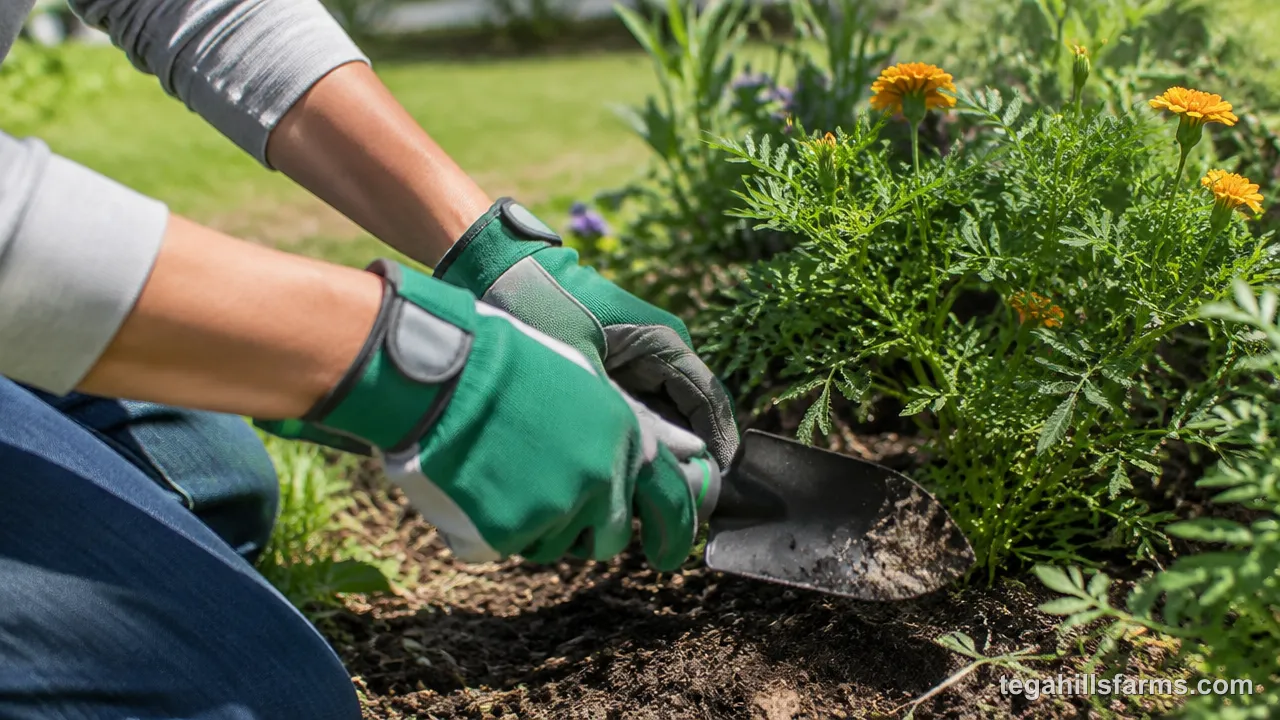
Without that kind of recognition, the tool itself has to make the case. A genuinely hand-friendly tool has a handle that fills your palm without stretching your fingers, a wide trigger or lever you can press with several fingers, a smooth action with no sticking point mid-stroke, and a weight that suits your strength rather than an average one. You can check all of these in a store or judge them from clear photos and dimensions.
Price is not a reliable guide either. A more expensive tool may have a harder, narrower grip or a heavier head than a modest tool with a padded handle, and the modest one can be easier on your joints over a long session. If you are weighing how much a garden tool set costs against a single well-made tool for the job you do most, the single tool often does more for sore hands.
When Is a Tool Making Your Joint Pain Worse?
A tool is likely the problem when pain lingers after the session instead of fading within the evening, when your joints are swollen or stiff the next morning, or when your fingers feel numb or tingle during or after work. Another clear sign is a tool you have to grip tightly just to control it. If the same task feels easier with a different tool, the original tool, not the task, is causing the strain.
Simple fixes often solve it. Padding a thin handle with foam loosens your grip, and switching to a longer-handled or ratchet design moves the force away from your fingers. Shortening the session or splitting the task across two days reduces the repetition.
Some tools are past fixing. Worn or cracked handles create pressure points, a loose pivot or wobbly head makes you grip harder to keep control, and a blade too dull to sharpen properly needs more force on every cut. At that point, replacement costs less than the strain.
When pain continues despite these changes, check with your doctor or an occupational therapist. An occupational therapist can assess your grip and suggest tools and techniques for your specific joints.
FAQ: Gardening With Arthritis
How can you garden with arthritic hands?
Choose tools with thick, soft handles that keep your wrist straight, and use ratchet or long-handled designs that supply force for you. Keep blades sharp, change tasks and positions regularly, and take breaks before pain starts. Raised beds and stand-up weeders also take much of the gripping and bending out of routine work.
Which tools should you start with if you have arthritis?
Start with the tool you use most often and hold the longest, usually a pruner or hand trowel. A ratchet pruner and a trowel with an upright handle remove the heaviest grip strain. If getting up from the ground is hard, a kneeler with handles is worth buying before any new hand tool.
What kind of gloves work best for arthritis?
Padded compression gloves work best for heavy jobs, because they support and warm the knuckles while the palm padding absorbs vibration. Choose a snug fit that does not squeeze swollen joints. Fingerless styles suit fine tasks like sowing seeds, and full-finger gloves protect against thorns and cold soil.
Can you garden with rheumatoid arthritis?
Yes, with tools and pacing that respect inflamed joints. Thick grips suit fingers that have shifted out of line, and ratchet pruners reduce the force of each squeeze. Plan heavier jobs for days when joints feel calmer, keep sessions short during flares, and ask your doctor or an occupational therapist about specific limits.
Do long-handled tools help with bad knees?
Yes. Long-handled spades, weeders and long-reach tools let you dig, plant and weed while standing, so you spend far less time kneeling or squatting. Raised beds and containers on stands help further by bringing the soil up to you. A kneeler with handles covers the jobs that still need ground-level work.
How do you build up a thick handle on a tool you already own?
Slide foam tubing over the handle, choosing a size whose inner opening fits snugly. Push it on fully and secure both ends with tape or a zip tie so it cannot turn in your hand. The thicker grip lets you hold the tool with a looser, more open hand.
Write Your Review
No reviews yet. Be the first to share your experience!