

A chainsaw left sitting through winter needs more than being parked on a shelf. Cold, old fuel, sawdust-packed cooling fins, and a bare steel bar invite the spring-day frustration of a saw that refuses to fire.
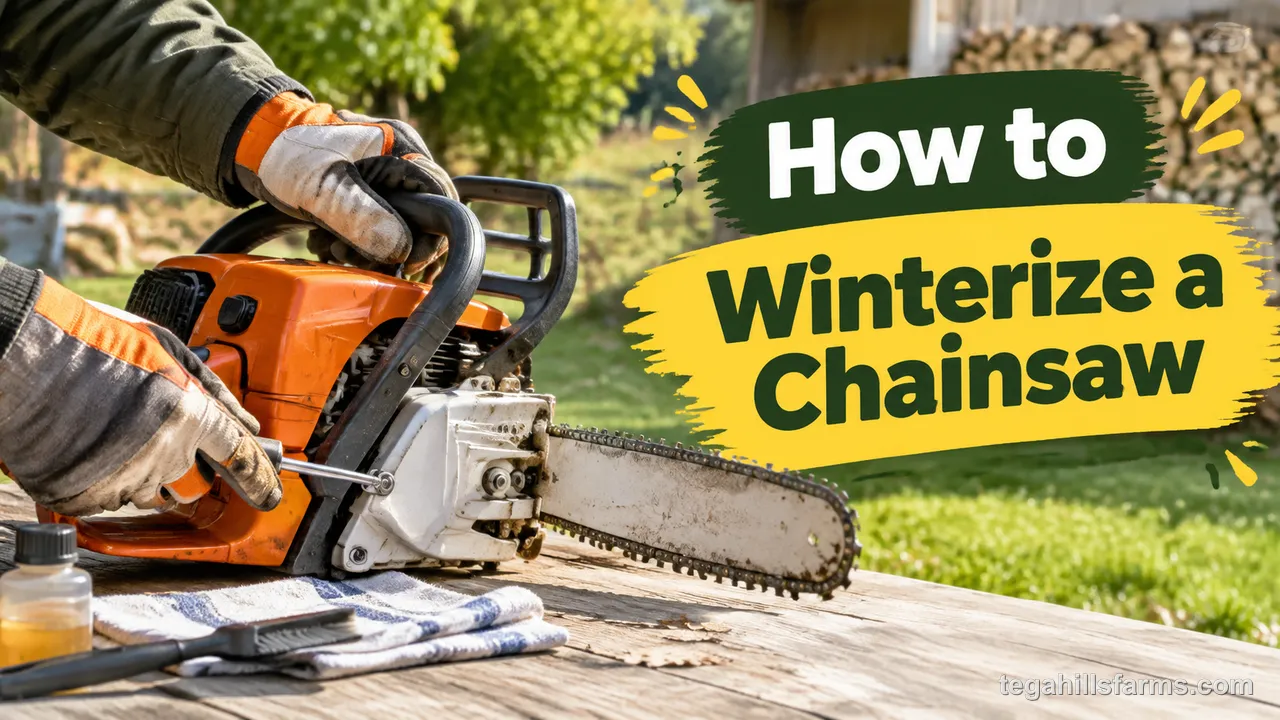
Winterizing prevents that. Below you will find what the process actually involves, which tools and fluids to gather first, and the full step-by-step for gas, battery and corded models.
Skipping it rarely shows damage right away, but gummed carburetors, rusted chains and cracked fuel lines add up to hard starting and short engine life when you need the saw most.
Below is the complete routine you can do in one session to put your saw away ready for an uneventful spring startup.
What does winterizing a chainsaw mean and why does it matter?
Winterizing a chainsaw is a seasonal shutdown routine that stabilizes fuel, removes debris, and protects metal parts from corrosion during months of non-use.
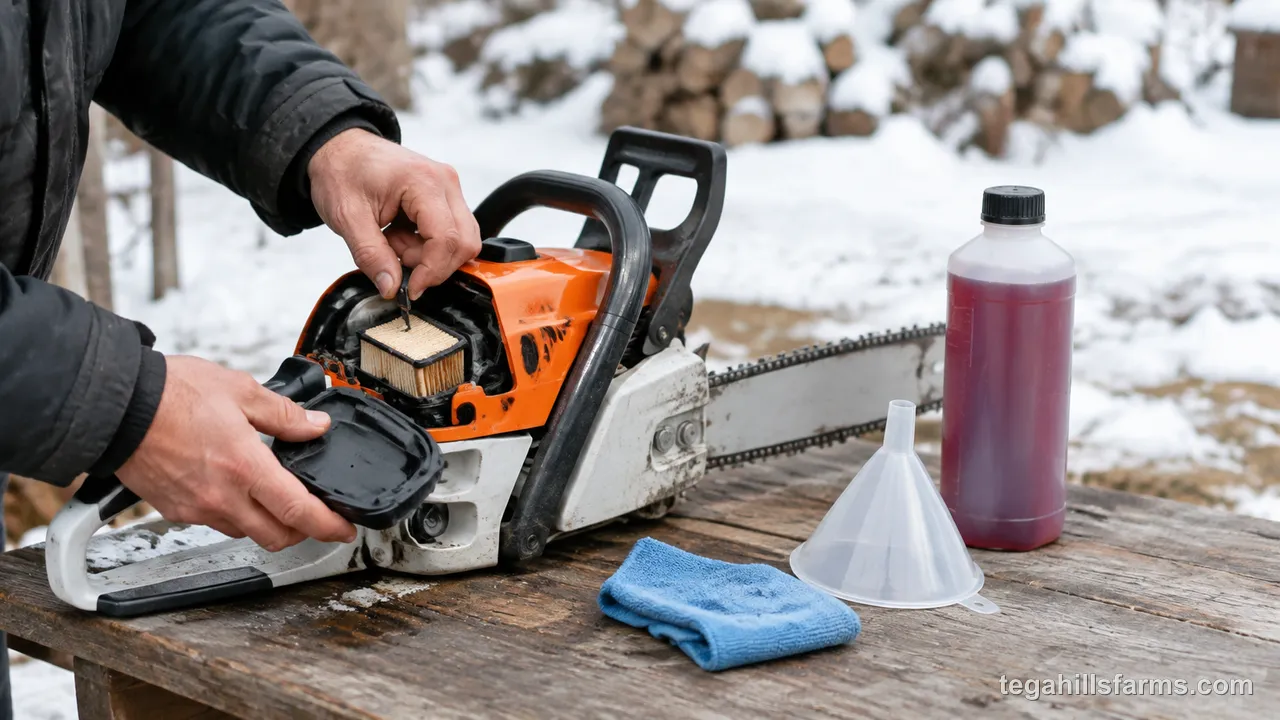
It is not just draining the tank. A proper winterization addresses the fuel system, air filter, bar and chain, spark plug, and exterior so moisture and varnish cannot take hold while the saw sits. For a two-stroke gas engine, ethanol-blended gasoline starts to break down in as little as 30 days, leaving gummy deposits in the carburetor and fuel lines that restrict flow next season.
That buildup is a leading reason a saw suffers from a chainsaw won’t start in spring, and over several winters it shortens service life. Taking an hour now directly influences how long do chainsaws last, because clean storage reduces corrosion, overheating risk from clogged cooling, and premature bar wear. If you’re thinking about storage needs as part of how to choose a chainsaw for next season, winterizing is what keeps whatever you picked starting reliably year after year.
What tools and supplies do you need to winterize a chainsaw?
You need cleaning tools, fuel treatment supplies, and basic hand tools to winterize a chainsaw in about 30 to 45 minutes.
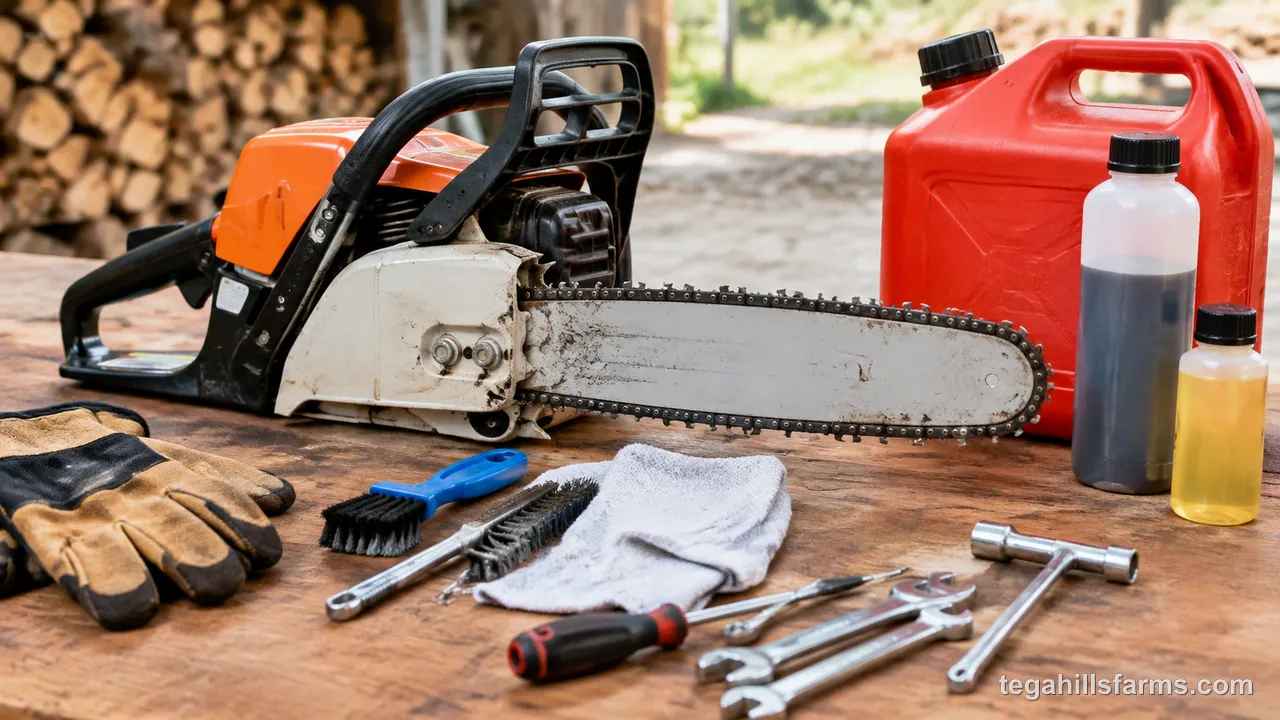
Gather everything before you start so you do not leave the saw half-open on the bench. For example, have these on hand:
- Fuel stabilizer or fresh alkylate fuel, and an approved gas can
- Screwdriver and scrench (or sockets) for bar nuts, air filter cover and spark plug
- Soft brush, shop rags, compressed air, and warm soapy water
- Replacement air filter and spark plug if the current ones look worn
- Bar and chain oil and a light anti-corrosion oil or grease
- Gloves and eye protection
- Storage case or chain guard
This kit covers the same basics as a seasonal chainsaw tune up, just done as preventive storage instead of a repair. Once laid out, you can move straight through fuel, cleaning, and protection without hunting for parts.
How do you winterize a gas chainsaw step by step?
Winterizing a gas chainsaw means handling fuel and carburetor, cleaning the air filter, bar, chain and body, removing and protecting the bar and chain, and checking and protecting the spark plug.
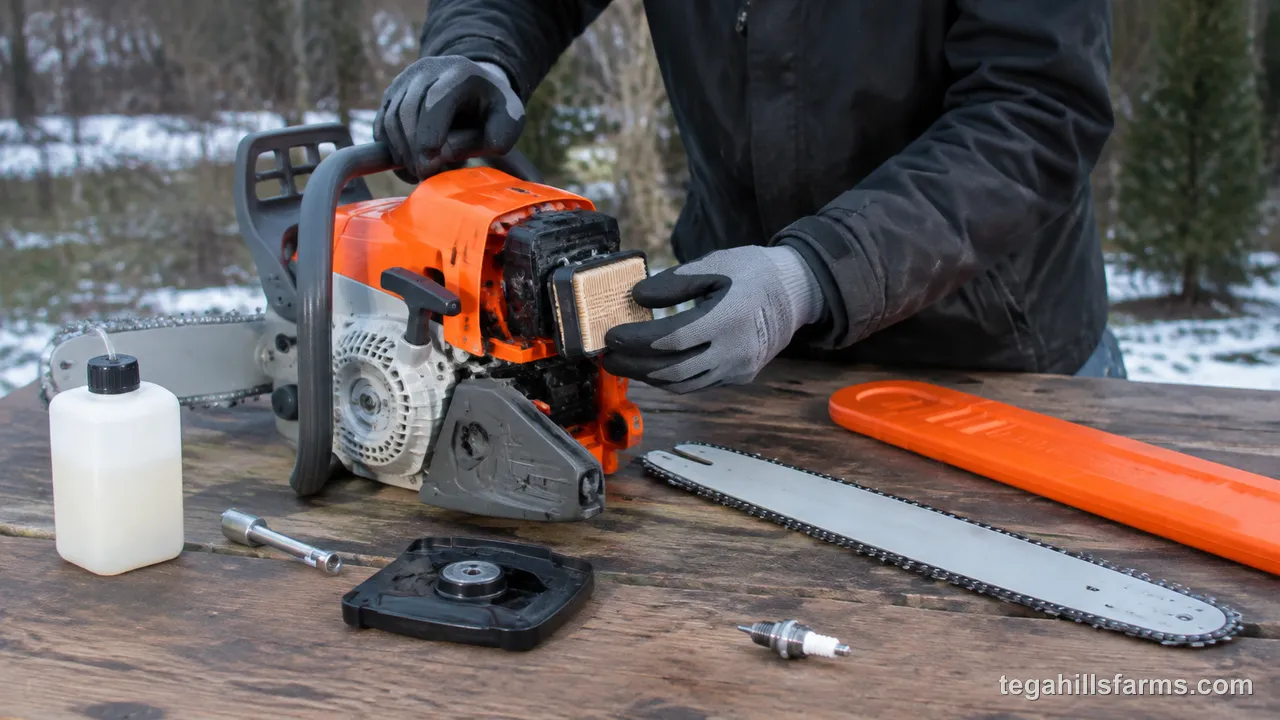
Those four groups are the core of any 2-stroke engine storage routine. Do them in order, with the saw cool and on a stable work surface. Below, each is broken into the exact actions to take.
How do you handle fuel and the carburetor for winter storage?
Handling fuel for winter means draining old fuel or stabilizing fresh fuel and then running the carburetor dry so no ethanol mix sits in the jets.
You have two reliable options. If the fuel is more than 30 days old, drain the tank into an approved container, then start the saw and let it idle until it stalls on its own. That empties the fuel lines and carburetor bowl. If the fuel is fresh, add stabilizer at the dose on the bottle, fill the tank to reduce condensation, run the saw for 2 to 3 minutes to circulate treated fuel, then shut it off.
Do not leave untreated ethanol fuel in the tank all winter. It separates, forms varnish, and clogs the small passages that meter fuel at startup. If you notice starting issues already, plan to address how to clean a chainsaw carburetor in spring rather than forcing the saw to run on stale gas. Either method ends with a dry carburetor, which is what prevents gumming.
How do you clean the air filter, bar, chain and body?
Cleaning before storage means clearing the air filter, bar groove, chain, cylinder fins and exterior so packed debris does not trap moisture or block cooling.
Start with the air filter. Remove the cover, tap out loose dust, wash a foam filter in warm soapy water, rinse, let it dry completely, then lightly oil if your manual calls for it. Replace a paper or badly torn filter rather than reusing it. Next, remove sawdust from around the clutch cover, bar studs, and oil ports with a brush. Clean the cylinder fins and recoil housing with low-pressure compressed air or a soft brush, never a pressure washer.
For a full walk-through of the wash and drying steps, see the general guide on how to clean a chainsaw. A clean saw not only resists rust, it breathes properly next season and avoids the hidden overheating that comes from a clogged filter path.
How should you remove and protect the bar and chain?
Protecting the cutting set means removing the bar and chain, cleaning them, oiling them, and storing them loose to prevent rust and tension memory.
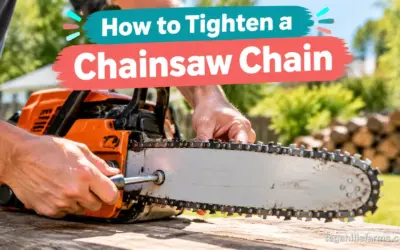
Loosen the bar nuts, relieve chain tension, and slide the bar and chain off. Scrape the bar groove clean with a groove tool or small screwdriver, clear the oil hole, and file off any burrs on the rails. Wipe the chain with a rag soaked in solvent, inspect cutters and drive links for damage, then soak the chain lightly in bar and chain oil and wipe off excess. Coat the bar rails and body with the same oil.
Store the chain in an oil-damp bag or container, and keep the bar flat rather than hanging the saw by the bar. This keeps tension off the chain during cold months and stops surface rust where moisture would otherwise sit between steel and packed sawdust.
How do you check and protect the spark plug?
Protecting the spark plug means removing, inspecting, cleaning or replacing it, and fogging the cylinder with a drop of oil to prevent corrosion.
Pull the plug boot, unscrew the plug, and examine the electrode. A light tan or gray color is normal; heavy carbon, oil fouling, or a rounded electrode means replacement. If reusable, gently clean the electrode with a wire brush and check the gap against your manual. Before reinstalling, put a few drops of two-stroke oil into the open cylinder, pull the starter cord slowly several times to spread the oil, then reinstall the hand-tightened plug without the boot connected.
That thin oil film keeps the piston ring and cylinder wall from dry corrosion while the saw sits, and a clean, correctly gapped plug is what lets the saw spark cleanly after months of silence.
Do battery and electric chainsaws need different winterizing?
Yes, battery and electric chainsaws need different winterizing than gas models, with no fuel system work but specific battery and cord care instead.
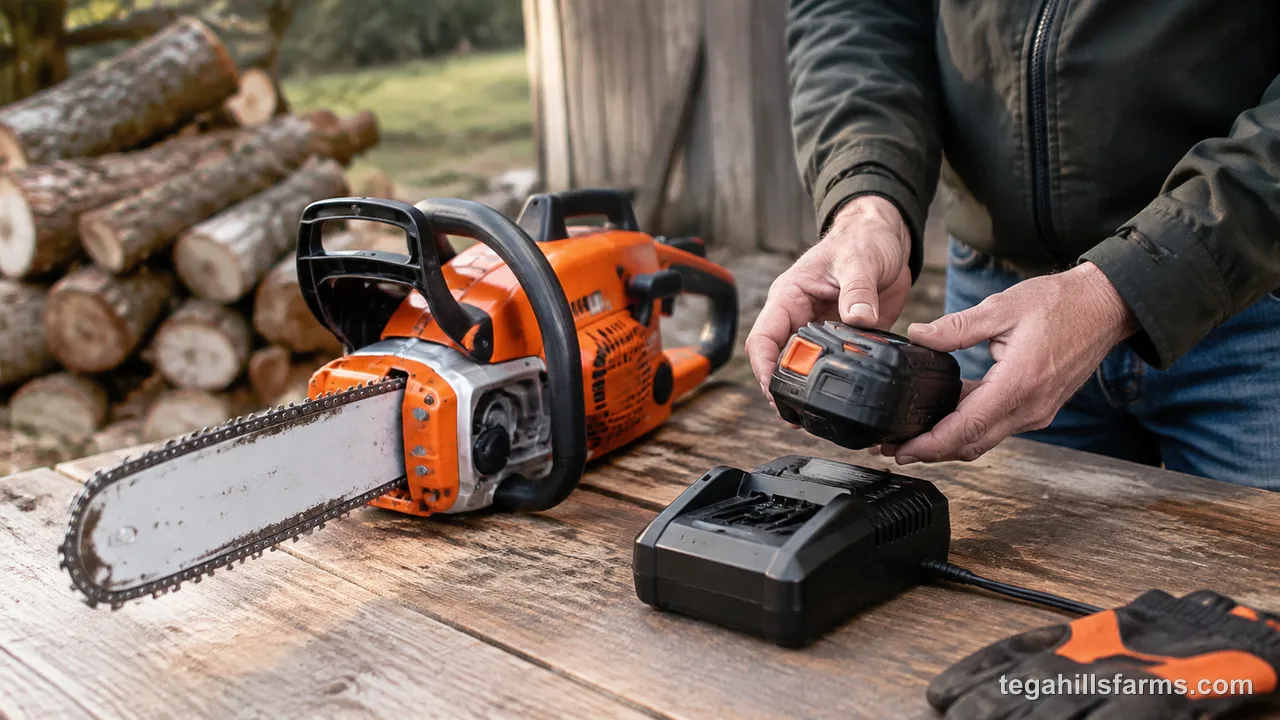
A gas saw suffers from stale fuel; a battery saw suffers from a battery left discharged, fully charged, or freezing. Corded electrics have the least to do. Choose the steps below for your power source.
How do you winterize a battery chainsaw?
Winterizing a battery chainsaw means cleaning the saw, removing and storing the battery at a partial charge, and protecting the bar and chain.
Remove the battery and store it separately indoors at room temperature, ideally at about 40 to 60 percent charge — not empty and not topped off for months. Check the manual; most makers warn against freezing storage or leaving the pack on the charger all winter. Clean the bar groove, chain, and air inlets, wipe the body, oil the bar and chain lightly, and install a scabbard. Keep the saw itself in a dry place as you would for how to store a chainsaw, with the battery off the tool. Recharge the battery every couple of months if it will sit more than 90 days, or at least check its level, to avoid deep discharge damage.
What about corded electric chainsaws?
A corded electric chainsaw needs only cleaning, inspection, and dry storage with no fuel or battery steps.
Unplug the saw, clean dust from the housing vents, bar groove and chain, oil the bar and chain to prevent rust, and fit the chain guard. Inspect the cord along its length for nicks or exposed conductors and replace a damaged cord before next use. Coil the cord loosely rather than wrapping it tightly around the housing, which stresses the insulation. Store the saw hanging or on a shelf indoors where it stays dry.
Where and how should you store your chainsaw for winter?
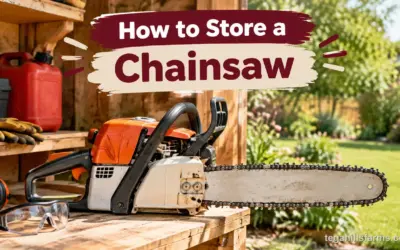
Storing a chainsaw for winter requires a dry, ventilated, cool indoor space and a secured, cased position out of reach of children.
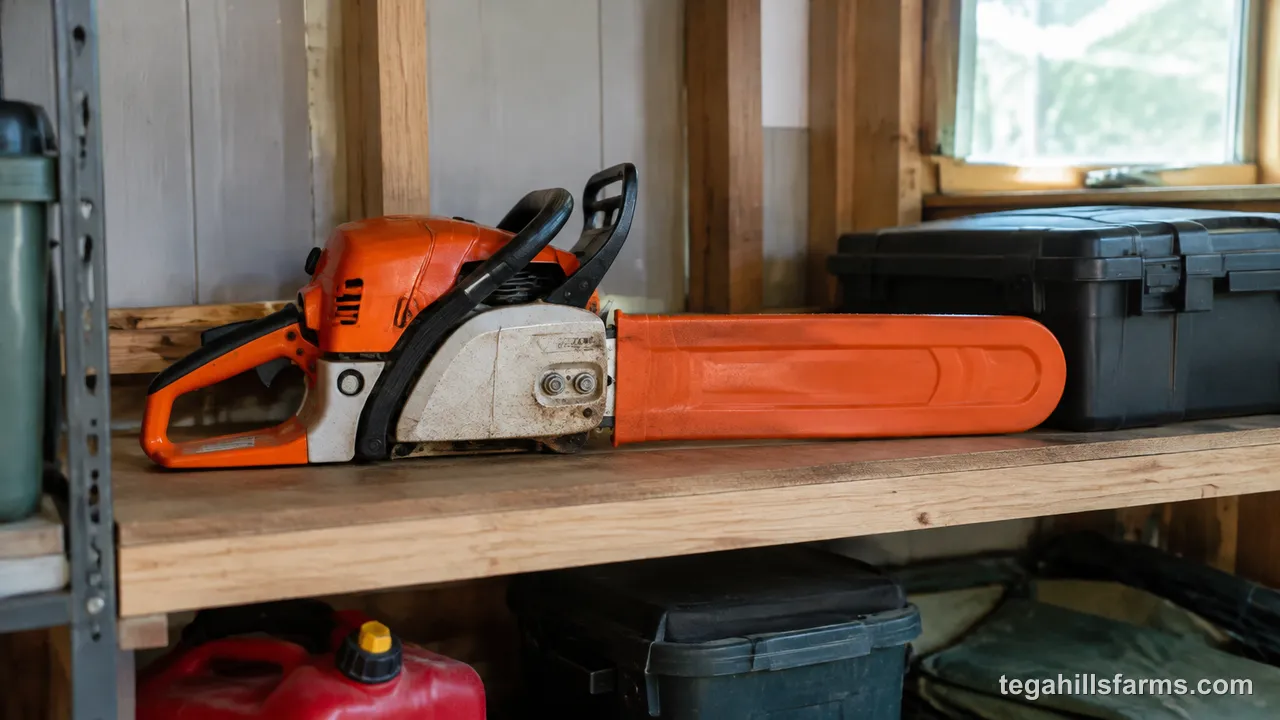
The right spot and the right position work together. One prevents moisture and temperature damage, the other prevents accidental contact and tip-overs.
What is the ideal place to store a chainsaw?
The ideal storage environment is cool, dry, and ventilated indoors with stable temperature and low humidity.
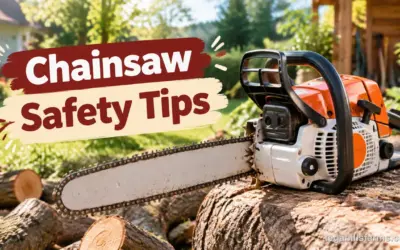
A garage shelf, basement storage room, or shed that stays above freezing and out of direct weather is better than an uncovered porch or damp dirt floor. Avoid placing the saw where exhaust fumes, solvents, or fertilizer off-gas, and keep it away from heat sources. Good airflow prevents condensation under covers. Following basic chainsaw safety tips for storage also means keeping fuel cans separate from the saw and never storing near open flames or heaters.
If only an unheated outbuilding is available, put the cased saw inside a sealed plastic tote with a desiccant packet to buffer humidity swings.
How should you position and secure the chainsaw in storage?
Secure storage means using a case or scabbard, keeping the chain covered, and locking or elevating the saw away from kids and traffic.
Place the saw on a high shelf or in a locked cabinet with the guide bar covered by its guard and the chain brake engaged. If you use a hard case, ensure the saw has cooled and is dry before closing it so trapped moisture does not rust the chain. Keep the ignition or battery removed and store the keyed battery separately. Wearing proper chainsaw safety equipment is not needed in storage, but having gloves handy when you move the saw prevents cuts from an exposed chain. Never stack heavy items on top of the case.
How do you get your chainsaw ready again after winter?
Getting your chainsaw ready after winter means reassembling, fresh fuel or charged battery, chain tension and sharpness, and a controlled test start.
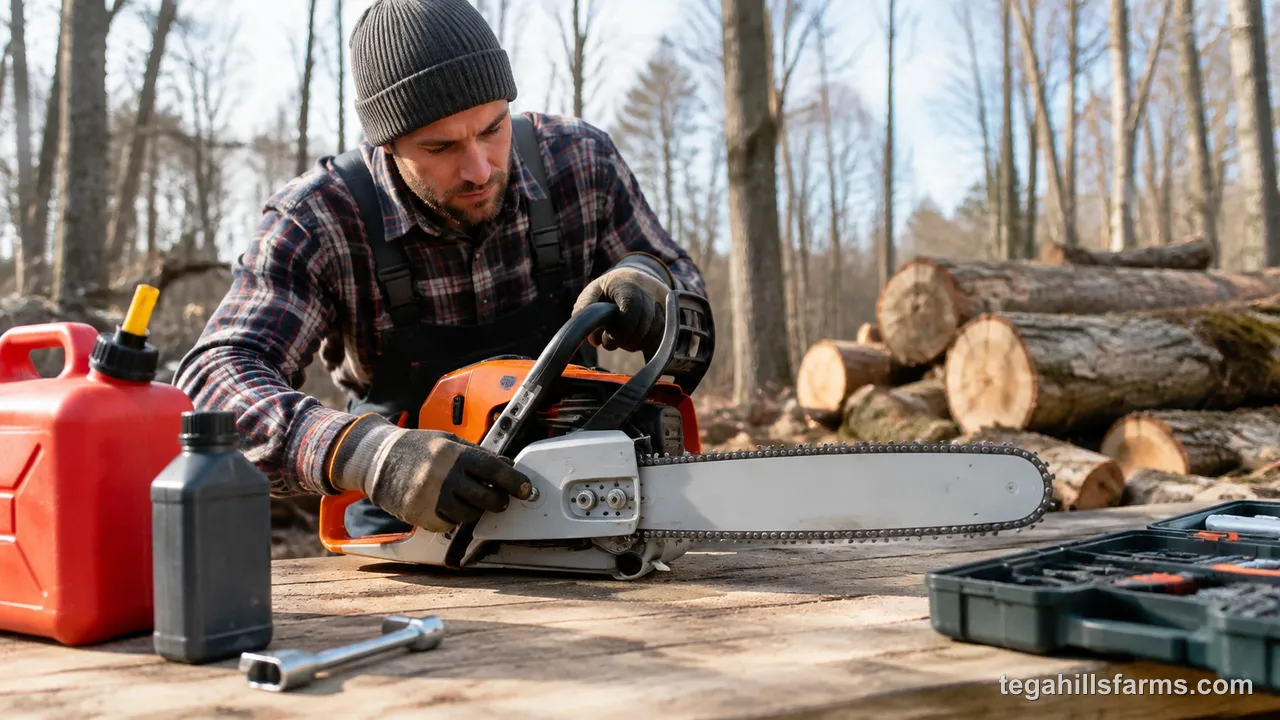
Run through this de-winterizing checklist in spring:
- Reinstall the bar and chain, set tension so the chain lifts slightly but does not sag, and fill bar oil
- Install a fresh spark plug if you removed it, or reconnect the boot and check gap
- For gas models, fill with fresh mixed fuel and prime according to the manual, then follow the steps for how to start a chainsaw without flooding
- For battery models, charge the pack fully and seat it until it clicks
- Check chain sharpness; if cutters reflect light or the saw throws dust instead of chips, review how to sharpen a chainsaw before cutting
- Start outdoors, let it idle briefly, confirm oil is throwing off the bar tip, and make a few light test cuts
If it hesitates, address the filter or plug first before adjusting the carburetor.
You have now seen what winterizing means, which supplies to gather, and the full step-by-step for gas, battery and electric models plus where to keep them through the cold months.
The steps above cover the well-known fuel and cleaning routine, while the long-term details that decide whether a chainsaw actually starts in March often come down to the small choices most guides gloss over.
The supplementary notes below zoom into those micro-decisions — from oil choice to brand-specific quirks and common storage mistakes — so your spring startup is uneventful.
Rare details and mistakes that decide a smooth spring start
A smooth spring start often fails due to small storage mistakes, not the main steps, such as wrong oil, trapped moisture, and forgotten tension.
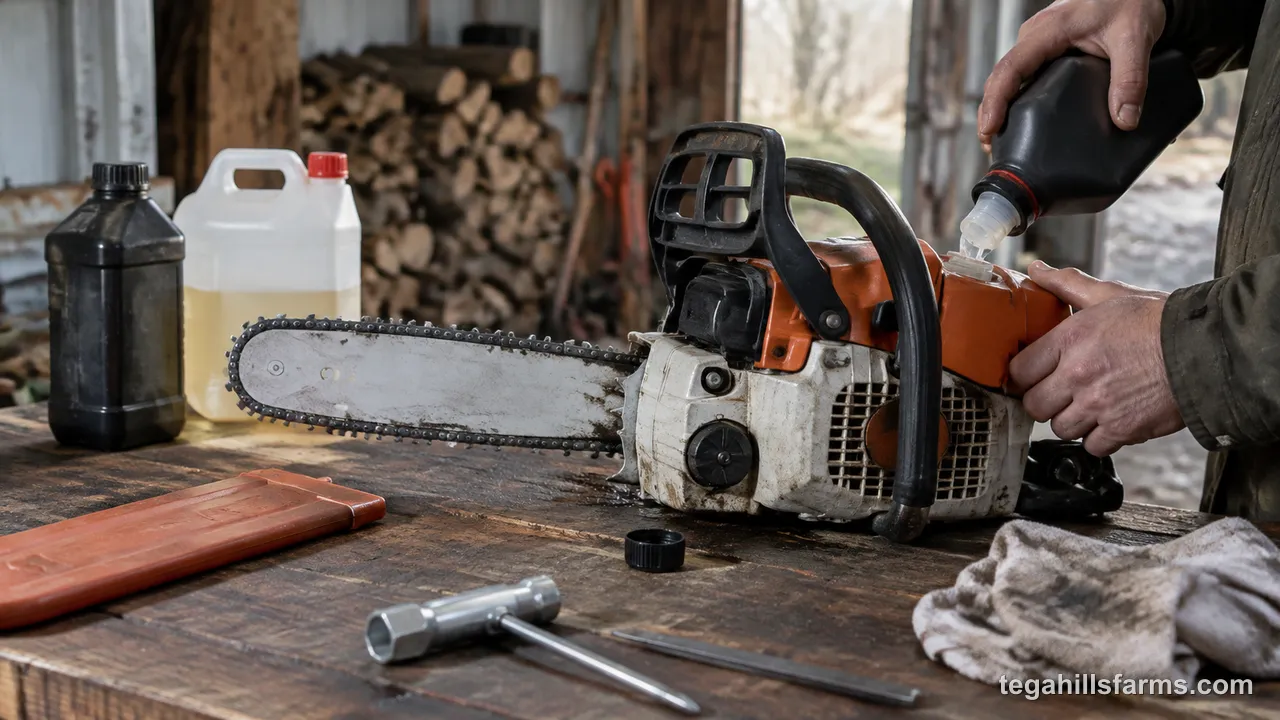
Most owners drain fuel and wipe the saw, then miss these overlooked points:
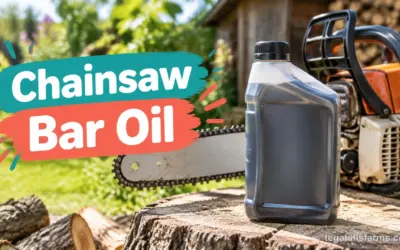
- Bar oil versus motor oil. Use proper chainsaw bar oil to coat the bar and chain for storage. Motor oil is thinner and flings off faster, leaving bare steel that rusts. A tacky bar oil clings through humidity cycles.
- Fogging amount. A few drops of oil in the cylinder protects without hydrolocking. Flooding the cylinder makes starting difficult and fouls the new chainsaw spark plug before it even fires.
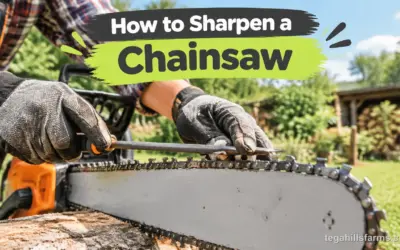
- Sharpen before you store, not after. A lightly filed, oiled chain resists edge rust better than a dull, nicked one, and you start the season with a safe cut.
- Do not store with a tight chain. Leave drive links slightly slack or remove the chain. A chain tensioned hot will contract and stress bar and sprocket as temperatures drop.
- Clean the oil tank. Old oil thickens and can clog the pickup screen. Empty it, wipe the cap area, and refill with fresh oil in spring instead of storing full.
Week by week, these micro-decisions keep the cutting set rust-free and the engine sealed, so March is a fill-and-pull, not a rebuild.
Common winterizing questions
Can you leave gas in a chainsaw over winter?
No, you should not leave untreated gas in a chainsaw over winter. Either drain the tank and run the carburetor dry or add stabilizer to fresh fuel and circulate it. Untreated ethanol fuel varnishes in weeks and leads to clogged jets and a chainsaw starts then dies condition in spring.
What happens if you do not winterize a chainsaw?
Skipping winterizing causes stale fuel deposits, rust on bar and chain, and dried seals that make the saw hard to start and wear faster. Sawdust packed around the cylinder also traps moisture and blocks airflow, which raises the risk of chainsaw overheating when you run it again under load.
When should you winterize your chainsaw?
Winterize before the last use of the season, or as soon as cutting stops for 30 days or more. Doing it right after your final cutting day means the saw is put away clean and oiled, rather than sitting dirty for weeks before you remember to service it.
Should you change the bar oil before storage?
You do not need a full oil change for storage, but wipe the bar and chain in fresh oil and empty a very old reservoir. Fresh oil protects better, and refilling in spring ensures proper lubrication on the first cut.
Do I need to sharpen the chain before storing?
It helps. A lightly sharpened and oiled chain resists corrosion at the edge and saves time in spring. If the chain is badly damaged, replace it over winter so you are not tempted to run a dull chain.


Write Your Review
No reviews yet. Be the first to share your experience!