

My picks for the best snow blowers for wet snow are BILT HARD 24in 212cc 2-Stage Snow Blower (Best Overall), PowerSmart 26in 252cc Self-Propelled Blower (Best Large Capacity), YARDMAX YB6770 26in (Best for Hilly Terrain), Honda HSS928 28in HSS928AATD (Best for Professionals), AMERISUN 26in 212cc Two-Stage Snow Blower (Best Budget), Husqvarna ST227 27in 252cc Snow Thrower (Best Ergonomic Design), gasxcel 24in 2-Stage Gas Snow Blower (Also Great) and Ariens Professional 28in 420cc (Best Premium). Every one of them is a gas two-stage machine. That design passes dense snow from the auger to a separate impeller, so no single part has to gather the snow and throw it at the same time.
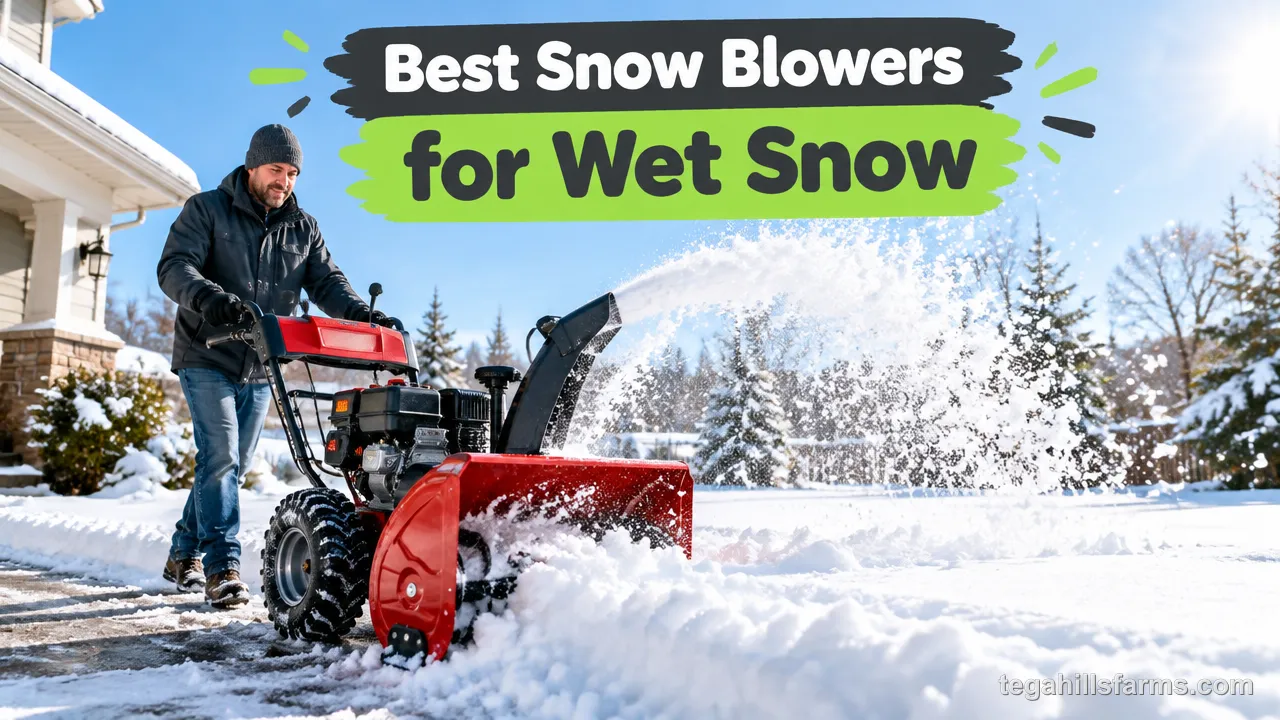
In wet snow, a few differences decide the purchase. One is how much engine sits behind the intake. Another is how well the drive holds the machine on a slope or a slick surface. A third is how quickly you can turn the chute when heavy snow starts to back up. Width and weight cut both ways: a wider, heavier machine moves more snow per pass, but it takes more garage space and more effort to turn.
Wet snow packs inside the chute until the impeller stalls. With an undersized machine, that means a storm spent stopping the engine to dig out plugs. An oversized machine clears fine, but it brings weight, storage demands and upkeep that a short, flat drive never needs.


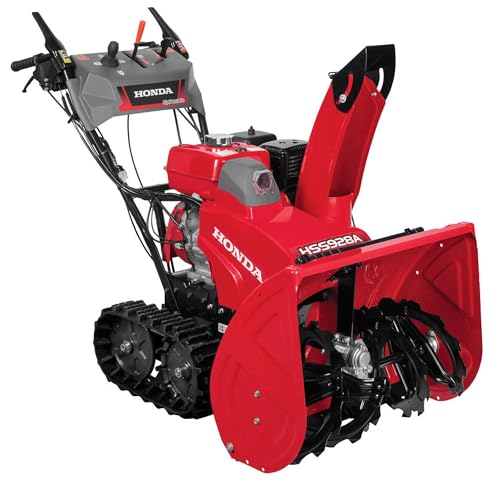


If your driveway slopes, settle the drive system before anything else. If it’s long and flat, start with intake height and clearing width.
Do Snow Blowers Work With Wet Snow?
Yes, as long as the machine has enough engine power and intake to move dense, water-heavy accumulation, which in practice points to a two-stage design for anything beyond a slushy dusting.
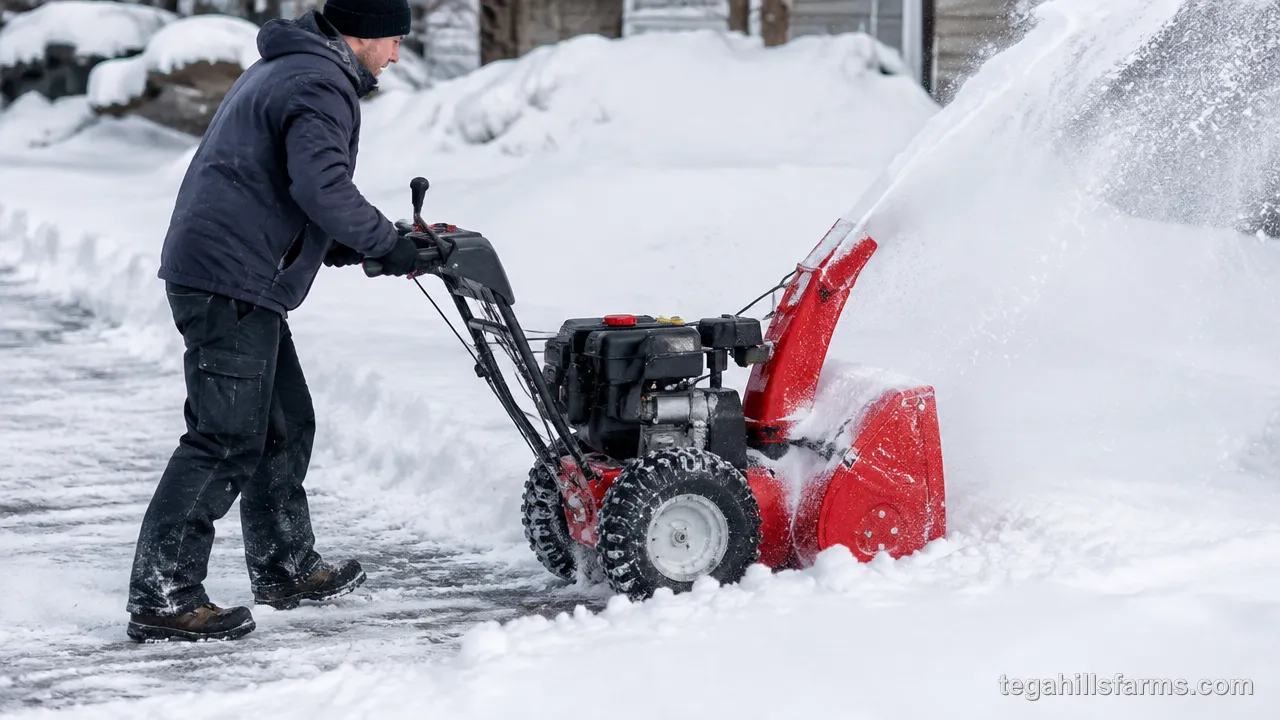
A machine short on power or intake doesn’t quit all at once. It slows as the housing fills, the impeller loses speed, and snow that should leave the chute packs into a plug instead. A two-stage unit avoids most of that because its separate impeller keeps throwing while the auger breaks up the load. That’s why the class of machine you buy matters more than the badge on the housing.
Slower ground speed, narrower passes and clearing during the storm keep even a capable machine from choking, and those habits stretch what a smaller unit can handle. Wet snow and heavy snow overlap enough that the best snow blowers for heavy snow share the traits that count here: a strong engine, a tall intake and a steel auger.
Wet snow is only one of the conditions a driveway throws at you, and the best snow blowers for every snow type are compared in a wider guide.
Why Does Wet Snow Clog a Snow Blower?
Water-heavy flakes stick to each other and to metal instead of flowing, so a dense load that slows inside the housing packs into a plug at the base of the chute.
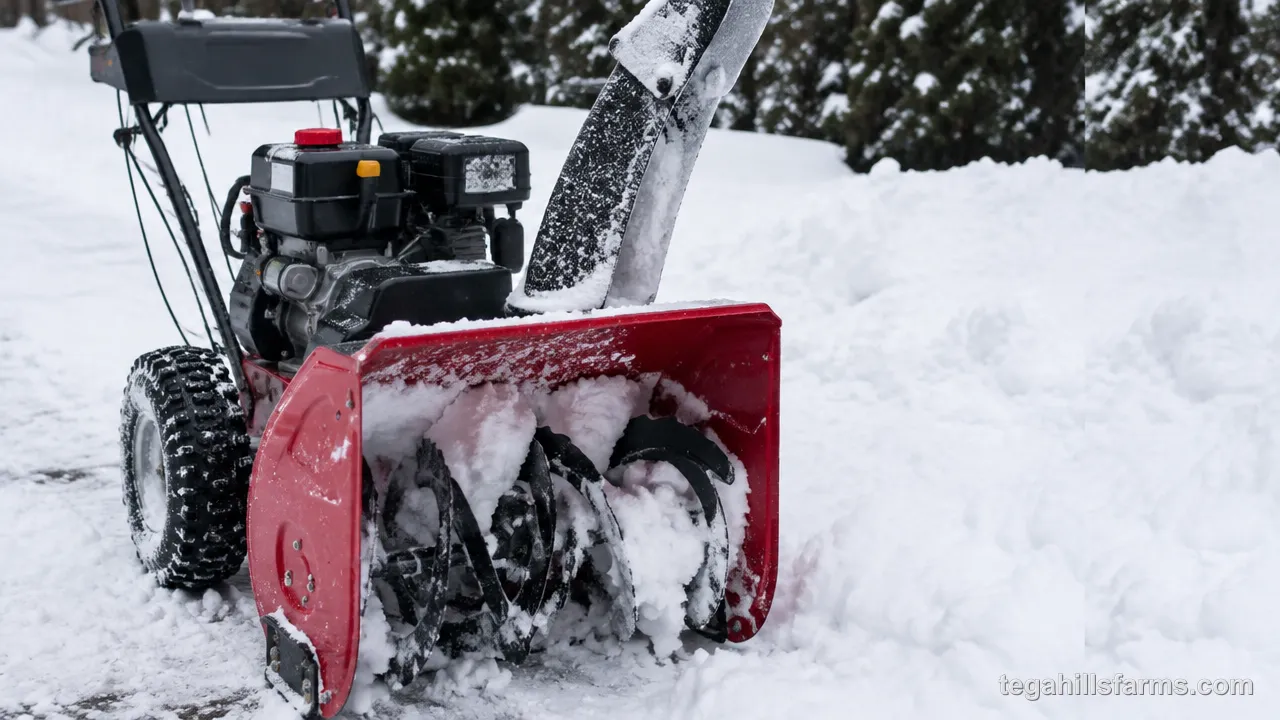
Dry powder is mostly air and pours through a machine almost like sand. Snow that falls near 32°F carries liquid water on and between the flakes, and when the auger compresses it, that water works like glue. The auger gathers and squeezes the load, and then the impeller has to speed it up enough to send it up and out of the chute. If the impeller loses speed under the extra weight, or the chute bends the stream sharply, the snow slows down, presses against the chute walls and bonds layer by layer until the opening closes.
Bare metal makes it worse, because wet snow grips a cold, rough steel surface much better than a coated or slick one. Slow-moving snow does the same thing. An engine that bogs, or a throttle below full speed, gives the snow time to settle and stick.
For your machine choice, that means engine reserve and impeller speed matter more than width, and a chute you can turn quickly matters more than throw distance. It also explains why the prep and pacing habits for wet storms focus on keeping surfaces slick and the impeller fast.
Snow Blower Classes for Wet Snow: What Each One Can Handle
In water-heavy conditions, a machine’s design matters more than its size, because how it feeds material into the discharge path decides how much dense accumulation it can move before it plugs.
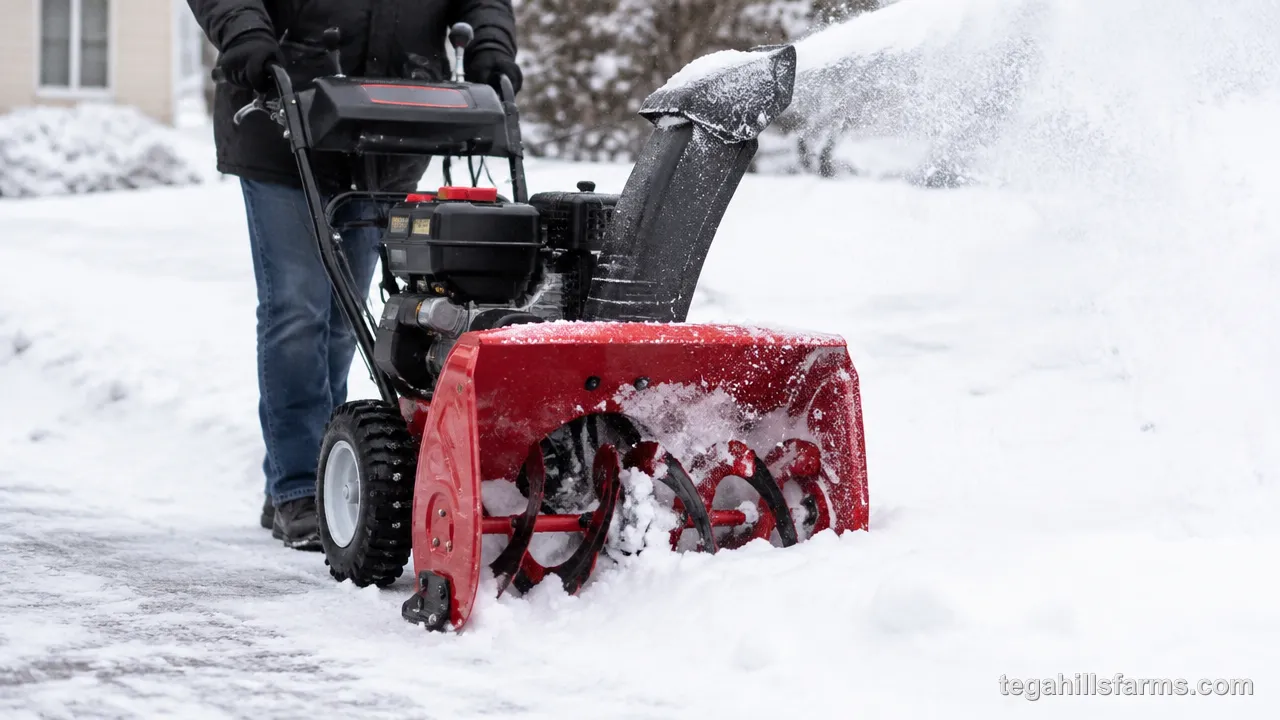
The classes worth weighing are single-stage, two-stage and three-stage gas machines, plus their battery-powered versions. How well each handles wet snow depends on how many steps sit between the intake and the chute. The wrong class gives you a machine that runs fine in midwinter powder and stalls the first time a late-season storm drops slush.
Can a Single-Stage Snow Blower Handle Wet Snow?
Only when the snow is shallow and the surface is paved. A single-stage machine uses a rubber-edged auger, with an accelerator paddle at its center, that gathers snow and throws it out the chute in one motion. In dense wet snow, that one unit has to scoop, lift and throw a heavy load all at once. So it slows, packs snow around the paddle and bogs down well before it reaches the depth a two-stage machine handles.
The same design is why it still has a place. The rubber edges scrape pavement clean, so a light, machine that’s simple and easy to store quickly clears a thin layer of light, wet snow on a short paved drive or walkway.
Keep it away from gravel. The auger runs in contact with the ground, so on a gravel driveway it picks up stones and throws them out the chute. That chews up the rubber edges and puts windows and cars in the line of fire. If your drive is paved and your storms stay light, the best single stage snow blowers are worth comparing. If wet storms regularly bury the drive, expect to spend more time pushing, stopping and clearing the chute than clearing snow.
Is a Two-Stage or Three-Stage Snow Blower Better for Wet Snow?
A two-stage machine handles wet snow well on most residential driveways. A three-stage machine is worth it only where wide, deep, wet storms are routine.
A two-stage design splits the work. A slow-turning steel auger chews into dense snow and moves it to the center of the housing. There, a separate, fast-spinning impeller throws it up the chute. Because the impeller never has to gather snow, it keeps its speed under a heavy load, and that speed is what stops wet snow from packing in the chute.
A three-stage machine adds an accelerator between the augers and the impeller. It chops the incoming snow and pushes it into the impeller faster than the augers alone can feed it. That raises the feed rate and helps the machine take a deep plow windrow without stalling.
The extra stage brings more weight, another set of moving parts to maintain and a bigger footprint in the garage, and it asks for more upkeep over the machine’s life. A long, wide driveway that takes heavy, wet storms and a street-plow windrow every winter can justify the step up. For an ordinary drive, a well-powered two-stage machine does the job with less to store and service.
Can a Battery Snow Blower Handle Wet Snow?
A battery machine clears light, wet snow on a short drive, but deep, dense slush drains the pack quickly and pushes the motor close to its limit.
The motor’s torque holds up well at first, but the current it draws rises with the load. Heavy, water-laden snow makes the motor pull more power for every foot of travel. So the same battery that clears a long stretch of dry powder covers noticeably less driveway in late-season slush. Cold weather cuts battery output further, which is why runtime drops just when the snow is heaviest.
Single-stage battery units have the same limits as gas single-stage machines, plus a cap on runtime. Battery two-stage units handle deeper snow, but the pack still decides how much of a wet storm you finish before you have to recharge.
A battery machine makes sense if you have a small drive and light wet snow and you want no oil, gas or spark plugs. It makes even more sense if you already own tools on the same battery platform. In that situation, the best battery snow blowers give you quiet, low-upkeep clearing. A long driveway, heavy wet storms or a crusted plow windrow call for gas.
Matching a Snow Blower to Your Driveway
Once the accumulation turns heavy and wet, the size of the area you clear and the grade and surface under it decide which machine class and drive type stay manageable.
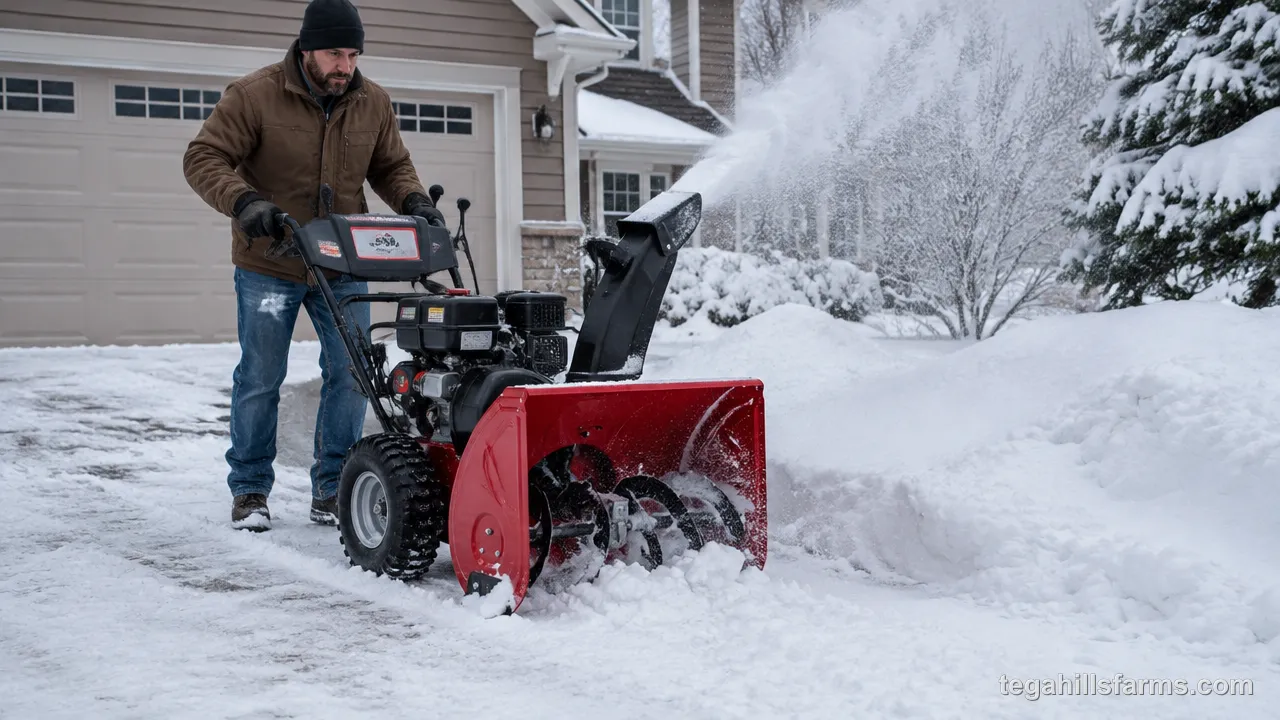
A machine that feels easy on a short, flat paved drive can mean a long afternoon of extra passes on a wide one, or a constant fight to hold its line on a slope. Sorting out these factors before you compare models narrows the field quickly and keeps you from buying capacity or traction you won’t use.
How Do Driveway Length and Width Change the Machine You Need?
Clearing width sets how many passes a driveway takes, and intake height sets how deep each pass can go before snow spills over the housing. A narrow housing on a long or wide driveway means more trips up and down, and in wet snow every trip loads the engine and impeller again.
Those passes add up in heavy snow. Each one is another chance for the chute to plug, more time with the engine working near its limit and more time out in the cold. On a long driveway, that can turn a manageable storm into a slog. A wider housing with a taller intake takes the same snow in fewer, fuller bites, as long as the engine has enough power to keep the bigger opening fed.
A larger class pays back on long or wide driveways that get deep, wet storms often. On a short drive, the extra width and weight are overkill: more machine to store, turn and maintain for a job a mid-size unit finishes quickly. For long, wide drives, the best snow blowers for large driveways pair wide housings with engines sized to match.
How Do Slope and Surface Change the Drive System You Should Pick?
On a slope, pick tracks or a pin-lock axle. On gravel, pick adjustable skid shoes that keep the auger housing riding above the stones.
On an incline, heavy, wet snow pushes against the front of the housing and adds weight to the downhill side. A wheeled machine then tends to slide sideways or drift downhill as its tires lose grip on packed slush. A pin-lock axle changes that. With the pin in, both wheels drive and the machine holds its line. With the pin out, one wheel drives so you can turn at the top or bottom. Track drive goes further: it spreads the machine’s weight across rubber cleats that grip on steep, icy or uneven ground, though the machine is heavier and turns more slowly.
The surface decides skid shoe height. On pavement, set the skid shoes low so the scraper bar cleans down to the surface; polymer shoes keep pavers and stamped concrete from getting scratched. On gravel, raise them so the housing rides above the stones and keeps them out of the auger and impeller, where they can snap shear pins and damage the chute. The best snow blowers for gravel driveways are built around that adjustability.
What Should You Look for in a Snow Blower for Wet Snow?
The features worth your attention are the ones that change how the machine behaves under a dense, water-heavy load, because slush exposes weak points that powder never touches.
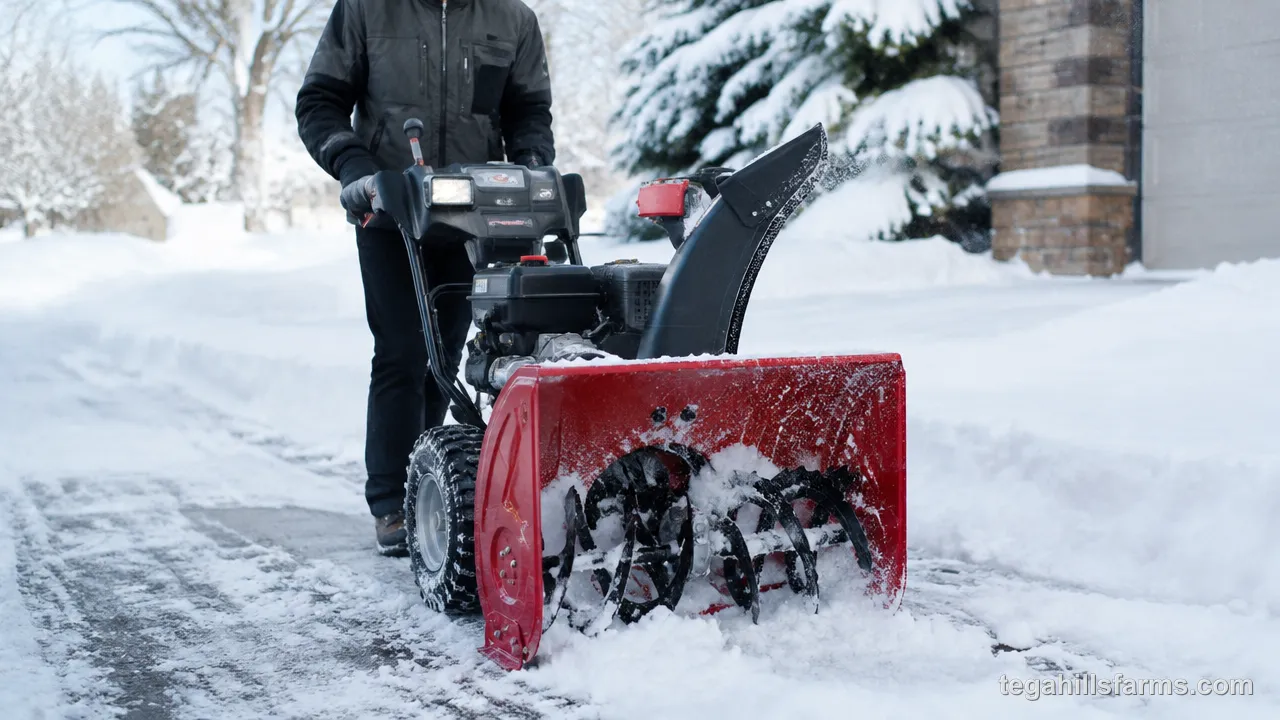
A spec that looks fine in light snow can mean a stalled impeller, a machine sliding down the slope or a chute you can’t turn fast enough when the wind shifts. The basics of how to choose a snow blower still apply, and wet snow raises the stakes on the engine, the drive and the chute of a gas two-stage machine.
Which Engine and Auger Features Matter Most in Wet Snow?
Engine displacement decides how much power is in reserve when dense snow loads the auger and impeller. Auger design and impeller speed decide whether that snow gets fed in and thrown out of the chute before it packs.
A larger engine relative to the clearing width holds its speed when every scoop is heavy with water. A small engine behind a wide, tall intake bogs as the housing fills. So intake height and clearing width only help if the engine can keep them fed: a big opening on a modest engine takes in more snow than it can throw.
Serrated steel augers bite into packed snow and ice. Ribbon augers leave open space that mixes air into the snow so it packs less, and reinforced ice-breaking augers are built to crack crust and plow windrows. A fast impeller then throws dense snow before it slows and sticks.
A gas engine comes with upkeep: oil changes, a spark plug, fresh fuel with stabilizer and a plan for cold starts. Electric start through a household outlet and an extension cord makes frigid mornings easier, and a recoil backup covers you when no outlet is nearby. That upkeep is part of getting the power reserve the best gas snow blowers bring to deep slush.
How Do Drive System and Traction Affect Wet-Snow Clearing?
Adjustable ground speed and the right drive type let you feed dense snow at a pace the machine can handle. Tires, tracks and weight decide whether it holds its line on slick ground.
A self-propelled drive with a wide speed range lets you crawl into heavy, wet snow so the auger and impeller can process each bite, then speed up on the cleared return trip. A friction-disc drive gives you stepped speeds and a simple layout, though the disc wears and needs occasional adjustment. A hydrostatic transmission changes speed smoothly with a lever and keeps ground speed separate from auger speed, so slowing down never slows the auger.
Pneumatic snow tires grip and cushion, airless tires can’t go flat, and deep-tread tires bite into packed slush. Tracks hold on slopes and ice where tires slip.
Weight helps traction by pressing tires or tracks into the surface, and it keeps the housing from riding up over a heavy pile. The same weight takes more floor space, more effort to turn and more muscle to move with the engine stopped, which is where power steering earns its place.
What Chute and Control Features Reduce Clogging and Effort?
Chute rotation, remote deflector control and a clearing tool are the features that cut clogging and effort in wet snow. Heated grips and a headlight make the job more comfortable but don’t change how the snow flows.
A steel chute stands up to ice chunks and cold, but its bare surface gives wet snow something to grip, so it benefits from a coating before a storm. A wide rotation range lets you keep throwing downwind as you turn at each end of the drive. A remote deflector control at the handle lets you lower the throw when the wind blows snow back at you, or raise it for distance, without stopping.
Power steering cuts the shove it takes to turn a heavy machine loaded with wet snow, and that matters more with every pass. A clearing tool is a real help in wet snow: it lets you break up a chute plug with the engine stopped and your hands well away from the impeller.
Heated grips and a headlight are conveniences. They’re worth having for early-morning or evening work, but they aren’t a reason to choose one machine over another in slush.
The 8 Best Snow Blowers for Wet Snow of 2026
Each of these machines handles heavy, water-logged snow with a gas two-stage design: BILT HARD 24in 212cc 2-Stage Snow Blower, PowerSmart 26in 252cc Self-Propelled Blower, YARDMAX YB6770 26in, Honda HSS928 28in HSS928AATD, AMERISUN 26in 212cc Two-Stage Snow Blower, Husqvarna ST227 27in 252cc Snow Thrower, gasxcel 24in 2-Stage Gas Snow Blower and Ariens Professional 28in 420cc.
Wheeled machines like the AMERISUN and gasxcel stay light enough to roll into a crowded garage. The Honda’s rubber tracks and the Ariens’ heavy build hold steady on slopes and through crusted plow windrows, but they need a large storage space. The wider housings on the PowerSmart and Husqvarna move more snow per pass, which matters on long drives. These machines suit homeowners with short to long driveways, flat or sloped, who clear heavy, wet snow with a gas machine. If you’re also weighing this design for powder and ice, the best two stage snow blowers cover that wider range.
#1 BILT HARD 24in 212cc 2-Stage Snow Blower — Best Overall
A typical residential driveway that gets heavy, wet storms is a good fit here, because the serrated steel augers cut into packed snow instead of riding over it. Six forward speeds let you slow down when the snow turns dense.
Key Specs:
- Engine: 212cc 4-stroke OHV, 3600 rpm
- Clearing width: 24 in
- Augers: 10-inch serrated steel
- Drive: self-propelled, 6 forward / 2 reverse
- Chute: steel, 180° adjustable
- Tires: 13-inch pneumatic
Detailed Review:
The 212cc OHV engine runs at 3600 rpm and feeds a 24-inch clearing path, so it isn’t stretched across an oversized intake when every scoop is heavy with water. That balance helps keep the impeller near full speed through the dense snow at the end of a pass, which is where smaller machines tend to bog.
Its 10-inch serrated steel augers bite into compacted snow and break it into pieces the impeller can throw, which matters at the bottom of a drive the street plow has packed. Snow leaves the steel chute at up to 40 feet, and the chute adjusts through 180 degrees, so you can aim heavy snow downwind and away from the strip you still have to clear.
The self-propelled drive offers 6 forward and 2 reverse speeds, so you can crawl through deep, wet snow and pick up the pace on the cleared return. Its 13-inch pneumatic tires grip on concrete or gravel, and the adjustable high-impact polymer skid shoes keep the housing from scratching paved surfaces. Push-button electric start and an LED headlight cover cold, dark mornings before work. I’d send most owners of an ordinary paved or gravel driveway here first, because the engine, augers and drive are sized for each other rather than for a spec sheet.
Pros:
- Serrated steel augers break up compacted snow at the intake.
- Six forward speeds let you slow down in dense snow.
- Steel chute adjusts through 180 degrees for downwind throwing.
- Polymer skid shoes protect paved surfaces from scratches.
Cons:
- 24-inch path takes more passes on wide driveways.
- Pneumatic tires need air checks before each season.
Who It’s For:
Homeowners with a standard paved or gravel driveway who want a gas machine that handles heavy, wet snow without being oversized will be well served by it. It also suits anyone who clears before sunrise and needs a dependable cold start. Owners of long, wide drives will spend more time making extra passes.
Editor’s Verdict:
Pick this machine if you want a gas two-stage that cuts through packed wet snow and throws it where you aim it.
#2 PowerSmart 26in 252cc Self-Propelled Blower — Best Large Capacity
Long driveways buried in heavy, wet snow need a big bite on every pass, and this machine’s 252cc engine feeds a 26-inch clearing width and a 20-inch intake. Its all-steel auger handles icy snow at the bottom of the pile.
Key Specs:
- Engine: 252cc gas, push-button electric start
- Clearing width / intake height: 26 in / 20 in
- Throwing capacity: 2650 lb per minute
- Throw distance: up to 45 ft
- Drive: wheel drive, 6 forward / 2 reverse
- Weight: 142 lb
Detailed Review:
The 252cc engine is rated for 2650 pounds of snow per minute, and that throughput is what counts in wet snow, where every scoop weighs more than the same scoop of powder. The engine has a big opening to keep fed behind the 26-inch clearing width and 20-inch intake. It’s rated to clear driveways up to 16 cars.
An all-steel auger cuts through icy snow along the bottom of the pile, and the high-speed steel impeller throws snow up to 45 feet. That distance lets you clear a wide driveway from the middle without dropping snow on the lane you just finished. The 180-degree chute turns with one hand, and the remote deflector control changes the throw angle without stopping.
Wheel drive with 6 forward and 2 reverse speeds handles slopes and big open areas, and the 13-inch rubber tires and adjustable steel skid shoes protect the surface from scratches and scuffing. At 142 pounds, it has enough mass to keep the auger pressed into a heavy pile, yet it’s still light enough to roll into a garage corner with the engine stopped. I’d put it high on the shortlist for anyone whose driveway is long rather than steep.
Pros:
- 2650-pound-per-minute rating suits dense, water-heavy snow.
- 20-inch intake takes deep snow in a single pass.
- Remote deflector control changes throw angle without stopping.
- High-speed steel impeller throws snow up to 45 feet.
Cons:
- Wide 26-inch housing needs more storage room.
- Wheel drive grips less than tracks on icy slopes.
Who It’s For:
If your driveway is long or wide and wet storms leave deep accumulations, this machine’s intake and throwing rate cut the number of passes and the time you spend in the cold. If you need a compact machine for a short drive or a crowded shed, look at something narrower.
Editor’s Verdict:
Choose it when the length of your driveway, not its slope, is the problem, since its intake and throwing rate move a lot of wet snow per pass.
#3 YARDMAX YB6770 26in — Best for Hilly Terrain
Owners of sloped driveways get a standard pin-lock axle that drives both wheels for grip on the climb and frees one wheel for the turn at the top. Heated hand grips help in bitter cold.
Key Specs:
- Engine: 212cc, push-button electric start with recoil backup
- Clearing width: 26 in
- Drive: self-propelled, 6 forward / 2 reverse, pin-lock axle
- Gear case: heavy-duty aluminum with alloy steel gears
- Comfort: heated hand grips, dashboard with headlight
- Weight: 174.2 lb
Detailed Review:
The pin-lock axle comes standard, and it changes how the machine behaves on a grade. With the pin in, both wheels drive, so the machine holds its line across a wet incline instead of pivoting downhill; with the pin out, one wheel drives and the machine turns easily at the top or bottom. At 174.2 pounds, it puts real weight on those tires, which steadies it on the slope but makes it more work to steer into storage.
Serrated steel augers slice into hard-packed snow and ice, and the axe-shaped housing sides chop through crusted edges that would otherwise lift the housing. The high-speed impeller takes in more snow, and the extended chute keeps the discharge tight, so less snow blows back at you on a windy morning.
The heavy-duty aluminum gear case uses alloy steel gears and synthetic gear oil, built for long-lasting performance under the steady load heavy snow puts on the drivetrain. Push-button electric start has a recoil backup, so a missing outlet near the driveway doesn’t leave you stuck. The dashboard puts the headlight and speed control within easy reach, and I’d pick it over a wider machine for any drive with a real grade.
Pros:
- Pin-lock axle switches between traction and easy turning.
- Axe-shaped housing sides chop through crusted snow edges.
- Recoil backup starts it without an outlet nearby.
- Heated hand grips ease long, cold sessions.
Cons:
- 174.2-pound weight makes tight garage maneuvering harder.
- Switching drive modes means setting the pin by hand.
Who It’s For:
Driveways that climb or tilt toward the street call for steady traction, and this machine delivers that without stepping up to tracks. Anyone who clears in bitter cold will appreciate the heated grips. On a flat, short drive, its weight and features are more than the job needs.
Editor’s Verdict:
Buy it for a sloped driveway where holding a straight line in heavy snow matters more than clearing width.
#4 Honda HSS928 28in HSS928AATD — Best for Professionals
For anyone clearing steep, icy or uneven ground, the cleated rubber tracks hold this machine in line where wheels would slide. Hydrostatic drive keeps the auger at speed as you creep.
Key Specs:
- Engine: Honda GX270 OHV, DC electric key start
- Clearing width / height: 28 in / 21.7 in
- Capacity: up to 1,900 lb of snow per minute
- Throw distance: up to 52 ft
- Drive: hydrostatic, dual rubber tracks
- Weight: 358 lb
Detailed Review:
Pliable, low-temperature rubber tracks with sure-gripping cleats carry this machine, and they grip on inclines, rough or uneven ground and ice where wheels slip. Its 358 pounds press through those tracks into the surface, so the housing cuts into a heavy windrow instead of climbing it. The same weight makes it hard to push with the engine stopped, and it needs a large garage spot.
The hydrostatic transmission works from a lever: push it forward or pull it back to set direction and speed, with no shifting. Ground speed doesn’t change auger rotation, so you can creep through dense, wet snow while the auger keeps turning at full speed. The auger height control lever raises or lowers the housing with a thumb press to suit different surfaces.
Its rated capacity of 1,900 pounds per minute is below the PowerSmart’s figure, so what the Honda adds is traction and control rather than raw throughput. The commercial-grade GX270 OHV engine starts with an automotive-style DC electric key, even in cold weather, and the machine arrives with no assembly needed and a 3-year residential warranty.
Pros:
- Cleated rubber tracks grip on icy, uneven slopes.
- Ground speed changes never slow auger rotation.
- Thumb lever adjusts auger housing height quickly.
- Arrives ready to run with no assembly.
- 3-year residential warranty covers the machine top to bottom.
Cons:
- 358-pound weight is hard to move with the engine stopped.
- Tracks take more effort to turn than wheels.
Who It’s For:
Professionals and homeowners who regularly clear steep, icy or rough ground need traction and fine speed control, and this machine is built around both. Someone with a flat, paved drive and a cramped garage would be carrying weight and track hardware the job never calls for.
Editor’s Verdict:
Expect commercial-grade traction and speed control from this machine, along with a weight that needs a big garage or shed.
#5 AMERISUN 26in 212cc Two-Stage Snow Blower — Best Budget
Buyers who want a wide two-stage machine without stepping into a premium price tier get a 26-inch clearing width and a 20-inch intake on a 212cc engine. It ships in two boxes that both have to arrive before assembly.
Key Specs:
- Engine: 212cc 4-cycle OHV, 120V electric start
- Clearing width / intake height: 26 in / 20 in
- Throw distance: up to 45 ft
- Tires: 13-inch snow tires
- Chute: 180° rotation deflector control
- Weight: 130 lb
Detailed Review:
A 26-inch clearing width and 20-inch intake give this machine a big bite for a budget model, and it’s built to clear up to 12 inches of snow and throw it up to 45 feet. The 212cc 4-cycle OHV engine is meant for heavy snow on driveways up to 12 parking spaces. The BILT HARD runs the same 212cc engine behind a 24-inch path; this one covers more ground per pass, but the engine has to keep a wider housing fed.
With that wider opening, ground speed matters in wet snow, and the self-propelled variable-speed drive lets you slow down before the engine starts to bog. The 13-inch snow tires grip on slippery surfaces, and the adjustable skid shoes work on both paved and gravel driveways. At 130 pounds, it rolls into storage without a fight, though the lighter frame puts less weight behind the auger at a crusted windrow.
It ships in two separate boxes that may arrive on different days, and both are required for assembly. Order it well before the forecast turns, because a half-delivered machine can’t clear anything.
Pros:
- 26-inch width and 20-inch intake at a budget price.
- 130-pound weight rolls into storage easily.
- Adjustable skid shoes work on paved and gravel drives.
- 13-inch snow tires grip on slippery surfaces.
Cons:
- Two-box shipping can delay assembly until both arrive.
- Lighter frame can ride up over crusted plow windrows.
Who It’s For:
Budget-minded buyers clearing a paved or gravel driveway who still want a wide path and a tall intake get good value here. It also suits anyone storing a machine in a crowded garage, since it rolls easily. If you need it running the day it arrives, order well before winter sets in.
Editor’s Verdict:
Count on it for wide passes through heavy snow without a big outlay, and order early so both boxes arrive before the storm.
#6 Husqvarna ST227 27in 252cc Snow Thrower — Best Ergonomic Design
If turning a heavy machine at the end of every pass wears you out, the trigger controls and power steering here do much of that work for you. Its ribbon auger mixes air into wet snow.
Key Specs:
- Engine: 252cc, 7.75 HP, electric start via power outlet
- Clearing width: 27 in
- Auger: heavy-duty ribbon auger
- Tires: differential-locking X-trac tires
- Controls: trigger controls, power steering, remote chute rotator and deflector
- Weight: about 212 lb
Detailed Review:
The heavy-duty ribbon auger mixes air into the snow it gathers, which helps the impeller churn through frozen or wet snow instead of taking in a packed mass. Behind it, the 252cc, 7.75-HP engine powers a 27-inch housing built for large driveways and paths.
Trigger controls and power steering take most of the effort out of turning a machine of about 212 pounds at the end of every pass, and you choose from several speeds at the handle. The remote rotator and deflector change the chute’s direction and angle from the same spot, so you can redirect heavy snow when the wind shifts without letting go of the controls. I’d lean toward it for anyone who finds a heavy blower tiring to steer.
Differential-locking X-trac tires with deep treads keep traction in all snow conditions, and the adjustable auger height lets you raise the housing for extra protection on uneven or gravel surfaces. The LED headlight lights a larger area than a traditional incandescent bulb for early mornings and late evenings. Electric start runs through a power outlet connection, so you’ll want an outlet or an extension cord within reach of where you start it.
Pros:
- Power steering eases turns at the end of each pass.
- Ribbon auger mixes air into wet snow for the impeller.
- Remote rotator and deflector adjust the chute from the handle.
- Differential-locking X-trac tires have deep treads for traction.
Cons:
- Electric start needs a power outlet within reach.
- Roughly 212 pounds takes real floor space and effort to store.
Who It’s For:
Clearing a large driveway is far less tiring when turning takes a trigger squeeze instead of a shove, so this machine fits homeowners who value low effort as much as power. If you start your machine far from a power outlet, keep in mind that its electric start depends on that connection.
Editor’s Verdict:
Go with the ST227 if steering effort and chute control decide how long you can stay out in heavy, wet snow.
#7 gasxcel 24in 2-Stage Gas Snow Blower — Also Great
When your chute keeps plugging in heavy, wet snow, this machine’s Anti-Clogging System and included Snow Clearing Stick keep the work moving and your hands away from the impeller. Its airless tires can’t go flat.
Key Specs:
- Engine: 209cc RATO, electric and recoil start
- Clearing width / intake height: 24 in / 21 in
- Throw distance: up to 40 ft
- Drive: self-propelled, 6 forward / 2 reverse
- Tires: 13-inch airless
- Weight: 142 lb
Detailed Review:
The reinforced, patented ice-crushing auger breaks ice and compacted snow on contact, and the Anti-Clogging System keeps heavy, wet snow flowing toward the chute. When a plug does form, the included Snow Clearing Stick lets you clear it safely with the engine stopped.
A 24-inch clearing width paired with a 21-inch intake lets the 209cc RATO engine take deep snow on a narrower path. The discharge throws snow 40 feet in a concentrated stream, which keeps it from settling along the edges you just cleared. The BILT HARD has the same 24-inch path but rides on pneumatic tires. The 13-inch airless tires here can’t go flat, though they don’t have the cushioning air gives on rough ground.
Six forward and two reverse speeds let you drop to a slow setting for deep, heavy snow and speed up in lighter accumulation. Electric and recoil start cover cold mornings, and the LED headlight helps before sunrise or during a storm. It isn’t available for sale in California.
Pros:
- Anti-clogging system and clearing stick handle wet-snow plugs.
- Ice-crushing auger breaks compacted snow on contact.
- 13-inch airless tires can’t go flat.
- Electric and recoil start cover cold mornings.
Cons:
- Not available for sale in California.
- Airless tires ride firmer than air-filled tires on rough ground.
Who It’s For:
Wet, heavy storms that keep plugging the chute are a regular problem on some driveways, and anyone dealing with that will lean on its anti-clogging design and clearing stick. It also suits owners who never want to check tire pressure again. California residents can’t buy it in their state.
Editor’s Verdict:
Consider it when clogging, not traction, is what stops you in wet snow, provided you live outside California.
#8 Ariens Professional 28in 420cc — Best Premium
Heavy, repeated wet storms on a wide drive call for the reserve of a 420cc AX engine, which keeps a 28-inch housing at speed when every scoop is dense. Auto-Turn steering handles the turns without triggers.
Key Specs:
- Engine: Ariens 420cc AX, electric start
- Clearing width: 28 in
- Steering: Auto-Turn triggerless
- Drive: Disc-O-Matic
- Gear case: cast iron
- Weight: 339.1 lb
Detailed Review:
The Ariens 420cc AX engine sits behind a 28-inch clearing width, so the auger and impeller have power in reserve when every scoop is dense and the plow windrow has crusted overnight. Compared with the PowerSmart, it has far more displacement and far more weight: you gain pulling power in heavy snow and give up easy storage.
Auto-Turn triggerless steering turns the machine as you guide the handlebar, with no triggers to squeeze, which matters when you’re swinging 339.1 pounds around at the end of each pass. The Disc-O-Matic drive system sets your ground speed, so you can slow down in deep, wet snow and let the engine work through it.
A cast iron gear case carries the auger load, a heavy-duty choice for the part that takes the shock from ice chunks and packed snow. Heated handgrips and electric start complete a premium machine whose cost goes into its engine, drivetrain and steering. I’d only step up to it if wide drives and frequent wet storms are your normal winter, because its weight and size are a lot to store for lighter duty.
Pros:
- 420cc AX engine keeps a 28-inch housing turning under load.
- Auto-Turn steering turns without squeezing triggers.
- Cast iron gear case suits heavy, repeated auger loads.
- Heated handgrips keep cold hands from cutting a session short.
Cons:
- 339.1-pound weight demands a large storage space.
- Wide 28-inch housing is awkward on narrow walkways.
Who It’s For:
Owners of wide, long driveways that take repeated heavy, wet storms, who want premium build quality where the load lands, will put this machine to full use. Anyone with a short drive or a small shed will struggle to store and turn something this heavy.
Editor’s Verdict:
Invest in this machine only when wide driveways and frequent wet storms make its power and weight worth carrying.
Wet snow clings hardest to bare metal, so the auger housing and chute start collecting a layer on the first pass and narrow a little more with every pass after it. Once that layer thickens, the impeller has less room to throw, and you end up shutting down the engine halfway down the drive to dig out a packed chute while snow keeps falling.
Preventing Clogs While You Clear Wet Snow
Most clogs are settled before the chute ever plugs. What decides them is how the machine was prepped, how fast and wide you push it through the snow, and how you handle the dense pile a street plow leaves at the end of the drive. At each of those moments, you either keep the impeller fast and the chute slick or let wet snow slow down long enough to stick. A single missed step can mean shutting down in the middle of the driveway to dig.
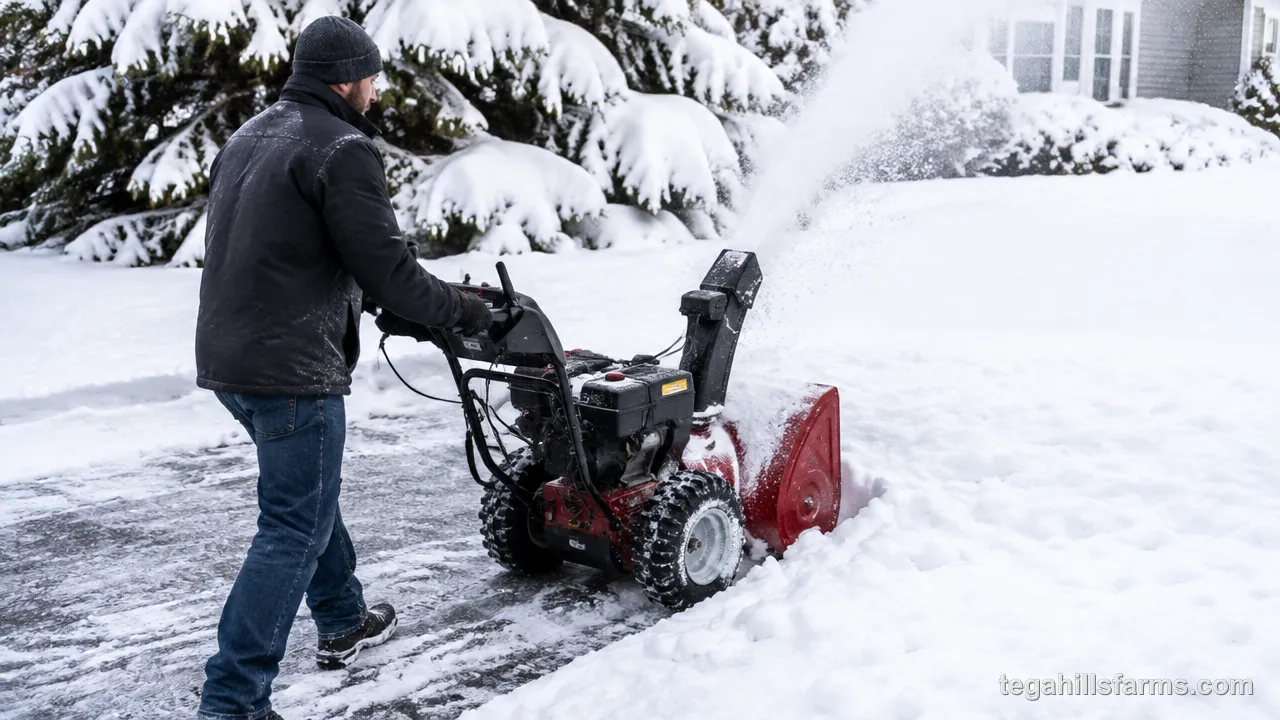
What Should You Do Before a Wet Storm Lands?
Coat the auger housing, impeller and chute with silicone or non-stick spray, check the shear pins and skid shoes, and get fuel or batteries ready. Each of those steps prevents a stop in the middle of the storm.
A thin silicone coating gives wet snow nothing to grip, so it slides through the chute instead of building up in layers. Reapply it during a long storm, since heavy snow wears the coating away. Shear pins are meant to snap when the auger hits something solid, which protects the gearbox, so check that they’re intact and keep spares and a wrench where you store the machine. Set the skid shoes for the surface you’re clearing so the housing neither gouges pavement nor scoops up gravel.
For a gas machine, fill up with fresh fuel treated with stabilizer and check the oil before the snow starts, because stale fuel is a common reason an engine won’t start or surges under load. For a cordless machine, charge every battery and store the packs indoors, since a cold battery gives less runtime.
Which Clearing Technique Keeps the Chute Flowing?
Take narrower, shallower passes at a slower ground speed, throw downwind, and clear more than once during the storm, because each of these habits lowers the load on the impeller.
A half-width pass feeds the housing less snow at once, so the impeller keeps its speed and throws the load before it can pack. In a heavy storm, shaving a deep accumulation in two layers does the same thing. Slowing the ground speed while keeping the engine at full throttle gives the auger time to break up each bite and the impeller time to clear it.
Snow thrown into the wind blows back over the machine and onto the chute, where it sticks. Plan your passes so the chute points downwind, and rotate it as you turn at each end.
Clearing every few inches during a long storm keeps the load light. If you wait until the storm ends, you face the full, compacted depth at once, which is exactly when a machine is most likely to plug.
How Do You Break Up the Plow Windrow at the End of the Driveway?
Work through the plow windrow in layers, with the auger housing set for the surface, a slow ground speed and the engine at full throttle, and do it before the pile has a night to freeze.
A street plow pushes snow, slush and ice chunks into a tight bank and compresses it as it goes. That leaves the windrow at the end of the drive much denser than the snow you cleared from the rest of it. Overnight, meltwater in the pile refreezes into a crust. When a light two-stage machine meets that crust, it tends to ride up over it, lifting the housing so the augers skim the top instead of cutting in.
Take the top of the windrow first, then come back for the lower layer, taking partial-width bites from the side instead of driving straight into the face. If your machine has adjustable auger height, raise the housing slightly for the first layer and lower it for the last pass. Keep the ground speed at its slowest setting so the auger breaks the crust before the impeller has to throw it.
How Can You Tell Whether a Storm Will Bring Wet or Dry Snow?
Watch the surface temperature during the snowfall. When it sits near or above 32°F, expect wet, heavy snow. When the whole column of air from the clouds to the ground stays well below freezing, expect light, dry powder.
The layers above you matter too. A slightly warm layer higher up partly melts the flakes, and if they then fall into near-freezing air at the surface, they land as wet clumps instead of refreezing into fine crystals.
The snow-to-liquid ratio explains why the same forecast depth can behave so differently. A common rule of thumb puts typical snow at about 10 inches per inch of water. Wet snow packs much more water into each inch, and dry powder much less, so the same forecast depth can weigh far more in a wet storm.
To read a forecast for your machine, check the predicted temperature for the hours when the snow falls, and look at the liquid-equivalent precipitation if your forecast lists it. A large liquid amount paired with a modest snow depth means a wet storm, so coat the chute and plan to clear during the storm.
What Should You Never Do When Clearing Wet Snow?
Never reach into a clogged chute or auger housing by hand while the engine runs. Never run a single-stage auger on gravel, and never expect a cordless machine to match its powder runtime in late-season slush.
A packed chute can hold the impeller under tension, and when the plug breaks free, the impeller can turn even after the engine stops. That’s how hands get badly hurt. Stop the engine, wait for every moving part to stop, and break up the plug with a clearing tool or a broom handle.
A single-stage auger rides on the surface, so on gravel it picks up stones and throws them at windows, cars and anyone nearby, and wears down its rubber paddles at the same time.
A cordless machine that cleared a dry storm easily can run out of charge halfway down the drive in heavy slush. Whatever is left behind freezes overnight into a crusted layer that’s harder to clear when the next storm comes.
What Should You Do After the Storm to Prevent Refreeze?
Spread salt or sand on the cleared surface right after you finish, because meltwater from the last thin layer refreezes overnight into black ice.
Salt lowers the freezing point of that meltwater so it stays liquid, and sand gives grip when it’s too cold for salt to keep working. Either one stops the thin glaze that forms after sun or traffic melts the snow you couldn’t scrape away.
Snow from the next storm bonds to a black-ice layer. The scraper bar then rides over it instead of cleaning down to the surface, the augers chip at ice instead of snow, and the shear pins take shock with every pass. The ice also makes the drive slippery under your boots while you guide the machine.
Frequently Asked Questions
How do I get my snow blower to throw snow farther?
Run the engine at full throttle and slow the ground speed, so the impeller spins fast without being overloaded. Raise the deflector for a higher arc, throw downwind, and keep the chute and impeller coated so wet snow doesn’t drag. If the distance keeps dropping, check the drive belt against the owner’s manual, since a worn belt slips under load.
Can a snow blower be left out in the rain?
Only briefly, and it’s a bad habit. Rain gets into the fuel system and electric start, and water left in the auger housing can freeze the auger and impeller in place before the next storm. Store it under cover, run it until it’s dry if it gets soaked, and keep battery packs indoors and dry.








Write Your Review
No reviews yet. Be the first to share your experience!