

A new pressure washer costs about $50 to $300 for a battery-powered model, $80 to $500 for a corded electric unit, and $250 to over $1,000 for a gas machine. Hot water and commercial-grade machines are a separate tier, running from $500 up to around $5,000.
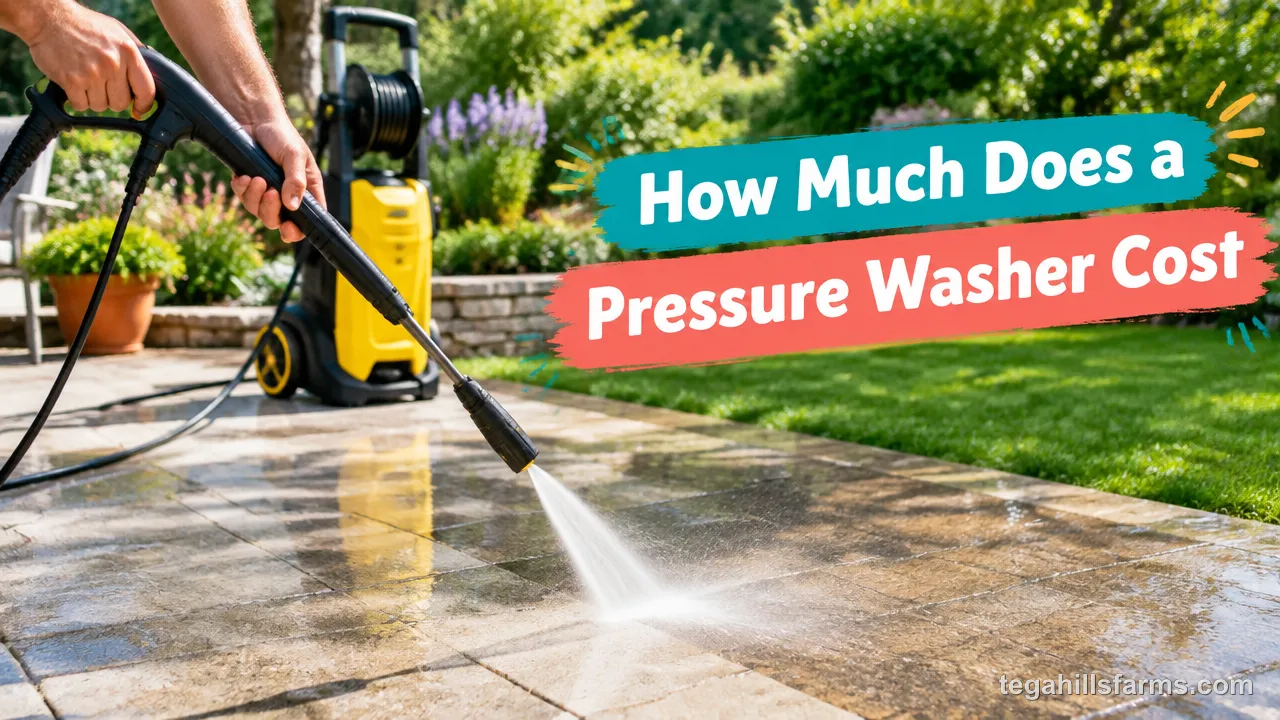
The power source sets the starting price. Within each type, pressure output, water flow, pump design and engine quality decide where a model lands. Renting a machine or hiring a crew are also options, and both can cost less than owning, depending on how often you clean.
The main risk for buyers runs both ways. You can pay for pressure your siding and deck can’t handle, or you can buy a machine that cleans too slowly for a concrete driveway and wears out after a few seasons. Fuel, parts and upkeep also add to the cost after the purchase.
The most useful starting point is the toughest job you do every year. Match the machine to that surface, and the price tier usually follows.
What Determines Pressure Washer Cost?
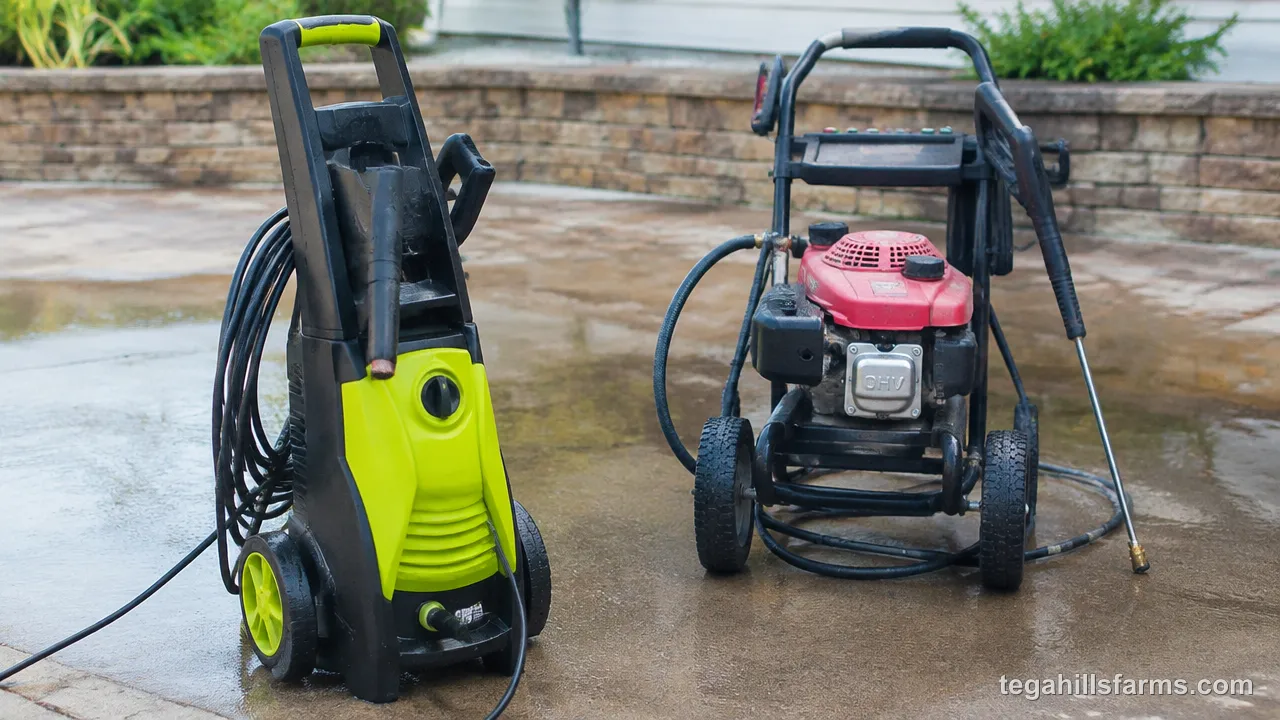
Power source, pressure and flow output, and pump build quality set most of the price, and brand positioning adds a smaller premium on top. A gas engine costs more to build than an electric motor, which is why gas machines start where many electric models top out.
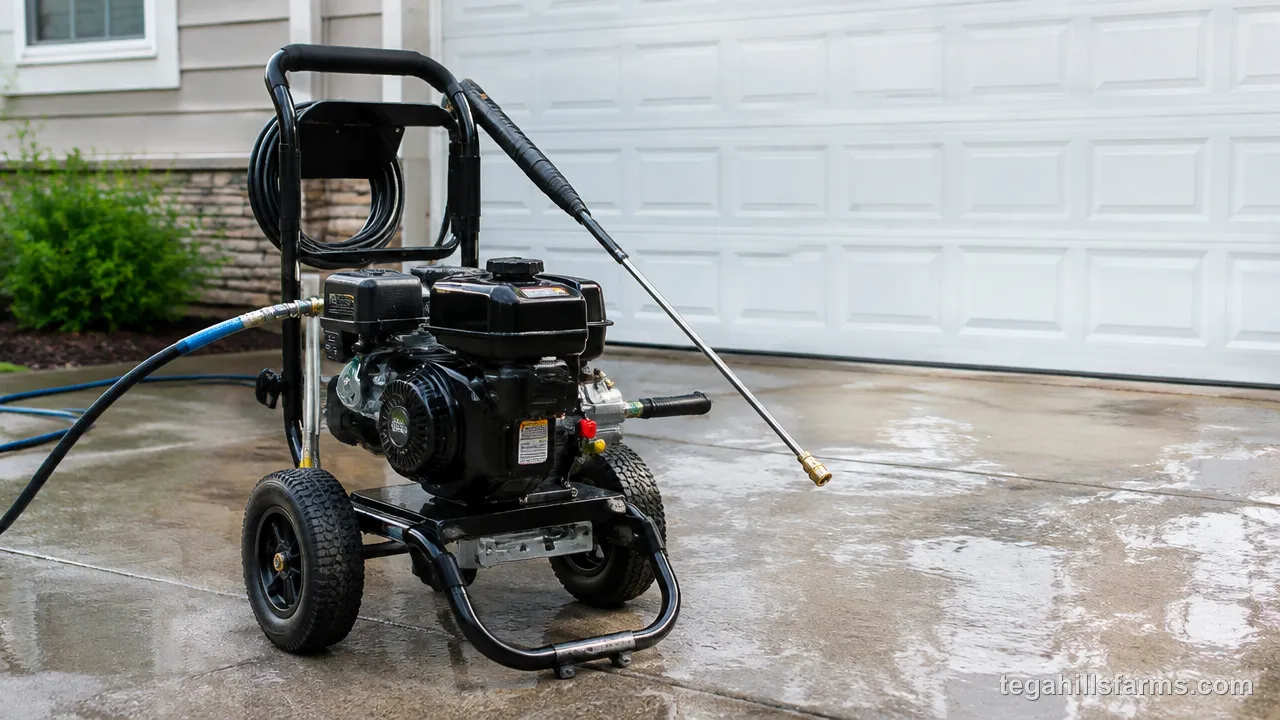
Output is the next driver. Electric models typically deliver 1,000–2,000 PSI, while gas models run 2,000–4,000 PSI. Flow rate, measured in GPM, matters just as much, because more water per minute rinses loosened dirt away faster. Higher numbers on both specs require a bigger pump and a stronger motor or engine, and that hardware is where the cost goes.
Build quality explains why two machines with similar specs can be far apart in price. Cheaper units use sealed axial pumps and plastic fittings. Pricier ones use rebuildable triplex pumps, metal manifolds and steel frames that survive years of regular use.
Once you understand what drives the price, knowing how to choose a pressure washer for your actual tasks keeps you from paying for power you won’t use, or from buying too little machine and regretting it later.
How Much Do Electric Pressure Washers Cost?
Corded electric pressure washers cost about $80 to $500, depending mostly on the motor type, pump quality and how much cleaning the machine is designed to handle in a season.
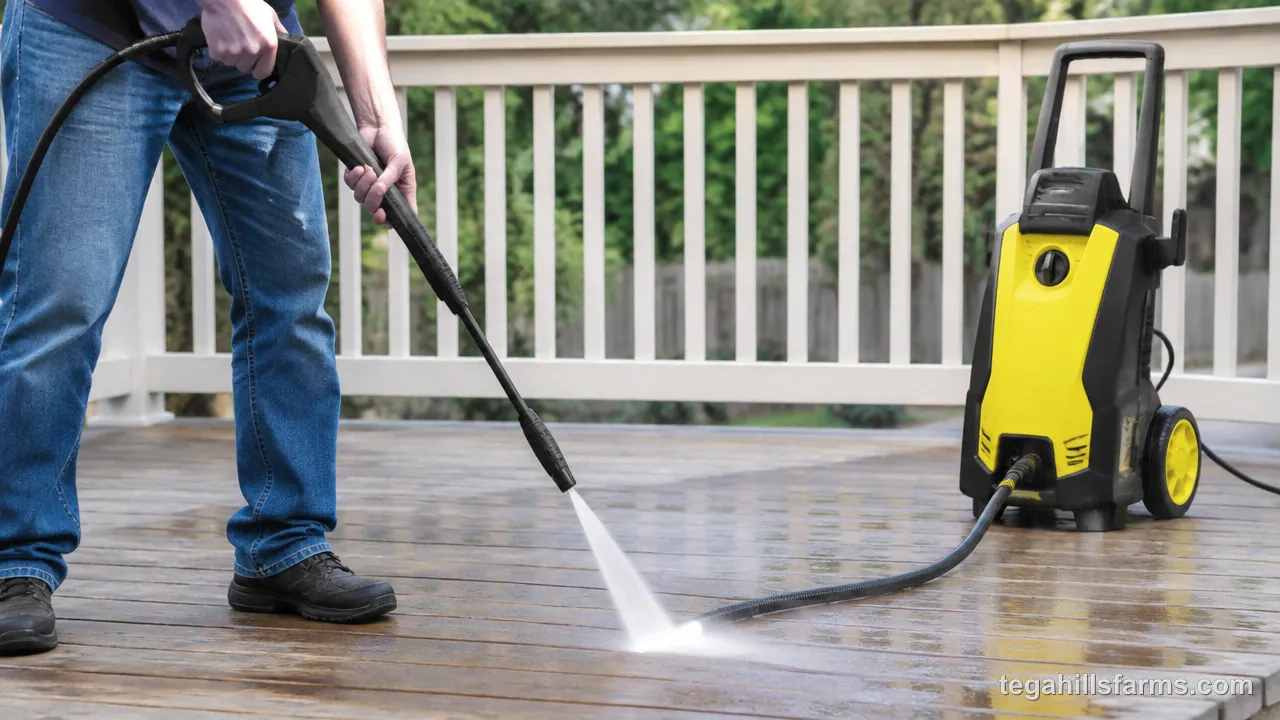
The deciding factor is your toughest regular job. Rinsing a patio set and washing a car once a month calls for very different hardware than stripping a winter’s worth of grime off a concrete driveway. An electric unit sized for light jobs struggles on concrete, and a heavier model bought only for car washing sits unused.
Budget Electric Models
Entry-level electric pressure washers sell for roughly $80 to $150. They handle light-duty work well: cars, patio furniture, grills, and small decks or patios.
The lower price comes from cheaper parts. These units usually have a universal motor, a sealed pump that can’t be rebuilt, plastic fittings, and a short high-pressure hose. They run loud and clean slowly on concrete, because limited flow means more passes over the same spot.
Plan your setup carefully with these models. Plug into a GFCI outlet and use an extension cord only as the manual allows. A longer garden hose usually works better than a longer cord.
Mid-Range Electric Models
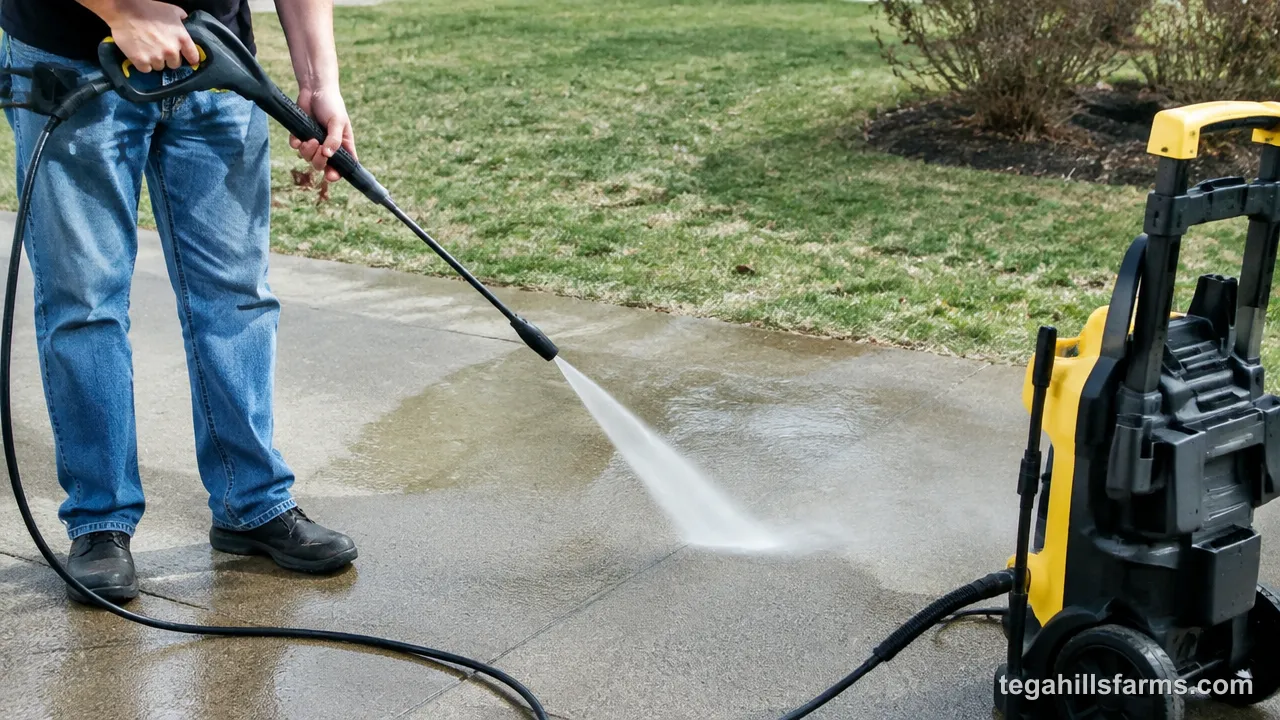
Mid-tier electric pressure washers run roughly $150 to $500 and handle driveways, siding and fences in addition to lighter jobs.
Several upgrades justify the higher price:
- Motor: many use an induction motor, which runs quieter and lasts longer than the universal motor on budget units.
- Pump and fittings: pumps hold up better and fittings are often metal instead of plastic.
- Hose and wand: longer hoses and sturdier wands make it easier to reach the far side of the house.
- Convenience features: a full quick-connect nozzle set, an onboard detergent tank, a hose reel and a wheeled cart.
For a homeowner who washes several surfaces each year, this tier is where an electric machine stops feeling like a compromise.
How Much Do Gas Pressure Washers Cost?
Gas pressure washers start around $250 and climb past $1,000, and the main price split is between homeowner machines and units built to run for hours at a stretch.
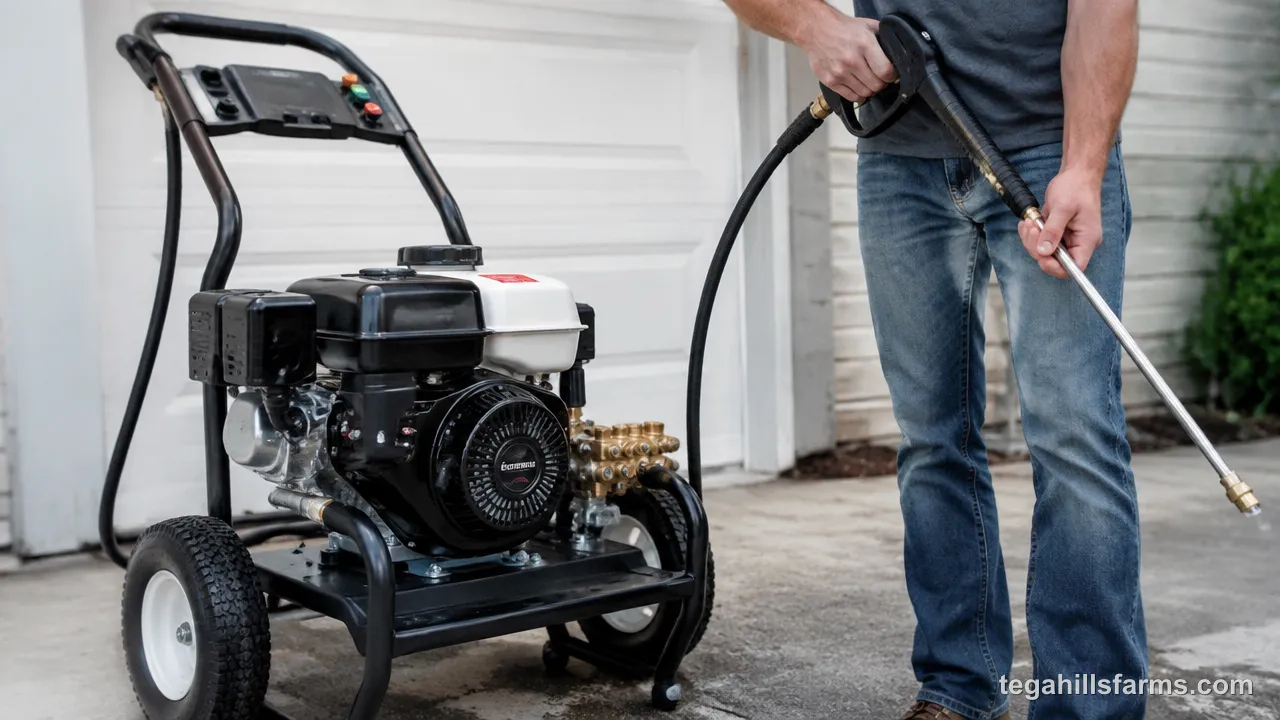
What you are paying for is how long the engine and pump can work under load before they wear. A machine used a few weekends a year doesn’t need the same build as one used several days a week. The extra pressure of a gas unit can also etch soft wood and strip paint, so learning how to use a pressure washer matters as much as how much you spend on one.
Consumer Gas Models
Homeowner-grade gas pressure washers cost roughly $250 to $500, and engine displacement drives most of that spread. A larger engine powers a bigger pump, which raises both pressure and flow and cuts the time it takes to clean a long driveway or a two-story house.
Features account for the rest of the price difference. Stepping up within this tier usually adds:
- an axial pump with a better seal design,
- quick-connect nozzles,
- a detergent tank,
- larger wheels for gravel and grass,
- easier starting options.
The ongoing costs are the same across the tier. Every consumer gas model needs oil changes, fresh fuel and winter storage prep. That upkeep is part of what you are signing up for, whatever the purchase price.
Semi-Pro and Professional Gas Models
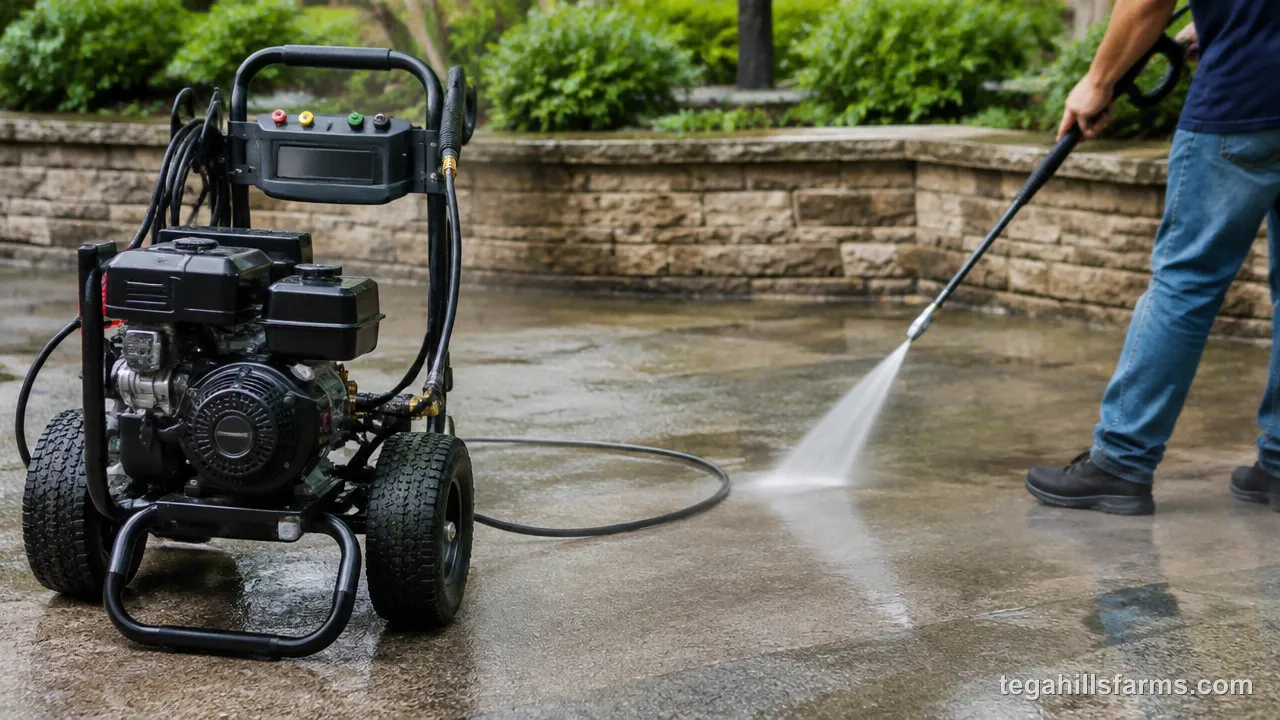
Semi-professional and contractor-grade gas pressure washers run roughly $500 to over $1,000. The higher price buys durability more than raw pressure.
These machines typically pair a commercial-grade engine with a triplex pump. A triplex pump runs cooler and slower, and its seals and valves can be replaced, so a worn pump gets rebuilt instead of thrown out. Other common upgrades include:
- welded steel frames,
- pneumatic tires,
- longer steel-braided hoses,
- belt-drive designs that reduce pump wear on the largest units.
The investment makes sense for people who clean large properties, long fence lines, barns or equipment on a regular schedule, or who take on paid jobs. For a once-a-year spring cleanup, the extra durability goes unused.
How Much Do Battery-Powered Pressure Washers Cost?
Cordless pressure washers cost roughly $50 to $300, but whether that price includes a battery and charger often changes the real cost more than the machine itself.
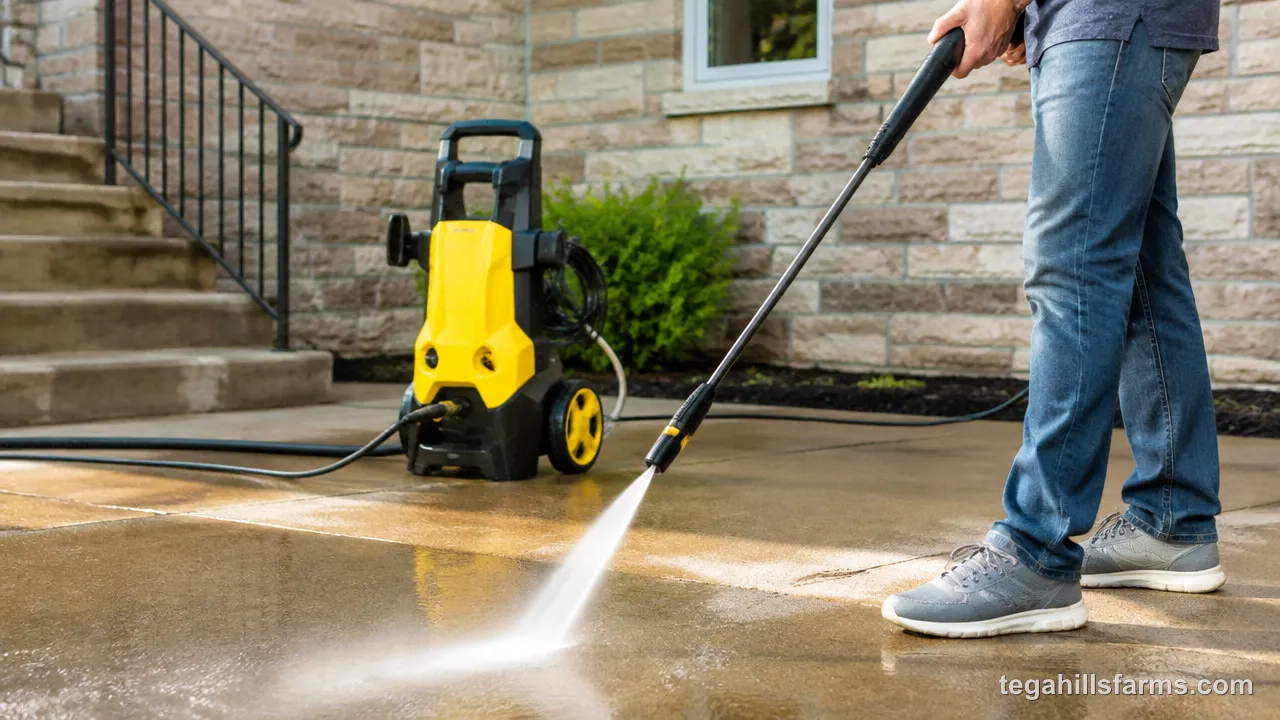
The battery platform you already own matters most here. A bare tool that runs on batteries in your garage is cheap to add. The same tool bought into a new platform carries the full cost of the pack and charger.
Tool-Only vs Kit Pricing
Tool-only cordless pressure washers sell for less because the battery and charger are the most expensive parts of a cordless setup. A single high-capacity pack can cost nearly as much as the bare tool.
Buy tool-only when you already own batteries from the same brand at the matching voltage tier, since packs from one platform rarely fit another. Buy a kit when you are new to the platform or your existing packs are small and aging. Running a pressure washer on a low-capacity pack drains it quickly and shortens each cleaning session.
Performance and Price Tiers
At the low end of the range, cordless units are compact washers that draw water from a bucket or onboard tank. They work well for rinsing bikes, boats, kayaks and muddy boots where there’s no outdoor faucet.
Higher-priced models run on higher-voltage packs and come closer to corded electric output, with better nozzles and sturdier wands. Runtime per charge stays the limiting factor at every tier, so cordless pressure washers fit quick jobs better than a full driveway.
Commercial and Hot Water Pressure Washer Costs
Hot water pressure washers cost about $500 to $5,000, and commercial-grade cold water machines run about $1,500 to $5,000. That spending is justified only for grease, oil and daily professional workloads.
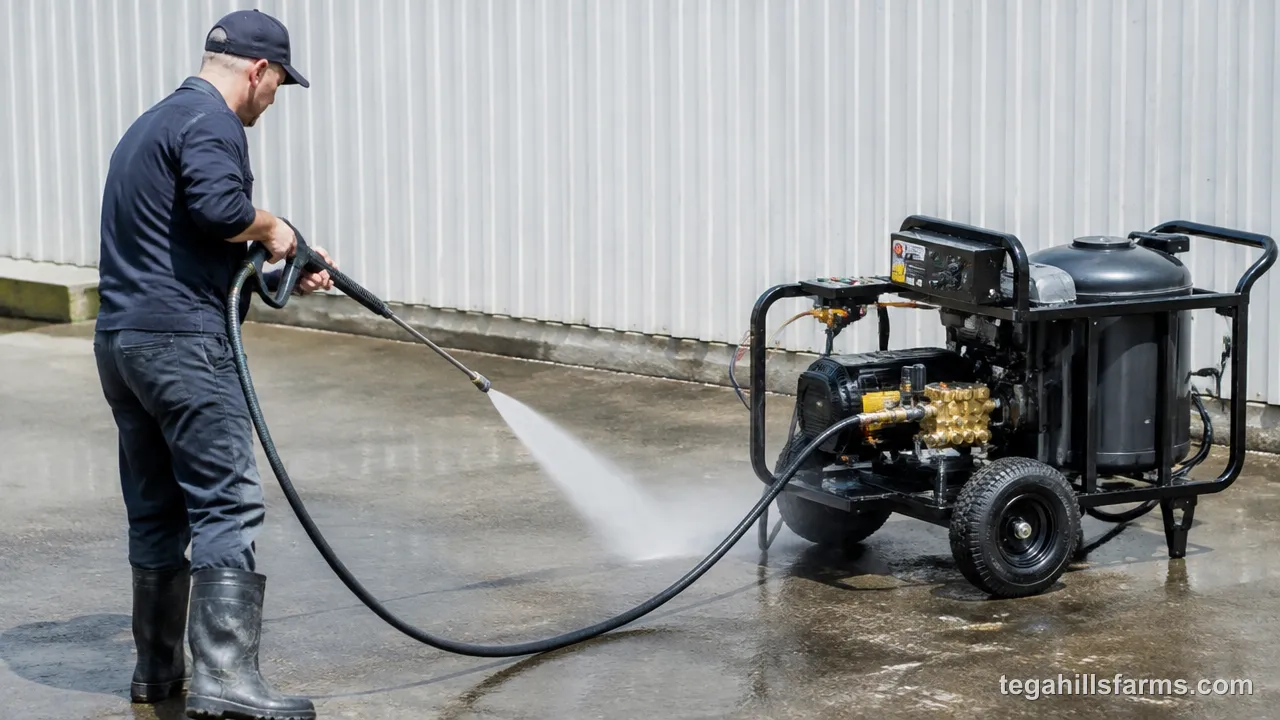
A hot water unit adds a burner, usually fired by diesel or kerosene, that heats water before it reaches the nozzle. Hot water breaks down grease and oil much faster than cold, which matters when cleaning:
- tractors and farm equipment,
- fleet trucks,
- restaurant pads,
- shop floors.
Commercial machines are built for constant use. They come with heavy-duty frames, high-flow triplex pumps, and skid or trailer mounts for hauling between job sites.
Most homeowners never need either type. A good consumer gas or mid-range electric machine with the right detergent handles siding, decks and driveways. Hot water units also need burner fuel and burner maintenance on top of engine upkeep, which raises the running cost along with the purchase price.
Should You Rent or Buy a Pressure Washer?
Renting wins when you pressure wash once a year or less. Buying pays off when you clean several surfaces every season or want a machine on hand whenever a job comes up.
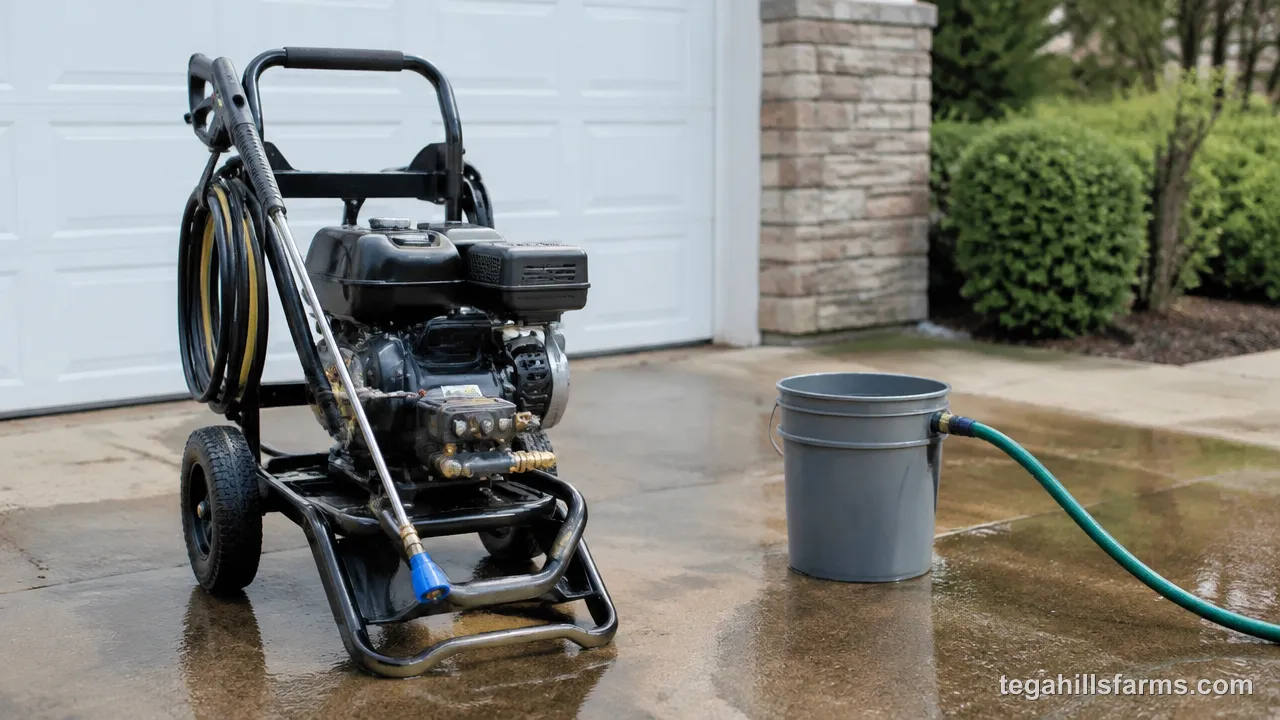
How often you will actually pull the machine out is the deciding question. Most people overestimate it on the day they shop. Ownership also brings storage, winterizing and repair responsibilities that a rental counter takes care of for you.
Typical Rental Rates
Renting a gas pressure washer usually costs roughly $40 to $100 a day at outlets like Home Depot Tool Rental and local equipment rental shops. Weekly rates generally work out cheaper per day than renting day by day.
The rental price typically covers the machine, a hose and a basic nozzle set. Several costs often come on top:
- fuel, since most shops expect the tank returned full,
- detergent,
- surface cleaner attachments,
- a damage waiver,
- a refundable deposit.
You’ll also need a vehicle that can carry the machine home and back.
When Buying Makes More Sense
Owning becomes the cheaper option once your rental fees across a few seasons approach the price of a consumer machine. For anyone who washes the deck, siding and driveway every year, that point arrives quickly.
Cost isn’t the only factor. An owned machine is ready when mildew shows up on the north side of the house, with no pickup run or rental-counter wait. In return, you take on oil changes, fuel stabilizer, winter storage and a corner of the garage or shed. I’d buy when the machine will come out several times a season, and keep renting when it won’t.
How Much Does Professional Pressure Washing Cost?
Pressure washing companies typically charge about $0.42 to $0.52 per square foot. Surface type, access and travel distance adjust the final quote.
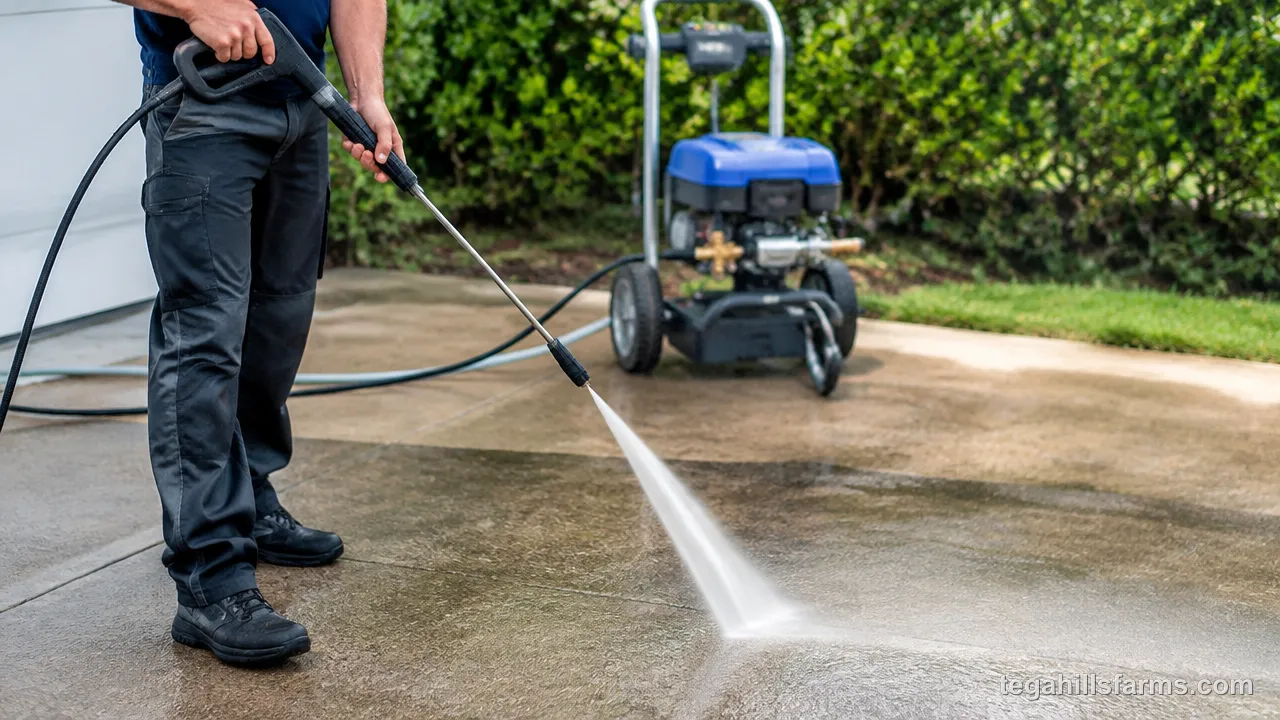
Comparing that cost against doing the job yourself depends on the surface. A concrete driveway is a common DIY candidate because it tolerates mistakes better than wood or siding. Learning how to clean a driveway with a pressure washer is where most of the savings from skipping a service come from.
Residential Cleaning Rates
Driveways, patios and other flat concrete are usually billed at a standard per-square-foot rate. Siding is often priced by the size and number of stories of the house.
Several factors push a quote higher:
- Decks: wood needs lower pressure and slower work, and quotes rise when the job includes brightening or sealing.
- Heavy stains: oil, rust and deep mildew require extra treatments.
- Access: second-story siding and steep lots take more time and equipment.
- Travel and minimums: many companies add a travel fee or charge a minimum, so small jobs cost more per square foot than large ones.
Service vs DIY Cost Comparison
Hiring a crew means paying for labor, commercial equipment and insurance. Doing it yourself means paying for a machine or rental, detergent and your own weekend.
DIY makes the most sense on concrete and on jobs you’ll repeat every year. A hired crew is worth the money on second-story siding, older wood decks and painted surfaces, where an inexperienced hand with high pressure can gouge boards or force water behind siding. The repair bill from that kind of damage can easily exceed the cost of the service.
A gas pressure washer burns fuel every hour it runs and needs fresh oil, while an electric model adds only a small amount to the power bill. Gasoline left sitting in a carburetor over winter is the classic way a machine that was cheap to buy turns into a repair bill in spring.
Fuel, Electricity, and Maintenance Costs
Electric pressure washers cost very little to run. Each session adds a small amount to your power bill, and routine upkeep is mostly draining water before freezing weather. Gas machines cost more to own year to year, because every session burns gasoline and the engine needs regular care.
Gas upkeep includes:
- oil changes,
- fuel stabilizer,
- an occasional spark plug,
- an air filter.
The biggest gas expense is often avoidable. Stale fuel gums up the carburetor, and that is the usual reason a pressure washer won’t start after sitting all winter. Draining the fuel or adding stabilizer before storage prevents most of these repairs.
Pump seals wear on every type of machine. On a rebuildable pump, replacing them is a modest repair. In regions where temperatures drop below freezing, run pump saver or antifreeze through the pump before storage, because ice cracks pump housings. Battery models skip fuel and oil entirely, but their packs lose capacity over time and eventually need replacing.
Accessory and Replacement Part Costs
Most owners spend on accessories and wear parts over the life of a pressure washer. Typical costs run roughly:
- $10 to $30 for a replacement nozzle set,
- $30 to $100 for a high-pressure hose,
- $40 to $150 for a consumer surface cleaner attachment.
Nozzles wear faster than most people expect. As the orifice enlarges, pressure drops, so a machine that seems to be losing power often needs only a new tip. The parts that fail most often are O-rings and quick-connect fittings, which leak, and hoses, which kink or crack after being dragged across concrete.
Spray wands, triggers and detergent injectors are inexpensive to replace on most models. Pumps are a different story. A replacement pump can run $100 to $400, which approaches the price of a new budget machine, while a rebuild kit for a serviceable pump costs much less.
When a Cheap Pressure Washer Costs More
The cheapest pressure washers often end up costing more because their sealed pumps can’t be rebuilt. When the pump fails, the repair costs close to what a new machine does, so the owner buys another one. Buy two or three bottom-tier units over the years and you have spent more than one mid-range machine would have cost.
Pump design is a big part of how long pressure washers last. A pump that runs hot and can’t be resealed wears out on the owner’s schedule, not the machine’s. Plastic fittings and thin hoses fail early too, and each failure adds a parts order. Warranty coverage on low-priced units is often short and may exclude the pump, so read the terms before buying.
Spending more upfront saves money when you use the machine several times a season or clean large areas. For rinsing a car and patio chairs a few times a year, a budget unit is a reasonable choice. I’d rather put money into a better pump than into a bigger PSI number on the box.
Write Your Review
No reviews yet. Be the first to share your experience!