

A lawn edger costs roughly $20 to $60 for a manual model, $50 to $130 for a corded electric model, $100 to $350 for a battery edger, and $200 to $700 or more for gas, with walk-behind gas machines at the top of that scale.
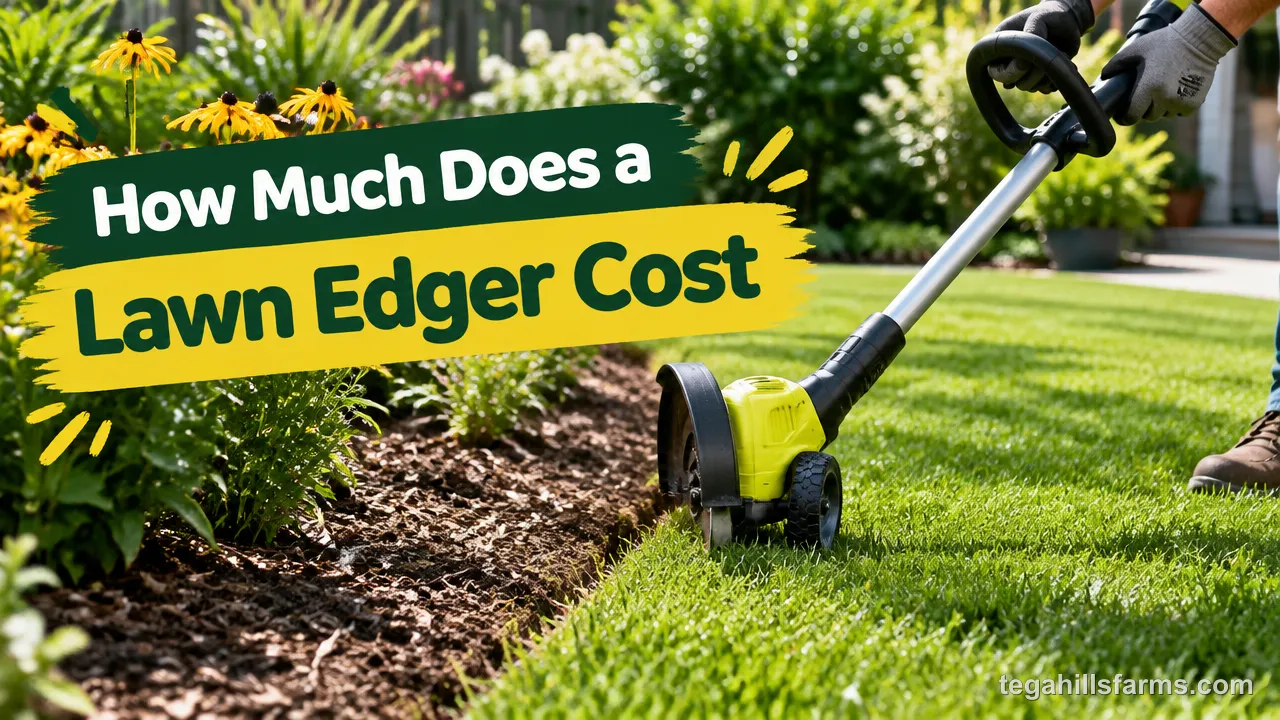
Within each type, price follows the same few factors: the power source, the size of the motor or engine, whether a battery and charger come in the box, and whether the tool does one job or several. A higher price usually buys more cutting force for compacted soil and overgrown edges, plus more runtime for long driveways and sidewalks.
The sticker price is only one part of the cost. Gas edgers need mixed fuel, spark plugs and the occasional carburetor cleaning. Battery packs lose capacity over the years. A manual edger costs almost nothing once you own it.
If your garage already runs on one battery platform, a tool-only edger skips the most expensive part of a cordless kit, which can move a mid-range battery model below the price of a basic gas one.
What Does a Lawn Edger Cost?
Expect to pay about $20 for a basic manual edger and up to $700 or more for a walk-behind gas machine, with corded, battery and handheld gas models in between.
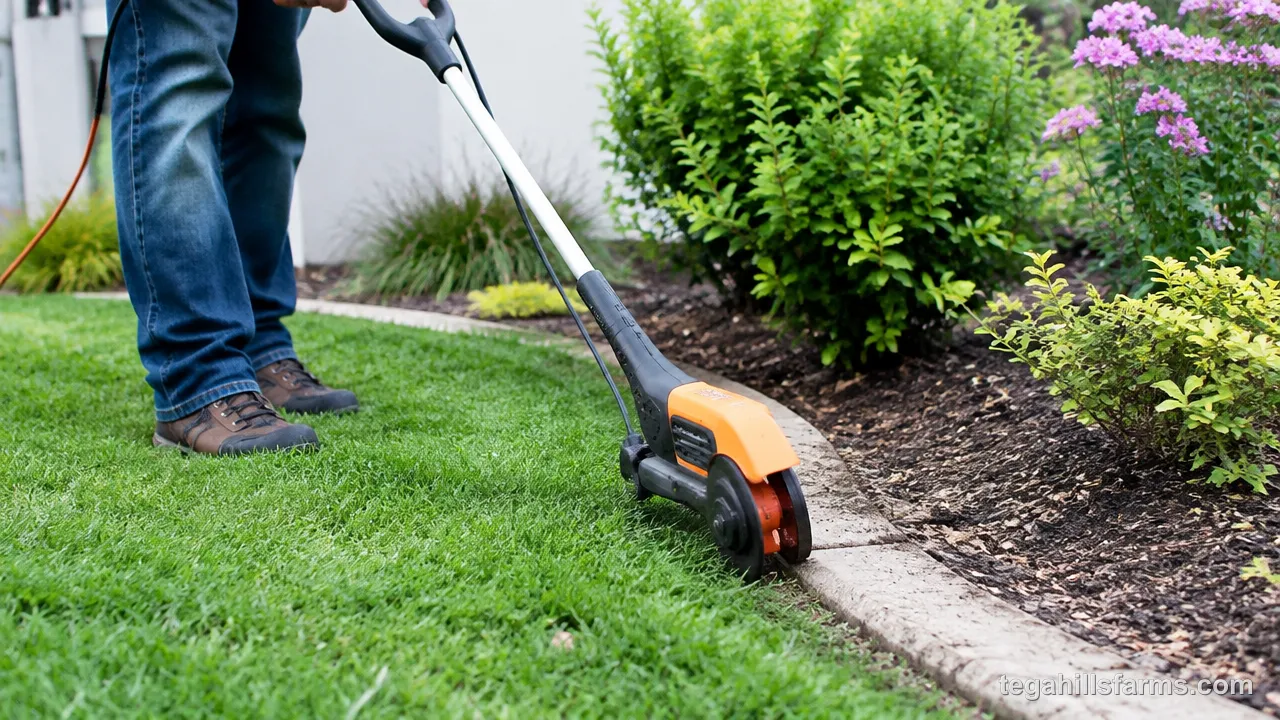
The power source drives most of that spread. A manual edger is a steel blade on a handle, so you pay for metal and leverage. A corded model adds an electric motor and a guard. A battery edger adds a lithium-ion pack and charger, which are expensive parts of any cordless tool. A gas edger adds an engine, a carburetor and a fuel system, and walk-behind models add a wheeled frame with depth controls. A low price only helps if the tool handles your edges, so knowing how to choose a lawn edger that matches your yard size and how often you edge matters more than grabbing the cheapest option.
How Much Do Manual Lawn Edgers Cost?
Roughly $20 to $60 covers nearly every hand-powered edger, which makes this the cheapest way to cut a clean line along a walk, driveway or flower bed.
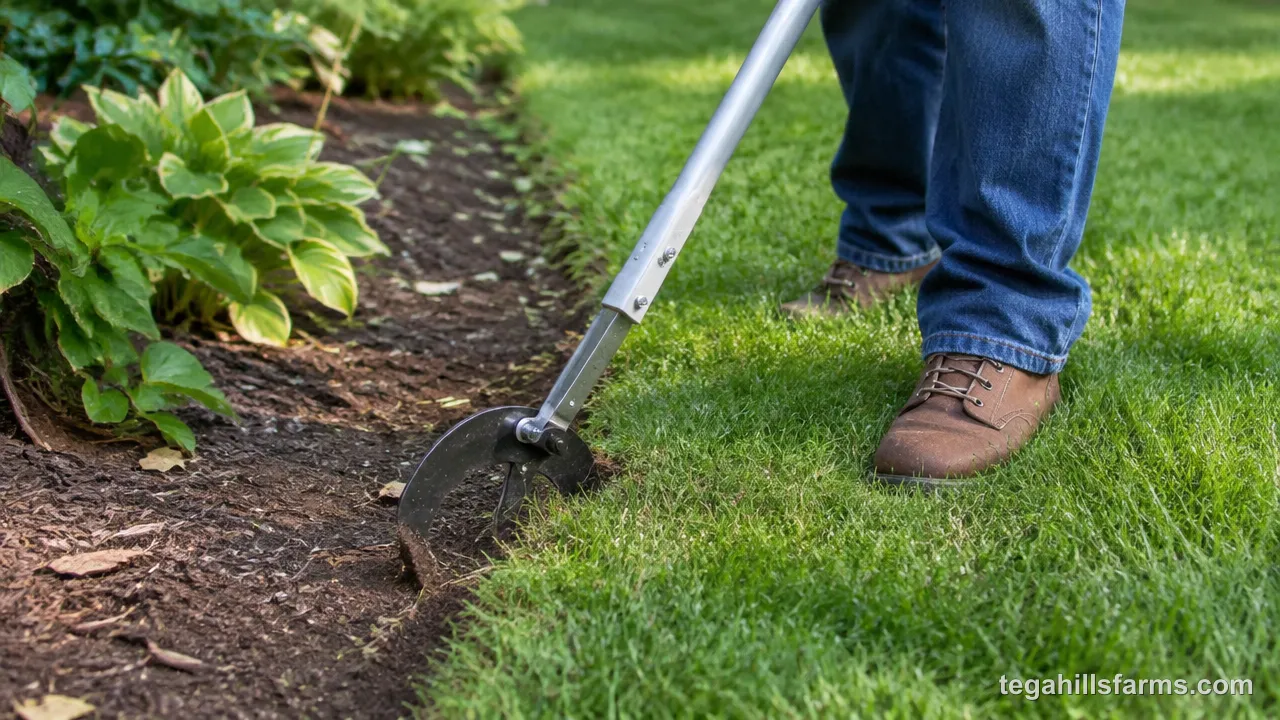
You supply all the cutting force, so the money in this category goes into the blade and the handle. A thin blade or a weak handle joint bends the first time you push it into compacted clay. The extra cost of a sturdier build pays off the first season you edge hard ground.
Half-Moon Edgers
A half-moon edger generally sells for about $20 to $50. Blade steel and handle construction account for the difference between the cheap and the expensive models. Budget versions use stamped steel and wood handles that can split or loosen at the socket. The higher end uses forged steel blades that hold their shape and edge in rocky soil, plus fiberglass handles that resist rot and flex less when you push down with your foot. The Razor-Back Half-Moon Turf Edger weighs 3.8 pounds, light enough to carry along a bed line without fatigue.
A half-moon edger is worth buying if you cut new bed edges or recut overgrown borders once or twice a year. It slices straight down through sod, which a rotary tool can’t do well in tough turf.
Rotary Manual Edgers
Rotary manual edgers usually cost about $30 to $60. They cost more than half-moon models because they have moving parts: a toothed wheel blade, an axle, and a set of rolling wheels that ride on the pavement. The True Temper Dual-Wheel Rotary Edger weighs 3.9 pounds, and its dual-wheel design keeps the blade tracking along the concrete edge, so you push instead of stomp. Some models let you adjust blade depth, which adds cost but lets you trim lightly for maintenance or cut deeper after a summer of growth.
The rolling design is faster on long, straight sidewalks and driveways you edge regularly. It struggles to cut a brand-new edge through thick sod, where a half-moon blade’s downward force works better.
How Much Do Electric Corded Edgers Cost?
About $50 to $130 buys a corded electric edger. Most of the difference comes from motor strength and whether the tool converts into a string trimmer.
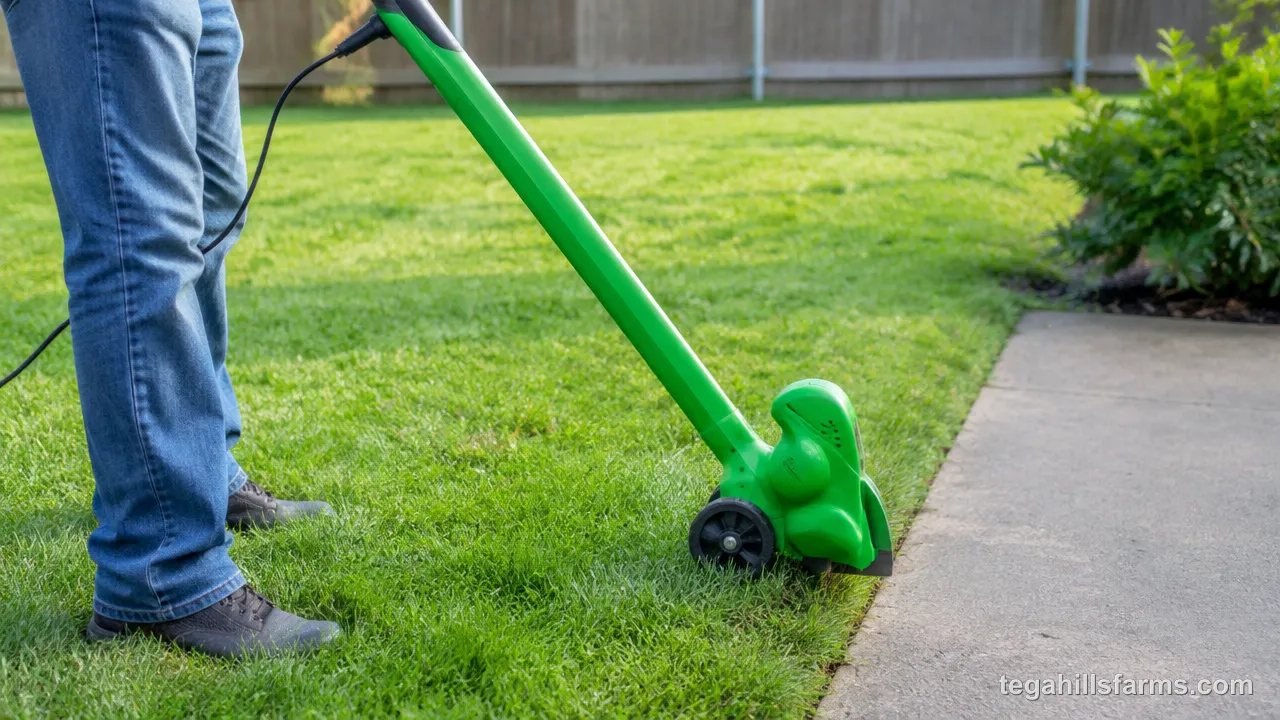
A corded edger never runs out of battery, but the cord limits how far you can go from an outlet. That matters more on a long driveway than on a small front walk. Plan on an outdoor-rated extension cord and a GFCI-protected outlet. If you don’t already own a cord long enough for your property, factor that into what you spend.
Single-Function Corded Edgers
A dedicated corded edger typically costs about $70 to $130. The low end has lighter motors and plastic guards. Models near the top use stronger motors, measured in amps. A higher-amp motor keeps the blade spinning at speed when it hits thick grass or a root, so it bogs down less and leaves a cleaner line. Adjustable cutting depth adds cost and lets you go deeper on overgrown edges. A larger blade diameter also cuts deeper. Wheels that let the blade drop over a curb step are another feature you’ll find mostly at the higher end, and they matter if your lawn meets a raised curb rather than flat concrete.
Combo Trimmer/Edger Models
Convertible string trimmer and edger models usually cost about $50 to $100, and they’re often cheaper than dedicated edgers because they cut with nylon line instead of a steel blade. The Black+Decker 2-in-1 String Trimmer/Edger pairs a 12-amp corded motor with tool-free conversion: you rotate the head to switch from trimming to edging. It weighs 14.4 pounds, and its maximum cutting depth is 3.75 inches.
The tradeoff is the cutting tool. Line wears down quickly against concrete, so you’ll buy replacement spools, and the edge won’t be as crisp or as deep as a steel blade leaves. Anyone still weighing an edger vs a trimmer can treat a combo as a middle ground for a small lot with short edges. Larger properties with long sidewalks justify a dedicated blade.
How Much Do Battery-Powered Edgers Cost?
About $100 to $350, depending largely on whether a battery and charger come in the box and on the platform voltage.
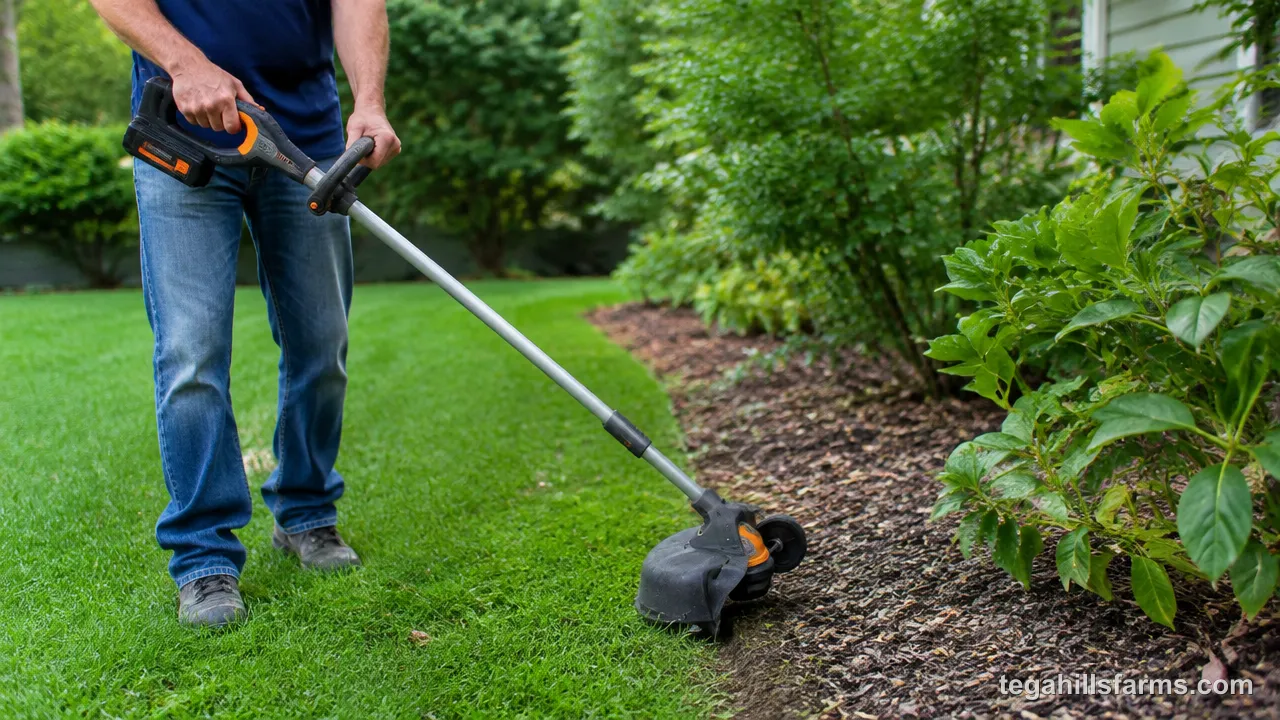
The battery is the costly part of any cordless edger, so a tool-only version can cost far less than the same edger in a kit. The platform matters because batteries generally only fit tools from the same brand and voltage line. Buying your first battery edger often commits you to that brand for your trimmer, blower and mower too. Check which batteries you already own before comparing prices.
18V and 20V Battery Edgers
Lower-voltage battery edgers usually cost about $100 to $200 as a kit with battery and charger, and less as tool-only. Ryobi ONE+ 18V edgers sit near the entry point, and the same battery fits a wide range of Ryobi yard and shop tools. That shared platform is the main reason to buy into this tier. Professional lines such as Milwaukee M18 Fuel cost more within the same voltage class because they use brushless motors and heavier construction.
The voltage limit shows up in cutting force and runtime. A lower-voltage motor has less torque when the blade meets thick, overgrown turf, and a single pack drains faster under that load. For edges you maintain every few weeks, the blade takes light cuts, and an 18V or 20V edger handles that work without strain.
40V to 60V Battery Edgers
Higher-voltage battery edgers usually cost about $200 to $350 with a battery and charger. Brushless motors and larger battery packs push them into this tier. A brushless motor wastes less energy as heat, so more of each charge goes into the blade, and a higher-voltage pack delivers more power under load. The Greenworks 60V edger weighs 13.5 pounds.
That extra power matters when you’re cutting an edge that has grown over a sidewalk, where a weaker motor needs repeat passes. It also matters on larger properties with long driveways and walks, where a bigger pack finishes the job without a mid-job recharge. I’d put money into this tier for a big lot or a neglected edge, and stay at a lower voltage for a small, well-kept yard.
How Much Do Gas-Powered Edgers Cost?
About $200 to $700 or more, with handheld stick models at the low end and walk-behind machines at the high end.
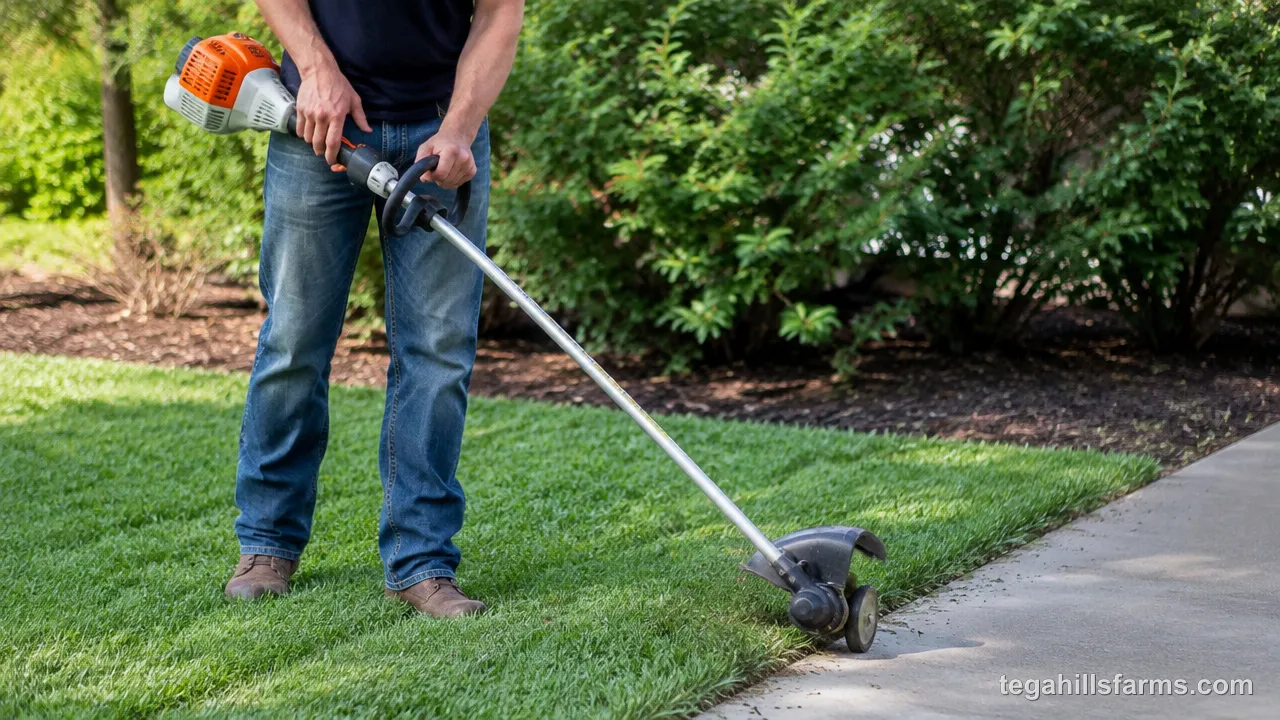
Engine displacement and build quality set the price within this category. A larger engine holds blade speed in dense turf, and commercial-grade parts last longer under heavy use. Gas also comes with the highest running costs of any edger type: mixed fuel, spark plugs, air filters and carburetor care all continue after the purchase.
Gas Stick Edgers
Handheld gas stick edgers generally cost about $200 to $400. The low end uses smaller engines and lighter components. The higher end adds larger engines, sturdier gearboxes and better vibration control. The Echo PE-225 is a typical example of the type: it runs a 21.2cc 2-cycle gas engine, carries a 12.8-ounce fuel tank rated for about 1.5 hours of runtime, and weighs 13.1 pounds.
That fuel capacity is what makes a stick edger practical for large properties. You can edge long sidewalks and driveways without stopping, and with no cord, you’re never limited by distance from an outlet. A 2-cycle engine burns a gas-and-oil mix, so you’ll keep a separate fuel can for it. I’d only pay the gas premium if your edging runs long enough that battery runtime becomes a real limitation.
Walk-Behind Gas Edgers
Walk-behind gas edgers typically cost about $350 to $700 or more. The higher price pays for a wheeled steel frame, a larger engine (often 4-cycle), a heavy-duty blade guard, and controls that set blade depth and angle. Top models add a self-propelled drive, which raises the price again.
The wheels carry the machine’s weight, so your arms only steer, and the frame holds the blade at the same depth along the whole cut. That consistency matters on long driveways and on edges you cut deep once a season. Deciding on a stick edger vs a walk behind usually comes down to how much edge you have. A walk-behind earns its price on large properties and commercial-style work, while a stick edger costs less and is easier to store.
How Much Do Multi-Head Edger Systems Cost?
A gas or battery powerhead with an edger attachment usually runs about $250 to $500. It costs less than buying separate dedicated tools once you add a second or third attachment, because you pay for one engine or motor.
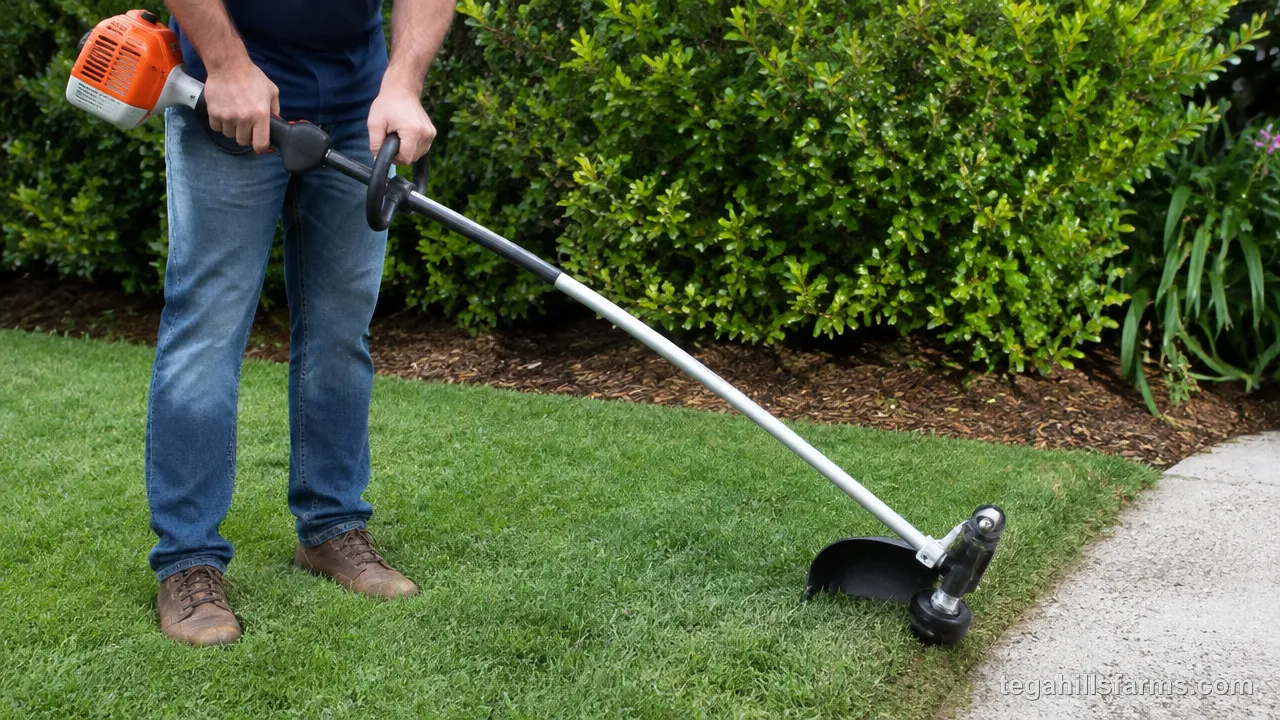
Additional attachments, such as a string trimmer, hedge trimmer or pole saw, are often sold separately for roughly $70 to $150 each. If edging is the only job you need done, a dedicated edger is the cheaper buy. The system pays off when you would otherwise buy several handheld tools, each with its own engine or battery. The tradeoff is time spent swapping heads and having only one tool running at a time.
Gas Multi-Head Systems
A gas powerhead with an edger attachment usually costs about $300 to $450. Systems like the Echo PAS-225VP use a split-shaft design: the shaft separates partway down, and each attachment locks into the powerhead’s coupler. The PAS-225VP weighs 16.2 pounds. A professional-grade engine and a sturdy coupler cost more up front. That coupler carries every attachment’s load, so a cheap one wears loose over time. The edger attachment alone sits in the same range as other add-on heads. Each attachment you add raises the overall investment, but you still maintain only one engine, one fuel system and one set of spark plugs.
Battery Multi-Head Systems
A battery multi-head kit with a powerhead, edger attachment, battery and charger usually costs about $300 to $500. The battery and charger account for much of that price, which is why these systems sit in a premium tier on a first purchase. The Ego Power+ Multi-Head weighs 15.94 pounds and uses quick-connect attachments that swap without tools.
If you already own batteries from the same platform, buying the powerhead and attachments as tool-only items cuts out the most expensive piece. That changes the math more than the voltage or the attachment count. For a first-time buyer, the battery cost sits on top of the system price, so the kit costs more than a single battery edger until you add more heads.
A 2-cycle edger that sits through winter with untreated fuel in the tank can leave varnish in the carburetor, and a battery pack stored in a freezing garage can lose capacity it never regains. Each power type wears out in its own way, and the edger that looked cheapest at checkout can cost the most by its third season if those recurring expenses take you by surprise.
What Are the Ongoing Costs of Owning a Lawn Edger?
A manual edger costs almost nothing to own after purchase, beyond sharpening the blade with a file. Corded and battery edgers add only small electricity costs. Gas edgers carry the highest recurring expenses because they burn fuel and need regular engine maintenance.
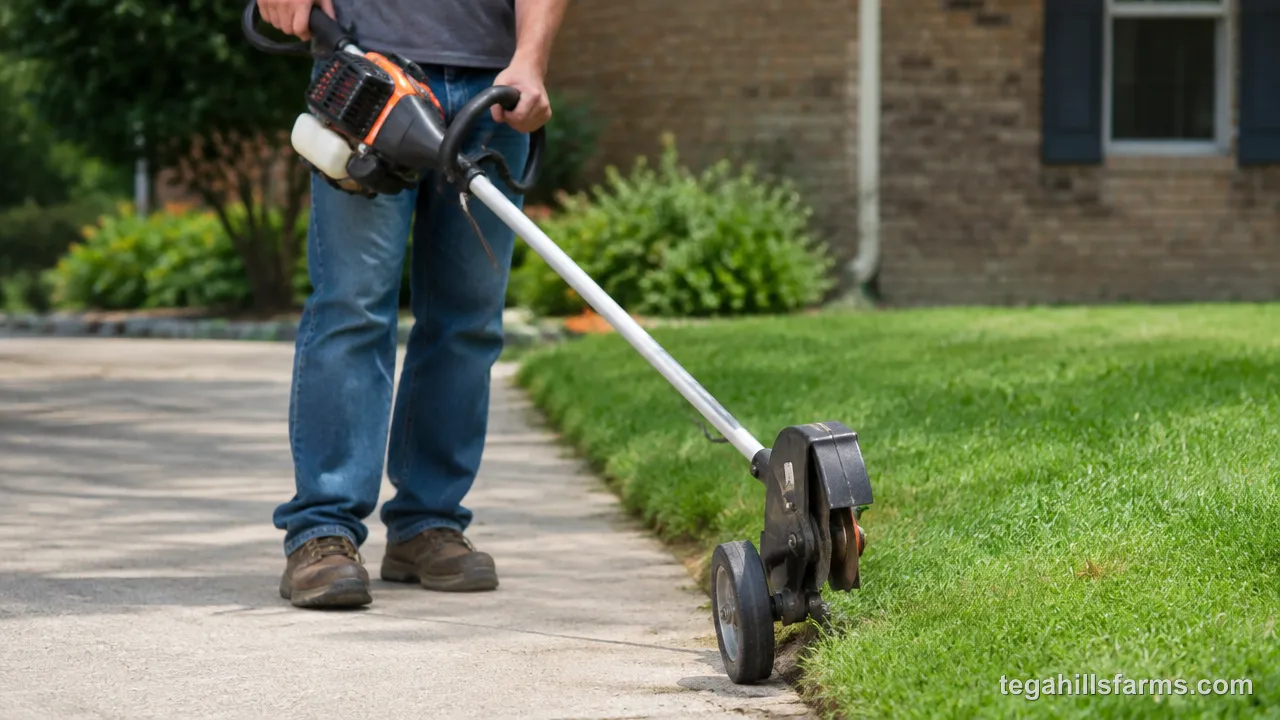
For gas models, the routine spending is fresh fuel, 2-cycle oil or engine oil, a fuel stabilizer for storage, a spark plug that usually costs under $10, and an air filter at a similar price. Replacement steel edger blades usually run about $10 to $25 for every powered type, and you’ll go through them faster if you edge along rough concrete. Combo trimmer/edgers use nylon line instead, which wears down quickly against pavement.
For battery edgers, the largest expense comes later: a replacement pack, often around $100 to $250 depending on voltage and capacity, once the original stops holding a useful charge. Storing packs indoors over winter slows that decline. Those same habits also shape how long lawn edgers last, since a well-kept engine or motor outlives the parts you replace on it.
Do You Need Extra Gear or Storage for a Lawn Edger?
Yes. Plan on safety glasses for every edger type, since the blade throws grit and small stones off the pavement, plus hearing protection for gas models. Safety glasses and earmuffs each typically cost about $10 to $30. Gloves and closed-toe shoes round out the basics.
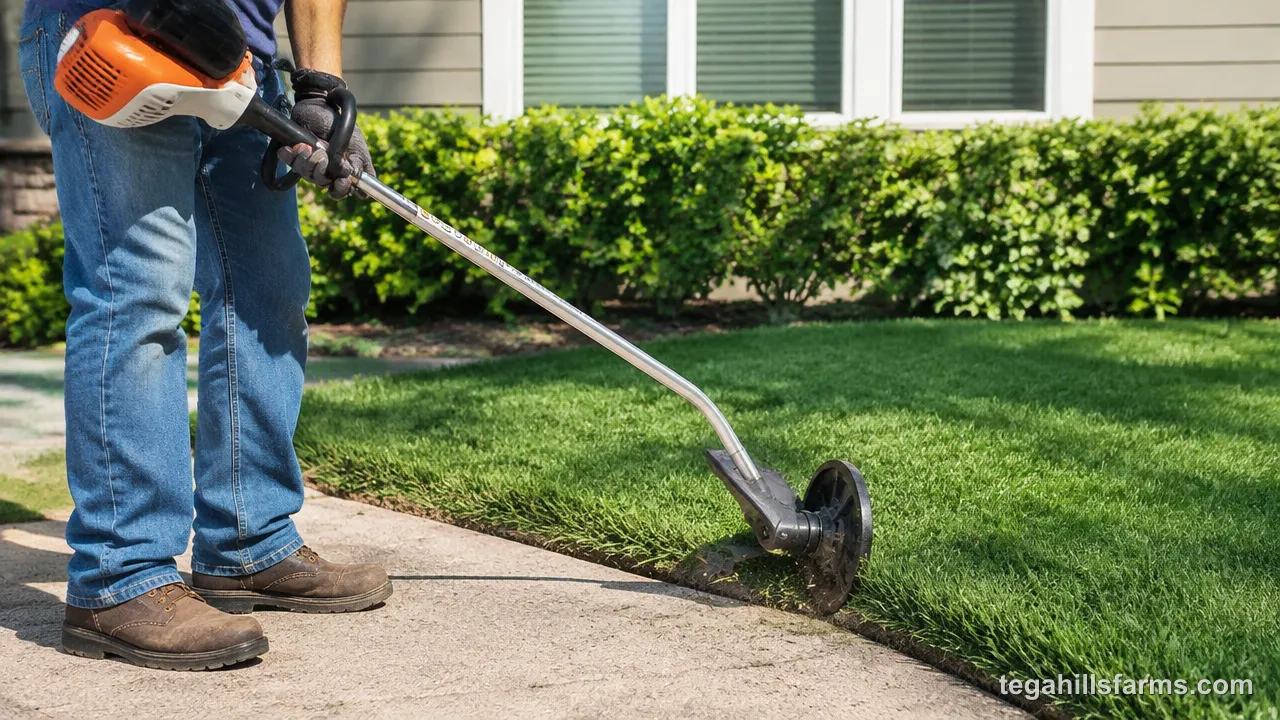
The rest depends on the power type. A gas edger needs an approved fuel can, usually about $20 to $40. A corded edger needs an outdoor-rated extension cord long enough to reach your farthest edge, plugged into a GFCI-protected outlet. Battery tools sometimes ship without a charger in tool-only versions, and a spare pack adds runtime but costs about as much as a replacement battery.
For storage, wall hooks or a tool rack often cost under $20 and keep a long-shafted edger off the garage floor, where it gets knocked over or stepped on. Gas edgers belong in a ventilated shed or garage rather than a living space because of fuel vapors.
What Does It Cost to Fix a Lawn Edger That Won’t Start?
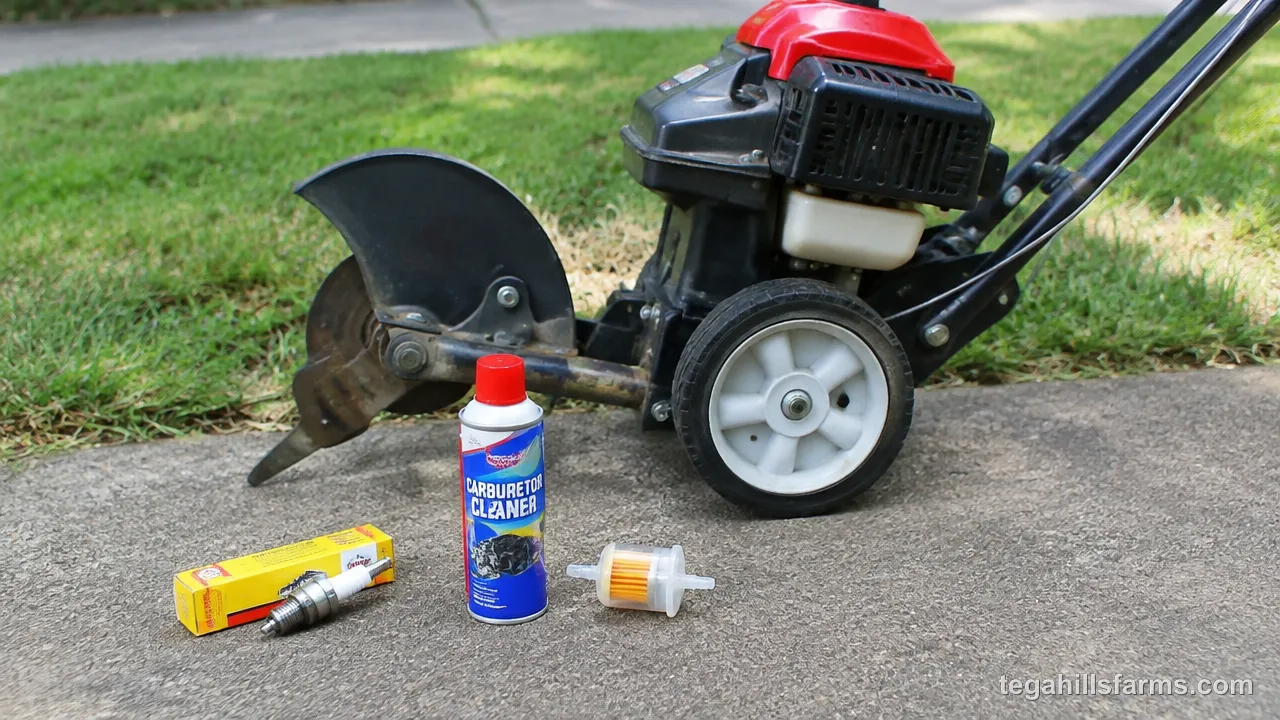
Most starting problems on gas edgers cost under $20 to fix yourself: a new spark plug, a can of carburetor cleaner, or a replacement fuel filter. When a lawn edger won’t start, stale fuel that has gummed up the carburetor is a common cause, so draining old fuel is the first step.
A small engine repair shop typically charges roughly $50 to $100 or more for carburetor cleaning or a rebuild, depending on local labor rates. Replacing cracked fuel lines is cheap in parts but adds labor if the shop handles it. A failed ignition coil costs more, because the part itself is pricier and access takes longer on some models.
Compare the quote to the price of a new edger in the same tier. On an entry-level gas stick edger, a carburetor replacement plus labor can approach the price of a new unit, which makes replacement the better use of money. On a walk-behind machine, the same repair is a small share of the machine’s value, so fixing it makes sense.


Write Your Review
No reviews yet. Be the first to share your experience!