

A gas edger that refuses to start is missing fuel, spark, air or compression, and the fastest route to the fault depends on whether the engine is a 2-cycle that burns premixed gas and oil or a 4-cycle with its own oil sump. Stale fuel, a fouled spark plug and a misset choke cause trouble on both types. Mix problems, air leaks and clogged exhaust screens mostly affect 2-cycle engines. Low-oil shutdowns, varnished carburetor bowls and worn valves belong to 4-cycle engines.

The order of the checks matters as much as the checks themselves. Fuel, plug and filter take minutes and cost little, so they come before any carburetor work or compression testing. Each step either clears a suspect or confirms it, which keeps the list short.
The real risk is spending money on parts the engine never needed. A new carburetor won’t help an edger whose kill switch wire is grounding the ignition, and a fresh plug won’t fix a tank full of varnished gas. Matching the symptom to the engine type keeps a no-start from becoming a parts-swapping project.
Why Won’t a Lawn Edger Start?
A gas engine fires only when fuel, spark, air and compression meet in the cylinder at the right moment, so a no-start always means one of those four is missing or mistimed.
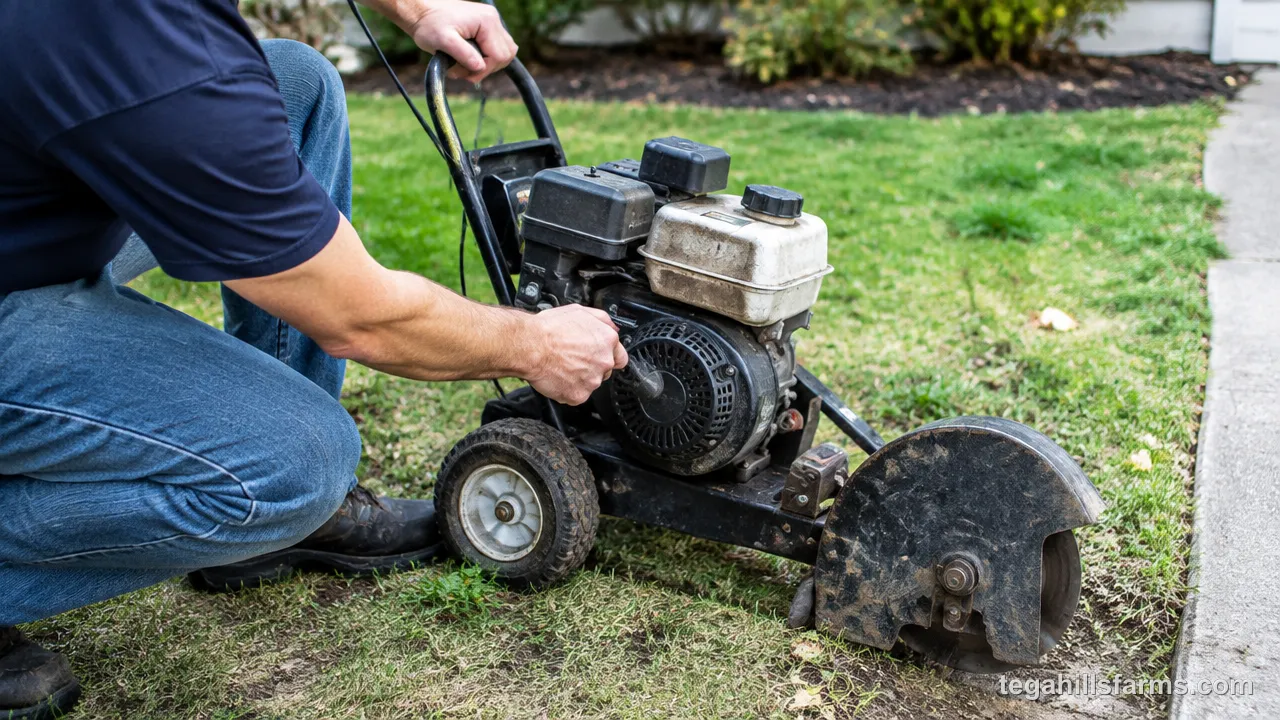
That framework turns a vague complaint into a short list of suspects. An engine that pulls over freely but never pops usually lacks fuel or spark, because compression and air rarely fail all at once. An engine that fires briefly and dies has spark and compression but isn’t getting a steady fuel supply or enough air. A cord that pulls with almost no resistance points at compression, which is the most expensive of the four to fix.
The path then splits by engine design. A 2-cycle engine relies on the fuel to lubricate it and seals its crankcase to pull in the mixture, so mix quality and air leaks matter more. A 4-cycle engine adds an oil sump, valves and often an oil-level sensor, and each can stop it in its own way.
If the edger keeps failing and you’re weighing a replacement, our guide on how to choose a lawn edger explains which engine type fits your yard and your upkeep habits.
How Can You Tell Whether Your Edger Has a 2-Cycle or 4-Cycle Engine?
A single fuel fill for premixed gas and oil marks a 2-cycle engine, while separate fuel and oil fills mark a 4-cycle engine.
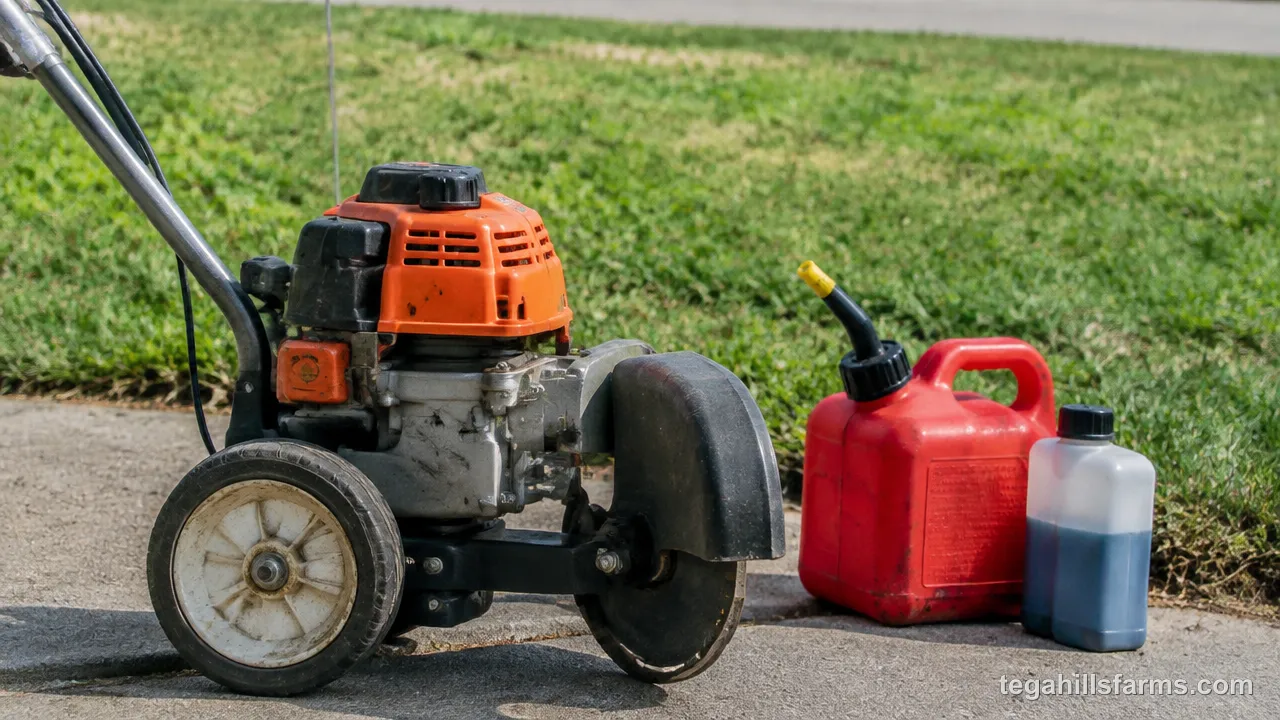
Look at the engine before reading any paperwork. A 4-cycle edger has an oil fill cap or dipstick on the crankcase, usually low on the engine and often yellow or labeled “Oil.” A 2-cycle edger has no oil fill at all, only the fuel cap, because its oil arrives mixed into the gas.
Labels confirm it. Many 2-cycle fuel caps show a mix ratio or a gas-can-and-oil-bottle symbol, and the engine housing or the manual will say “2-cycle,” “2-stroke,” “4-cycle” or “4-stroke.” The model number on the engine shroud also pulls up the correct manual from the manufacturer.
Knowing the type matters because the two engines fail differently. Putting straight gas in a 2-cycle starves it of lubrication, and pouring mixed fuel into a 4-cycle fouls the plug with oil smoke. The wrong fix wastes time and can damage the engine.
What Should You Check First When an Edger Won’t Start?
Checks that apply to both engine types come first, ordered from quickest and cheapest to slowest, because each one clears or confirms a cause before you buy anything.
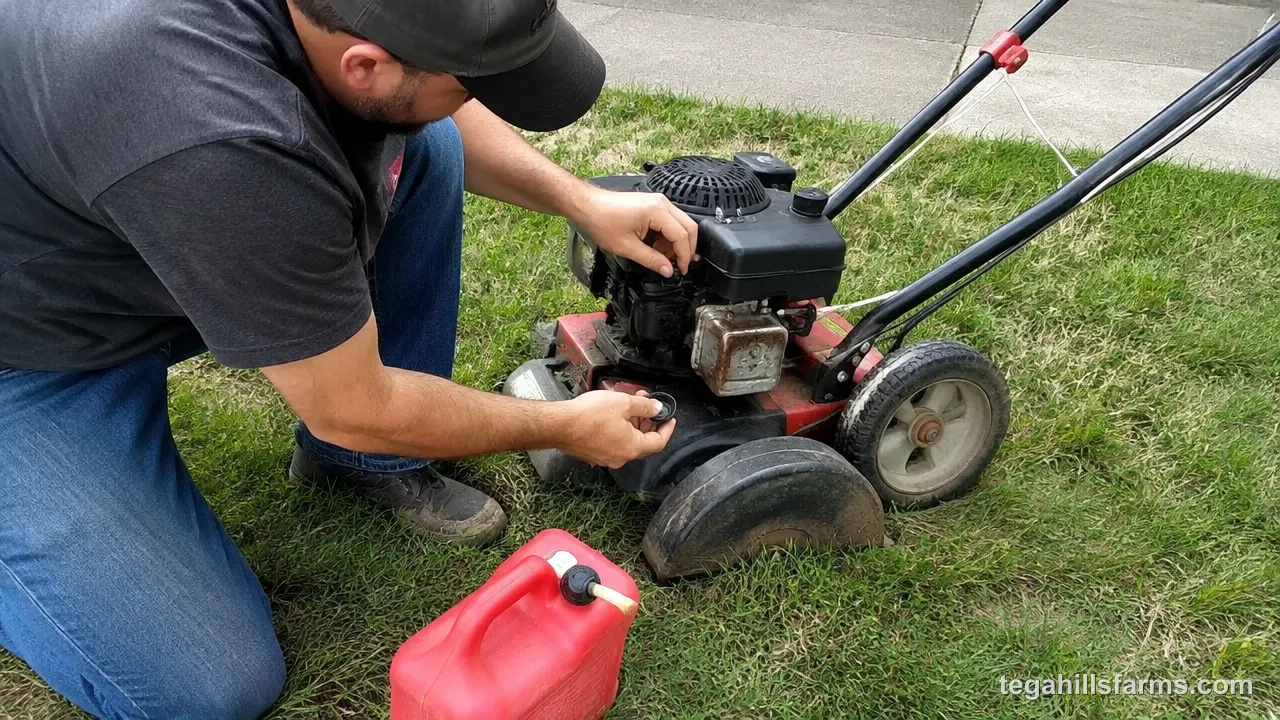
Order protects your time and your wallet. A fouled plug or a clogged filter can make a healthy carburetor look guilty, and a carburetor rebuild won’t fix either. Ruling out the simple faults on both engine designs first keeps the deeper, type-specific work for edgers that actually need it.
Is Fresh Fuel Reaching the Engine?
Fuel that has sat for weeks, or gas that never reaches the carburetor, is the most common reason an edger won’t fire. Start by smelling the tank. Fresh gasoline smells sharp, while stale gas smells like varnish and often looks darker. Ethanol blends absorb moisture as they age, and that water settles in the tank and carburetor where it blocks small passages. Drain old fuel into an approved container and refill with fresh gas, or fresh premix on a 2-cycle.
Next, trace the path from tank to carburetor. A fuel line that has hardened, cracked or kinked draws air instead of fuel, which shows up as a primer bulb that stays half empty. Replace any line that feels stiff or crumbles when flexed.
The fuel filter sits at the end of the pickup line inside many edger tanks, and on some 4-cycle engines it’s inline. A filter clogged with debris restricts flow so the engine starves under load or won’t catch at all.
A blocked tank vent creates a vacuum that stops fuel flow. The telltale sign is an engine that runs briefly, dies, and starts again after you loosen the fuel cap.
Is the Spark Plug Firing?
A missing or weak spark stops the engine even when fuel and air are perfect, and the plug itself shows most of the story. Pull it with a plug wrench and read the tip. Wet with gas means the engine is flooding or getting fuel without spark. Black and oily points to too much oil in a 2-cycle mix or oil getting past rings on a 4-cycle. Dry, sooty carbon points to a rich mixture from a dirty air filter or too much choke. Rounded or eroded electrodes mean the plug is worn out. Set a new plug to the gap listed in the manual.
To confirm spark, connect an inline spark tester between the plug and its boot and pull the cord. A bright blue flash is healthy. A faint orange flicker or nothing at all, with a new plug installed, points to the ignition coil.
Check the stop switch before condemning the coil. A chafed kill switch wire touching bare metal, or a switch stuck in the off position, grounds the ignition and makes a healthy engine look dead.
Could a Dirty Air Filter or the Wrong Choke Position Be Blocking the Start?
Either fault upsets the air-fuel balance: a clogged filter or too much choke floods the engine with fuel, while a choke left open on a cold engine starves it. Pull the filter cover and inspect the element. Foam filters can be washed in warm soapy water, dried fully and lightly oiled if the manual calls for it. Paper filters that are dark or packed with dust should be replaced.
Choke position depends on engine temperature. A cold engine needs full choke to richen the mixture, and a warm engine that just shut off needs the choke open. Choking a warm engine is one of the fastest ways to flood it.
A healthy small engine with the choke set correctly should fire within three pulls. Pulling well past that on full choke soaks the cylinder, and a flooded engine announces itself with a strong gas smell and a wet plug. Open the choke, hold the throttle wide, and pull several times to clear it, or remove the plug and let the cylinder air out.
How Do You Fix a 2-Cycle Edger That Won’t Start?
Oil carried in the fuel and a crankcase that must stay sealed make 2-cycle edgers sensitive to mix quality and air leaks, faults a 4-cycle engine never faces.
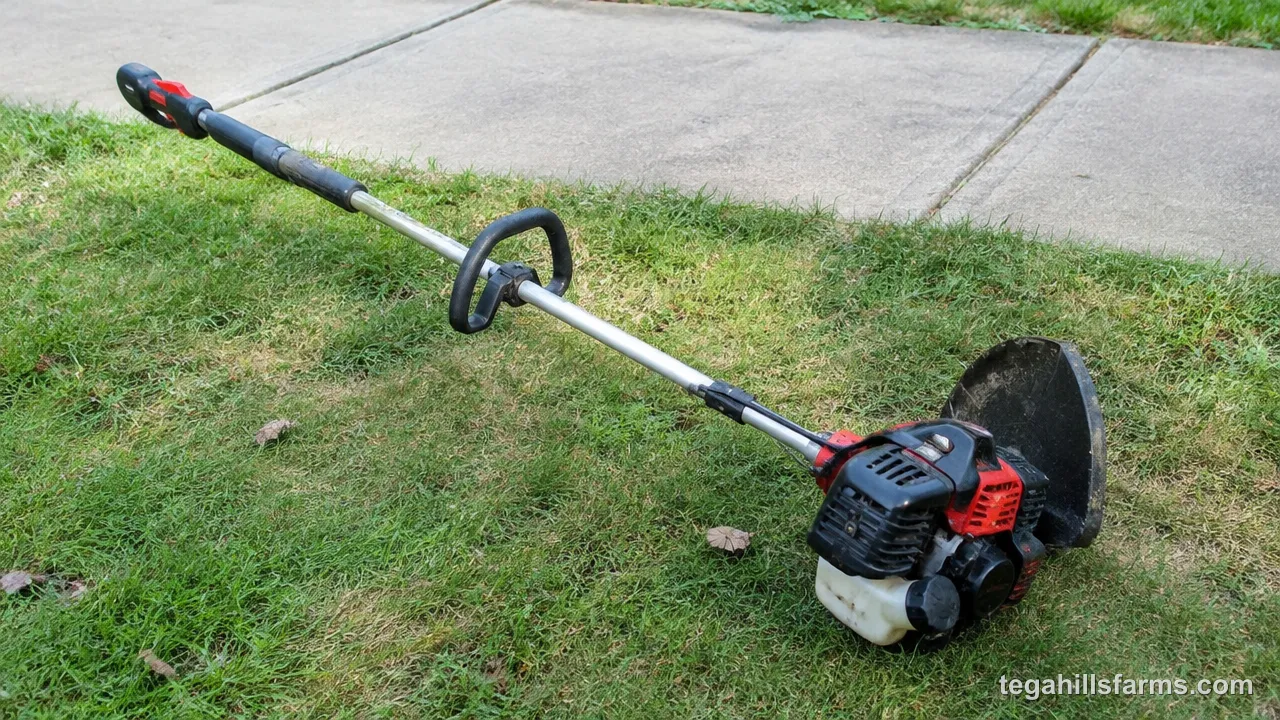
Those design traits change what a no-start usually means. A 2-cycle engine has no sump to check and no valves to wear, so its trouble concentrates in the fuel itself, the small diaphragm carburetor and the exhaust path. Symptoms such as an oily plug or an engine that revs high and dies point to causes specific to this design.
Is the Fuel and Oil Mix Wrong or Old?
A bad mix is the first suspect on any 2-cycle edger, because the fuel also lubricates the engine. Too much oil fouls the plug with black, wet deposits and leaves the engine hard to start and smoky once running. Too little oil lets the piston run hot and score the cylinder, which eventually costs compression. The correct ratio is printed on the fuel cap, the engine housing or in the manual.
Age causes its own trouble. Premixed fuel loses volatility as it sits, and the oil can separate from the gas when the can goes unshaken. Ethanol in the gas also draws moisture over time, which leaves water and gum in the carburetor.
The fix is simple. Drain the tank completely, pull the plug and clean or replace it, then refill with freshly mixed fuel using two-cycle oil at the stated ratio. Shake the can before every fill. On an engine that has only sat with old premix, this alone often brings it back.
Is the Primer Bulb or Carburetor Starving the Engine?
A primer bulb that won’t refill means fuel isn’t reaching the carburetor. Press the bulb several times and watch it. A healthy bulb fills with fuel and pushes air back to the tank through the return line. A cracked, stiff or collapsed bulb draws air instead, and it often stays dented or fills only with bubbles. Replacing the bulb restores priming when the lines behind it are sound.
If the bulb fills but the engine still won’t fire, the carburetor is the likely block. Small 2-cycle carburetors use a thin rubber diaphragm to pump fuel, and fuel left to sit stiffens it so it stops pumping. The tiny jets clog with varnish from the same sitting fuel.
To narrow it down, pour a small amount of fresh mix into the spark plug hole, reinstall the plug and pull. If the engine fires and runs briefly, spark and compression are fine and the carburetor isn’t delivering fuel.
Is a Clogged Muffler Screen or an Air Leak Choking the Engine?
A carbon-packed spark arrestor screen restricts exhaust, so the engine either never catches or starts and dies seconds later. The screen sits behind the muffler cover, held by a screw or clip. Remove it and hold it to the light. A screen caked black with carbon needs a wire brush cleaning or replacement, and oily mixes clog it faster.
Air leaks cause the opposite problem. A 2-cycle engine uses its crankcase to draw in the fuel mixture, so any extra air entering the system leans the mixture out. Loose carburetor mounting screws, a torn intake gasket or worn crankcase seals let unmetered air in.
A lean engine shows predictable signs. It may start and race at high speed, bog when the throttle opens, or refuse to idle. Tighten the carburetor mounts first. If the symptoms persist with fresh fuel and a clean carburetor, worn crank seals are the likely cause, and replacing them takes more disassembly than most owners want to tackle.
How Do You Fix a 4-Cycle Edger That Won’t Start?
A separate oil sump, a valve train and often a low-oil sensor give a 4-cycle edger failure points a 2-cycle engine doesn’t have.
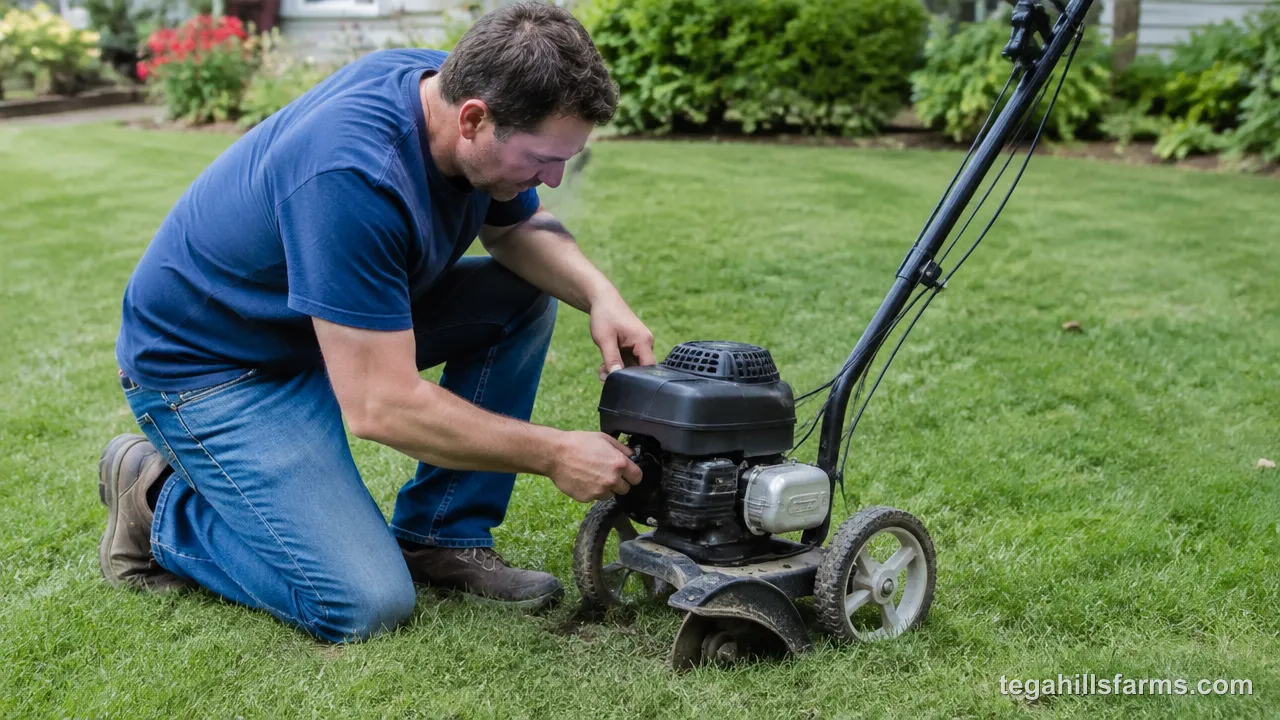
These parts reward a methodical approach. The oil level is the easiest to check and can stop the engine outright, while carburetor varnish and internal wear take more work to confirm. Working from the oil system toward the valves keeps the effort proportionate to what each step can reveal.
Is a Low-Oil Shutdown Keeping the Engine From Starting?
Some 4-cycle edger engines cut the ignition when the oil level drops or the machine tilts, and the result looks exactly like a dead coil. The sensor protects the engine from running dry, but it can’t tell the difference between low oil and an edger parked on a slope.
Set the edger on flat ground and check the dipstick as the manual describes, since some engines read with the cap threaded in and others with it resting on the fill neck. Top up to the full mark with the specified oil if the level is low.
To separate a low-oil shutdown from a general ignition fault, run a spark test with the oil full and the edger level. Spark that returns after topping up confirms the sensor was doing its job. No spark with correct oil points back to the kill switch or coil.
Dirty or overfilled oil causes problems too. Sludgy oil should be changed, and an overfilled sump can push oil into the combustion chamber and foul the plug.
Is Stale Gas Gumming the Carburetor and Fuel Valve?
Gas left in a 4-cycle tank and carburetor bowl evaporates slowly and leaves varnish that blocks the main jet and sticks the float or needle. A stuck float lets fuel overflow or stops it entirely, and a varnished main jet starves the engine even when the tank is full.
Drain the bowl first. Many 4-cycle carburetors have a drain screw or a bowl nut at the bottom, and loosening it shows whether fuel arrives at all. Brown, sticky or foul-smelling fuel confirms varnish.
Check the fuel shutoff valve if the edger has one, since a valve left closed or gummed shut stops flow before it reaches the carburetor. A vented fuel cap that’s clogged creates the same starvation the tank vent does on any engine.
The clearest sign of a varnished main jet is an engine that runs only with full choke or a shot of starting fluid. That points straight to the carburetor.
What Does a Compression Check Reveal About Valves and Rings?
A compression gauge separates fuel and spark faults from internal wear, and it’s the last check worth doing before deciding whether the engine has a future. Thread the gauge into the spark plug hole, hold the throttle open and pull the cord until the needle stops climbing. Compare the reading against the figure in the service manual.
A low reading points to one of three causes. Worn piston rings let pressure escape into the crankcase, often alongside oily plugs and blue smoke. A burnt or sticking valve fails to seal the chamber, and the cord may pull with almost no resistance. Incorrect valve clearance holds a valve slightly open, which is the one cause that a feeler gauge and an adjustment can fix cheaply.
When clearance is correct and compression stays low, the engine needs rings or valve work. Before paying for that, compare the edger’s age and use against how long lawn edgers last, because internal repairs on an older machine rarely make financial sense.
Should You Clean or Replace a Carburetor on an Edger?
The condition of the carburetor’s parts and how often the clog returns decide whether a cleaning will hold or a replacement makes more sense.
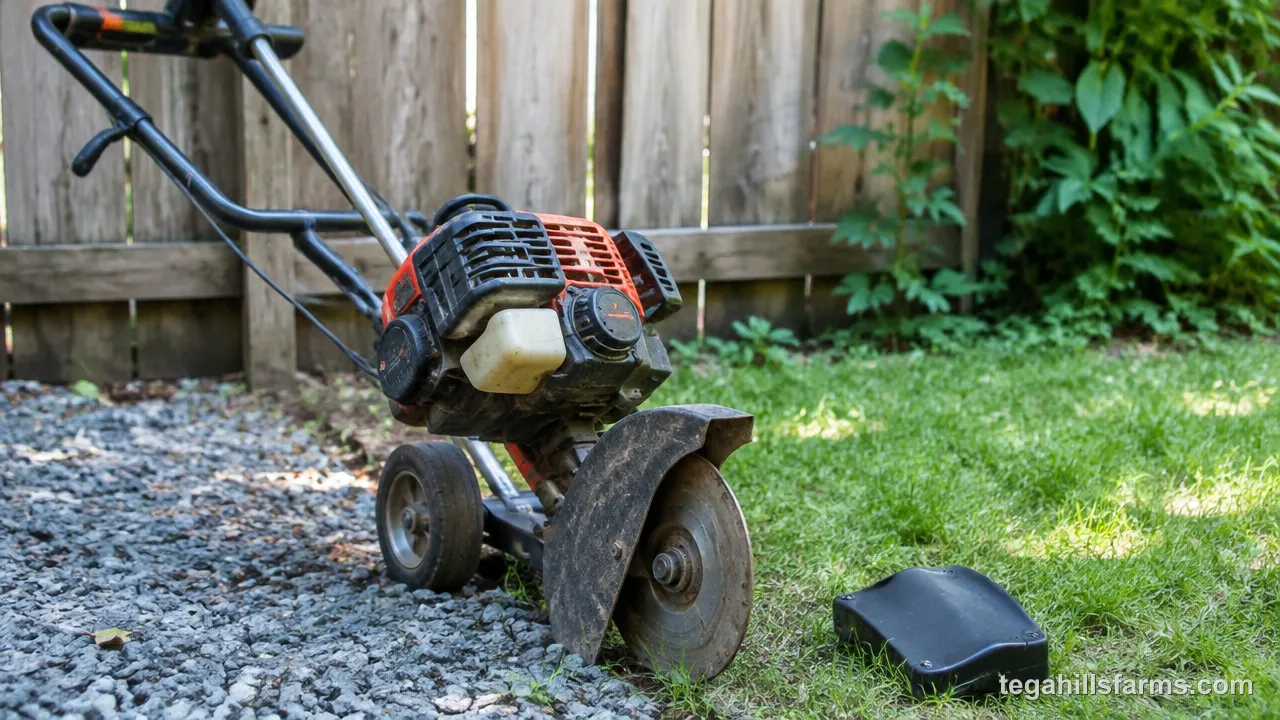
A carburetor that failed once from sitting fuel is a different case from one that keeps varnishing after every cleaning. Physical damage shifts the answer toward replacement, because cleaner can dissolve gum but can’t restore warped metal or a worn shaft. That difference decides how much effort is worth spending.
When Does Cleaning a Carburetor Fix the Problem?
Cleaning works when the trouble is gum and debris rather than damage, which covers most edgers that failed after sitting with old fuel. Light varnish in the bowl, clogged jets and a float that sticks but moves freely once cleaned all respond well. The gaskets should be pliable, and on a 2-cycle carburetor the diaphragm should be soft and flat rather than stiff or curled.
A basic cleaning is within reach of most owners. Remove the carburetor, take off the bowl or cover plates, and spray carburetor cleaner through the jets and passages. Clear stubborn jets with a thin wire or a jet-cleaning tool, never a drill bit that enlarges the hole. A rebuild kit with fresh gaskets and a diaphragm is worth installing while it’s apart, since old rubber parts often tear during removal.
When Is a New Carburetor or a New Edger the Smarter Move?
Cleaning won’t last once the carburetor shows physical wear. Corrosion pitting the bowl or body, warped mounting flanges that won’t seal, and a throttle shaft that wobbles in its bore all let air or fuel go where it shouldn’t. A carburetor that clogs again soon after a careful cleaning usually has internal passages too damaged to clear completely.
A replacement carburetor fixes those faults when the rest of the engine is healthy. Aftermarket units for common edger engines bolt on in minutes, which makes them a reasonable choice for an owner tired of repeat cleanings.
The decision changes when the engine itself shows wear. Low compression, oil burning or a scored cylinder means a new carburetor only feeds a failing engine. At that point, compare the total repair against how much a lawn edger costs new. I’d lean toward replacing the whole machine once the engine needs internal work.
Gas left in an edger over the off-season keeps evaporating inside the carburetor, and by spring the lighter compounds are gone and a sticky film coats the jets and float. Fresh gas poured on top of that film won’t dissolve it, so the edger cranks without firing even after a new plug and a clean air filter.
Why Does an Edger Fail to Start After Winter Storage?
An edger that ran fine last fall but won’t start in spring usually has fuel that turned to varnish, moisture damage or a blocked intake from nesting pests. Fuel left in the tank and carburetor loses its volatile compounds over the winter, and what remains gums the jets, float and, on 2-cycle engines, the diaphragm.
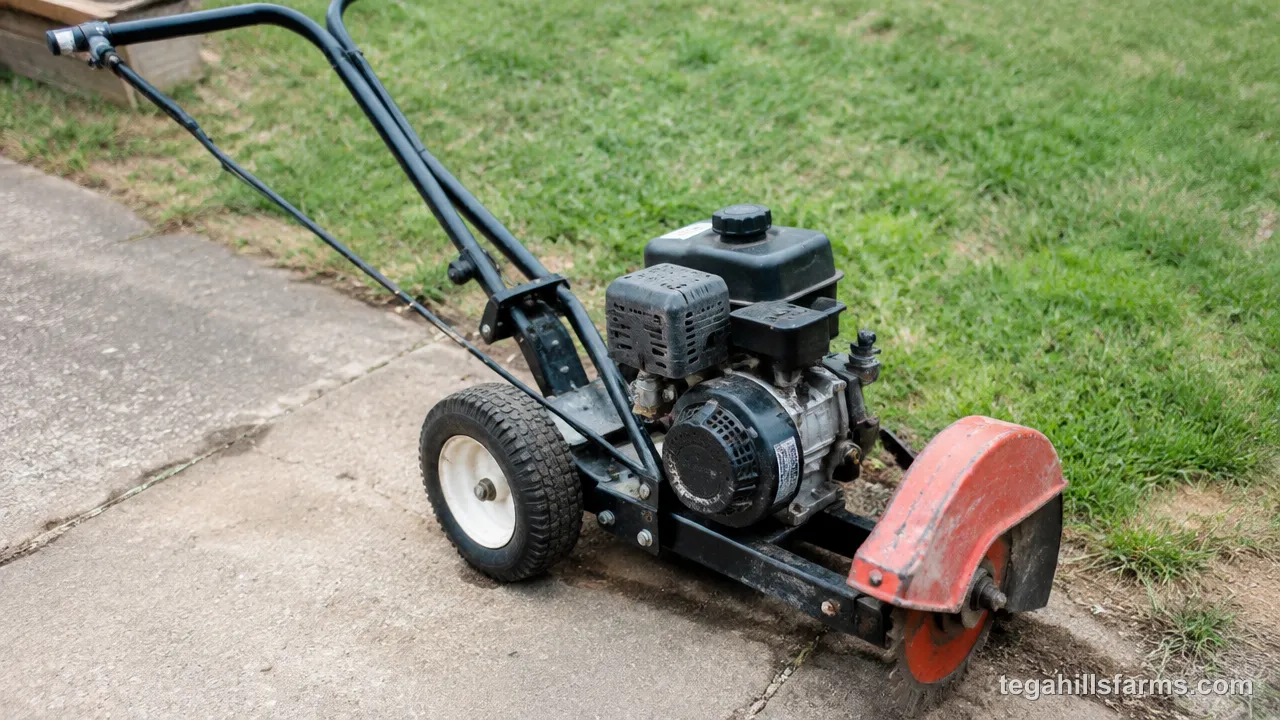
Moisture does slower damage. Condensation in a damp shed or garage corrodes the spark plug tip and the kill switch contacts, which weakens or blocks spark. A plug that looks rusty or discolored should be replaced rather than cleaned.
Rodents and insects add a third cause. Mice nest in air filter housings, and wasps and mud daubers build inside muffler openings, blocking intake or exhaust. Inspect both before pulling the cord.
How the edger was stored predicts which fix it needs. One stored with stabilized fuel, or with the tank and carburetor run dry, usually starts with fresh gas and a pull or two. One stored with a full tank of untreated gas almost always needs the fuel drained and the carburetor cleaned.
Could the Pull Cord or Cutting Head Be the Problem Instead of the Engine?
A recoil starter fault or a jammed blade can mimic a dead engine, and both are easier to fix than an engine problem. A broken recoil spring leaves the rope limp so it won’t rewind. Stripped or worn starter pawls let the rope pull freely without turning the engine, so the cord feels light and the engine makes no sound. A rope frayed or knotted inside the housing can stick partway out.
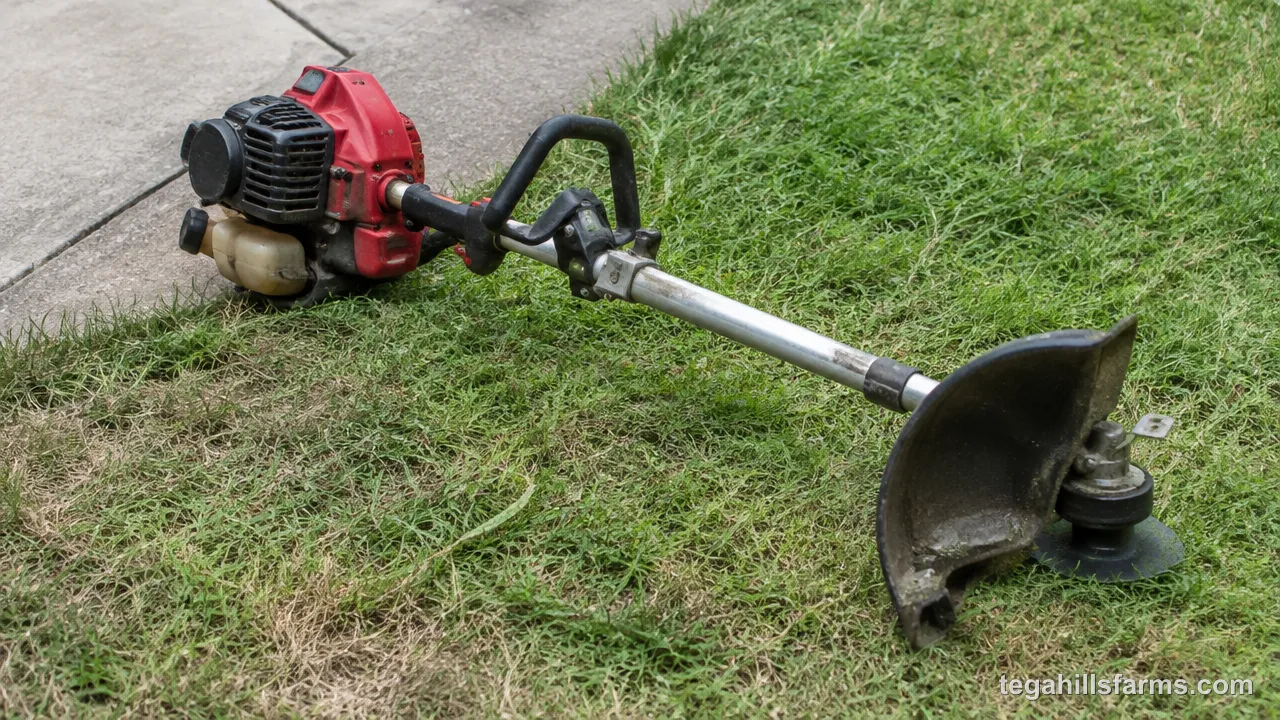
Remove the starter housing, usually held by a few screws, to see which part failed. Springs, pawls and ropes are sold as replacement parts for most common engines.
The cutting head causes the opposite symptom. Packed grass, soil or a wedged stone around the blade can lock the drive so the cord barely moves.
To separate these faults from a seized engine, remove the spark plug and the blade guard, clear any debris, and turn the blade by hand. If the blade turns and the engine spins freely with the starter off, the engine is fine. If the crankshaft won’t turn at all with the plug out and the drive clear, the engine is seized internally.
Is Starting Fluid Safe to Use on a Lawn Edger?
A short spray of starting fluid is a useful diagnostic step, but relying on it to start the edger every time damages the engine and creates a fire risk. Remove the air filter, give a brief spray into the intake, reinstall the filter and pull. If the engine fires and dies within seconds, spark and compression are working and the fault lies in fuel delivery.
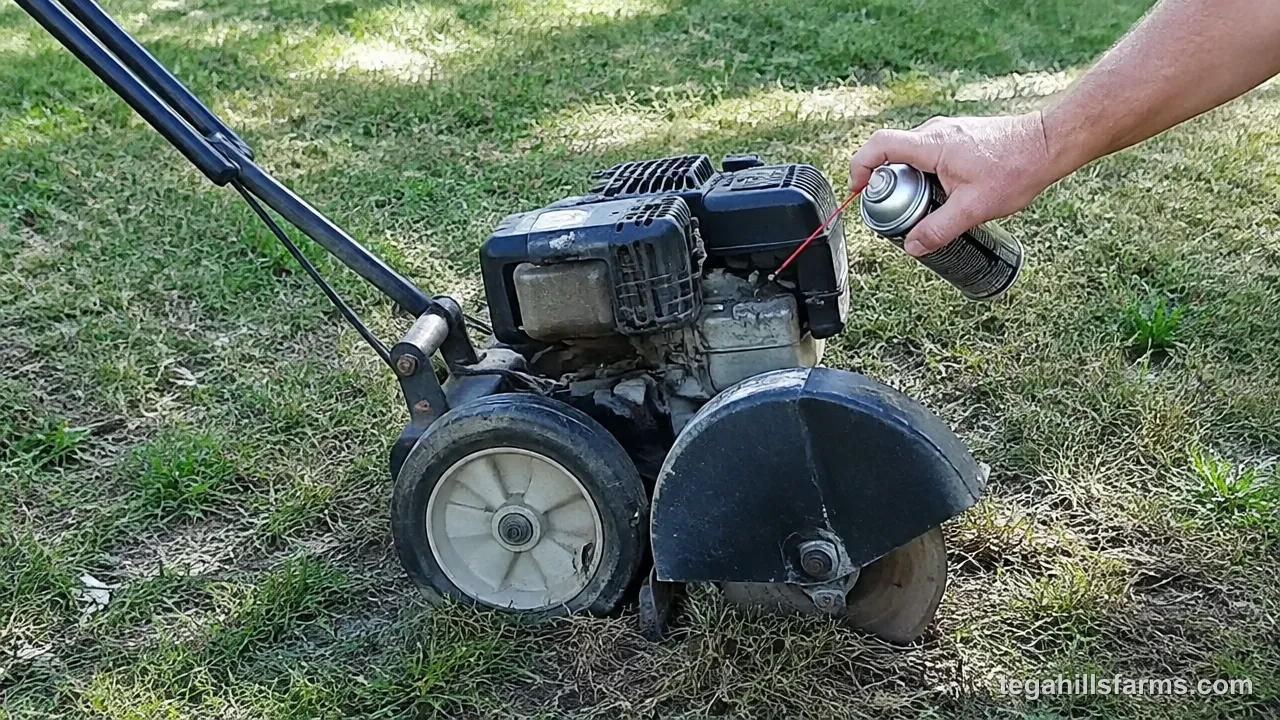
Repeated use causes harm. Starting fluid is a strong solvent that strips oil from cylinder walls, so the piston and rings run with little lubrication during those first strokes. That matters more on a 2-cycle engine, which depends entirely on oil carried in the fuel and gets none from the fluid. A 4-cycle engine has splash lubrication from its sump, but repeated dry starts still accelerate ring and cylinder wear.
Leaning on the fluid also hides a failing fuel system until it quits entirely. Keep the can away from hot engines and sparks, because the fluid is highly flammable and can ignite outside the engine.
What Else Do Owners Ask When a Lawn Edger Won’t Start?
Why does my edger start and then die right away?
An engine that fires and stalls has spark and compression but loses its fuel supply or air flow. A blocked tank vent, a varnished main jet, a choke left closed or a clogged spark arrestor screen are the usual causes. Loosen the fuel cap first, then inspect the carburetor and muffler screen.
What should I do with a flooded edger before trying again?
Open the choke fully, hold the throttle wide open and pull the cord several times to clear excess fuel. If that doesn’t work, remove the spark plug, dry it, and let the cylinder air out briefly. Reinstall the plug and try again without choke on a warm engine.
Why is the pull cord so hard to pull?
A stiff cord usually means debris is jamming the blade or drive, or the engine is hydrolocked with fuel in the cylinder. Clear the cutting head and remove the spark plug to test. If the engine still won’t turn with the plug out and the blade free, the engine may be seized.
Can an edger I just serviced still refuse to start?
Yes, because servicing can introduce new faults. A plug gapped incorrectly, a kill switch wire pinched during reassembly, a gasket left out of the carburetor or an air filter installed wet all prevent starting. Retrace the steps of the service and confirm each part went back exactly as removed.




Write Your Review
No reviews yet. Be the first to share your experience!