

A standard garden hose costs about $20 to $60, while the full range across hose types runs from roughly $10 to $250 or more. Length, material and fittings explain most of that gap.
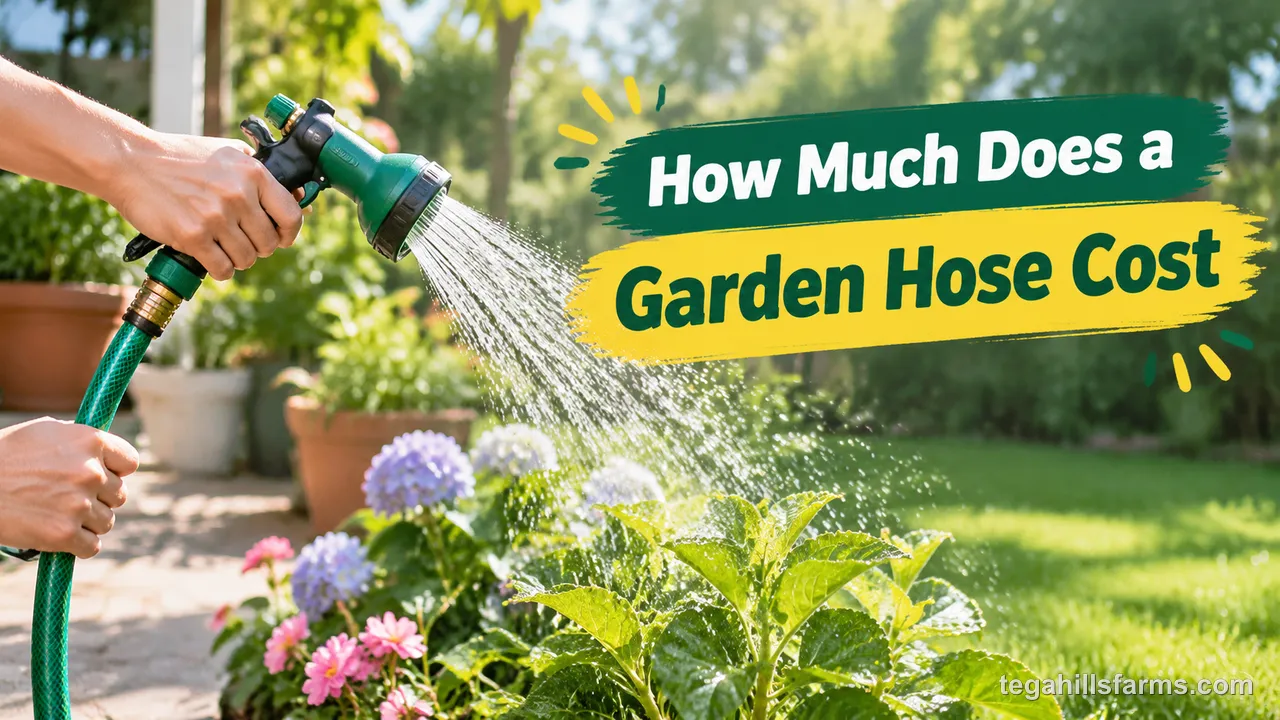
Four details drive the price: how long the hose is, what it’s made of, how wide it runs and what the couplings are made of. Brand adds a smaller bump on top.
The real worry is paying twice. A cheap hose that kinks, cracks or leaks by midsummer costs more in the end than a sturdier one that lasts several seasons.
Before you buy, measure the distance from the spigot to the farthest bed and check whether the couplings are brass or plastic. Those two checks settle most of what you’ll pay.
How Much Does a Garden Hose Cost?
A standard garden hose costs about $20 to $60, and the wider range across all hose types runs from roughly $10 to $250 or more depending on type and length.
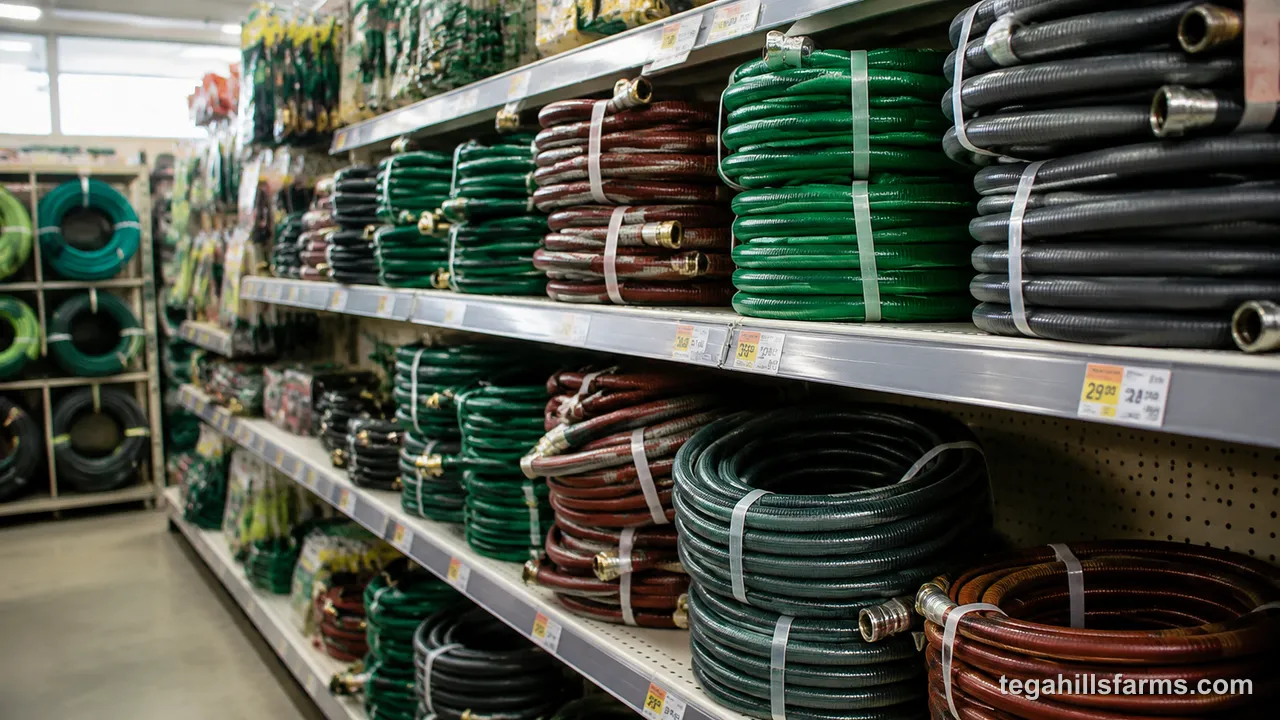
Length sets the baseline. Material comes next: vinyl sits at the low end, rubber and reinforced hybrids at the high end. Diameter, coupling metal and brand adjust the price from there.
Those figures are rounded market ranges, not fixed prices. A 25 ft vinyl hose and a 100 ft rubber hose belong to very different price brackets, even though both are “a garden hose.”
Price is only one factor, and our guide on how to choose a garden hose explains which features are worth paying extra for.
How Much Does a Garden Hose Cost by Length?
Price rises with length, but unevenly. Short and mid-length hoses stay affordable, while long hoses jump in price as the build gets heavier and the fittings get bigger.
Measure your longest run before comparing. If you’re unsure which length fits, what size garden hose do I need walks through the sizing.
Short and Mid-Length Hoses for Patios and Average Yards
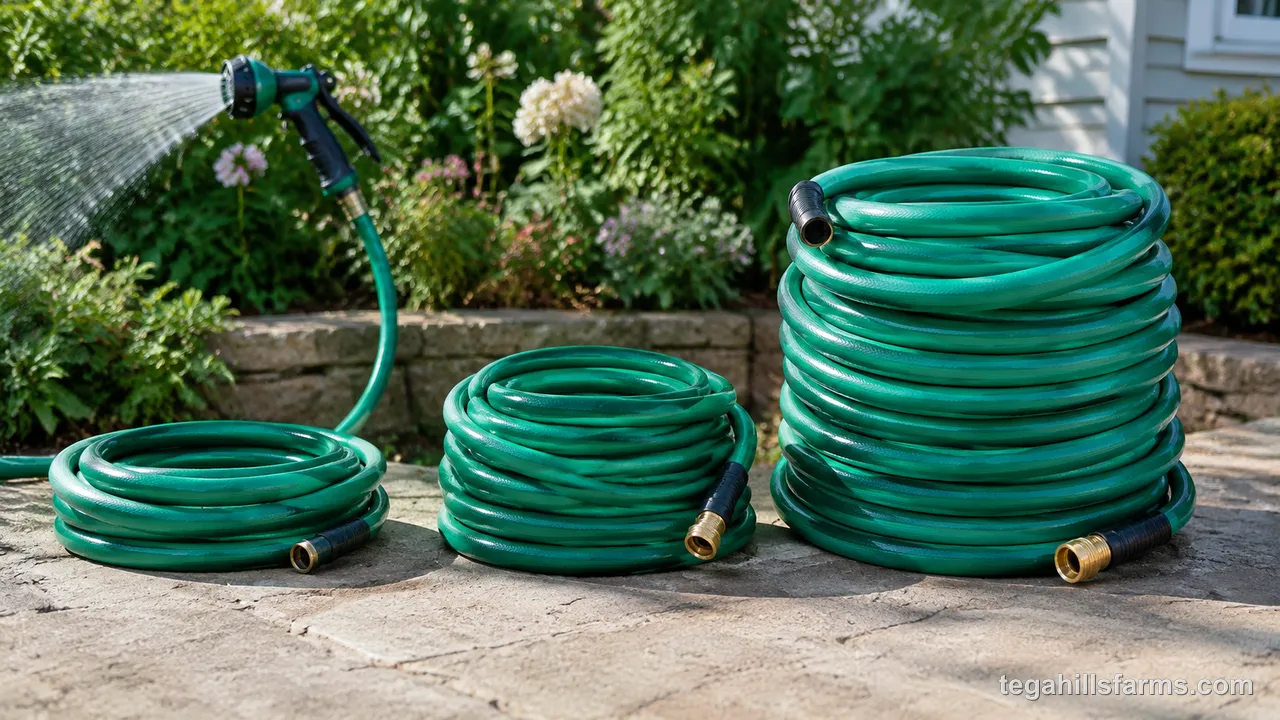
A 25 ft hose costs roughly $15 to $35, a 50 ft hose roughly $20 to $50, and a 75 ft hose roughly $30 to $70.
Within each length, brass couplings and thicker walls push the price up. Plastic couplings and thin vinyl keep it down.
A 25 ft hose suits a patio, a balcony or a few containers near the spigot. A 50 ft hose covers most average yards and reaches across a front bed without stretching. A 75 ft hose fits deeper lots where the back beds sit far from the faucet.
Weight is the trade-off. A full hose gets noticeably heavier as length grows, and dragging 75 ft of filled rubber around a corner is a real workout for hands and wrists. Extra length also means more hose to coil and store.
If you only need to reach the far bed occasionally, a shorter hose is easier on your grip. Buying more length than the yard calls for adds cost and fatigue with no benefit.
Long Hoses for Large Yards and Farm Use
A 100 ft hose costs roughly $40 to $110, while 200 ft and 300 ft options run from about $120 to $300 or more. Price climbs faster at the top because the longest hoses use heavier-duty construction, thicker walls and larger bundled fittings.
Very few homeowners need that much hose. It makes sense for big lots, orchards, small farms and animal troughs far from a spigot.
The drawbacks grow with length. A long hose is heavy to drag, more prone to kinking and loses water pressure over distance, especially at a narrower diameter.
For many properties, a second shorter hose or a hose reel at the far end is the better fit. You skip the pressure loss and the strain of hauling one long, heavy line across the yard. Run the hose only as far as the job needs.
How Much Does Each Type of Garden Hose Cost?
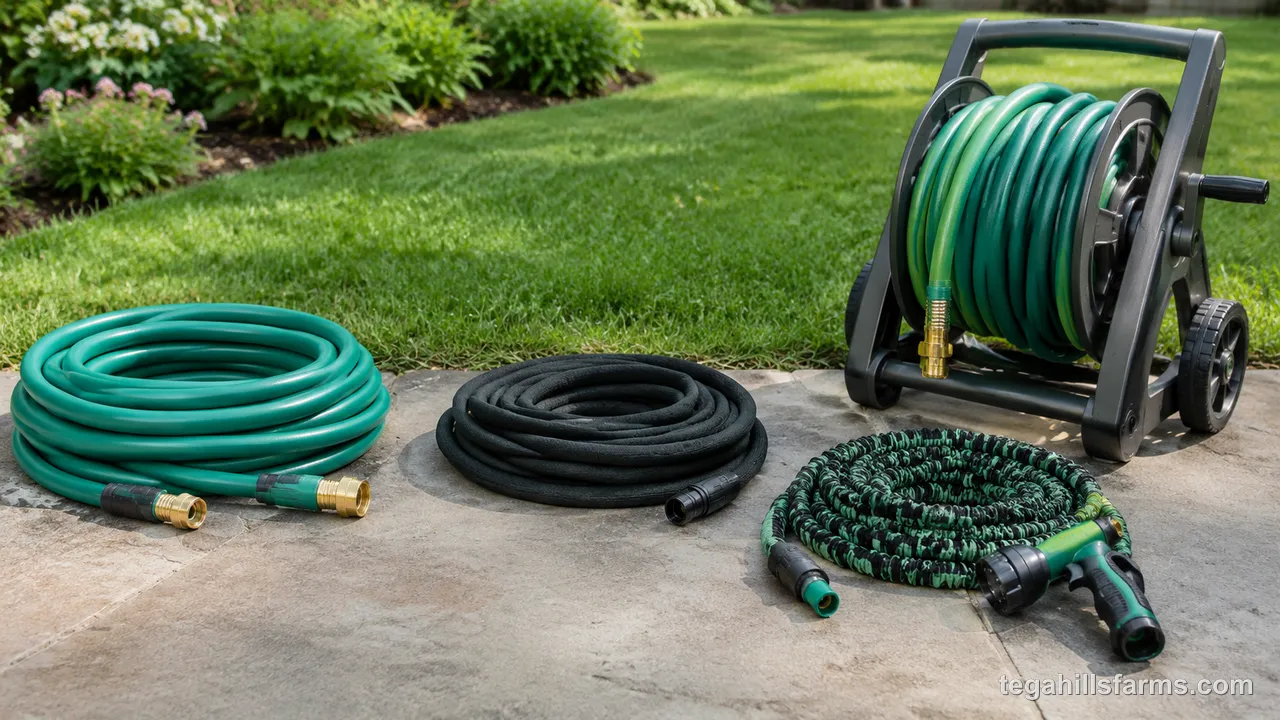
Hoses fall into four price groups: standard and heavy-duty hoses, soaker hoses, coiled and expandable hoses, and retractable hoses and hose reels. Each costs differently because each does a different job.
Standard and Heavy-Duty Hoses
Standard and heavy-duty hoses cost roughly $20 to $60 for a 50 ft length, with premium heavy-duty models reaching about $60 to $120. Reinforced layers, solid couplings and kink resistance push the price up.
An everyday standard hose is lighter and more flexible, and it handles typical watering without trouble. A heavy-duty hose uses thicker walls and reinforcement, so it resists crushing, abrasion and kinks. Premium lines such as Flexzilla and Stanley FatMax sit in this heavier tier.
Who needs the heavy option? Anyone dragging a hose over gravel, around corners or through daily use. Occasional waterers rarely do.
Weight matters, though. A heavy-duty hose is harder on hands and wrists during long sessions, especially once it’s full of water. If you have limited grip strength, a lighter hose may serve you better than a tougher one.
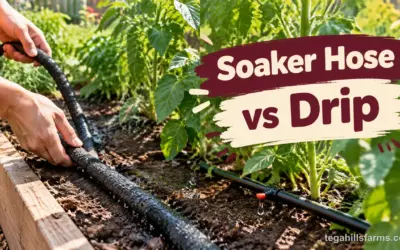
Soaker Hoses
Soaker hoses cost roughly $15 to $40 for a typical 25 to 50 ft length. Recycled rubber or porous material and the sold length move the price.
You’re buying a bed-watering tool, not a general-purpose hose. A soaker hose seeps water along its whole length, which suits vegetable rows, flower beds and shrub borders.
The trade-off is versatility. You can’t rinse a patio, fill a bucket or wash a car with it. Most gardeners keep it as a second hose, laid out under mulch.
It earns its price when you water the same beds on a regular schedule. If your watering is varied, a standard hose with a good nozzle covers more tasks.
Coiled and Expandable Hoses
Coiled hoses cost roughly $20 to $40, and expandable hoses roughly $25 to $60. Inner tubing, outer fabric and fitting material set where a given hose lands.
Both types are light and easy to store, which keeps the entry price low. An expandable hose shrinks when the water is off, and a coiled hose pulls itself back toward its shape.
The limits show on rough surfaces. Fabric outer layers can scuff on concrete and gravel, and thin inner tubing handles pressure less well than a rubber hose. Plan on a shorter service life with hard use.
They suit gardeners with limited hand strength, small storage space or a tidy patio setup. For light watering close to the house, the low weight is a real comfort.
Retractable Hoses and Hose Reels
Hose reels cost roughly $50 to $200, and retractable hoses with built-in storage roughly $60 to $250. Mounting style, housing material and included hose length shape the price.
This type bundles storage with the hose, which is why it sits higher. You’re paying for the reel, the housing and the winding mechanism, not just the hose.
It benefits people who want tidy storage or find coiling a hose tiring. Winding a heavy, wet hose by hand is hard on shoulders and wrists, and a reel removes that chore.
Wall-mounted reels cost less than enclosed or cart-style ones. Metal housings last longer outdoors than thin plastic ones, but they add weight and cost.
How Does Hose Material Change the Price?
Material is the biggest single driver of price. Vinyl is cheapest at roughly $15 to $30, polyurethane runs about $30 to $70, hybrid hoses about $30 to $90, and rubber about $40 to $120.
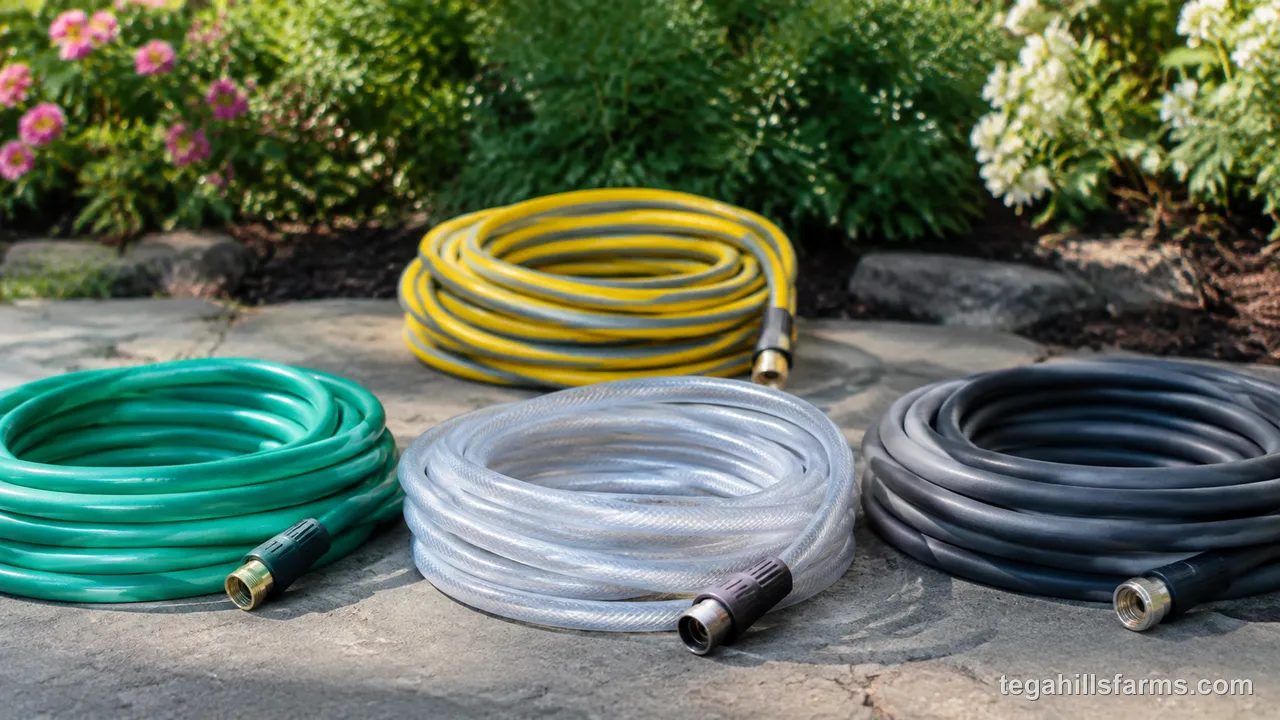
Vinyl is light but stiffer and prone to kinking, and it hardens in cold weather. Polyurethane is lighter than rubber and stays reasonably flexible, though it isn’t as tough.
Hybrids blend polymers and rubber to balance weight and flexibility. Rubber is the heaviest, but it resists kinks and stays pliable in cold, which is why it costs the most.
The rule of thumb: pay more for rubber or a good hybrid if you water often or in cold weather. Vinyl is fine for light seasonal use close to the spigot.
How Does Hose Diameter Affect Price and Water Flow?
The two common diameters are 5/8 inch and 3/4 inch. A 5/8 inch hose costs roughly $20 to $50, while a 3/4 inch hose costs roughly $30 to $80 for similar lengths.
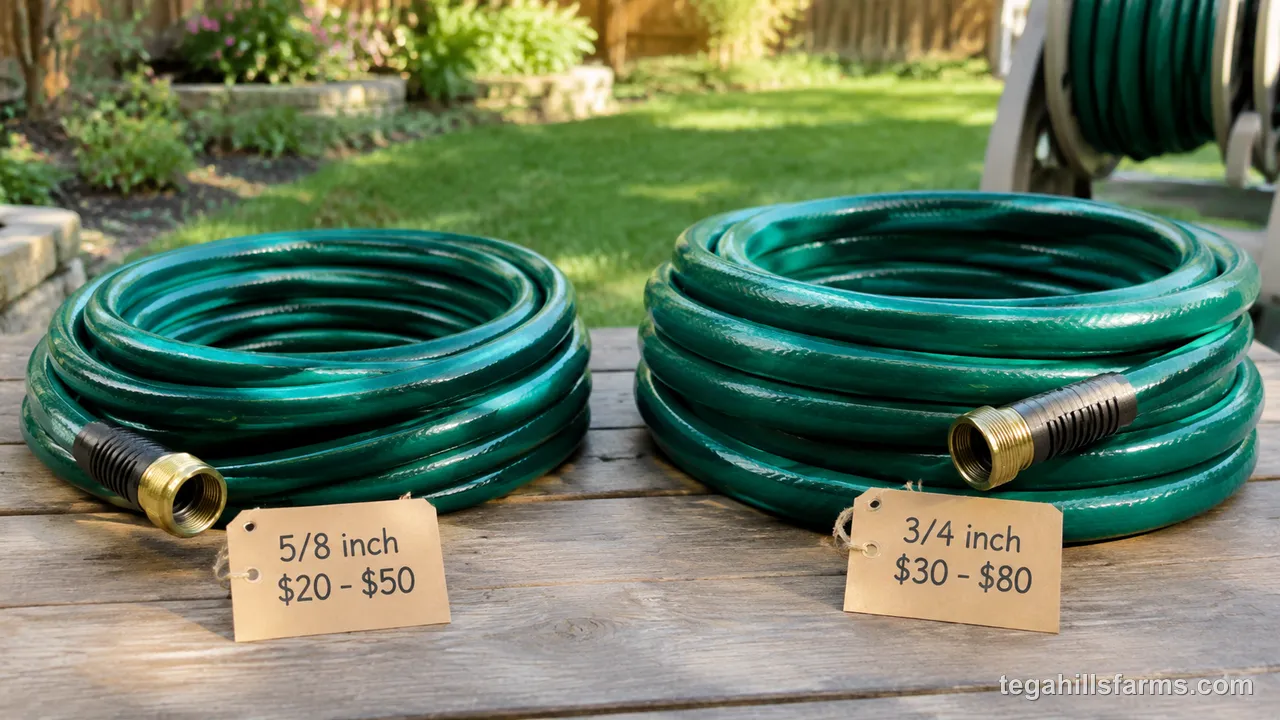
Wider hoses use more material, so they cost more and weigh more. They also move more water, which helps with long runs, large sprinklers and filling big containers.
A 5/8 inch hose handles most everyday watering and is lighter to drag. It’s usually the better choice for hands and wrists. Reach for 3/4 inch when you need volume or have a long distance to cover.
If you want the full breakdown of fittings and flow, our garden hose diameter guide goes deeper.
What Do Budget, Mid-Range and Premium Hoses Cost?
Hoses split into three tiers: budget at under about $25, mid-range at roughly $25 to $60, and premium at roughly $60 to $150. Coupling material, wall construction and brand move a hose up or down inside each tier.
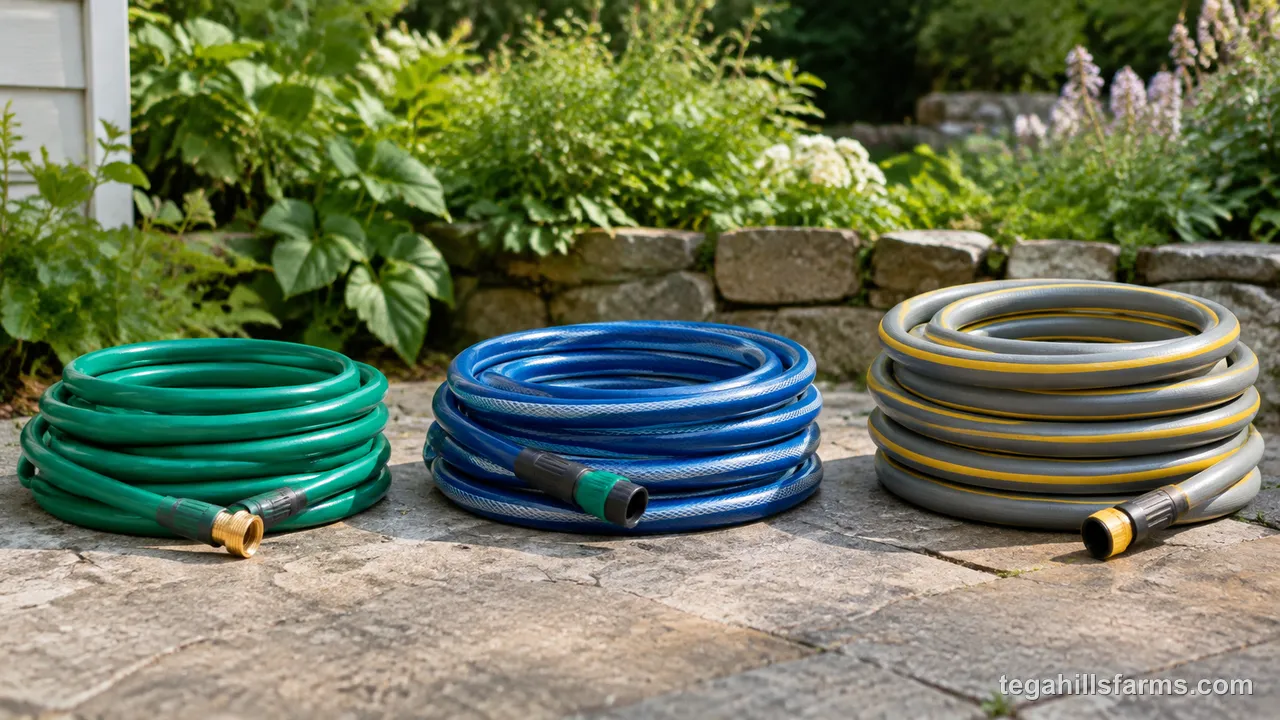
Budget hoses use thin walls and plastic couplings. They work for occasional watering near the spigot and tight budgets, but expect kinks and leaks sooner.
Mid-range hoses usually add brass couplings, thicker walls and some reinforcement. This tier suits most homeowners who water weekly and want a hose to last several seasons.
Premium hoses bring heavy reinforcement, better kink resistance and solid brass fittings. They make sense for daily use, rough ground or gardeners who’d rather buy once.
Weight rises with the tier, so check how a premium hose feels in your hands before committing.
Does a Higher Price Mean a Longer-Lasting Hose?
Generally yes, but only up to a point. Paying more buys better couplings and sturdier construction, and the benefit fades once extra cost goes to branding or features you won’t use.
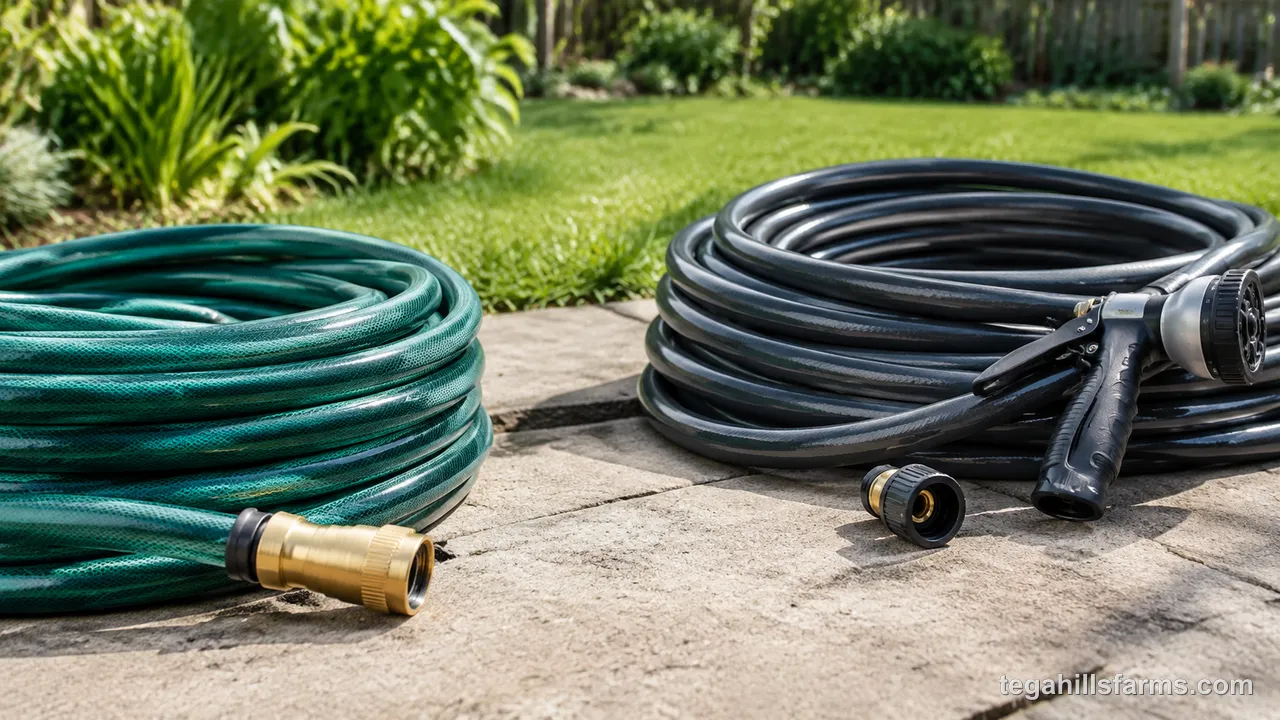
Typical hoses in this discussion run from roughly $15 to $120. Two questions sort the difference: why cheap hoses fail, and which features earn their price.
Why Do Cheap Hoses Wear Out Sooner?
Entry-level hoses cost roughly $10 to $25, and thin walls, plastic couplings and few reinforcement layers keep them there.
Those same shortcuts cause the common failures. Thin walls kink and stay kinked. Vinyl cracks from sun and cold. Plastic couplings strip their threads or leak at the washer.
You can spot most of this in the store. Squeeze the hose: a flimsy one collapses easily. Check the couplings: brass feels heavy and has hex-shaped grips, while plastic is light and often round.
Bend it into a tight loop. A hose that kinks right away will do so in your yard, too.
Cheap hoses aren’t always a bad buy. For a few weeks of light use they’re fine. For regular watering, expect shorter service life, and for a closer look, how long do garden hoses last covers realistic expectations.
Which Features Are Worth Paying More For?
Hoses with the features that matter most cost roughly $40 to $120, mainly for brass couplings, reinforced layers and kink-resistant design.
Brass couplings resist stripping and corrosion, so they leak less over time. Reinforced layers help the hose hold its shape under pressure and resist bursting. Kink resistance saves you from constantly untwisting the line.
Brands like Gilmour, Teknor Apex and SWAN sell hoses across tiers, so focus on the build rather than the name.
Some features mostly add cost. Fancy colors, decorative packaging and extra length you won’t use don’t extend service life.
Older gardeners should weigh weight and handling, too. A reinforced hose that’s too heavy to drag comfortably isn’t a good upgrade. Look for a balance of toughness and manageable weight.
What Extra Costs Come With a Garden Hose?
Four add-ons catch buyers off guard: replacement fittings at roughly $5 to $15, spray nozzles at roughly $8 to $30, hose reels at roughly $30 to $150, and hangers at roughly $10 to $30. Material and brand move each one.
A nozzle is useful on day one, since a hose without one is awkward to aim. A set of washers and a basic fitting are cheap insurance.
Reels and hangers can wait. A hanger or pot works as storage for a while, and a reel makes sense once coiling becomes a chore.
When you’re ready to connect everything, how to set up a garden hose covers the order of steps.
Where Can You Buy a Garden Hose for Less?
Prices vary by retailer type, and the lowest usually come from warehouse clubs and home improvement stores, though sales change that. Hoses at most stores fall within roughly $15 to $120.
Home improvement stores like Lowe’s, Home Depot and Menards offer the widest selection, and spring sales help. Warehouse clubs such as Costco and Sam’s Club often sell bundle packs of hoses or sets with nozzles, which can lower the per-hose cost.
Hardware stores like Ace Hardware tend to carry fewer options, though staff can point you to reliable fittings. Farm and ranch stores such as Family Farm and Home and Bomgaars stock heavy-duty and long hoses for working properties.
Online marketplaces including Amazon offer many brands in one place. Compare reviews and build details, not just the listing price.
Store brands, bundle packs and end-of-season markdowns move prices most. Late summer and fall are good times to buy.
A hose usually fails at the coupling or along one section that has been kinked over and over, and the first sign is often just a small spray you ignore. Left alone, that leak wastes water every time you turn the spigot on, and the weak spot can burst in the middle of the growing season without warning. How do you tell a hose that’s merely aging from one that’s about to let go?
When Is It Time to Replace a Garden Hose?
Replace a hose when its body is cracked, bulging or permanently kinked, but a bad coupling or washer only needs a repair. Fix it when only a coupling or washer is the problem.
Two quick checks sort the difference: the signs of wear, and when a repair is enough.
Signs a Hose Is Wearing Out
A failing hose shows cracking, bulging, permanent kinks, weak flow or persistent coupling leaks that a new washer doesn’t fix.
Surface cracks from sun are normal aging at first, but deep cracks that open when you bend the hose mean the material is finished. Bulges signal a weakened wall that can burst under pressure.
A permanent kink is a weak point. The hose will fold there every time. Weak flow with no kink can mean the inside is deteriorating or clogging.
Coupling leaks are a gray area. A leak that stops with a fresh washer is a small fix. One that keeps coming back means the threads or hose end are damaged.
If you see more than one of these signs, stop patching and replace the hose.
When a Repair Is Enough
A new coupling, washer or mender fixes problems at the ends or one damaged spot, but not a hose body that is cracked along its length.
A worn washer is a cheap fix. Replacement couplings let you cut off a damaged end and reattach a fresh one. A mender splices a hose after you cut out a single bad section.
If the rest of the hose is flexible and sound, repair beats replacement. If the body feels stiff, brittle or sticky, it’s time to buy new.
Care habits delay wear. Drain the hose after use, coil it loosely, and store it out of direct sun. In cold regions, bring it in for winter so water inside doesn’t freeze and split the walls.
Which Garden Hose Purchases Are a Waste of Money?
A purchase is wasted when the hose doesn’t match the task, whatever its price. Four mismatches come up most often, and each is easy to avoid.
A very long hose for a small yard adds weight, storage hassle and pressure loss. Measure your longest run and buy only a bit more than that.
An expandable hose on rough ground scuffs and fails early. Keep it for patios and light use, and choose rubber or a reinforced hose for gravel and concrete.
A heavy-duty hose can be tiring to handle. If you water for long stretches or have limited hand strength, a lighter hose may be the better value.
A soaker hose bought for general watering disappoints, since it only seeps. Use it for beds and pair it with a standard hose for everything else.
Garden Hose Price FAQs
How much should a good garden hose cost?
A good garden hose typically costs about $30 to $70 for a 50 ft length. That range usually gets you brass couplings, thicker walls and decent kink resistance. Below it, expect thinner builds. Above it, you’re paying for heavy-duty reinforcement or premium brands.
Is a more expensive garden hose worth it?
Often yes, if you water regularly. Higher-priced hoses add brass couplings, reinforced layers and better kink resistance, which extend service life. For occasional use near the spigot, a mid-range hose is usually enough, and spending more brings little extra benefit.
Where can I find the lowest garden hose prices?
Warehouse clubs and home improvement stores often have the lowest prices, especially on bundle packs and store brands. Hardware and farm stores can be competitive on heavy-duty options. Compare build details across retailers, since the cheapest listing isn’t always the best value.
Do garden hose prices change by season?
Yes. Prices tend to be higher and selection broader in spring, when demand peaks. Late summer and fall bring markdowns as stores clear seasonal stock, making that the best time to buy for next year or replace a worn hose.
Write Your Review
No reviews yet. Be the first to share your experience!