

Choosing a chainsaw comes down to power source and size, bar length and cutting power, safety systems, weight and ease of use, and long-term ownership cost more than brand alone.
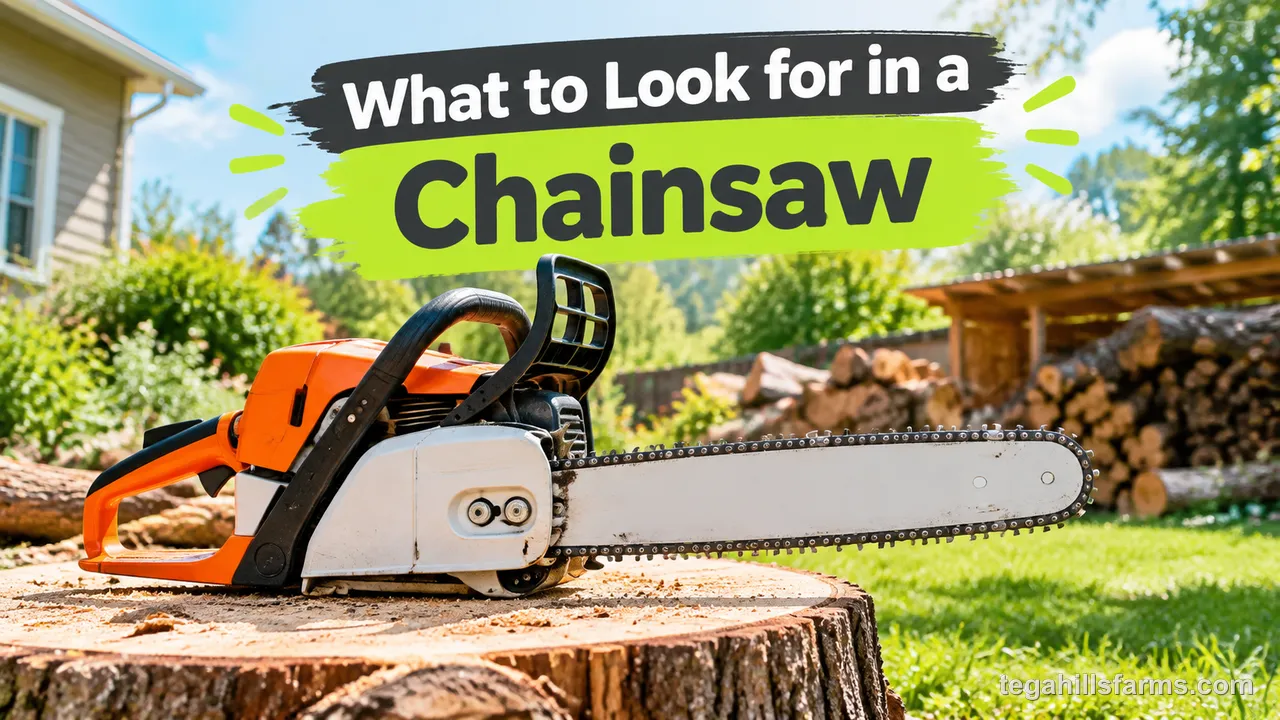
Most homeowners do best when they match those features to their yard and how often they cut, not the biggest spec sheet on the shelf. A small property with occasional limb work points to a light, easy-start saw, while regular firewood or storm cleanup pushes you toward more bar and power.
The details people overlook — like automatic oiling, anti-vibration, tool-free tensioning, and how you store the saw over winter — determine whether the tool still starts easily next season.
Below, each section translates a feature into what it means in the yard, so you can weigh tradeoffs before you buy.
What Power Source and Size Should You Start With?
What power source and size you should start with comes down to which power source matches your tasks and how your yard and wood type shape the right fit. If you want the full decision framework beyond these features, see our complete guide on how to choose a chainsaw before you narrow power and size.
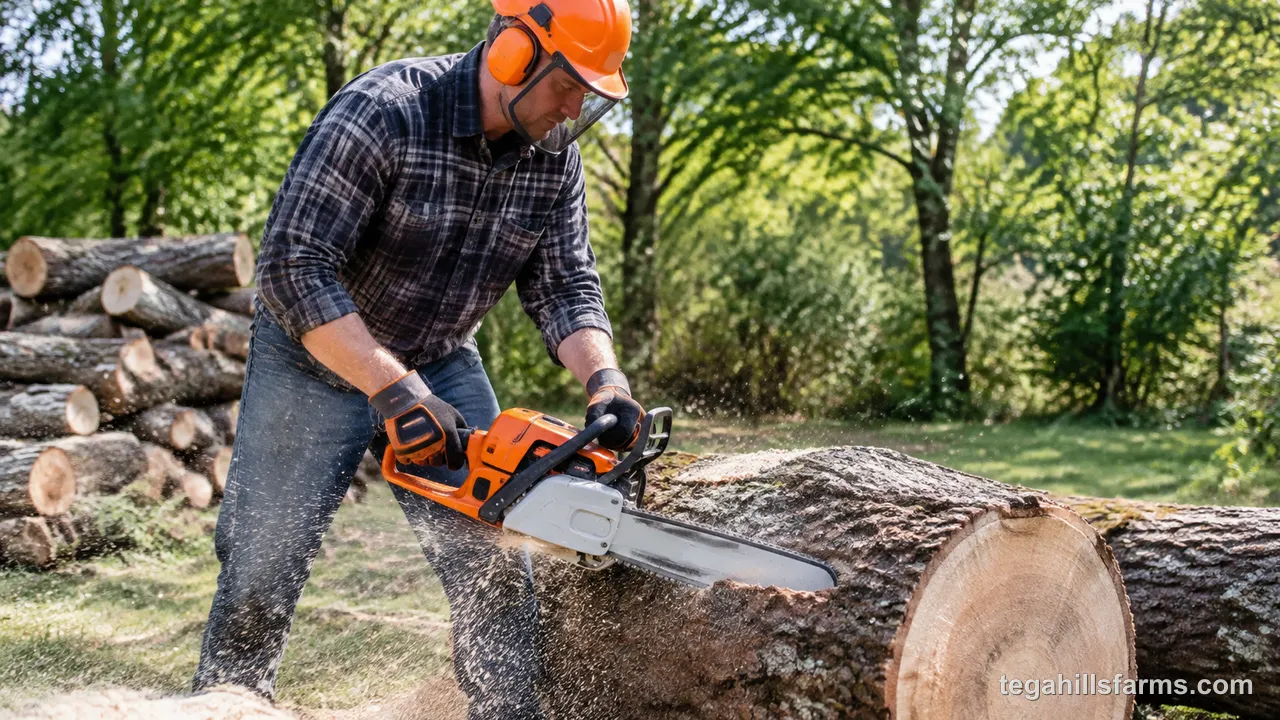
For many homeowners, the decision tree is simple: how often you cut, how far you are from an outlet, and whether you want to handle fuel and more maintenance. From there, size follows your typical wood diameter and cutting frequency.
Which Power Source Matches Common Homeowner Tasks?
Gas, battery, and corded electric are the three main power sources, divided by runtime, maintenance, and mobility.
Gas gives you the longest continuous cutting and the most options in larger bars, but it asks for fuel mixing, air filter care, and seasonal storage steps. Battery saws start instantly, run quieter, and need almost no engine upkeep, which suits quick limb trimming and suburban lots where noise matters. Corded electric is the lightest and simplest if you work within extension-cord reach of the house.
In practice, occasional pruning and cutting a few fallen limbs favors battery or corded. Regular firewood, larger trees, or work away from power still favors gas. Think about your battery platform too — staying on one voltage system keeps chargers and batteries interchangeable.
How Does Your Yard and Wood Type Shape the Right Fit?
Yard size, tree density, and wood hardness should shape whether you need a compact, mid-size, or larger-class chainsaw.
A quarter-acre lot with ornamental trees and softwood branches needs far less bar and power than a multi-acre property with mature hardwoods like oak or maple. Hard, seasoned wood and frequent cutting generate more heat and load, so a saw with better oiling and a bit more power stays in the cut instead of bogging down. If you only cut a few times a year after storms, a lighter, easier-to-store saw you will actually grab matters more than peak power you rarely use.
How Much Power and Bar Length Do You Actually Need?
How much power and bar length you need depends on what bar length handles your typical cuts, how engine and battery specs translate to power, and why chain speed and lubrication matter.
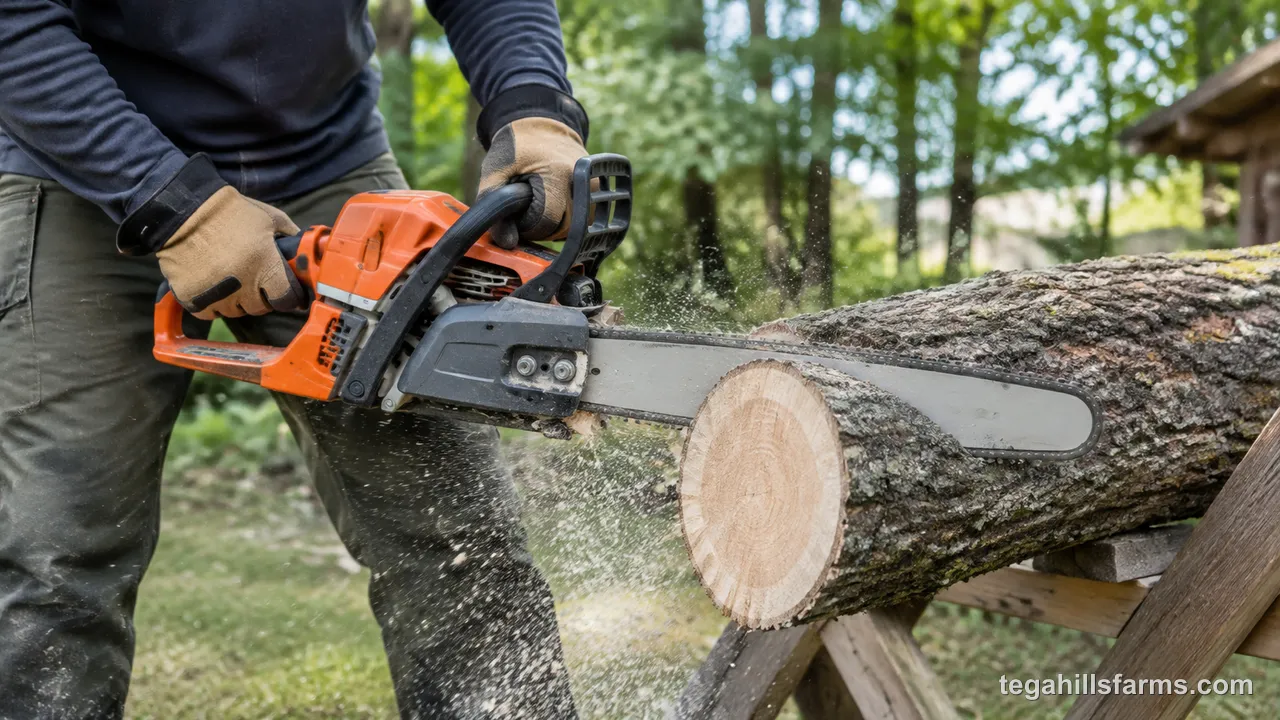
Most home jobs involve limbs and small trunks, not big felling cuts. That means you can prioritize control and weight over maximum bar length, and judge power by how the saw holds speed in hardwood.
What Bar Length Handles Most Home Cuts?
Bar length is the usable cutting length of the guide bar that determines how large a trunk you can cut in one pass with safe technique.
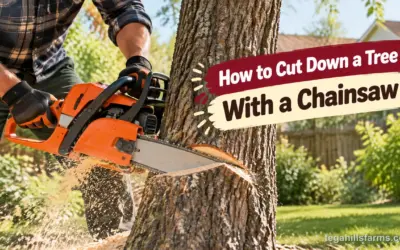
For most homes, a 14 to 18-inch bar handles limb removal, storm cleanup, and cutting firewood rounds from already-felled trees. You do not need a bar longer than the diameter you cut — you can make two-sided cuts on slightly larger wood when you use proper technique. Longer bars add weight and increase kickback exposure, so they only help if you regularly cut larger trunks. If you plan to learn felling, review safe stance, escape routes, and notch cuts in our guide on how to cut down a tree with a chainsaw before sizing up.
How Do Engine Size and Battery Specs Translate to Cutting Power?
A larger engine displacement sustains chain speed under load, while higher voltage and amp-hours deliver more torque and longer runtime in battery saws.
In gas saws, displacement tells you how well the saw holds speed when the bar is buried in hardwood. In battery saws, voltage relates to torque and how aggressively the chain pulls through the cut, while amp-hours tell you how long that performance lasts before a swap or recharge. For occasional yard work, mid-range specs are enough. For milling or ripping long slabs, sustained power and oiling matter far more, and our overview of how to mill with a chainsaw explains why bar length and power stability become critical there.
Why Do Chain Speed and Lubrication Matter?
Chain speed controls how quickly teeth clear wood, and automatic bar oiling keeps friction and heat low for longer bar and chain life.
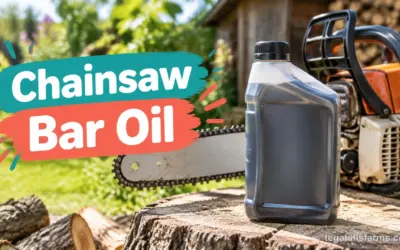
Faster chain speed gives cleaner cuts in softwood and limbs, but without steady lubrication it accelerates wear. Look for adjustable automatic oilers that keep a consistent film on the bar, and check that the oil reservoir is easy to fill without spilling. The right chainsaw bar oil matters as much as the oiler itself — tacky bar oil clings to the chain at speed better than generic oil, which reduces sling-off and helps the bar run cooler during longer cuts.
What Safety Features Should Every Chainsaw Have?
What safety features every chainsaw should have are chain brake and anti-kickback protection, protective equipment you budget with the saw, and grip, balance, and low-kickback chain choice.
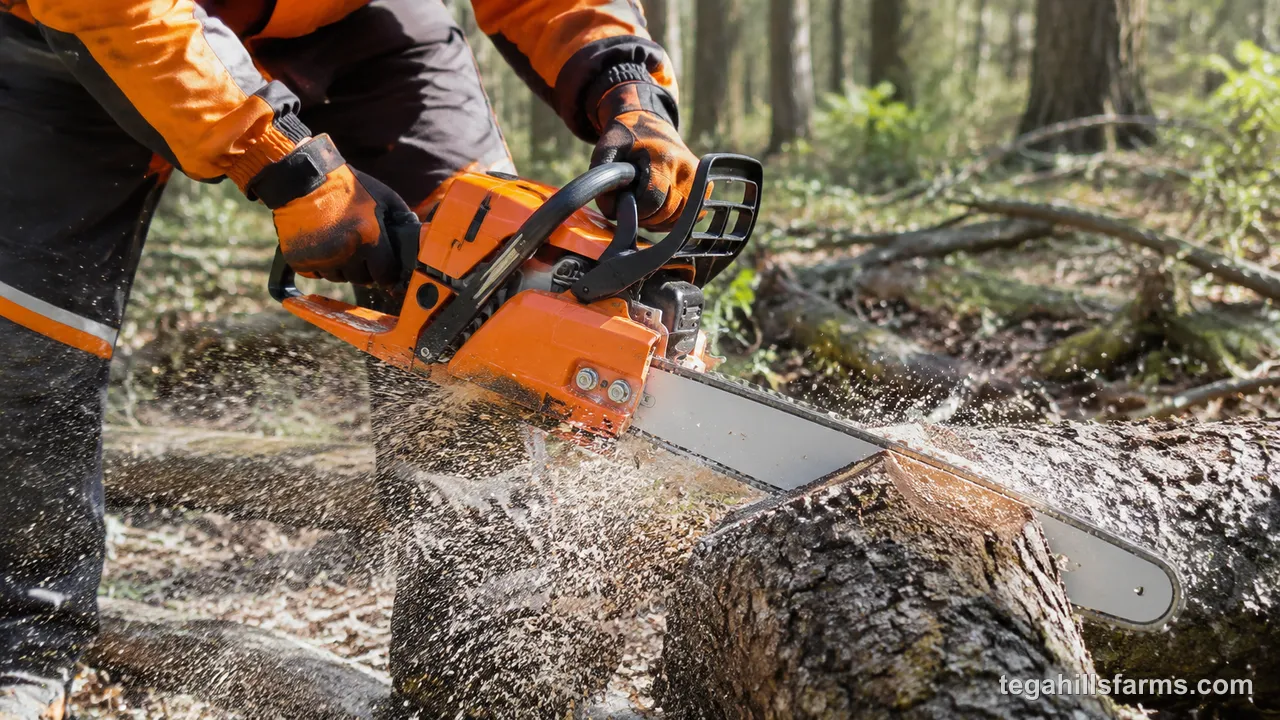
Safety is not an add-on with chainsaws. The brake, chain design, and how the saw fits your hands directly affect control when a cut pinches or a tip contacts wood.
How Does a Chain Brake and Anti-Kickback System Protect You?
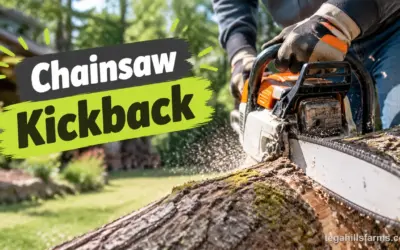
Kickback is a sudden upward rotation when the bar tip catches, and the chain brake plus low-kickback chain help stop or reduce that motion.
An inertia-activated chain brake is triggered by the front hand guard when kickback forces occur, stopping chain movement quickly. Reduced-kickback chains have guard links that limit how aggressively the tip grabs. Neither replaces technique — keeping the tip clear of unintended contact and maintaining a firm two-handed grip matters most. For a closer look at causes and prevention, see our explainer on chainsaw kickback.
What Protective Equipment Should You Plan For?
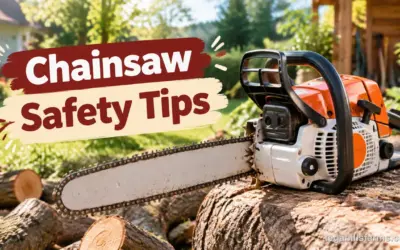
Essential chainsaw safety equipment includes a helmet with face shield, hearing protection, cut-resistant chaps or pants, gloves, and steel-toe boots.
Budget this gear with the saw, not after. Chaps contain fibers that jam the chain on contact with the leg, helmets and visors deflect chips, and hearing protection matters even with battery saws over longer sessions. Gloves improve grip in cold or wet wood, and boots with good traction keep you stable on uneven ground. If you are building your kit from scratch, our checklist on chainsaw safety equipment walks through what to prioritize first.
Why Do Grip, Balance, and Low-Kickback Chains Matter?
Ergonomic grip, good balance, and a low-kickback chain improve control and reduce fatigue-related mistakes.
A saw that feels nose-heavy forces you to muscle the cut, which makes it harder to hold a level line and react if the wood shifts. Look for well-spaced handles with vibration damping, a balance point near the front handle, and a throttle layout you can reach without shifting your grip. Pair that chassis with a low-kickback chain for yard work — it feeds more forgivingly while you focus on body position and footing.
What About Weight, Vibration, and Ease of Use?
What about weight, vibration, and ease of use comes down to how weight and vibration affect long cuts and what easy-use features save time in the field.
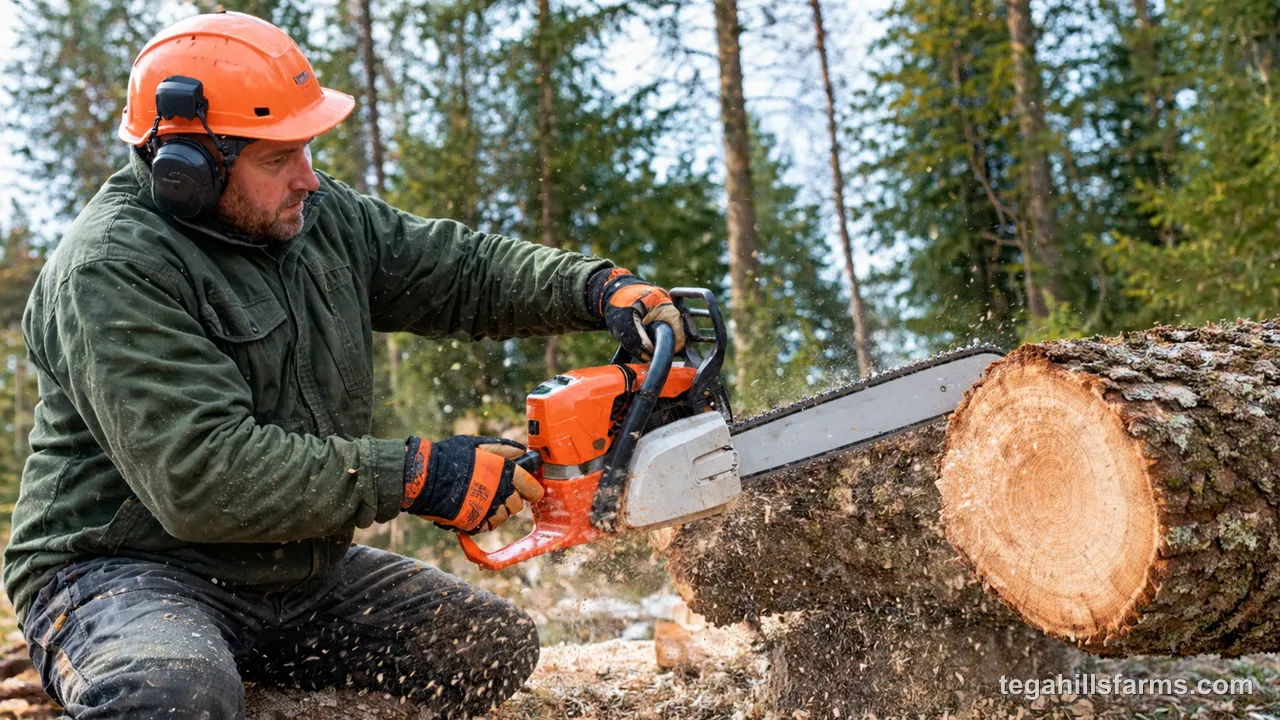
A comfortable saw gets used correctly. A heavy or buzzy one wears you out, and tired arms make for sloppy cuts.
How Do Weight and Vibration Affect Long Cuts?
A lighter saw with anti-vibration mounts reduces arm fatigue and hand numbness during longer or repeated cuts.
Weight matters most when you limb overhead or carry the saw across a large property. Anti-vibration systems isolate the handles from engine or motor vibration, so you can keep a steady grip without tingling hands after ten minutes. Battery saws are often lighter up front, but check bare weight versus weight with battery and bar. For extended sessions, even a pound or two changes how precisely you can guide the bar through the end of the cut.
What Easy-Use Features Save Time in the Field?
Time-saving features to look for are tool-free chain tensioning, automatic adjustable oiling, easy starting, and simple cleaning access.
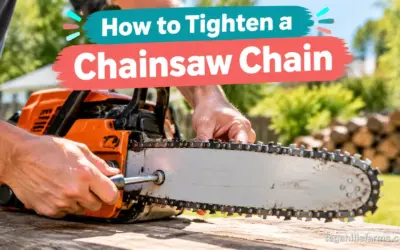
Tool-free or single-wrench tensioning lets you adjust sag quickly as the chain warms and stretches — learning how to tighten a chainsaw chain correctly prevents a loose chain from derailing and an overtight chain from overheating the bar. An automatic oiler with a clear sight window avoids running dry, and using the correct chainsaw bar oil keeps that system working as designed. On gas models, look for a purge bulb and easy-access air filter cover; on battery models, look for toolless bar nuts and a chain catcher you can clear without fuss.
What Will It Cost to Own and Maintain Over Time?
What it will cost to own and maintain over time depends on how upfront price tiers compare by type and whether paying more for durability and features is worth it.
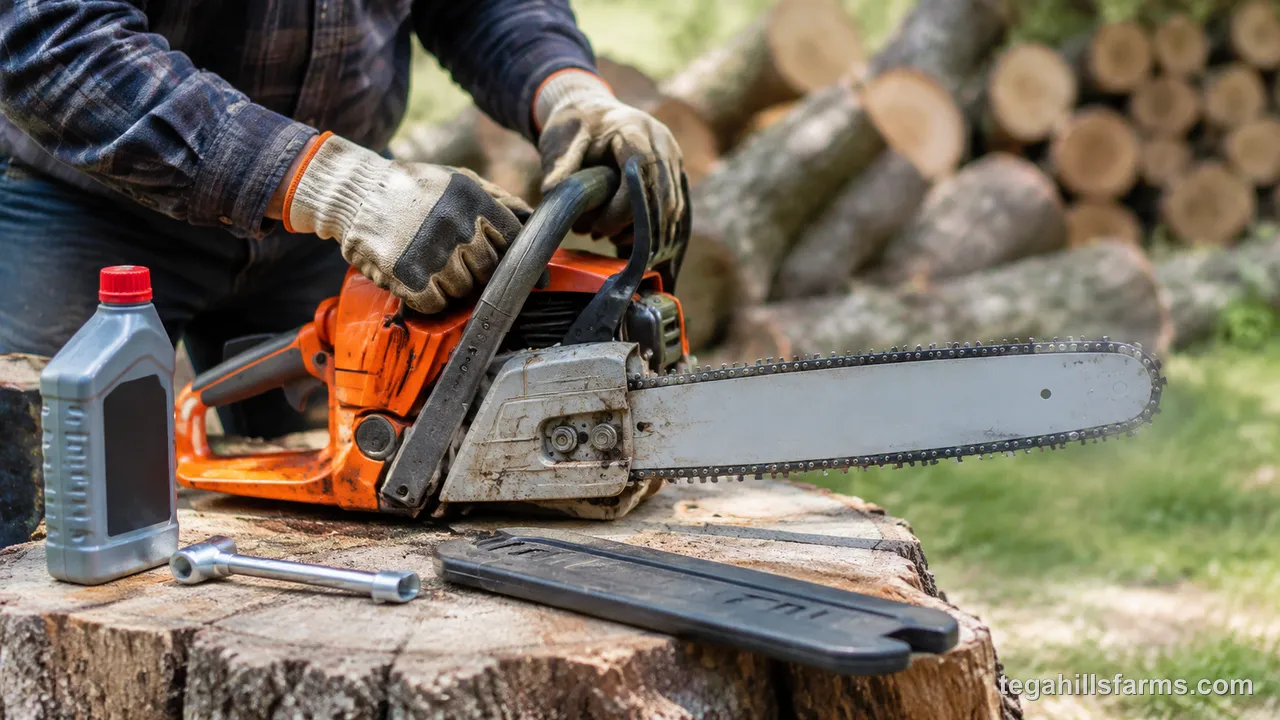
Sticker price is only part of the math. Fuel, oil, chains, bars, batteries, and how long the saw stays reliable all add up.
How Do Upfront Price Tiers Compare by Type?
Upfront tiers split into budget, mid-range, and premium, with corded lowest, battery mid, and gas spanning mid to premium depending on size and features.
Budget corded saws cost the least to buy and suit light, near-the-house pruning. Mid-range battery saws add convenience and lower upkeep for most suburban jobs, though extra batteries add to the initial kit. Gas models start higher as bar length and displacement increase, and pro-grade build pushes higher still. For a detailed breakdown by type and what each tier typically includes, see our guide on how much does a chainsaw cost.
Is It Worth Paying More for Durability and Features?
Yes, paying more is worth it when heavier use, hardwood, or longer lifespan make better build, filtration, and dealer support pay off.
If you cut monthly or heat with wood, a saw with better air filtration, a magnesium crankcase, and captive bar nuts stays tighter longer and is easier to service. Infrequent users on small lots often do better with a simpler, lighter saw and good storage habits instead of peak durability. To weigh that tradeoff for your use, our take on are expensive chainsaws worth it compares when premium components actually save money over years of ownership.
You have now seen how power source, bar length, safety systems, comfort features, and total cost work together to match a chainsaw to your yard.
Beyond those core buying criteria, long-term ownership often hinges on smaller details that competitors rarely highlight, such as storage, seasonal care, and handling.
The next section zooms in on those micro-level habits that determine whether your pick stays reliable year after year.
What Hidden Ownership Details Often Get Overlooked?
What hidden ownership details often get overlooked are how proper storage and winterizing extend life and why safe transport and correct assembly matter.
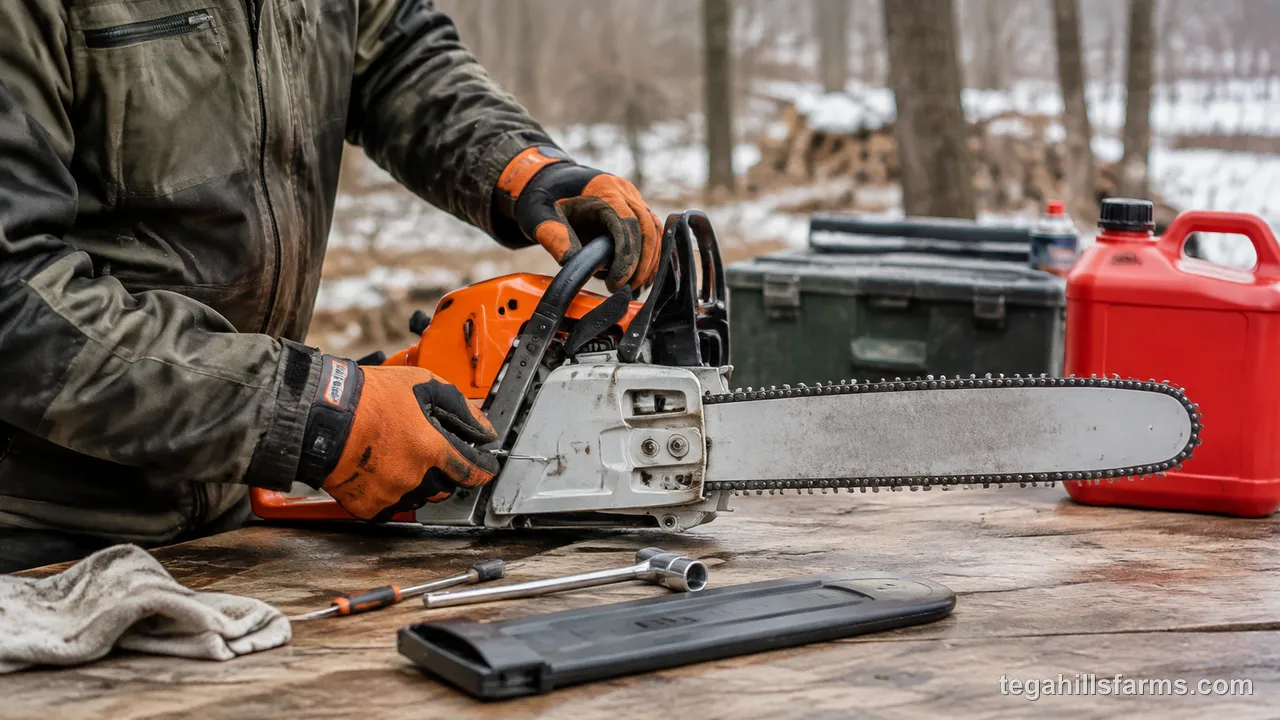
These habits do not show up on the spec sheet, but they decide whether a saw that ran fine in fall still starts in spring.
How Do Proper Storage and Winterizing Extend Life?
Proper storage and winterizing means draining or stabilizing fuel, protecting batteries, and sheltering the saw to prevent corrosion and hard starts.
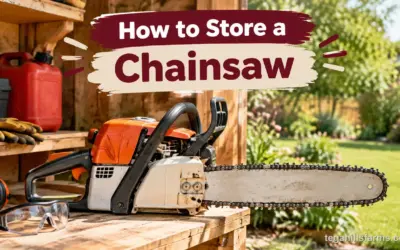
For gas saws, run the carb dry or use stabilized fuel, empty the bar oil reservoir if storing long term, and store in a dry, covered space off concrete to reduce moisture. For battery saws, store batteries at a moderate charge in a temperate spot, not in a freezing garage or hot shed. Clean the bar groove and sprocket area before storage so grit does not harden around the oiler. Our steps for how to store a chainsaw cover seasonal checklists for both power types.
Why Does Safe Transport and Correct Assembly Matter?
Safe transport and correct initial assembly prevent bar damage, chain derailment, and oil leaks between jobs.
Always use a scabbard, secure the saw so the bar cannot swing, and keep fuel and batteries separated and upright. Check that the chain is tensioned, facing the correct direction, and properly seated on the drive sprocket before the first cut — a quick assembly review avoids a thrown chain on startup. If you haul the saw in a truck or UTV often, see our tips for how to transport a chainsaw without bending the bar or dulling the chain.
Frequently Asked Questions About Chainsaw Features
How often should I clean my chainsaw?
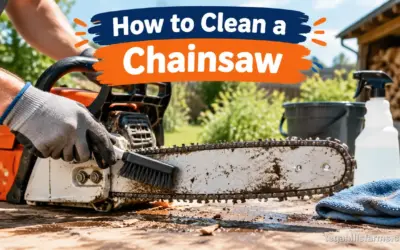
Clean the bar groove, sprocket cover, and air filter after every few hours of cutting, and more often in dusty or sappy wood. Regular cleaning is part of how to clean a chainsaw correctly — it keeps oiling consistent and prevents overheating. Blow out debris and check chain tension while the saw is cool.
What does a chainsaw tune up include?
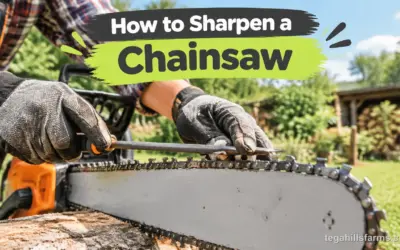
A routine chainsaw tune up covers air filter, spark plug, fuel filter, chain sharpening, and oiler check. On gas saws it also includes idle and carb adjustment if needed; on battery saws, inspect contacts and chain condition. Doing this each season keeps starting easy and cuts cleaner.
Do I need a different chain for hardwood versus softwood?
Most homeowners can use one well-maintained low-kickback chain for both, but keep it sharp and properly tensioned. For frequent hardwood cutting, a chain with more durable cutters and consistent lubrication holds its edge longer than a dry, loose chain.
Can I store a battery chainsaw in an unheated garage over winter?
You can, but store the battery indoors at room temperature and at a partial charge. Cold does not damage the bare tool as much as it reduces battery performance and lifespan, so bring the pack inside between jobs.
What is the easiest way to avoid kickback as a beginner?
Avoid tip contact, keep a firm two-handed grip, and use a low-kickback chain with a working chain brake. Cut at waist height when possible, maintain good footing, and let the saw do the work instead of forcing the bar.
Write Your Review
No reviews yet. Be the first to share your experience!