

Chainsaw bar oil keeps your bar, chain, and sprocket alive while you cut, and skipping it wears metal fast.
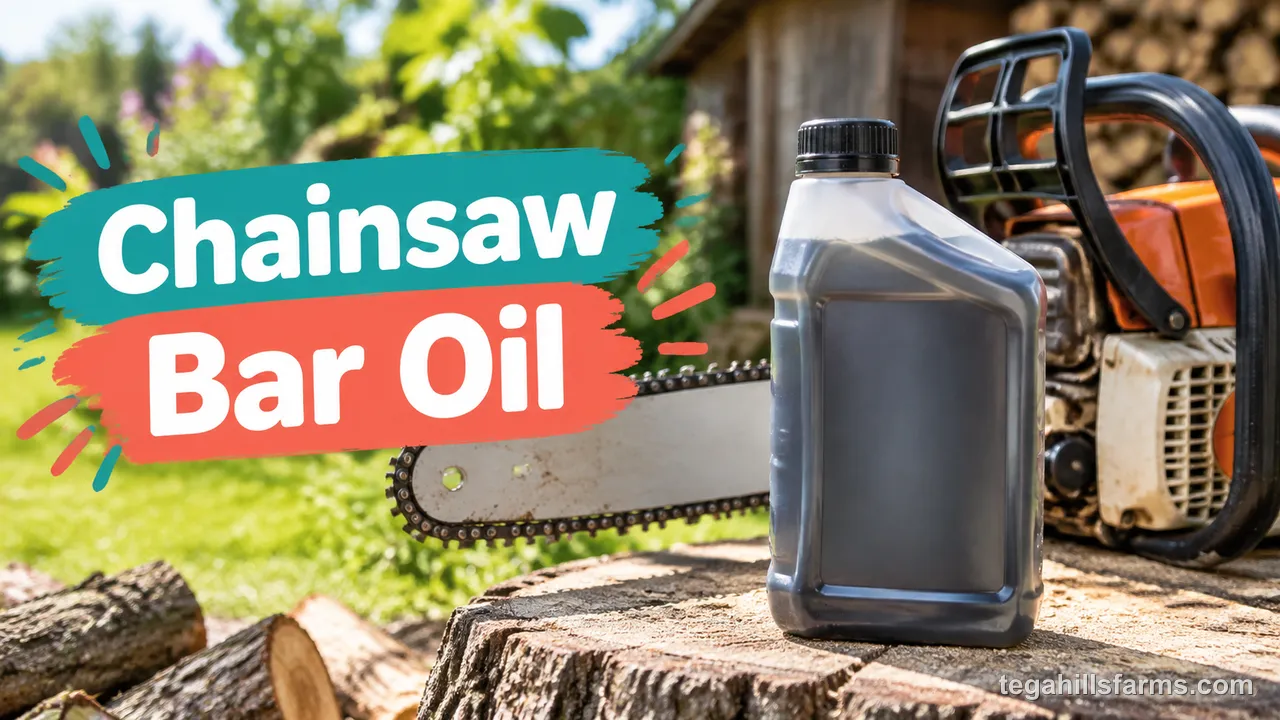
Bar oil is the high-tack lubricant that coats the chain as it races around the bar, reducing friction and heat so you get cleaner cuts and longer life from the same setup. It is not engine oil and it does not mix with fuel; it has its own reservoir and oiler that feeds the bar groove continuously. If you are still narrowing down your saw, see our guide on how to choose a chainsaw before you match oil weight and reservoir size to that model. For any saw you already own, learning how long do chainsaws last shows how much consistent oiling matters — a dry bar can ruin a chain and groove in a single tank of fuel.
Below, you will see the main oil types, how to match weight to your saw and F temperatures, what substitutes to avoid, and the simple habits that keep the oiler flowing.
What Is Chainsaw Bar Oil and Why Does It Matter?
Chainsaw bar oil is a high-tack, anti-wear lubricant metered onto the bar groove and chain to reduce friction, carry away heat, and slow stretch and wear as the chain cycles at speed.
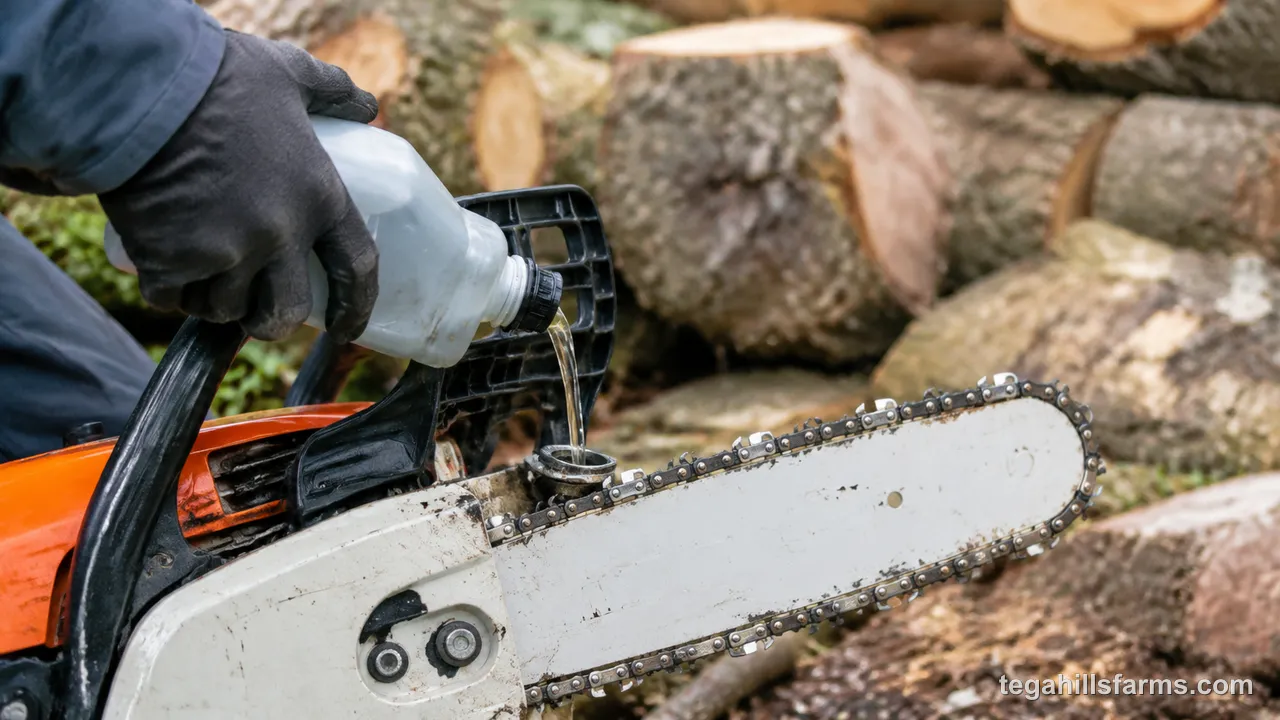
Unlike motor oil, bar oil is formulated to cling to a fast-moving chain instead of slinging off. Tackifiers make it stringy so it stays on the rails, tie straps, and rivets rather than misting away. That film lowers drag in the groove, keeps the drive links from grinding the bar rails thin, and helps the chain stay cooler and sharper longer. Run without it and you will see blue rails, accelerated stretch, more frequent sharpening, and a groove that mushrooms or burns — damage that no later oiling reverses.
What Are the Main Types of Bar and Chain Oil?
There are four main types: standard petroleum, bio-based (plant), winter/low-viscosity, and summer/all-season bar and chain oil, differentiated by base stock, biodegradability, and cold-weather flow.
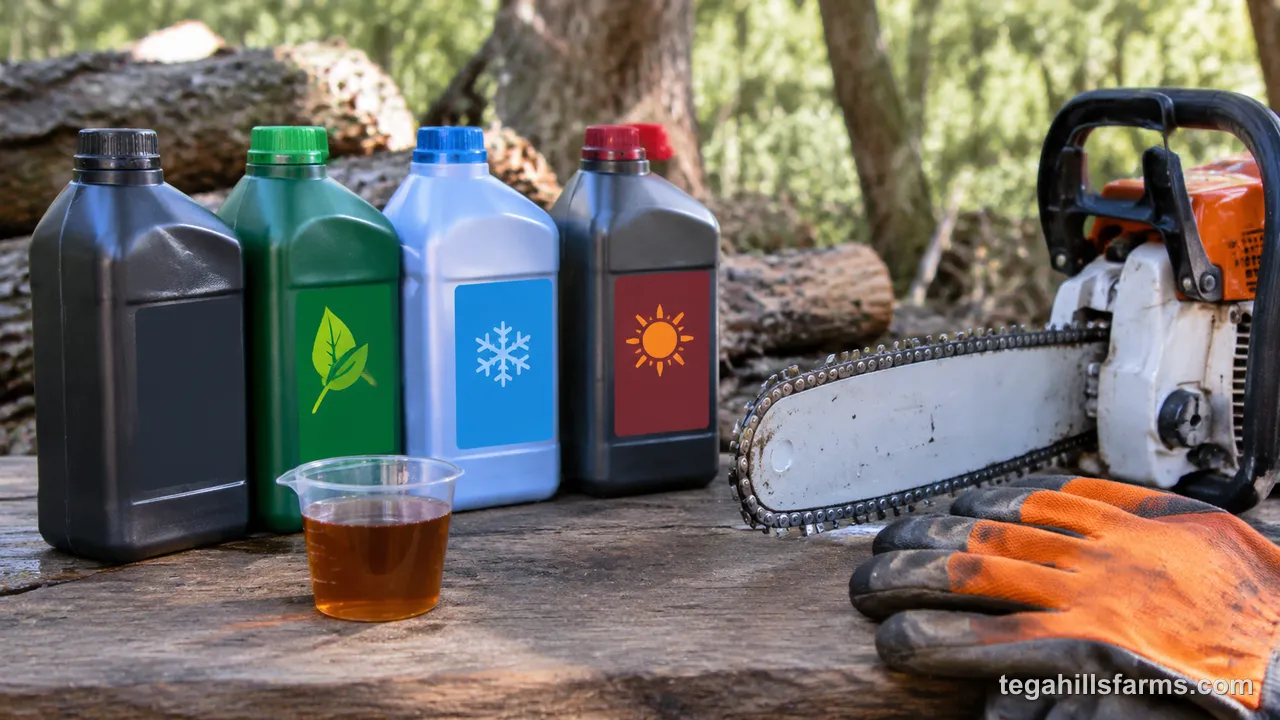
Those categories split two ways: what the oil is made from and how it flows in your temperatures. Understanding both helps you pick an oil that stays on the chain without starving the oiler on a cold morning. Tackiness then decides how well that oil actually clings at chain speed.
How Do Standard Petroleum and Bio-Based Bar Oils Differ?
Standard petroleum bar oil offers strong cling and long shelf stability, while bio-based oil trades some of that stability for rapid biodegradability and easier cleanup around yards and waterways.
Petroleum bar oil is mineral-based with heavy tackifiers and anti-wear additives. It clings well, resists throw-off, and stores for seasons without changing much. Bio-based oil uses vegetable esters that break down much faster if spilled on soil, leaves, or near a creek — handy for pruning over gardens or cutting near ponds. The tradeoff is shelf life and gumming. Opened bio oil can thicken or varnish sooner, especially in heat, so buy a size you will use within the season and keep the cap tight. Neither type belongs in the engine; both feed only the bar oiler.
What Is the Difference Between Winter, Summer, and All-Season Bar Oil?
Winter bar oil is a thinner, low-viscosity formula for cold weather, summer is thicker for heat, and all-season is a mid-weight compromise for variable climates.
Viscosity sets how easily the oiler can push oil in the cold and how well it stays on the bar in the heat. In temperatures near or below freezing, standard oil can turn sluggish and the chain runs drier even with the reservoir full. Winter blends pour near 0°F and keep flow steady. In 85°F+ heat, that same thin oil flings off too fast, so a heavier summer weight maintains film strength. All-season splits the difference for most lower-48 zones where mornings are 30°F and afternoons are 75°F. Choose by your typical cutting temperature in °F, not just the calendar month.
Why Does Tackiness Matter for Bar and Chain Lubrication?
Tackiness is the stringy, high-adhesion property from tackifier polymers that keeps oil on the chain at 3,000–6,000+ RPM instead of slinging off after one bar rotation.
Without tackifier, even a perfect-weight oil leaves the bar within seconds. Tackified bar oil stretches into threads as the chain leaves the sprocket, pulling lubricant back into the groove and over the rivets. Anti-wear and anti-corrosion additives ride in that film, reducing rail wear and protecting the bar during storage between cuts. You can test it between gloved fingers — good bar oil strings an inch or two before breaking. Motor oil may feel slick but it lacks this cling and the chain runs wetter at the start of a cut and drier mid-cut.
How Do You Choose the Right Bar Oil for Your Chainsaw and Climate?
Choosing the right bar oil means matching your saw type, your F temperature range, and brand compatibility, since viscosity needs and oiler designs shift with gas, battery, and pole-saw layouts.
Start with the machine, then the weather, then the jug on the shelf. A hot-running gas saw on a 24-inch bar needs more film strength than a battery saw on a 14-inch bar, and a saw stored in an unheated shed needs easier cold flow. For a full rundown of features that change oil demand — bar length, oiler type, and adjustable flow — see what to look for in a chainsaw. If you cut into late fall, also plan for how to winterize a chainsaw so old oil does not varnish in the tank.
Does Your Saw Type Change Which Bar Oil You Need?
Yes — gas, battery, corded electric, and pole saws all use the same bar-oil chemistry but differ in heat, bar length, and oiler adjustment, so weight choice matters more on hot, long-bar gas saws.
Gas saws run hotter, often carry 18- to 24-inch bars, and many have an adjustable oiler screw to increase flow for hardwoods or long bars. Battery and corded saws typically run 12- to 16-inch bars, run cooler, and may have a fixed oiler; a standard or all-season weight usually covers them unless you cut below freezing. Pole saws add gravity — oil must cling while the chain runs overhead. A properly tackified bar oil, not a thin substitute, prevents dripping from the head and keeps the top-side rails lubed. Always match oil to the bar length first, then tune flow if your saw allows it.
Which Weight Should You Use in Cold, Hot, or Variable Climates?
Use winter weight below about 30°F, summer or standard weight above about 85°F, and all-season for 30°F to 85°F where temperatures swing within a single workday.
In northern zones where you cut firewood at 10°F to 25°F, winter oil keeps the pump primed and prevents a dry chain on startup. In southern summers with 90°F+ yard work, thicker oil resists throw-off on long rips. For most homeowners who cut spring and fall between 35°F and 75°F, all-season is the simplest one-jug answer. If you only stock one jug and see both extremes, store winter oil for December to February and switch back to all-season when nights stay above freezing.
Are Stihl, Husqvarna, Oregon and Other Brands Interchangeable?
Yes — Stihl, Husqvarna, Echo, Oregon, Milwaukee, and CountyLine bar oils are interchangeable if the jug is labeled bar and chain oil in the right weight for your temperature; no brand-specific oil is required.
Manufacturers tune tackiness and viscosity slightly, but any reputable bar and chain oil that matches your climate works across gas, battery, and pole saws regardless of saw brand. Do not pour bar oil into the engine and do not pour engine oil into the bar reservoir expecting the same cling. Keep to bar-oil labeling, check that the jug states tackifier and anti-wear additives, and choose weight by °F rather than logo color.
Can You Substitute Motor Oil, Used Oil, or Vegetable Oil for Bar Oil?
No — motor oil, used motor oil, and straight vegetable oil are poor substitutes for bar oil because they lack tackifier, accelerate bar and chain wear, and increase mess and environmental risk.
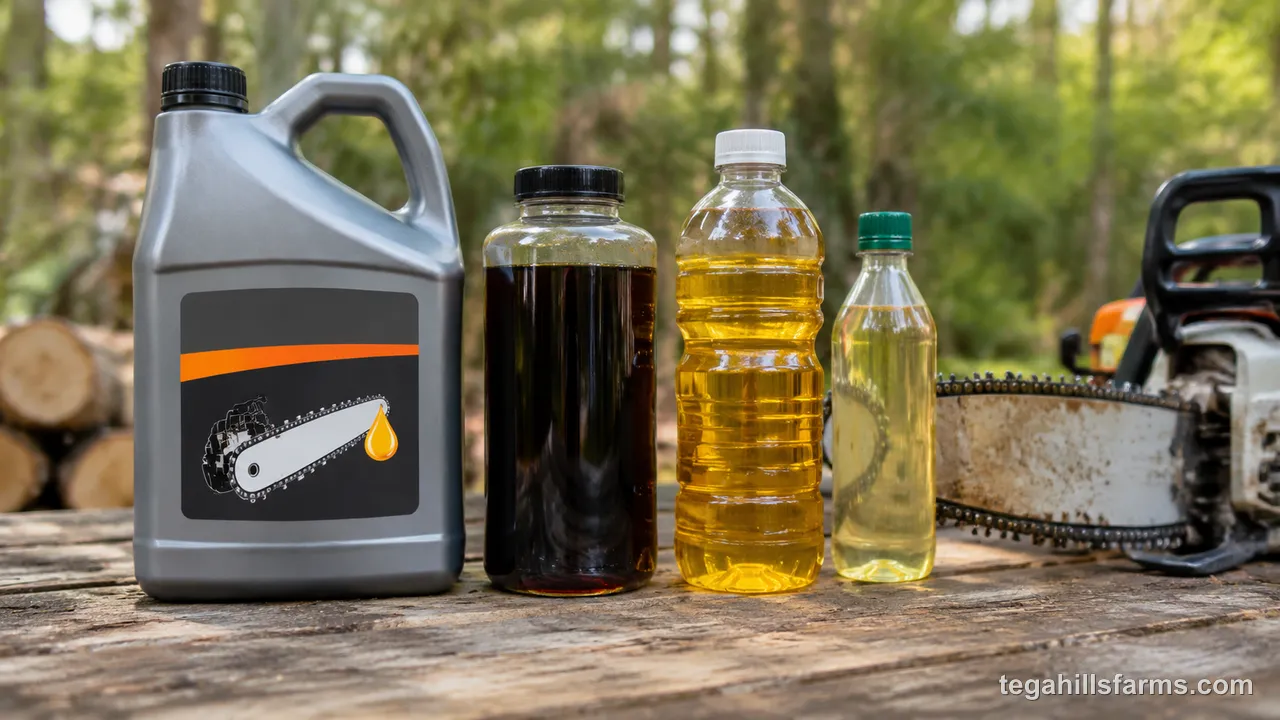
Bar oil earns its keep by staying on the chain, not just by being oily. Substitutes may look slick in the jug but they leave the chain too quickly or carry contaminants that grind the groove. The result is hotter rails, faster stretch, and more filing. A couple of substitutes also create smoke or clog the oiler. If you are tempted to pour what is on the shelf, understand the gaps first — chainsaw overheating often traces to poor lubrication, and thin substitutes also contribute to chainsaw blowing smoke when oil burns off a hot bar instead of staying in the groove.
Is 10W30 or Other Motor Oil Safe for the Bar and Chain?
No — 10W30 and other motor oils lack tackifier and anti-wear formulation for bar service, so they sling off quickly and leave the rails under-lubed even if the reservoir looks full.
Motor oil is designed to circulate under pressure inside an engine with detergents and friction modifiers, not to cling to an exposed chain at high speed. Its film shears and mists off within one or two bar laps, so the nose sprocket and rail edges run drier as the cut continues. In cold weather it can also be too thick for small oiler pumps, while in heat it thins and disappears faster than tackified bar oil. In a true emergency to finish a single cut you might get by, but drain it and refill with proper bar oil immediately — prolonged use speeds bar wear and voids any maintenance advantage.
Why Are Used Motor Oil and Straight Vegetable Oil Risky?
Used motor oil and straight vegetable oil are risky because used oil carries metal particles and acids that lap the bar groove, while straight vegetable oil gums and varnishes without tackifier protection.
Used oil contains microscopic grit, fuel soot, and acidic byproducts that act like lapping compound in the groove and on the drive links. It also stains wood, soil, and clothing and can contaminate where you cut. Straight grocery-store vegetable oil avoids grit but it oxidizes quickly, turning sticky in the tank, lines, and bar groove — especially after storage. Heat makes it worse, and in a few weeks a saw can need a full oiler teardown. Bio-based bar oils are not the same as kitchen oil; they are stabilized vegetable esters with tackifiers and oxidation inhibitors built for chain speed.
How Do You Use and Maintain Bar Oil the Right Way?
Proper bar oiling means checking every fuel fill, keeping chain tension and sharpness in spec, and clearing the oiler ports and bar groove so oil actually reaches the rails.
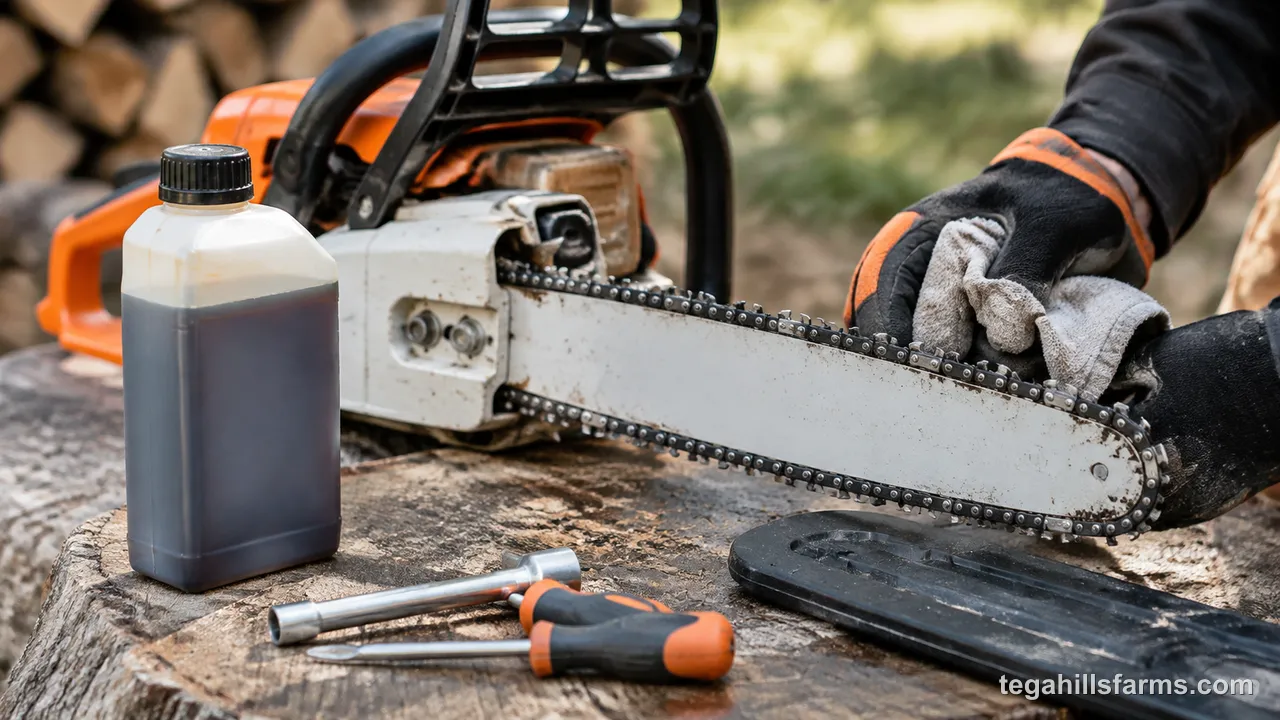
Oil level is only half the job — the chain has to carry that oil evenly around the bar. A loose, tight, or dull chain defeats even the best oil by creating heat and extra drag the film cannot overcome. Combine a quick reservoir routine with tension, sharpness, and groove cleaning and your bar stays flat and your chain stays cooler. For hands-on steps on tension, see how to tighten a chainsaw chain before you adjust flow, and plan a regular routine for how to clean a chainsaw so chips do not pack the oiling path.
How Often Should You Check and Fill the Bar Oil Reservoir?
Check and fill the bar oil reservoir every time you refuel, and also top off before each cold start — the tank should never run dry during a cut.
Most saws consume roughly a tank of bar oil per tank of fuel when the oiler is set correctly; some long-bar setups use slightly more. Get in the habit of glancing at the sight window or dipping a clean twig before you pull the starter cord. If you notice the chain smoking or throwing dust instead of chips, shut down immediately and check both level and oil flow. On saws with an adjustable oiler screw, turn it a quarter-turn richer for hardwood, 20-inch+ bars, or deep ripping, then lean it back for softwood to reduce waste without starving the nose.
How Does Chain Tension and Sharpness Affect Oiling?
Proper chain tension and a sharp edge let bar oil form an even film; a tight, loose, or dull setup raises friction and heat so oil burns off before it can protect.
A chain set with about 1/8-inch lift at mid-bar and that still pulls freely by hand carries oil steadily around the groove. Too tight and it squeezes the film out, overheating the rails. Too loose and it whips, slinging oil unevenly and chewing the sprocket. A dull chain is worse — you push harder, create fine dust and heat, and the oil cooks off the bar instead of lubricating it. File or swap the chain when chips turn to powder, then recheck tension after a few minutes of cutting as a new or freshly filed chain seats.
How Do You Keep the Oiler and Bar Groove From Clogging?
Keep the system clear by clearing the bar groove, oiler ports, and sprocket nose every few hours of cutting and whenever you rotate or flip the bar.
Sawdust, pitch, and fine chips pack into the groove and over the oil outlet, blocking flow even with a full tank. With the saw off and bar removed, scrape the groove with a groove cleaner or blunt putty knife, poke the oil delivery hole in the bar and the outlet on the saw body, and spin the nose sprocket to free it. Wipe the clutch area and oil cap seal, then test flow by running the tip near cardboard for a few seconds — a light line of oil should appear. Do this more often in sappy pine or when milling.
What Should You Check Before Buying Bar Oil in 2026?
Compare bar oil by bottle size for your cutting volume and label claims that actually matter rather than marketing terms.
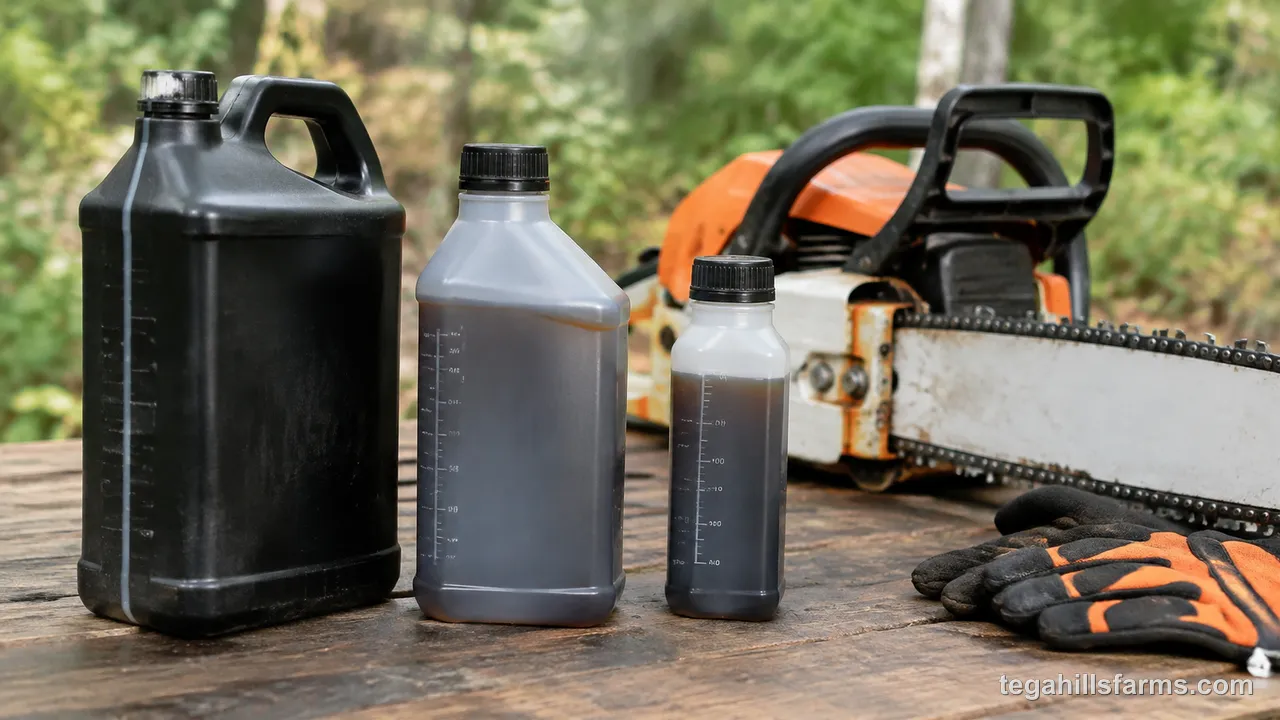
Buying the right jug in 2026 is about fit, not hype. A homeowner who trims a few times a year needs a different size than someone bucking cords of firewood, and the label tells you whether the oil suits your temperatures and yard. Two quick checks — size vs use and claims vs chemistry — keep you from overbuying or buying the wrong weight. When you weigh total ownership, remember how much does a chainsaw cost is only part of the math; bar and chain upkeep decides long-term value, which is why many owners also ask are expensive chainsaws worth it before picking consumables.
Which Bottle Size Gives You the Best Value for Your Cutting Amount?
Match size to use: 32 fl oz for light pruning, 1 gallon for regular homeowner bucking and storm cleanup, and 5-gallon pails only for acreage or frequent firewood cutting.
A quart is easy to store and pour and stays fresher if you cut a handful of times each year. A gallon lowers cost per ounce and suits a 1/4- to 1-acre lot with seasonal cleanups, provided you use it within a season or two and keep it sealed. Five gallons makes sense only when you burn through oil monthly — otherwise the tail of the pail sits open, collects moisture, and risks contamination. Whatever size you choose, check the current price tier against your use and buy the smallest container you will finish before the next winter storage.
What Labels Actually Matter on a Bar Oil Jug?
Trust labels that state bar and chain oil, tackifier/tacky, viscosity or temperature range in °F, and bio-based/biodegradable if relevant; ignore universal, extra strength, or pro formula without specs.
Meaningful claims map to performance you can verify: tackifier means cling at speed, a stated winter or all-season weight guides cold flow, and biodegradable signals plant-ester content for sensitive sites. Also look for anti-wear, anti-sling, or rust-inhibitor notes and a clear volume. Skip jugs that hide weight and just promise “maximum protection” — without viscosity or additive info you cannot match it to your climate or storage needs.
You have now seen what bar oil does, how petroleum, bio-based, winter and all-season formulas differ, and how to match weight to your saw and F temperatures while avoiding risky substitutes.
With those core choices covered, the next details zoom in on the small habits that quietly waste oil or wear a bar early.
The supplementary notes below focus on storage, contamination, and spotting bad oil before it costs you a bar and chain.
How to Avoid Wasting Bar Oil and Spot Bad Oil Early
Avoiding waste means spotting degraded oil and stopping dirt and moisture before they reach the groove and pump.
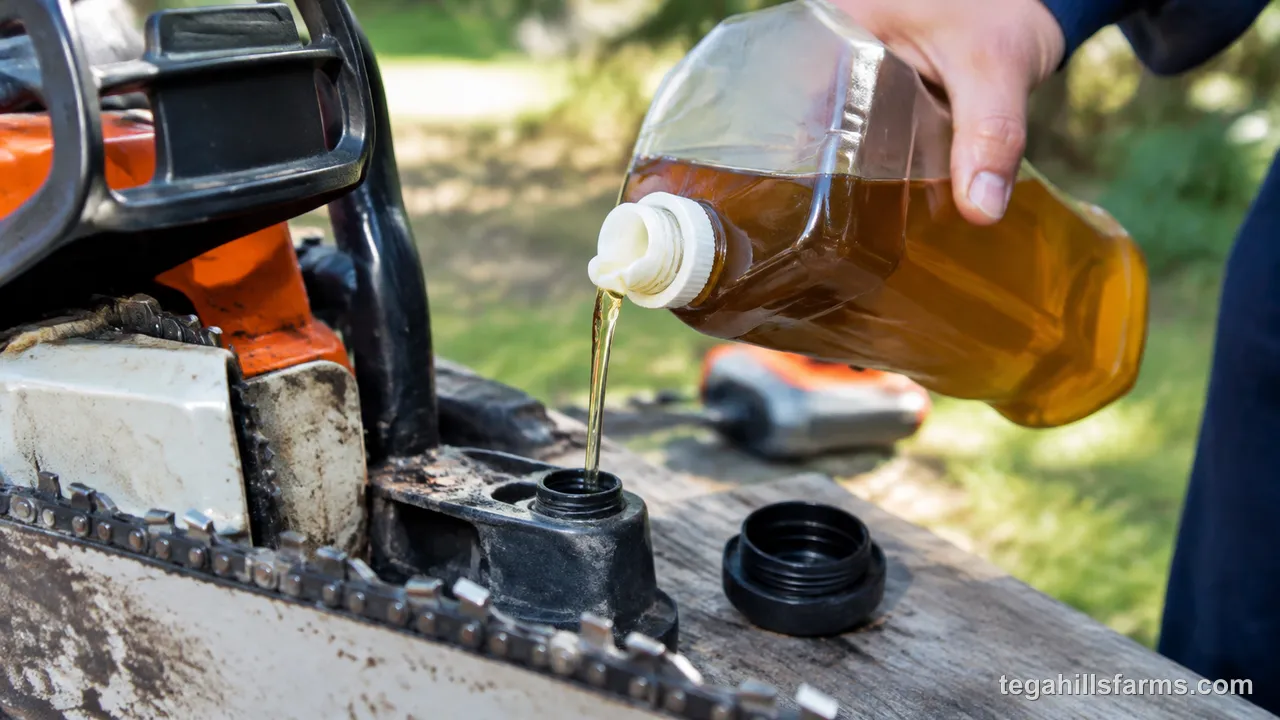
Bar oil fails quietly — it looks fine in the jug while film strength drops or contamination builds. A quick visual check and cleaner handling habits prevent a scored bar you only notice after the damage is done. These small steps matter most when a saw sits between seasons. For long layovers, follow how to store a chainsaw so leftover oil does not varnish in the tank, and if the saw sat with stale fuel and oil, a look at how to clean a chainsaw carburetor helps you separate fuel issues from oiling issues.
What Are the Signs Your Bar Oil Has Gone Bad?
Bar oil has gone bad when it shows separated layers, milky haze, sour or varnish odor, or stringy clumps instead of a uniform, slightly stringy pour.
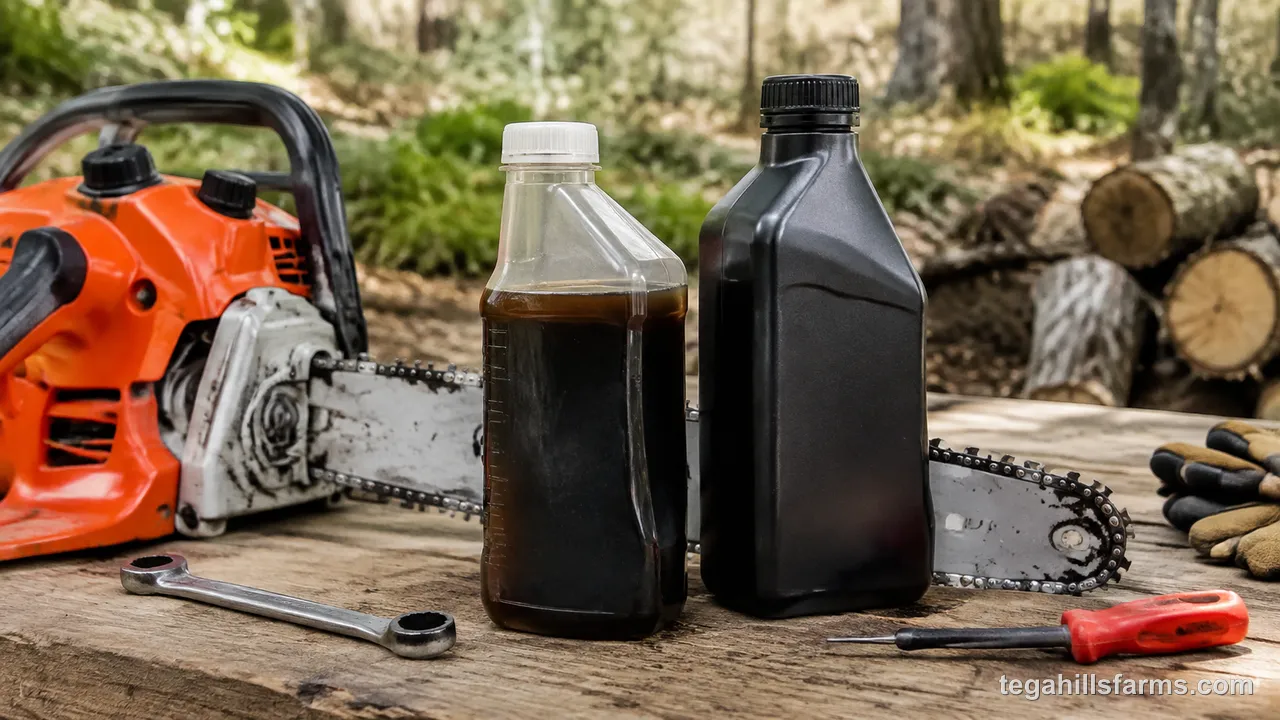
Fresh bar oil is consistent in color, pours smoothly, and strings gently between fingers. Degraded petroleum oil may darken heavily, smell acidic, or flow like water if contaminated with fuel. Bio-based oil more often thickens, forms skin on top, or smells rancid as esters oxidize — especially after a hot summer in the shed. If the jug sat open, froze and thawed repeatedly, or is past the season you opened it, pour a small sample into a clear cup. Any grit at the bottom, water beads, or jelly-like strands means discard it and refill with fresh stock rather than filtering and reusing.
How Does Dirt and Moisture Sneak Into Your Oiling System?
Dirt and moisture sneak in through an open cap in dusty air, wiping the filler with a dirty rag, sawdust falling into the reservoir, and condensation from temperature swings in storage.
Every time you open the oil cap on a tailgate or in the woods, fine dust rides in. A gritty bar groove then laps the rails with that dust suspended in oil. Moisture enters when a half-full jug breathes overnight in a cold shed, or when rain beads around the cap seal before you pour. Prevent it by wiping the cap and seal with a clean cloth before opening, pouring without setting the cap on the ground, keeping jugs sealed and upright, and storing the saw with the oil cap tight and the bar wiped clean. A five-minute wipe now saves a bar and oiler pump later.
Chainsaw Bar Oil FAQs
How fast does a chainsaw use bar oil?
Most saws use about one bar-oil tank per fuel tank under normal cutting. Long bars, hardwoods, and a richer oiler setting use slightly more, so check level every refuel.
Can I mix different brands of bar oil?
Yes — mixing brands is fine if both jugs are labeled bar and chain oil in the same weight. Avoid mixing bar oil with motor oil or used oil.
Should I empty bar oil for storage?
For storage over 60 to 90 days, drain or run the oil low, wipe the bar, and store jugs sealed indoors. Old oil left in the tank can thicken and clog the oiler.
Does bar oil go bad on the shelf?
Yes. Petroleum bar oil lasts 2 to 3 seasons sealed; bio-based oil is best within one season after opening. Heat, air, and moisture speed breakdown.
Do battery chainsaws need bar oil too?
Yes — all chain saws need bar oil, including battery and corded models. The oiling system is independent of the powerhead and protects the same bar and chain.
Can I use the same oil for the engine and the bar?
No — engine oil and bar oil are not interchangeable. Engine oil lacks tackifier for chain cling, and bar oil lacks engine detergents for internal lubrication.









Write Your Review
No reviews yet. Be the first to share your experience!