

Spray zones need far more clock time than rotor zones to put down the same depth of water, because a fixed spray fan lays water down more slowly than a rotating stream. Drip stations run longest of all, since emitters release small, steady flows at the roots instead of covering the whole surface.
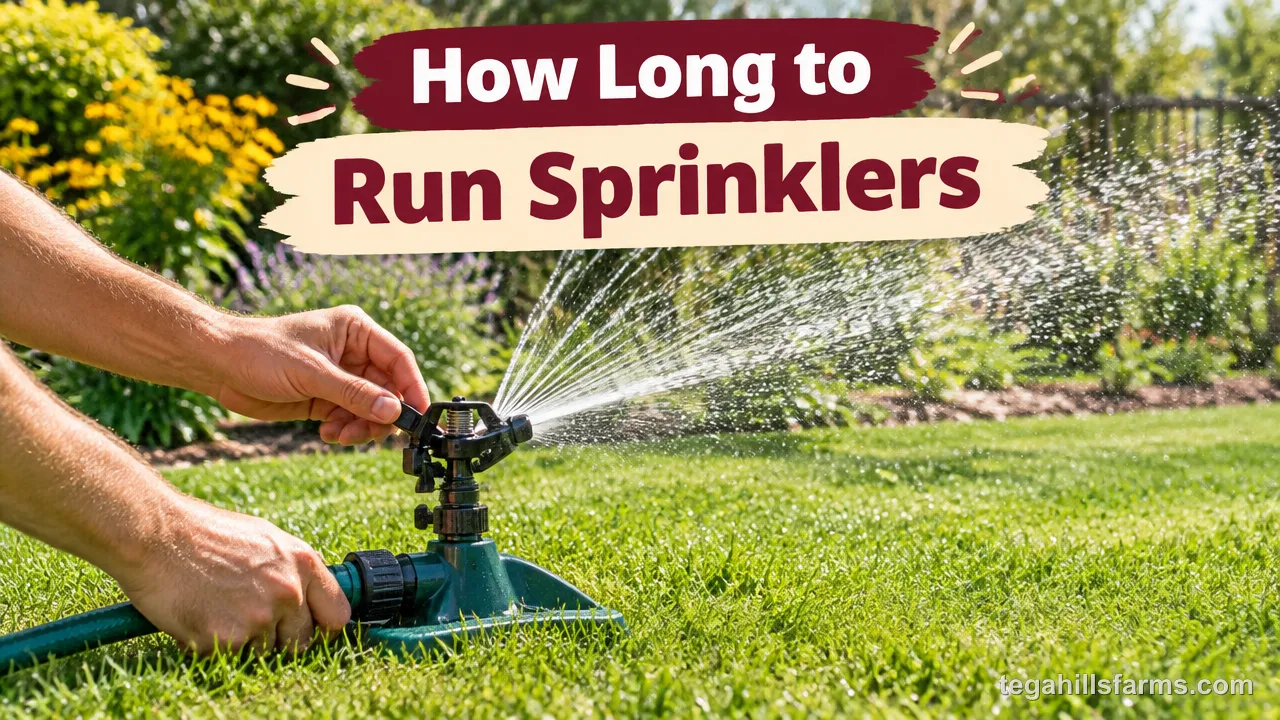
The right number of minutes depends on three things: how much water the grass needs each week, how fast each zone actually delivers it, and how quickly your soil can absorb it. A timer setting copied from a neighbor or a box label ignores the last two, and both vary from yard to yard and from zone to zone.
The common worry is waste: water sheeting down the driveway, puddles in low corners, or brown patches next to a system that runs every other day. Most of those problems come from one long cycle instead of several short ones, watering at the wrong hour, or a zone that delivers less than its heads are rated for.
How Much Water Does a Lawn Need?
About 1 inch per week, rainfall included, keeps an established stand of grass healthy, as long as it soaks deep enough to reach the roots.
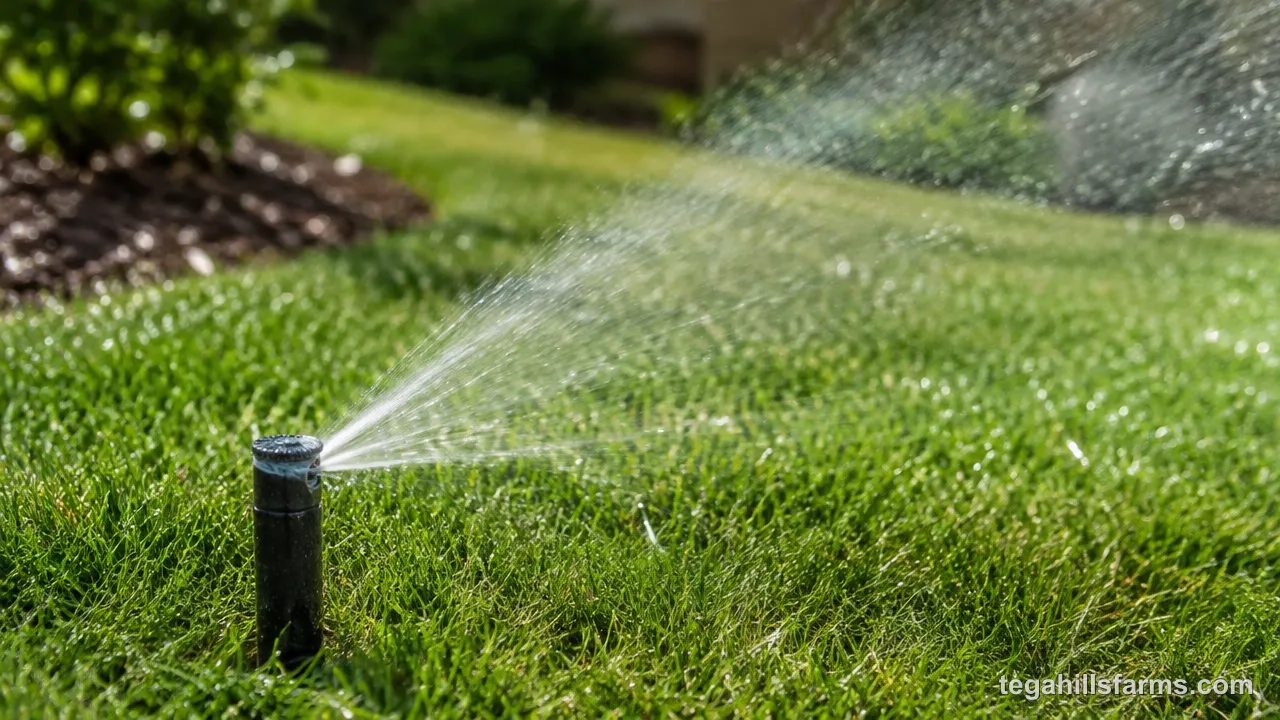
That inch is a depth, the same way a rain gauge reports rainfall. If none of it soaked in, it would stand one inch deep across the whole yard. Measuring in depth rather than gallons matters because depth doesn’t change with lawn size. A small front strip and a large backyard both need the same inch, so the runtime for any zone depends only on how fast its heads deliver water.
Rain counts toward the weekly target. A rain gauge or a straight-sided can in an open spot tells you how much fell, so you can cut that week’s runtime instead of stacking irrigation on top of a soaking storm.
Delivery has to be even for this target to mean anything. Coverage area and water pressure decide which heads suit your yard, and knowing how to choose a sprinkler that fits your lawn’s size and shape keeps that inch landing evenly instead of piling up in one spot.
How Long to Run Spray Sprinklers Per Zone
Give each pop-up station 30 to 45 minutes on every watering day, broken into short cycles so the water soaks in instead of running off.
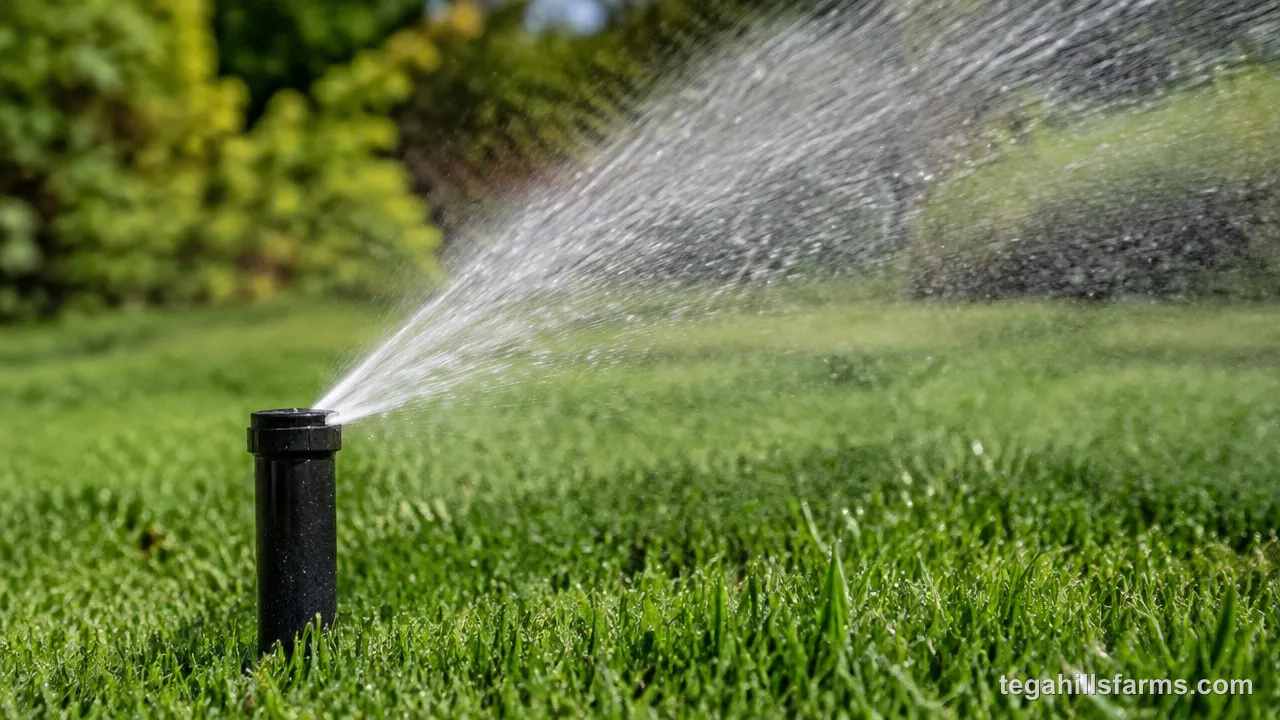
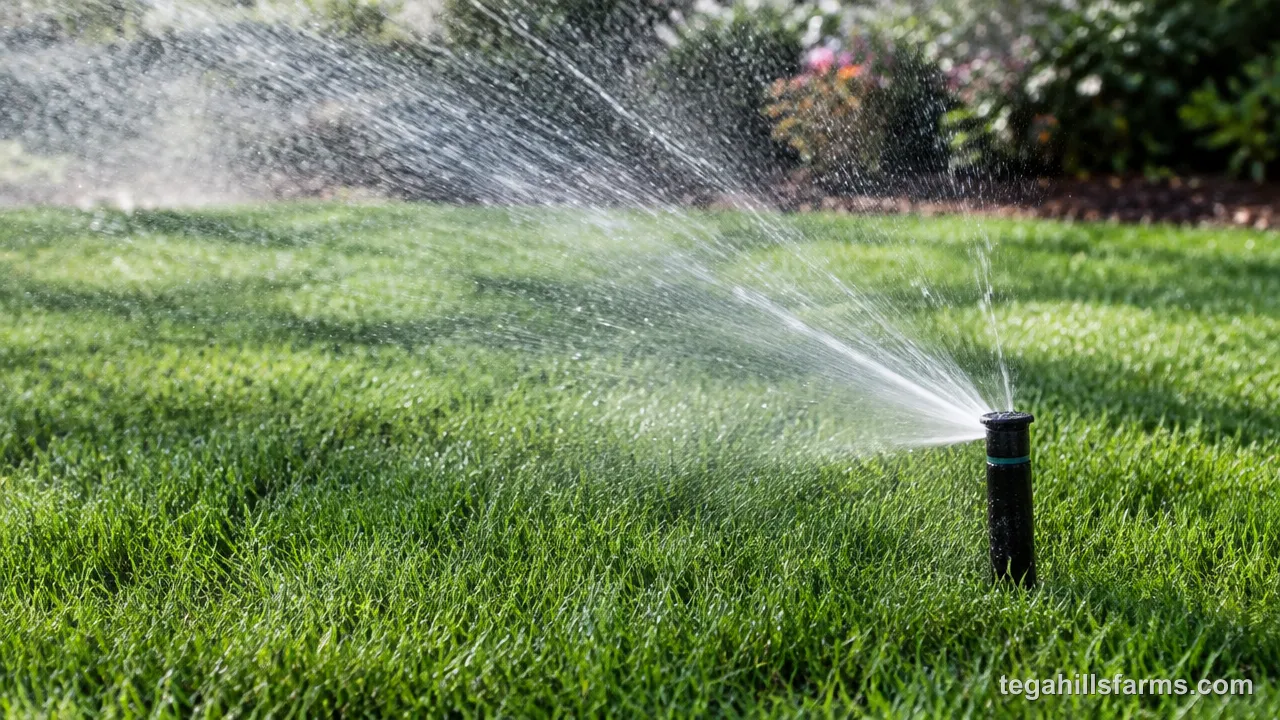
Popup spray heads throw a fixed fan of fine droplets over a short radius, so they need more clock time than any other overhead head to reach the weekly target. That slow, close-range delivery is easy on the soil surface, but it also means an underpowered schedule leaves the root zone dry while the grass blades look wet. Getting the total and the cycle pattern right decides whether those minutes reach the roots or end up on the sidewalk.
Weekly Run Time for Spray Zones
A spray zone needs about 2 hours of total runtime each week to meet the weekly target. The reason is the delivery rate: a pop-up spray head puts down roughly 1/2 inch per hour, so it takes that long of operation to build up a full inch across the zone.
That total is a starting point for an average zone with no rain. Subtract rainfall first, then spread what remains across the week.
Keep spray heads and rotors on separate zones. Because the two head types deliver water at different rates, a mixed zone always overwaters one area or underwaters the other, and no runtime fixes both at once.
Run Time Per Session
Split the weekly total across the week’s watering days, and run common spray heads about 10 minutes at a time within each day. Most controllers allow several start times per program, so a single watering day can hold three or four short cycles with a pause between them.
Short cycles work because water that lands faster than the soil can take it moves sideways. On compacted or heavy soil, the first few minutes soak in and the rest collects on the surface and runs toward the lowest point. A pause lets each pass sink before the next one arrives.
Head spacing affects how well each cycle works. Knowing how to set up a sprinkler with overlapping coverage keeps every short cycle wetting the whole zone instead of leaving dry arcs between heads.
How Long to Run Rotor Sprinklers Per Zone
Plan on 20 to 30 minutes of station time on each watering day, because rotating streams put water down faster than fixed spray fans.
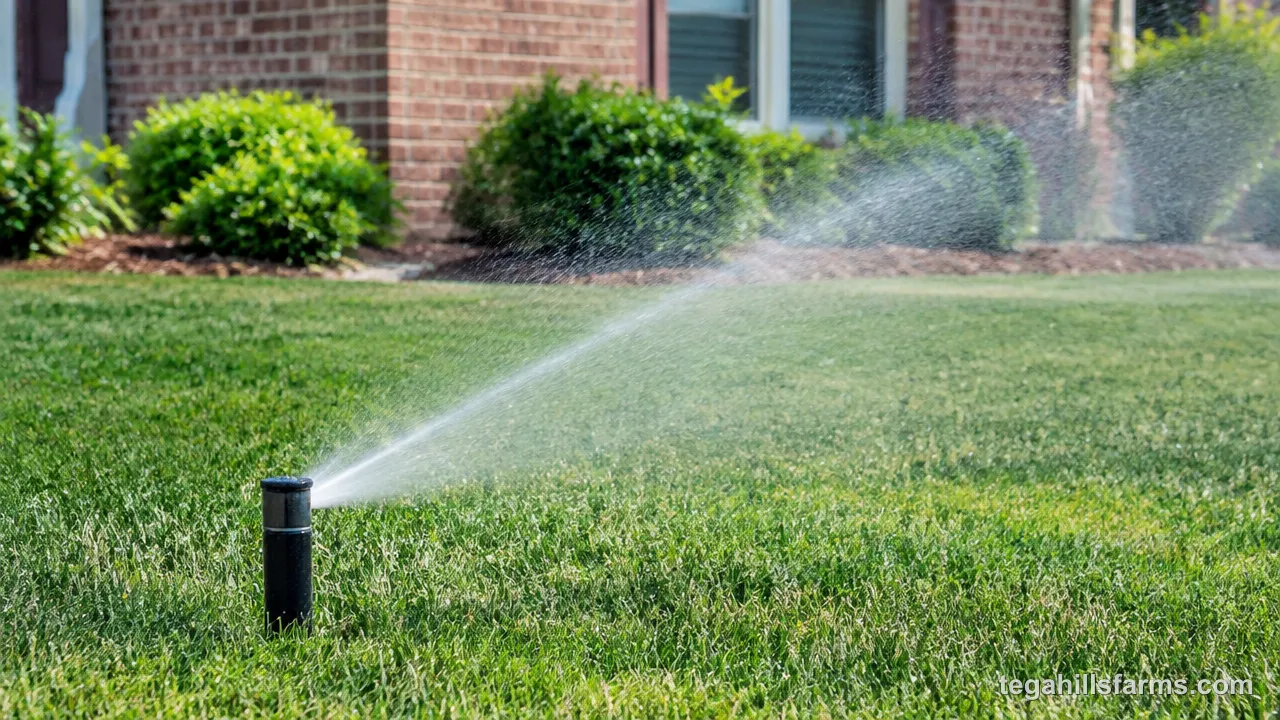
Rotors, including MP rotor heads with their multiple rotating streams, throw water farther and cover larger areas than spray heads. Their faster output shortens the schedule, but it also leaves less margin before water starts pooling on slow-draining soil. That trade-off decides how the weekly total should be broken up.
Weekly Run Time for Rotor Zones
A rotor zone needs about 1 hour of total runtime per week. Rotors deliver roughly 1 inch per hour, so an hour of operation covers the weekly target on its own, which is why rotor zones finish well ahead of spray zones on the same controller.
The higher precipitation rate is the whole reason for the shorter schedule. Each minute of rotor time puts down more water than a minute of spray time, so copying a spray zone’s minutes onto a rotor zone overwaters it.
As with spray zones, subtract any rainfall from the weekly target before setting the timer.
Splitting Rotor Run Time Across Sessions
Split rotor time into two 30-minute sessions per week, both in the early morning. Two longer sessions push water deeper into the soil than several light ones, and deeper moisture encourages roots to follow it down, which makes the grass more tolerant of hot spells.
Watch the end of each session. If water starts pooling or running onto pavement before the 30 minutes are up, the soil has reached its absorption limit for that zone. Break the session into two shorter cycles with a soak period between them rather than cutting total time, since the grass still needs the full weekly amount.
On loose, well-draining soil, a single 30-minute run usually soaks in without trouble.
How Long to Run Drip Irrigation Per Station
Emitter lines run far longer than overhead heads, because each emitter releases a small flow measured in gallons per hour right at the roots.
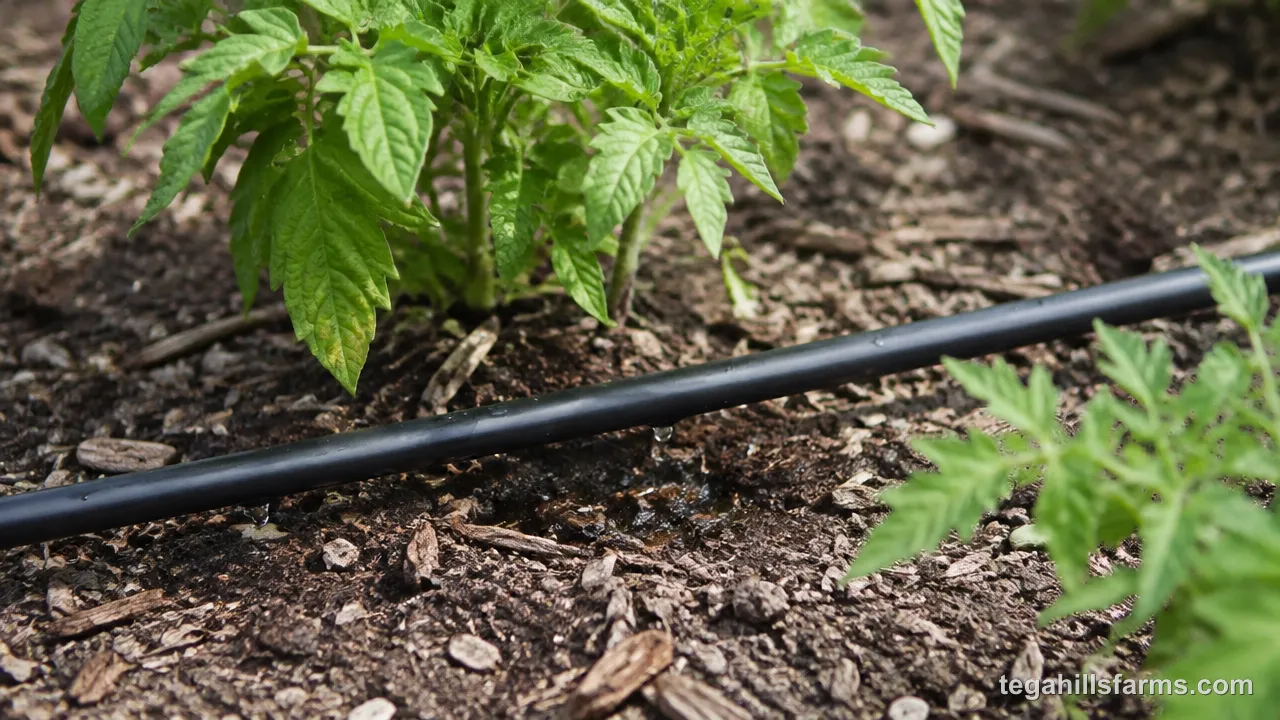
Drip irrigation is built for beds, shrubs and containers rather than turf, so the weekly lawn inch doesn’t apply. Runtime depends on how many emitters serve each plant, how fast they flow, and how deep the plants’ roots reach. Dripline, with emitters built into the tubing at fixed spacing, and individual emitters on solid tubing both follow the same logic: slow, targeted delivery that loses little to wind or evaporation, but needs time to spread through the soil.
Drip System Water Delivery Rate
Drip emitters deliver water in gallons per hour per emitter, a far slower and more targeted flow than spray or rotor heads. The rate is printed on the emitter or listed by the manufacturer, and dripline packaging states the flow per built-in emitter along with the spacing between them.
That slow flow is the point. Water seeps into the soil at about the speed the soil can take it, so runoff and evaporation are rarely a problem.
The trade-off is that a short run barely wets the ground. A drip station that runs on a spray zone’s schedule leaves the root zone dry, even though the soil surface around each emitter looks damp.
Calculating Drip Runtime for Your Soil
Start with the manufacturer’s runtime guidance for your emitters, then check how deep the moisture actually reached and adjust from there. Run the station, wait a few hours for the water to settle, and dig a small hole beside an emitter with a trowel or push in a soil probe. Moisture should reach the depth of the plant’s roots; shrub roots sit deeper than annuals or container plants.
Soil type changes how the water spreads. In sandy soil, water drops straight down in a narrow column, so emitters need closer spacing and shorter, more frequent runs. Clay spreads water sideways in a wide, shallow bulb, which suits longer runs on fewer days.
I trust a trowel check the day after a run more than any chart, because it shows exactly where the water went.
How to Measure Your Sprinkler Output
A catch cup test gives the real number: set identical straight-sided containers across one zone, run it for a timed period, and read the depth collected in each.
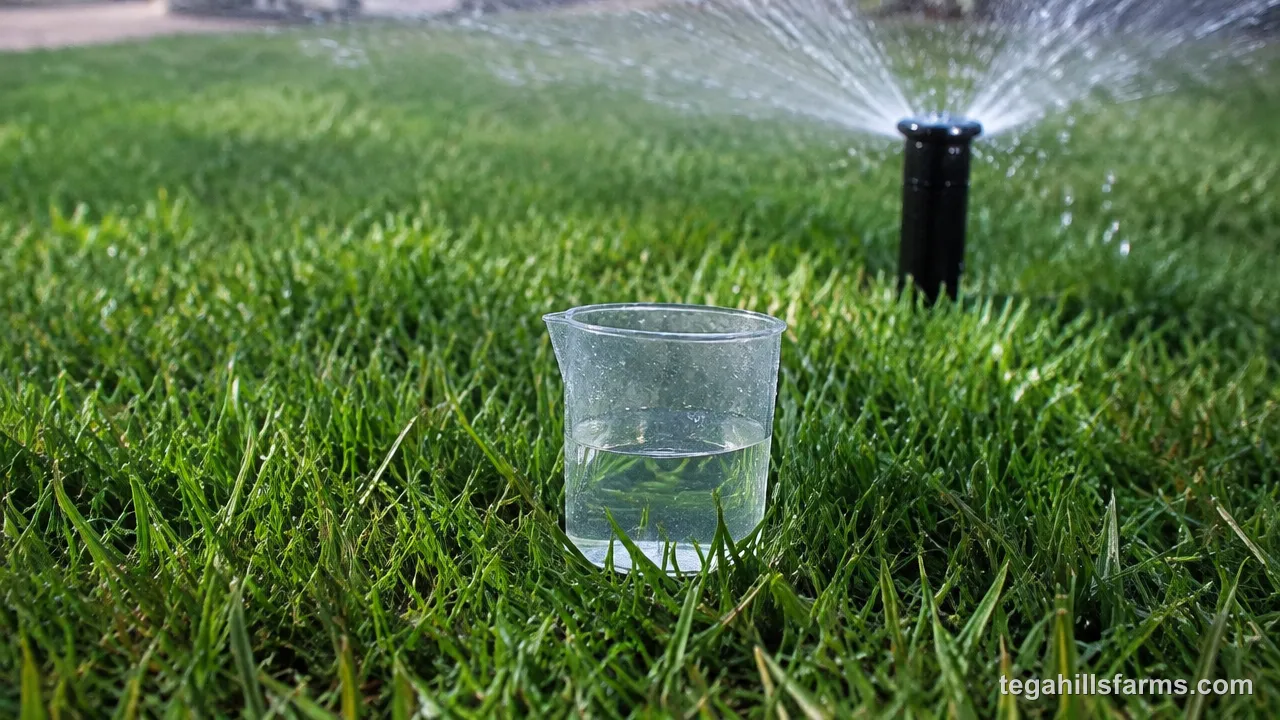
Rated delivery rates assume ideal pressure and clean nozzles. In a real yard, low pressure, clogged or worn nozzles, and mismatched heads all change what lands on the grass, so two zones with identical heads can deliver very different amounts. The test also shows where coverage is thin, which is useful when deciding what size sprinkler you need for a corner that never gets enough water.
Setting Up the Catch Cup Test
Use tuna cans, catch cups sold for the purpose, or any identical containers with flat bottoms and straight sides. Matching containers matter, because a sloped side or a narrow opening changes how much water each one catches.
Lay the containers in a rough grid across the zone: some close to the heads, some midway between them, and some near the edges. Keep them clear of the spray stream’s direct path so no head blasts a single cup.
Run the test in the early morning with no other water running in the house, so pressure matches normal operation. Time the zone with a phone timer, shut it off, and measure the water depth in every container with a ruler. Write each reading down by position.
Using Test Results to Adjust Run Time
Average the readings, then convert that average into an hourly rate: divide the depth by the number of minutes you ran the test and multiply by 60. That figure is the zone’s real precipitation rate.
Divide the weekly target by that hourly rate to get the zone’s weekly runtime, then split it across your watering days and enter the result into the zone timer setting.
Look at the spread before changing any minutes. If a few containers caught much less than the rest, a clogged nozzle, a tilted head or poor overlap is the cause. Fix the hardware first, because adding minutes to rescue one dry spot overwaters everything else in the zone.
What Time of Day Should You Run Sprinklers?
The best window is between 4:00 and 6:00 a.m., when cool, calm air keeps evaporation low and the sun dries grass blades soon after watering ends.
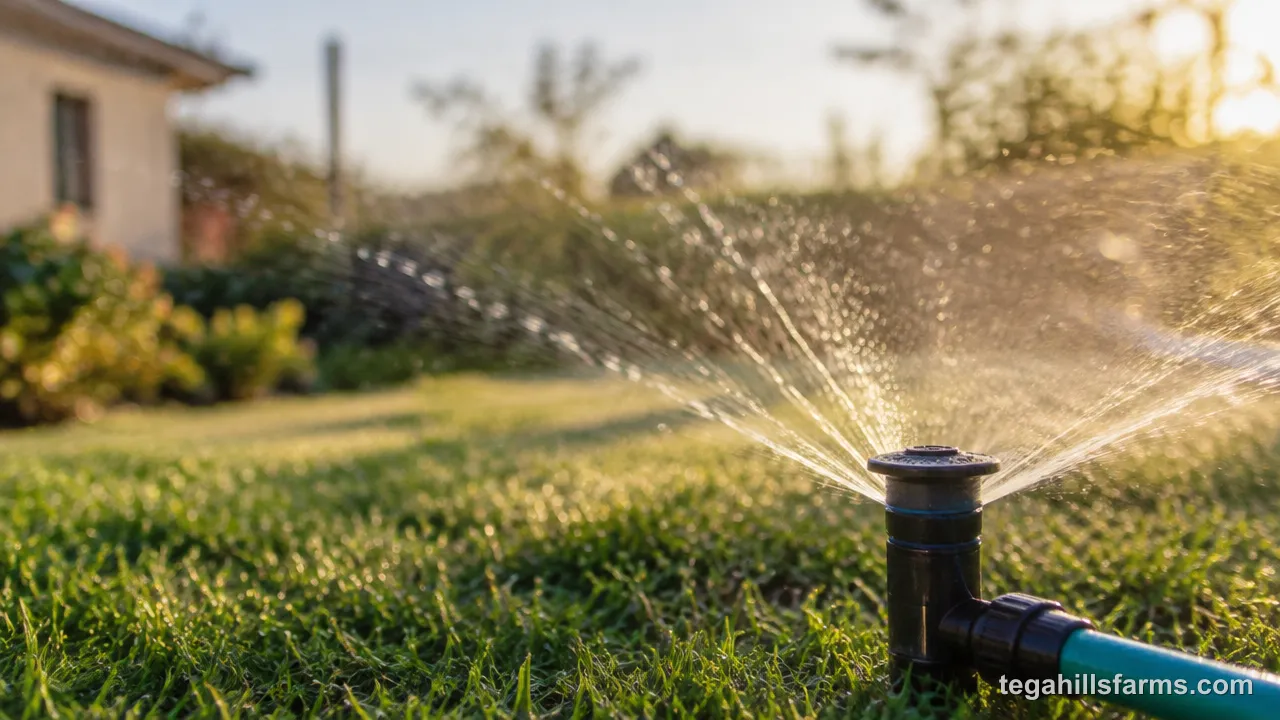
Timing changes how much of each session actually reaches the roots and how long the grass stays wet afterward. Both affect whether the minutes on the controller translate into a healthy lawn or into lost water and disease.
Why Early Morning Works Best
Early morning combines the lowest evaporation of the day with a full day of drying time. Air is cool, wind is usually calm, and the sun is not yet heating the surface, so water soaks in instead of drifting away or evaporating off the blades.
Water pressure is also often steadier before the morning rush of showers and dishwashers, which keeps heads throwing their full pattern.
The grass is already wet with dew at that hour, so watering adds little to the time blades stay damp. Once the sun rises, the leaves dry within hours. Short leaf-wetness periods matter because fungal lawn diseases need extended moisture on the blades to take hold.
Times to Avoid Watering
Midday and evening are the two windows to avoid. In midday heat, sun and wind evaporate a large share of the water before it soaks in, and fine spray drifts off target. The common belief that water droplets scorch grass in the sun isn’t the real problem; the lost water is.
Evening and nighttime watering creates the opposite issue. Grass goes into the night wet and stays wet until morning, giving fungal diseases such as brown patch and dollar spot the long leaf-wetness period they thrive on.
Late afternoon carries a milder version of both risks, so if early morning isn’t possible, finish watering early enough that blades dry before dark.
How Often Should You Water Your Lawn?
A standard system schedule runs three times per week, with each session long enough to soak the root zone rather than dampen the surface.
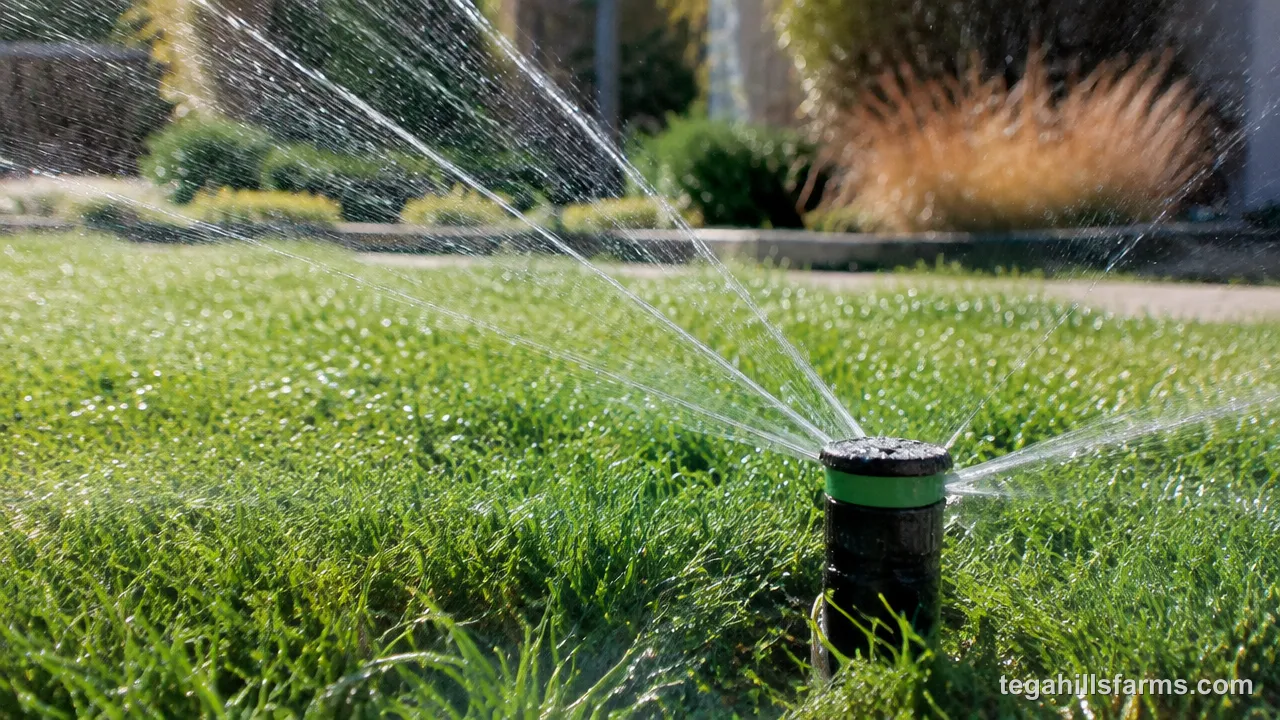
Deep, infrequent watering trains roots to grow downward toward stored moisture. Daily light watering does the opposite: it keeps moisture near the surface, roots stay shallow, and the lawn wilts fast once a hot week arrives. The frequency you choose shapes root depth as much as the minutes on the controller.
Standard Watering Schedule
An established lawn under typical conditions does well on three watering days, each delivering about one-half inch per session. That half inch is enough to wet the soil well below the surface without saturating it.
Three half-inch sessions put down more than the weekly target, so treat three days as the schedule for hot, dry stretches. In milder weeks, two sessions cover the target, and the rotor schedule already works this way.
Space the days out rather than running them back to back. A day or two between sessions lets the top layer dry slightly, which pulls roots deeper and discourages fungal growth.
Adjusting Frequency for Weather and Soil
Raise frequency during heat waves and windy stretches, and cut it back after rain or during cool weather. Hot, dry air pulls moisture from soil and blades faster, so the lawn uses up each session sooner. After a soaking rain, skip the next session entirely. A rain sensor does this automatically by shutting the controller off when it detects rainfall.
Soil changes frequency too. Sandy soil drains fast and holds little water, so it needs more frequent sessions with less water each time. Clay holds moisture longer, so it can go more days between waterings.
A schedule that suddenly stops working can point to the equipment rather than the weather. Worn seals and nozzles deliver less evenly over time, and knowing how long sprinklers last helps you tell a failing head from a schedule that needs adjusting.
Does Grass Type Change Sprinkler Run Time?
Yes, but mostly in seasonal timing and frequency; the minutes per zone still come from how fast each head delivers, not from the turf variety.
Cool-season and warm-season grasses grow at different times of year and handle heat and drought differently. That decides when your lawn needs the most water and how it responds to a dry spell. Your USDA Hardiness Zone and local climate determine which group fills your yard, and many transition-area lawns mix both.
Cool-Season Grass Watering
Kentucky bluegrass, perennial ryegrass, tall fescue and fine fescue grow fastest in spring and fall and slow down in summer heat. They need consistent moisture through hot weather to stay green, because summer is when they struggle most.
The four differ in how they handle a dry spell. Kentucky bluegrass goes dormant and turns brown in drought, then recovers when water returns. Tall fescue roots deeper and holds up better between waterings. Perennial ryegrass has shallower roots and dries out sooner. Fine fescue tolerates shade and lower water but thins under heavy summer heat.
For these lawns, the summer months call for the full schedule, while spring and fall rain often covers much of the weekly target.
Warm-Season Grass Watering
St. Augustine, Bahiagrass, Bermuda grass, Zoysia grass and Centipedegrass grow most actively in summer heat and go dormant when temperatures drop. They tolerate heat better than cool-season grasses, but they still need regular deep watering during the growing season to stay dense.
Drought tolerance varies within the group. Bermuda grass and Bahiagrass handle dry spells well thanks to deep roots. Zoysia sits in the middle. St. Augustine wants more regular water to stay green. Centipedegrass is shallow-rooted and shows drought stress quickly.
Once warm-season grass goes dormant in late fall, cut watering back sharply. Dormant turf uses little water, and a full summer schedule only feeds weeds and disease.
A controller runs every zone for its set minutes whether the water lands on loose loam, packed clay or a bank that falls toward the street. On heavy soil and on slopes, water arrives faster than it sinks in, so it sheets off the high ground, collects in the low corner and leaves the top of the yard dry while the water bill keeps climbing.
Adjusting Run Time for Soil Type and Slope
On clay soil and slopes, keep the total weekly runtime the same but break each session into shorter cycles with a soak period between them, a method called cycle and soak. The goal is to match delivery to the soil’s absorption speed, so every minute of water stays where it lands. Sandy soil rarely needs this treatment, since it absorbs water quickly enough to keep up with most heads.
Clay Soil Runtime
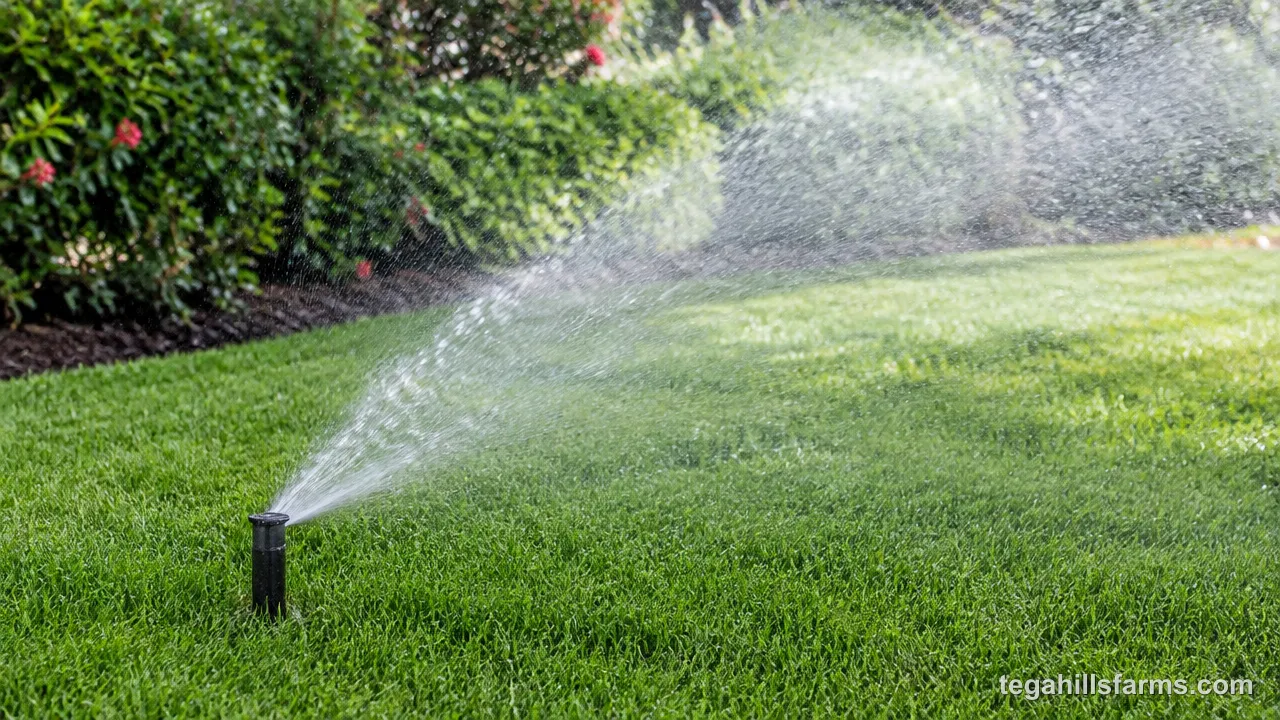
Clay soil absorbs water slowly, so run spray zones in cycles of 5 to 10 minutes and let the water soak in before the next cycle starts. Clay particles are tightly packed, and water that arrives faster than it can enter those small pores sits on top and spreads to the lowest point.
A good sign the soak period is long enough: the surface no longer looks shiny when the next cycle begins. Many controllers have a built-in cycle and soak setting that handles the split automatically. Clay’s slow drainage also means it holds moisture well once wet, which is why fewer, well-split sessions suit it better than frequent light ones.
Watering on Slopes
Slopes need shorter cycles even on well-draining soil, because gravity pulls water downhill before it has time to soak in. The steeper the grade, the less time each drop spends on the surface, so effective absorption drops no matter how loose the soil is.
The result is a predictable pattern: a dry strip at the top of the hill and soggy turf at the bottom. Cycle and soak on slopes means cutting each cycle shorter than you would on flat ground and allowing a longer pause between cycles.
If possible, put a slope on its own zone. Rotors on a hillside run off sooner than spray heads because of their faster output, so they especially benefit from separate programming.
New Lawn vs Established Lawn Watering
Newly seeded lawns need light, frequent watering that keeps the top layer of soil constantly moist, often more than once a day, while established lawns need the deep, infrequent sessions covered above. Seed sits at or near the surface, and if that thin layer dries out even once after germination starts, the sprouting seed can die.
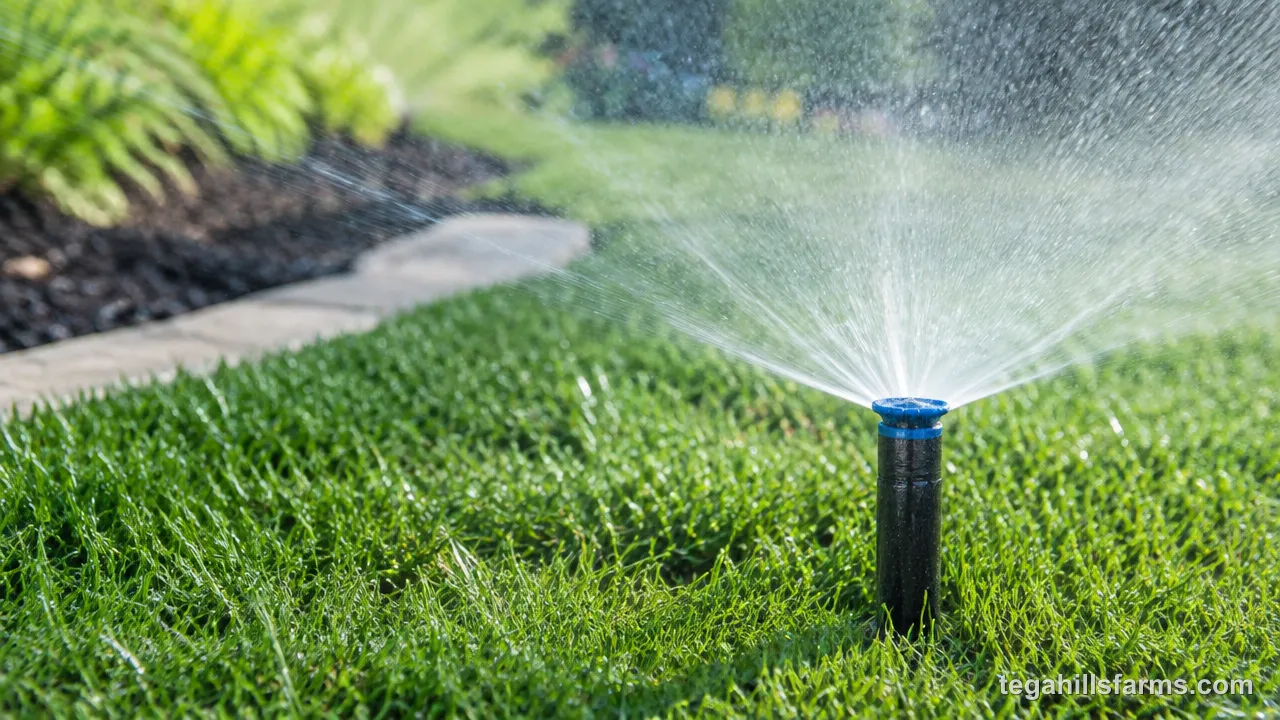
Use short runs, just long enough to moisten the surface without washing seed away or puddling. As seedlings root and the grass fills in, lengthen each run and cut the number of sessions in steps, until the new lawn is on the same schedule as the rest of the yard.
Mixing up the two schedules causes problems in both directions. An established-lawn schedule on new seed leaves long dry gaps that kill germinating grass. A seedling schedule on mature grass keeps moisture near the surface, so roots stay shallow and the lawn becomes prone to disease and drought stress.
Programming Your Sprinkler Timer
Programming a controller comes down to four settings: the start time, the watering days, the runtime for each zone, and any extra start times for cycle and soak. Labels differ between brands, but most controllers follow the same order:
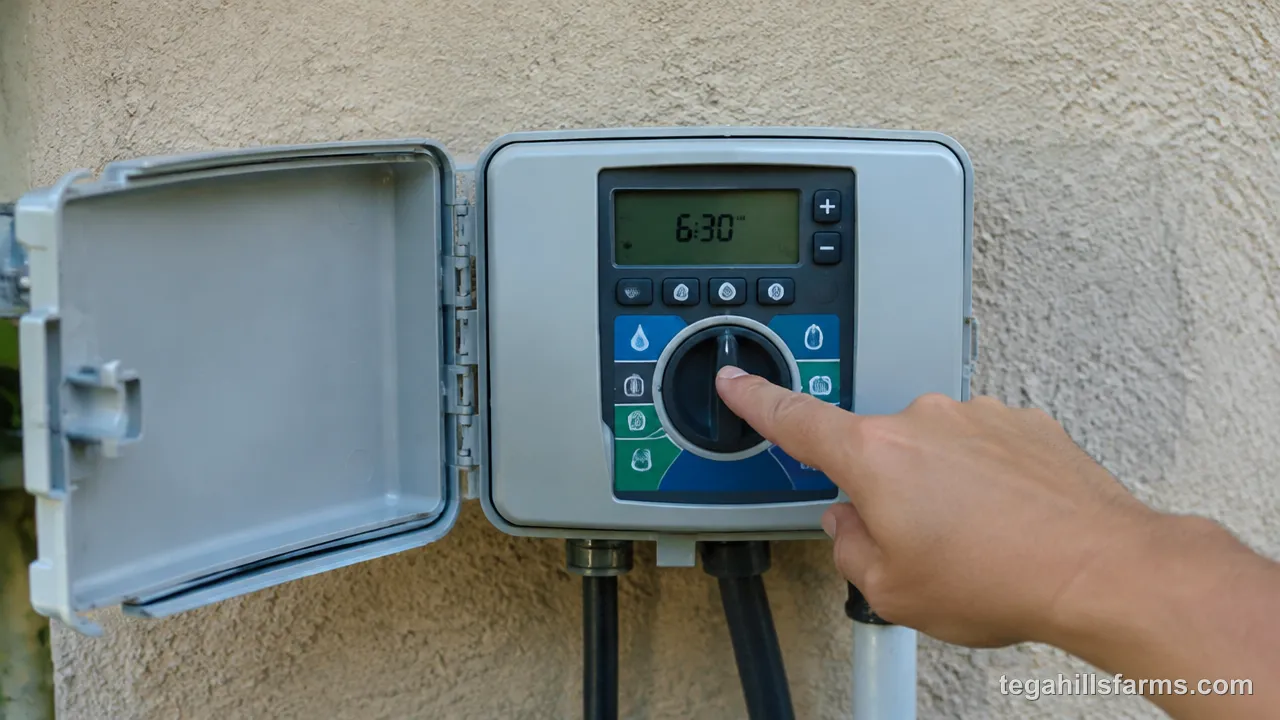
- Set the clock and date so the schedule fires at the right hour.
- Choose a program (often A, B or C) and enter a start time inside the early-morning window.
- Select the watering days, spaced out across the week.
- Enter each zone’s runtime from your catch cup results, keeping spray, rotor and drip zones at their own lengths.
- Add extra start times or turn on the cycle and soak feature to split long runs into shorter cycles.
- Connect or enable the rain sensor or rain delay.
Put drip stations on a separate program. Their runtimes and watering days differ so much from turf zones that sharing one program forces a compromise that suits neither.
Most controllers also have a seasonal adjust setting that scales every zone’s runtime up or down at once, which saves reprogramming each zone as the weather changes. Smart controllers with weather-based adjustment do this automatically, and comparing how much a sprinkler costs at each feature level helps you decide whether that automation is worth it for your yard.
What Are Signs You’re Watering Too Much or Too Little?
The lawn shows a watering problem through how it feels underfoot and how it looks, usually weeks before grass dies. Catching those signs early lets you fix the problem by changing a zone’s minutes or days instead of reseeding bare patches later.
Overwatering Symptoms
An overwatered lawn feels spongy and squishes underfoot, and puddles linger for hours after a session ends. Soggy turf is often the first sign, especially in low spots and at the bottom of slopes.
Other signs follow as the extra water builds up. Mushrooms, algae and moss appear on constantly damp soil. Fungal diseases such as brown patch show up as irregular brown rings or patches. Grass pulls up easily because roots stay shallow when moisture never drops below the surface. Weeds that thrive in wet ground, such as nutsedge, spread through the lawn.
The fix is to cut runtime or drop a watering day for that zone, then watch whether the surface firms up within a week or two.
Underwatering Symptoms
Underwatered grass turns a blue-gray color and the blades fold or curl lengthwise to reduce moisture loss. Footprints are another early warning: healthy turf springs back after you walk on it, while thirsty grass stays flattened and leaves visible prints.
Dry patches tend to appear first near driveways, sidewalks and high spots, where heat and runoff dry the soil fastest. The soil feels hard, and a screwdriver is difficult to push into it.
Before adding minutes to every zone, check the catch cup results for the area showing stress. A single dry patch usually points to a clogged nozzle or poor head overlap, and fixing that restores even coverage without overwatering the rest of the lawn.


Write Your Review
No reviews yet. Be the first to share your experience!