

My picks for the best garden spades for clay soil in 2026 are WIKER Drain Spade 45in (Best Overall), Root Slayer Nomad Garden Spade 22311 (Best Precision Cutting), Spear Head Spade SHFD3 40in Garden Spade (Editor’s Choice), KOLEIYA Drain Spade 45in (Best Budget), KOLEIYA Digging Shovel 57in (Also Great), Fiskars Pro Garden Shovel 44in (Also Great) and Spear Head Spade SHLF2 58in Garden Spade (Also Great).
Clay asks more of a spade than loose loam does. The blade needs a shape and edge that slice into dense soil instead of glancing off it. It also needs steel that stays stiff and resists the rust wet clay invites, and a handle and footrest that let your leg drive each stroke.
The bigger worry is what heavy soil does to your body. Wet clay clings to the blade with real suction, and a dull or flimsy tool forces you to heave with your arms and lower back, which is where a long session of digging starts to hurt.


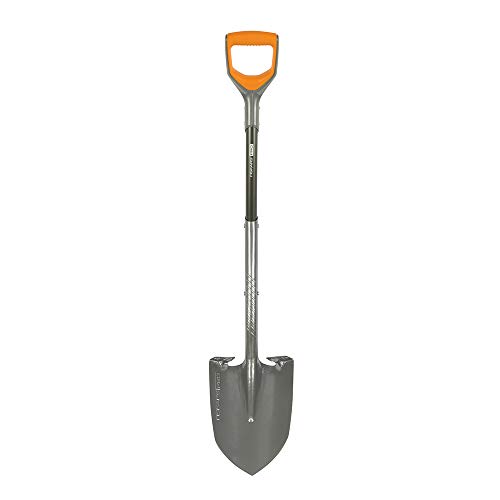

A narrow drain-spade head suits planting and transplanting in tight, sticky beds. A spear-shaped blade with footrests on a long handle gives you more leverage when you dig deep holes or open a new bed.
What Should You Look for in a Garden Spade for Clay Soil?
Dense, sticky ground rewards a blade that slices instead of pushes and a handle that turns leg power into leverage, and it quickly exposes a dull, flat or flimsy tool. In loose loam almost any spade gets the job done, but clay grips the steel, resists the edge and adds weight to every load. Small differences in how the blade is shaped, what it is made of and how the handle feels therefore show up as sore wrists and a slower dig. If only part of your yard is clay, you can compare other designs among the best garden spades.
Which Blade Shape and Edge Cut Through Clay Best?
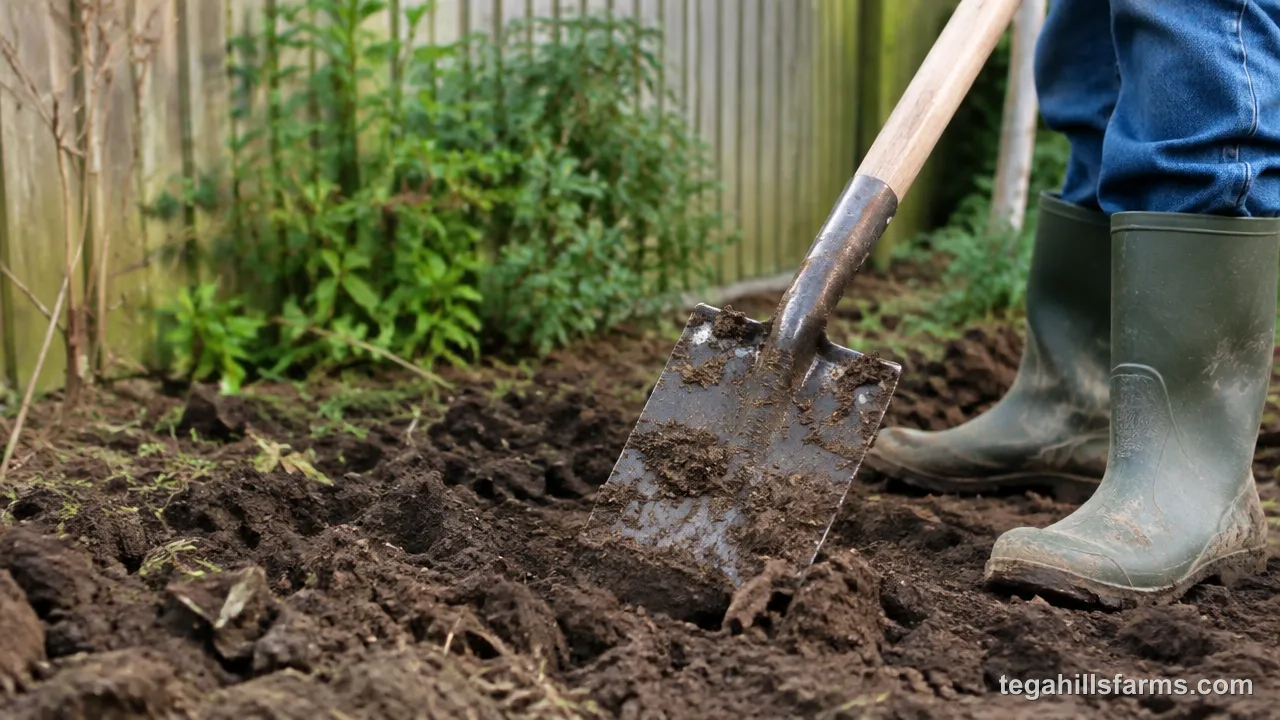
A pointed or spear-shaped tip with a honed edge parts dense clay with much less effort than a flat, blunt blade. The point concentrates your body weight on a small area, so it breaks into the ground first and the rest of the blade follows through the opening. A blunt edge pushes the clay down and compacts it instead of cutting it.
The face of the blade matters almost as much as its outline. A smooth, coated or polished surface lets sticky clay slide off, so you can dump the load in one motion and stop less often to scrape the blade clean.
Shape also separates the tool types. A spade has a flatter, straighter blade made for cutting and lifting. A shovel has a dished blade that scoops loose material well but needs more push in heavy ground. A drain spade, often called a sharpshooter, uses a long, narrow blade that sinks deep and removes less soil per cut. That suits planting holes and trenches, but it moves less earth when you turn a bed. Serrated hybrids add teeth that saw through roots, though the teeth can catch and hold sticky clay.
Is a Stainless Steel or Carbon Steel Blade Better in Clay?
For heavy, compacted clay, carbon or manganese steel is the stronger choice. Stainless suits gardeners who care most about easy cleaning and rust resistance.
Stainless has a slick surface that sheds sticky soil, and it will not rust when you leave it damp. Its weak point is often the neck, where the blade is welded to the socket, and a stainless head pried hard against a clod can bend or crack there. Carbon and manganese steel are stiffer and hold a sharpened edge longer, so they keep cutting cleanly through dense ground. Bare carbon steel rusts quickly, though, once wet clay dries on it.
Protective coatings narrow that gap. Powder coat, epoxy and layered anti-corrosion finishes seal the steel and give it a smoother face, so clay releases more easily and rust has less chance to start. Once the coating wears through at the edge, drying and oiling the steel take over that job. If rust resistance matters more to you than stiffness, the best stainless steel spades are a better fit than coated carbon steel.
How Do Handle Length, Grip and Weight Affect Digging in Clay?
A longer shaft gives you more leverage and less bending, a D-grip or cushioned grip steadies your hands, and a footrest lets your leg drive the blade. Together they decide how tired you are at the end of a session.
A long shaft helps you pry clods loose and lets you stand straighter, which spares your lower back, but it is harder to steer in a crowded bed. A shorter tool with a D-grip keeps your hands close to the work for precise control. Cushioned or anti-slip grips mean you don’t have to squeeze as hard, and that matters for smaller or weaker hands.
A forward-bent footrest or wide tread gives your boot a flat surface to stand on. You can then drive the blade down with your leg and body weight instead of pumping it with your arms, and in clay that does more for your wrists than any grip.
Fiberglass handles resist rot, swelling and sun damage and are hard to snap. Wood absorbs shock well but weakens if it is left out in the weather. A heavier spade stays steady and sinks the blade under its own mass, but it tires your wrists and back sooner over a long dig. If you are tall or often dig deep holes, the best long handle spades are worth comparing.
The 7 Best Garden Spades for Clay Soil of 2026
I recommend WIKER Drain Spade 45in, Root Slayer Nomad Garden Spade 22311, Spear Head Spade SHFD3 40in Garden Spade, KOLEIYA Drain Spade 45in, KOLEIYA Digging Shovel 57in, Fiskars Pro Garden Shovel 44in and Spear Head Spade SHLF2 58in Garden Spade for homeowners digging dense or sticky clay. Narrow drain-spade heads slip into tight planting spots without widening the hole. The long-handled models give you leverage for deep holes and trenches, and the serrated Root Slayer Nomad Garden Spade 22311 cuts through ground full of roots. Weight and grip decide how long you can keep going. A heavy, steady head suits short bouts of hard prying, while a lighter tool with cushioned grips is easier on your hands over a long session of planting.
#1 WIKER Drain Spade 45in — Best Overall
If you plant and transplant in established beds, this narrow drain-spade head lets you dig deep beside a plant without tearing up the ground around it, and the coated manganese steel blade copes with sticky, hard or rocky clay. The D-handle adds leverage for prying out roots.
Key Specs:
- Length: 45 in
- Blade: narrow drain-spade head, high-strength manganese steel
- Finish: three layers of anti-corrosion coating
- Handle: fiberglass with D-handle
- Warranty: lifetime
Detailed Review:
The slender head is what makes this spade so useful in clay. It cuts a deep, narrow slot, so you can go down right beside a shrub or perennial and lift it with its full root system instead of carving out a wide crater that damages the lawn around it. Each cut also removes less soil, which keeps the load light enough to lift even when the clay is wet and sticky.
High-strength manganese steel gives the head enough stiffness and sharpness to slice through turf and hard or rocky ground. The three-layer anti-corrosion coating protects that steel where clay dries on it and gives the face a smoother surface for sticky soil to slide off.
The D-handle gives you a firm hold when you rock the blade to free a root ball, and the fiberglass handle stands up to rain and direct sun. The same narrow profile cuts clean trenches for irrigation lines and holes for fence posts.
I would not choose it for turning over a whole bed, since the slim head moves less earth per scoop. For planting, transplanting and root work in clay, though, it is the tool I’d reach for first.
Pros:
- Narrow head digs deep without widening planting holes.
- Three-layer coating helps clay slide off and resists rust.
- D-handle gives solid leverage for prying roots.
- Fiberglass handle holds up to rain and sun.
- Lifetime warranty backs the tool.
Cons:
- Narrow blade lifts less soil per scoop.
- Slim head is slow for turning a whole bed.
Who It’s For:
Gardeners who spend most of their digging time planting, moving perennials and pulling out rooted shrubs in heavy clay will get steady use from this spade. It also handles trenches for irrigation lines and fence-post holes. If your main job is turning over large beds, a full-width blade will move soil faster.
Editor’s Verdict:
Narrow, coated and sharp, this spade digs deep, sheds sticky soil and pries out roots without asking much of your wrists.
#2 Root Slayer Nomad Garden Spade 22311 — Best Precision Cutting
Clay full of tree roots is where this spade earns its keep, because the ripsaw-style teeth and sharpened inverted V tip saw through roots and compact ground that stall a smooth blade. Its compact head stays easy to steer in raised beds.
Key Specs:
- Model: 22311
- Weight: 2.7 lb
- Blade: powder-coated carbon steel with serrated edges
- Tip: sharpened inverted V
- Shaft: fiberglass with non-latex grips
Detailed Review:
Ripsaw-style teeth run along the edges of the blade, so they saw through roots as you rock the handle instead of stopping the stroke. The sharpened inverted V tip concentrates force on a small point and bites into compact soil where a flat edge would stall. Together they let you open a planting hole and clear roots in one pass.
The compact head slips between established plants and fits inside raised beds and narrow planting strips. Each scoop lifts less clay, though, and the smaller tool gives you less leverage when a heavy clod won’t break free. In open ground with deep holes to dig, that size slows you down.
The powder-coated carbon steel blade keeps its strength under prying and resists corrosion when damp clay clings to it. The fiberglass shaft and non-latex grips give a stable, comfortable hold, which helps if latex irritates your skin. This spade is much lighter than the Fiskars Pro Garden Shovel 44in, so it is easier on your wrists through a long session of root cutting. The heavier Fiskars sits steadier when you lean into tough ground.
Pros:
- Serrated teeth cut roots without switching tools.
- Inverted V tip bites into compact soil.
- Compact head maneuvers easily in raised beds.
- Non-latex grips stay comfortable and secure.
Cons:
- Small blade lifts less clay per scoop.
- Compact size gives less leverage on stubborn clods.
Who It’s For:
Anyone fighting tree roots in clay, or working inside raised beds and narrow strips between plants, will find this compact spade easy to handle. It also suits gardeners with smaller hands or less grip strength who want a light tool. If you need to turn or trench a large area, a full-size blade will finish sooner.
Editor’s Verdict:
Pick this one when roots, not only clay, stop your digging, because the serrated blade and V tip handle both in tight spaces.
#3 Spear Head Spade SHFD3 40in Garden Spade — Editor’s Choice
For rocky or stubborn clay in a mixed border, this spear-shaped carbon manganese steel blade finds the path of least resistance and slips past stones instead of jamming on them. Forward-bent footrests let your leg do the driving.
Key Specs:
- Overall length: 40 in
- Blade: 9 x 11 in, spear-shaped carbon manganese steel
- Edge: pre-sharpened, under a self-sharpening epoxy powder coat
- Handle: steel-reinforced fiberglass
- Grip: cushioned, UV-resistant D-grip
- Footrests: forward-bent
Detailed Review:
In clay full of stones, the spear-shaped tip slides into gaps rather than meeting a rock head-on. The carbon manganese steel is thicker and harder than a standard digging shovel’s, so the blade holds its shape when you pry against a buried stone.
Powder coat sealed with epoxy resin gives the blade a smooth face that helps clay drop away. As the coating wears from the tip with use, it exposes a pre-sharpened edge underneath. The blade gets sharper over time instead of duller, so each stroke keeps cutting rather than shoving.
Forward-bent footrests give your boot an angled platform to stand on, and the cushioned, UV-resistant D-grip keeps your hands steady while you rock the blade loose. The steel-reinforced fiberglass handle resists weather and adds stiffness for prying.
The Spear Head Spade SHLF2 58in Garden Spade puts a blade of the same size on a much longer handle. This shorter model keeps your hands closer to the work, which gives finer control when you split perennials or dig beside a shrub. The longer model offers more reach for deep holes.
Pros:
- Spear tip slips past stones in rocky clay.
- Coating wears away to expose a pre-sharpened edge.
- Forward-bent footrests let you drive with your leg.
- Steel-reinforced fiberglass handle resists weather.
- Cushioned D-grip gives steady control.
Cons:
- Shorter handle means more bending for deep holes.
- Spear point cuts a less square edge than a flat blade.
Who It’s For:
Gardeners digging tough, stony clay in mixed borders, splitting perennials or moving shrubs, will appreciate how easily this spade steers close to plants. It suits anyone who values control over reach. Taller diggers who often work deep holes may prefer the Spear Head Spade SHLF2 58in Garden Spade, which offers more reach.
Editor’s Verdict:
This spear-bladed spade pairs a stone-seeking point and a self-sharpening edge with footrests, in a size that stays easy to steer around plants.
#4 KOLEIYA Drain Spade 45in — Best Budget
Planting bulbs, shrubs and perennials in compact clay calls for a long, narrow blade that sinks deep in tight spaces, and this one adds a reinforced steel head and a footrest so you can lean your weight into it. The D-shaped handle keeps your grip secure.
Key Specs:
- Length: 45 in
- Blade: long, narrow, reinforced steel
- Handle: heavy-duty fiberglass shaft
- Grip: D-shaped handle
- Footrest: ergonomic footrest
Detailed Review:
The long, narrow blade cuts a tidy, deep slot, which is what you want when setting bulbs or easing a shrub out without disturbing its neighbors. A sharp edge slices into hard soil and clay rather than shoving it aside, so each stroke goes in cleanly.
The reinforced steel blade and footrest let you put your full weight behind the stroke in compact or rocky clay without bending the head. That turns the dig into a step-and-lever motion that spares your arms. It also handles trenches for drainage lines, where the narrow profile keeps the cut tight.
The heavy-duty fiberglass shaft resists rust, rot and breakage, and the D-shaped handle gives a secure grip. Its balanced weight keeps the tool from feeling top-heavy over a long stretch of work.
On a budget spade, the reinforced blade and footrest are the features worth paying for in clay, and both are here. If price limits your whole tool kit, the best garden spades under $50 cover more choices in that range.
Pros:
- Long, narrow blade digs deep in tight spots.
- Footrest lets you push with leg power.
- Reinforced steel blade resists bending under pressure.
- Fiberglass shaft resists rust, rot and breakage.
Cons:
- Narrow head lifts small loads, slowing big excavations.
- D-handle length gives less leverage than a long shaft.
Who It’s For:
Homeowners on a tight budget who plant, transplant and dig drainage trenches in heavy clay get a capable, no-fuss tool here. People of different heights will find the D-shaped grip secure and the balance easy to manage. Gardeners who mostly turn large beds should look for a wider blade.
Editor’s Verdict:
Expect a sharp, narrow sharpshooter with a footrest and a sturdy fiberglass shaft that handles compact clay well for a modest outlay.
#5 KOLEIYA Digging Shovel 57in — Also Great
Tall gardeners who dig deep holes and trenches in sticky or rocky clay get a 57-inch reach paired with two wide foot pedals that put more of the boot on the blade. Leg drive replaces arm strain.
Key Specs:
- Length: 57 in
- Head: high carbon steel with anti-rust coating
- Handle: fiberglass with two anti-slip sleeves
- Foot pedals: two, wide
- Warranty: lifetime
Detailed Review:
Two wide foot pedals spread your boot across more of the blade’s top. You can stand on the blade and push with leg force when dense clay resists every stroke, which keeps the work in your legs rather than your wrists. The pedals work the same way when you cut through thick lawn.
The high carbon steel head resists breaking when you lever against heavy clods, and the anti-rust coating protects it when clay dries on the steel. It handles sticky, hard and rocky soil alike.
The long fiberglass handle gives you leverage and lets you work standing straighter, while two anti-slip sleeves give each hand a firm place to hold. That length suits taller users digging planting pits, pipe trenches and drainage ditches. The same reach is awkward to swing between close-set shrubs or inside a raised bed.
The KOLEIYA Drain Spade 45in is easier to handle in tight beds. This longer shovel trades that agility for more reach and leverage when the hole or trench goes deep.
Pros:
- Two wide foot pedals improve leg drive.
- High carbon steel head resists breaking.
- Anti-rust coating protects the head.
- Anti-slip sleeves give a firm two-hand hold.
- Lifetime warranty included.
Cons:
- Long handle is awkward in raised beds.
- Length can feel unwieldy for shorter gardeners.
Who It’s For:
If you dig planting pits, drainage ditches or trenches for pipe in heavy clay and want to stand upright while you work, this long shovel fits the job. It suits taller users in particular. Gardeners working mostly in raised beds or tight borders will find a shorter spade easier to handle.
Editor’s Verdict:
Choose this shovel for deep, leg-powered digging in tough clay when reach and a firm two-hand hold matter more than nimbleness.
#6 Fiskars Pro Garden Shovel 44in — Also Great
Heavy-gauge steel with a sharpened edge makes this the spade to grab when you need to pry and turn tough clay without the head separating from the shaft. The aluminum D-handle adds strength to every pull.
Key Specs:
- Length: 44 in
- Weight: 5.6 lb
- Blade: heavy-gauge steel with sharpened edge
- Handle: aluminum D-handle, teardrop-shaped shaft
- Model: 397960-1001
- Warranty: lifetime
Detailed Review:
The heavy-gauge blade is built for digging and prying without separating, so you can lever a stubborn clod or root ball out of clay without worrying about the joint giving way. The sharpened steel edge penetrates tough soil and stays sharp through heavy use, which keeps each stroke clean well into a big project.
The aluminum D-handle adds strength where you pull back on the tool. The teardrop-shaped shaft fits your hand closely and gives you more control when the blade meets a hidden stone, so prying feels steady rather than wobbly.
This spade is heavier than the Spear Head Spade SHLF2 58in Garden Spade, at 5.6 pounds against 4 pounds. The extra mass keeps it steady and helps it sink into hard clay under its own weight. It also tires your wrists and back sooner over a long dig, which I’d weigh carefully if your grip is not as strong as it once was.
Pros:
- Heavy-gauge blade resists separating when you pry.
- Sharpened edge stays sharp through heavy use.
- Aluminum D-handle adds strength for leverage.
- Teardrop shaft improves control in the hand.
- Lifetime warranty covers the shovel.
Cons:
- Heavier build tires wrists over long sessions.
- Full loads of wet clay add to its heft.
Who It’s For:
Strong diggers tackling compacted, stony clay will value how steady this spade feels when they pry and turn heavy ground. It is a good match for breaking new beds or digging out stubborn plants. If you have weaker wrists or dig for long stretches, the Root Slayer Nomad Garden Spade 22311 is much lighter in the hand.
Editor’s Verdict:
Built for prying and kept sharp at the edge, this spade rewards gardeners who can handle its weight in hard, stony clay.
#7 Spear Head Spade SHLF2 58in Garden Spade — Also Great
Deep holes in heavy clay are easier on your back with this spade’s 58-inch overall length, which gives taller gardeners reach and leverage over a spear-shaped carbon manganese steel blade. Two cushioned grips spread the load across both hands.
Key Specs:
- Overall length: 58 in
- Weight: 4 lb
- Blade: 9 x 11 in, spear-shaped carbon manganese steel, self-sharpening coating
- Handle: steel-reinforced fiberglass
- Grips: two UV-resistant cushioned grips
- Footrests: forward-bent
Detailed Review:
The long handle lets you stand straighter and lever soil up from deep holes, which takes strain off your lower back when you remove a large shrub or dig a pit for a tree. It also gives you the leverage to break heavy clay loose with less effort from your arms.
The spear-shaped carbon manganese steel blade is thicker and harder than a standard metal shovel’s, and its point finds gaps between stones in rocky clay. A self-sharpening powder-coated finish keeps the edge keen as you use it. Forward-bent footrests let you drive the blade down with your leg.
Two cushioned, UV-resistant grips let you place one hand high and one low, which steadies the long shaft and spreads the effort across both arms. The steel-reinforced fiberglass handle stays light and weather-resistant despite its length.
In tight spaces the length works against you, because the shaft is hard to swing between close-set perennials or inside a raised bed. There, the Spear Head Spade SHFD3 40in Garden Spade is easier to steer.
Pros:
- Long handle reduces bending on deep holes.
- Spear tip finds gaps between stones.
- Blade edge sharpens as the coating wears.
- Two cushioned grips spread effort across both hands.
- Forward-bent footrests support leg-driven strokes.
Cons:
- Long shaft is hard to swing in tight beds.
- Shorter users may find the reach awkward to control.
Who It’s For:
Tall gardeners, and anyone whose back complains after bending over a deep hole, will feel the difference this reach makes when removing shrubs or digging trenches in heavy clay. Open ground with room to swing a long tool suits it well. People working mostly in raised beds or tight borders will find the long shaft gets in the way.
Editor’s Verdict:
For deep digging in clay without hunching over, this long spear blade gives you reach, leg-driven power and a cushioned two-handed hold.
Which Spade Suits Your Type of Clay and Garden?
How wet or hard the ground is and how much room you have around your plants narrow the choice faster than any single spec. Damp, baked, rooty and cramped beds each reward a different mix of blade and handle features, so a pick that feels effortless in one spot can stall in another. A handful of soil from the bed you dig most tells you which condition you are dealing with: it smears, sets hard, or hides roots and stones.
Which Spade Works Best in Sticky, Damp Clay?
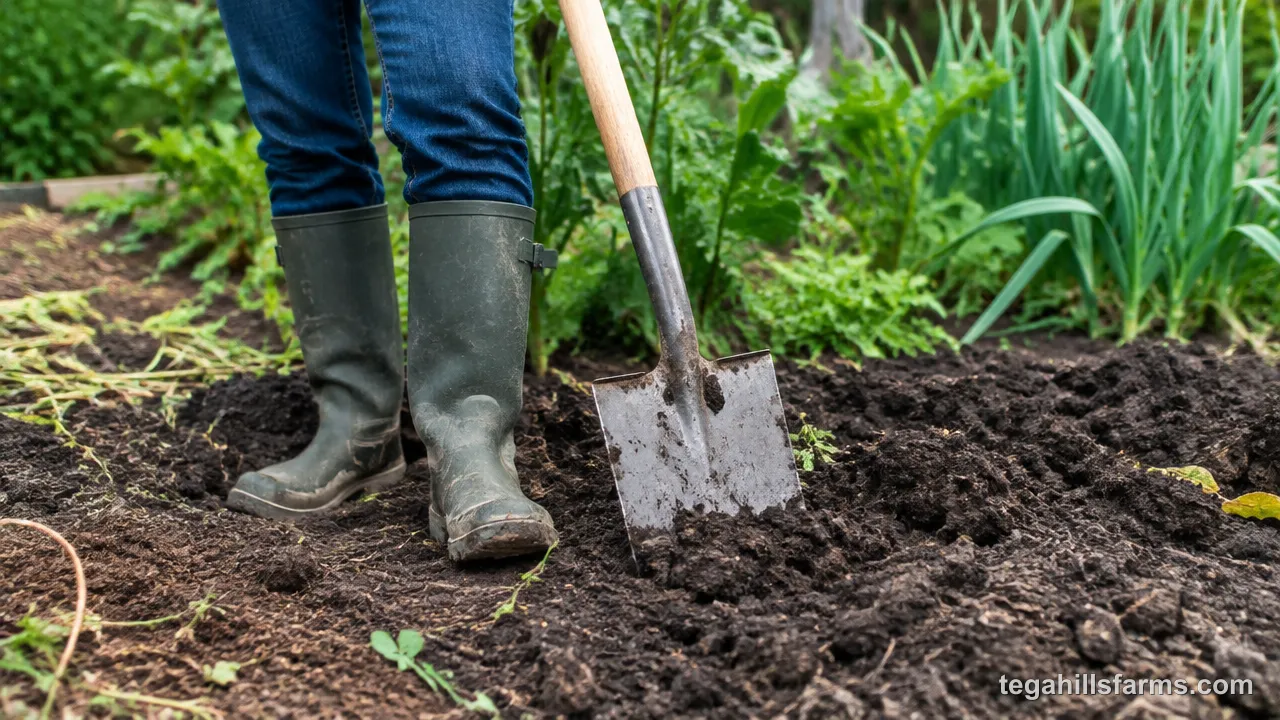
A narrow, coated blade with a sharp edge copes well when clay is damp. It removes less soil per cut, and the wet mass slides off instead of clinging.
Damp clay sticks because its fine particles pack together and hold water against the steel, so a wide blade lifts a heavy, suctioned slab that you then have to scrape off. The WIKER Drain Spade 45in suits these conditions, since its slender manganese steel head carries a layered anti-corrosion coating. The KOLEIYA Drain Spade 45in offers a similar narrow profile with a sharp blade that slices instead of pushing. Both move less soil per scoop, so a big bed takes more strokes. That is a fair trade when every load of wet clay is heavy and a lighter scoop protects your back.
Which Spade Handles Dry, Compacted Clay?
Baked, compacted ground needs a stiff blade you can stand on: a reinforced steel head with a footrest or wide pedals, and enough weight to stay steady.
Dry clay sets almost like brick, and a thin or flexible blade either bounces off or bends when you lean on it. A footrest turns your body weight into downward force, which saves your wrists from jabbing at the surface. The KOLEIYA Digging Shovel 57in has two wide foot pedals and a high carbon steel head, and its long handle adds leverage for breaking clods loose. The Fiskars Pro Garden Shovel 44in relies on a heavy-gauge blade and its own weight to sink in. That works well in short bursts but is harder on your wrists over a long session.
Which Spade Is Best for Clay Full of Roots or Stones?
For roots, a serrated blade with a V tip saws through what a smooth edge would stall on. For stones, a spear-shaped point slips into gaps instead of striking rock head-on.
The Root Slayer Nomad Garden Spade 22311 cuts roots as you rock it, thanks to ripsaw-style teeth along the edges and an inverted V tip that bites into compact soil. The Spear Head Spade SHFD3 40in Garden Spade and Spear Head Spade SHLF2 58in Garden Spade both use a spear-shaped carbon manganese steel blade that steers past buried stones and keeps its shape when you pry. A tougher, heavier head such as the Fiskars Pro Garden Shovel 44in earns its extra weight when you have to lever out rocks again and again, since mass and heavy-gauge steel resist flexing. For scattered roots in a planting bed, a lighter toothed blade is easier on your hands.
Which Spade Fits Raised Beds and Tight Planting Spots?
A compact or narrow blade on a shorter tool moves easily between plants and inside raised beds, though you give up depth per stroke and some leverage.
In a confined bed, a long handle hits the frame or neighboring plants before you can tip the load, and a wide blade disturbs roots you meant to keep. The Root Slayer Nomad Garden Spade 22311 is compact enough to work inside raised beds. The Spear Head Spade SHFD3 40in Garden Spade keeps your hands close to the soil for precise cuts around perennials. The narrow heads of the WIKER Drain Spade 45in and KOLEIYA Drain Spade 45in slip into tight planting spots without widening the hole. If most of your digging happens in containers and raised beds, the best short handle spades are worth comparing.
Clay changes character with the weather, turning slick and heavy after rain and brick-hard after a dry spell. Dig it at the wrong moisture level and even a well-made spade sticks, bounces or bends, while your lower back and wrists absorb every stroke that fails to cut. Beds dug while waterlogged also tend to dry into hard clods that resist planting for the rest of the season.
Digging Clay Soil: Timing and Technique
Patience and posture count for more than force in heavy soil. The same bed that smears and clogs one week can break into workable chunks the next. How you move decides whether you finish a long session with a sore back.
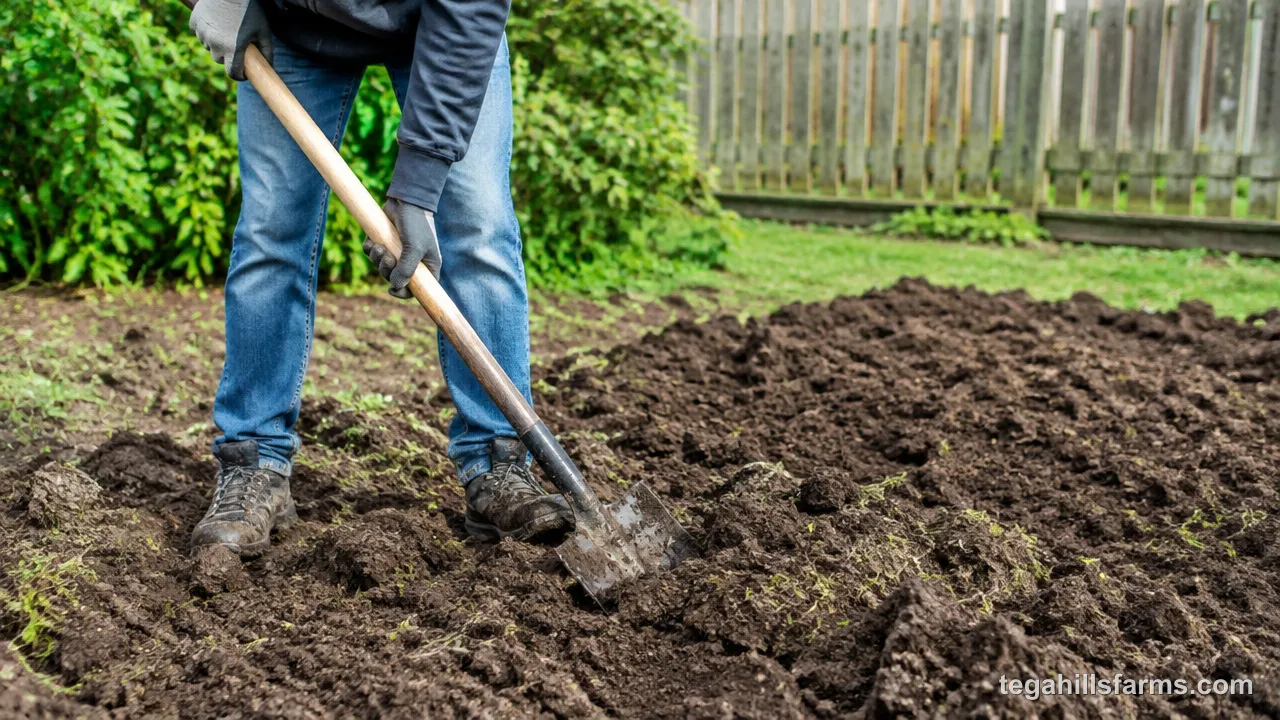
When Is Clay Soil Ready to Dig?
Moist but not wet is the window: a handful should crumble when you press it, not smear into a ribbon or refuse to break.
Squeeze some soil from the depth you plan to dig. If it smears, shines and sticks to your fingers, it is too wet. Digging then compresses it into dense layers that drain poorly and dry into hard lumps. If it is hard and breaks only into rock-like clods, it is too dry, and the blade will bounce off while your wrists take the shock.
Autumn digging works well where winters freeze. You can leave the turned clods rough on the surface, and repeated freezing and thawing breaks them into a finer, workable texture by spring. In milder USDA Hardiness Zones with little frost that effect is weaker, so working compost in as you dig does more of the job.
How Do You Dig Clay Without Straining Your Back?
Keep the blade upright, push it in with your foot, pry and turn rather than heave, and lift small scoops with a straight back.
A vertical blade cuts straight down with your body weight above it, while an angled blade forces your arms to push sideways. Stepping on the footrest or tread moves the work into the large muscles of your legs, which tire more slowly than your wrists and lower back. Once the blade is in, rock the handle back to crack the clay loose and turn the slab in place instead of lifting a full load, because wet clay is heavy and a full blade strains the spine. When you do lift, take a smaller scoop, bend at your knees and hips, and keep the spade close to your body. Turn your feet rather than twisting at the waist. Scraping the blade clean now and then also stops it from getting heavier with every stroke.
When Should You Use a Different Tool Instead of a Spade?
Switch tools when the blade stops cutting. Hardpan, dense roots and long, narrow trenches each call for something a standard spade does poorly.
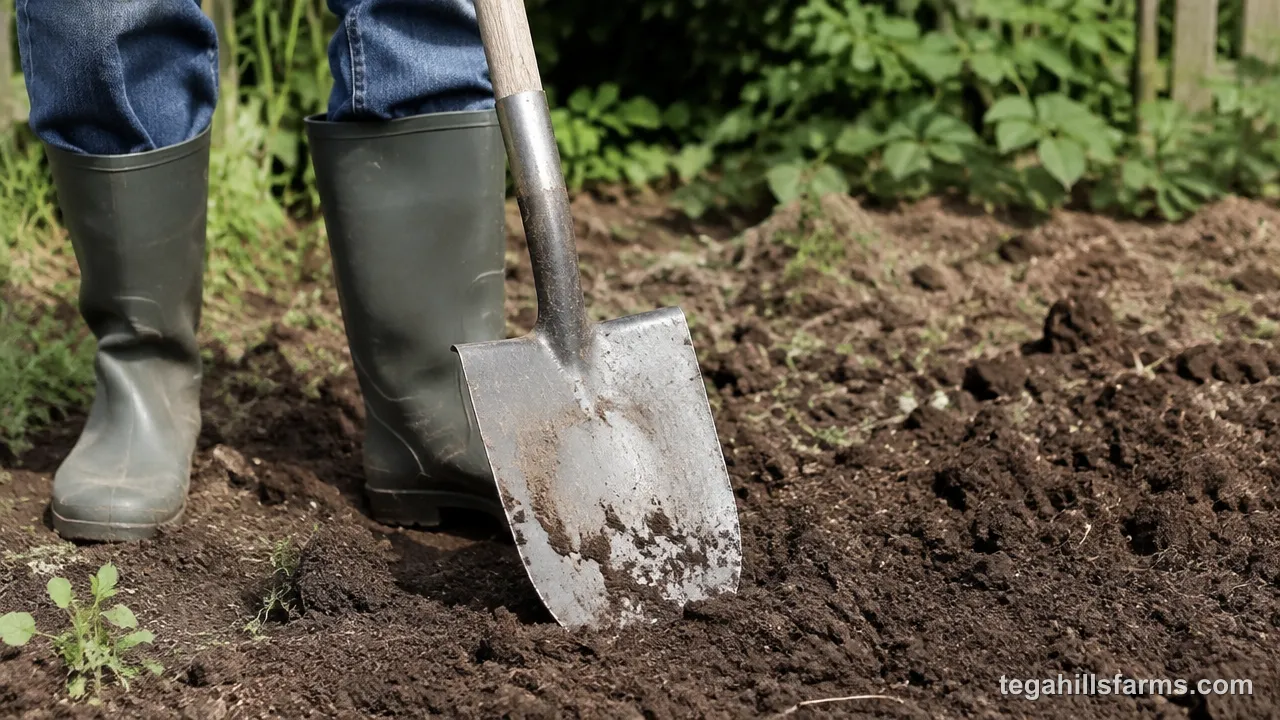
Hardpan and heavily compacted clay need a breaking tool. If the blade bounces off, or you keep jumping on the footrest without gaining depth, a pick mattock or digging bar will break the layer much faster. The mattock’s heavy head chops and pries in a swinging motion. A digging bar concentrates your weight on a narrow chisel point, so both can shatter ground that a spade can only scrape.
Dense roots call for a cutting tool. When the blade stops dead on roots too thick to slice and you find yourself hacking at the same spot, a root saw or serrated blade cuts them cleanly without tearing up the surrounding soil.
Narrow trenches for irrigation lines or drainage call for a drain or trenching spade. Its long, slim blade cuts a deep, tidy slot, while a standard spade widens the trench and makes you move more soil than the job needs. If you see any of these signs, swap tools early, before the strain builds in your wrists and back.
How Do You Keep a Spade in Good Shape After Digging Clay?
Clean off the clay before it dries, dry the steel, touch up the edge with a file and oil any bare metal. Those habits keep a spade cutting and free of rust for many seasons.
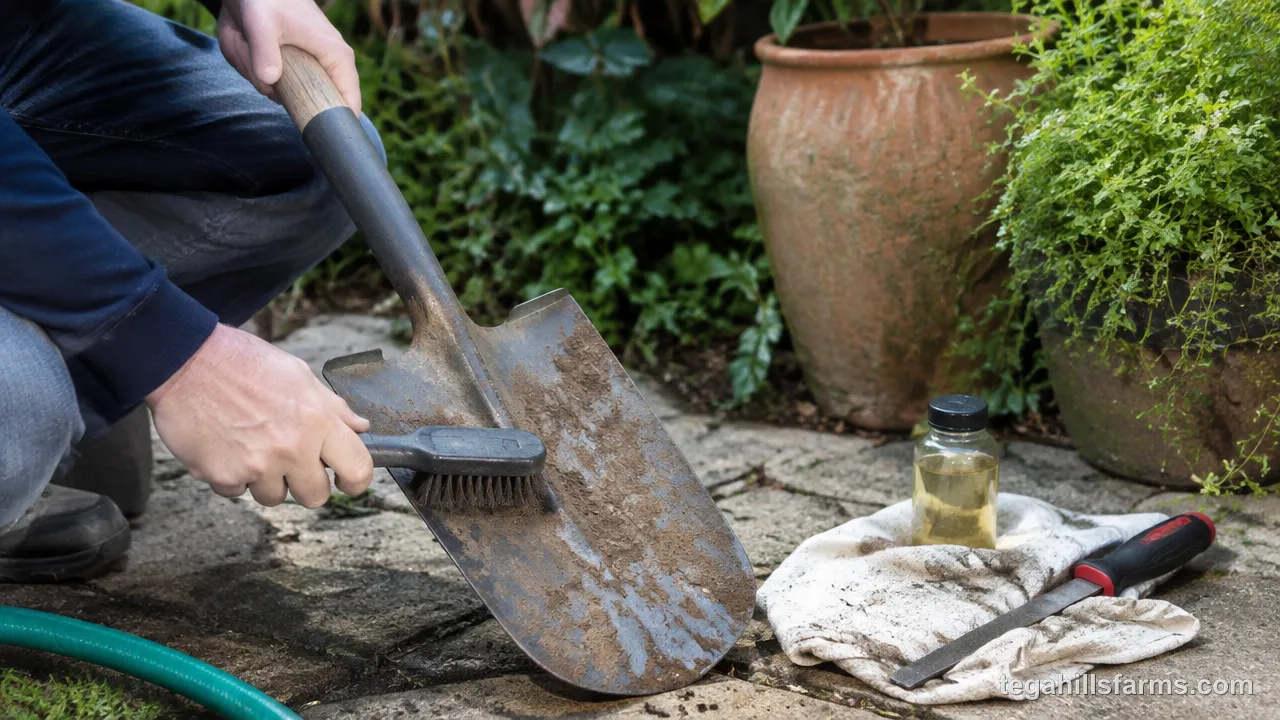
Wet clay comes off easily with a putty knife, a stiff brush or a spray from the garden hose. Once it dries, it sets hard and holds moisture against the steel, which is how rust starts under the crust. After washing, wipe the blade dry and let it air out before you hang it up.
A flat mill file restores the edge. Follow the factory bevel on the top face, push the file toward the edge at the same angle, and stop once you feel a slight burr. A sharp edge slices clay instead of pushing it. On coated blades, file only where bare steel already shows at the edge, and touch up chips in the coating with paint.
Wipe exposed steel with a light coat of oil, such as linseed or machine oil, to seal it, and rub linseed oil into any wood handle as well. Repair or retire a spade when you see deep pitting, a cracked or bent neck, a blade that wobbles in its socket or a handle that flexes, because each of those fails under the weight of clay.
Write Your Review
No reviews yet. Be the first to share your experience!