

A wood chipper costs anywhere from a few hundred dollars for an electric yard model to well into five figures for a commercial machine built for tree crews. Most homeowner gas chippers fall between those two ends. In that middle ground, engine size and branch capacity decide most of the final price.
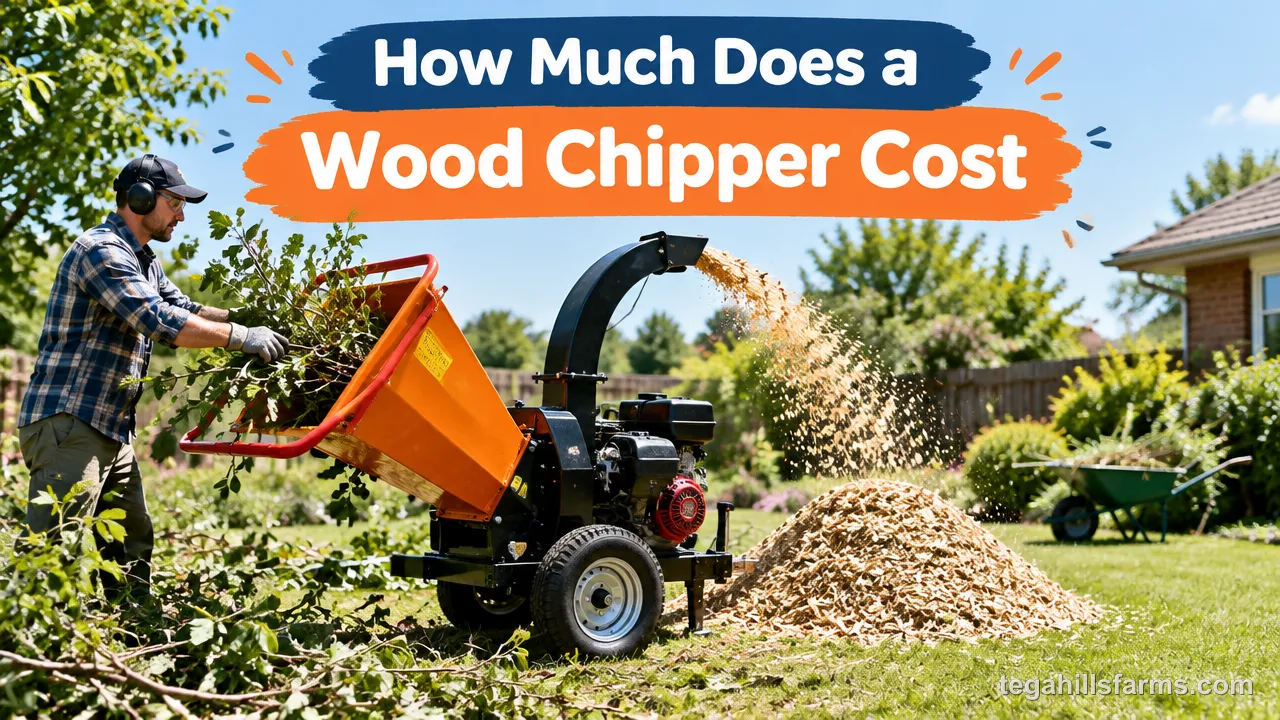
Four things drive what you pay: the power source, the largest branch diameter the machine accepts, the feed system, and whether you buy new, buy used or rent. Each one changes both the purchase price and what the machine can handle on your property.
The bigger risk is buying the wrong size. A chipper that’s too small stalls on the limbs your trees actually drop, and one that’s too big ties up money in capacity you never use. Fuel, knives and storage keep costing money after the sale.
How Much Does a Wood Chipper Cost on Average?
Most homeowners pay roughly $500 to $6,000 for a wood chipper, while electric models start near $150 and commercial units run into five figures.
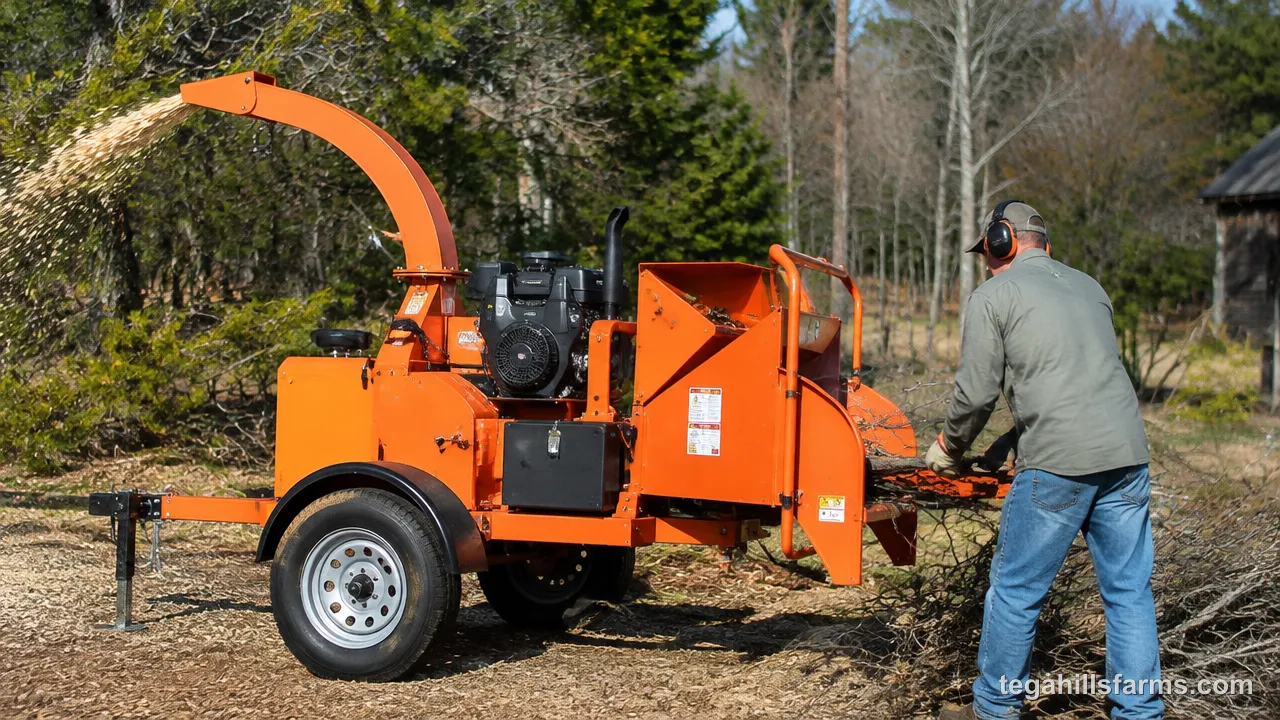
That spread is wide because a chipper’s price follows the work it’s built to do. A small electric unit chews through prunings, so it needs only a modest motor and a light housing. A tow-behind gas machine that takes thick limbs needs a bigger engine, a heavier flywheel and a steel frame to hold it all together.
The power source sets the starting point, and chipping capacity moves the price within each type. Feed design, build quality, brand and condition account for the gaps between machines that look alike on paper.
If you’re still unsure which size and power level fits your property, our guide on how to choose a wood chipper walks through the decision step by step.
How Much Does Each Type of Wood Chipper Cost?
Power source sets the price floor more than any other spec, because it decides how much engine, frame and feed system the machine has to carry. Matching the type to the debris your property produces is the surest way to avoid paying for too much machine or too little.
How Much Does an Electric Wood Chipper Cost?
Electric wood chippers cost roughly $150 to $500, which makes them the cheapest way to own a chipper. They suit small yards where the debris is mostly hedge trimmings, prunings and twigs.
Within that range, motor strength moves the price the most. A stronger motor keeps the cutting blades turning when a branch fights back. Models with a wider branch opening and a steel cutting system cost more than plastic-bodied units with small blades, and they keep working longer as the blades wear.
Electric models stop being practical once your branches get thick or your brush piles sit far from the house. Green hardwood limbs stall a small motor. The cord also limits where you can work, because you need a heavy-duty extension cord and a GFCI-protected outlet within reach of the pile.
How Much Does a Gas-Powered Wood Chipper Cost?
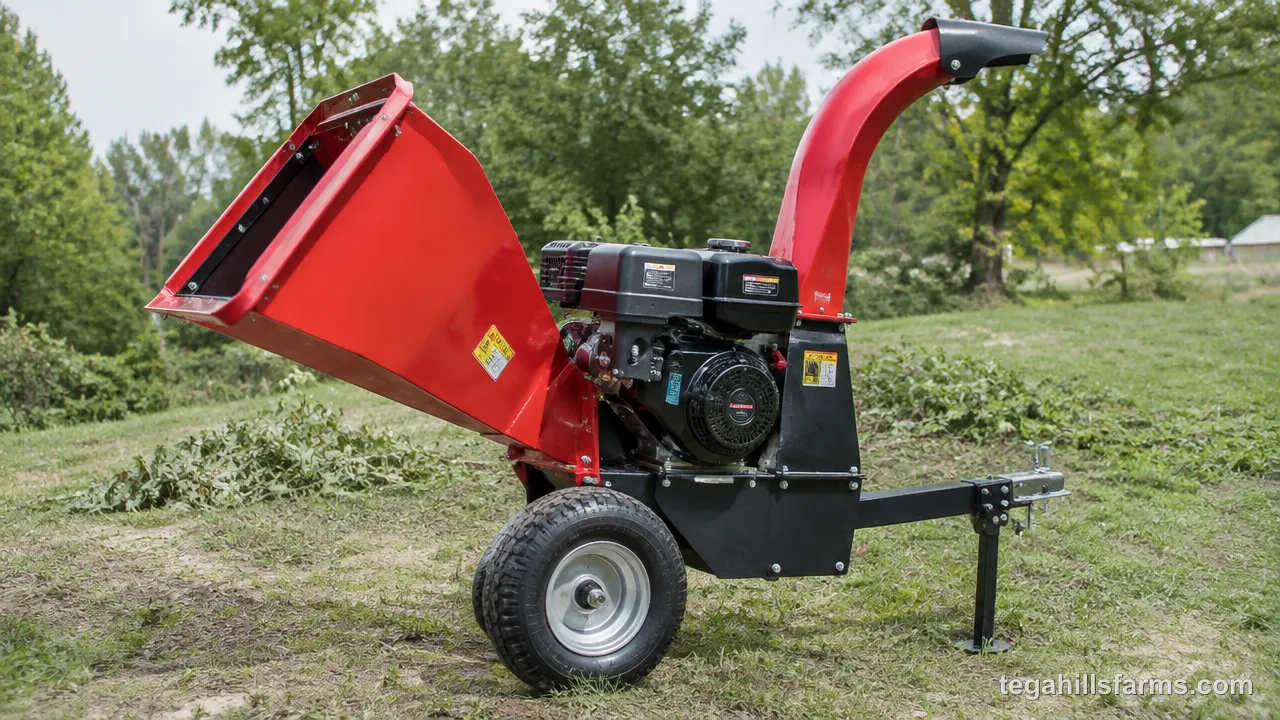
Gas-powered chippers run from about $500 for a compact 3-inch machine to around $5,500 for a 4- or 5-inch unit with a Honda or Kohler engine. This is the class most homeowners with acreage end up shopping.
Engine size drives the price first. A bigger engine holds flywheel speed when a thick limb goes in, so the machine keeps chipping instead of bogging down. Branch capacity rises with engine size, which is why the 5-inch models sit near the top of this range.
Infeed design and convenience features add to the price. A basic gravity chute is the cheapest setup. Auto feed, which controls how fast material enters, and electric start push the price up. Tow-behind frames with road tires cost more than compact push-around units.
At the budget end, Champion Power Equipment, Earthquake and SuperHandy sell small 3-inch machines. PowerKing, DK2 and Dosko sell heavier tow-behind models with larger engines and wider openings.
How Much Does a PTO-Driven Wood Chipper Cost?
PTO-driven chippers generally cost about $1,500 to $10,000, and they only work if you already own a tractor with a compatible PTO and three-point hitch. Rural owners who already have the tractor get a lot of capacity for the money.
These units cost less than a self-powered chipper of similar capacity because they have no engine of their own. The tractor supplies the power, so you aren’t paying for a second engine, fuel system and starter.
Horsepower requirement and capacity push the price up or down. Woodland Mills’ TFG55 calls for 12–30 PTO horsepower. Its WC88 and TF810 PRO need 35 to 100+, and those bigger models take much thicker material and weigh far more. Heavier steel, wider rotors and hydraulic feed rollers add cost at each step. Check your tractor’s PTO horsepower before you shop, because a chipper your tractor can’t spin fast enough will bog down on every limb.
How Much Does a Commercial or Industrial Wood Chipper Cost?
Commercial and industrial chippers cost tens of thousands of dollars. Prices climb close to $30,000 for many models, and large tracked or whole-tree machines go well beyond that. Tree services and land-clearing crews buy these, and the price reflects all-day production work.
Design is one of the biggest price drivers. A disc chipper uses a heavy spinning disc fitted with knives that slices material and throws the chips out. A drum chipper uses a rotating drum that pulls material in and handles high volume, and it usually sits at the higher end of the market.
Hydraulic feed rollers, large diesel engines and the mounting style push prices higher still. Trailer-mounted units tow behind a truck. Tracked machines cost more because they crawl into wooded lots where a trailer can’t go.
A typical homeowner has no use for this class. Buying one for a single property puts a large sum into capacity that sits idle most of the year.
How Much Does a Wood Chipper Cost by Chipping Capacity?
Chipping capacity, the largest branch diameter a machine accepts, moves price the most predictably, because each step up needs a bigger engine, heavier flywheel and stronger frame.
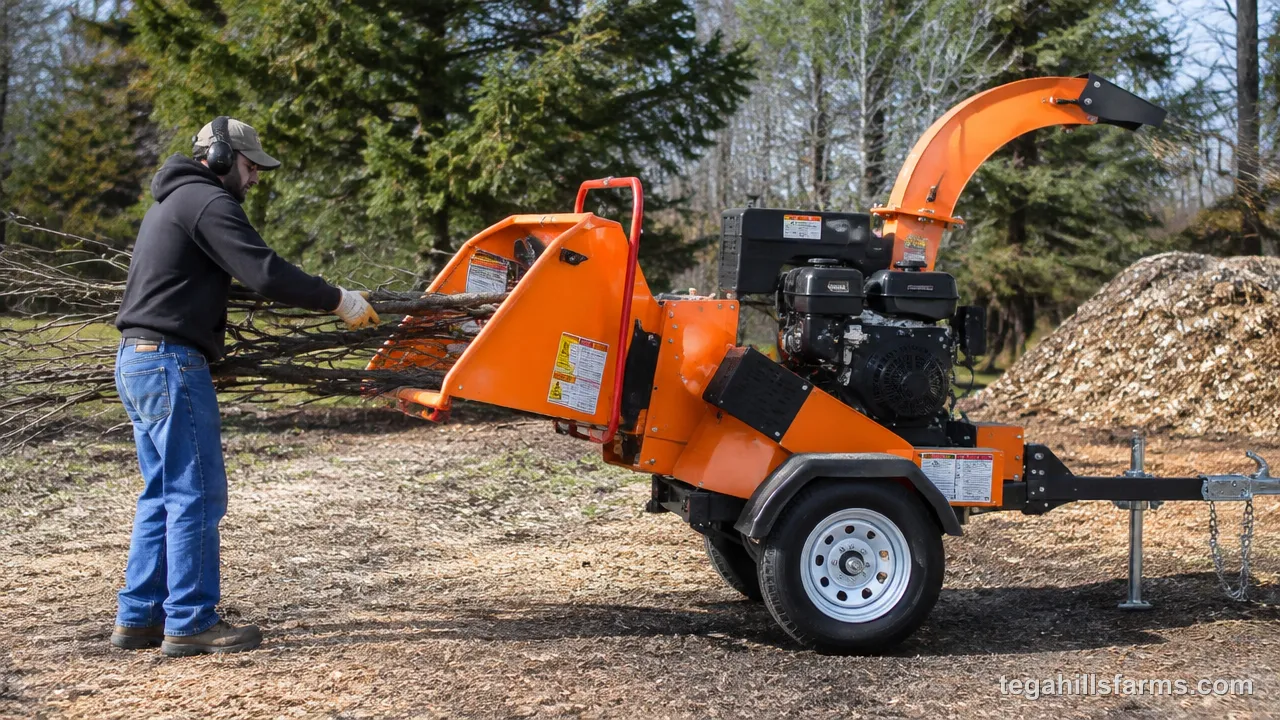
Capacity alone doesn’t set the price, though. Feed system, build and brand still separate machines with the same rating. Our wood chipper capacity guide matches branch sizes to the kind of debris your trees produce.
What Do Small-Capacity Wood Chippers Cost?
Small-capacity chippers cost roughly $150 to $800, spanning electric models and compact gas units. Budget machines in this class typically list a capacity of 3–5″ diameter. They’re built for yard trimmings, not limbs from mature trees.
The motor or engine type creates the biggest gap within this class. Electric units sit at the bottom because they skip the engine, fuel system and pull starter. Small gas models cost more, but they let you work anywhere on the property without a cord.
Hopper design also moves the price. Combination units add a wide top hopper for leaves and soft material next to the branch chute, so you can turn mixed debris into mulch in one machine. This class handles pruned branches, storm twigs, garden stalks and leaf piles well.
What Do Mid-Capacity Wood Chippers Cost?
Mid-capacity chippers, the machines that handle larger limbs on acreage and rural property, generally cost $2,000 to $6,000. The jump from the small class is steep because these machines are built differently, not just scaled up.
Engine power accounts for much of the increase. Thicker limbs need more torque to keep the flywheel spinning through the cut, so these chippers carry bigger engines from brands like Honda and Kohler. The frame, hitch and wheels have to support that weight, and most units in this class tow behind a lawn tractor or utility vehicle.
Flywheel design is the next price step. Single-flywheel machines cost less. Twin-flywheel designs cost more because the extra mass carries the cut more smoothly. Feed type matters too: a gravity chute keeps the price down, while auto feed or hydraulic rollers push it toward the top of the range.
How Much Does a 12-Inch Wood Chipper Cost?
A new 12-inch chipper is a professional machine, typically priced around $30,000 to $70,000, while renting one runs about $430 a day. At this size you’re buying equipment built for tree crews, not homeowners.
Hydraulic infeed is standard here, and it drives much of the cost. Powered rollers grip the butt end of a limb and pull it in at a controlled rate, so the operator doesn’t have to push heavy wood by hand. Large diesel engines are needed to keep a cutting system this size turning under load.
Mounting type and condition also move the price. Tracked units cost more than trailer-mounted machines. A used 12-inch chipper with high hours can sell for much less than new, but worn rollers, bearings and hydraulics can bring the repair bills back up. For most property owners facing one big clearing job, the daily rental is the realistic route into this class.
What Makes Wood Chipper Prices Go Up or Down?
Two machines with the same chipping capacity can differ by thousands of dollars because of how they are powered, fed and built. Knowing which of those differences add real value helps you tell a fairly priced listing from an overpriced one.
How Do Power Source and Engine Size Affect Price?
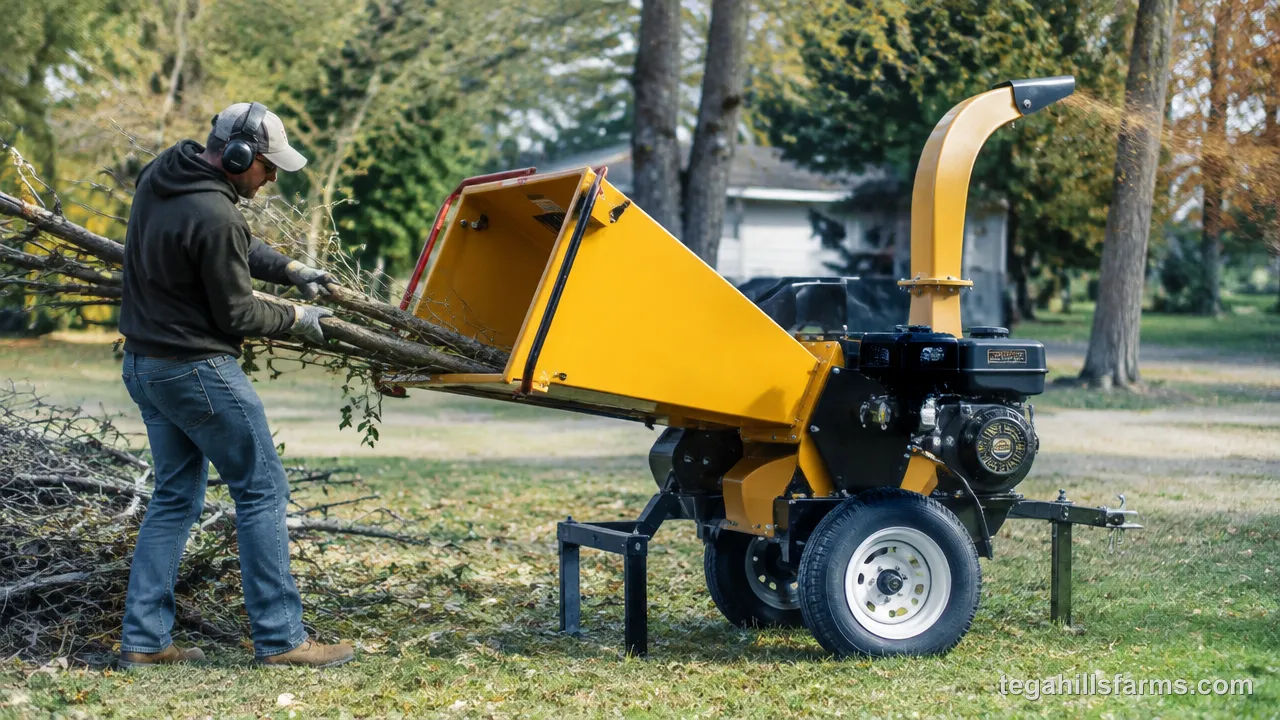
The power source sets the price tier. Electric models stay in the low hundreds, gas machines run from the high hundreds into the low thousands, and PTO units shift part of the cost onto the tractor you already own.
Within gas models, a stronger engine raises the price because it has to hold flywheel speed under load. When a thick limb hits the knives, a small engine loses rpm and the cut slows or stalls. A larger engine keeps the knives moving, which is what lets a machine take thicker branches without bogging down.
PTO chippers follow the same logic, except the horsepower comes from the tractor. A model that needs more PTO horsepower also needs a bigger tractor, so the real cost of a large PTO unit includes the machine that powers it.
Why Do Infeed System and Build Quality Change the Price?
Hydraulic infeed costs much more than a gravity chute because it adds powered rollers, a hydraulic pump and controls. In return, the rollers pull limbs in at a steady rate, so you feed the machine instead of wrestling every branch into it.
Flywheel design works the same way. A twin-flywheel machine stores more spinning mass than a single-flywheel unit, so it powers through knots and crotches with less hesitation. That smoother cut is part of what you’re paying for.
Construction accounts for the rest. Thicker steel in the housing and hopper resists cracking from years of vibration. Knives made from hardened tool steel hold an edge longer than soft blades. Safety features such as a feed control bar and an emergency stop add cost, and they matter most on machines that pull material in on their own.
How Much Do Brand and New-Versus-Used Condition Matter?
Established brands such as Woodland Mills, Champion Power Equipment and Earthquake usually cost more than low-cost imports with similar specs. Much of that difference pays for parts availability and service support. A cheap import becomes expensive once a bearing fails and no replacement can be found.
Condition moves the price the other way. A used chipper sells below a comparable new machine, and age, hours and visible wear pull it lower. A used machine from a brand with good parts support holds its value better, because the next owner can still buy knives, belts and bearings.
My preference leans toward a slightly older machine from a brand with a real parts catalog over a newer one from a brand you can’t source parts for. Wear parts are a certainty on any chipper.
Is It Cheaper to Rent or Buy a Wood Chipper?
How often you chip decides it: renting wins for a one-time cleanup, while buying wins once chipping becomes a regular chore. The right answer depends on your debris and your schedule, not on the sticker price alone.
What Does Renting a Wood Chipper Cost?
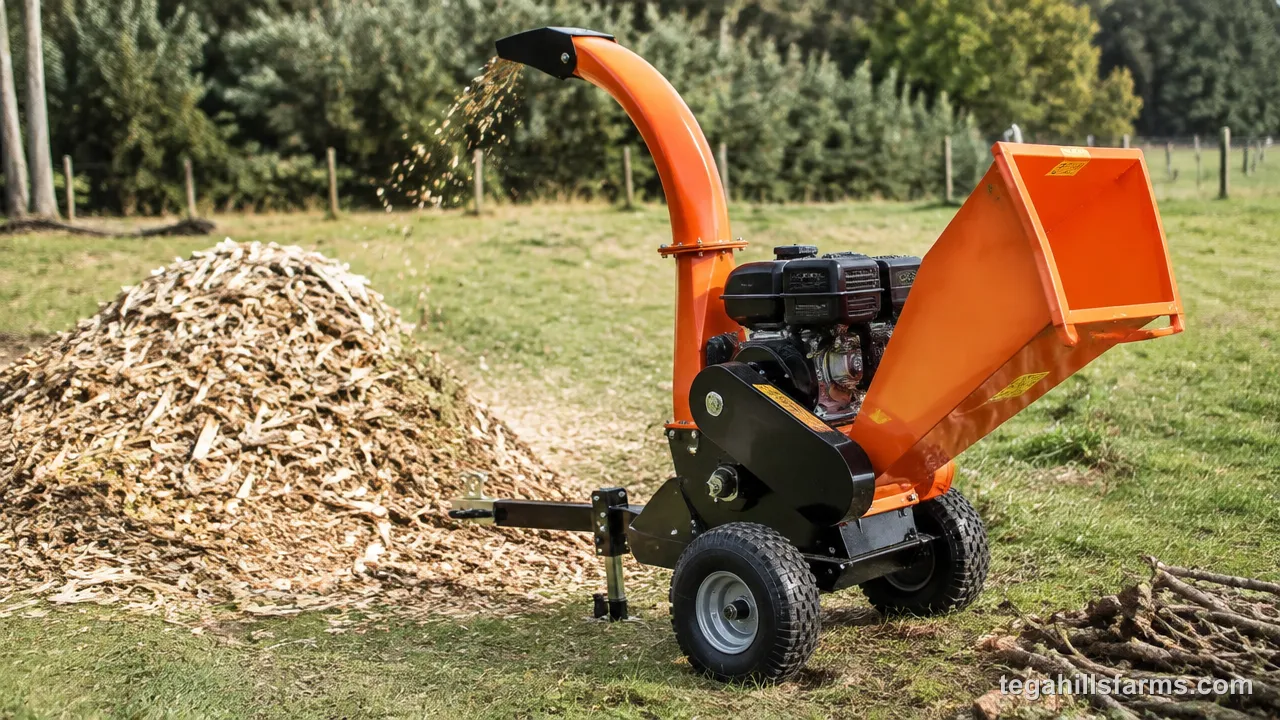
Renting a wood chipper costs about $70 to $550 a day, depending on the machine’s size and where you rent it. Smaller machines sit at the bottom of that range: a 2-inch chipper rents for around $96 a day and a 3-inch unit for about $105.
Mid-size machines cost noticeably more. A 6-inch chipper runs about $205 a day or about $530 per week, and the weekly rate makes sense when the job spans several days. Some providers also rent by the month, with rates around $1,850. The largest tow-behind units sit at the top of the daily range.
Region and provider move these rates. Big-box rental counters and independent equipment yards price differently, and rates shift by local demand. If you’ve never run one, read up on how to use a wood chipper before pickup. Rental time starts the moment you sign, and safe feeding technique keeps the job moving.
When Does Buying Beat Renting?
Buying beats renting once chipping is a regular part of your property work rather than a single event. Regular storm cleanup, wooded acreage that drops limbs every season, and steady demand for mulch on garden beds or trails all favor owning a machine.
Convenience is a large part of the case for buying. With your own chipper, you can handle a brush pile while the wood is still green and chips easily, instead of waiting for a rental window. You can also chip a little at a time rather than racing the clock through one long day.
Renting wins for a one-time cleanup, such as clearing a lot before construction or dealing with one storm. Owning comes with costs a rental doesn’t: you need storage space, you have to keep up with fuel and knife maintenance, and the machine has to start reliably after sitting.
What Does It Cost to Keep a Wood Chipper Running?
The purchase price is only the first bill. Fuel, wear parts, storage and transport decide whether a chipper stays a good value over the years you own it.
What Do Fuel, Oil and Power Add to Ownership Costs?
Running costs depend mostly on the power source. Electric chippers add only a small amount to the power bill and need little routine care beyond keeping the blades sharp.
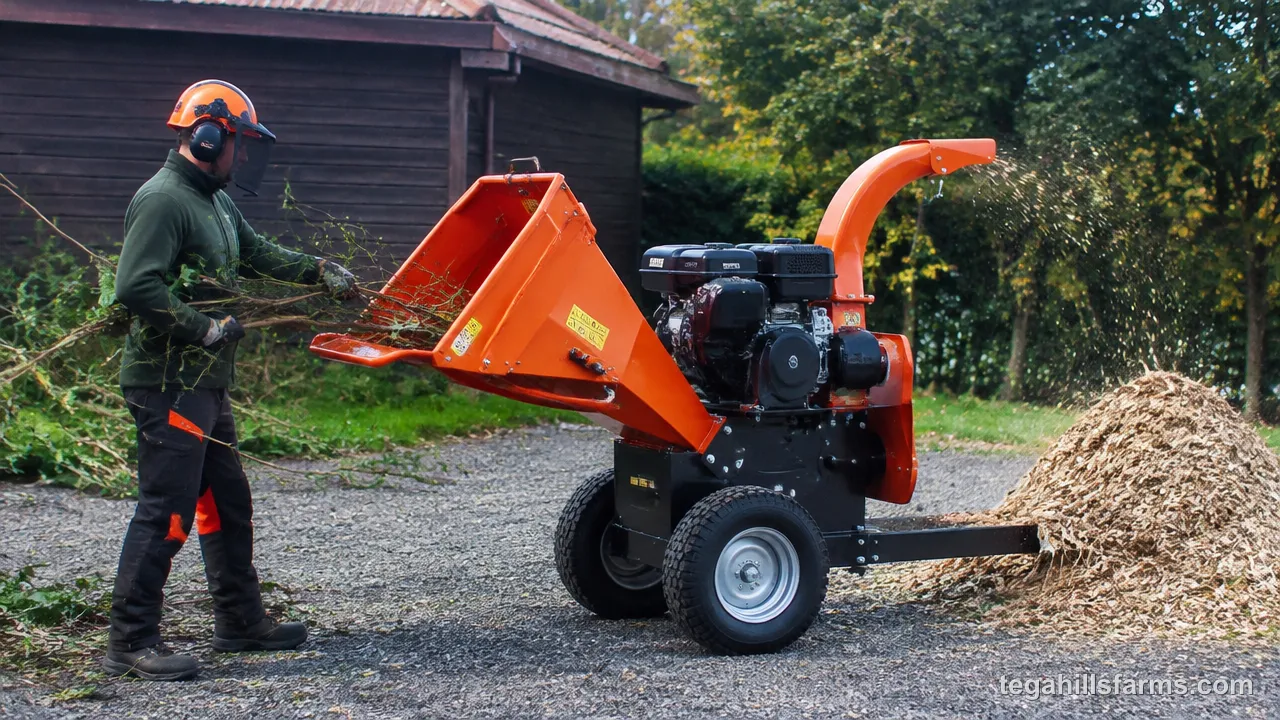
Gas machines cost more to run. They burn fuel, need oil changes on the manufacturer’s schedule, and work best on fresh gasoline. Fuel quality matters more than most owners expect: gas that sits for months goes stale, and stale gas left in the carburetor over winter is a common reason a wood chipper won’t start in spring. Draining the tank or adding stabilizer before storage prevents that repair.
PTO chippers put the running cost on the tractor. Every hour of chipping adds hours, fuel use and wear to the tractor’s own maintenance schedule.
What Do Blade Sharpening and Replacement Parts Cost?
Chipper knives are the main wear cost. How often they need attention depends on what you feed the machine. Hardwood dulls knives faster than softwood, and dirty debris does the most damage, because sand, grit and stones picked up from the ground chip the edges.
Sharpening is the cheaper way to keep a chipper cutting. Knives can usually be sharpened several times before they’re too narrow to use. Some designs have reversible knives, which gives you a second edge before you need to sharpen. Once a knife is chipped or worn past its limit, replacement is the only fix.
Drive belts and bearings wear too, especially under heavy use. Parts availability varies by brand, so a machine with an established parts catalog keeps these costs predictable.
What About Storage and Transport Costs?
Storage and transport costs grow with the machine’s size and weight. Compact gas units such as the SuperHandy Mini weigh about 85 pounds, while most gas-powered chippers weigh more than 100 pounds. A compact unit fits in a garage corner and rolls by hand, which keeps its real cost close to its sticker price.
Larger chippers bring extra needs. Tow-behind models need a hitch on a lawn tractor, utility vehicle or truck, and covered storage to keep rain out of the engine and bearings. PTO units need the tractor itself, plus room to park both.
Those requirements are easy to miss when you compare prices. A big machine that needs a new trailer or a shed costs more than its price tag suggests.
Where Can You Buy or Rent a Wood Chipper?
Big-box stores carry entry-level electric and gas chippers, brand websites and equipment dealers sell mid-range and PTO machines, and rental counters cover occasional jobs.
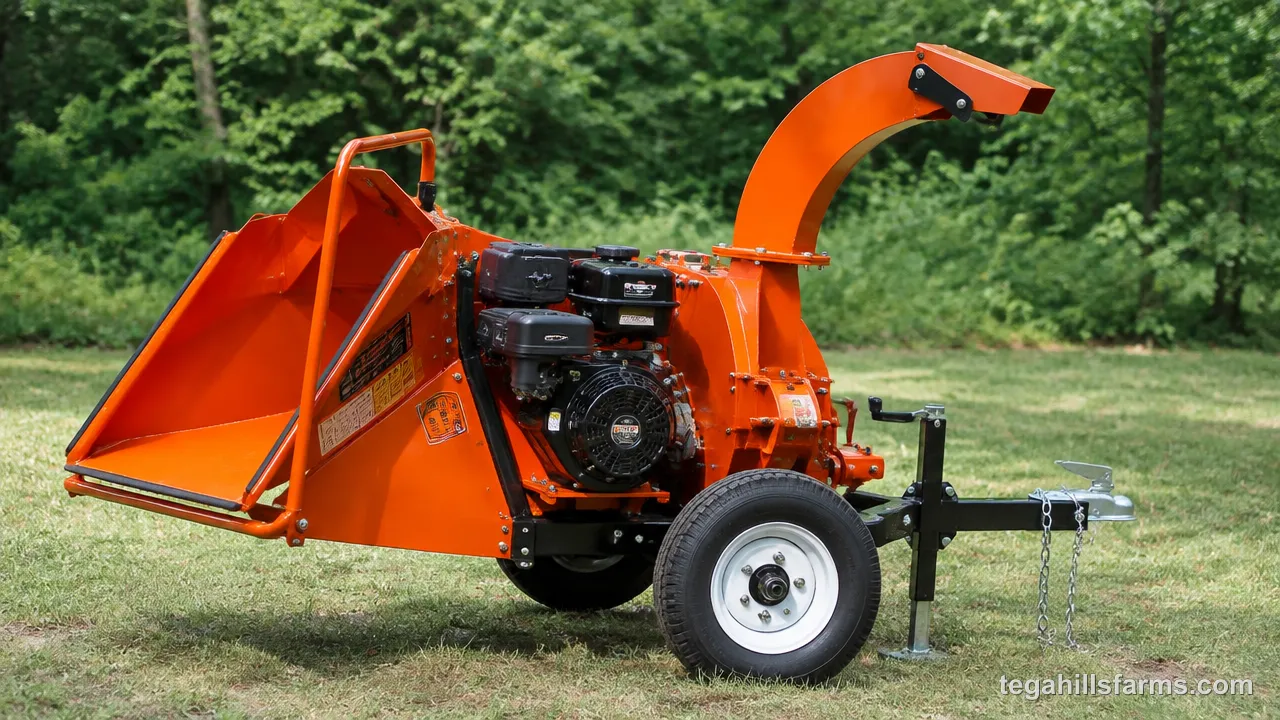
Home Depot and Lowe’s stock mostly electric models and compact gas units, with a wider selection online than on the store floor. Home Depot also rents chippers at many locations, which makes it an easy first stop for a one-time cleanup.
Harbor Freight sells budget-priced gas chippers under its own brands. Walmart’s online marketplace carries compact gas units from import brands at the low end, and prices there vary by seller.
Brand websites such as Woodland Mills, DK2 and PowerKing sell mid-range tow-behind and PTO models directly, usually shipped by freight. Freight charges can raise the delivered price. Equipment dealers handle commercial machines and are the main source for used professional units, often with financing and service support.
Prices at any of these sources move with seasonal sales, freight costs and bundled accessories, so compare the delivered total rather than the listed price.
Is a Wood Chipper Worth the Money?
Yes, if you clear brush regularly on a wooded property; no, if your debris fits a yard waste bin or comes from one cleanup.
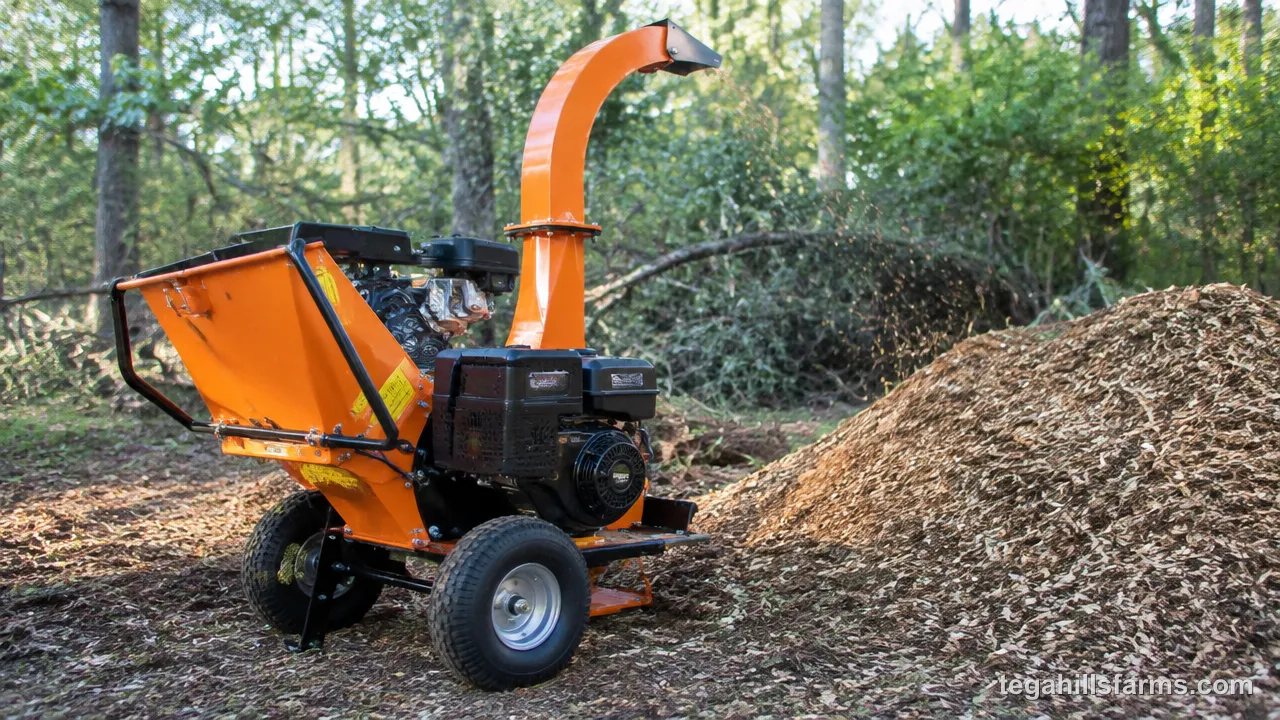
The budget level should match the owner. An entry-level electric or small gas unit makes sense for a suburban yard with hedges and fruit trees to prune. A mid-range gas or PTO machine fits rural owners with wooded acreage, storm cleanup and a steady need for mulch. Professional machines only pay for themselves when chipping is part of a business.
Renting is the better choice for a single job, and skipping the purchase entirely makes sense when municipal brush pickup handles your volume. Before buying, it’s worth knowing how long wood chippers last, since a well-maintained machine from a supported brand spreads its cost over many seasons.
A used chipper listed well below new can look like the obvious way to stretch a budget, but the parts that wear out first, such as the knives, flywheel bearings and anvil, rarely show up in a listing photo. Buy one with a loose bearing or a cracked frame, and the money you saved goes into repairs before the first brush pile is done.
How Do You Tell a Good Used Wood Chipper From a Money Pit?
A good used chipper starts easily, spins without wobble, and has knives and an anvil with clean, square edges. A money pit shows play in the flywheel bearings, cracks in the frame, or a cutting system that’s chipped and rounded. Used machines often sell for hundreds to a few thousand dollars below new, depending on age and wear, but only a sound one keeps that savings.
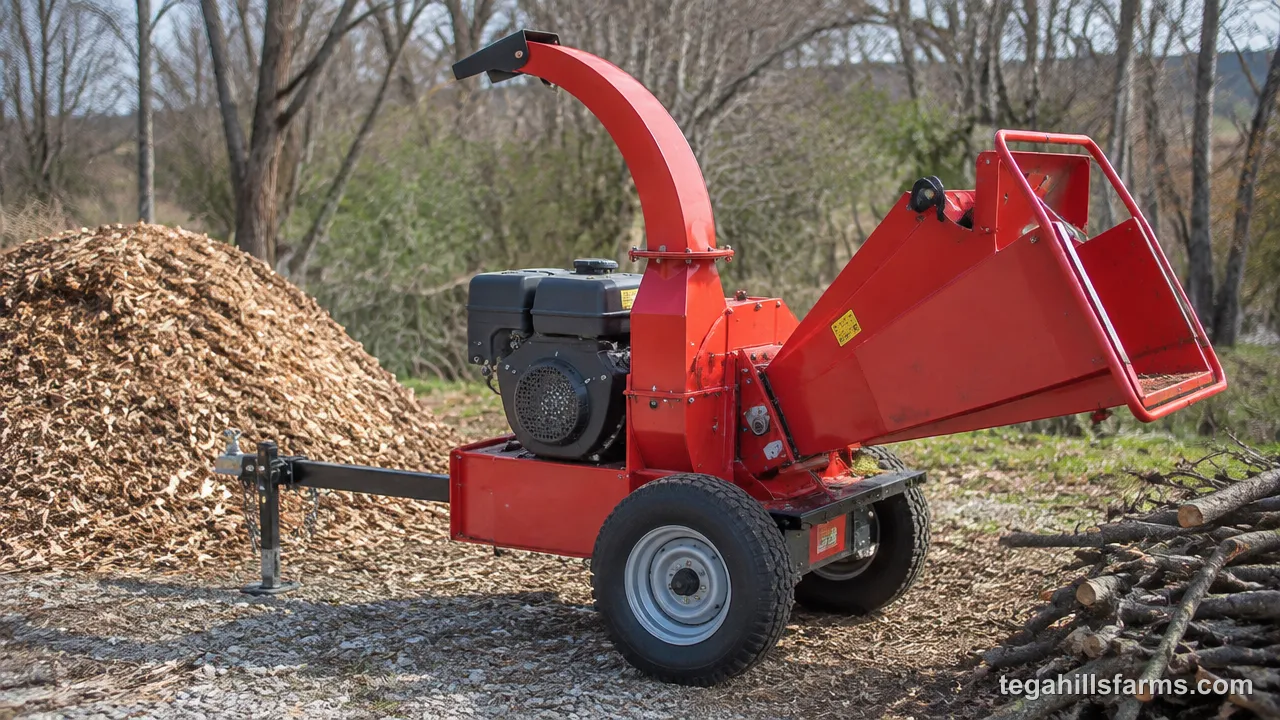
Check the knives and anvil first. Rounded or chipped edges mean the machine needs sharpening or new parts right away. Next, grab the flywheel or disc with the engine stopped and the spark plug wire pulled, and feel for side-to-side play. Any movement points to worn bearings.
Look inside the hopper and discharge chute for thin spots, dents and welds, because those areas take the most abuse. Run your eyes along the frame and hitch for cracks. Finally, start the engine cold. A machine that needs long cranking or smokes heavily is likely to need engine work. Age and visible wear should push the asking price down, and a seller with nothing to hide will let you run a few branches through it.
What Extra Fees Can Show Up When Renting a Wood Chipper?
The quoted daily rate often leaves out delivery and pickup, a security deposit, late-return charges, cleaning fees, damage waivers and fuel refill charges. Any of these can push the final bill well above the advertised rate.
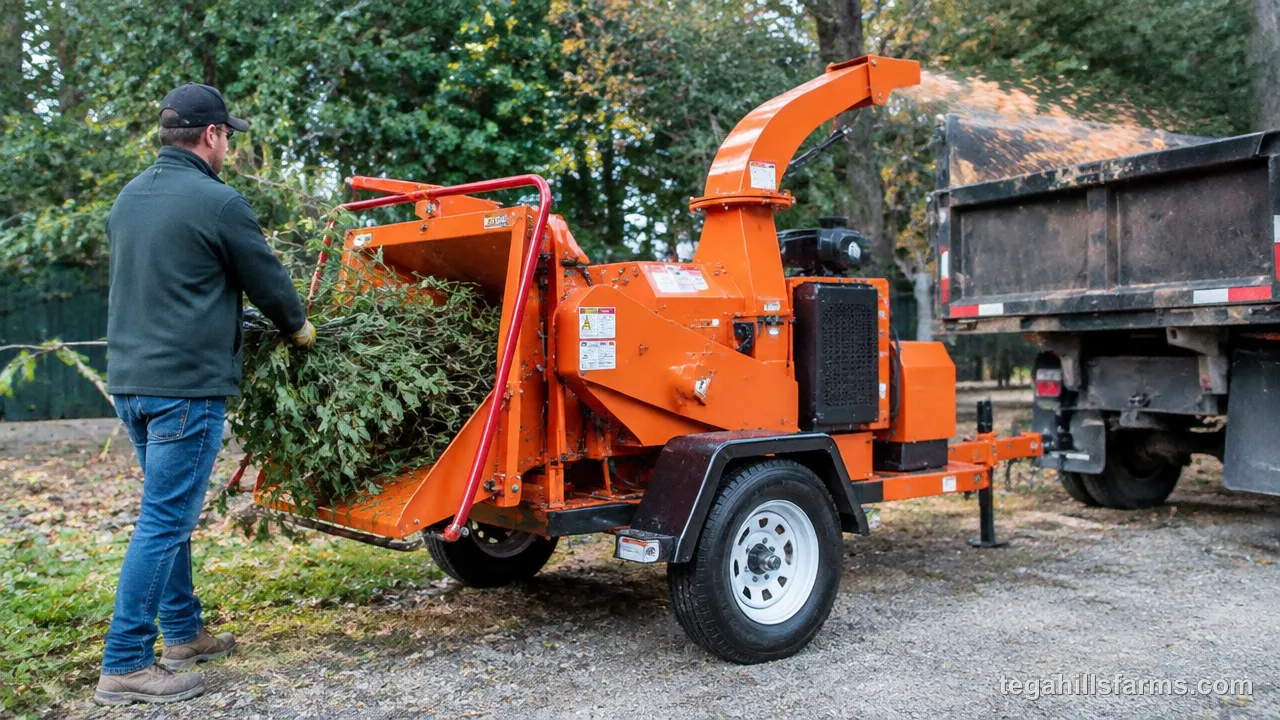
Delivery matters most for tow-behind machines. If you don’t have a vehicle with a proper hitch, the provider charges to bring the chipper out and haul it back. Deposits are usually refundable but tie up money until the machine is returned and inspected.
Late returns are billed by the hour or as an extra day, so plan the job with time to spare. Cleaning fees apply when the machine comes back caked in sap and debris. Damage waivers cover accidental damage for an added charge, and some providers bill knife damage from rocks or metal separately. Fuel policies vary: some rent the machine full and charge to refill it if you return it low.
Before signing, ask for a written total that includes every fee. Photograph the machine at pickup, and confirm the exact return time and fuel policy.
How Can You Avoid Paying for More Chipper Than You Need?
Size the machine to the thickest branches your property actually produces, not the biggest limb you can imagine cutting someday. Oversized capacity, hydraulic feed and commercial-grade construction all raise the price, and none of them help a small property where most debris is prunings and storm twigs.
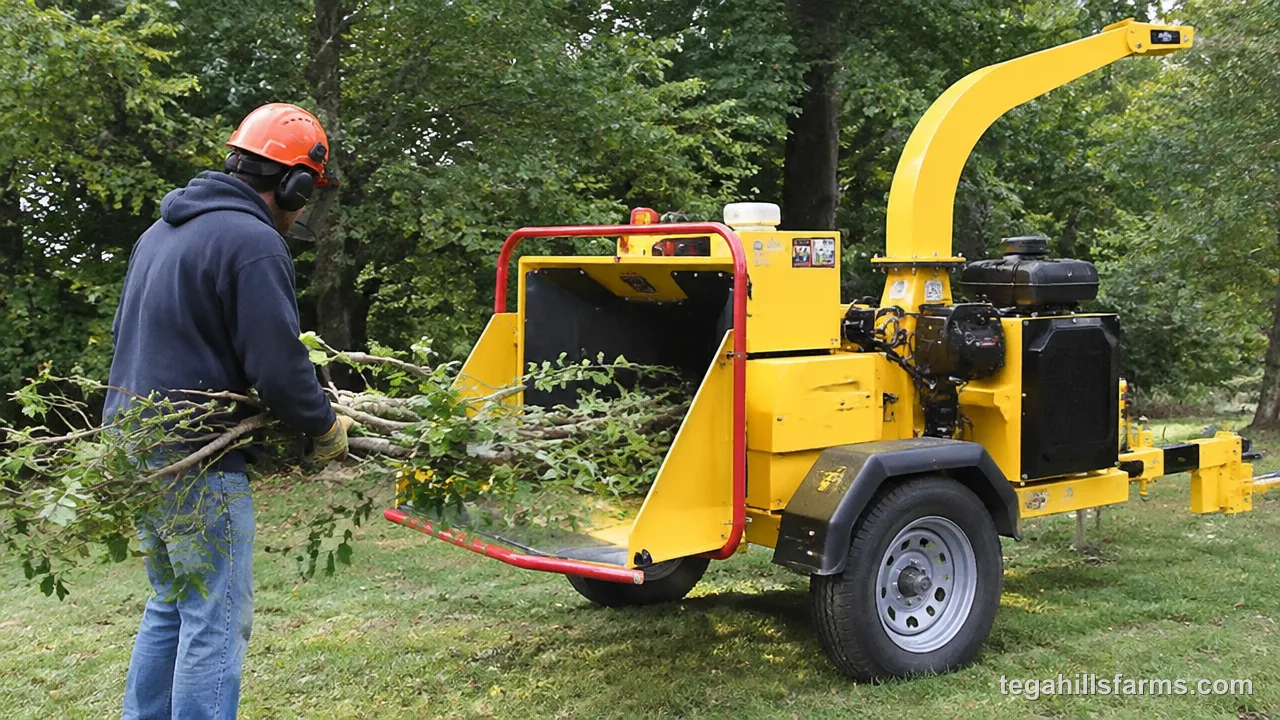
The waste shows up in a few predictable ways. A large tow-behind chipper bought for a suburban lot needs storage, a hitch and more fuel, and it sits unused most of the year. Hydraulic feed is worth its cost on a crew’s machine that runs all day, but on a homeowner’s chipper it adds expense and maintenance for a convenience you rarely use.
A mid-range gas or PTO machine is the smart buy when you own wooded acreage and chip several times a year, because its capacity matches the limbs you’ll actually cut. For small yards, an electric or compact gas unit covers the work, and renting handles the occasional big tree. Before you shop, walk your brush piles and note the thickest wood you deal with every year. That’s the capacity to buy, and anything beyond it costs you money.
Wood Chipper Cost FAQs
Are Harbor Freight wood chippers cheap?
Yes, Harbor Freight’s gas chippers sit at the budget end of the market, priced alongside other compact 3-inch machines. They’re fine for light yard debris. Before buying, check parts availability for knives and belts, because the replacement-part supply determines how long a budget machine stays useful.
Is a cheaper wood chipper good enough for a small yard?
For most small yards, yes. An electric model or compact gas unit handles prunings, hedge trimmings and storm twigs without trouble. A budget chipper struggles only when you regularly feed it thick limbs or green hardwood. In that case, rent a larger machine for those jobs instead of upgrading.
What is the cheapest way to get rid of branches?
Municipal brush pickup or a yard waste drop site is usually the cheapest option, since many towns collect branches for free or a small fee. Check local rules for bundle size and collection days. For a large one-time pile, a single day’s chipper rental costs less than buying a machine.
Do wood chipper prices change by season or region?
Yes, in both directions. Demand rises during spring cleanup and after storms, which can tighten stock and reduce sales. Rental rates also vary by location, so the same machine can cost noticeably more in one area than another. Freight charges add more to delivered prices in remote areas.
Does a more expensive wood chipper chip faster?
Usually, yes. Higher-priced machines have larger engines, heavier flywheels and powered feed systems that keep the knives at speed and pull material in steadily. That means fewer stalls and less hand-feeding. On a small yard with light debris, though, a basic machine finishes the pile nearly as quickly.
Write Your Review
No reviews yet. Be the first to share your experience!