

A well-kept commercial brush chipper can stay in service for decades. A light homeowner unit’s life depends more on how hard it works and how well it’s maintained than on its age. Two machines bought the same year can be years apart in condition because of what went through them and how often they were greased, sharpened and cleaned out.
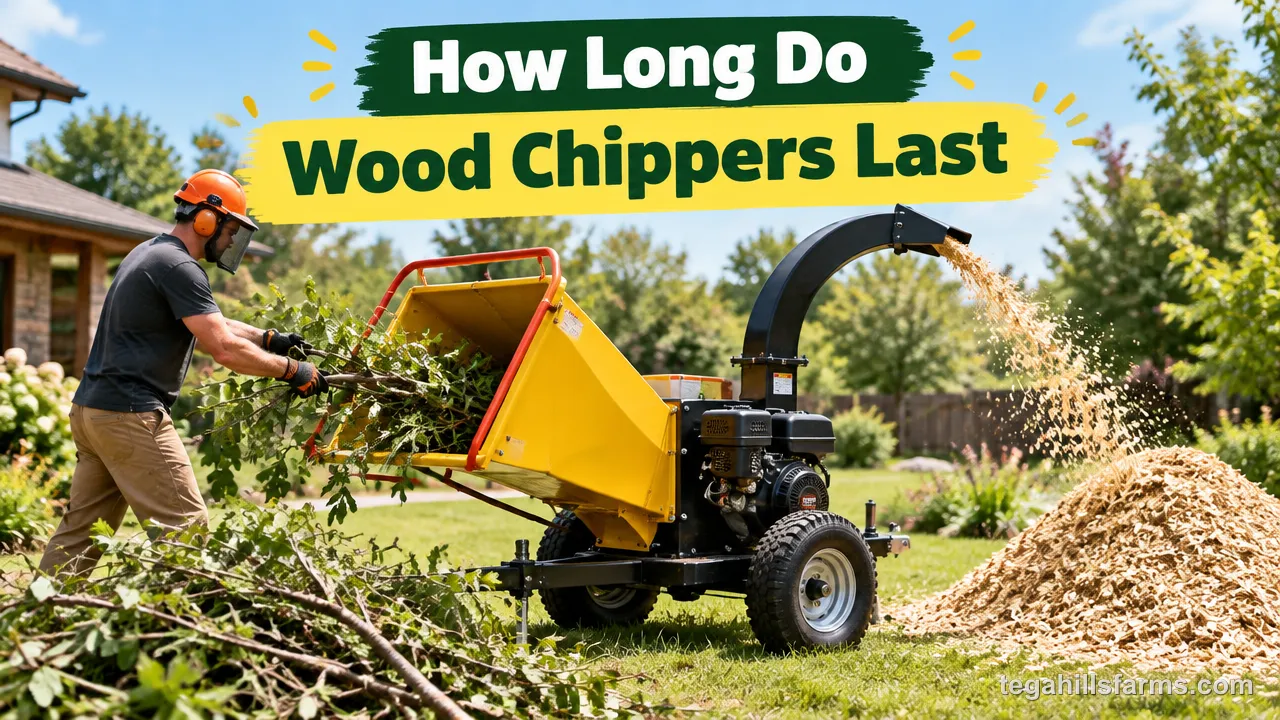
The factors that decide chipper life are mostly visible and controllable: dirt and grit in the brush, branch size compared with the machine’s rating, knife condition, and whether service happens on schedule. Build quality sets the upper limit. Daily habits decide how close a machine gets to it.
Most owners want to know when wear stops being routine. Knives are made to wear out and be replaced. A worn engine, cracked housing or sloppy rotor bearings are a different matter, and that is where the choice between rebuilding and buying new starts to cost real money.
How Long Does a Wood Chipper Last?
A well-maintained commercial wood chipper lasts 10 to 20 years or more, while a homeowner chipper lasts as long as its workload stays light and its upkeep stays regular.
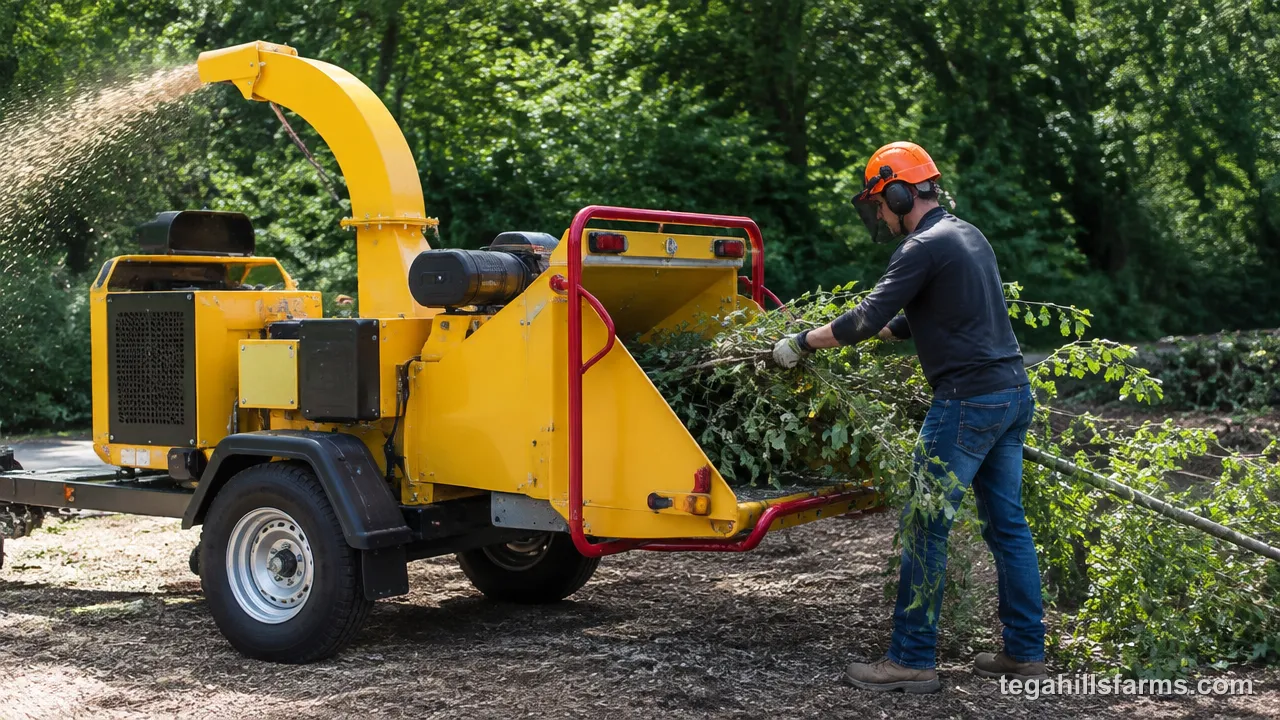
Professional crews track a chipper’s age in operating hours, not birthdays. A machine feeding brush every working day of the season builds hours far faster than one pulled out for a few weekend cleanups each year. Hours on the engine and rotor are what wear bearings, belts and knives, so they say more about remaining life than the model year on the title.
Light electric and small gas homeowner machines have no single lifespan figure, because their life depends heavily on how they’re used. They’re built for small branches and occasional yard cleanup. Kept to that job, they hold up for many seasons. Pushed past it with oversized limbs or dirty brush, the knives, bearings and housing wear out much sooner than their age suggests.
Upkeep matters as much as use. An older chipper that gets greased, sharpened and cleaned out on schedule can outlast a newer one run hard with dull knives. If you’re still shopping and want to know how to choose a wood chipper that will hold up to your workload, focus on build quality and engine type, because those two decide how much abuse the machine can absorb before upkeep can’t keep up.
What Determines How Long a Wood Chipper Lasts?
Most of a chipper’s durability is decided after the sale: the material you feed it and the way you run it wear it down faster than age, while build quality sets the ceiling. This is why two identical machines can end up years apart in condition, and why the habits you control matter more than the badge on the hood.
How Do Wood Type and Dirt Affect Chipper Wear?
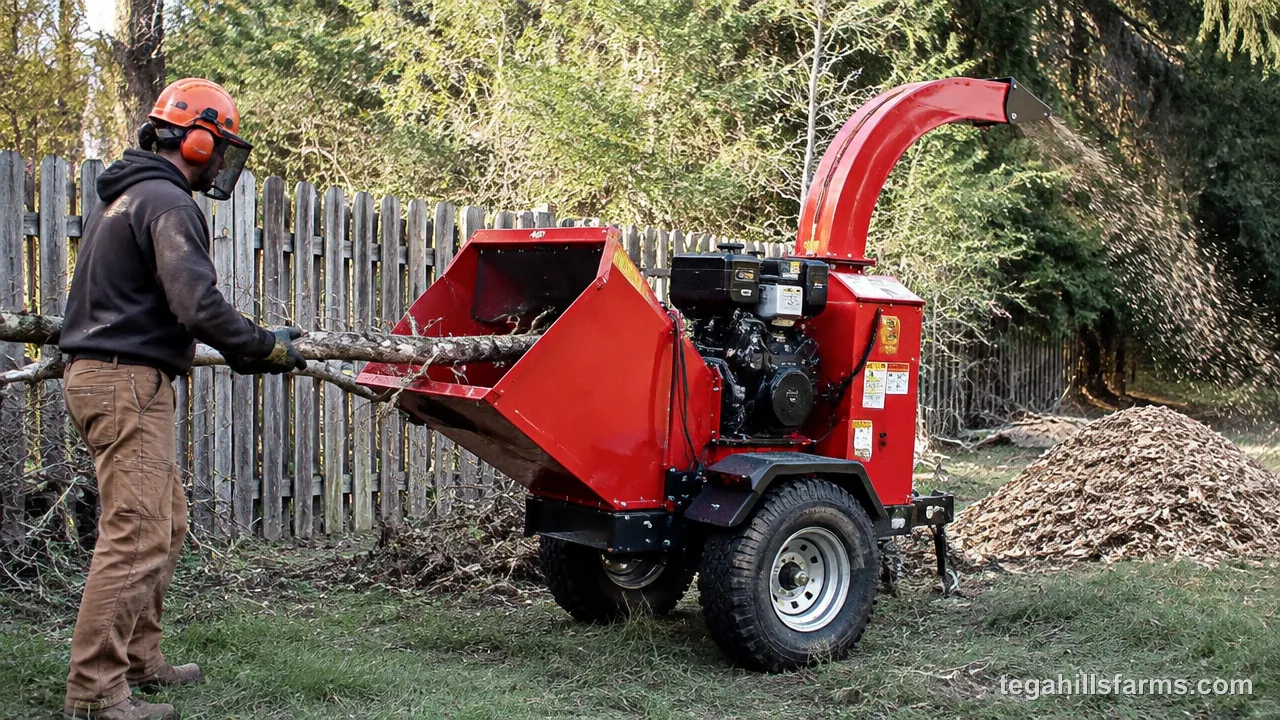
Dense hardwoods such as oak and maple dull knives faster than softwoods such as pine, but dirt, sand and grit on the branches do more damage than any wood. Hardwood resists the cut, so each knife pass takes more force and the edge rounds over sooner. Pine cuts more easily, though its sap can gum up the discharge.
Grit is the bigger problem because sand is harder than the knife edge. It grinds the steel the way a sharpening stone would, except unevenly. The anvil, the fixed edge the knives shear against, wears at the same time, and a worn anvil opens the gap so the machine crushes wood instead of slicing it.
You can control most of this. Carry limbs or drag them on a tarp instead of across bare ground, shake off clumps of soil, and cut root balls away before feeding.
Does Build Quality and Chipper Type Change Lifespan?
Yes. A heavy-duty disc or drum chipper with thick steel, a welded frame and heavy bearings outlasts a light electric or small gas unit, because it’s built to run all day under load. Electric chippers often use plastic hoppers and small motors meant for twigs and hedge trimmings. Small gas units use light frames and single-cylinder engines suited to occasional cleanup. PTO chippers borrow power from a tractor, so their build centers on the rotor, gearbox and driveline.
Commercial machines from Bandit, Morbark and Vermeer are designed around replaceable wear parts, so a worn knife, anvil or feed wheel gets swapped and the machine keeps running.
Duty rating matters more than the name on the hood. A machine rated well above the branches you actually feed works with less strain, and that margin protects the engine, bearings and housing over the long run. A light-duty model stays light-duty no matter whose logo is on it.
How Do Operating Habits Shorten or Extend Chipper Life?
Overfeeding, forcing material, running the engine at full load without a break, and skipping cleanout cause most avoidable chipper wear. Each one adds stress the machine wasn’t designed to carry. Most of how to use a wood chipper without wearing it out comes down to feeding technique: put branches in butt end first, let the feed wheel pull material at its own pace, and never push limbs in by hand or with another branch.
Matching branch size to the machine’s rating, the core of any wood chipper capacity guide, keeps the engine out of the bog-and-recover cycle that heats bearings and stretches belts. When the engine drops in speed, let it recover before feeding more.
Ending each job matters too. Let the engine idle down briefly before shutdown, then clear packed chips from the housing and chute. Wet chips left inside hold moisture against the steel and start rust in places you can’t see.
How Long Do Wood Chipper Blades Last?
Chipper knives typically last 25 to 100 operating hours before they need sharpening or replacement, with the range set by wood type, dirt in the wood, blade material and machine care. Knives are consumables by design. They wear so the rotor, bearings and engine don’t have to, which means keeping track of their condition is the cheapest way to protect the rest of the machine.
When Should You Sharpen Versus Replace Chipper Blades?
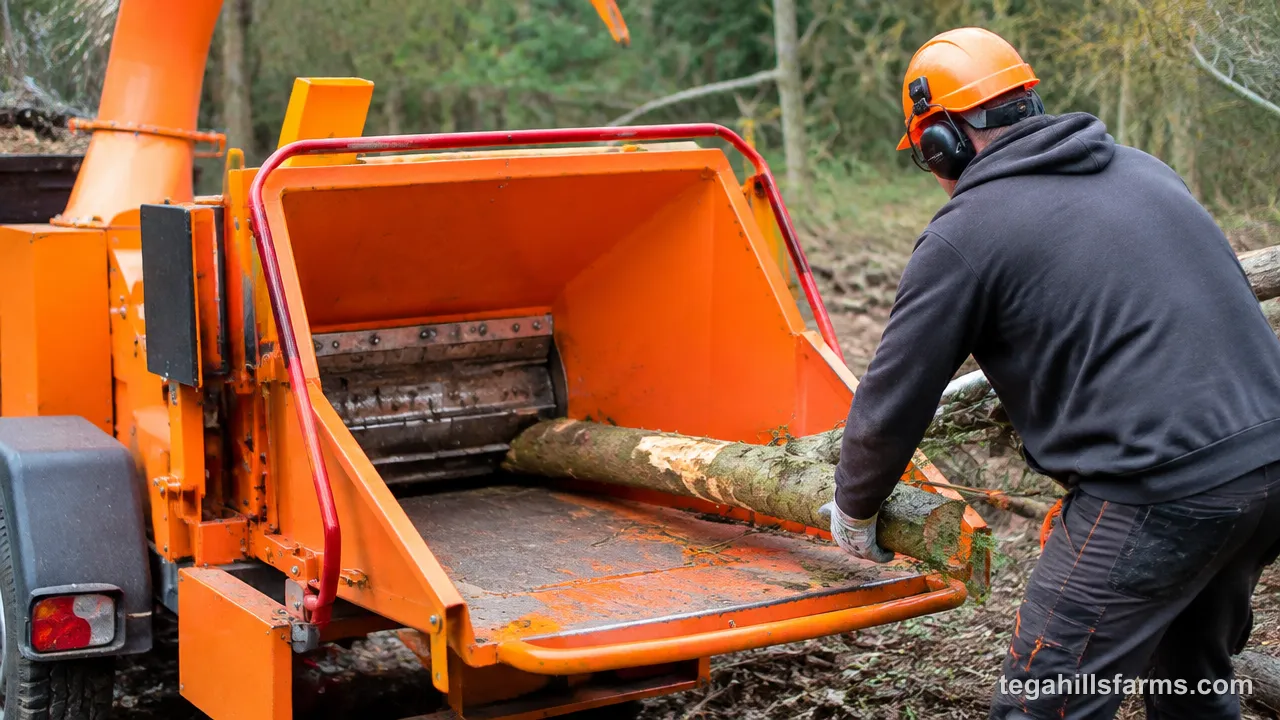
Sharpen a knife while its edge is only dull and the blade still meets the manufacturer’s minimum width, and replace it once it’s chipped, cracked or ground past that minimum. A knife that’s too narrow won’t sit correctly against the anvil, so the gap opens and the machine starts crushing wood instead of cutting it.
Many chipper knives are double-edged, so you can flip them to a fresh edge before grinding. That roughly doubles the time between trips to the grinder. When you do grind, take light passes and keep the steel cool. Overheating an edge softens it, and a soft edge dulls fast.
Always sharpen and replace knives as a matched set. Knives of different weights unbalance the rotor, and that vibration goes straight into the bearings. Deep nicks from a stone or nail usually mean replacement, because grinding them out removes too much steel. Torque the mounting bolts to spec every time the knives come off.
How Can You Tell Wood Chipper Blades Are Dull?
Dull knives produce stringy, crushed chips instead of clean ones. They also slow throughput, strain the engine, add vibration, and leave the feed wheel struggling to pull branches in. A sharp edge slices wood. A dull edge tears and mashes it, which takes more force on every pass.
That extra force has to come from somewhere. The engine drops speed under loads it used to handle easily, and the rotor works harder, which shows up as a rougher, buzzier feel through the frame. Branches that used to disappear now bounce or stall at the feed wheel, tempting the operator to push, which is exactly the wrong response.
If you catch these signs early, you only need to flip or sharpen the knives. If you keep chipping with dull knives, the strain moves into the bearings, belts and engine, where repairs cost far more than a set of knives.
How Does Lifespan Compare Across Chipper Types?
Commercial disc and drum brush chippers outlast homeowner electric and small gas machines by a wide margin, and PTO chippers depend largely on the tractor behind them. The type you own sets realistic expectations for how much work it can take, what wears first, and how much service effort keeps it running.
How Long Do Electric and Small Gas Chippers Last?
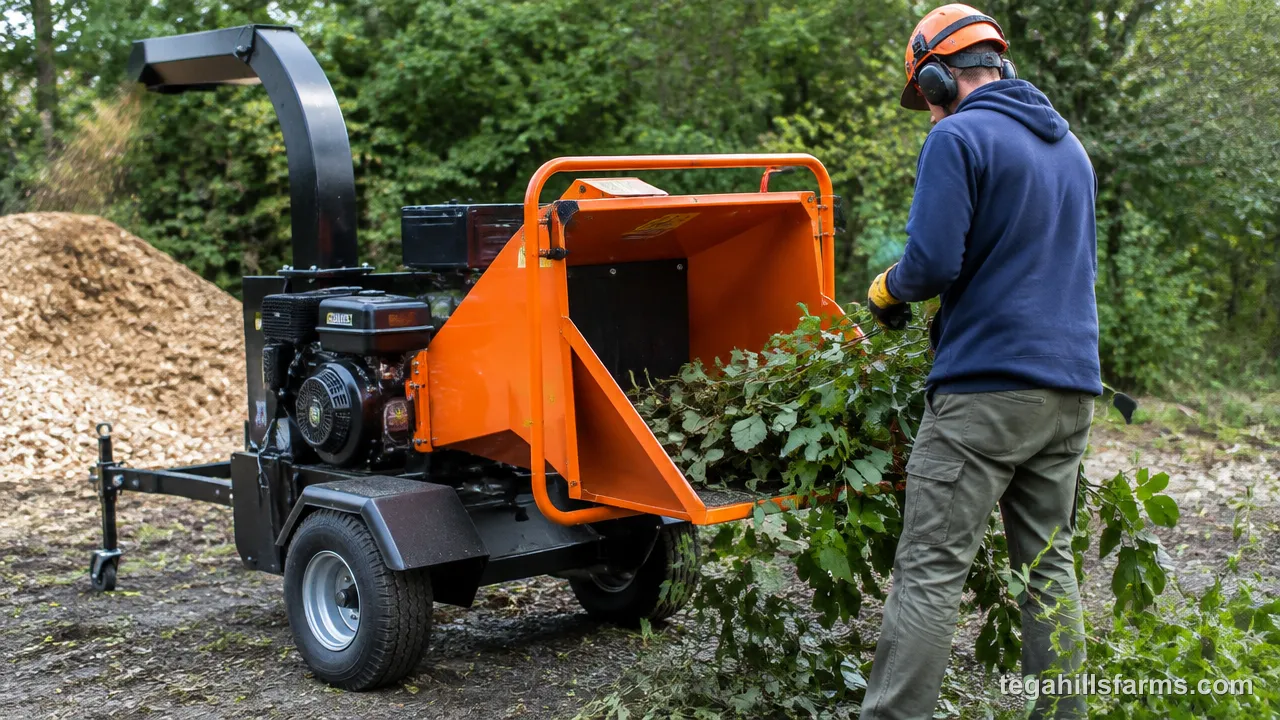
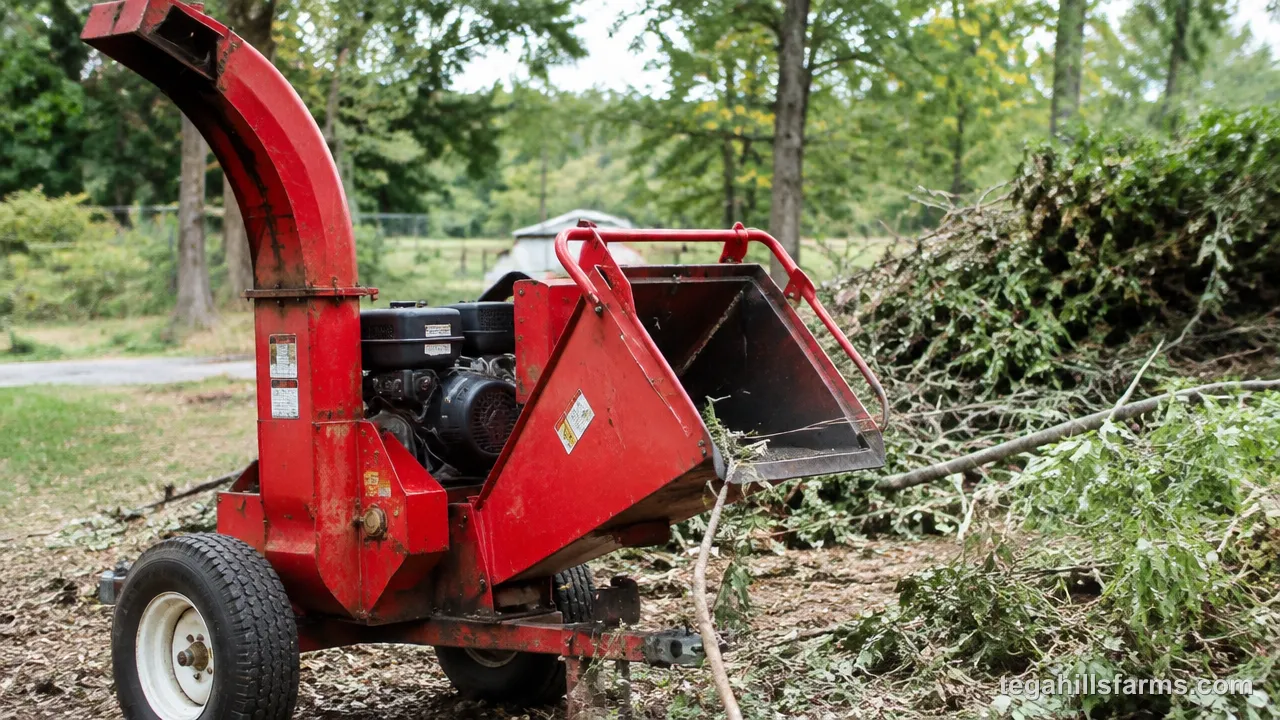
Light-duty homeowner chippers from brands such as SuperHandy and Landworks last many seasons when they’re kept to small branches and occasional yard cleanup. Their life is measured in how much work they do, not how many years they sit in the garage. They’re sized for pruning debris and storm cleanup, and they wear quickly when used for land clearing.
Electric models have fewer parts that can fail: no carburetor, no oil and no pull cord. Their weak points are the motor and the hopper, which suffer when owners force thick or knotty limbs through. Small gas models add engine upkeep. Stale fuel gumming the carburetor is a common reason one sits unused.
For either type, moderate use and basic care matter more than age. A ten-year-old unit that has only chipped hedge trimmings can be in better shape than a two-year-old one that’s been run hard.
How Long Do PTO Wood Chippers Last?
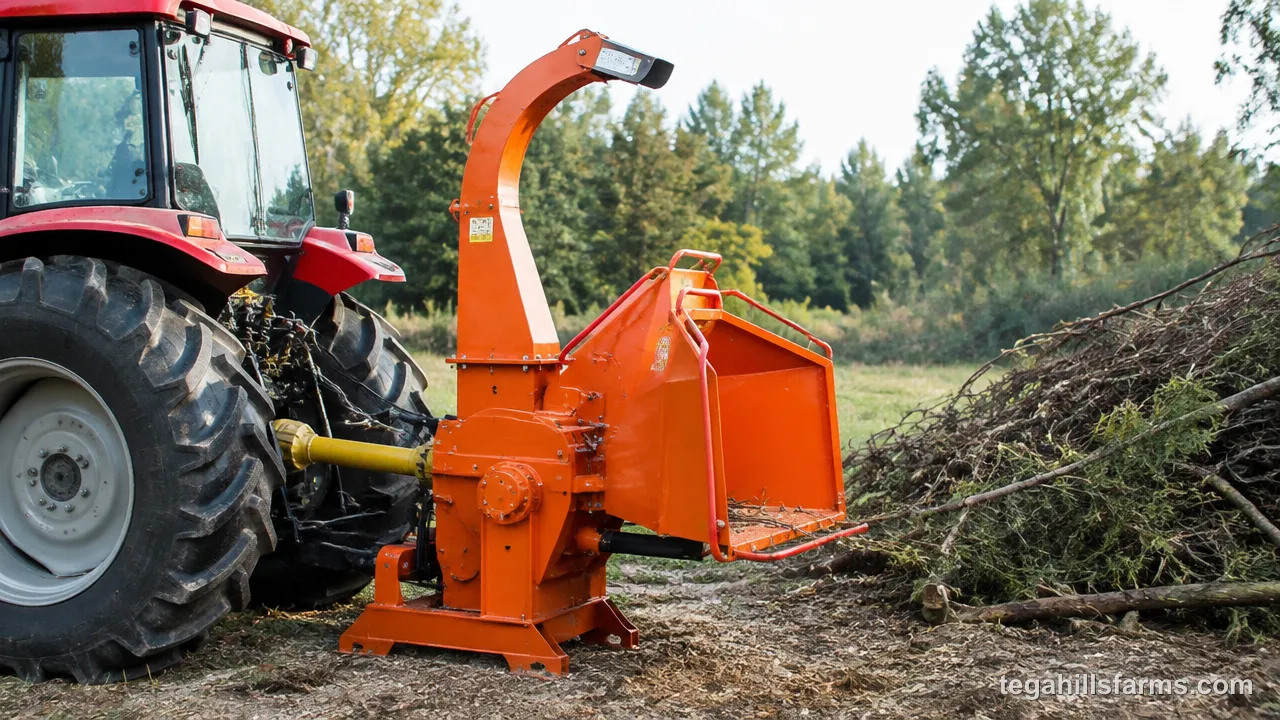
A PTO chipper has no engine of its own, so its life depends on the tractor driving it, the driveline, the gearbox, the rotor bearings and the knives. When the tractor runs well, the chipper only has to keep its own rotating parts in good shape.
Wear on a PTO unit shows up in the driveline U-joints, the shear bolt or slip clutch, the gearbox seals and the rotor bearings. Grease the PTO shaft on schedule and keep the shields in place. A dry U-joint fails quickly under chipping loads.
Matching the tractor to the chipper’s rated horsepower protects both machines. An undersized tractor bogs down on every heavy branch, which overheats the clutch and loads the driveline. Treat tractor care as part of chipper care, because the chipper is only as reliable as the power source turning it.
How Long Do Commercial Disc and Drum Brush Chippers Last?
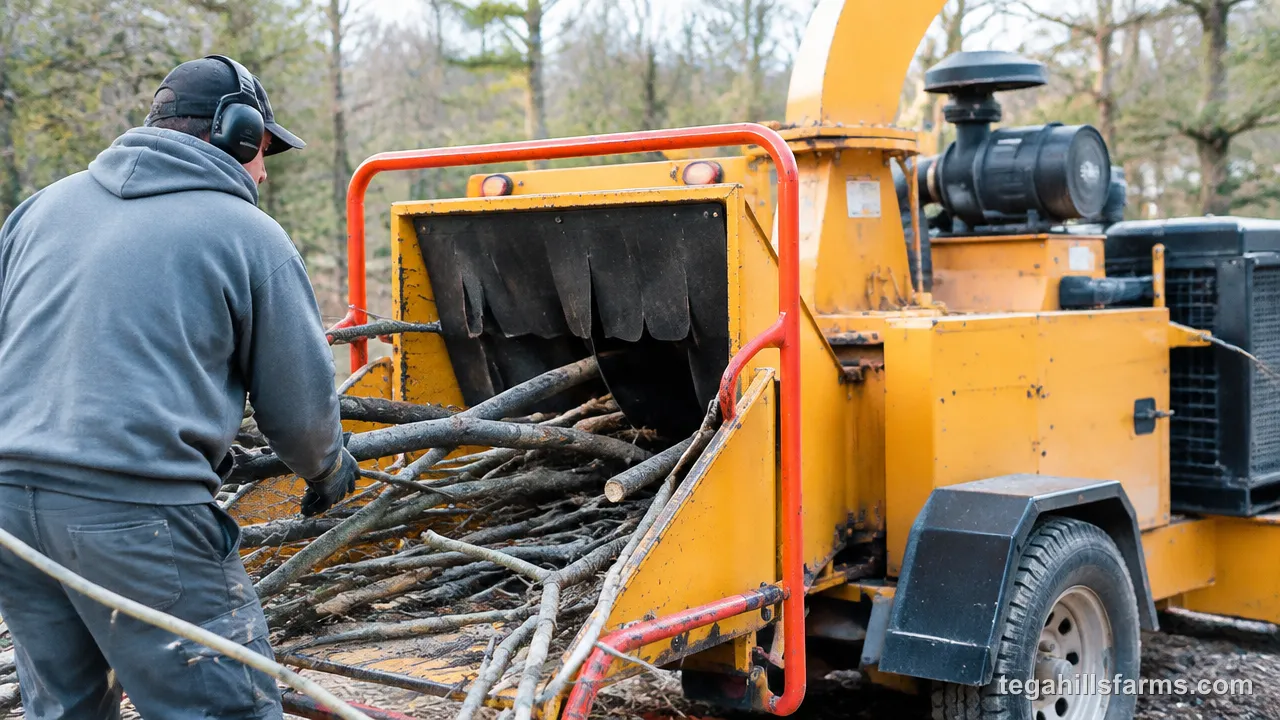
Professional brush chippers from Bandit, Morbark and Vermeer can run for decades when they’re maintained. Morbark’s Jeremy Beatty has said there’s no reason a machine with proper care and available parts shouldn’t reach 30 years or more. Commercial units are built so the parts that wear can be replaced without retiring the whole machine.
Engine hours usually drive the rebuild decision. Once an engine nears 8,000 hours or more and starts showing small problems, owners begin weighing a rebuild against replacement. Tier 4 diesel engines add emissions aftertreatment with its own service needs, and neglecting it can cause power loss long before the engine itself is worn.
Disc and drum designs wear differently. A disc chipper mounts its knives on a heavy flywheel, so the disc, its bearings and the knife pockets carry most of the wear. A drum chipper mounts its knives on a rotating drum fed by large rollers, so the drum surface, the feed rollers and their drive see the heaviest use.
How Often Should a Wood Chipper Be Serviced?
Chipper service runs on two schedules: quick checks every time the machine runs, and heavier work timed by operating hours. Keeping both protects chipper life because the problems each one catches compound quickly. A loose bolt becomes a damaged knife mount, and a skipped oil change becomes a worn engine.
What Should You Check Before and After Every Use?
Before each job, grease the fittings, check that knife bolts and other fasteners are tight, and look over the knives and anvil edge. After each job, clear debris and packed chips and inspect the feed wheel. Chipping vibration loosens hardware steadily, so a quick wrench check catches problems while they’re still cheap to fix.
Look for nicks or rolled edges on the knives and rounding on the anvil. Spin the feed wheel by hand with the machine off and locked out, and check its teeth and springs. Confirm the feed control bar and safety stop work before anyone feeds a branch.
After shutdown, empty the chute and housing. Wet chips packed around the rotor hold moisture against the steel, and dried sap glues them in place by the next job.
What Maintenance Is Needed at Longer Intervals?
Engine oil and filter changes, air filter service, belt and bearing checks, knife sharpening and off-season storage prep all follow operating hours, not the calendar. Use the engine and chipper manufacturers’ intervals. Chipping is dusty, high-load work, and it pushes engines toward the short end of any service schedule.
The air filter needs extra attention because sawdust and grit load it quickly, and a restricted filter costs power and raises wear. Check belts for cracking and correct tension, since a slipping belt heats up and glazes. Feel for play or heat at the rotor bearings, which are expensive to replace once they fail.
Before the off-season, clean the machine thoroughly, grease every point, and drain or stabilize the fuel. Store it under cover. Skipped interval work is behind many early engine and bearing failures, and those are the repairs that push an otherwise sound chipper toward retirement.
What Signs Show a Wood Chipper Is Near the End of Its Life?
A worn-out chipper shows trouble in its engine and its structure at the same time, not just dull knives or a dirty filter. Telling routine wear from deep wear protects you from two mistakes: spending heavily on a machine that’s done, or scrapping one that only needed service.
Which Engine Problems Point to a Rebuild?
Hard starting after the fuel and spark have been checked, loss of power under load, blue smoke, rising oil consumption and a high hour count together point to a worn engine that needs more than a tune-up. One symptom alone often has a simple cause. Several at once usually mean worn rings, valves or bearings.
Compression loss sits behind most of these symptoms. As rings and cylinders wear, the engine starts harder, burns oil, and drops speed when a heavy branch hits the knives. A compression test from a small-engine or diesel shop confirms it before you commit to a rebuild.
If your wood chipper won’t start at all, check fuel, spark, the battery and the safety interlocks before assuming the engine is worn out. On Tier 4 diesels, emissions system faults can cause power loss that looks like engine wear. These are often fixed without opening the engine.
Which Structural and Drive Wear Signs Should You Watch For?
Cracks in the housing or welds, worn feed wheel teeth, play in the rotor bearings, worn drive parts and knife mounts that keep getting damaged all signal deep wear that makes repairs costly or unsafe. Unlike engine wear, structural damage around a spinning rotor is a safety problem, not just a reliability one.
Look for cracks near the rotor housing, discharge chute mounts and hitch. Rock the disc or drum with the machine locked out. Any clunk or wobble means bearing wear. Check whether knives still seat flat in their pockets, because damaged mounts let knives shift under load.
On the drive side, look for worn sheaves, stretched belts that won’t hold tension, and feed rollers that slip even with sharp knives. When several of these appear together, the repair bill starts to rival the machine’s value.
Should You Rebuild or Replace an Old Wood Chipper?
Rebuilding usually makes sense when the frame and rotor are sound, and replacing makes sense when structural damage, obsolete parts or a capacity mismatch turn each repair into a short-term fix. Price the replacement first. A new 12-inch gas chipper runs from the mid-$30,000 to the mid-$40,000 range depending on options, and that figure, along with how much a wood chipper costs at smaller sizes, sets the bar a rebuild has to beat.
When Does Rebuilding Make Sense?
A rebuild pays off when the frame, housing and rotor are solid, parts are easy to get, the machine still fits your workload, and the work buys meaningful extra time. Contractors who rehab a dependable older chipper and put it back into service often get four or five more years from it.
The frame is the deciding factor. Engines, bearings, feed wheels and knives can all be replaced, but a cracked or fatigued housing can’t be economically renewed. Parts availability comes next. A model with good dealer support is far easier to rebuild than an orphaned one with discontinued castings.
I’d lean toward rebuilding when the engine is the main problem and everything around it checks out. In that situation you’re buying a new heart for a body that still has years in it, usually for well under the cost of a new machine.
When Is Replacing the Chipper the Better Move?
Replacement makes sense when breakdowns keep repeating, the structure is damaged, parts are obsolete, the machine is too small for the work you now do, or repair bills approach what the chipper is worth. At that point each fix buys less reliable time than the last.
Downtime matters as much as the repair bill. For a crew, a chipper that quits mid-job idles workers and trucks, and that lost day can cost more than the repair. That’s why some contractors replace brush chippers on a calendar, at three, five and eight years, choosing predictable costs over the risk of breakdowns in the field.
A capacity mismatch is the simplest case. If you now feed bigger material than the machine is rated for, rebuilding it only brings back a chipper that’s still overworked.
A single nail buried in a storm-downed limb or a stone lodged in a root flare can chip a full set of knives in one pass, and the shock goes straight into the rotor bearings. Damage like that never shows in an hour meter, so a machine with modest hours can still be retired early by what was hiding in its brush pile.
What Shortens a Wood Chipper’s Life Faster Than Expected?
Metal and stones hidden in brush, stale or ethanol-blended fuel, wet material clogging the chute, and poor storage ruin more chippers early than steady use does. Each one causes damage that builds up quietly until a bearing, knife or carburetor fails.
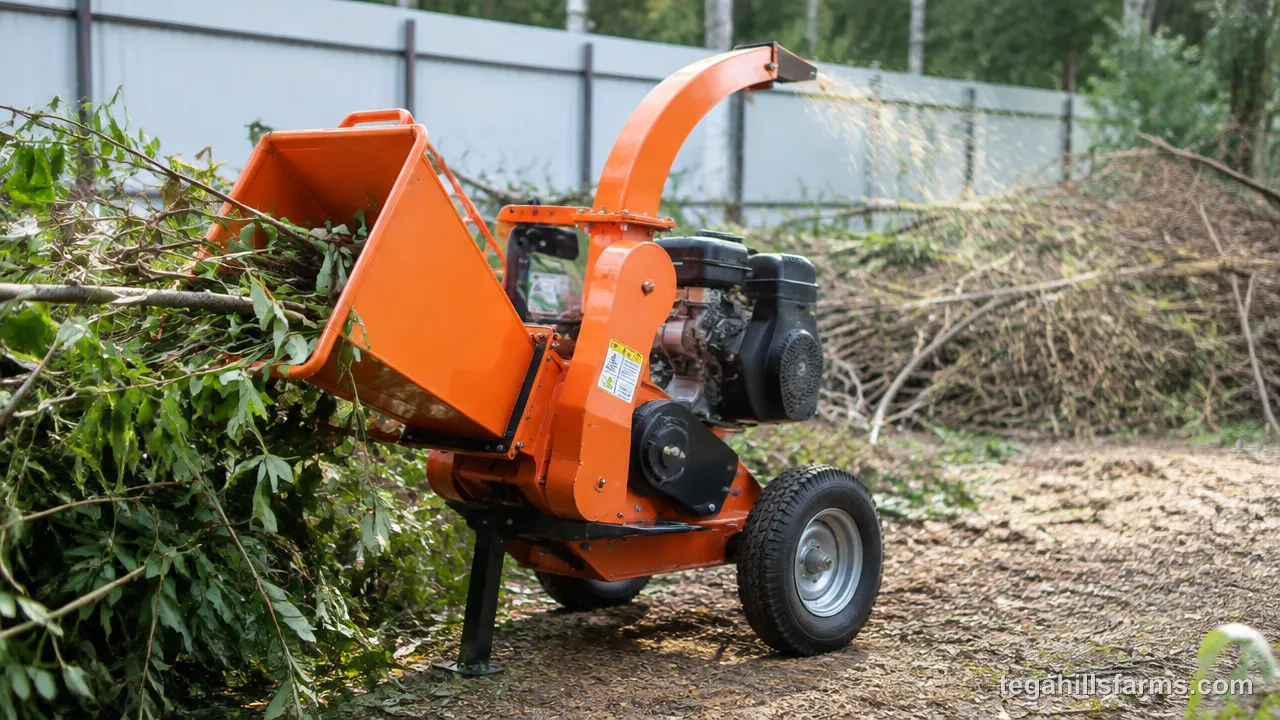
Nails, fence wire and embedded stones are common in fence-line trees, storm debris and branches dragged across gravel. One hit can chip knives and shock the rotor bearings. Look over brush from those sources before feeding it.
Ethanol-blended gas absorbs moisture and leaves varnish in small-engine carburetors when it sits. Run the machine dry or stabilize the fuel before long breaks. Wet leaves, vines and soggy brush wrap around the rotor and pack the discharge, which overloads the engine and holds moisture against the steel.
Storage finishes off what’s left. A chipper parked outside under a tarp collects condensation, rusts its knives and pivots, and seizes its feed wheel. Store it clean, dry and greased, under a roof.
How Does a Chipper’s Age and Condition Affect Resale Value?
Engine hours, service records, knife and feed wheel condition, and brand reputation shape a used chipper’s value more than its model year. Buyers pay for evidence that a machine was cared for. A documented history of oil changes, bearing service and knife replacements lowers their risk, and they price it that way.
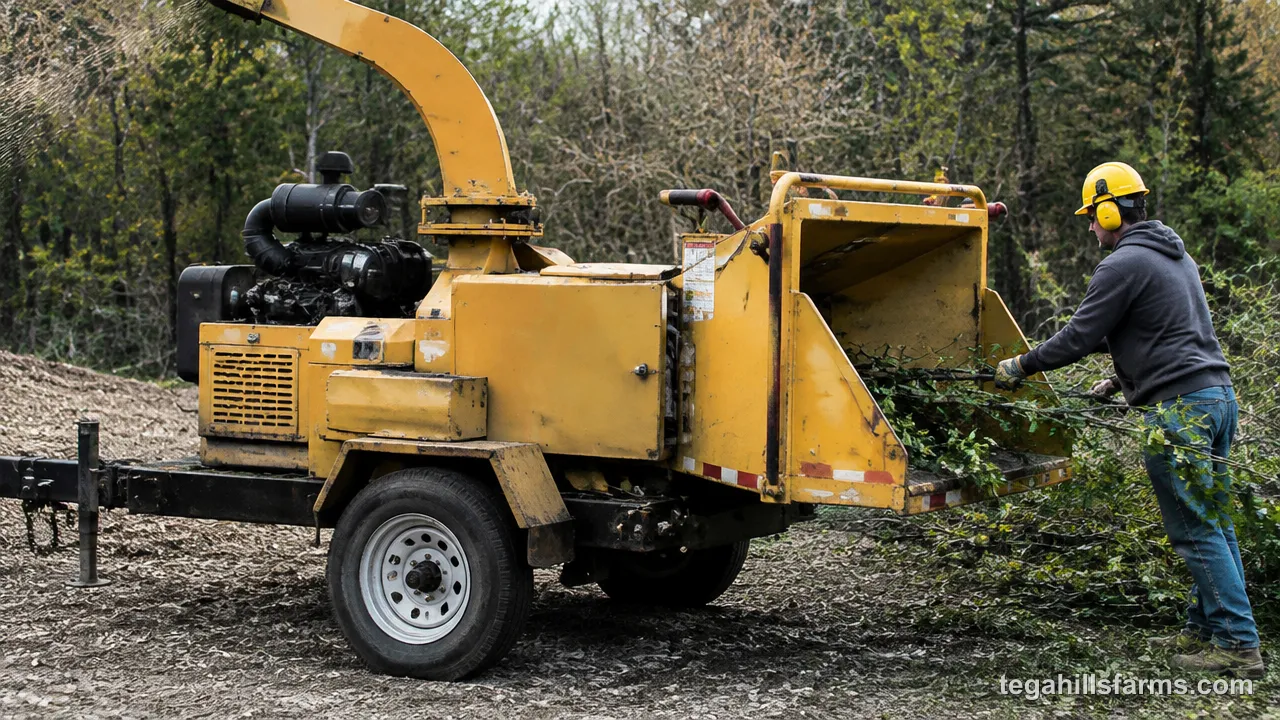
Low hours with no records can still raise doubts, while higher hours backed by a clean service log often sell well. Fresh knives, a tight feed wheel and smooth rotor bearings show a buyer the machine has been run carefully. Established commercial brands with strong dealer support hold value because parts will remain available.
This affects the keep-or-sell decision directly. If a chipper is approaching an expensive engine or structural repair, selling it while it still runs well often returns more than rebuilding it. Once the problems show up, the machine’s value drops faster than the repair cost does.
Wood Chipper Lifespan FAQs
Which wood chipper brands are known for durability?
Bandit, Morbark and Vermeer are long-established commercial brush chipper makers, and their dealer networks keep parts available for older machines. Parts support matters for longevity because a chipper only lasts as long as its wear parts can be replaced. For homeowner models, duty rating and build quality matter more than the brand.
Can a wood chipper really last for decades?
Yes, a professional brush chipper can stay in service for decades if it’s maintained on schedule and parts remain available. Engines, bearings, knives and feed wheels can all be rebuilt or replaced. A sound frame and housing are what make that long service life possible, so protect them from cracks and rust.
How often do chipper blades need attention?
Check the knives before every use and sharpen or flip them when chip quality drops or the engine starts straining. How quickly they dull depends on wood type, dirt in the brush and blade material. Dirty, gritty brush dulls an edge much faster than clean wood does.
Is an electric wood chipper less durable than a gas model?
An electric chipper has fewer parts that can fail, with no carburetor or oil, but it’s built for lighter work than most gas models. Kept to small branches, it can last a long time. Forcing thick limbs through it overheats the motor and wears out the machine far sooner.
Is a used chipper with high engine hours worth buying?
It can be, if service records show regular oil changes and bearing care and the frame is free of cracks. High hours mean the engine may need a rebuild sooner, so factor that cost into your offer. A low-hour machine with no records and visible neglect is often the riskier buy.
Write Your Review
No reviews yet. Be the first to share your experience!