

A well-maintained in-ground sprinkler system lasts about 20 years in total. Its heads, nozzles and valve parts usually wear out and get replaced several times before the buried pipe needs attention.
How long your own system lasts depends on four conditions: how hard your winters are, how often the system runs, how carefully it was installed, and how well its parts were built. Two systems installed in the same year can age very differently. One may sit in a mild yard with a sensible schedule, while the other gets frozen, overwatered and repaired with whatever part was on the hardware store shelf.
The bigger worry for most homeowners is replacing a whole system too early. A leaking zone or a dead head can look like the end of the system when it is often a worn part that unscrews and swaps out in an afternoon.
If you live where the ground freezes, the single habit with the most effect on lifespan is draining the lines before the first hard frost. Water left in a pipe or valve body expands as it freezes, and that one overnight event can crack parts that would otherwise have lasted for years.
How Long Does a Sprinkler System Last?
A complete in-ground system typically runs 15 to 20 years before full replacement makes sense, and careful installation and upkeep can stretch a residential system to 20 to 25 years. That figure covers the system as a whole, not every part inside it.
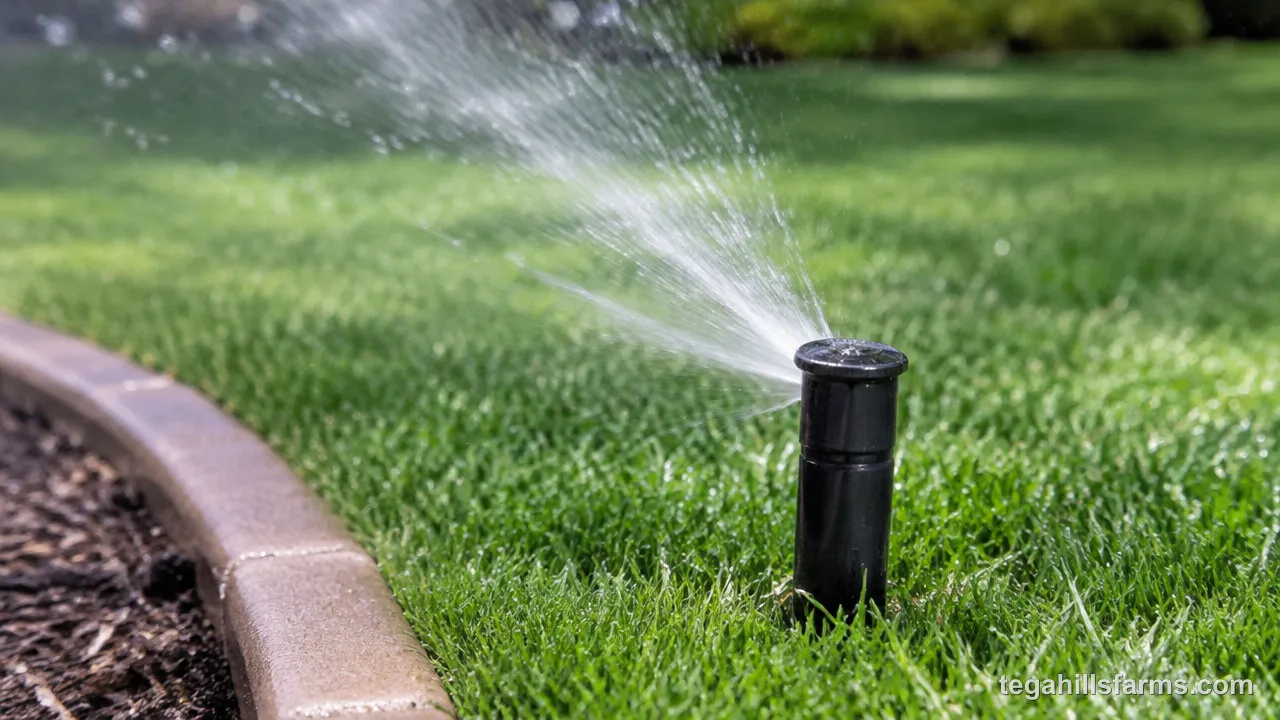
The gap between system life and part life comes from where each part sits and what it does. Buried piping has no moving parts and is shielded from sun and foot traffic, so it ages slowly. Heads pop up and retract on every cycle, nozzles carry water at pressure, and valves open and close thousands of times, so those parts wear out on their own schedules. Swapping them as they fail is ordinary maintenance, not a sign that the system is finished.
This changes how you budget for a system. Expect a steady trickle of small replacements over its life rather than one large bill at the end. A system that gets those small repairs on time usually reaches the long end of the range, and one that is neglected usually falls short of it.
Durability starts with the equipment itself, so it pays to learn how to choose a sprinkler before you commit to a new system.
How Long Does Each Part of a Sprinkler System Last?
Moving parts, rubber seals and electronics wear out first, while buried pipe can outlast the rest of the system several times over. This matters when you plan repairs, because a failure in a short-lived part rarely means the long-lived parts around it are in trouble.
Parts that cycle, flex or carry current wear the fastest. Rigid plastic sitting quietly underground wears the slowest. Knowing which group a failed part belongs to tells you whether you are looking at routine upkeep or a deeper problem.
How Long Do Sprinkler Heads and Nozzles Last?
Sprinkler head bodies usually last 5 to 15 years, depending on the model, the brand, your water quality and your yard. Lower-quality heads can fail in as little as 2 years. Nozzles wear out faster, often within a couple of years, because water passing through a small opening slowly erodes it and minerals in hard water build up inside.
The type of head changes how it wears. A rotor sprinkler turns on internal gears, so its weak point is the drive mechanism and the seals around it. A spray sprinkler, also called a fixed spray head, has fewer moving parts, but its riser and wiper seal take a beating every time it pops up. Drip irrigation emitters have almost no mechanical wear, but they clog easily when the filter upstream is neglected.
A better-built head usually has a sturdier body, a stronger retraction spring and a wiper seal that keeps grit out of the riser. Those details decide whether a head keeps rising cleanly after years of mowing nearby. Matching head type to the area you water also reduces strain, which is why it helps to work out what size sprinkler you need before you replace a run of heads.
How Long Do Controllers, Sensors and Solenoids Last?
A sprinkler controller typically lasts 10 to 20 years, and a valve solenoid can reach an average service life of up to 20 years. Both commonly fail early, though, because of the conditions around them rather than age.
Power problems top the list. Surges from storms, a weathered outdoor outlet or a loose transformer connection can stop a controller long before its components wear out. Field wiring is the next weak link: splices that were not sealed against moisture corrode underground, and one bad splice can silence a whole zone. The solenoid coil itself can burn out, but a dead zone is more often a wiring fault than a dead coil.
A basic timer has few components and little to go wrong. A smart controller adds a wireless radio and more circuitry, and it depends on software updates to keep working with its app. Rain and freeze sensors are simple devices, but they sit fully exposed outdoors, so sun and weather make them the part most likely to need replacing first.
How Long Do Valves, Diaphragms and Backflow Preventers Last?
A backflow preventer body lasts around 20 years, but its internal parts need replacing every 8 to 10 years. Zone valves follow the same pattern: the valve body usually outlives the rubber diaphragm inside it.
The diaphragm is a flexible rubber disc that lifts and seats every time the zone turns on and off. Over the years, the rubber dries out, stiffens and cracks, especially in a valve box that bakes in summer heat. A cracked diaphragm lets water bypass the seal, which shows up as a zone that won’t shut off or a head that weeps after the cycle ends.
Most valve problems can be repaired without replacing the valve. A new diaphragm, a cleaned-out bleed port or a fresh solenoid fixes the majority of stuck or leaking valves, and the valve body stays in the ground undisturbed. Digging out and replacing the whole valve only makes sense when the body itself has cracked, usually from freezing.
How Long Do Underground Pipes and Tubing Last?
Buried PVC piping can last up to 100 years, and irrigation tubing can exceed 80 years when properly installed and protected from damage. These are the longest-lived parts of any sprinkler system.
Their age is rarely what ends them. Water left in the lines during a hard freeze can split a pipe. A shovel or post-hole digger can puncture tubing in one strike, and tree roots slowly press on and shift lines as they grow, which loosens fittings over time. Each of these is a local break that a repair coupling can fix.
Because the pipe usually outlasts everything attached to it, it seldom drives the decision to replace a system. Widespread brittleness or repeated breaks across many zones are the exception, and those cases point toward replacement rather than repair.
Why Does Sprinkler Lifespan Vary From Yard to Yard?
Lifespan varies because climate, how often the system runs, installation quality and part quality each speed up or slow down wear. A single average figure hides those differences. Judging which conditions apply to your own yard gives you a far more useful estimate than any national number.
How Does Climate Affect Sprinkler Lifespan?
Cold-winter regions and hot, year-round regions wear sprinklers out in opposite ways. In colder climates, freezing is the main threat. In warmer ones, constant use and heat do the damage.
In lower-numbered USDA Hardiness Zones, where the ground freezes, homeowners run their systems six to eight months a year. That shorter season means fewer cycles and less wear on valves and heads. The trade-off is that every part holding water is at risk each winter, and a single missed blowout can crack valves, heads and pipe in one cold night.
In warmer zones, such as much of Florida and Texas, systems run throughout the year. Freezing is a minor concern there, but the extra cycles add up. Strong sun breaks down exposed plastic and rubber, and heat dries out valve diaphragms faster.
Neither climate is easier on a system overall. Cold-climate owners need to focus on winterizing. Warm-climate owners need to focus on scheduling and replacing worn parts.
Does Running Sprinklers More Often Wear Them Out Faster?
Yes. Every cycle flexes a valve diaphragm, energizes a solenoid, and raises and lowers each head, so a heavier schedule uses up those parts faster. Longer run times add wear too, because nozzles and rotor gears are working the whole time water flows.
A sensible schedule protects the equipment and the lawn together. Most lawns need about 1 to 1.5 inches of water per week, including rainfall, to soak 6 to 8 inches into the soil. Depending on the system, that usually works out to sessions of 15 to 40 minutes, typically twice a week. Fewer, deeper sessions mean fewer valve cycles than short daily ones, and they push roots deeper.
Overwatering does the most damage, because it adds cycles the lawn doesn’t need. Working out how long to run sprinklers for your soil and grass type is one of the cheapest ways to slow down part wear.
How Do Installation and Part Quality Change Lifespan?
A carefully installed system built with durable parts outlasts a rushed install with budget parts. The rushed system usually shows its weaknesses within the first few seasons.
Installation problems tend to stay hidden until they cause a failure. Pipe laid too shallow is exposed to frost and aeration tines. Fittings that were poorly glued or clamped seep slowly and wash out the soil around them. Heads set too high get clipped by mowers, and heads set too low get buried by thatch and stop rising cleanly.
Part quality plays out the same way. Budget heads with weak springs and thin bodies are the first to stick or crack. Mismatched components cause their own problems: heads with different precipitation rates on one zone leave some spots soggy and others dry, and that tempts owners into longer run times that wear out everything faster.
If you are adding a zone or rebuilding one, learning how to set up a sprinkler correctly prevents most of these early failures.
What Care Habits Help Sprinklers Last Longer?
Sprinkler life depends on seasonal routines and ongoing in-season habits. Seasonal care protects against freeze and pressure damage, and steady habits keep small wear from building into failures. Neither takes much time, but skipping them is the most common reason systems fall short of their expected lifespan.
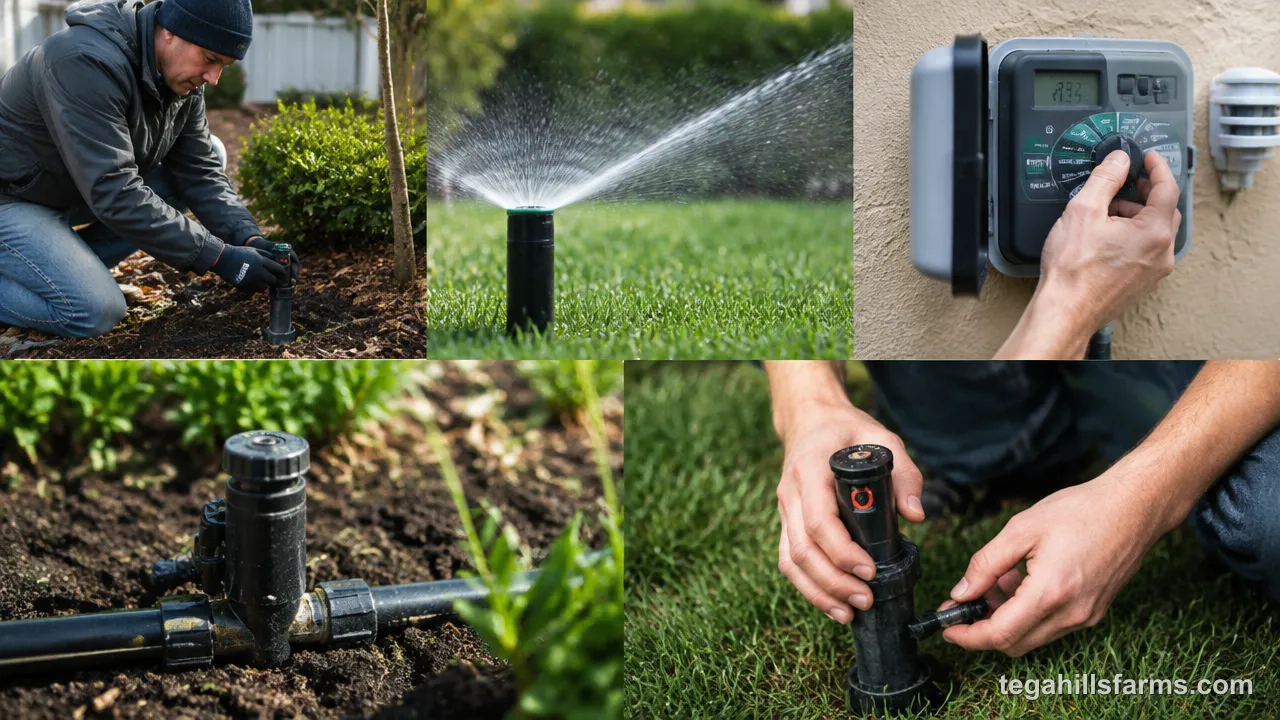
How Do Winterizing and Spring Start-Up Protect a Sprinkler System?
Winterizing removes standing water from pipes, valves and heads before it can freeze, and a careful spring start-up brings the system back under pressure without shocking it. In cold regions, these two steps together prevent most of the damage that ends systems early.
A winterization blowout pushes compressed air through each zone until only mist comes out of the heads. Without it, water trapped in low spots and valve bodies expands as it freezes and splits whatever is holding it. Too much air pressure can also damage heads, so many homeowners hire this job out.
Spring start-up reverses the process. Open the main valve slowly so water fills the lines gradually instead of slamming into fittings, a surge known as water hammer that can crack joints. Then run each zone by itself and walk it. Look for geysers, soggy patches, heads that don’t rise and spray hitting the driveway.
Problems found during the start-up walk are cheap to fix before summer use makes them worse.
What Should You Check and Clean During the Watering Season?
The in-season routine centers on keeping heads clear, clean and aimed correctly. A quick walk of each zone every few weeks catches most problems while they are still small.
Start by trimming grass and clearing debris from around each head. Turf that creeps over a head blocks the spray and holds grit against the wiper seal, which wears the riser. Next, check for clogged nozzles and filters, especially if you have hard water. Unscrew the nozzle, rinse the screen underneath and flush the head before putting it back.
While a zone runs, watch for:
- Spray that has drifted onto pavement or misses its target area
- Pooling water or soft ground near a head, which points to a leak
- Heads that rise slowly, tilt or stay up after the cycle ends
Mowers and foot traffic cause much of the physical damage. Heads set flush with the soil, along with a careful mowing line near beds, avoid most cracked caps and bent risers.
Can a Smart Controller and Rain Sensor Extend Sprinkler Life?
Yes, by cutting out cycles the lawn doesn’t need. A rain or freeze sensor stops the system when it has rained or the temperature drops near freezing. A smart controller adjusts run times to the weather. Every skipped cycle is one fewer cycle of wear on valves, solenoids and heads.
There are limits to what these devices protect. A freeze sensor prevents the system from spraying ice onto walks and plants, but it does nothing for water already sitting in the pipes, so winterizing is still necessary in cold regions. They also can’t prevent mower strikes, root damage or the gradual aging of rubber seals.
On an older system, an upgrade makes the most sense when the existing timer fails or has no sensor connection at all. In that case, the new controller replaces a part you had to buy anyway, and it reduces wear on everything downstream.
Why Do Prompt Repairs With Matched Parts Matter?
Small problems spread when they are left alone. A weeping head washes out the soil around its fitting. A valve that won’t fully close keeps the zone pressurized and overworks the heads on that line. A broken nozzle throws the whole zone’s coverage off and leads to longer run times. Fixing each issue when you spot it keeps the damage limited to one part.
Replacement parts should match what is already in the ground. If a zone was built with K-Rain heads, stay with K-Rain or a model the manufacturer lists as compatible. Heads with mismatched flow rates or pop-up heights unbalance the zone. They also change the pressure the rest of the line sees, which shortens the life of the surrounding parts.
I would rather see a reader spend a little more on one well-made, matching part than save money on a mismatched one that creates two more repairs.
When Should You Repair a Sprinkler System and When Should You Replace It?
Repair makes sense when failures are isolated to individual parts. Replacement of major sections or the whole system makes sense when failures are widespread, keep coming back, or trace to the pipe and controls themselves.
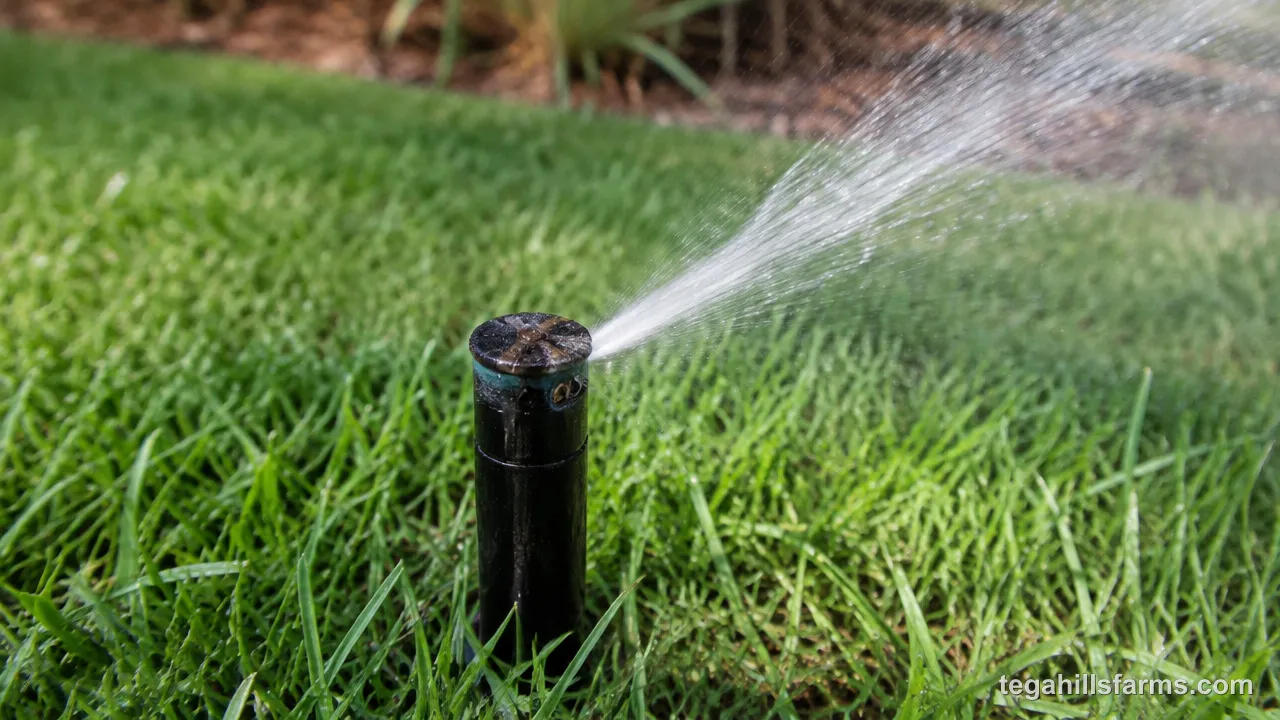
These are usually repair jobs:
- A broken or clogged head or nozzle
- A single stuck valve that needs a new diaphragm or solenoid
- One cut wire
- A pipe crack at one spot from digging or a single freeze
Each of these fixes the problem without touching the parts that still have years left.
The decision shifts when the same zones leak every season, when several valves fail within a short stretch, or when pipe cracks in new places each time you dig to repair it. Brittle pipe and fittings that keep failing mean the problem is in the network itself, not in a single component. An outdated controller with no sensor input adds to the case, because it keeps causing extra wear even after every other part is fixed.
The cost trade-off works the same way. Individual repairs are cheap one at a time, but repeated digging, labor and water waste add up. When repairs to an aging system start arriving in clusters, it is worth looking at how much a sprinkler costs to replace and comparing that against the repairs you see coming.
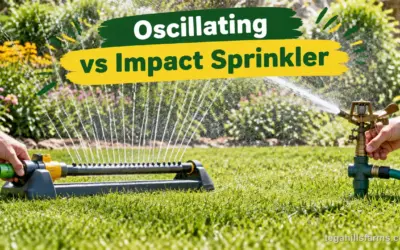
A hose-end sprinkler never sits buried in one spot; it gets dragged across the patio, knocked off the hose, left in July sun and tossed into a shed for winter, and each of those habits wears it out in its own way. When an oscillating arm starts sticking or the coupling starts spraying at your wrist, the fault traces back to how the sprinkler was handled and stored, and the same failure shows up again on the next one if those habits don’t change.
How Do Portable Hose-End Sprinklers Wear Out Differently From Buried Systems?
A portable sprinkler wears out from handling, sun and storage rather than from soil and freezing pipes. Its life depends mostly on how it is moved and where it spends the off-season.
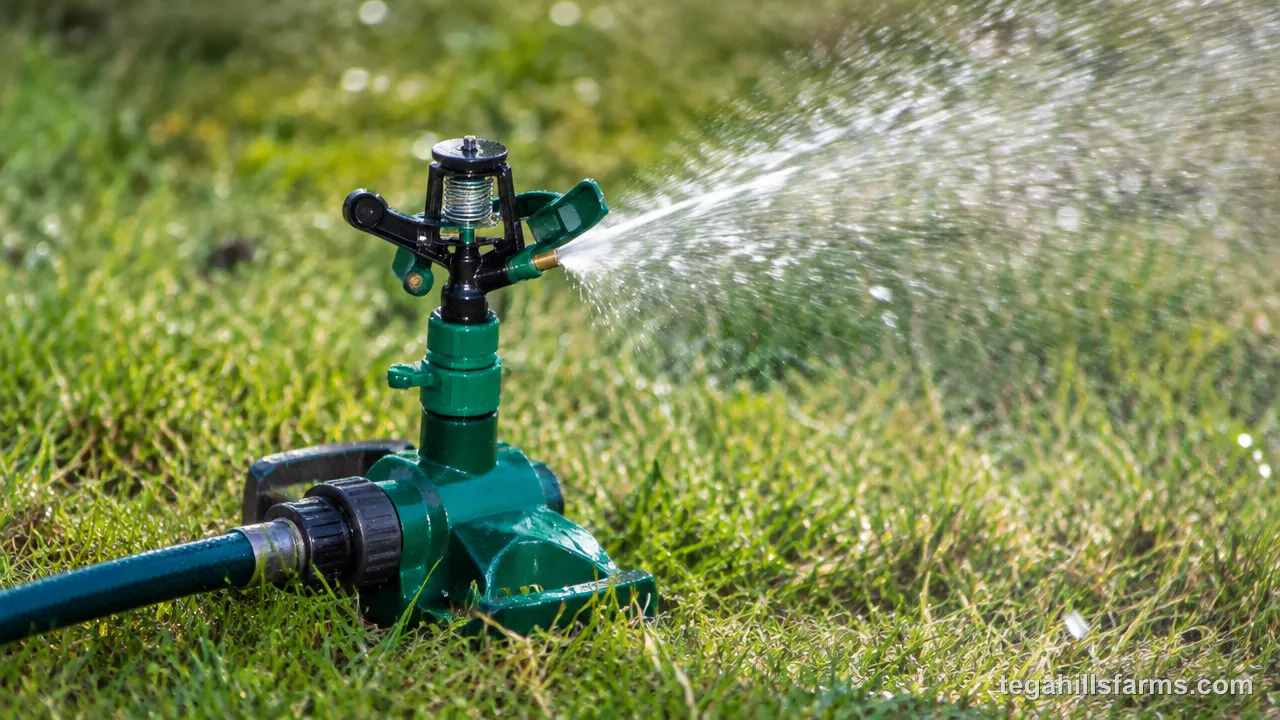
The moving parts take the most wear. In an oscillating sprinkler, the arm’s gear drive and the seals that turn it wear down with every sweep, and grit that gets into the housing speeds that up. An impact sprinkler relies on a spring-loaded arm striking the stream, so a weakened spring or a bent arm changes its pattern. Plastic bodies left in full sun turn brittle and crack when dropped.
The hose connection is the most common point of failure. The rubber washer inside the coupling flattens and splits, and plastic threads strip when the sprinkler is twisted on at an angle or dragged by the hose. Replacing the washer each spring is a small habit that prevents most connection leaks.
Bring portable sprinklers indoors over winter, drained and dry, because water left inside can freeze and crack the housing. Once the internal gears or body fail, these sprinklers are generally replaced rather than repaired, since replacement parts are rarely sold.
How Can a Tuna Can Check Show a Sprinkler Is Wearing Out?
Setting shallow, straight-sided cans around a zone and running it shows whether water is landing evenly. Uneven amounts in the cans point to worn nozzles, clogged heads or heads that have shifted out of alignment.
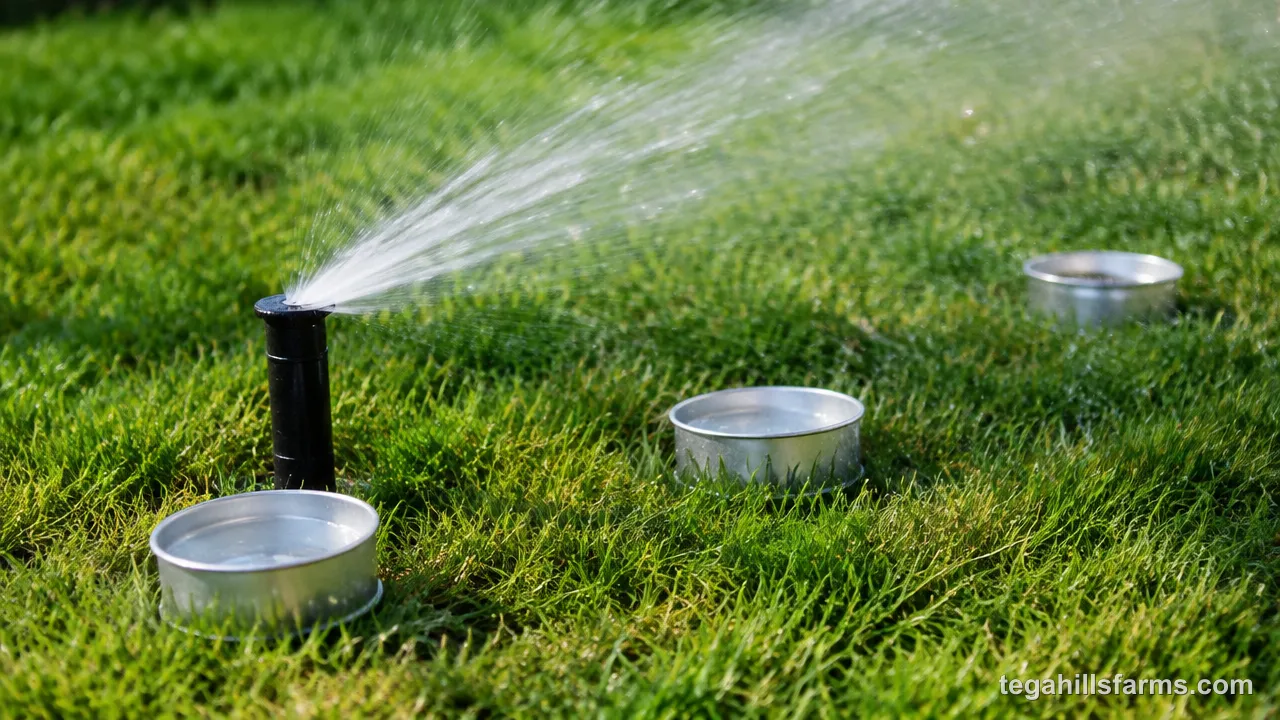
Place empty tuna cans, or similar catch cans, in a loose grid across one zone, with some near heads and some in the gaps between them. Run the zone for a set time, then compare the water depth in each can with a ruler. In a healthy zone, the cans hold similar amounts. In a worn zone, some cans come out nearly dry while others overflow.
How to read the results:
- Low cans clustered around one head usually mean a clogged or worn nozzle.
- A dry stripe between heads suggests a head that is tilted or no longer rotating fully.
- Low readings across the whole zone point to a pressure problem, often a leak upstream.
Uneven coverage causes more damage than it seems. Owners tend to lengthen run times to green up the dry spots, which overwaters the rest of the lawn and adds wear to every part on the zone. Cleaning or adjusting the problem head fixes the coverage without the extra cycles.
What Else Do Homeowners Ask About Sprinkler Lifespan?
Can you replace sprinkler heads without redoing the whole system?
Yes. Heads thread onto risers or fittings, so a worn or broken one unscrews and a new one goes in its place. Choose a replacement with the same type, pop-up height and flow rate as its neighbors, so the zone keeps watering evenly and the surrounding heads aren’t overworked by a mismatched part.
Does winterizing matter in a mild climate?
It matters less, but it still counts in any area that sees occasional hard freezes. A single cold night can crack a backflow preventer or an exposed valve. In mild areas, insulating exposed above-ground parts and draining them before a forecast freeze often gives enough protection. Check local guidance for your zone.
Do smart controllers last as long as basic timers?
Both fall within the same general service range, and lifespan depends more on conditions than on type. A smart controller has more circuitry and relies on ongoing software support. A basic timer has fewer parts to fail. For either one, surge protection and a mounting spot sheltered from sun and rain matter more than the model.
Does a sprinkler system need to run all year?
No. It only needs to run when rain doesn’t cover the lawn’s water needs. Warm-climate lawns may need watering in most months, while cold-climate systems shut down and get winterized for the off-season. Running during cool, wet stretches only adds wear to valves and heads without helping the grass.
How can you tell a sprinkler head is worn out?
Watch for heads that rise slowly, stick up after the cycle ends, leak at the base, or throw a weak or lopsided spray after cleaning. If flushing the head and rinsing the nozzle screen doesn’t restore a full, even pattern, the internal seals or spring are likely worn, and replacing the head is the practical fix.
Write Your Review
No reviews yet. Be the first to share your experience!