

A hose-end sprinkler is an inexpensive purchase you can pick up on a weekend errand. A professionally installed in-ground system costs thousands of dollars, and drip irrigation usually falls between the two. Your project’s place in that spread depends far more on the size of your lawn and how water reaches it than on which brand of heads you choose.
Four things drive the final number: lawn area, the number of irrigation zones, the type of system, and labor. Labor is the largest share of most professional quotes. Site work such as trenching, a backflow preventer, and local permits can raise the total further.
The decision most homeowners struggle with is whether to dig the trenches themselves. A DIY build removes the labor bill. You still pay for parts, rented equipment, and any design mistake you have to fix, so how much you save depends on your yard and on how comfortable you are with pipe fittings and low-voltage wiring.
How Much Does a Sprinkler System Cost on Average?
A professionally installed in-ground system typically costs $4,500 to $8,500 for a 5,000-square-foot yard. A basic hose-end sprinkler costs a small fraction of that.
Averages rarely agree because each one combines a different mix of lawn sizes, regions, and system features into a single figure. A flat, open rectangle with good water pressure lands at the low end. Crews can trench it in straight lines and cover it with fewer zones. Slopes, rocky or clay soil, mature trees, and planting beds push the price up, because each obstacle adds digging time, extra pipe, and more heads. Upgrades such as a smart controller or rain sensor raise the total further. Permits and inspections are usually billed on top of the installed price.
Before you compare quotes, it helps to know how to choose a sprinkler type that fits your yard, since that choice sets the price range for the whole project.
How Much Does a Sprinkler System Cost by Lawn Size and Number of Zones?
Lawn area and the number of irrigation zones account for most of the final price, because together they determine how much pipe, how many valves, and how many heads go into the ground. The two usually rise together, since a bigger lawn needs more zones, but they don’t rise at the same rate. Obstacles and a limited water supply can force extra zones onto a lawn that looks modest on paper.
What Is the Cost per Square Foot?
In-ground installation typically runs about $0.90 to $1.70 per square foot. That covers materials and labor but not permits or inspection. Homewyse’s national estimate is a little higher, at $1.04 to $1.91 per square foot, which shows how much these figures shift.
Lot layout decides where you fall in that range. A square lawn on open ground lets a crew trench quickly and space heads evenly. Narrow side yards, curved beds, and tree roots force short pipe runs and extra heads that each cover less area. Hard clay or rocky soil slows trenching, and a system with several head types or a smart controller adds parts.
Small yards often pay more per square foot. Fixed parts such as the controller, backflow preventer, and valve manifold cost about the same whether they serve a tiny front lawn or a large backyard, so spreading them over less area raises the unit price.
How Much Does Each Irrigation Zone Add to the Price?
The first irrigation zone typically costs $585 to $1,335 installed, and each additional zone adds about $750 on average. An average-sized lawn usually needs at least five zones, so the zone count often affects the total more than any single part does.
A zone is a group of heads that run together off one valve. Each zone includes that valve, the low-voltage wire back to the controller, its own pipe run, and five to 10 sprinkler heads. Splitting a lawn into zones keeps every head supplied with enough pressure to throw water its full distance, because a household supply can’t run every head at once.
Zone prices rise when a zone carries more heads, when its pipe has to travel far from the valve box, or when hard ground slows the trencher. Sunny turf, shaded beds, and slopes need separate zones because they take water at different rates, which adds valves even on a modest lot. Working out what size sprinkler you need for each area keeps you from paying for overlapping coverage.
How Does Yard Size, from a Quarter Acre to a Full Acre, Change the Price?
In Michigan, for example, a standard residential system for an average-sized lawn typically costs about $3,700 to $8,600. A lot of an acre or more climbs to roughly $6,000 to $10,000.
The price rises faster than the square footage because a bigger yard adds several costs at once. It needs more zones, longer main lines from the water source, more trenching, and more heads. Each new zone also brings its own valve and its own wiring run back to the controller.
Large properties reach the top of the range when the water supply can’t keep up. A service line with limited flow forces smaller zones, so a full acre can need far more valves than its size alone suggests. Long distances between the house and the far edge of the lawn add trenching footage. A driveway to cross, outbuildings to route around, or a slope down to the back fence adds boring or extra pipe work.
How Do Above-Ground, In-Ground and Drip Systems Compare on Cost?
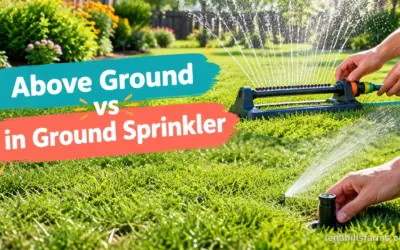
Above-ground sprinklers cost the least up front, drip irrigation sits in the middle, and an in-ground system costs the most because it needs trenching, valves, and a controller. The cheaper options trade money for effort. Hose-end sprinklers have to be moved by hand, and drip lines suit planting beds rather than open lawn. Choosing the system that matches what you actually water matters more than finding a lower price on the wrong type.
How Much Does an Above-Ground Sprinkler Cost?
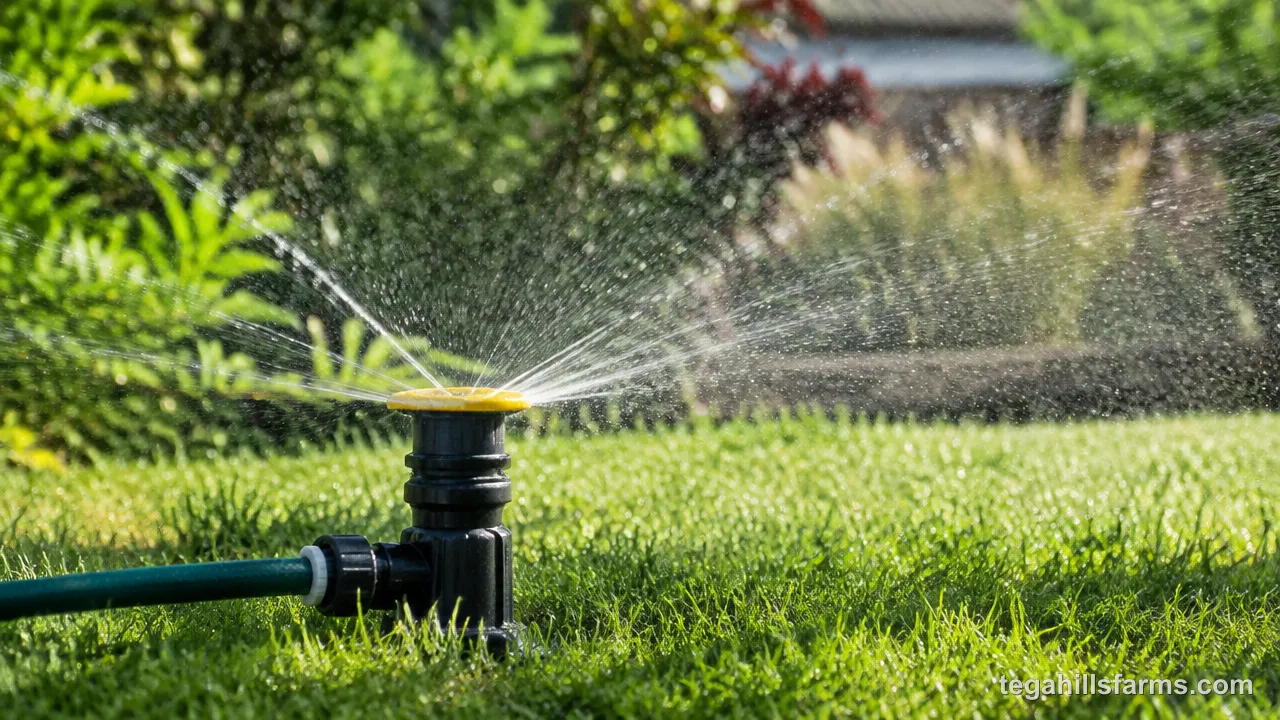
A basic hose-end sprinkler head costs about $15, and a kit with three heads runs about $80. That makes above-ground watering the cheapest way to cover a lawn, with nothing to dig and no installer to pay.
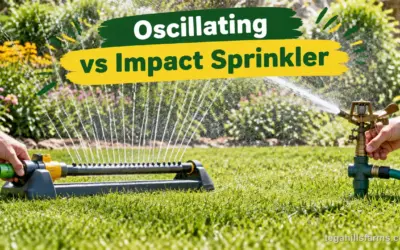
Design and build quality move the price within that range. Oscillating sprinklers sweep a rectangle and suit flat, square lawns. Impact sprinklers throw a longer stream in a circle or arc and handle larger open areas. Metal bases, brass nozzles, and sturdy couplings cost more than all-plastic models, but they hold up better against cracking and leaking at the hose connection.
The trade-off is your own time and effort. You drag the garden hose out, set the sprinkler, remember to shut it off, and move it to the next spot. Over a summer that adds up, and any spot the coverage misses turns into a dry patch.
How Much Does Drip Irrigation Installation Cost?
Drip irrigation typically costs $1,191 to $2,918 installed, including materials and labor. Where your project falls depends on the size of the beds, the number of emitters, and how much tubing has to run from the water source to each planting.
Long runs to scattered beds, many containers that each need an emitter, and a pressure regulator and filter at the head of the system push the price toward the top. A single compact bed near a spigot keeps it near the bottom.
Drip works better than spray heads for flower beds, shrubs, and patio containers because it delivers water at the base of each plant. Less water lands on leaves, paths, and mulch, and drier foliage helps plants that are prone to leaf disease. Spray heads are still the better choice for open turf, where a lawn needs even coverage across every square foot.
What Is Included in the Cost of a Sprinkler Installation?
A quote combines labor, parts such as heads and valves, and site-specific work such as trenching and drainage. Some lines appear on almost every job, including a controller, valves, and a backflow preventer where local code requires one. Others depend on your soil and slope or on upgrades you choose. Asking for each part as a separate line shows you which costs you can actually change.
How Much of the Price Is Labor and Contractor Markup?
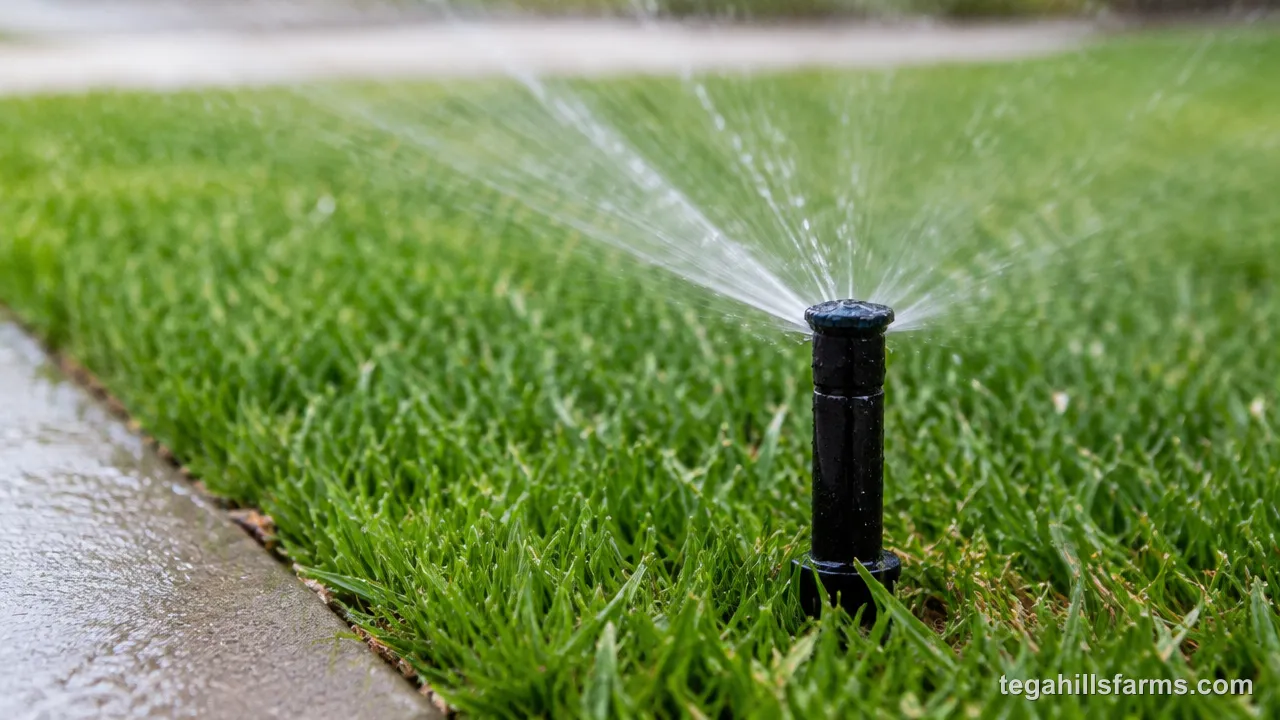
Labor makes up about 60% of a sprinkler project’s total cost. A general contractor who supervises the job can add a 13% to 22% markup on top of that, which makes labor the largest line on most quotes.
The crew marks the layout, cuts the sod, trenches, lays pipe, sets valves and heads, runs control wire, connects to the water supply, and tests each zone for coverage. On a quarter-acre lawn, installation averages about four hours.
Labor costs climb when the ground resists. Rock and dense roots slow trenching machines or force hand digging. A narrow side gate can keep larger equipment out of the backyard and stretch the job. Hiring an irrigation company directly, rather than through a general contractor, removes the markup layer.
How Do Sprinkler Head Types Affect the Price?
Individual heads are a small line on most quotes, from roughly $5 for a basic pop-up spray head to around $40 for a heavier gear-driven rotor. Every zone holds several heads, though, so your head choice still moves the system price up or down.
Each type suits a different area:
- Fixed spray heads put out a fan of water over short distances and suit small lawns and narrow strips.
- Pop-up heads retract flush with the turf, so the mower passes over them.
- Rotary nozzles and gear-driven rotors turn slowly and throw water farther, which suits medium and large lawns.
- Impact heads cover large open areas and tolerate gritty well water.
- Bubblers flood the base of trees and shrubs.
Rotors on a big lawn can lower the system price, because fewer heads mean fewer zones and less pipe. Spray heads on the same lawn do the opposite. Premium brass bodies or matched-precipitation nozzles raise the parts bill in every zone and push the total toward the upper end of the per-square-foot range.
What Do a Backflow Preventer, Wi-Fi Controller and Sensors Add?
A backflow preventer costs about $100 to $600 per piece, not including installation. It keeps irrigation water, which can pick up fertilizer and lawn chemicals, from flowing back into your drinking water. Many local codes require one on any sprinkler system connected to a household supply.
Permits often fall into the same required category. Many towns require a permit for irrigation work tied to the water line, sometimes with an inspection of the backflow device. If you live in a community with a homeowners association, you may also need HOA approval before trenching begins. Check with your local building department and your HOA before you sign a contract.
Wi-Fi controllers and rain or soil moisture sensors are optional upgrades that raise the quote. They adjust or skip watering based on weather and soil conditions. Their value is in cutting wasted water, since the system runs without them.
How Much Do Trenching and Drainage Work Cost?
Trench digging typically costs $4 to $12 per linear foot. An exterior French drain for a sloped lawn runs about $10 to $65 per linear foot. Both show up on quotes where the yard itself, rather than the sprinkler parts, sets the price.
Every pipe run needs a trench, so the footage between the water source, the valve boxes, and the farthest heads drives this line. Hard clay, rock, and compacted soil slow digging. Existing landscaping such as mature beds, tree roots, and pavers forces hand work and careful restoration afterward.
Drainage work appears when a yard already holds water or sheds it downhill. Adding irrigation to a soggy low spot or the base of a slope can leave standing water, so a contractor may pair the system with a French drain that carries the excess away.
DIY vs. Professional Install: Which Costs Less?
Doing it yourself costs less on paper because labor is the largest share of a professional quote, but the savings shrink on large, sloped, or permit-heavy jobs. A DIY build still pays for every pipe, valve, and head, plus equipment rental and the time it takes to design zones correctly. The real comparison is your parts budget, including the cost of mistakes, against a contractor’s price for a system that works the first time.
What Does Professional Installation Cost?
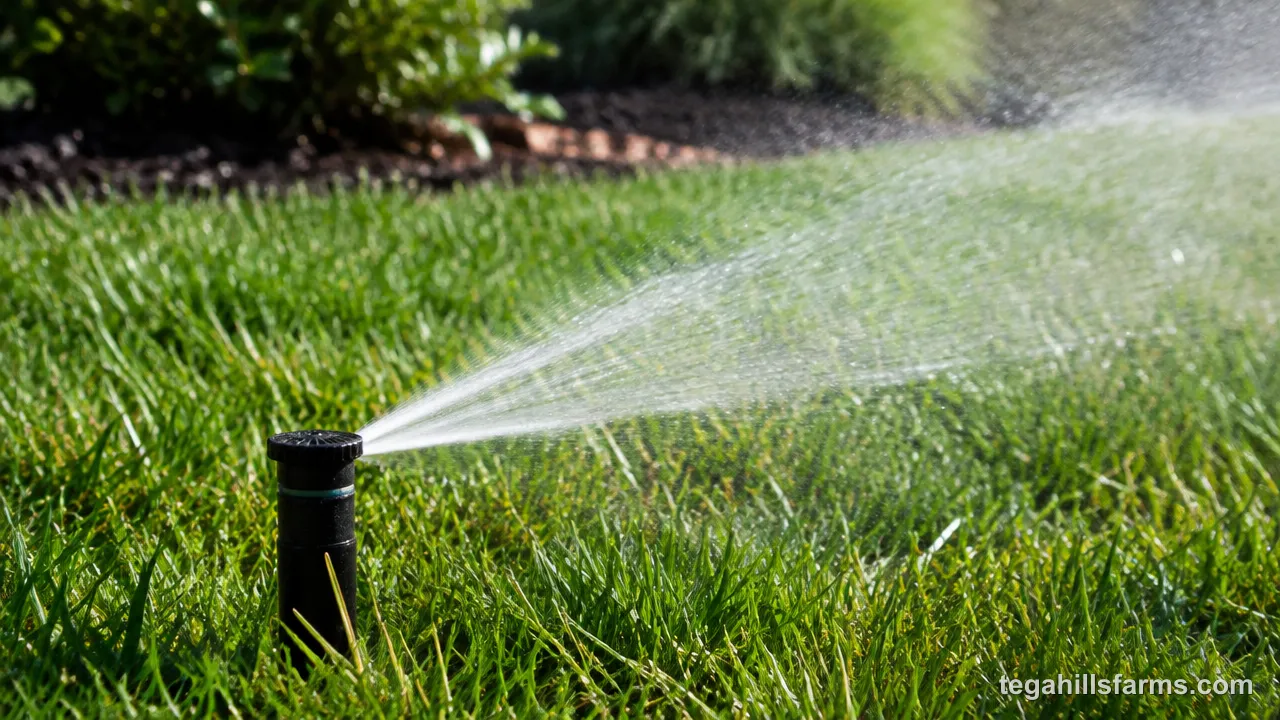
According to NerdWallet, a professional in-ground installation averages about $2,539, with coverage costs ranging from $0.20 to $1 per square foot. Larger lawns and systems with many extras sit well above that average.
A professional price usually covers several things:
- Design work that sizes zones to your water pressure
- Pulling permits where required
- Trenching and laying pipe
- Valves, heads, controller, and backflow preventer
- Restoring the cut sod
You end up with a tested, working system. Ask whether the installer warranties its labor and parts, and get those terms in writing.
Quotes rise with lot size, the number of zones, and extras such as smart controllers and sensors. Contractor demand also affects prices. A crew with a full spring calendar has less reason to sharpen its quote than one looking for work in the slower months.
What Does a DIY In-Ground System Really Cost?
A DIY in-ground build still pays for pipe, fittings, valves, heads, a controller, control wire, a backflow preventer, and rented digging equipment such as a trencher. What you save is the labor, which is the largest share of a professional price. The parts bill remains a real expense.
The backflow preventer is one of the larger parts purchases. Local rules may require a licensed plumber or certified tester to connect or inspect it even on a DIY job. Renting a walk-behind trencher speeds up digging but adds a fee for every day you keep it, and hand-digging an entire lawn turns a weekend project into a much longer one.
DIY costs rise fastest through buying mistakes. The wrong pipe diameter, heads that don’t match your pressure, or too few valves all mean return trips to the store and rework in the yard. A zone that leaves dry patches has to be dug up and reheaded. Reading up on how to set up a sprinkler system before buying anything helps you size zones once instead of twice.
When Does DIY Save Money, and When Does It Cost More?
DIY makes the most sense on a small, simple lawn with flat ground and easy digging, owned by someone comfortable with poly or PVC pipe, low-voltage wiring, and a plumbing connection. A professional is the safer choice for large lots, steep slopes, rocky soil, and towns that require permits and inspections. On those jobs, mistakes cost more and the paperwork alone takes time.
Design errors erase DIY savings fastest. Too many heads on one zone drops the pressure and leaves brown circles between heads. Fixing that means another valve, more wire, and fresh trenches across a lawn you just restored. A cracked fitting under the turf wastes water until you find it.
DIY also carries more risk, because the homeowner pays for every repair. I lean toward DIY only when the whole lawn can be laid out on paper in an afternoon. Beyond that, a contractor’s design and warranty are worth paying for.
Is a Sprinkler System Worth the Cost?
For most homeowners with a sizable lawn, yes. An in-ground system pays off through consistent watering and time saved, while small lawns and low-water landscaping rarely justify the expense.
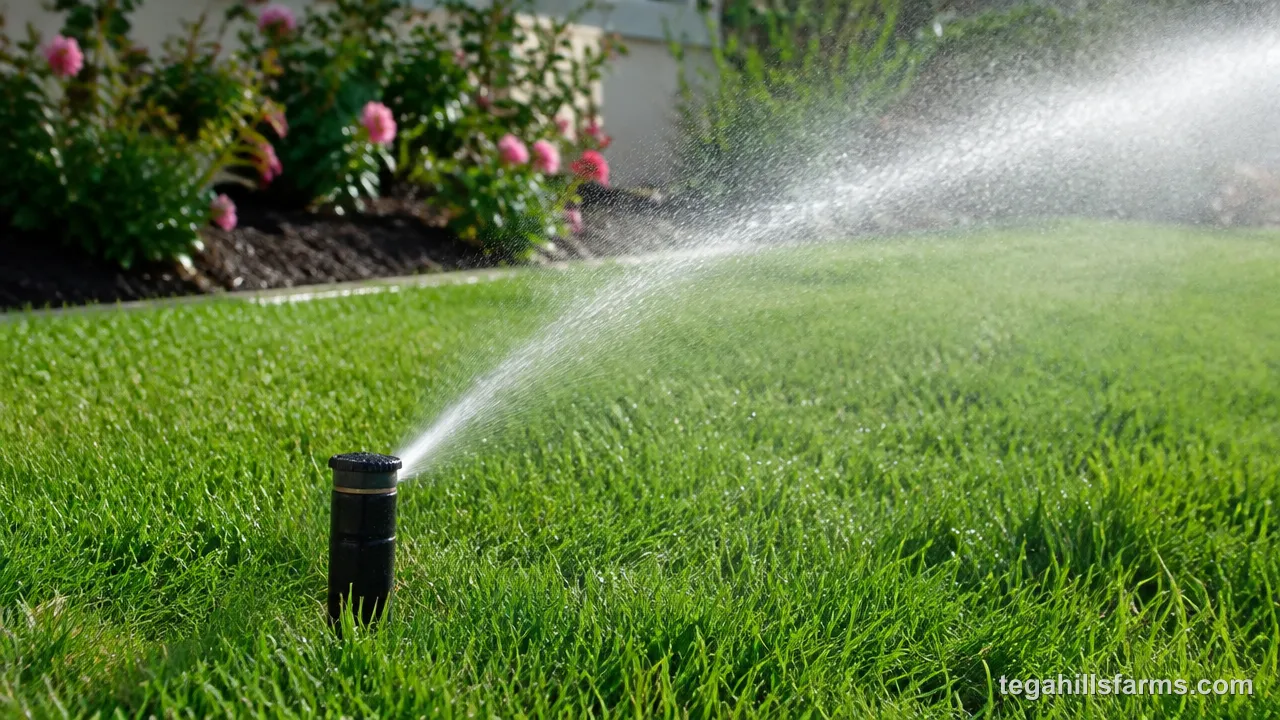
Automated zones deliver water at the right time and rate every week, which keeps turf more even than moving a hose-end sprinkler by hand. The hours you no longer spend dragging hoses add up over a season. Some buyers also see a working system as a plus when a house goes on the market.
The case gets weaker when the lawn is small enough to cover with one hose-end sprinkler, or when native and drought-tolerant beds have replaced most of the turf. In that situation, drip lines can water the beds for less. Knowing how long sprinklers last helps you weigh the upfront price against the years of service the system will give you.
A house on a private well or a narrow service line can push only so much water through its pipes at once, and that limit, more than lawn size, decides how many heads can run together. When a contractor tests the flow and finds it weak, the design gains zones you never planned for, and the quote you budgeted around climbs by several valves’ worth of parts and labor.
How Do Water Pressure and Water Source Change the Price?
Water pressure and flow rate set how many heads can run at once. Weak supply means more zones and a higher price, while strong city water keeps the zone count and the total near the low end of the typical range. Each added zone brings its own valve, wire, and labor charge.
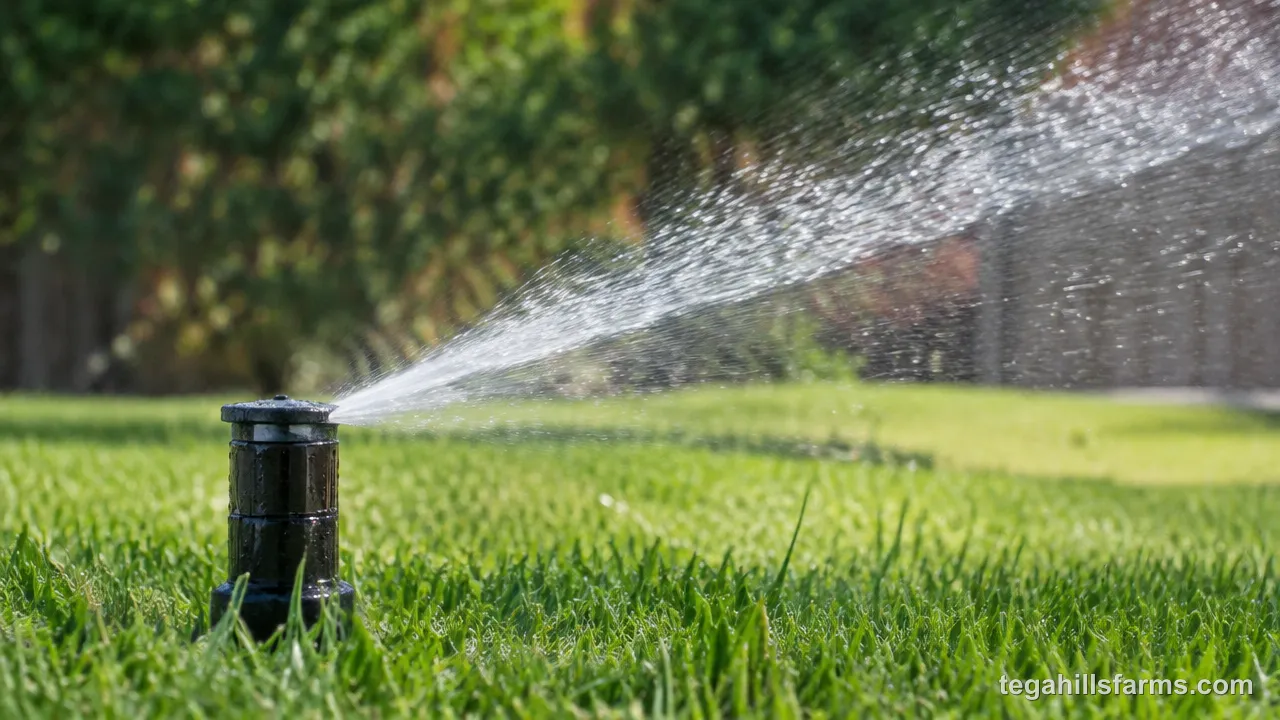
Flow, measured in gallons per minute, limits how many heads a single valve can feed. Pressure determines how far each head throws water. A contractor should test both at the spigot before designing anything, because a layout that ignores them leaves dry spots no matter how many heads go in.
The water source changes the equipment list:
- City water is usually the simplest connection. It requires a backflow preventer and adds to your monthly water bill.
- A private well avoids municipal water charges, but its pump may not deliver enough flow. That can mean more zones, a booster pump, or a storage tank, plus a filter to keep sediment out of the heads.
- A pond or lake needs a dedicated pump, an intake screen, and filtration. These raise the upfront price but remove the municipal water bill.
What Ongoing Costs Come After Installation?
After installation, yearly costs include winterizing, backflow testing, replacement heads, and water. In colder climates, a professional who drains the lines manually charges about $50 to $230 per year to winterize the system.
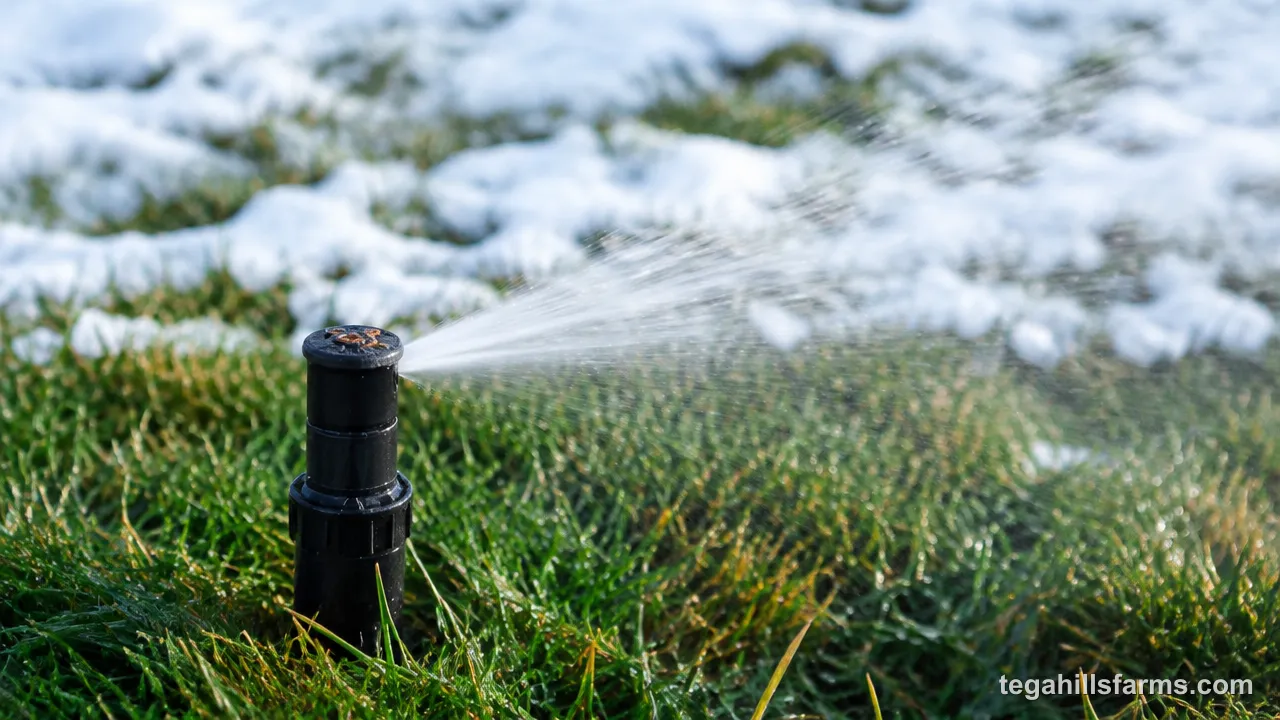
Winterizing keeps water from freezing inside pipes and valves. Skipping it in a cold region can crack fittings and leave you with repairs in spring. Some water utilities require a yearly backflow preventer test by a certified tester, so check with yours. Heads also wear out or break from mower blades, car tires, and frost heave.
Watch for these signs that a repair or replacement is due:
- Heads that no longer pop up or rotate
- Geysers or soggy patches that point to a broken pipe
- A zone that won’t turn on, often caused by a valve or wiring fault
- A water bill that jumps without any change in your schedule
The water bill is the cost you control most directly. Learning how long to run sprinklers for your grass type and soil lowers it without starving the lawn.
How Can You Avoid Overpaying for a Sprinkler System?
The surest way to avoid overpaying is to collect several itemized quotes and turn down any design larger than your lawn needs. Wasted money usually comes from four sources: oversized designs, add-ons you won’t use, a single quote with nothing to compare it against, and line items too vague to check.
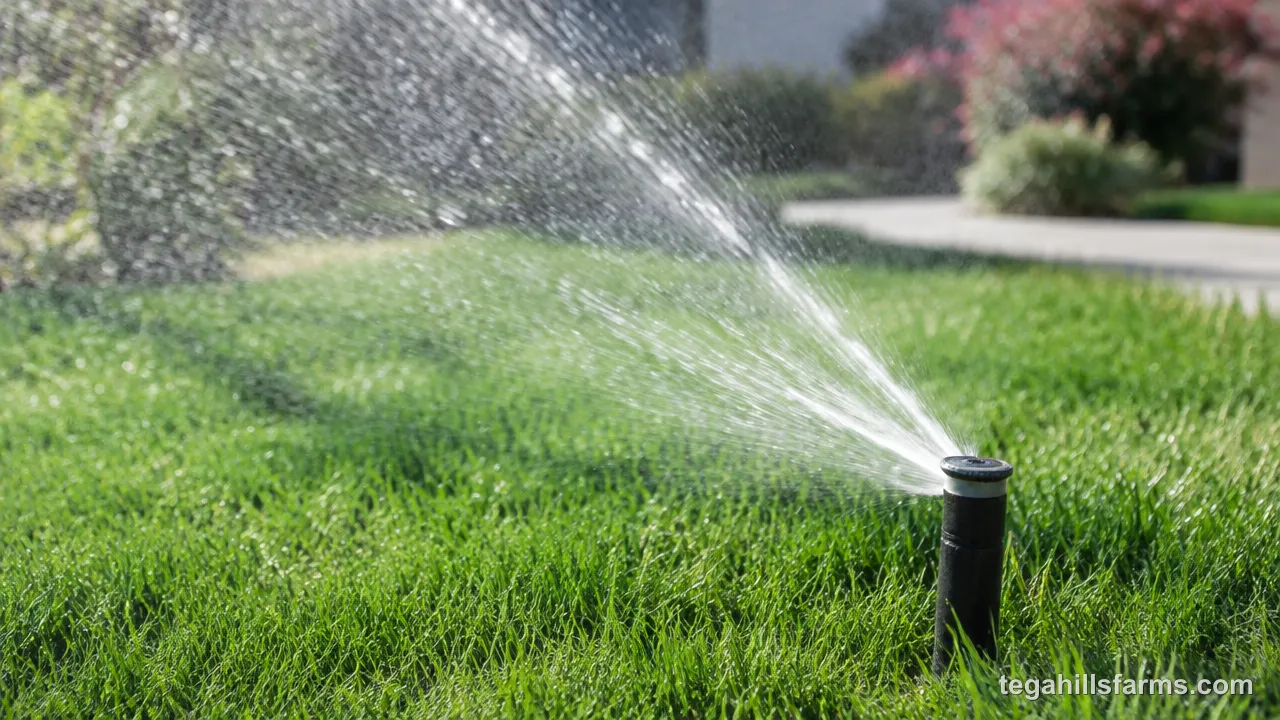
An oversized design has more zones than your water supply and plantings require, heads spaced tighter than their throw distance calls for, or a premium controller on a simple lawn. Sensors earn their cost when they keep the system from watering after a storm. A feature-heavy package you’ll never adjust does not.
To compare quotes fairly, ask each contractor to break out zones, heads by type, valves, the backflow preventer, trenching footage, permits, and labor, then line the quotes up side by side. Question any quote that has a lump-sum “materials” line, a labor charge far above the others for the same footage, or a general contractor’s markup on work an irrigation company would do directly.
Sprinkler Cost FAQ
Are online sprinkler cost estimators reliable?
They give you a reasonable starting range, not a quote. Published estimates disagree because each draws on different regions, lawn sizes, and features, so one may show a per-square-foot rate well below another. Use an estimator to sanity-check bids, then rely on itemized quotes from contractors who have walked your yard and tested your water flow.
Do you need a permit to install a sprinkler system?
Often, yes, especially when the system connects to a household water line and needs a backflow preventer. Requirements vary by town, and some include an inspection of the backflow device after installation. Call your local building department before digging, and remember that permit and inspection fees usually aren’t included in the installed price contractors quote.
Does an HOA need to approve a sprinkler system?
Many homeowners associations review exterior work, including irrigation that cuts through front lawns or changes how water drains toward neighboring lots. Read your HOA’s rules or ask the board before scheduling a contractor. An unapproved installation can lead to fines or a request to restore the lawn to its original condition.
How long does sprinkler installation take?
A professional crew usually finishes an average quarter-acre lawn within a single workday. Larger lots, extra zones, rocky soil, and permit inspections stretch the schedule. DIY installations take considerably longer, since homeowners usually dig, assemble, and test each zone around work and other commitments.
Can you start with a small system and expand it later?
Yes, as long as the original design plans for it. Choose a controller with spare stations, size the main line to carry flow for future zones, and leave room in the valve box or manifold for added valves. Expanding a system built without that headroom often means replacing the controller or re-trenching the main line.
Write Your Review
No reviews yet. Be the first to share your experience!