

A good hedge trimmer matches power source, blade length and weight to the hedges you actually have. Gas suits long, thick growth, battery fits most suburban lots, and corded works when an outlet is close.
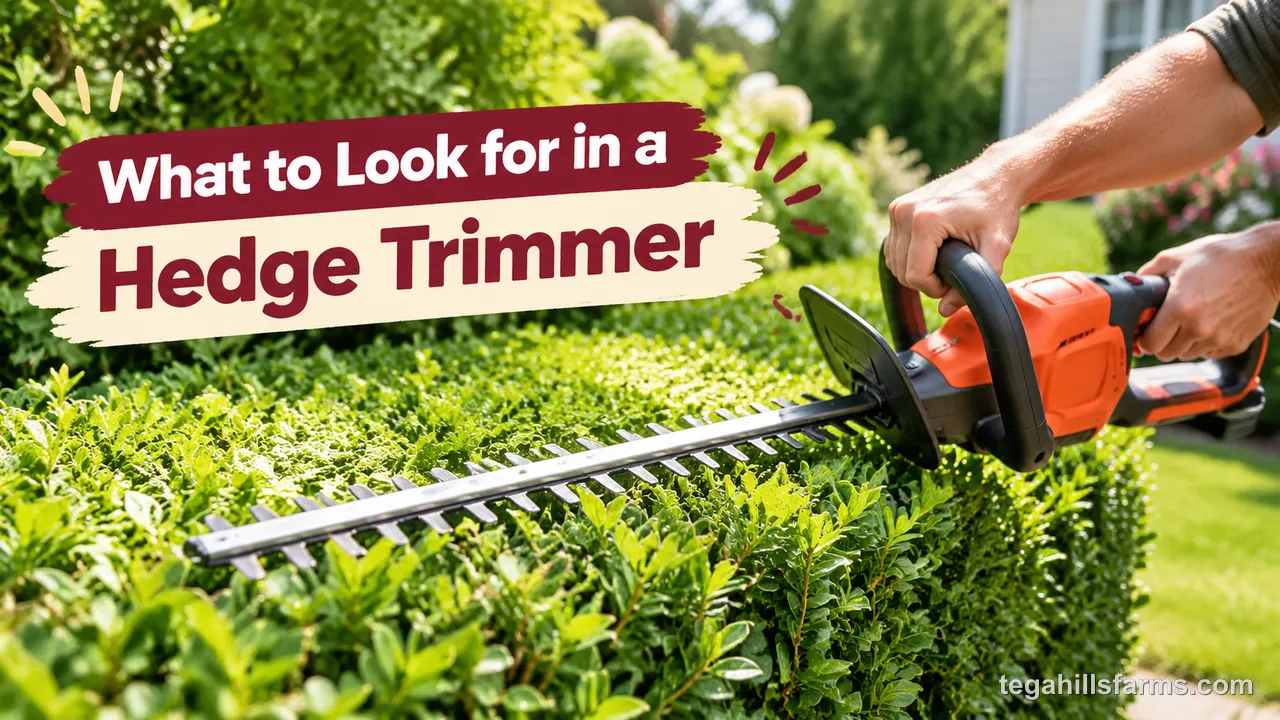
Blade length and tooth spacing decide what the machine can cut and how clean the finish looks. Weight and head design decide how long you can work before your shoulders give out. Safety features sit underneath all of it.
The costly mistakes are usually simple. A trimmer too heavy for overhead work, too weak for woody stems, or tied to a battery platform that matches none of your other tools will sit in the garage.
Before you compare models, measure your longest hedge and check how thick the stems get. Those two facts rule out most of the wrong machines.
Which Hedge Trimmer Features Matter Most?
The features that decide a good purchase are power source, blade length and style, weight and handling, and safety protections. Each one changes how the trimmer behaves on your own hedges.
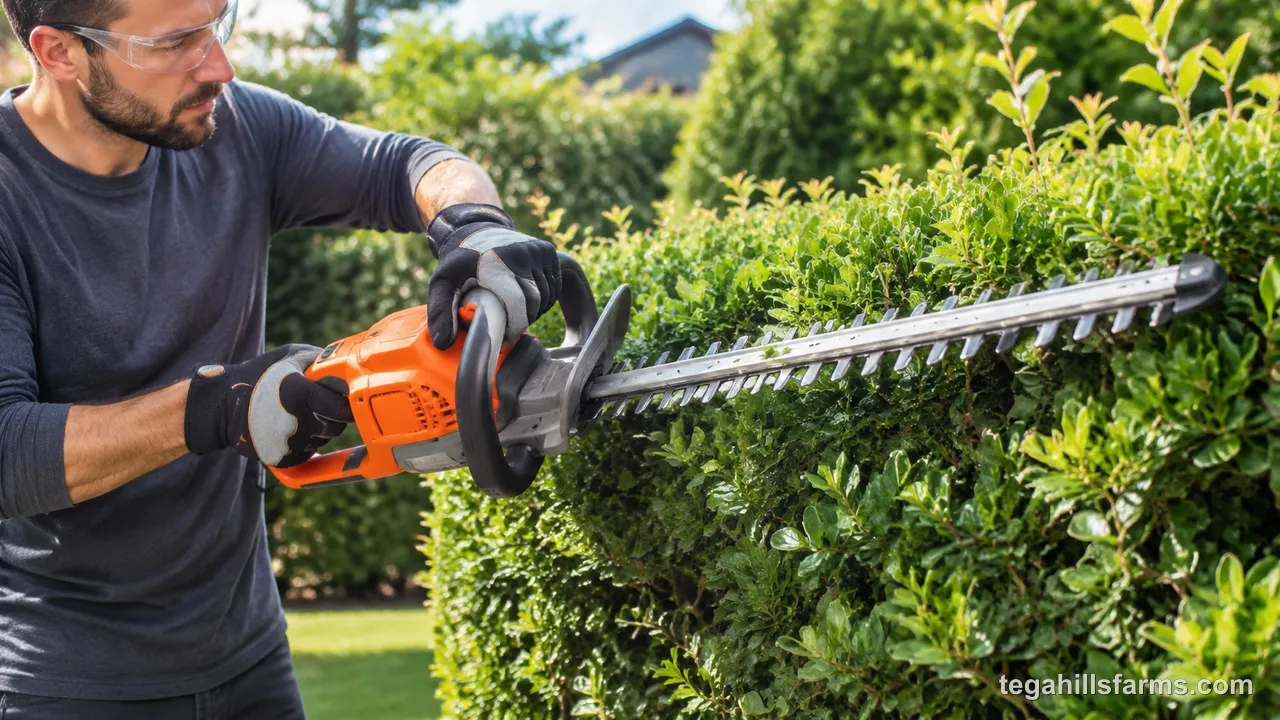
Power source sets your runtime and how much cutting force you get. Blade length and tooth spacing set reach, speed and the thickest stem you can cut. Weight and head design decide comfort on tall or flat-topped hedges, and safety features limit the damage when something goes wrong.
For the complete buying process from assessing your hedges to making the final pick, see our guide on how to choose a hedge trimmer.
Gas, Battery or Corded: Which Power Source Suits Your Hedges?
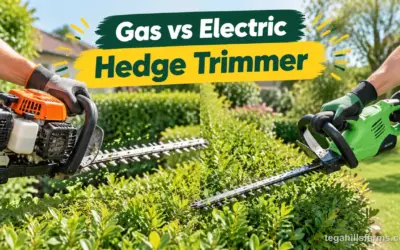
Power source comes down to gas for long, thick hedges, battery for most suburban lots and corded for small yards near an outlet. Your property size and your patience for upkeep rule out the others fast.
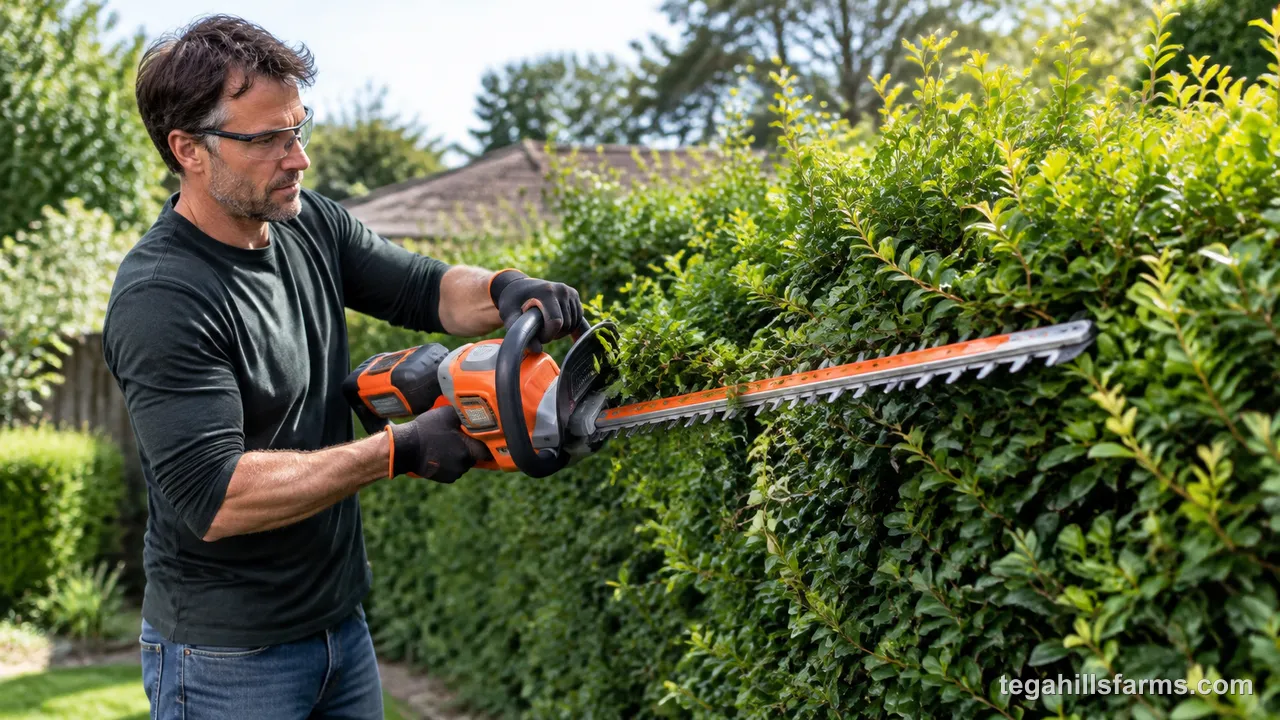
Cutting power, runtime, noise and storage all shift with the choice. Maintenance does too, and it is a big part of the question “how much does a hedge trimmer cost” over the years you own one.
Gas-Powered (Gasoline) Hedge Trimmers
A gas-powered (gasoline) hedge trimmer suits long runs, thick or overgrown growth and yards with no outlet nearby. It runs as long as you keep fuel in the tank.
The price is weight and fuss. Gasoline models typically weigh 5 kg to 7 kg (about 11 to 15 lb) before you add fuel, and that mass builds up quickly when you hold the machine at shoulder height. Gas engines are also loud, so ear protection is part of the deal.
Then there is upkeep. You mix fuel, keep it fresh and prepare the engine for winter storage. Old fuel is the classic culprit when a hedge trimmer won’t start after months in the shed.
I’d only point a typical homeowner toward gas when the hedges are large, mature and unforgiving. For a tidy suburban border, the extra weight and maintenance rarely pay off.
Battery-Powered (Cordless) Hedge Trimmers
A battery-powered (cordless) hedge trimmer is the default for most suburban lots because it has no cord to manage, low noise and easy storage. You grab it, trim and put it away.
Runtime and charge time are the limits. The Flymo 18V EasiCut 450 shows the tradeoff well: a 45 cm (about 18 in) cutting length and a weight of just 2.2 kg (about 5 lb), but a run time of roughly 55 minutes and a charge time of over two hours. That is plenty for a modest hedge. A long, dense run may need a second battery.
The battery platform matters as much as the trimmer. If you already own drills, blowers or mowers on one battery system, a trimmer on the same platform saves money and gives you spare packs. Winter storage is easy too, though you should keep batteries somewhere dry and not fully drained.
Corded Electric Hedge Trimmers
A corded electric hedge trimmer fits small yards near an outlet, where runtime never runs out and the machine stays light. There is no battery to charge and no fuel to mix.
The cord is the catch. It limits how far you can roam, and you have to track it behind you constantly. The real hazard is cutting through it with the blade, so keep it behind your body and out of the cutting zone.
You also need an outdoor-rated extension cord. An indoor cord is not built for damp grass or weather. If your hedges sit close to the house and the outlet is within easy reach, corded is hard to beat for simplicity.
Is a 40V or 20V Battery Better for a Hedge Trimmer?
The higher-voltage platform suits longer or thicker hedges, while the lower-voltage platform suits light trimming and a lighter machine. Which is better depends on your hedges and your other tools.
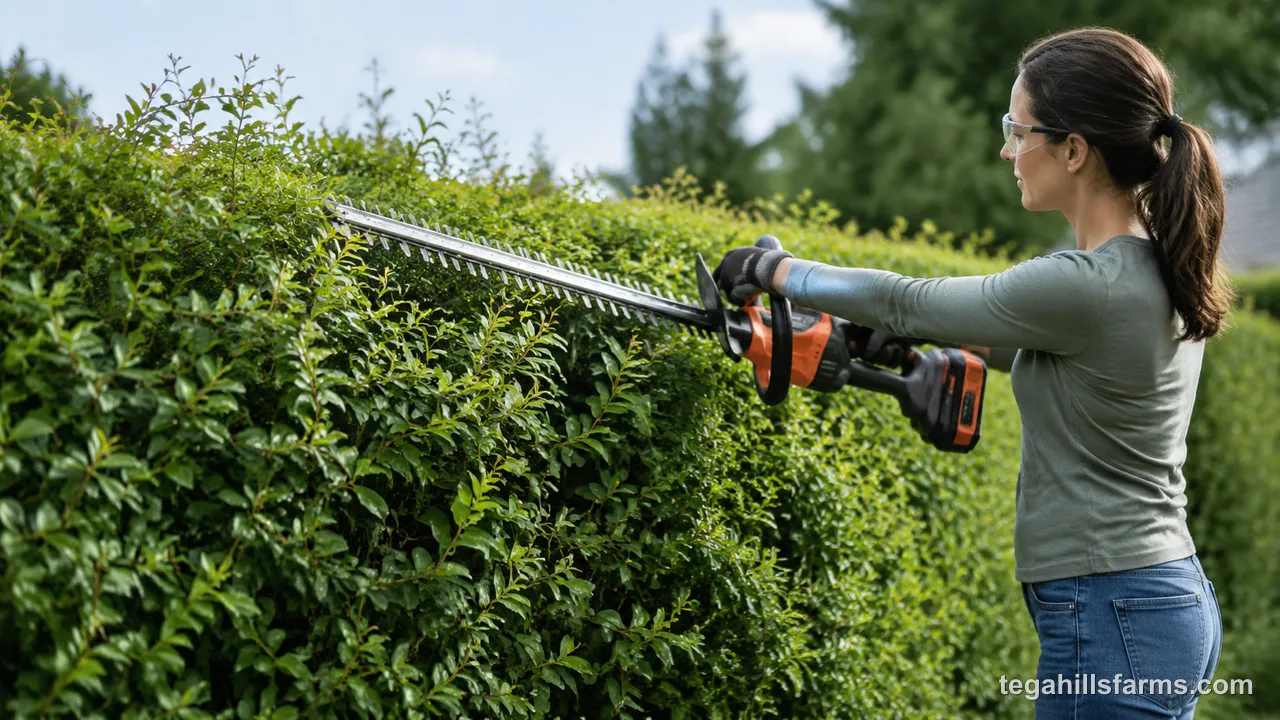
Voltage is roughly the strength of the push behind the motor. Amp-hours measure how much energy the pack stores, so they drive runtime. A higher-voltage trimmer tends to hold power better in dense growth, but its battery and body are usually heavier. A lower-voltage model is easier to swing around, though it can bog down in woody stems.
Pairing matters too. A big pack gives longer runtime but adds weight at the back of the tool. Runtime also swings with hedge type and blade length, so a figure on the box will not match a thick privet run exactly.
Finally, look at what else you own. Batteries that fit your mower, blower or drill can decide the choice on their own, because you already have the packs and the charger.
What Blade Length and Style Should a Hedge Trimmer Have?
The blade shapes your results through length, tooth spacing and single- or double-sided configuration. Each one ties back to how big your hedge is and how thick the stems get.
How Long Should the Blade Be for Your Hedge?
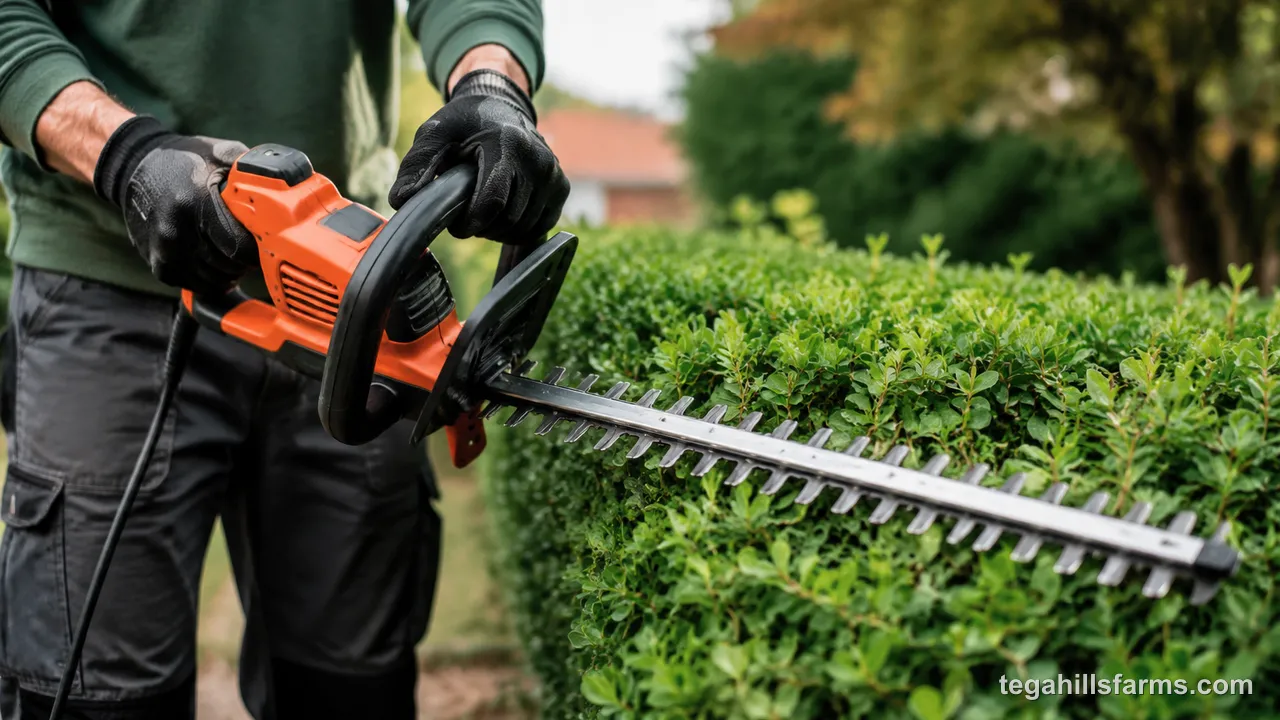
A blade of 30 cm to 40 cm (about 12 to 16 in) is enough for small hedges, while 50 cm (about 20 in) or more suits mature, large hedges you trim regularly.
Longer blades cover more ground per pass and speed up long, even runs. They also demand more control and tire your arms sooner, especially on tall hedges. Shorter blades are easier to steer around corners and tight formal shapes.
Longer cutting bars show up in the market, too. The Greenworks 2212002, for example, has a 26-inch cutting bar, which is a lot of reach for flat sides on a long hedge. That same reach is overkill on a small border, where it just makes the trimmer harder to place precisely.
Short blades for small formal hedges, long blades for long, even runs. When in doubt, buy for the hedge you trim most often.
What Does Teeth Spacing Mean for Branch Thickness?
Wider tooth gaps accept thicker stems, while tighter gaps leave a finer finish. Spacing of 15 mm to 20 mm (about 0.6 to 0.8 in) is enough for small hedges, and 30 mm (about 1.2 in) or wider suits larger, older ones.
The gap is where the stem enters before the blades shear it. Tight spacing cuts leafy growth cleanly but can’t take much wood. Wide spacing lets thicker shoots reach the cutting edge, though the finish on soft foliage can look rougher.
Cutting capacity is a real limit, not a suggestion. Most trimmers top out at about 1 inch of branch thickness, and some are rated lower. Forcing a thicker stem jams the blades and strains the motor. Anything past the rating belongs to loppers or a pruning saw.
Single-Sided or Double-Sided Blades: Which Is Better?
Double-sided blades suit most homeowners because they cut in both directions, which speeds up work and lets you sweep either way. Single-sided blades are better for control in dense growth.
Double-sided designs leave a more even finish and let you keep moving without repositioning. They do carry a bit more vibration and more exposed blade. Single-sided blades cut on one edge only, so the other side stays safer and the tool feels calmer when you reach into thick, tangled branches.
Pick double-sided for general shaping on typical hedges. Choose single-sided if you work mostly in dense growth and want the steadier, more deliberate cut.
What Weight and Handle Design Keep Trimming Comfortable?
Comfort comes from weight by power type and handle and head design. Together they decide how long you can trim before fatigue sets in, especially on tall or overhead hedges.
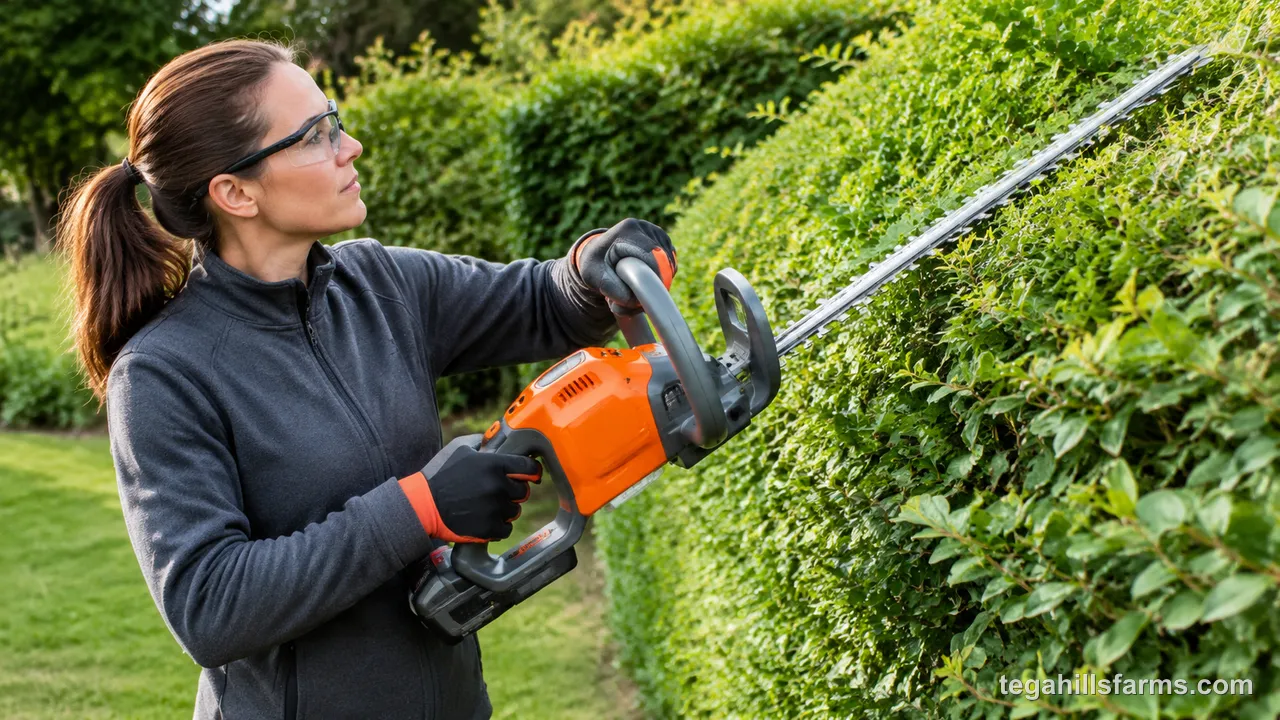
Weight matters most when your arms are raised. Head and handle design decide whether your wrists stay straight or twist into awkward angles.
How Much Does Weight Differ by Power Type?
Gasoline models are heavier and cordless models are lighter, with a gas machine giving back more power for the extra pounds. Gasoline examples weigh around 5 kg to 7 kg (about 11 to 15 lb) before fuel.
Cordless is a different experience. The Flymo 18V EasiCut 450 weighs 2.2 kg (about 5 lb), so you can hold it overhead far longer. Even so, a battery adds weight at the rear, and balance changes as you reach.
Vibration builds fatigue as well. A heavy gas engine shakes harder in your hands, and over a long session that adds up as much as raw weight does. The heavier machine earns its keep on thick, overgrown growth, where the extra power does work a light trimmer cannot.
For tall hedges and frequent trims, lean light. For rare heavy cutbacks, the weight of gas can be worth it.
Shafted, Pole and Articulating Head Designs
A shafted or pole trimmer gives long reach for tall hedges, while an articulating head pivots so you can cut flat tops and sides without bending your wrists. A fixed-head trimmer is simplest and best for ordinary hedges.
The ECHO SHC-2620 shows what the long-reach style looks like, with a 51 in. shaft. That reach lets you cut high tops from the ground, so you skip the ladder. The tradeoff is more weight out at the end of your arms and less fine control.
An articulating gearcase tilts the head to match the surface. It makes flat tops and angled sides far easier on your wrists. A fixed head stays rigid, which is lighter and more predictable but less comfortable at odd angles.
Choose shafted or pole if your hedges are tall. Choose a pivoting head if you do plenty of flat-top work. Stay fixed if your hedges are low and simple.
Which Safety Features Should a Hedge Trimmer Have?
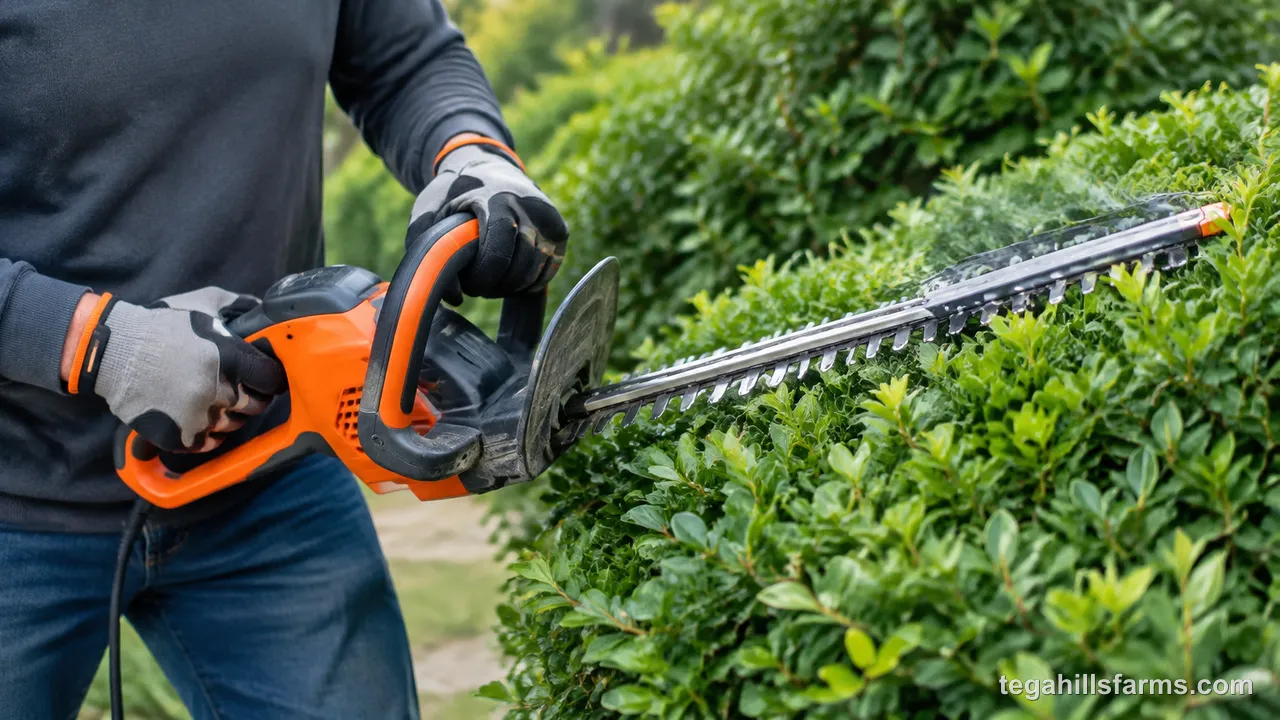
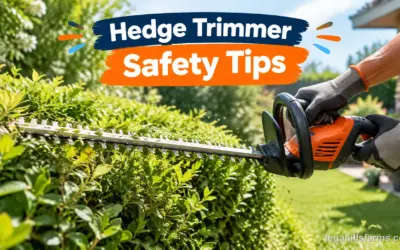
Look for hand protection and blade-contact and jam protection. Each one prevents a specific kind of injury or damage, so they matter more than almost any other buying criterion.
For habits and technique, our guides on hedge trimmer safety tips and how to use a hedge trimmer cover what to do once the machine is in your hands.
Two-Hand Switches and Hand Guards
A two-hand switch keeps both hands on the handles while the blade runs, and a front hand guard shields your leading hand from the blade and flying debris. These are the first features to check.
A dual-handed switch means you can’t hold the trigger with one hand while the other drifts toward the cutting edge. Release either hand and the blade stops. That one design choice removes a common way to get hurt.
The hand guard sits ahead of the front grip and blocks contact with the blade or with stems thrown back at you. Without it, your front hand is one slip from the teeth. Neither feature costs much to include, so skip any model without them.
Blade Tip Protectors and Jam Protection
A blade tip protector reduces contact injuries and damage when the tip hits a wall or fence, and a blade stop or jam release helps when a branch binds the blades.
The tip guard is a small cap or shield at the end of the bar. It softens contact with masonry, fencing and the ground, and it keeps the exposed tip from snagging. It also saves the blade from nicks.
Jam protection deals with the moment a stem wedges the teeth. A blade stop halts the motion, or a release lets you clear the branch without fighting a running tool. Availability varies by model, so confirm both in the spec sheet before buying.
Are Extras Like a Sawing Function and Shared Batteries Worth It?
Yes, some extras earn their place: a sawing function for thicker stems, a shared battery platform you already own and a blade cover for storage. Others, like fancy trim modes, are mostly marketing.
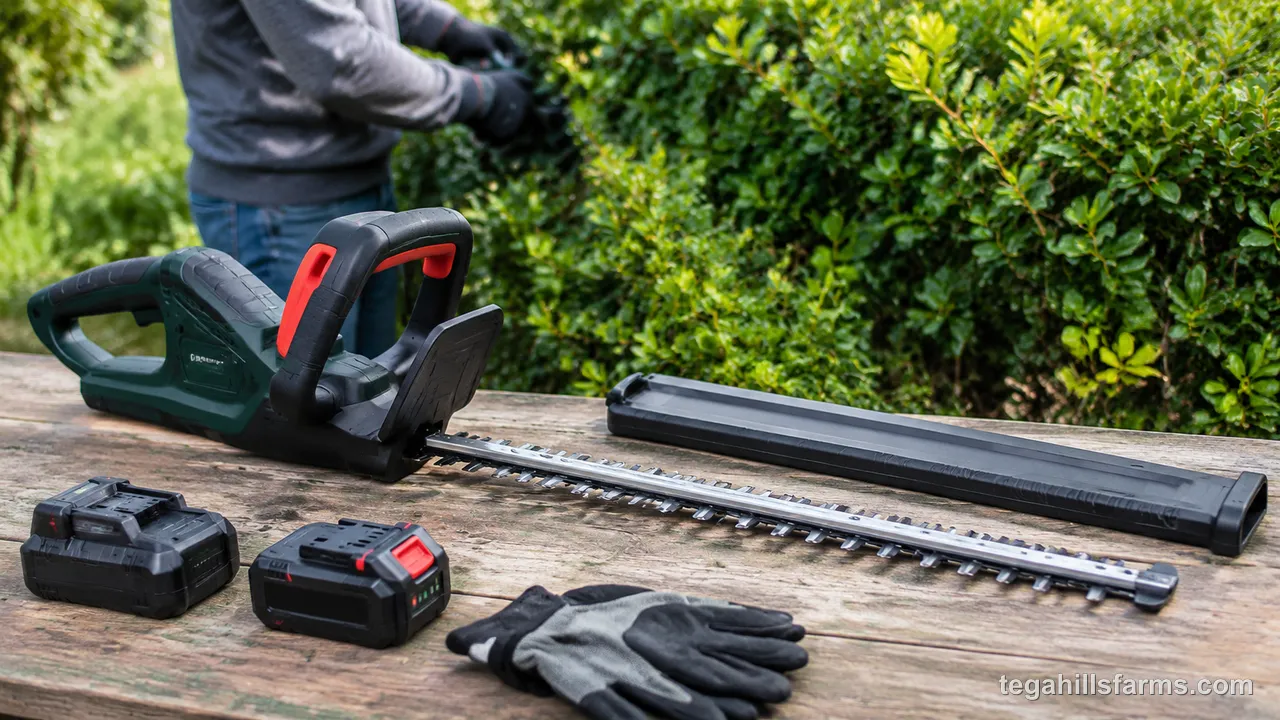
A sawing function matters if your hedges have occasional woody shoots beyond the normal blade capacity. A shared battery platform saves real money when your other tools use it. A blade cover protects the edge and your hands in the shed. Rotating handles help if you trim at awkward angles, such as high tops or low sides.
Shoppers asking “are expensive hedge trimmers worth it” usually end up paying for extras like these. Buy the ones that fit your yard, and ignore the rest. A small, simple hedge gets nothing from a sawing function.
Which Hedge Trimmer Fits Your Hedge Size, Type and Usage?
Match your trimmer to hedge size, plant type and how often you trim. Small, regularly trimmed hedges want light and simple, while big or woody hedges call for more power and wider teeth.
| Hedge situation | Power source | Blade profile | Weight priority |
|---|---|---|---|
| Small evergreen border, trimmed often | Cordless or corded | Shorter blade, tighter tooth spacing | Light |
| Long evergreen run, trimmed seasonally | Higher-voltage cordless or gas | Longer blade, double-sided | Balanced |
| Tall hedge | Shafted or pole trimmer | Mid-length blade | Light head, good balance |
| Overgrown hardwood or bamboo stems | Gas, or high-voltage cordless with a sawing function | Wider tooth spacing | Accept more weight |
Start with your longest, thickest hedge, because it sets the minimum power and blade you need. Then check which battery platform you already own, and shortlist trimmers that fit both.
Blades rarely fail all at once. They dull a little with each session, so a trimmer that cut cleanly in spring can be tearing stems by late summer without you noticing. By then, ragged cuts and a straining motor may already be shortening the machine’s life, so what does a worn blade actually look like?
How Can You Tell Hedge Trimmer Blades Are Wearing Out?
Blades are wearing out when you see ragged cuts, stems pulling and extra vibration. Regular oiling and sharpening slows that decline. People often ask how long do hedge trimmers last, and blade care is the biggest lever you control.
Signs of Dull or Damaged Blades
Ragged or torn cuts and stems that pull instead of shearing are the clearest signs of a dull blade. A clean blade leaves a crisp edge on each stem.
Other symptoms follow. You may feel more vibration, hear the motor labor, or find that you need extra passes to finish a section. Nicked or bent teeth also show up on a visual check.
Dullness or light nicks usually mean the blade needs sharpening or service. Bent, cracked or missing teeth point toward replacement. A dull blade also makes the motor work harder, which shortens the trimmer’s working life.
Oiling and Sharpening to Extend Blade Life
Cleaning sap after each session and lubricating the blades keep them cutting cleanly and resist rust. Add sharpening when cuts start to look rough.
After trimming, wipe off sap and plant residue, since the buildup gums up the teeth and dulls the cut. A light coat of blade oil or lubricant reduces friction and protects the metal. Do this before putting the trimmer away.
Sharpening can be done with a file or by a service shop. Learn which suits you, since a poor sharpening job can do more harm than good. Store the trimmer with the blade covered to protect the edge and your hands. These basics change blade life far more than any single accessory.
When Is It Safe to Trim Hedges Around Nesting Birds?
It is safe to trim once you have confirmed no active nests in the hedge, and nesting season is when that is least likely. Timing depends on your region and local rules.
Check before you start. Look through the hedge from several sides and watch for birds flying in and out with material or food. Listen for chirping from inside the foliage. If you find a nest in use, wait until the birds have left.
Regional climate shifts the safe window, because nesting begins and ends at different times in different parts of the country. Local rules may also limit trimming during nesting periods, so check with your city or state wildlife agency rather than assuming. A quick look first is always cheaper than a wrecked nest.
What Mistakes Lead to Buying the Wrong Hedge Trimmer?
The common mistakes are a blade too long for tight hedges, a machine too heavy for overhead work, a battery platform that doesn’t match your other tools and gas power for a small border. Each one comes from buying for a hypothetical yard.
A long blade on small formal shapes is hard to control, so match length to your tightest hedge. A heavy gas machine for tall hedges wears you out, so check weight if you’ll work overhead. A battery platform that matches nothing else you own means extra chargers and no shared packs.
Gas power on a small border adds fuel mixing and noise you never needed. The fix is the same each time: write down your hedge size, stem thickness and the tools you already own, then buy to that list.
Hedge Trimmer FAQs
Are hedge clippers better than a powered trimmer?
Manual shears suit a few small shrubs and fine shaping, and they cost nothing to run. A powered trimmer wins once hedges get long or dense, since it cuts faster and spares your wrists. Thick stems need loppers or a pruning saw either way.
What is the thickest branch a hedge trimmer should cut?
About 1 inch is the upper limit for most trimmers, and many are rated lower. Check your model’s rating before cutting woody stems. Anything thicker belongs to loppers or a saw, because forcing it jams the blades, strains the motor and can kick the machine back.
How loud are hedge trimmers?
Gas models are the loudest and call for hearing protection. Battery and corded models are far quieter, which helps for early trims and close neighbors. Exact noise ratings vary by model, so check the spec sheet if noise is a deciding factor for your yard.
Can a cordless hedge trimmer handle thick hedges?
Within limits, yes. A higher-voltage platform with a longer blade copes better with dense growth, but runtime drops as the work gets harder. For light and medium hedges cordless is ideal. For heavy, woody growth, a spare battery or a gas model makes more sense.
How often should I oil the blades?
Clean off sap and apply a light coat of blade oil after each trimming session. This stops sticky buildup, reduces friction and protects against rust. If you trim for several hours in one day, a quick re-oil partway through also helps keep the cut clean.

Write Your Review
No reviews yet. Be the first to share your experience!