
Best String Trimmers Brands in 2026: Our Top Picks Reviewed
Husqvarna, Stihl and ECHO are the brands to shortlist for thick weeds and brush. EGO and Greenworks fit homeowners going fully cordless. Ryobi suits budget-minded owners who want one battery across many tools, and DeWalt makes sense if you already run its drills and drivers.
The differences between these brands show up after you start using the trimmer. They include how a battery holds up in dense grass, how the trimmer feels on your shoulders along a long fence line, how easy replacement line is to find, and whether the same pack also runs your mower and blower.
The bigger risk is getting locked into the wrong system. A cordless trimmer ties you to a battery platform, so a poor fit costs you again every time you add an edger or hedge trimmer. A gas trimmer from a brand with thin parts support can sit idle for weeks over a cracked primer bulb.
What Defines a Top String Trimmer Brand in 2026?
A brand earns a spot on the shortlist through a battery platform you can grow into, easy-to-find line, spools and parts, and service support you can actually reach. Those count for far more than the peak voltage printed on the box.
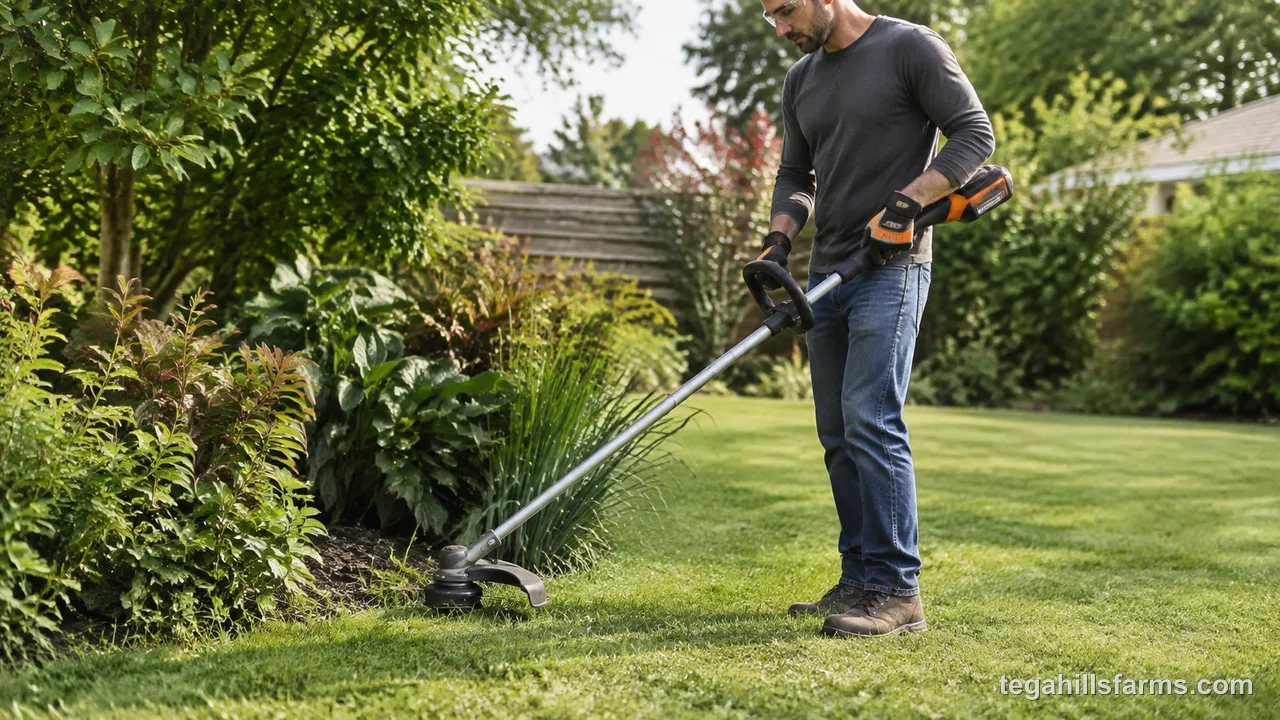
The battery platform matters because the pack and charger are the costliest parts of a cordless trimmer. They also decide which blower, mower or edger you can add without buying another charger. Parts supply matters because a trimmer head, spool or primer bulb wears out long before the motor or engine does. When replacements sit on local shelves, a worn part is a quick fix instead of a reason to buy a new tool.
Service support carries the most weight on gas models, because carburetor tuning and seasonal repairs go faster with a nearby dealer. A strong brand also keeps quality consistent across its lineup, so its cheapest trimmer still feels like the same maker built it. To see how individual models from these brands compare head-to-head, our roundup of the best string trimmers sorts them by power type and yard size.
How Do the Top String Trimmer Brands Stack Up Overall?
Stihl, ECHO and Husqvarna set the pace for demanding gas work, EGO stands out among battery-only makers, and Ryobi and Greenworks keep costs down across a wide range of cordless tools.
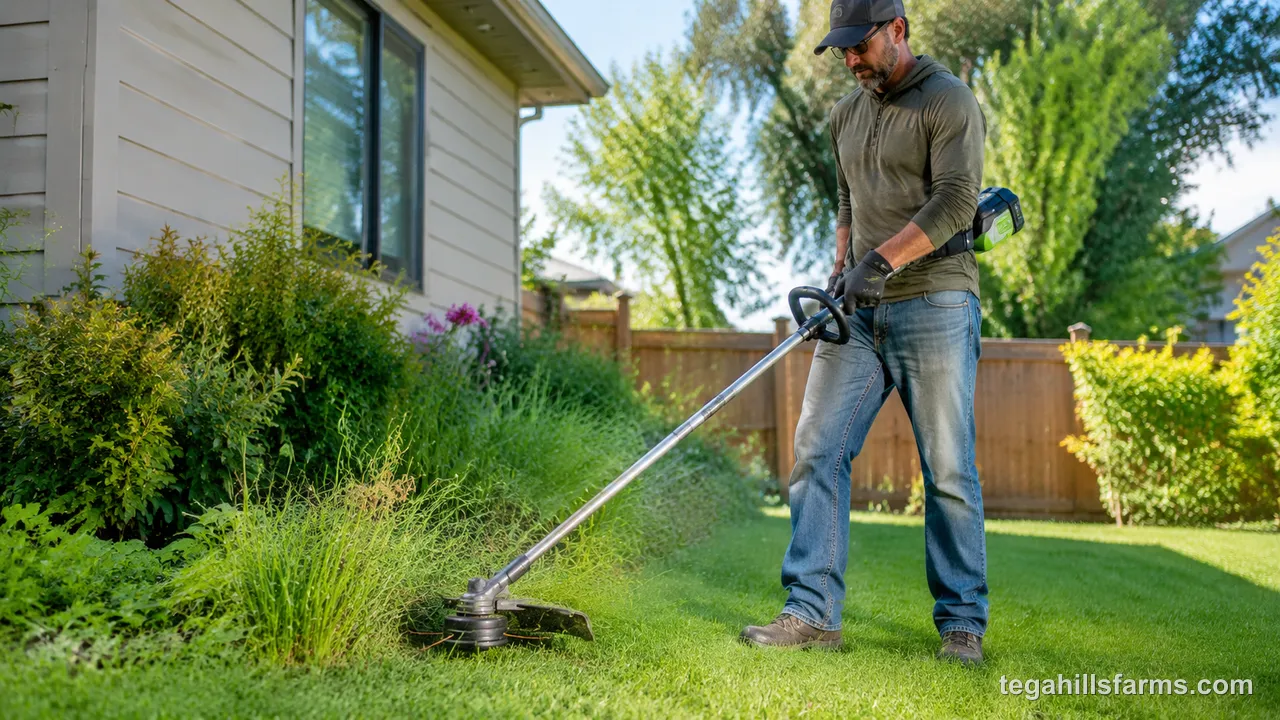
Which strength matters to you depends on two things: the toughest growth in your yard and the batteries already in your garage. Together they decide whether you need engine power, a shared battery pack or simply a low entry cost. If you haven’t settled between gas, battery and corded yet, our walkthrough on how to choose a string trimmer covers that decision before brand comes into it.
Here is how each brand’s power options, main strength and best-suited owner compare:
| Brand | Power options | Standout strength | Best fit |
|---|---|---|---|
| Husqvarna | Gas and battery | FLXi split-shaft attachments plus pro-grade gas models | Owners who want one powerhead for several jobs |
| EGO | Battery only | High-voltage platform shared with its mowers and blowers | Homeowners replacing gas entirely |
| Stihl | Gas and battery | Dealer-serviced gas trimmers built for daily use | Large or overgrown properties |
| ECHO | Gas and battery | Commercial-grade gas engines with easy-to-find parts | Thick weeds, brush and ditch banks |
| Ryobi | Battery and gas | Expand-It attachments and a large battery tool lineup | Budget-minded owners and beginners |
| DeWalt | Mainly battery | Packs shared with DeWalt power tools | Owners already using DeWalt drills |
| Greenworks | Battery and corded | Several voltage tiers at affordable prices | Small and mid-size yards |
Which Brands Offer the Most Usable Power and Runtime?
EGO’s 56V and DeWalt’s 60V platforms are built for higher-voltage cutting that keeps the line spinning fast in thick, wet grass. Husqvarna’s FLXi and Ryobi’s 40V systems give up some of that headroom in exchange for more attachment options.
Runtime is where you may need to adjust your expectations. Battery-powered string trimmers usually run 20 to 40 minutes per charge. Where a given trimmer lands in that range depends on grass density, line diameter and how often you run at full speed, as much as on the brand. Dropping to a lower speed setting on light grass stretches a charge on any trimmer that offers one.
A higher-voltage platform pushes through tough patches without bogging down, so it saves time in overgrown corners. On a lawn you keep mowed, though, the extra voltage mostly sits unused.
Gas models from Stihl, ECHO and Husqvarna avoid the runtime problem. They run until the tank is empty and refuel on the spot, which is why they still handle long sessions on rough ground better than battery trimmers.
Which Brands Are Easiest on Your Arms and Ears?
Cordless trimmers from Worx, Greenworks and Makita are easier on both, because an electric motor doesn’t have the engine vibration and exhaust noise that make gas Stihl and ECHO trimmers tiring over a long session. Weight still varies a lot among battery models. The Worx WG170 weighs 6.19 lb, while Husqvarna’s 110iL FLXi weighs 10 lb, and your shoulders will notice that difference by the end of a long fence line.
Balance matters as much as total weight. A trimmer with the battery near the rear handle and the motor at the head can feel even in your hands. A head-heavy design forces your forearms to hold the cutting end up the whole time, which wears you out faster than a slightly heavier but balanced trimmer.
Stihl and ECHO build anti-vibration mounts into many of their gas models, which reduces hand fatigue. Engine noise still calls for hearing protection on any gas trimmer, and that’s worth factoring in if you trim near a patio or a neighbor’s window.
Which Brands Give You the Best Long-Term Value?
Long-term value comes from the battery platform and the parts supply more than the price tag. That favors Ryobi and Craftsman for most homeowners, and Milwaukee if you already own its M18 tools. Ryobi sells through Home Depot and Craftsman through Lowe’s, so spools, line and replacement packs are usually a short drive away.
Milwaukee is at the premium end, but its packs also run the drills, impact drivers and saws a contractor already owns, which spreads the battery cost across many tools. Kobalt follows the same store-brand approach at Lowe’s with its own platform. Black+Decker keeps the entry cost low and centers its lineup on compact batteries, which suit quick touch-ups better than long edging sessions.
Before buying, compare the warranty terms for the tool and the battery separately, because a long warranty on the tool doesn’t help much if the pack is covered for a shorter time.
Which Brands Lead in Battery and Cordless Ecosystems?
EGO suits owners building an all-cordless yard kit around one battery pack, while Ryobi, DeWalt and Milwaukee make more sense if your garage already holds their batteries.
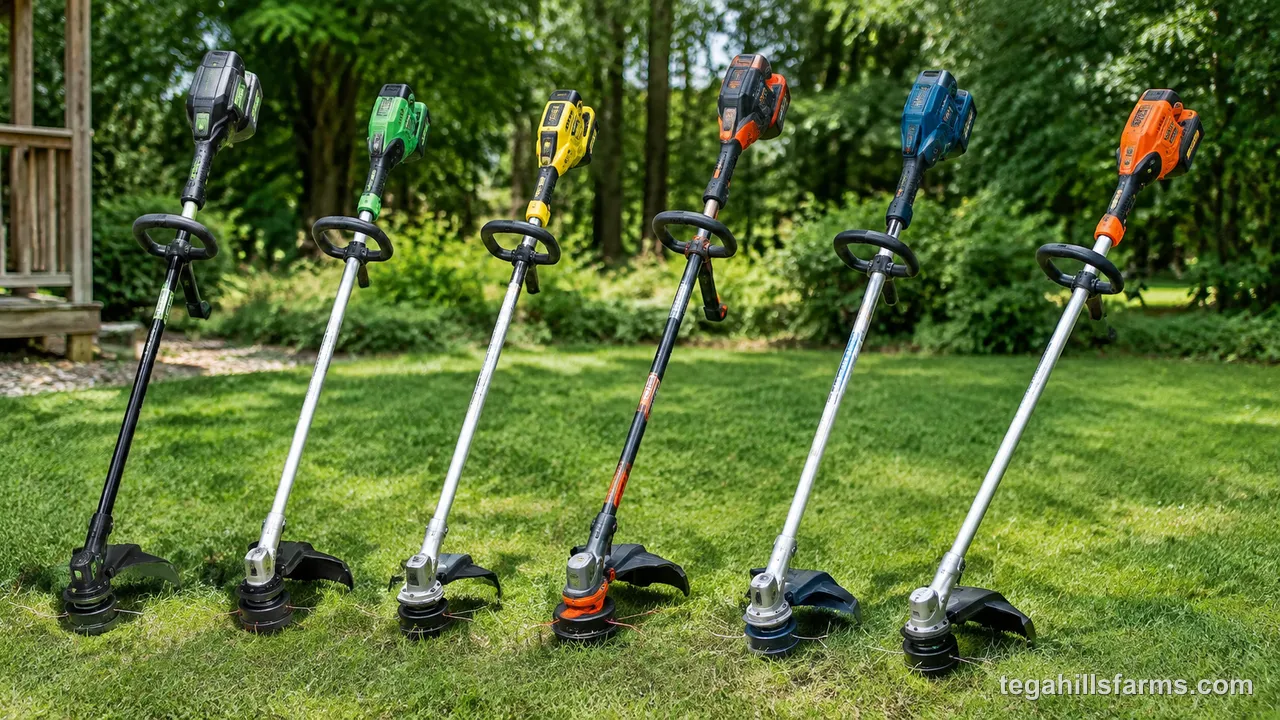
The pack is the costly, long-lasting part of any cordless setup, so the platform you choose now decides which mower, blower and hedge trimmer you can add later without a new charger. That makes the platform a bigger commitment than the trimmer itself. It’s worth weighing voltage, attachments and weight against the yard work you expect over the next several seasons.
How Do 40V, 56V, 60V and 80V Platforms Compare in Real Yards?
Higher voltage helps a motor keep the line spinning fast when grass gets thick, but it doesn’t decide runtime or how quickly you finish. Ryobi’s 40V and EGO’s 56V platforms handle typical suburban trimming comfortably. DeWalt’s 60V and Greenworks’ 80V systems add extra power for dense, wet or weedy growth along fences and ditches.
Two numbers tell you more when you read them together:
- Voltage multiplied by amp-hours gives watt-hours, which is the actual energy stored in the pack.
- Cutting width tells you how much ground each pass covers.
For example, the Husqvarna 110iL FLXi runs on 36 V with a 4 Ah battery and cuts an 11.8 in swath. The Worx WG170 runs on 20 V with the same battery capacity and cuts a 12 in path. The lower-voltage trimmer actually covers a slightly wider strip per pass, so a bigger voltage number doesn’t automatically mean faster work on an ordinary lawn.
If you settle on EGO’s 56V system, our picks for the best EGO string trimmers can help you choose the shaft and head that suit your lot.
Which Battery Brands Offer the Most Versatile Attachment Systems?
Husqvarna’s FLXi, Ryobi’s Expand-It and EGO’s Power+ Multi-Head systems all let one battery powerhead drive a trimmer, edger, pole saw and other heads. The right choice depends on which attachments you’ll actually use.
- Ryobi’s Expand-It lineup offers a broad range of attachments at approachable prices, which suits homeowners who add tools one at a time.
- EGO’s Multi-Head pairs its higher-voltage powerhead with each attachment, which helps on heavier jobs like pruning with the pole saw.
- Husqvarna’s FLXi system suits owners who want a quality trimmer first and occasional extras second.
Attachments generally don’t work across systems, so the coupler you choose is as much of a commitment as the battery. Check that the attachments you want are sold near you before you buy, because a powerhead without the edger or pole saw you planned on is just a trimmer. If a broad, affordable attachment range is your priority, compare the best Ryobi string trimmers first.
Should You Prioritize Long Runtime or Lightweight Handling?
Lightweight handling matters more if your grip, shoulders or back give out before the battery does. Long runtime matters more if you trim continuously along long property lines. A compact trimmer with a spare pack lets you stop, swap batteries and keep going, which works better for shorter sessions than carrying a heavy high-capacity battery the whole time.
EGO and Greenworks offer large-capacity packs that extend a session but add weight at the handle. On some designs, that rear weight actually balances out a motor mounted at the head. Worx and Makita build compact trimmers with smaller packs that stay easy to steer around beds and fences. If you tire before the trimmer does, I’d go light and keep a second battery charged.
Which Brands Lead in Gas Power and Heavy-Duty Performance?
Stihl, ECHO and Husqvarna handle thick weeds, saplings and brush with engines built for long working days, while Troy-Bilt and Craftsman cover lighter homeowner trimming at a lower entry cost.
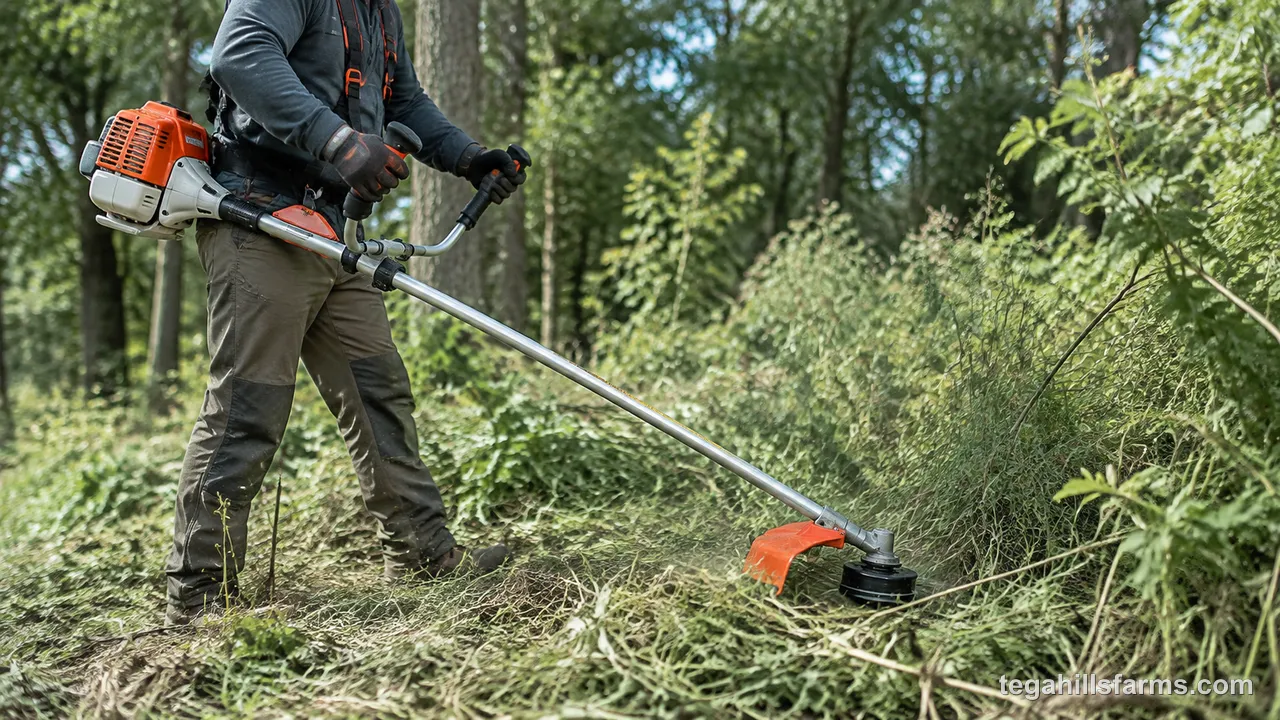
The real differences come down to how the trimmer holds up season after season and who fixes it when a carburetor clogs. So the service options near you and how often you cut heavy growth should decide your choice, ahead of engine size.
How Do Stihl, ECHO and Husqvarna Compare for Tough Cutting?
All three build professional gas trimmers with solid drive shafts and engines tuned for commercial use, so the differences come down to where you buy and who services the machine. Stihl sells through independent dealers. A local shop assembles the trimmer, adjusts the carburetor and stocks parts, which is a big advantage if you want someone to call when it won’t start.
ECHO sells through both dealers and Home Depot, and it builds its gas trimmers for landscaping crews, with parts that are easy to track down. Compare the best ECHO string trimmers if you want that pro build without needing a dealer.
Husqvarna sells through dealers and big-box stores and offers a battery lineup alongside its gas models. That helps if you plan to switch power types later without changing brands. If you’re leaning that way, you can compare the best Husqvarna string trimmers across both fuel types.
When Does Gas Still Beat Battery for Large or Overgrown Lots?
Gas is still the practical choice when you often cut overgrown ground, ditch banks or brush, work far from an outlet, and need to keep going without waiting for a charger. A tank of fuel keeps the head spinning through dense growth that would drain a battery quickly, and refueling takes only a moment.
Battery trimmers have closed the gap for regular upkeep on mowed lawns. Edging along beds, walkways and fences rarely needs engine power, and a battery trimmer skips the fuel routine entirely. The tradeoff with gas is maintenance: mixing fuel, dealing with stale fuel over winter, and keeping the carburetor clean.
Corded trimmers are at the other extreme. Their built-in cord is no more than a foot long, so they need a 50- to 100-foot extension cord. That keeps them practical only for small yards within about 100 feet of an outlet. Within that range they never run out of charge, but beyond it, battery or gas is the only workable option.
Which Brand Should You Pick for Your Yard Size, Budget, and Experience?
Worx, Black+Decker and Ryobi suit beginners on small lots, Husqvarna, Stihl and ECHO suit large or overgrown properties, and Greenworks gives cost-conscious buyers a capable cordless option.
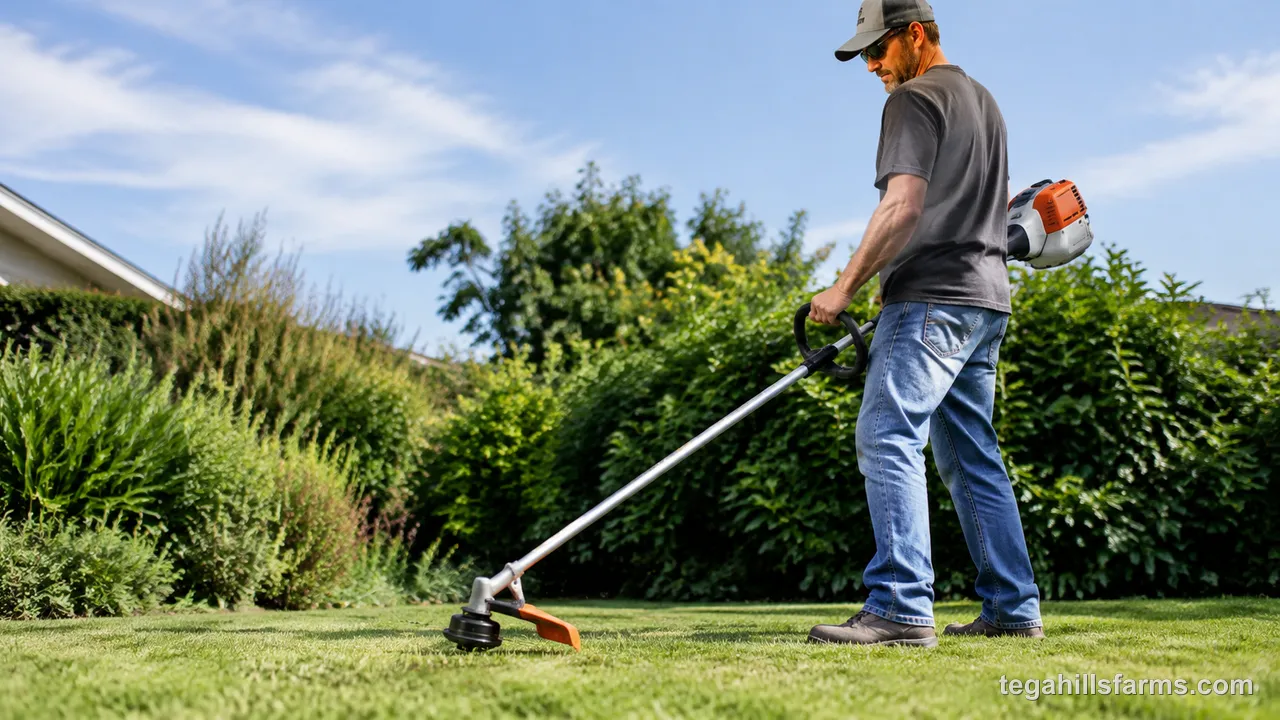
Match the brand to the hardest growth you deal with each season rather than to a typical week. A trimmer that struggles in your worst corner gets replaced sooner than one sized for it. From there, storage space and how comfortable you are with maintenance narrow the choice.
What Is the Best Brand for Beginners and Small Yards?
Worx, Black+Decker, Ryobi and Greenworks fit first-time owners best, because their battery trimmers start with a trigger pull and need very little upkeep. Worx is a strong first choice if storage space is tight. The WG170 retracts to three feet long, so it hangs on a wall hook or fits in a closet. Black+Decker’s automatic-feed spools take most of the hassle out of keeping line at the right length, which helps if you’ve never restrung a trimmer head.
Ryobi suits beginners who plan to add a blower or hedge trimmer later on the same battery. Greenworks covers small yards with simple, affordable cordless models. If ease of handling matters most, start with the best lightweight string trimmers.
What Is the Best Brand for Large Yards and Tall Grass or Weeds?
Husqvarna, Stihl and ECHO handle large properties and heavy growth best. Milwaukee is the cordless choice if you already use its M18 batteries. Cutting width and line diameter matter most here. The Husqvarna 330iKL cuts an 18-inch swath with 0.095-inch line, so each pass covers more ground and the thicker line holds up against stalky weeds instead of snapping.
Stihl and ECHO gas trimmers take over when weeds turn woody or the property includes ditches and fence lines far from the house. Milwaukee’s M18 FUEL trimmers suit owners who want cordless convenience without starting a new battery collection. On truly overgrown ground, I’d lean toward gas from Stihl or ECHO, because brush and saplings can drain a battery before the job is done.
Which Brands Offer the Best Value Under $200 vs Premium Picks?
Greenworks, Ryobi, Worx, Black+Decker and Craftsman offer strong value at the entry level. Stihl, ECHO’s pro line, Husqvarna, EGO and Milwaukee justify their higher prices with tougher builds, stronger motors and better service support. For reference, gas string trimmers typically cost about $150 to $380.
Entry-level brands make sense for weekly trimming on a mowed lawn, where reliable starts and easy line changes matter more than durability under daily use. Premium brands pay off when the trimmer works hard against thick growth every week, or when you want dealer service and parts that stay available for years. If a tight budget comes first, the best string trimmers under $200 cover the strongest options at that level.
A pre-wound spool that looks identical on the store shelf can jam in a different head, and a lithium-ion pack left in a freezing garage all winter can come back in spring holding less charge. Problems like these can stall a well-built trimmer on the first warm Saturday of the season, long before the motor or engine shows any wear.
How to Avoid Brand Buying Mistakes That Waste Money and Time
The costliest mistakes are buying a kit when you already own the battery, trusting lookalike parts from unknown sellers, and storing packs or fuel carelessly over winter. Each one has a simple fix.
- Check your battery shelf before you buy. If you own packs from one maker, a bare-tool trimmer on that platform saves you from paying for a duplicate charger and battery. If you own none, a kit gets you started without a second purchase.
- Buy from authorized retailers or dealers. Knockoff batteries and spools from unknown online sellers can look identical to the real thing. Keeping your receipt and registering the tool also makes a warranty claim simpler.
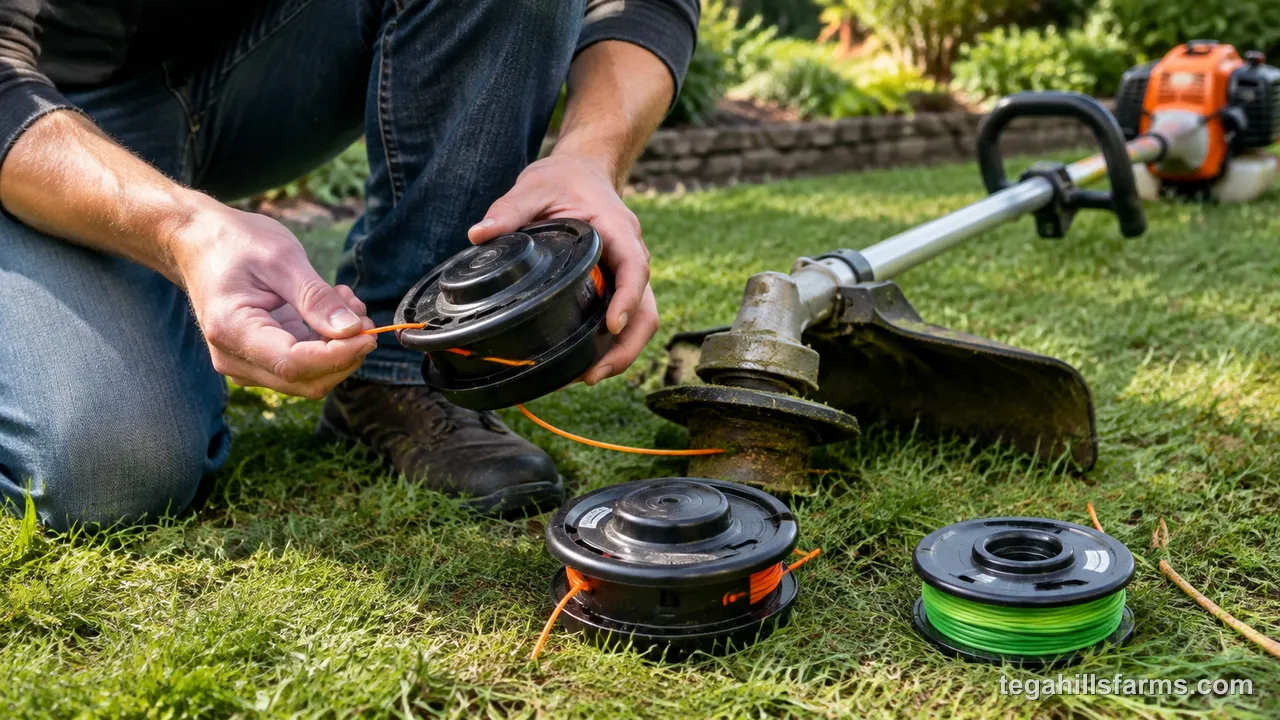
- Match the line to the diameter your head is rated for. The Husqvarna 110iL takes 0.065-inch line, and forcing thicker line into a head like that strains the motor and jams the spool. Generic line works fine when its diameter and shape match the manual, and the best trimmer lines can help you choose a cutting shape for your growth.
- Store batteries indoors over winter. Lithium-ion packs hold their capacity better in a cool, dry room than in a garage that drops below freezing. Storing them partly charged rather than full or empty also helps.
- Deal with gas fuel before storage. Stale fuel gums up carburetors, so run the tank dry or add stabilizer at the end of the season. Always use the fuel mix ratio listed in your manual.
String Trimmer Brand FAQs
Can one brand’s battery run another brand’s string trimmer?
No. Each maker designs its packs, terminals and battery electronics around its own tools, so an EGO pack won’t fit a Ryobi trimmer. Third-party adapters exist, but the tool makers don’t design them, and they can bypass the protection circuits that keep a pack from overheating. Using matching packs is the safer choice.
Is it worth sticking with one brand for all my yard tools?
Usually, yes. One platform means one charger, interchangeable packs and fewer batteries aging on a shelf, which lowers the cost of every tool you add later. The exception is when that brand’s trimmer or mower doesn’t fit your yard. In that case, a second platform is better than owning a tool that can’t handle your toughest growth.
Are battery string trimmers quiet enough for early-morning yard work?
They’re much quieter than gas because there’s no engine, so the main sound is the spinning line. That makes them far easier on neighbors, though local noise rules may still restrict early hours, so check your town’s ordinance. Our list of the best quiet string trimmers focuses on models designed to run quietly.
Can any string trimmer take a brush cutter blade?
No. Only models the manufacturer approves for blades can use one safely. These are usually straight-shaft trimmers with the right guard and handle, and the owner’s manual says whether yours qualifies. If you clear saplings and woody brush regularly, the best brush cutters are built for that job from the start.
More Guides on Best String Trimmer Brands
- Best Black Decker String Trimmers
- Best Greenworks String Trimmers
- Best Milwaukee String Trimmers
- Best DeWalt String Trimmers
- Best Makita String Trimmers