

A pond pump can quit after a couple of seasons or keep running for well over a decade, and the gap comes down to two things: the motor design you buy and how clean you keep the water reaching it. A sealed submersible mag-drive pump wears out much sooner than an external centrifugal pump. Either type fails early if debris and heat get to the motor.
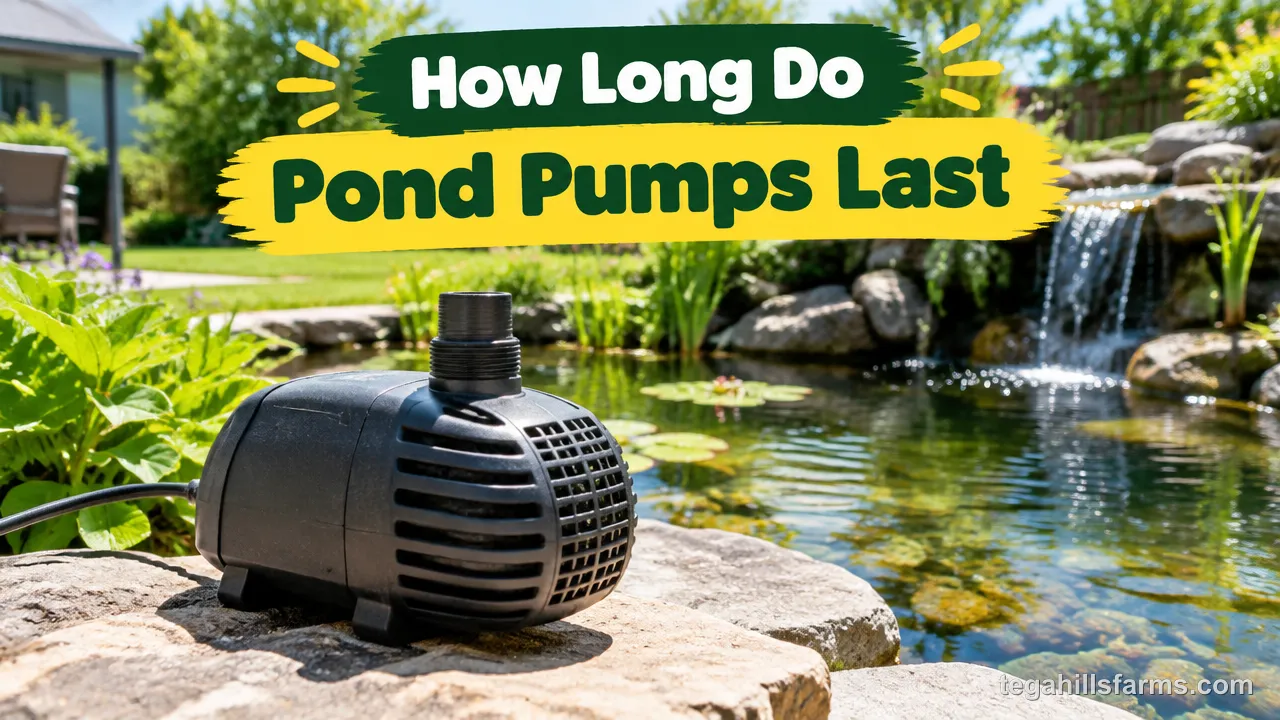
Pump type sets the ceiling. Sizing, water quality and runtime habits decide whether your pump gets close to it. An undersized pump straining to feed a waterfall, a clogged intake in a koi pond, or a motor left to run dry will all cut its service life short. Most of those causes are preventable once you know what to watch for.
The real worry for most pond owners is a pump that dies without warning. A stopped pump halts filtration and aeration, and in summer that can stress fish within a day. Pumps rarely fail without some sign beforehand, though. Weaker flow, new noises and higher current draw usually show up weeks before the motor stops.
How Long Do Pond Pumps Last?
Pond pumps last anywhere from a few years to more than a decade, and the range depends mostly on motor design and how well the intake is protected from debris.
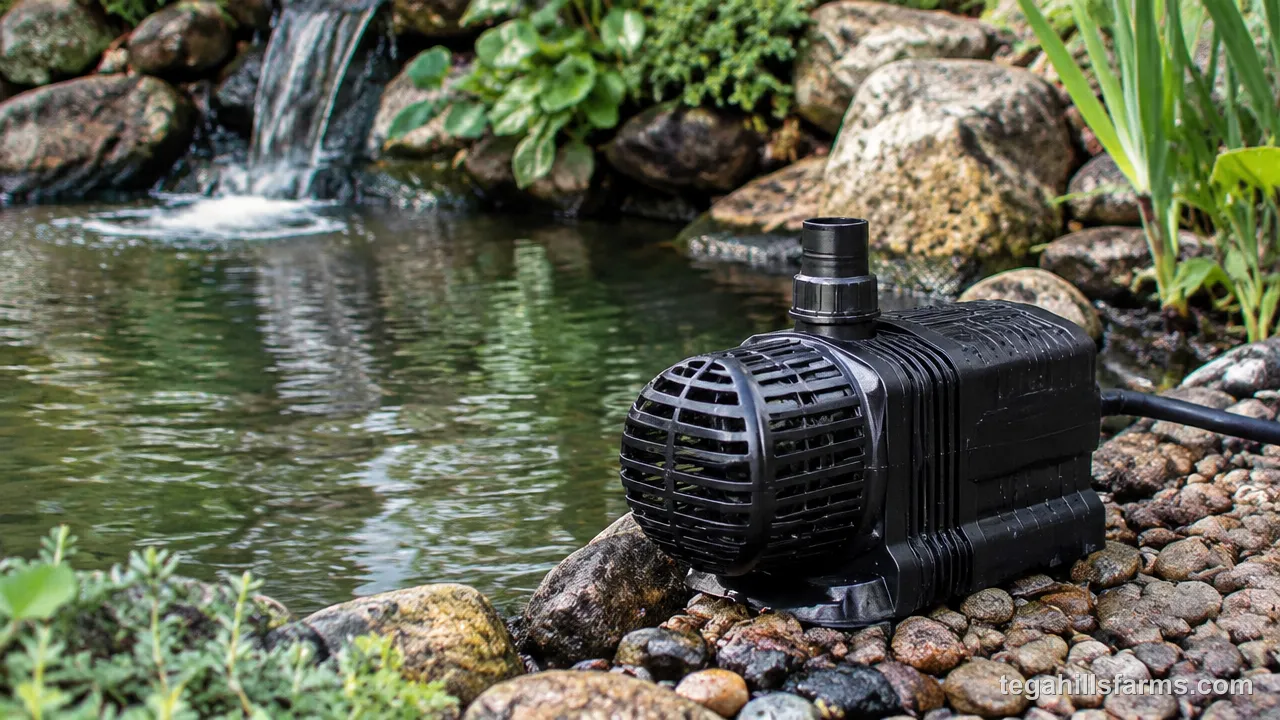
Submersible pumps sit in the water and depend on it for cooling, so their motors take more wear. External pumps sit dry beside the pond and are built around parts you can replace. Solar setups are a separate case, because the pump and the panel age at different rates. Maintenance then moves any pump up or down within its design range. A pump with a clogged pre-filter can fail years before an identical pump that gets cleaned on schedule. Knowing how to choose a pond pump that matches your pond’s volume and flow needs is the first step toward buying one built to last.
Submersible Mag-Drive Pumps
Submersible mag-drive pumps typically last 2–5 years. That range reflects a sealed design. The motor is potted in epoxy and turns the impeller through a magnet, with no direct shaft connection, so the pump can’t leak oil into the pond. The same sealing means you can’t rebuild the motor when it wears out.
The impeller and the shaft it spins on are the parts that wear. Grit and string algae that get past the intake grind against the impeller and its bushings. That adds drag, the motor runs hotter, and the windings age faster. A clean pre-filter keeps a mag-drive pump at the upper end of its range. A neglected one pushes it toward the lower end, and the motor usually goes first.
External Centrifugal Pumps
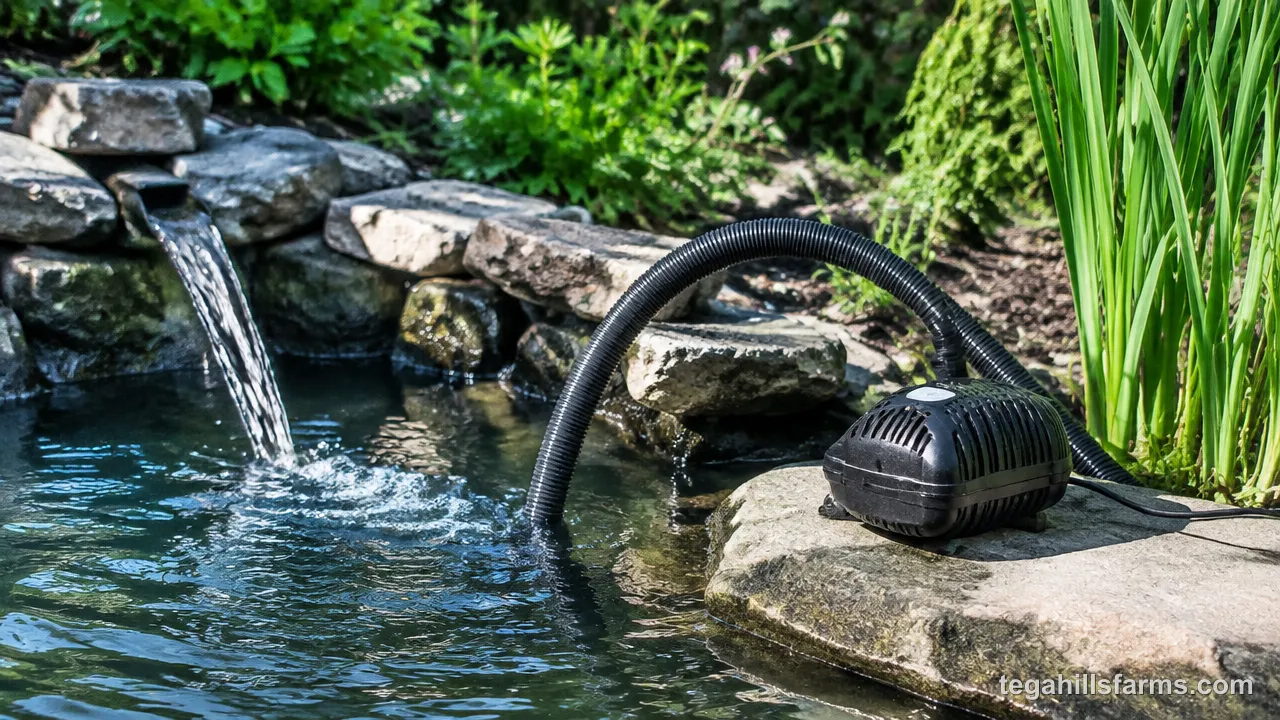
External centrifugal pumps typically last 10–15 years, the longest of the common pond pump designs. The motor sits outside the water and cools by air through its fan and housing. It never takes on the heat that builds up around a submerged motor in a warm pond.
Serviceability adds even more years. The bearings and shaft seal are standard parts, so a pump with a weeping seal or a noisy bearing can be rebuilt rather than thrown out. That is the same logic as replacing a mower’s spark plug instead of the whole engine. The tradeoff is more plumbing. An external pump needs flooded suction or priming, and a pump left to run without water can wreck its seal quickly.
Solar Water Pumps
A solar pond setup ages in two parts. The pump unit typically lasts 3 to 5 years, and the solar panel typically lasts 5 to 10 years. Expect to replace the pump at least once during the life of a panel.
Most solar pond pumps use a brushless DC motor, which avoids brush wear but still depends on bearings and an impeller that debris can damage. Panels lose output as dirt, pollen and shading build up on the cells, and that weaker output makes the pump run slower and more often near stall. Weighing solar vs electric pond pumps comes down to whether you value cord-free placement more than steady, full-time flow.
What Affects Pond Pump Lifespan?
Nearly every early pump failure comes down to motor strain and the heat it creates. A motor that runs hotter or works harder than it was designed for wears out years ahead of schedule.
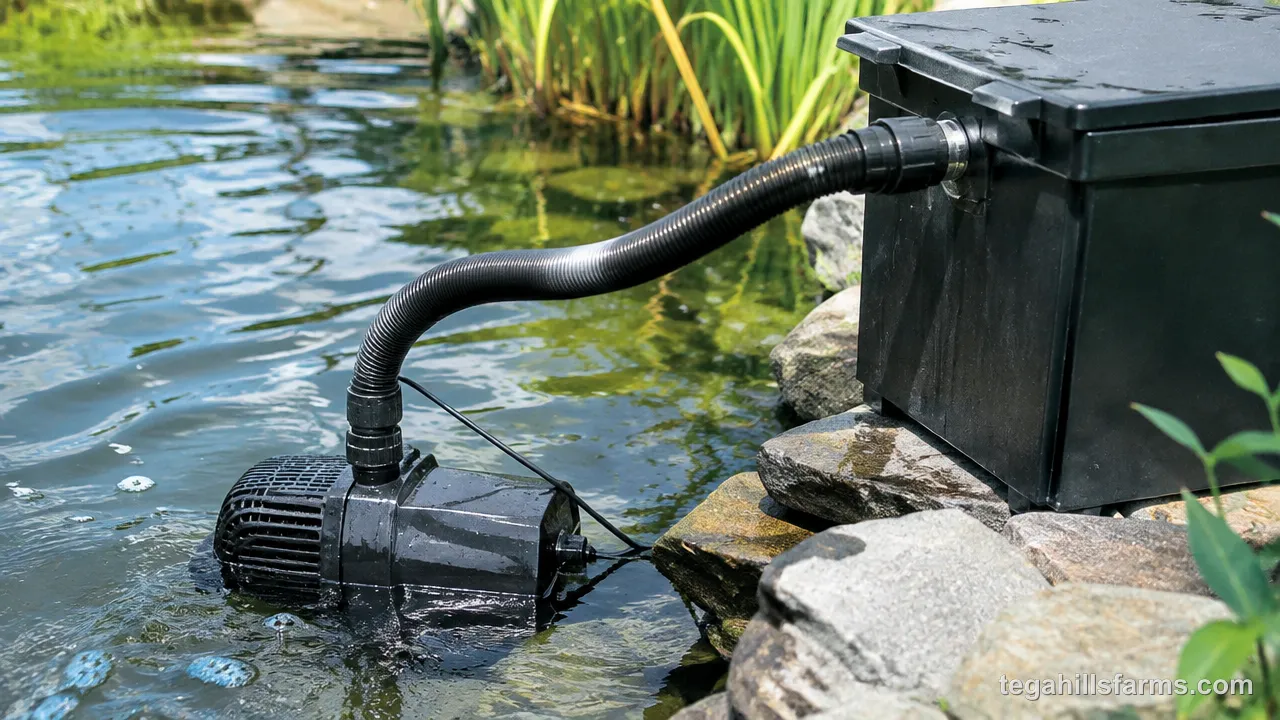
This matters because most of that strain comes from choices you make at setup and from habits afterward, not from the pump itself. Two identical pumps can show very different lifespans depending on the plumbing they push against, the water they move and how often they start and stop. Knowing what size pond pump you need sets the baseline, and the conditions after installation decide how much of the pump’s rated life you actually get.
Pump Sizing and Head Pressure
An undersized pump wears out fastest. If the pump has to lift water to a waterfall higher than its curve handles comfortably, it runs near its maximum head, where flow drops off. In a submersible pump, the water moving through it is what carries heat away from the motor. Low flow therefore means a hotter motor, and the windings age faster with every hour at that load.
Oversizing causes a different problem. A pump far larger than the pond needs often ends up throttled with a valve or paired with plumbing too narrow for it, which also forces the motor to work against restriction. Running the numbers through a pond pump gph calculator, with your pond volume and the vertical lift to the top of the waterfall, gets you a GPH rating the pump can deliver within its comfortable range.
Water Quality and Debris Load
Dirty water wears a pump from the inside. Suspended solids such as silt, fish waste and decaying leaves act like fine sandpaper on the impeller and the surfaces it spins against. Over a season, that abrasion loosens tolerances, lowers output and adds drag that the motor has to overcome.
Koi ponds take the hardest wear, because a heavy fish load produces constant waste and feeds algae growth. String algae wraps around the impeller and blocks the intake screen. A blocked intake starves the pump of water, so the motor heats up while moving less. A pre-filter catches most of this material before it reaches the impeller, and that is why it does more for pump lifespan than any other single part of the system.
Continuous vs Intermittent Operation
Pond pumps last longer when they run continuously than when they cycle on and off. Every start pulls a startup surge current through the windings and loads the bearings before the impeller reaches speed. A pump that runs nonstop takes that hit once. A pump on a timer takes it every cycle.
Thermal cycling adds to the wear. A motor that heats up and cools down repeatedly expands and contracts each time, which stresses the winding insulation and the seals. A timer can make sense for a decorative fountain with no fish or filter behind it. For a pump that feeds biological filtration, I’d leave it running and let it settle at a steady operating temperature.
What Are the Signs a Pond Pump Is Failing?
Most failing pumps give warning weeks ahead. The warning shows up as a change from the pump’s normal baseline, not as one fixed reading.
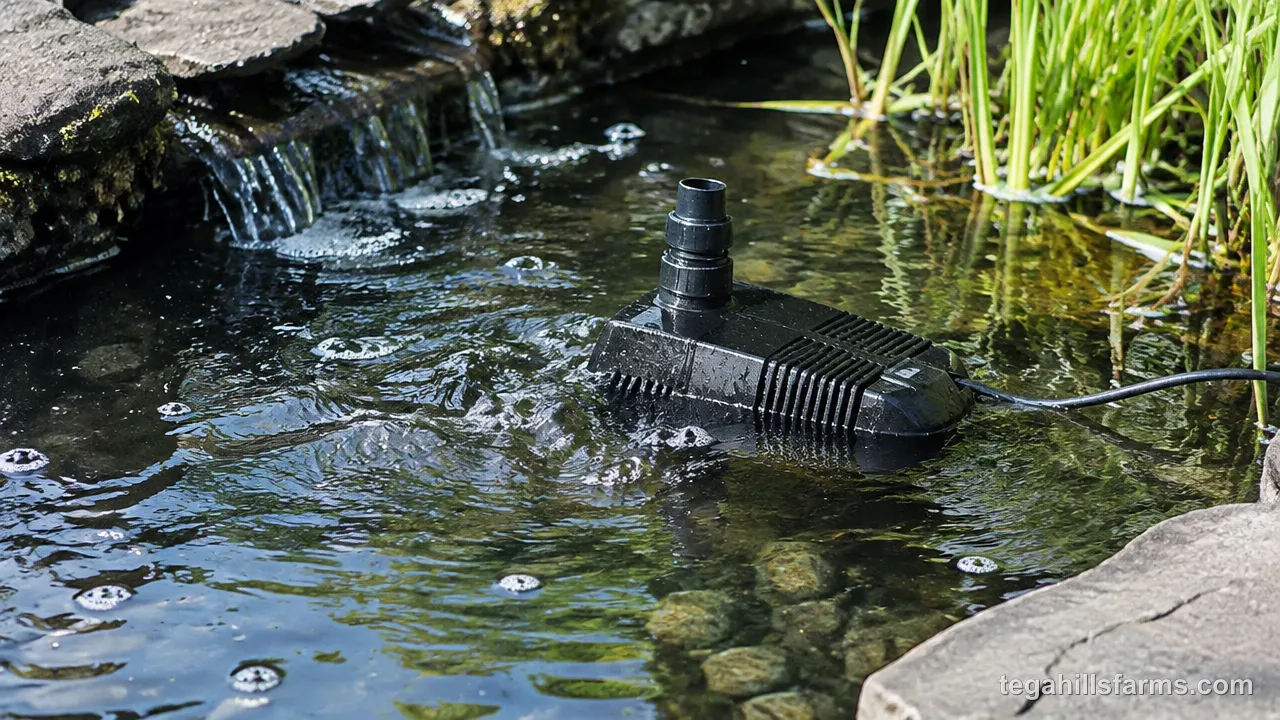
That is why the best habit is to know what normal looks like. Pull the pump out of the water every two weeks, or at least monthly, and check it by eye. Note how hard the outlet pushes water and how the motor sounds and feels while it runs. With that baseline in mind, a small shift stands out early, while you still have time to clean, repair or order a replacement before the pond goes without circulation.
Reduced Flow Rate
Weaker flow is the most common early sign, but clean the pump before you assume it is failing. A clogged pre-filter or intake screen reduces output the same way a worn impeller does, and clearing it often restores full flow within minutes.
If flow is still down by 30% or more after a full cleaning, the cause is mechanical. That usually means a worn impeller or a worn shaft that no longer holds the pressure the GPH rating promised. To check, time how long the outlet takes to fill a bucket of known volume when the pump is new, then repeat the same test later. A gradual small drop over years is normal aging. A sharp drop that cleaning doesn’t fix means the pump needs repair or replacement.
Unusual Noise or Overheating
A healthy pump makes a steady, low hum. Grinding points to worn bearings or an impeller rubbing its housing. Clicking or rattling often means a cracked impeller blade or debris caught in the volute. A loud hum with little water moving can mean the impeller is stuck while the motor keeps trying to turn it.
A gravelly, crackling sound usually comes from cavitation, where the pump draws air or runs short of water and vapor bubbles collapse against the impeller. Heat is the other warning. If a pump housing feels much hotter than usual after you lift it out, the motor is working against friction or a failing seal. Treat that as a sign the pump is near its end.
Rising Amp Draw
Current draw tells you how hard the motor is working. A clamp meter on the power cord gives you that reading without opening anything. Record the amp draw when the pump is new to set a baseline.
As bearings drag or the motor windings degrade, the motor pulls more current to do the same work. An amp draw increase of 30% over baseline signals that the motor is close to failing, and the pump should be replaced within 48 hours. Before you condemn the pump, check the power supply. Voltage drop from a long or undersized extension cord can also push current up, so check the cord first, because it is a cheaper fix.
How Can You Make a Pond Pump Last Longer?
You can add years to a pump with routine care that keeps debris and heat away from the motor. Most of that work takes minutes, not a service call.
The tasks that matter most target the failure causes already covered: a clogged intake, a motor that runs short of water, and cold-weather damage. Placement also counts as much as upkeep. A pump set on a shelf above the pond’s muck layer pulls in less sediment than one sitting directly on the bottom, and getting the basics of how to set up a pond pump right makes every later maintenance step easier.
Clean the Pre-Filter Regularly
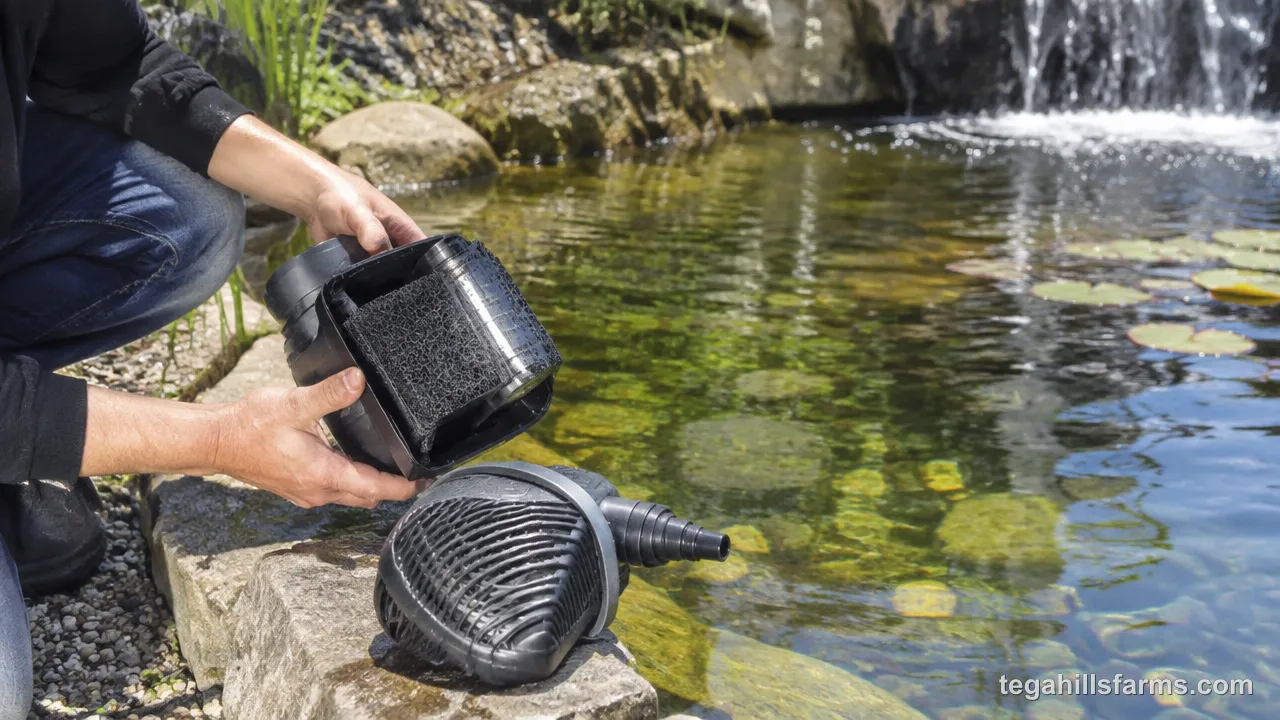
Clean the pre-filter every two to four weeks, and more often in a heavily stocked koi pond or during leaf drop. Rinse the foam and intake screen in pond water rather than tap water if the pre-filter also holds beneficial bacteria.
The payoff is large. A pump with its pre-filter cleaned weekly can run 5–7 years, while a pump whose pre-filter gets cleaned only once a year may last just 1–2 years. The difference comes from impeller protection. A clean screen keeps grit and algae out of the impeller, and it keeps water moving freely around the motor so heat doesn’t build up. Debris buildup works the other way on both counts.
Keep Water Level Above the Intake
A submersible pump needs to stay fully covered. When the water level drops through evaporation, a leak or a long dry spell, the intake starts pulling air along with water. The result is cavitation. Air pockets collapse against the impeller and pit its surface, and the motor loses the water flow that cools it.
Running dry causes motor overheating faster than almost anything else, because a submersible motor depends entirely on the water around it to shed heat. Check the water level weekly in hot weather and top it up before the intake is exposed. An auto-fill valve or a float switch that cuts power at low water protects the pump when you’re away.
Store or Protect the Pump in Winter
The right winter plan depends on how hard your winters freeze. Where the pond surface freezes solid for weeks, pull the pump, clean it and store it in a bucket of water somewhere frost-free. Storing it wet keeps seals from drying out and cracking. Ice forming inside the housing can crack the impeller and the volute, and that freeze damage won’t show until spring.
In milder regions, or in deep ponds where fish overwinter, you can leave the pump running. Move it up off the bottom so it doesn’t circulate the warmer water fish rest in, and pair it with a de-icer to keep a hole open for gas exchange. A submersible pump left in a pond that freezes without a de-icer runs against ice-choked flow and often fails early.
Should You Repair or Replace a Failing Pond Pump?
Repair makes sense when the fault is a replaceable part like the impeller and the pump is still young or under warranty. A burned-out motor in a sealed mag-drive unit almost always means replacement.
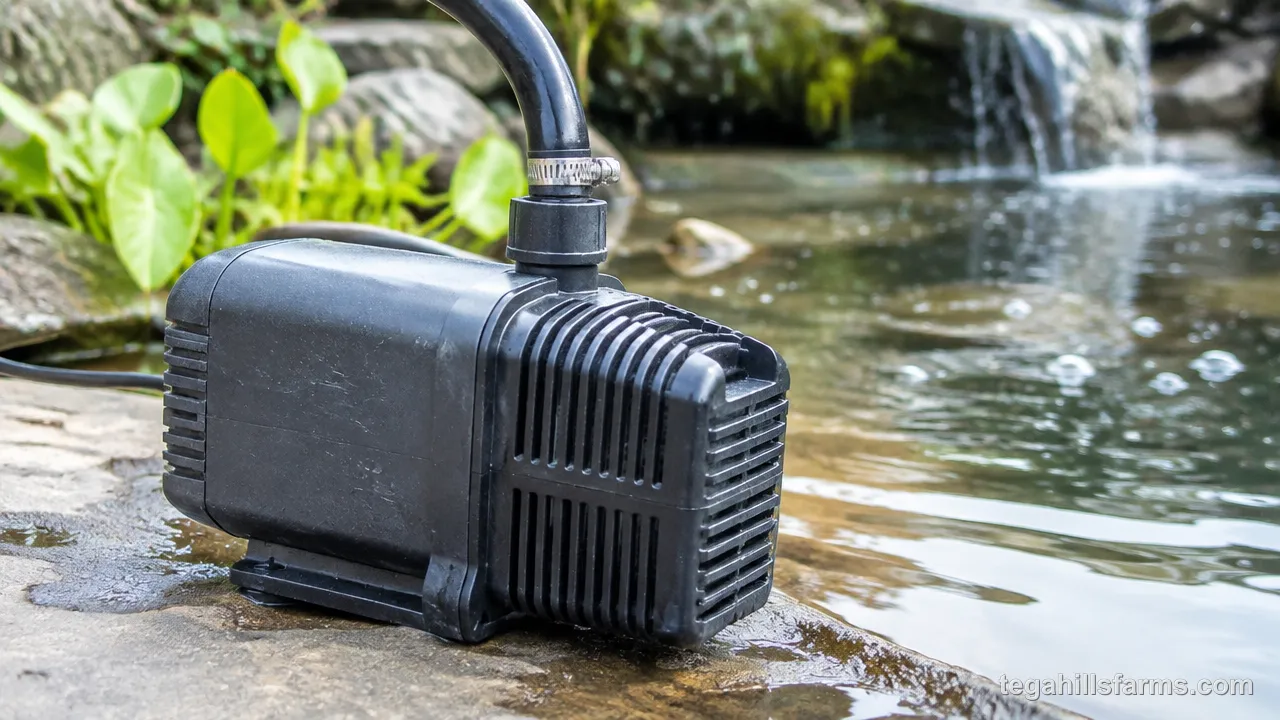
The deciding factor is design. External centrifugal pumps are built for service, so a new bearing kit, a shaft seal or even a motor replacement can return years of use to the pump body. Submersible mag-drive pumps usually allow only an impeller replacement. If the potted motor fails, there is nothing left to fix.
Check the warranty before you spend money. A failure covered by the manufacturer costs you only the shipping. Outside warranty, compare the price of the parts against how much a pond pump costs new in the same size. When an older submersible pump needs anything beyond an impeller, I’d put that money toward a new pump with a longer warranty.
A pump that fails in the middle of summer usually didn’t break that day. A jammed impeller, a tripped GFCI or a slowly overheating motor started the trouble weeks earlier. If you replace the pump without finding that root cause, the new pump will run into the same problem and fail on the same schedule.
What Are the Most Common Pond Pump Problems?
Most pumps that need early replacement fail from one of a handful of recurring faults, and nearly all trace back to debris, heat or the electrical supply. Seal leaks on external pumps let water reach the bearings. A GFCI that trips repeatedly often points to moisture in a damaged cord or a motor whose insulation is breaking down. Voltage drop from a long extension cord adds heat to every one of these failures.
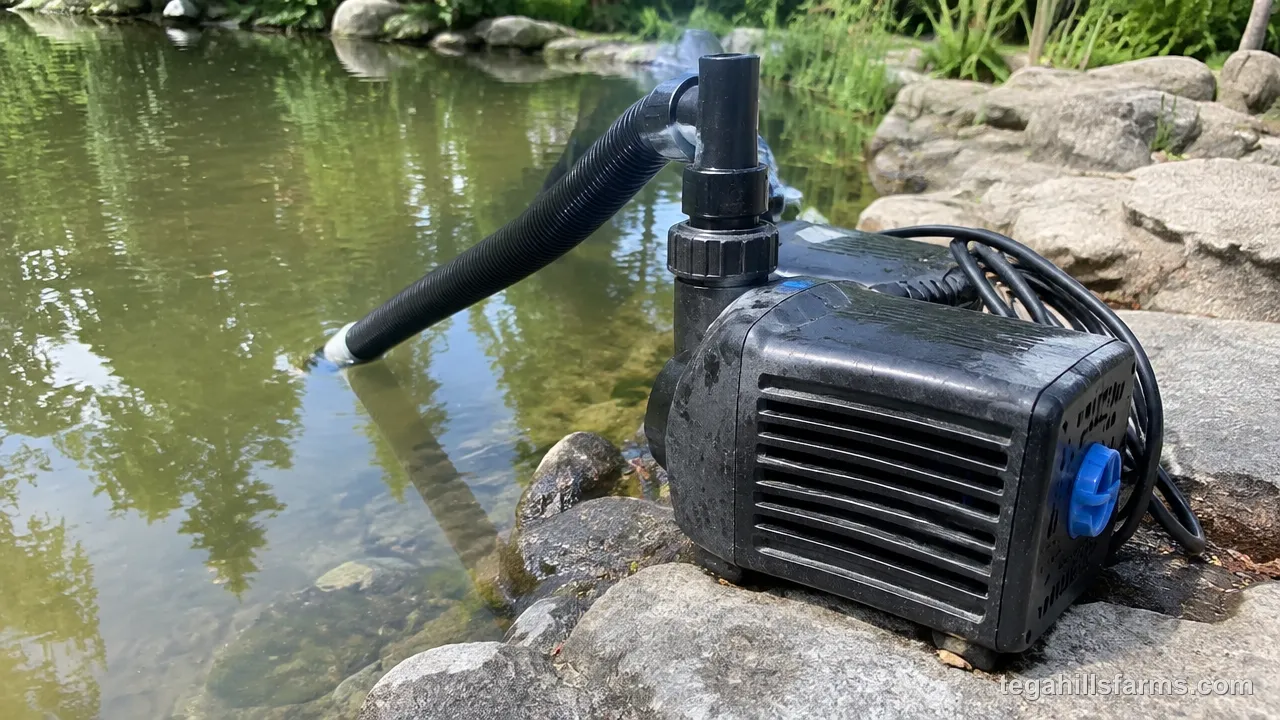
Two faults cause more early losses than the rest. Debris stops the impeller, and heat slowly destroys the windings. They often happen in sequence, because a jam that goes unnoticed becomes an overheating motor.
Impeller Jammed by Debris
A jam usually starts when the pre-filter is bypassed or damaged, letting gravel, twigs or string algae reach the impeller. The impeller stops while the motor keeps pulling current, which overloads it and builds heat within minutes.
Unplug the pump first. Many jams clear by removing the intake cover and pulling the debris out by hand, then spinning the impeller to check that it turns freely. If the impeller is cracked or the shaft is bent, the pump needs to be disassembled and fitted with a new impeller. Repair the pre-filter as well, or the jam will come back.
Motor Burn-Out from Overheating
Motor burn-out happens when the windings get hot enough to break down their insulation, which shorts the coils. Dry running causes it quickly, because a submersible pump loses its cooling water. Voltage sag causes it slowly, because low voltage makes the motor draw more current and run hotter every hour.
Many pumps include a thermal cutoff that shuts the motor off before it is damaged. A pump that keeps tripping its cutoff is giving you a warning, not functioning normally. Fix the water level or the power supply before the cutoff wears out and the windings fail.
How Many Hours a Day Should You Run a Pond Pump?
Run a pond pump 24 hours a day if it feeds a biological filter or supports fish. The bacteria in a biological filter need a steady supply of oxygenated water. If flow stops for even a few hours, those colonies start to die off, and the waste they were processing builds up in the pond.
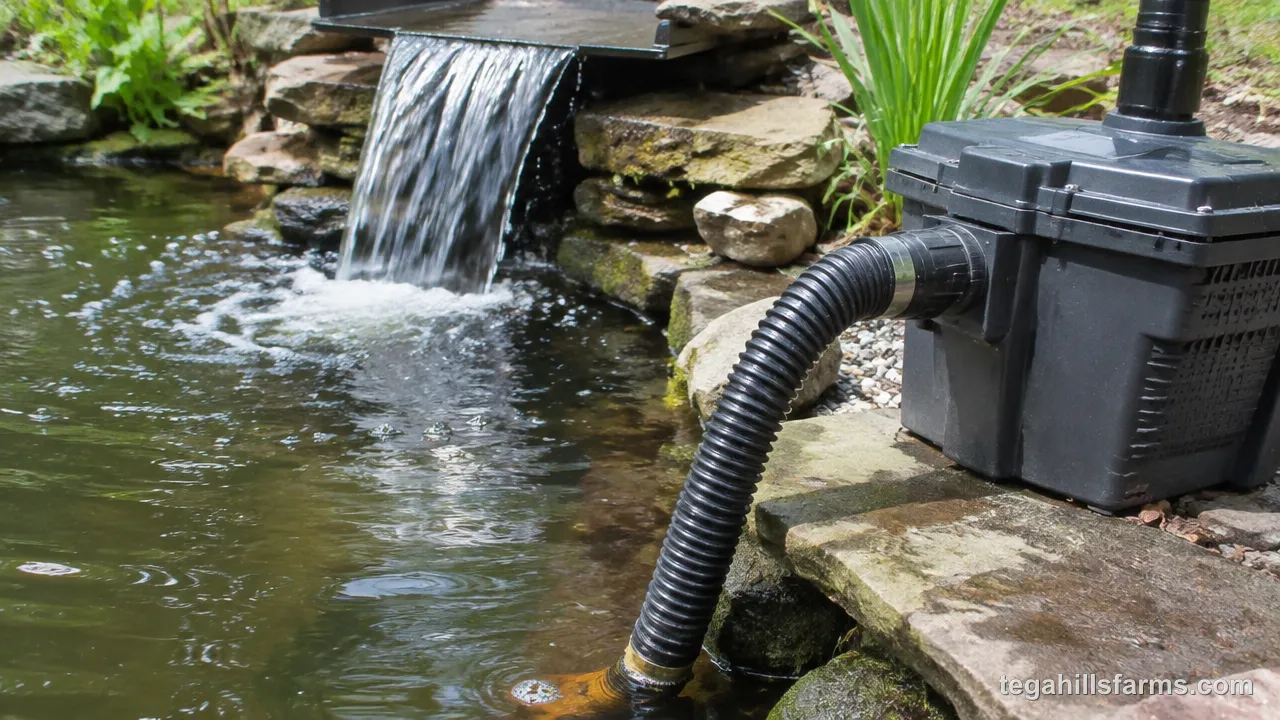
Dissolved oxygen is the other reason. Oxygen levels in a pond are lowest just before dawn, after plants and algae have consumed it all night. A koi pond with its pump shut off overnight can drop to levels that stress fish. That is also when a timer would most likely have the pump off.
Shorter runtimes are fine for a fountain or a fishless water feature with no filter behind it. If you’re weighing that choice for cost reasons, how much electricity a pond pump uses depends mostly on its wattage. A right-sized pump running continuously often costs less than an oversized one on a timer.
Do Certain Brands Last Longer?
Brand matters less than the motor design and the warranty behind a specific model. Aquascape, OASE, Pondmaster, Tsurumi, GC TEK and Danner each sell pumps for different jobs. A sealed mag-drive model from any of them follows the shorter submersible lifespan pattern, while a serviceable external or heavier-duty design follows the longer one.
Within a design, look at what the manufacturer backs. Bearing quality and impeller material vary between models, and a longer warranty is the clearest public signal of how long a company expects its motor to hold up. GC TEK, for example, covers its pumps with a three-year warranty. Weigh any warranty against the typical life of that pump type, because a warranty that runs out long before the motor is expected to wear tells you little.
Price tier tends to follow the same logic. Paying more usually buys you a serviceable design or better bearings, not a different brand name.
Write Your Review
No reviews yet. Be the first to share your experience!