

Splitting firewood comes down to the badge on the beam as much as the tonnage on the spec sheet. For homeowners buying once and splitting for years, the difference between a durable brand and a disposable one shows up in the engine choice, the hydraulic components, and whether you can find parts three winters later.
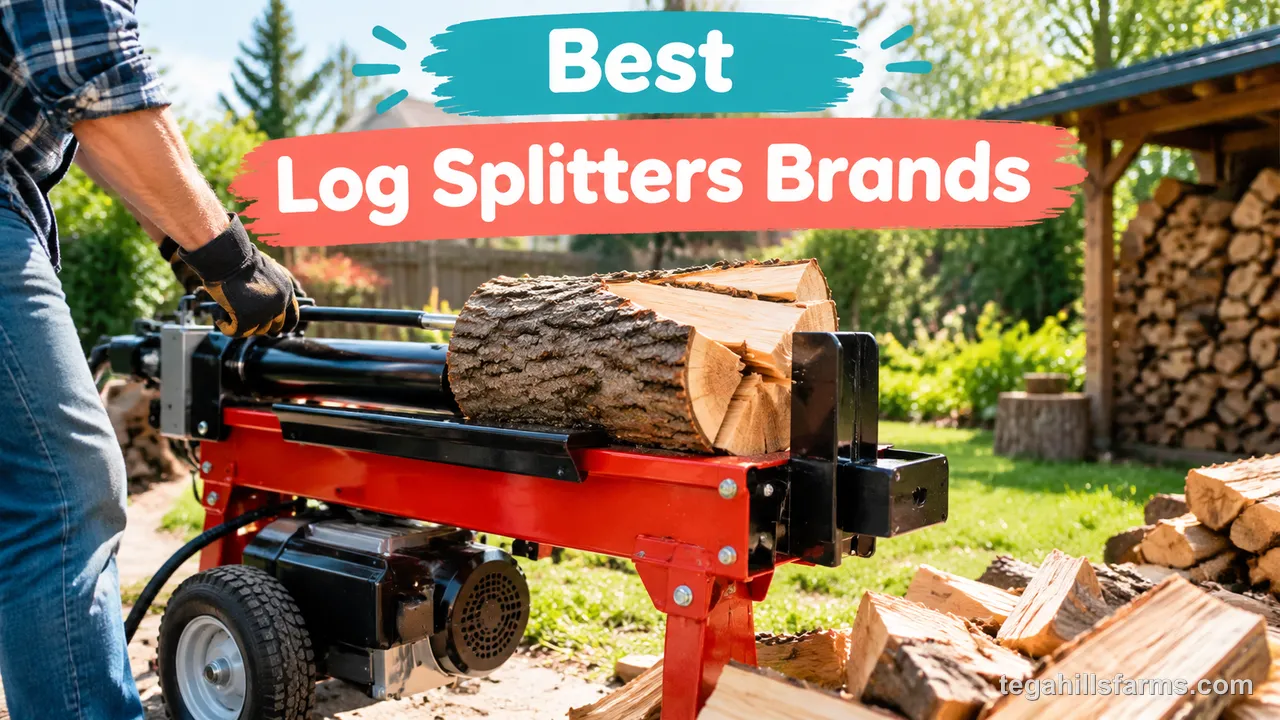
The right brand depends on how you split. Electric names dominate backyards and garages where noise and storage matter, while compact gas and heavy-duty hydraulic brands take over when rounds get big, wood gets hard, and sessions run all day.
Long-term owners care most about tonnage consistency, engine reliability, cycle speed, and support, not just marketing. If you want to see how individual models compare across all tonnage and power types, our guide to the best log splitters pulls the full lineup together in one place. Different brands lead for home use, heavy work, and each power source, so match a brand to your wood, yard, and budget.
What separates the best log splitter brands from the rest?
The best log splitter brands separate themselves through what buyers mean by a top brand for ownership and which specs actually define brand performance. A good single model can impress on paper, but a good brand repeats that performance across its lineup and backs it up after the sale.
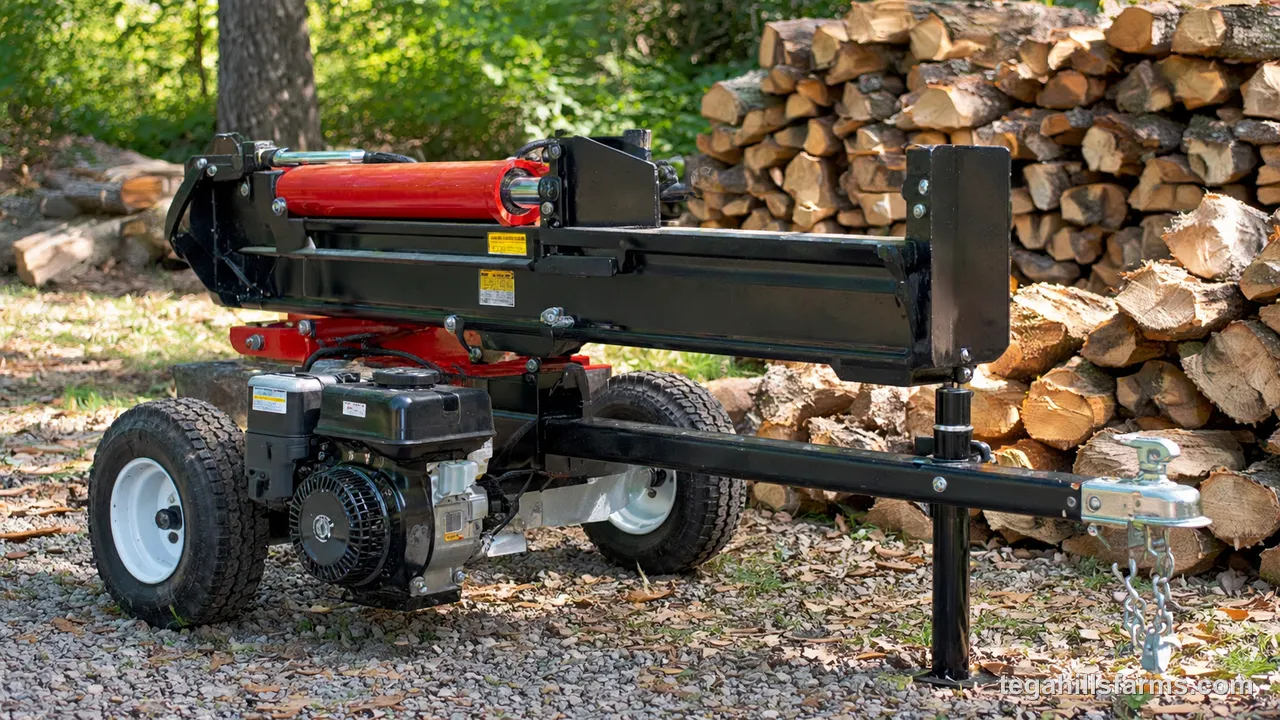
That distinction matters because a splitter lives outside, lifts heavy rounds, and cycles hydraulics under pressure. To judge a brand properly, you need to look beyond one product page and see how it handles consistency, parts, and real-world specs. For a deeper look at how those factors play into a final purchase, see our guide on how to choose a log splitter before you lock in tonnage or power type.
What do buyers mean by a top log splitter brand?
A top log splitter brand means consistent build quality across models backed by available parts and responsive support, not just a strong marketing claim. In practice, buyers judge a brand by whether the welds, hydraulics, and engines hold up season after season and whether help is available when a seal weeps or a wedge dulls.
Specifically, ownership signals include shared engines from proven suppliers like Honda or Champion across multiple models, standard hydraulic fittings you can source locally, and a parts diagram you can actually order from. Brands that publish replacement part numbers, keep wedges and hoses in stock, and honor service without a fight tend to earn repeat buyers. By contrast, a brand that looks good at unboxing but hides behind vague warranties or no parts channel often costs more on the second year than it saved on the first.
Which specs actually define brand performance?
There are four spec groups that define brand performance: tonnage consistency, engine and hydraulic system quality, cycle time and beam design, and serviceability. Comparing brands on these groups tells you more than comparing a single peak tonnage number.
Tonnage consistency is whether a brand’s 20-ton and 25-ton machines actually hit their rating on knotty hardwood, not just straight-grain softwood. Engine and hydraulics cover who makes the engine, pump size, and cylinder seals — details that decide cold starts and leak-free cycles. Cycle time and beam design shape productivity: auto-return, horizontal-vertical versatility, and log cradles reduce lifting and waiting. Serviceability is the hidden one — standard hose sizes, available seals, and wedge geometry you can maintain — and it separates brands you keep from brands you replace.
Which brands lead for home use and light property work?
Brands that lead for home use and light property work win on electric convenience from WEN and Sun Joe, compact gas versatility from YardMax and Powerhorse, and premium durability from DEWALT and DR. Home splitting is seasonal, often in a garage or driveway, so noise, storage, and easy starts outweigh raw tonnage.
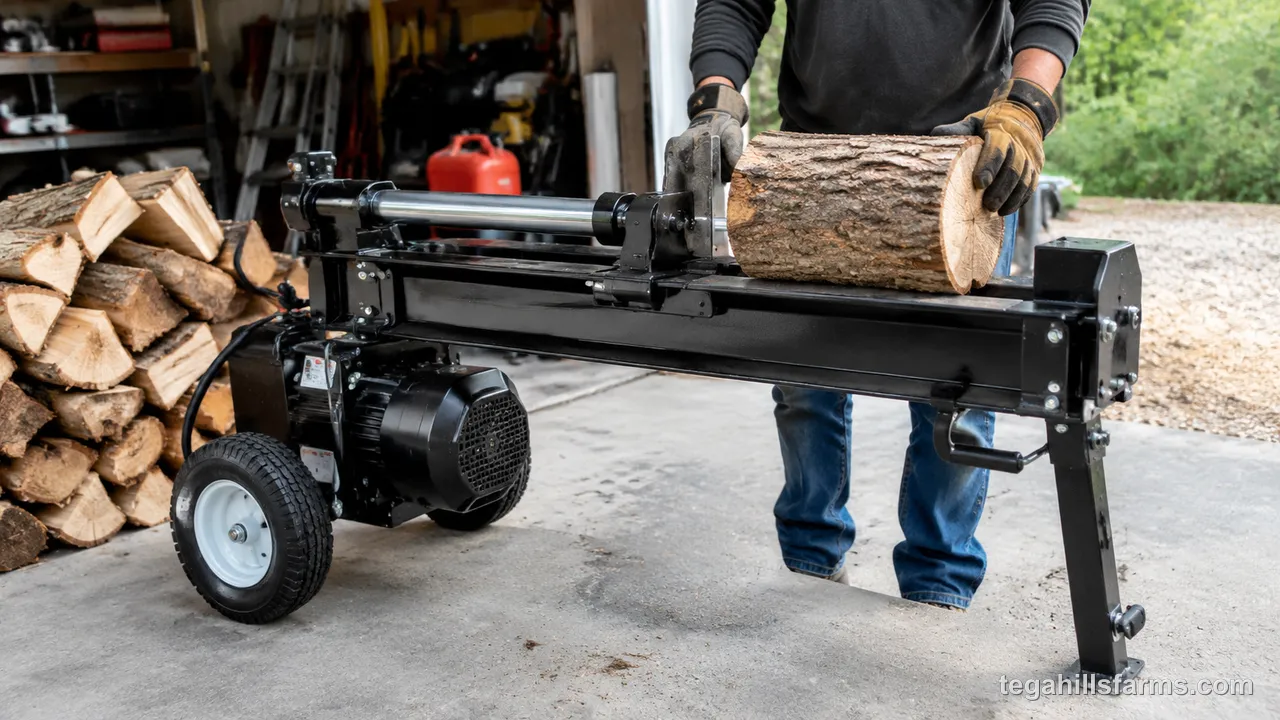
If your rounds are mostly 12 to 16 inches and you split a few cords a year for a fireplace or fire pit, the right home brand saves you lifting and maintenance without needing a towable beam. For more options tuned to this exact use case, see our breakdown of the best log splitters for home use.
Why do WEN and Sun Joe dominate electric home splitting?
WEN and Sun Joe dominate electric home splitting because they offer quiet, low-maintenance power with compact electric designs ideal for small yards and garages. Both brands focus on 6 to 9-ton electric models that plug into a standard outlet, start with a button, and store upright against a wall.
For buyers who want clean, no-fuel splitting, WEN in particular has built a reputation around simple electric hydraulics that handle straight-grain firewood and softwood without the upkeep of gas. You give up some force on large, knotty hardwood rounds, but you gain fast setup, no oil changes, and no winter fuel storage. If you are comparing within this niche, our guide to the best wen log splitters details how WEN’s electric lineup differs on ram force and cycle design, while Sun Joe competes on similar electric convenience with slightly different wedge and guard layouts. For tight lots and HOA neighborhoods, this electric-first approach is often the most practical entry point.
Are YardMax and Powerhorse better when you need compact gas power?
YardMax and Powerhorse are better when you need compact gas power that bridges home use and mid-duty property work. These brands pack 20 to 27-ton hydraulic systems into towable but still garage-friendly frames, often with 160cc to 212cc engines that start reliably in cold weather and handle larger rounds than any electric can.
Compared to WEN and Sun Joe electrics, YardMax and Powerhorse trade quiet operation for real splitting force on oak, maple, and knotty rounds up to 20 inches. YardMax leans toward full-beam utility with horizontal-vertical operation, while Powerhorse — Northern Tool’s house brand — leans on parts availability through its retail network and straightforward hydraulics. Both suit the homeowner who has graduated from occasional fireplace wood to heating with firewood or clearing a few acres seasonally, but does not need a 35-ton farm machine.
Where do DEWALT and DR fit for premium home users?
DEWALT and DR fit as premium home brands that charge more for durability and ownership support rather than peak tonnage. Neither tries to win on the lowest upfront cost; they win on finish, component quality, and the expectation that the machine will still be respected in five years.
DEWALT brings job-site build standards to its outdoor power, with attention to frame rigidity and control ergonomics, while DR Power focuses on property-owner usability — better log cradles, stable footing, and thoughtful vertical-mode operation for heavy rounds you do not want to lift. Compared to YardMax and Powerhorse, you pay a mid-range to premium tier price for tighter tolerances and often better dealer support, but you still stay well below true pro-grade American-built pricing. For homeowners who split every year and hate downtime, that tradeoff often pays back.
Which brands dominate heavy-duty and high-tonnage work?
Brands that dominate heavy-duty and high-tonnage work do so through mainstream workhorses Champion and Boss Industrial, pro-grade American-built Iron & Oak, Brave, and Split-Fire, and niche heavy-use options County Line, Eastonmade, and Pow R Kraft. Heavy work means large-diameter rounds, hardwood with knots and crotches, and long sessions where cycle time and heat management matter.
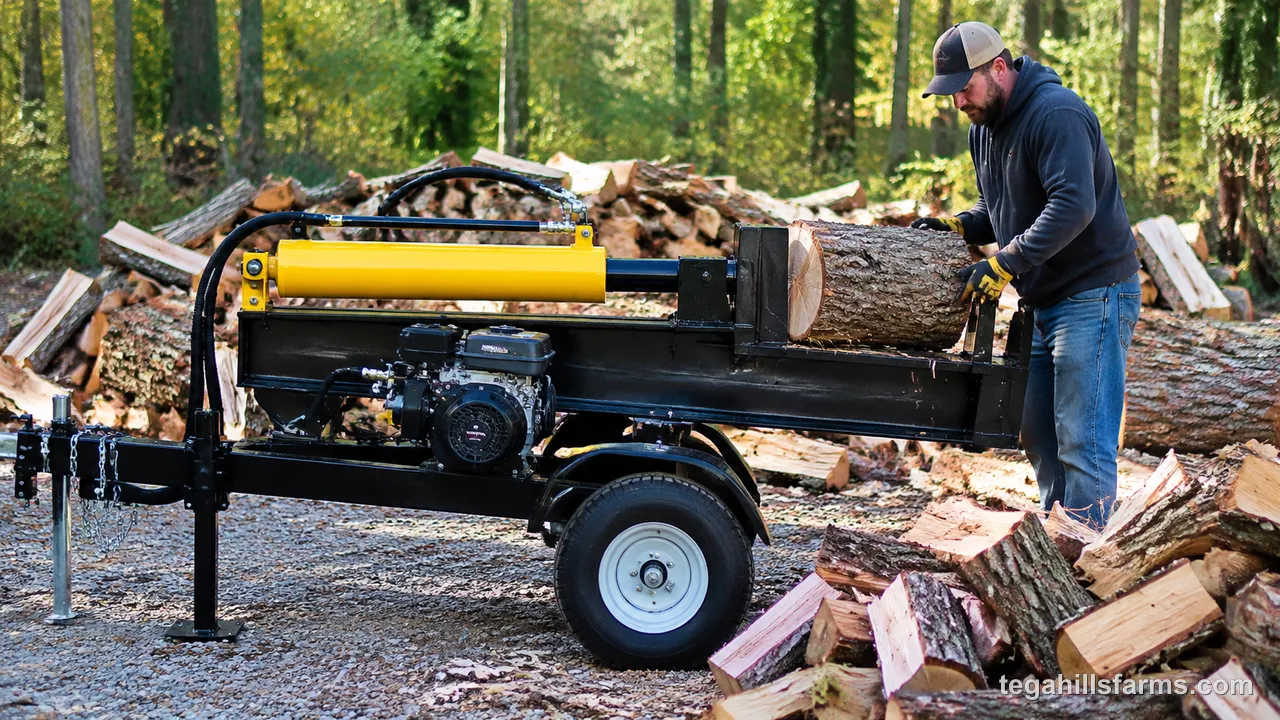
This is where 25 to 35-ton hydraulics, 270cc-plus engines, and robust I-beam construction separate lasting brands from light-duty badges. For buyers heating a home all winter or running a small firewood operation, see our guide to the best heavy duty log splitters for how tonnage and beam design scale in this class.
Why are Champion and Boss Industrial the heavy-duty workhorses?
Champion and Boss Industrial are the heavy-duty workhorses because they combine high tonnage with accessible value and proven field reliability. Both offer 25-ton to 35-ton horizontal-vertical splitters powered by their own or Honda-clone engines, with large cylinders and two-stage pumps that build force quickly then finish the split.
Champion in particular has earned trust among homeowners stepping into serious firewood production — its engines start consistently and its hydraulics are sized for continuous use without constant cooling breaks. Boss Industrial counters with similar tonnage but often emphasizes beam strength and wedge geometry for stringy hardwoods. Compared to premium American-built names, these two deliver near-pro splitting force at a mid-range to premium tier that still feels attainable for a property owner. To compare tonnage steps within this family, our coverage of the best champion log splitters breaks down how Champion’s 20-ton, 25-ton, and 35-ton models differ on pump and engine pairing.
Do Iron & Oak, Brave, and Split-Fire justify the pro price?
Iron & Oak, Brave, and Split-Fire justify their pro price for farm, ranch, and commercial users who need American-built durability and faster commercial cycles. These brands use heavier steel, commercial Honda GX engines, and hydraulic systems rated for daily use, often with log lifts, four-way wedges, and auto-cycle valves.
The difference shows up after hour three on a cold Saturday. While a mainstream 27-ton machine may heat its fluid and slow down, Iron & Oak and Brave keep cycle times consistent and keep seals from weeping under sustained pressure. Split-Fire pushes further with kinetic-assisted and dual-split designs that double output for firewood sellers. Compared to Champion and Boss Industrial, you pay a clear premium tier and you get it back in welding quality, service life, and resale value — overkill for occasional use, but sensible when the splitter is a tool that earns its keep.
What about County Line, Eastonmade, and Pow R Kraft for niche heavy use?
County Line, Eastonmade, and Pow R Kraft serve niche heavy-use buyers through retail-specific value, custom build options, and affordable heavy steel. They are not the first names most shoppers search, but each fills a gap left by the mainstream heavy-duty leaders.
County Line, sold through Tractor Supply, offers straightforward 25 to 40-ton splitters that appeal to rural buyers who want to see the beam in person and haul it home the same day. Eastonmade is the opposite — made-to-order, highly customizable American machines with oversized beams and commercial hydraulics for buyers who want exactly their wedge, lift, and engine combination. Pow R Kraft sits between, offering heavy-duty tonnage at a more budget-conscious tier with fewer refinements but solid splitting force for large rounds. The tradeoff: County Line for convenience, Eastonmade for bespoke durability, Pow R Kraft for tonnage per dollar when finish is secondary.
How do power sources shape brand strengths?
Power sources shape brand strengths by dividing the market into gas brands with Honda power and field reliability and electric and kinetic brands built for speed on repetitive home splitting. Choosing a power type first narrows the brand list faster than comparing tonnage alone.
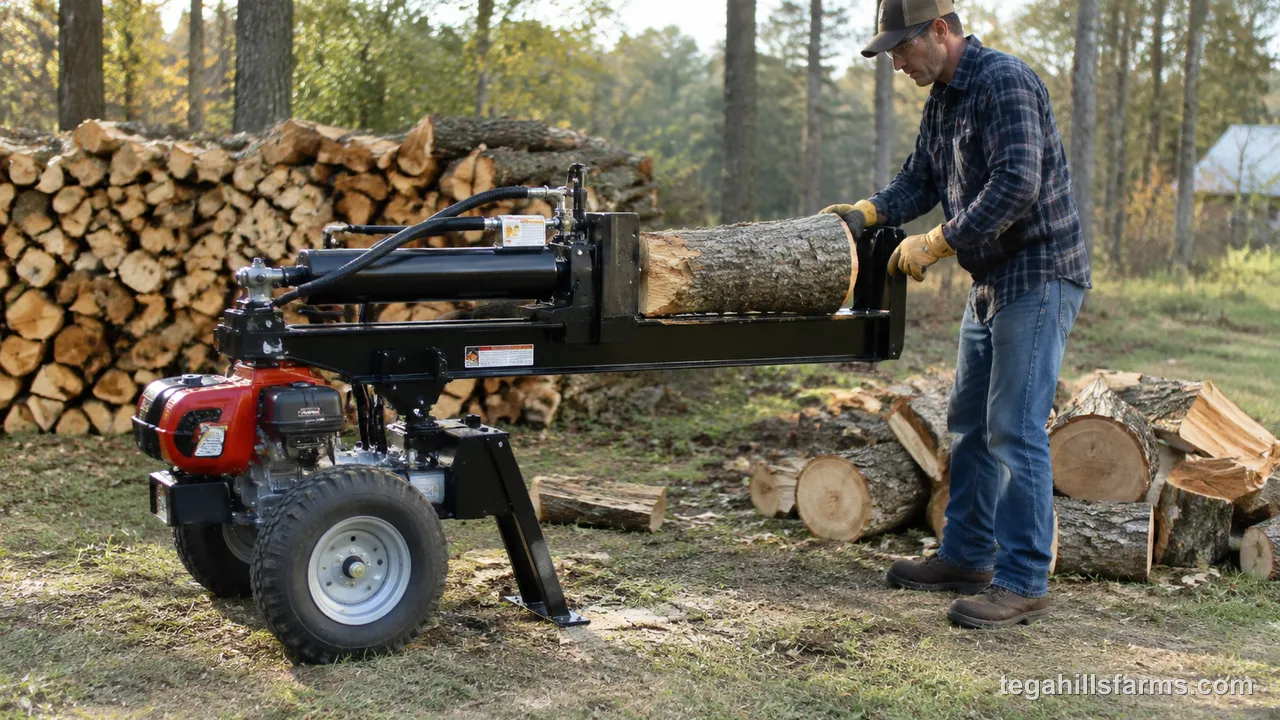
Gas dominates when you split away from an outlet, need to tow to a woodpile, or face hardwood over 18 inches. Electric and kinetic dominate when you split smaller rounds near the house and value quick cycles and low noise. Understanding this split prevents buying a 35-ton gas monster for garage kindling or an electric for a hillside oak harvest.
Which gas brands offer Honda power and field reliability?
Gas brands that offer Honda power and field reliability include Champion, Boss Industrial, Brave, Iron & Oak, and County Line at various tiers. Honda GX engines are prized for easy cold starts, stable governor control under load, and parts availability at small-engine shops nationwide.
In practice, pro-grade brands like Brave and Iron & Oak standardize on genuine Honda GX, while mainstream brands like Champion and Boss Industrial use a mix of Honda engines on higher trims and well-proven Honda clones on value trims — both serviceable, but the genuine Honda holds resale and shop familiarity. Beyond the engine, field reliability comes from pump sizing, hose routing away from heat, and a beam that does not flex when a knotty round stalls the wedge. For buyers who split off-grid or tow between properties, our overview of the best gas log splitters maps which gas brands pair Honda power with horizontal-vertical beams and tow-ready axles, and which save weight for tighter storage.
Are electric and kinetic brands faster for repetitive home splitting?
Electric and kinetic brands are faster for repetitive home splitting on small to medium softwood but give up peak force on large hardwood. Electric hydraulics from WEN and Sun Joe cycle quietly with no fuel, while kinetic splitters from brands like Pow R Kraft and DR use a flywheel to slam the ram in 2 to 3 seconds — roughly half the time of a typical hydraulic cycle.
That speed matters when you have a pile of 10 to 14-inch rounds to process into fireplace wood and you value rhythm over brute force. Compared to a 25-ton gas hydraulic, a kinetic or electric will finish a cord of straight-grain wood sooner with less fatigue, but it will stall sooner on a 20-inch knotty oak crotch where sustained tonnage beats cycle time. Similarly, for buyers weighing hydraulic consistency against kinetic speed, our guide to the best hydraulic log splitters explains how hydraulic brands sustain force through the entire stroke, which is why they remain the default for hardwood. Choose electric or kinetic for repetitive home volume, hydraulic gas for tough wood that demands full-force follow-through.
How to match a brand to your budget and tonnage needs?
Matching a brand to your budget and tonnage starts with what budget, mid-range, and premium brands actually deliver and how much tonnage your wood really requires. Buying too much splitter wastes storage and fuel; buying too little wastes time and risks stalling mid-split.
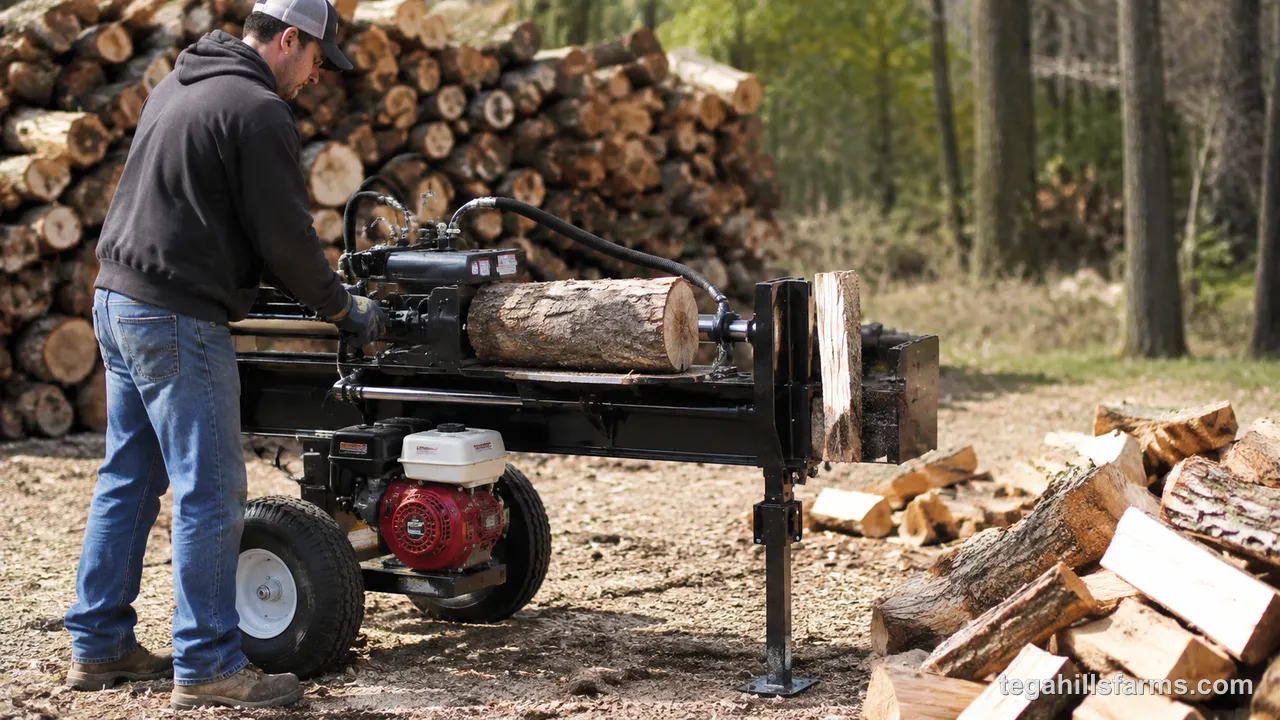
The smart sequence is wood first, then tonnage, then brand. Identify your typical round diameter and wood species, pick the tonnage window that handles it without constant repositioning, then choose the brand that owns that window with the best support. To see current value tiers across this decision, our breakdown of the best log splitters under $1000 shows where budget and mid-range brands overlap, and our look at the best 25 ton log splitters illustrates the most popular crossover point between home and heavy-duty use.
What do you get from budget, mid-range, and premium brands?
Budget, mid-range, and premium brands separate by long-term cost and component quality: budget brands focus on lowest entry cost, mid-range brands balance tonnage and reliability, and premium brands add commercial components and support.
Budget brands — often entry electrics and value gas like Pow R Kraft — get you splitting for a budget-friendly tier but may use thinner steel, smaller pumps, and clone engines that need more attention after year two. Mid-range brands like Champion, Boss Industrial, YardMax, and Powerhorse provide the sweet spot for most owners: consistent tonnage, standard hydraulics, and parts you can reorder without hunting. Premium brands like Brave, Iron & Oak, and Eastonmade charge a premium tier for Honda GX power, heavier beams, log lifts, and welds that survive daily use and hold resale. Over five years, the mid-range often costs less than replacing a budget machine, while the premium pays only if you split commercially or heat exclusively with wood.
How much tonnage do you actually need for your wood?
You need 6 to 9 tons for softwood kindling under 14 inches and 25 to 35 tons for large, knotty hardwood over 18 inches, so no single tonnage suits every woodpile. Electric 6.5 to 9-ton models handle pine, fir, and straight-grain softwood for fire pits and camping wood, but they lack the sustained push for dense oak or hickory crotches.
For most homeowners heating with firewood, 20 to 25 tons covers 16 to 20-inch rounds of mixed hardwood with a horizontal-vertical beam that lets you roll rather than lift heavy pieces. Stepping to 27 to 35 tons makes sense when rounds exceed 20 inches, you split twisted grain, or you run a four-way wedge that needs extra force to drive. Yes, bigger tonnage splits easier, but it also means a heavier beam, more hydraulic fluid heat, and more storage space — so match tonnage to your largest typical round, not your largest one-time round, to avoid buying a farm machine for a suburban lot.
We have ranked the top log splitter brands above for both home firewood and heavy, high-tonnage work, comparing power source, tonnage, and real ownership tradeoffs. Choosing a reputable brand covers only half the long-term picture, because the rare details that determine whether a splitter stays reliable are the parts, seals, and service behind the badge. The sections ahead zoom into those micro-decisions so you can spot a durable brand from a disposable one before you buy.
How to spot a durable brand vs one that will cost you later
A durable log splitter brand shows standardized parts, serviceable hydraulics, and honest steel, while a brand that will cost you later hides proprietary fittings, unavailable seals, and thin warranties. The badge matters less than what sits behind it.
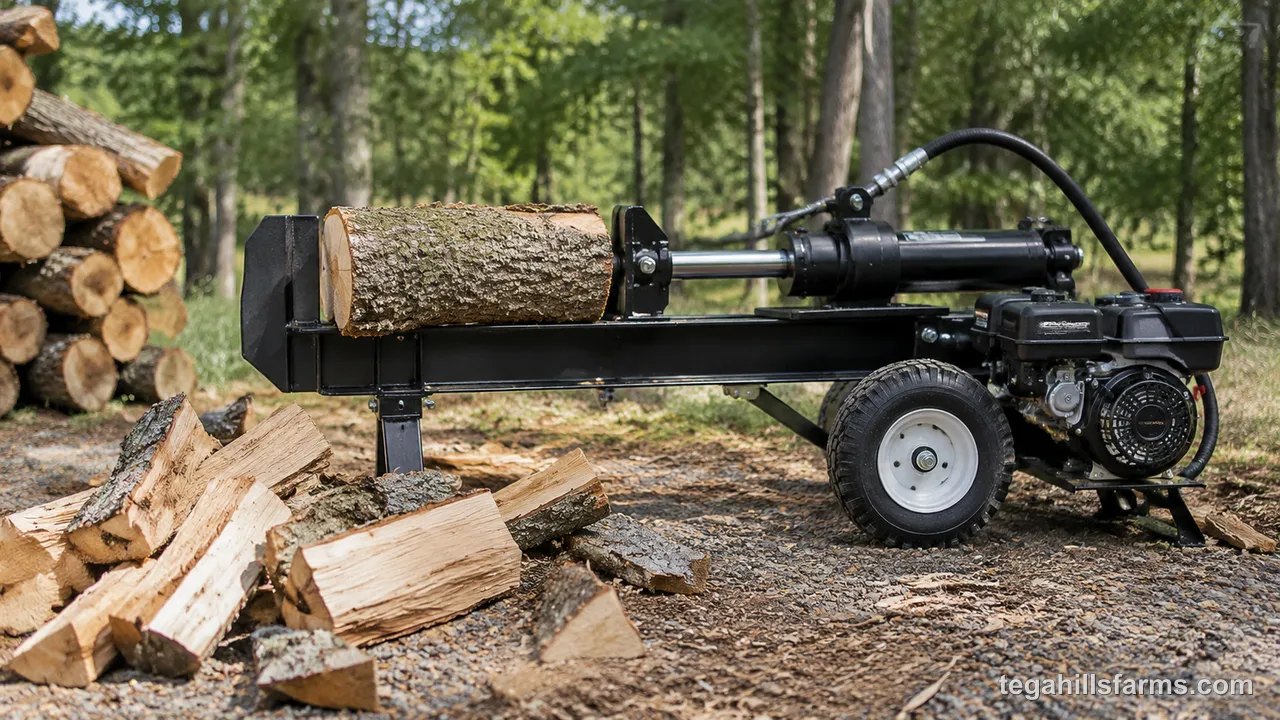
Start with parts continuity. Durable brands publish exploded diagrams and stock log splitters replacement parts — wedges, hoses, filters, control valves, and tow hardware — under consistent part numbers across model years. Disposable brands list a generic support email and no diagram. Next, look at hydraulic seals and fluid path. Brands that specify the best log splitter hydraulic seals and use common NPT or JIC fittings let any hydraulic shop replace a weeping seal in an afternoon; brands with oddball metric fittings force you to wait weeks for a single O-ring. Check wedge steel and beam thickness — a forged or heat-treated wedge holds an edge and resists curling on knotty wood, while a thin stamped wedge mushrooms quickly. Finally, scan for counterfeit risk: established brands have serial-numbered engines, consistent paint and weld patterns, and authorized dealers, while no-name listings with stock photos and no serial support often signal a clone that will leave you without warranty when the pump fails mid-season.
Quick answers before you pick a brand
Are American-made log splitter brands worth the premium? American-made brands like Brave, Iron & Oak, and Eastonmade are worth it for daily or commercial use, where heavier steel, Honda GX engines, and domestic support offset the premium tier. For seasonal home use of a few cords, a mid-range mainstream brand often delivers better value.
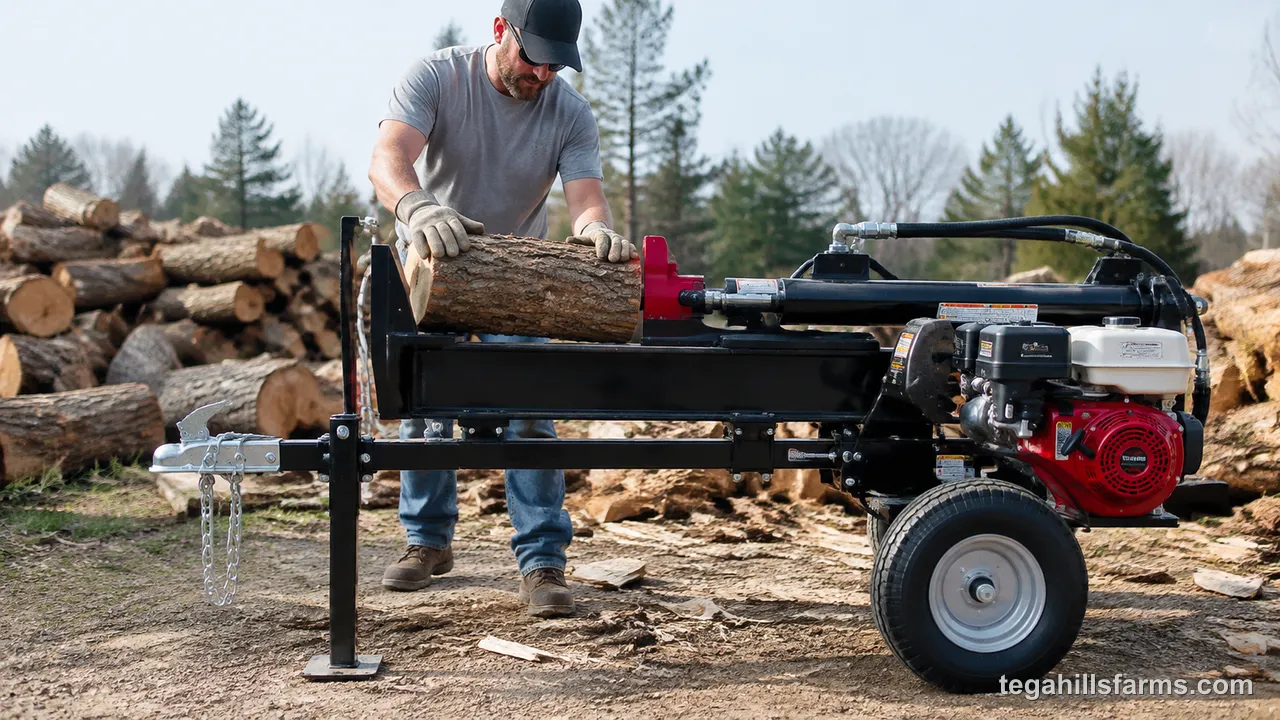
Is Harbor Freight or County Line good enough for home firewood? County Line and value brands are good enough for occasional home firewood on rounds under 20 inches, offering real hydraulic tonnage at a budget to mid-range tier. They suit buyers who prioritize in-store availability and simple hydraulics over refined fit and finish.
Do I need to jump from a 6-ton electric to a 25-ton gas? Not always — many owners bridge the gap with a 20 to 22-ton compact gas, which handles most hardwood without the weight and storage of a 35-ton towable. Only step to 25-ton-plus if you regularly split large, knotty rounds or run a four-way wedge.
What tonnage increase actually matters? A jump of at least 5 tons matters in real use, because cylinder size and pump pairing change splitting behavior. Moving from 20 to 25 tons often adds vertical mode stability and heat capacity, while 25 to 35 tons adds log lift options and sustained force for commercial volume.
Which brand is best if I want the least maintenance? Electric brands like WEN and Sun Joe require the least maintenance, with no fuel, oil changes, or spark plugs — just hydraulic fluid checks and wedge care. Choose gas only if you need towable power or hardwood force that electrics cannot provide.
More Guides on Best Log Splitters Brands
- Best Boss Industrial Gas Log Splitters
- Best Sun Joe Electric Log Splitters
- Best Boss Industrial Log Splitters
- Best Champion Gas Log Splitters
- Best WEN Electric Log Splitters
- Best Pow R Kraft Log Splitters
- Best Powerhorse Log Splitters
- Best Sun Joe Log Splitters
- Best Yardmax Log Splitters
- Best DeWalt Log Splitters
- Best Dr Log Splitters
Write Your Review
No reviews yet. Be the first to share your experience!