

Choosing the right name matters more than horsepower on the spec sheet, because support and build quality decide whether your chipper starts season after season. Brands differ by power source, branch capacity, value, and design, so match a brand to your yard, not just your budget.
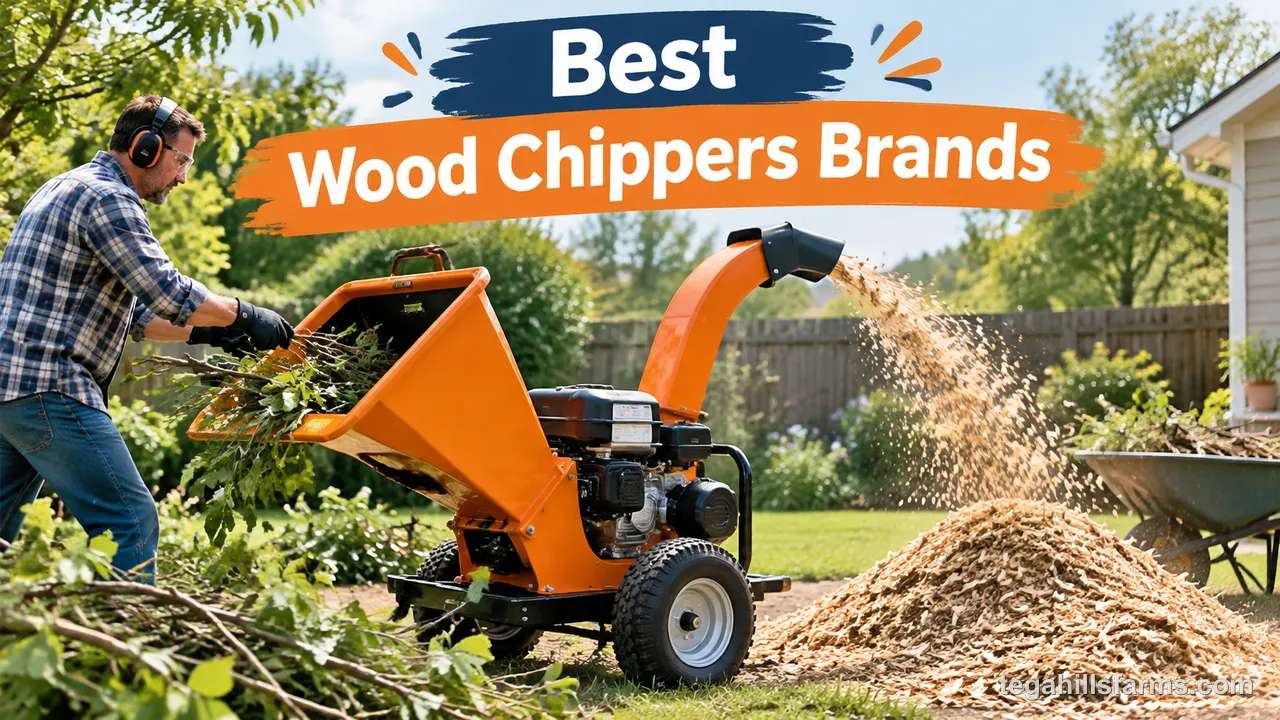
Which Wood Chipper Brands Do Homeowners Trust Most in 2026?
Trusted wood chipper brands combine readily available parts and service with proven engineering that separates them from budget labels. If you are still comparing the overall market, start with our guide to the best wood chippers to see how these brands rank across all categories before narrowing by branch size.
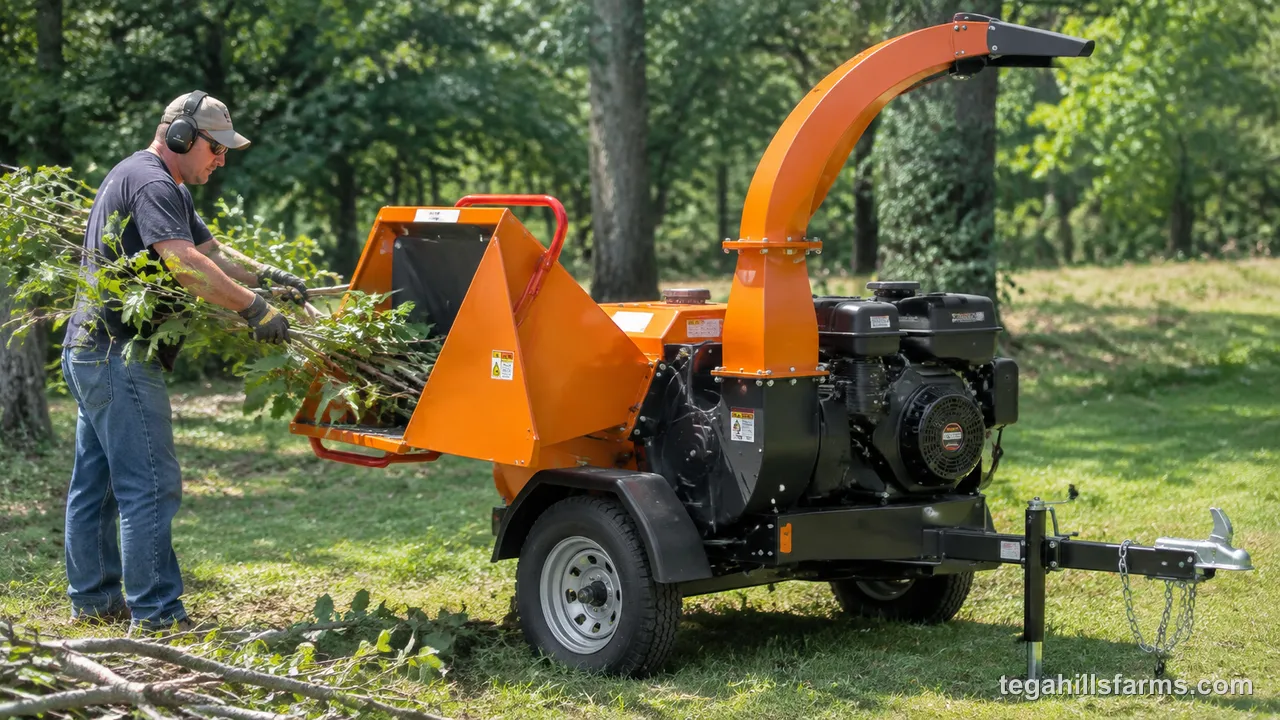
For most homeowners, brand trust comes down to what happens after the sale. A well-known name means you can find blades, belts, and help a year from now, which is why our look at the best wood chippers for homeowners consistently favors brands with established dealer and parts networks. Before you compare engines, understand how to choose a wood chipper by support first, specs second.
Why Do Parts and Service Matter More Than the Initial Purchase?
Wood chippers replacement parts are wear items like blades, anvils, and drive belts that determine whether your machine stays usable after the first season. A chipper without a ready supply of these parts becomes a yard ornament after one dull blade or broken belt.
In practice, blades dull on sandy bark, anvils develop nicks from small stones, and belts stretch under load. Brands with stocked parts let you swap a blade in an afternoon; off-brand machines often require hunting for a compatible part that never quite fits. That delay matters during spring cleanup when piles grow fast. Check whether the brand sells kits directly, lists part numbers in the manual, and offers phone or email support before you buy.
What Separates Budget Brands from Proven Brands?
Proven brands win on consistent steel thickness, tighter rotor tolerances, and documented support, while budget labels compete mainly on low initial cost. The difference shows up after 10-20 hours of use, not on day one.
Budget newcomers often use thinner hoppers, lighter flywheels, and generic engines with vague parts diagrams. Established manufacturers publish torque specs, balance their rotors, and heat-treat blades for longer edge life. You will also see better welds, powder coating that resists chipping, and safety interlocks that actually stay aligned. That does not mean every budget brand fails, but the risk of vibration, clogging, and orphaned support is higher.
How Do Gas and Electric Wood Chipper Brands Compare?
Gas and electric wood chipper brands split on gas for power and throughput, electric for quiet backyard use, and yard size as the deciding factor. Choose the power source first, then narrow the brand.
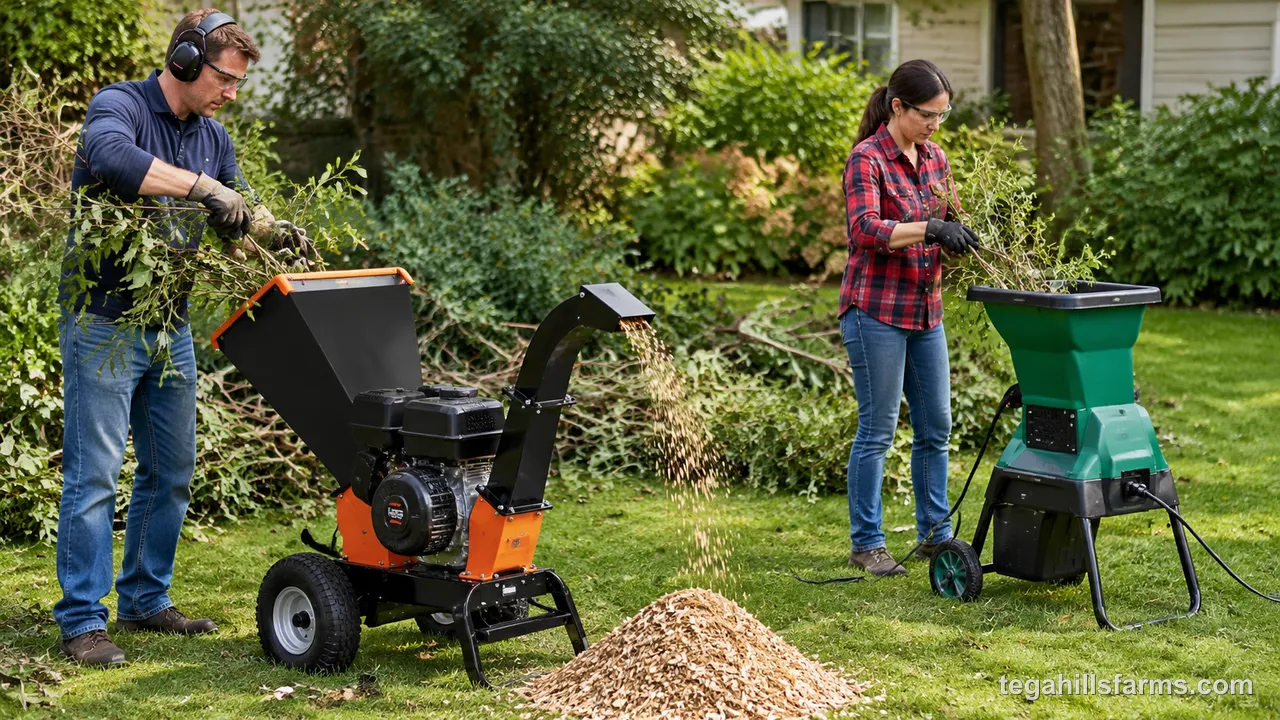
Gas brands dominate where you need to run for an hour straight and feed 3-inch limbs without tripping a breaker. Electric brands own the small-lot, low-maintenance lane where noise and storage matter. The trick is matching the brand’s strength to your lot, not buying the biggest engine you can afford.
Which Gas-Powered Brands Lead for Power and Throughput?
Gas leaders include DK2, Powerhorse, Patriot, and Landworks for larger branches and extended runtime without cord limits. These brands pair 7 to 15 HP-class engines with heavier flywheels that keep momentum through knots.
For real use, that means fewer stalls on hardwood like oak or maple and faster clearing of a brush pile after pruning. If you are comparing options, start with our guide to the best gas wood chippers to see which models hold speed under load and offer a true 3 to 4 inch capacity rather than a marketing claim. Look for dual-edge reversible blades, large infeed openings, and belt or direct drive systems that are easy to service.
Which Electric Brands Are Best for Quiet Backyard Use?
Electric leaders are Sun Joe, WEN, and other compact corded brands built for quiet operation and minimal maintenance in small yards. They trade raw cutting diameter for lighter weight, push-button starts, and no fuel storage.
Expect capacities around 1.5 to 1.75 inches, which handles twigs, hedge trimmings, and leafy branches without the noise that carries across fences. For homeowners on a quarter-acre or less, our roundup of the best electric wood chippers highlights which models stay under typical neighborhood noise limits and store upright in a garage corner. Check cord length needs with a 12-gauge extension and a clear reset or overload protection.
How Should Yard Size Guide Your Choice Between Gas and Electric Brands?
Yard size should guide your choice, because lot size, storage space, and branch volume determine whether gas power is necessary. Small suburban lots rarely justify a gas engine’s weight and upkeep.
If you have under 1/4 acre with mostly annual pruning, an electric brand saves space and eliminates oil, fuel stabilizer, and spark plug maintenance. On a half-acre to a few acres with mature trees, a gas brand earns its footprint by chipping all day and handling thicker limbs in fewer passes. Also consider slope and distance from an outlet, since dragging a cord 100 feet is impractical and unsafe.
Which Brands Excel by Branch Size?
Brands split cleanly by brands for twigs and leaves under 2 inches, brands for 3-inch to 4-inch limbs, and heavy-duty brands for 5-inch to 6-inch wood. Match the maximum diameter you actually cut, not the biggest number on the box.
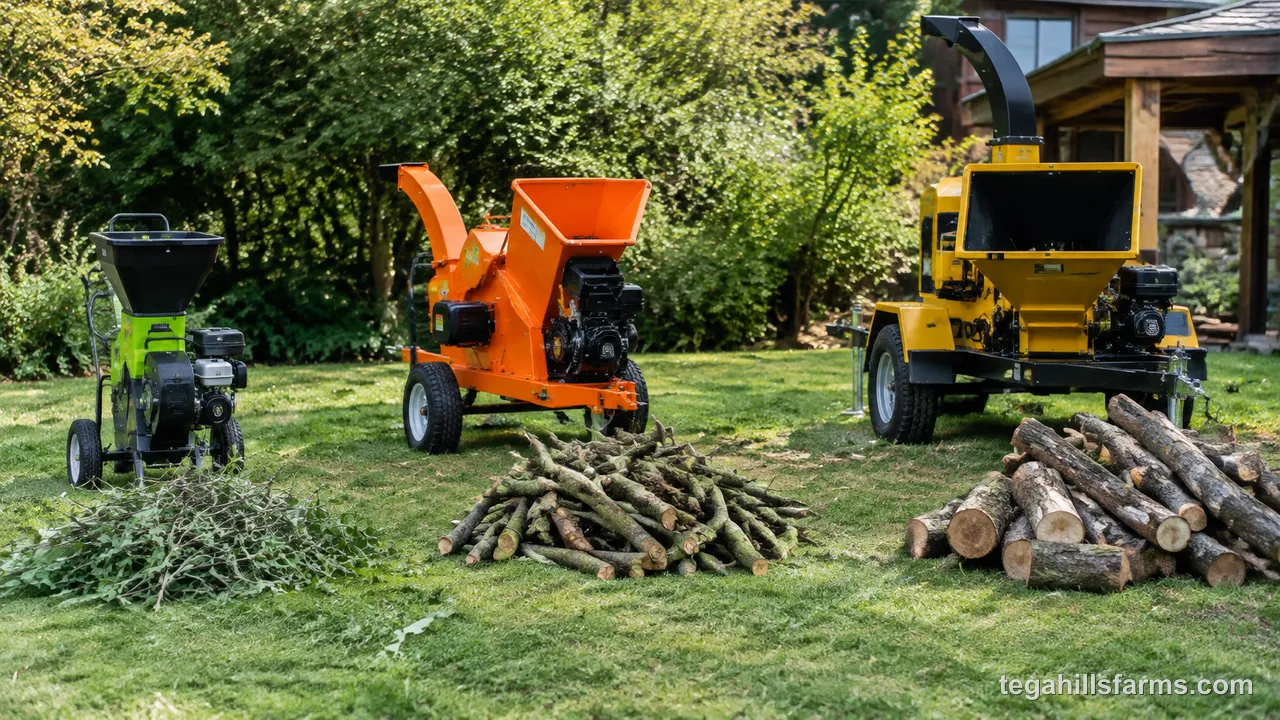
Buying too small means constant jamming; buying too large means wrestling a heavy machine for twigs. The sweet spot is a brand whose proven capacity covers 80% of what your trees drop. For larger property needs, our guide to the best wood chippers for large branches filters out compact models that claim big numbers but stall on hardwood.
Which Brands Are Best for Twigs, Leaves, and Branches Under 2 Inches?
Sun Joe, WEN, and light-duty chipper shredders are best for twigs, leaves, and branches under 2 inches where volume is high but diameter is small. These machines prioritize shredding over chipping.
They use high-speed, smaller rotors and often include collection bags that turn piles of leaves and soft prunings into mulch quickly. In a typical spring cleanup, they shine on ornamental shrubs, garden waste, and pine needles that would clog a big gas throat. Look for a reduction ratio that is clearly stated and a hopper design that lets you feed leafy material without bridging.
Which Brands Handle 3-Inch to 4-Inch Branches Reliably?
Brands that reliably handle 3-inch to 4-inch branches include DK2, Powerhorse, Patriot, and Yardmax, with steady throughput on hardwood as the key difference from light-duty labels. This is the core homeowner range for limb cleanup.
In this class, a 7 to 9 HP-class engine with a heavier disc or drum keeps blade speed up through knots where lighter machines bog down. Many homeowners pruning fruit trees or maples live in this zone, so it pays to check real-world capacity, not just the stamped inlet size. See our picks for the best 3 inch wood chippers to compare infeed height, blade access, and how each brand manages green versus seasoned wood.
Which Heavy-Duty Brands Handle 5-Inch to 6-Inch Branches for Farms and Storm Cleanup?
Heavy-duty options are DK2, Powerhorse, and PTO-driven brands built for 5-inch to 6-inch branches on farms and storm cleanup. These are essentially compact commercial machines adapted for property owners.
They add reinforced hoppers, larger flywheels, and often tow-behind or 3-point hitch mounting so you can bring the chipper to the wood, not the other way around. On a small farm, that means clearing fence lines and orchard prunings without cutting everything down to fit a small throat. Expect heavier weight, trailer tires, and safety bars sized for two-person feeding, which is why they need flat storage and, for PTO models, a suitable tractor.
Which Brands Offer the Best Value for Your Budget and Property?
Best value maps to value-focused electric brands for homeowners, mid-range gas brands that balance power and price, and durable brands for small farms and storm cleanup. Pay for the capacity and support you will actually use.
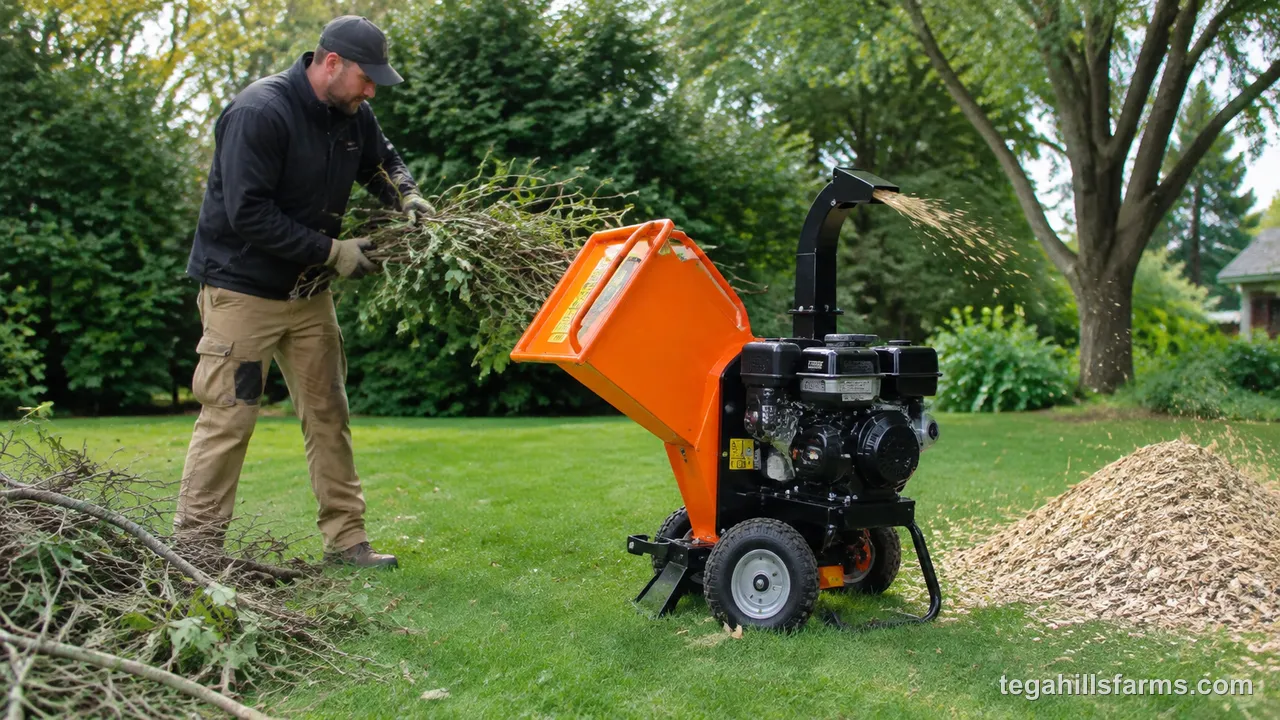
A budget pick that sits unused is no value, and a farm-grade chipper for a small patio is overkill. Think in tiers: electric for light seasonal use, mid-range gas for regular limb work, and heavy-duty gas or PTO for frequent large wood.
Which Value-Focused Electric Brands Stand Out for Homeowners?
Sun Joe and WEN lead value electric picks because they offer low noise, compact storage, and simple operation at a homeowner-friendly tier. They keep ownership costs down by eliminating fuel and oil changes.
For a small yard where you chip a few times a season, the best sun joe wood chippers stand out with 15-amp motors that handle twigs and leaves without the weight of a gas frame. You trade maximum diameter for convenience, but you gain a machine that stores vertically and starts with a switch after winter. Look for overload protection and tool-free blade access, which make infrequent use less of a chore.
Which Mid-Range Gas Brands Balance Power and Price?
Powerhorse, Yardmax, and Landworks balance power and price by pairing proven 7 to 9 HP-class gas engines with 3 to 4 inch capacity without stepping into commercial pricing. They hit the performance most homeowners need.
These brands typically offer larger wheels, dual-edge blades, and wider hoppers than entry electrics, so you feed less-trimmed branches. If you want that middle tier, the best powerhorse wood chippers show how a mid-range gas frame delivers steady chipping on hardwood while keeping maintenance familiar: oil, air filter, and blade sharpening. Check whether the brand sells a replacement blade kit and belt under its own part number.
Which Brands Do Small Farms and Storm Cleanup Require?
DK2 and other towable or PTO brands are required for small farms and storm cleanup where frequent heavy use and 5 to 6 inch wood demand a reinforced frame and bigger flywheel. Occasional-use machines will not hold up here.
For fence rows, orchards, and post-storm piles, you need a chipper that runs for hours, feeds crooked limbs, and can be moved across rough ground. DK2 built its reputation in this lane with tow-behind and tractor-driven options that keep throughput high when the pile is mostly hardwood. Prioritize large pneumatic tires, a tow bar or hitch, and a hopper height that lets you feed without lifting over your head.
What Brand Features Should You Compare Before Buying?
Compare brands on disc versus drum cutting, safety and auto-feed convenience, and portability and storage. Those three design choices affect chip quality, ease of use, and where the machine lives when idle.
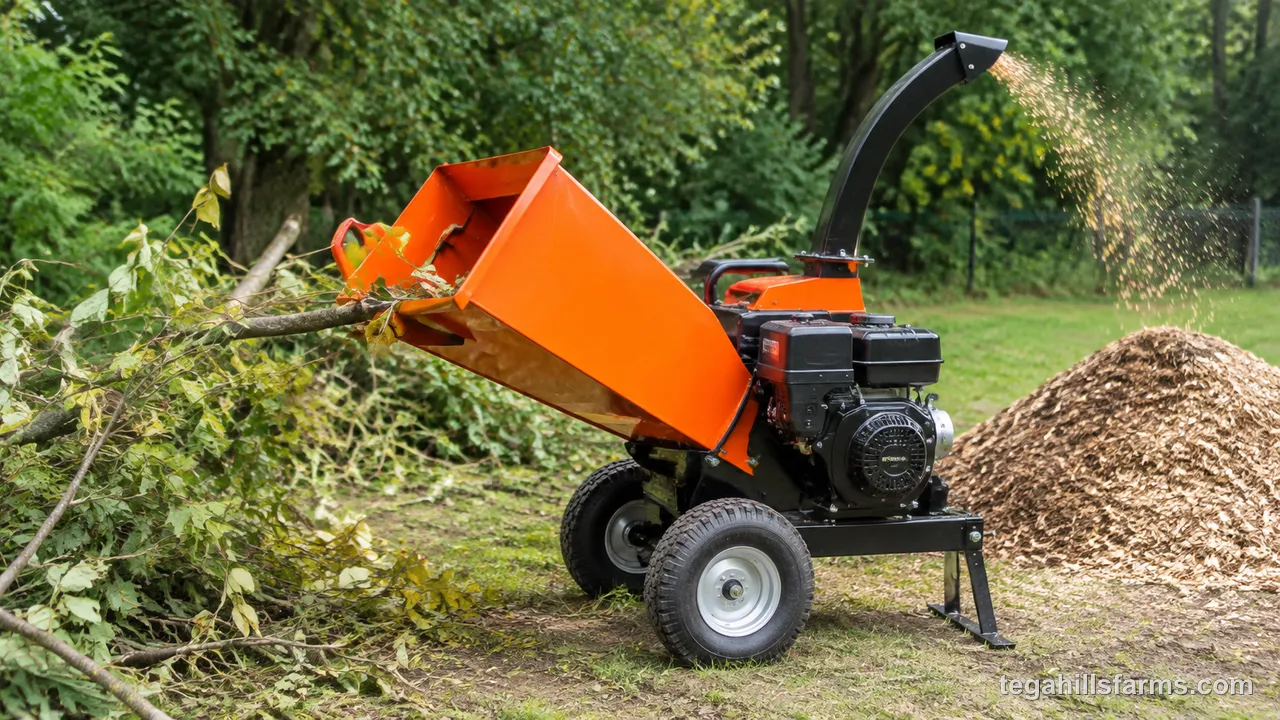
Specs alone do not tell you how a chipper behaves in the yard. The cutting mechanism decides chip size, the feed system decides how hard you work, and the chassis decides whether you can move it solo.
Do Disc or Drum Brands Chip Cleaner for Your Wood Type?
Disc-style brands cut cleaner on straight limbs, while drum-style brands feed more aggressively on brushy, leafy material. Choose based on the wood you have most.
Disc chippers use a heavy steel disc with blades that slice across the grain, producing more uniform chips that make better mulch. Drum chippers use a rotating drum that pulls material in, which helps with tangled vines and small-diameter brush. The best landworks wood chippers illustrate how disc units excel on hardwood prunings, while drum options from farm-focused brands handle mixed piles with less trimming. Consider your trees: orchard and shade-tree limbs favor disc, brush and hedgerows favor drum.
Which Brands Offer Better Safety and Auto-Feed Convenience?
Brands with full hopper guards, emergency stop bars, and auto-feed or self-feeding hoppers offer better safety and less manual pushing. You stay farther from the cutting zone and feed with less strain.
Look for a deep, angled infeed that keeps hands clear, a bar or paddle that stops the rotor quickly, and deflectors that contain chips. Some gas brands add hydraulic or gravity-assisted feed that pulls limbs steadily, reducing the need to force material. Avoid any brand that requires you to reach into the throat to clear a jam; a proper design lets you reverse or open the housing with tools included in the kit.
Which Brands Are Easiest to Move and Store?
WEN, Sun Joe, and other compact electrics are easiest to move and store, while Yardmax and towable gas brands trade compactness for field mobility. Weight and wheel design tell the real story.
A 30 to 45-pound electric rolls on small wheels and tucks against a wall, ideal for a one-car garage. Gas models from 90 to over 200 pounds need larger pneumatic tires and handles or tow hitches to cross lawns without rutting. The best yardmax wood chippers show this trade-off: bigger wheels and a low center of gravity help on slopes, but you will need a flat, dry spot and a cover for off-season storage.
You have seen how leading wood chipper brands compare by power source, branch size, and value above, from quiet electrics for twigs to heavy-duty gas models for large limbs. Choosing the right brand solves only half the long-term equation, since upkeep, blade life, and authentic parts support determine whether that performance lasts season after season. The next section zooms into those micro-details most roundups skip, so you can keep your chosen chipper running safely and economically.
How Do You Keep Your Brand Performing for Years?
Keeping a chipper performing means tracking blade and anvil wear and using genuine wood chippers replacement parts that match your brand’s tolerances. Maintenance, not horsepower, decides long-term output.
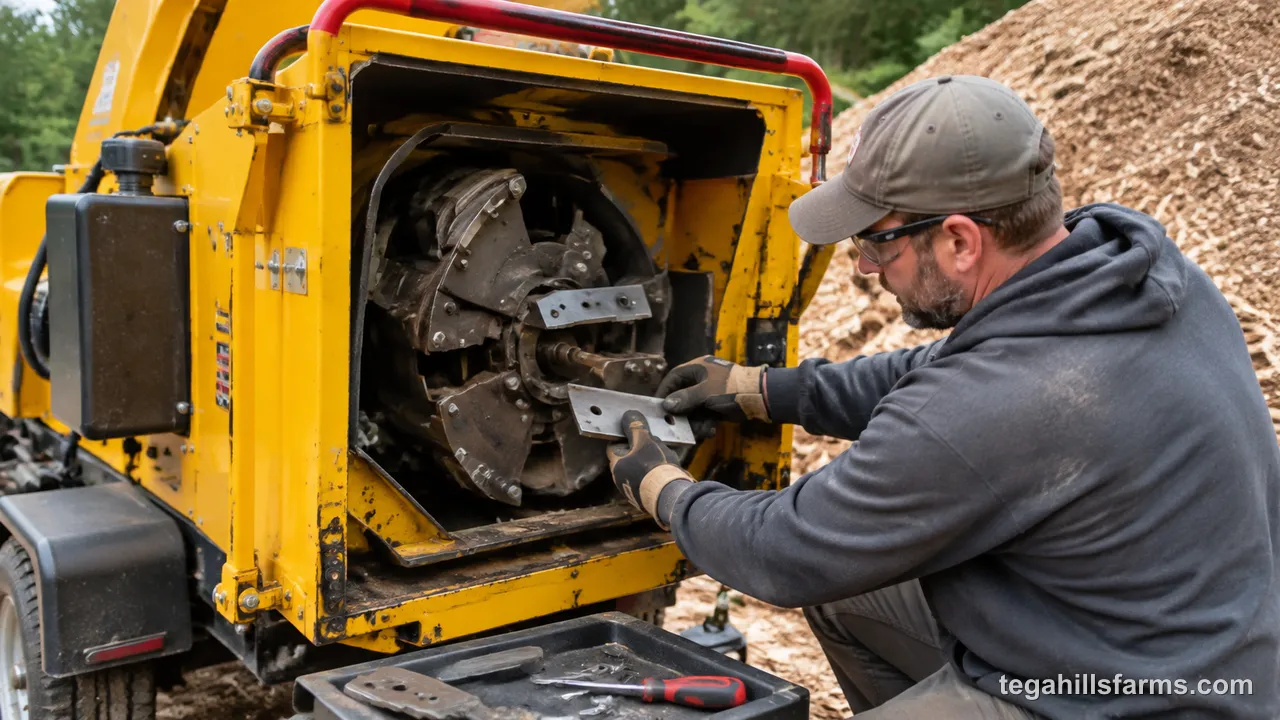
A sharp, correctly gapped cutting edge makes the engine work less and produces clean chips; a dull edge makes even a strong engine stall. Sticking with brand-spec parts keeps that geometry intact across seasons, especially when you store the machine over winter and want a reliable start in spring.
When Do Blades and Beds Need Attention on Different Brands?
Blades and anvils need attention when you see ragged, stringy chips, increased vibration, or a need to force branches. That is the definition of a dull or mis-gapped edge.
Most homeowner brands recommend inspecting blades every 20 to 25 hours of chipping, more often on sandy or gritty wood. Look for rounded edges, nicks, or light rust, and check the gap between blade and anvil with the spec in your manual. Some brands use reversible double-edge blades you can flip once, doubling service life. After sharpening or flipping, re-torque bolts to spec and check that the rotor spins freely by hand before restarting.
How Do You Tell Genuine Brand Parts from Look-Alikes?
You can tell genuine parts from look-alikes by exact part numbers, branded packaging, and matching bevel and hole patterns. Genuine wood chippers replacement parts fit without filing or forcing.
Start with the model and serial number on your frame, then order blades, anvils, and belts by the brand’s listed number, not by a generic size claim. Genuine blades have consistent heat-treat coloring, stamped logos, and precise mounting holes that align without play. Look-alikes often measure slightly off, have softer steel that dulls faster, and lack the proper clearance, which increases vibration and can throw chips unevenly. When in doubt, buy from the brand’s own store or an authorized dealer and keep the old part to compare side by side.
Frequently Asked Questions About Wood Chipper Brands
Which wood chipper brand is most reliable for homeowners?
Reliability comes from parts availability and consistent build. Brands like DK2, Powerhorse, and Sun Joe stand out because blades and belts are stocked and manuals list clear service specs, not just because they advertise high power.
Are gas wood chipper brands better than electric brands?
Neither is universally better. Gas brands suit larger branches and long runtimes, while electric brands suit small yards and quiet, low-maintenance use. Match the brand’s power source to your lot size and storage.
What brand should I choose for 3-inch branches?
For 3-inch hardwood limbs, look at DK2, Powerhorse, Patriot, or Yardmax in the 7 to 9 HP-class. Check proven capacity on hardwood, not just the inlet size, and confirm replacement blades are sold under the brand name.
Do Sun Joe wood chippers handle leaves as well as wood?
Yes. Sun Joe excels at leaves, twigs, and soft prunings under 2 inches with high-speed shredding and bag collection. For thicker limbs, step up to a mid-range gas brand.
How important are wood chipper replacement parts when choosing a brand?
Critical. A brand without stocked blades, anvils, and belts leaves you searching for a fit that may never match the rotor’s tolerance. Prioritize brands that publish part numbers and sell kits directly.
What is the difference between disc and drum brands?
Disc brands slice for uniform chips on straight limbs, while drum brands pull brushy material more aggressively. Choose disc for hardwood limbs and mulch quality, drum for tangled brush and vines.
Write Your Review
No reviews yet. Be the first to share your experience!