

A tiller has no fixed expiration date. How long one lasts comes down to the type of machine, its power source, how well it was built, the ground it works and how it is cared for. A sturdy tiller that gets cleaned, serviced and stored properly can keep turning soil for many seasons, while the same model run through rocky clay and put away caked in mud can wear out far sooner.
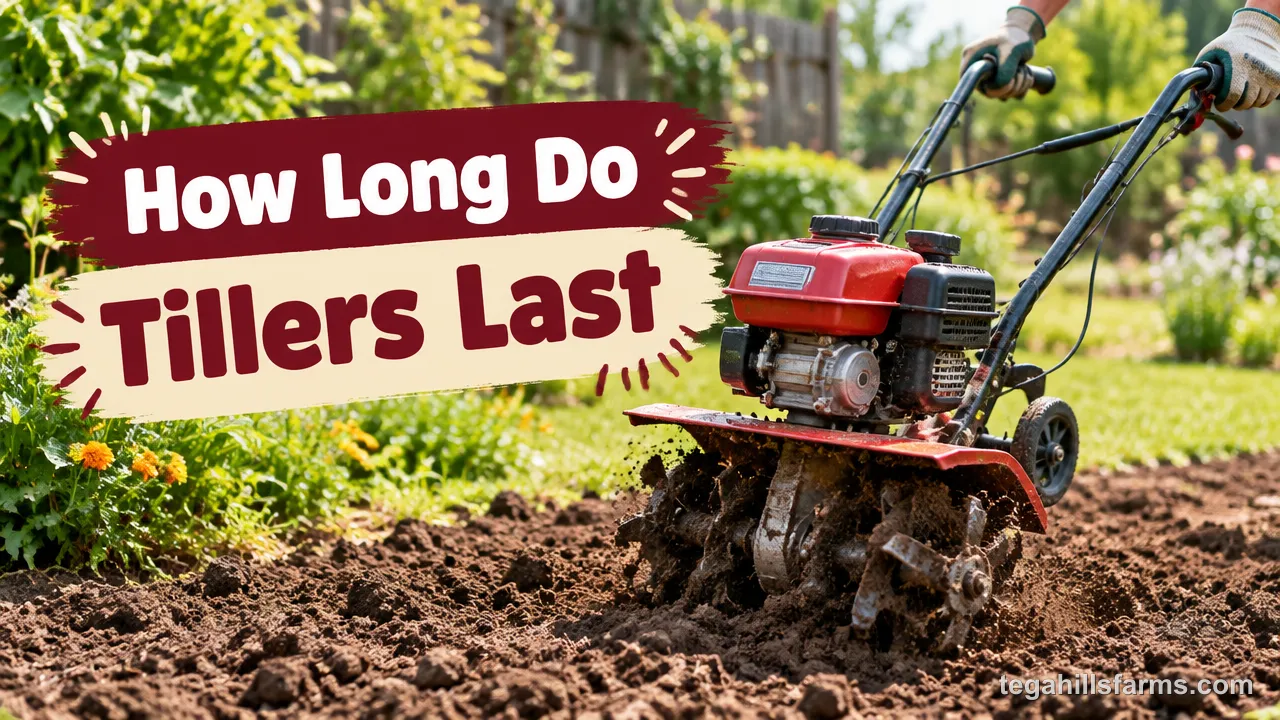
Each design and power source wears in its own way. Rear tine machines, front tine tillers and cultivators handle stress differently. Gas engines, corded motors and battery packs each have their own weak point, and those weak points decide what kind of upkeep you are signing up for.
The question most owners face is what to do when the machine starts acting up. A stubborn pull cord or a gummed-up carburetor is a weekend fix. A failing gearbox on an old machine is a different decision, and the answer depends on how often you till and whether parts are still available.
If you only till a small bed once each spring, a borrowed or rented machine may outlast any tiller you could buy, because it never sits in your garage aging between uses.
How Long Do Tillers Last?
A tiller lasts as long as its main wear parts hold up: the engine or motor, the tines and the drivetrain. Build quality, workload and maintenance set that service life far more than the calendar does.
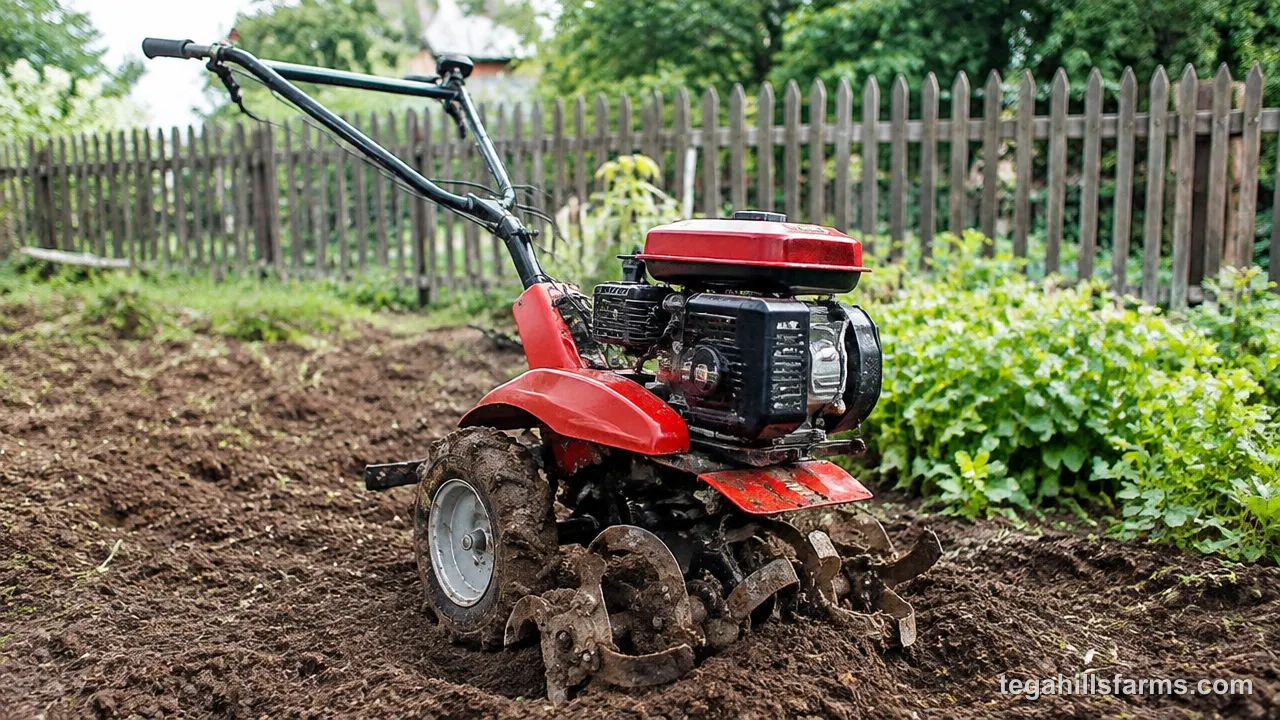
Two identical tillers can age at very different rates. One breaks up a soft garden bed each spring and gets its oil changed on schedule. The other chews through compacted, rocky ground with old fuel in the tank. The second machine bends tines, strains its transmission and clogs its carburetor long before the first shows any wear. That is why lifespan works better as a range shaped by your conditions than as a single number of years.
Type matters too. A heavy rear tine tiller built for breaking ground tolerates abuse that would wreck a light cultivator. If you’re still sorting out which machine fits your garden, start with how to choose a tiller. Matching size and type to your plot is the first thing that protects a tiller’s lifespan.
How Long Does Each Type of Tiller Last?
Design and power source decide which part fails first, and that tells you where your maintenance time and repair money will go. A tiller sized for its job ages slowly. One pushed past its design wears out at whatever point takes the most strain, whether that is the drivetrain, the tines, the engine or the battery. Knowing those weak points before you buy, or before you diagnose a problem, keeps you from paying to fix the wrong thing.
Front Tine, Rear Tine, and Cultivator Lifespan
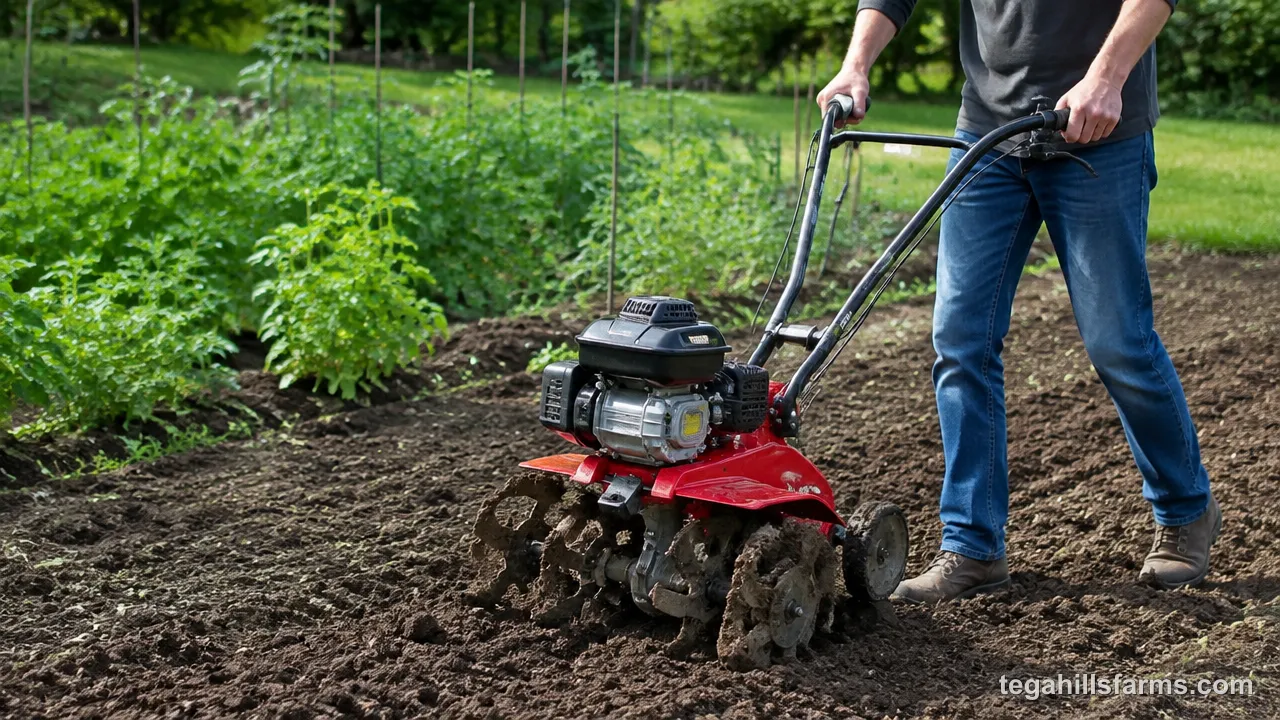
Rear tine tillers generally take the hardest use. Their weight and transmission-driven tines are built for breaking ground. Front tine tillers and cultivators last well when they stay within lighter work, and they wear quickly when asked to do a rear tine machine’s job. No fixed number of years applies to each type. Expectations rest on build and use.
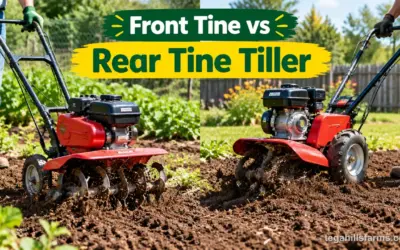
A rear tine tiller rides on powered wheels while the tines work behind them, so the machine’s mass holds the tines in the soil instead of your arms. The Earthquake Victory, for example, tills 16 inches wide and 10 inches deep. The parts that wear on these machines are mostly the transmission and tines, and only after heavy seasons.
A front tine tiller uses its tines to pull the machine forward. On hard ground it bucks and jolts, sending shock through the drive and tines with every rock it hits. These tillers suit small to medium gardens under 5,000 square feet. The tradeoffs between front tine vs rear tine tillers come down to that difference in how each handles resistance.
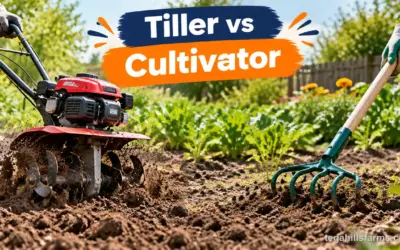
Cultivators and mini tillers typically work 6 to 16 inches wide and 5 to 8 inches deep. Their light frames and small tines are meant for loosening existing beds and weeding, not busting sod.
Gas, Corded Electric, and Battery Tillers: Which Lasts Longer?
Corded electric tillers have the fewest parts that wear out. Gas tillers have the most, though nearly every one of those parts can be serviced or replaced. Battery tillers last as long as their packs hold a useful charge.
A gas tiller such as the 33cc Earthquake MC33 relies on an engine that needs oil, a spark plug, a clean air filter and fresh fuel. Old gas left in the tank gums up the carburetor, and the pull cord frays with years of starts. You will do more upkeep here, but you also get a machine you can keep alive with inexpensive parts.
Corded models like the 13.5-amp Sun Joe TJ604E have a simple motor and almost no routine maintenance. Their weak points are the power cord, which can get nicked or caught in the tines, and the switch. Running the tiller from a GFCI outlet with an outdoor-rated extension cord protects both you and the motor.
On cordless tillers, the motor rarely gives trouble. The battery pack slowly loses capacity over charge cycles. A Greenworks 40V tiller with its 4.0Ah battery runs up to 45 minutes per charge and takes about 120 minutes to recharge fully. As the pack ages, that runtime shrinks. Storing the battery indoors over winter slows the loss, and a replacement pack eventually restores the machine.
What Determines How Long a Tiller Lasts?
Most tiller wear comes from choices the owner controls: where and when you till, and how you care for the machine afterward. Build quality sets the ceiling on how long a tiller can last. Your habits decide how close it gets to that ceiling. A modest machine treated well often outlives a stronger one that is run hard in the wrong conditions and stored dirty.
How Do Soil Conditions and Usage Affect Tiller Life?
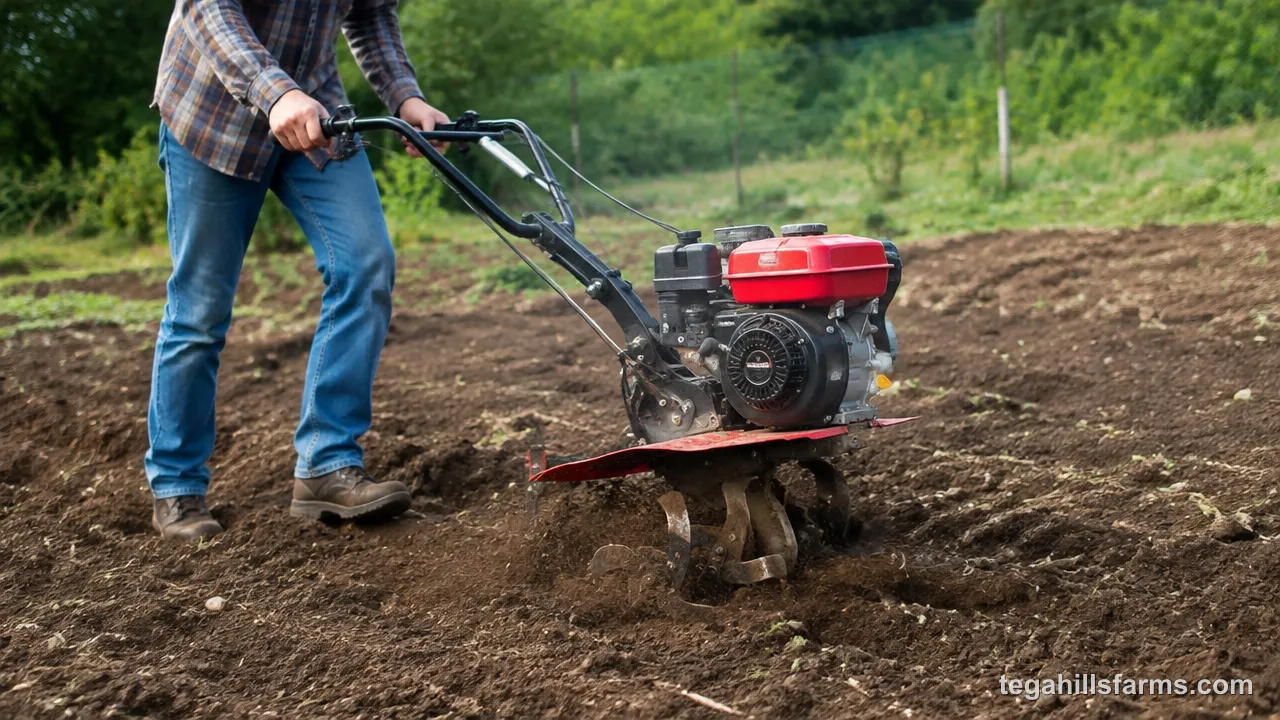
Rocky, root-filled, compacted or wet ground shortens a tiller’s life faster than anything else. Every hard strike jolts the tines and drivetrain, and every heavy, sticky pass makes the engine labor.
Rocks and buried roots bend tines and send shock loads back through the transmission or chain drive. Hard clay keeps the engine near full load for the entire job. Sod and long weeds wrap around the tine shaft, pinching the tines, straining the engine and working dirt into the seals at the ends of the shaft.
Wet soil adds its own damage. It clumps, packs around the tines and drags on the motor, and it compacts the bed you were trying to loosen. After rain, let the ground dry until a handful crumbles instead of smearing.
Depth matters too. Most beds only need 6 to 8 inches of tilling, so running deeper adds load without improving the soil. Clearing rocks and debris before you start and learning how to use a tiller at a steady pace both cut down on bent tines and broken drive parts.
Do Brand and Build Quality Change Tiller Lifespan?
Build quality changes lifespan more than the badge does. A well-made engine, a solid transmission, forged or heavy-gauge tines and good access to replacement parts are what keep a tiller running for years.
Troy-Bilt and Mantis are long-established tiller makers, and Earthquake and Sun Joe cover a wide range of gas and electric models. Each of these lineups includes light, entry-level machines alongside heavier ones, so a brand name alone doesn’t tell you how long a specific model will last.
When comparing models, look at the engine’s reputation for easy servicing, whether the tines are driven by gears or a belt, and how thick the frame and tine shaft are. Then check whether tines, belts, carburetors and battery packs are sold for that exact model. A tiller you can’t get parts for becomes scrap after its first serious failure, however well it was built. In my view, parts availability is worth more than any single spec on the box.
How Does Maintenance Extend a Tiller’s Life?
Routine maintenance prevents most of the failures that end a tiller’s life early. Each task targets a specific problem:
- Oil changes: Fresh oil keeps engine bearings and the cylinder from wearing. Tilling is dusty, hot work, so oil breaks down faster than many owners expect. Follow the interval in your manual.
- Spark plug: A fouled or worn plug causes hard starts and rough running. Replacing it is one of the cheapest fixes on the machine.
- Air filter: A tiller works inside a cloud of dust. A clogged or torn filter lets grit into the engine, which wears the cylinder and rings.
- Tines and belts: Worn tines force the engine to work harder for the same depth. A loose belt slips and glazes. Check both before each season.
- Cleaning after use: Soil and plant material left on the machine hold moisture against metal and wrap around the tine shaft seals. Scrape and hose it down once the engine has cooled.
- End-of-season storage: Add fuel stabilizer or run the tank dry so old gas doesn’t gum the carburetor. Store battery packs indoors, away from freezing temperatures, following the manufacturer’s charging guidance.
Should You Repair or Replace Your Tiller?
Repair it when the problem is a wear item on an otherwise sound machine, and replace it when the engine, transmission or frame is failing. The line between those two depends on the tiller’s age, what actually broke, how often you use it and whether parts are still available. A tiller you use weekly through spring justifies more repair money than one that comes out for a single afternoon each year. A model whose parts were discontinued can force a replacement even when the fix itself would be simple.
When Is a Tiller Worth Repairing?
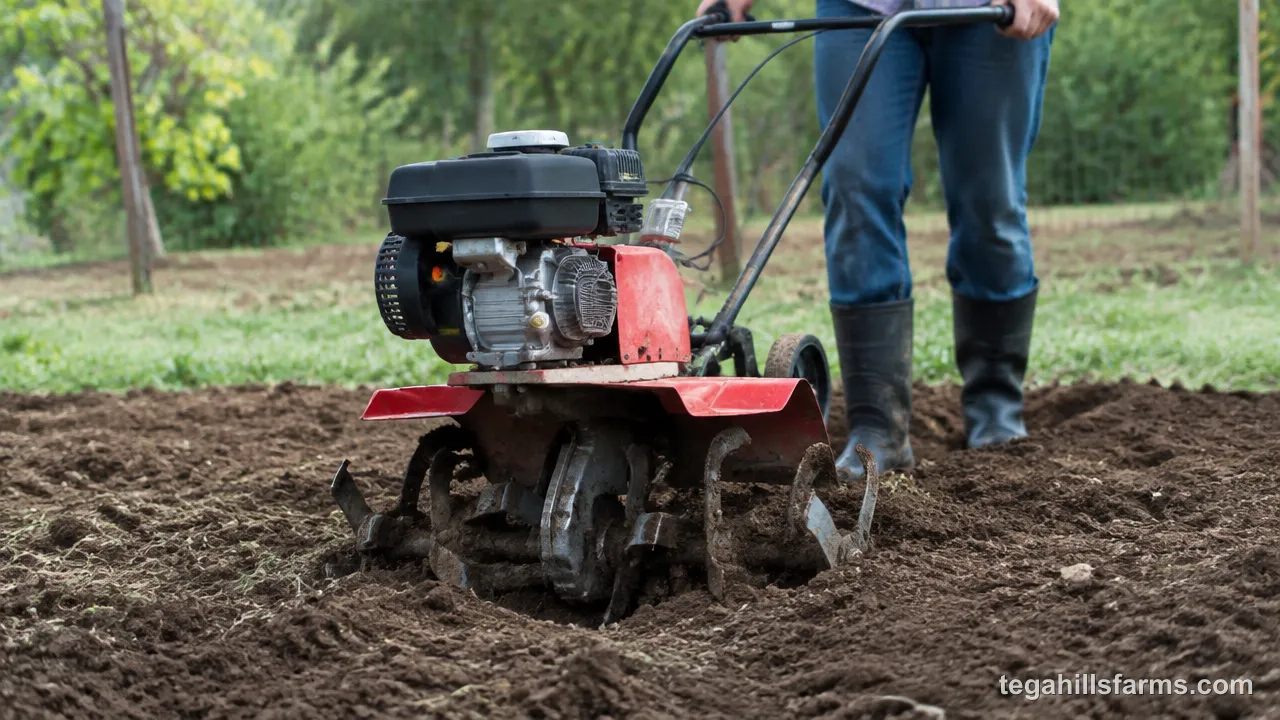
Most common tiller failures are cheap to fix. Pull cords, spark plugs, clogged carburetors, worn tines and loose belts are all low-cost parts, and on a tiller with a healthy engine and transmission, replacing them buys years of further use.
A frayed or stuck pull cord is a recoil starter issue, and the whole starter assembly is often a bolt-on part. When a tiller won’t start after sitting all winter, stale fuel in the carburetor is the usual cause. Cleaning or replacing the carburetor and refilling with fresh gas typically brings the engine back. A fouled spark plug produces similar symptoms and takes minutes to swap.
Worn tines dig poorly and make the engine strain. A new set restores tilling performance and takes load off the drivetrain. A loose or glazed belt causes the tines to slow or stop under load while the engine keeps running, and replacing or adjusting it usually solves the problem.
These repairs are worth doing because they don’t touch the expensive core of the machine. They are the normal upkeep of a tiller that still has plenty of life left.
What Signs Tell You It Is Time to Replace a Tiller?
A tiller is near the end of its life when its core parts fail. Signs include a knocking engine, a loss of compression, a failing transmission or gearbox, a cracked frame, or repeat breakdowns. Repair quotes that approach the price of a comparable new machine are another clear signal.
Engine knocking usually points to worn bearings or rods. Low compression makes the pull cord feel loose and leaves the engine weak or unable to fire, which often means worn rings or valves. A grinding gearbox, leaking gear oil, or tines that stop while the engine runs normally suggests transmission damage. Fixing any of these is expensive. A crack in the frame or handle mounts spreads under vibration and makes the machine unsafe to wrestle.
Before approving a major repair, check how much a tiller costs new in the same class. Quality rear tine models from established makers run roughly $700 to $1,000 MSRP. A large repair on an old machine you use once a year rarely makes sense. If you till every week through spring, putting that money into a sound new tiller is usually the better choice.
Is Buying a Tiller Better Than Renting One?
Buying pays off if you till three or more times a year or work a garden larger than 1,000 square feet. At that level of use, owning a front tine tiller typically covers its cost compared with repeated rental fees within two to three years.
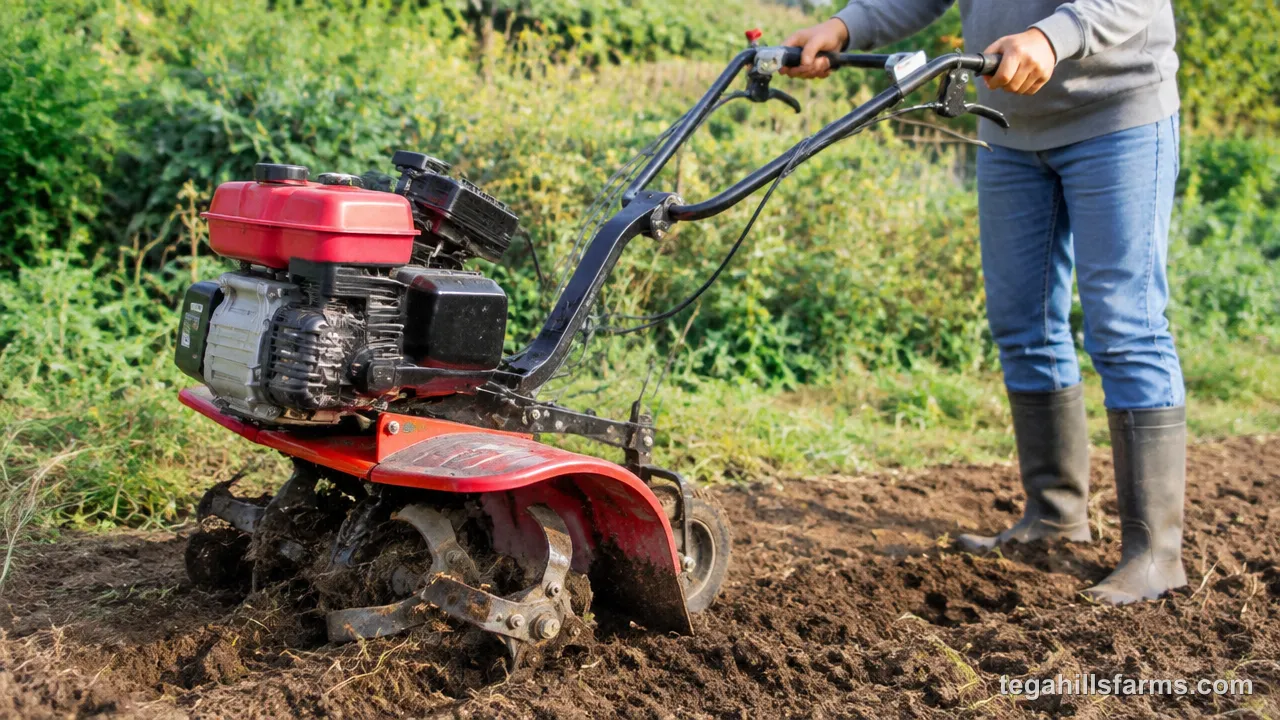
For lighter use, renting has a real advantage. A rental tiller needs no space in your garage, no oil changes, no winter fuel prep and no battery storage, and it can’t age, rust or gum up between uses. You pick it up when the soil is ready and return it when the job is done. A small bed you till once in spring rarely justifies owning a machine that sits idle the rest of the year.
Established beds that have been mulched and planted for a few seasons often stay loose on their own, and running tines through them breaks apart the soil structure that roots and earthworms built. Tilling those beds out of habit leaves a compacted layer just below tine depth and adds hours of wear to a machine that never needed to start.
When Should You Skip the Tiller Altogether?
Skip the tiller when a bed is small, the ground is full of rocks or roots, the soil is too wet, or the bed is already established and you want to protect its structure. In each of these cases, a tiller does more harm than good to the soil, the machine or both.
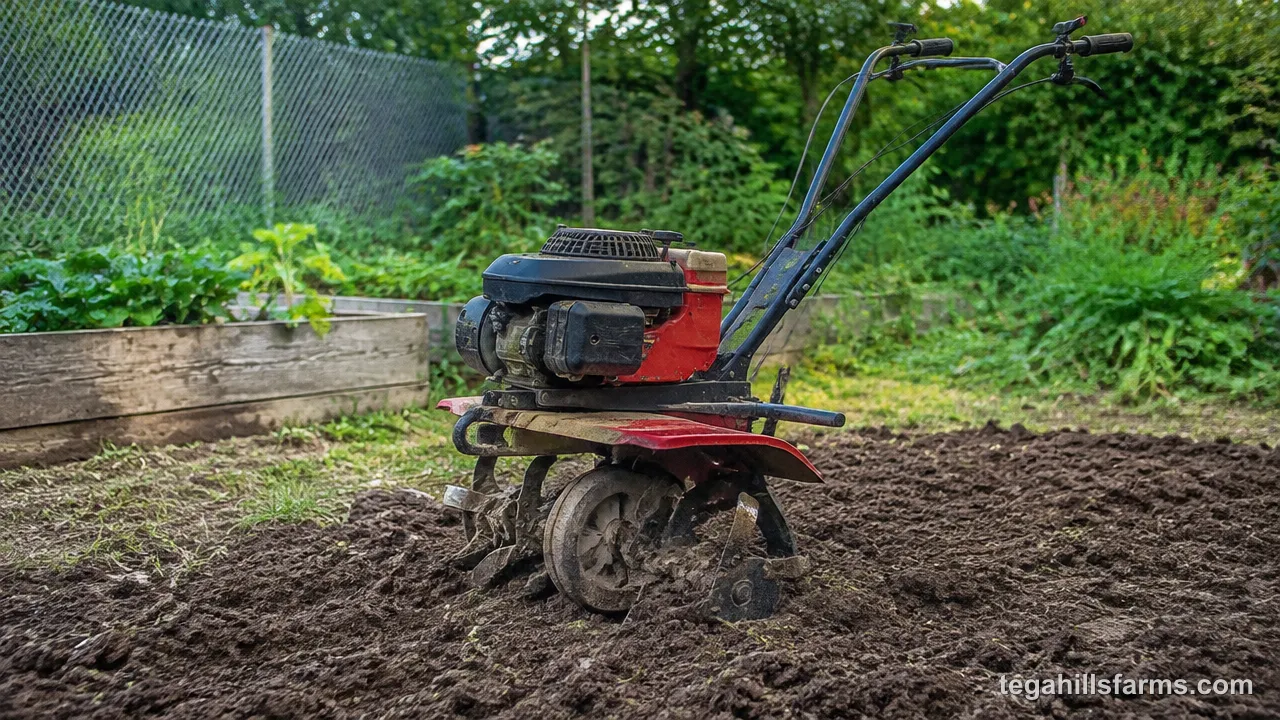
On a small bed, a garden fork turns the soil in about the time it takes to start the engine and haul the machine over. Rocky or root-filled ground bends tines and shocks the drivetrain, so hand digging is safer for the tiller there. Wet soil compacts under tilling no matter how careful you are.
Established beds benefit most from leaving the tiller in the shed. No-till gardening keeps soil layers, fungal networks and earthworm channels intact, and topdressing with compost feeds the bed from above. When the soil needs loosening, a broadfork opens it up without flipping the layers. You rock the tines into the ground and lever them back, which aerates the soil and leaves its structure in place.
Every job you skip is also one less round of wear on the tines, belts and engine. That is why cutting out unnecessary passes is one of the simplest ways to make a tiller last longer.
What Should You Check Before Tilling New Ground?
Call 811 to have buried utility lines marked, then clear rocks, roots, debris and heavy sod before the tiller touches new ground. Both steps protect you from striking a buried line and protect the machine from sudden damage.
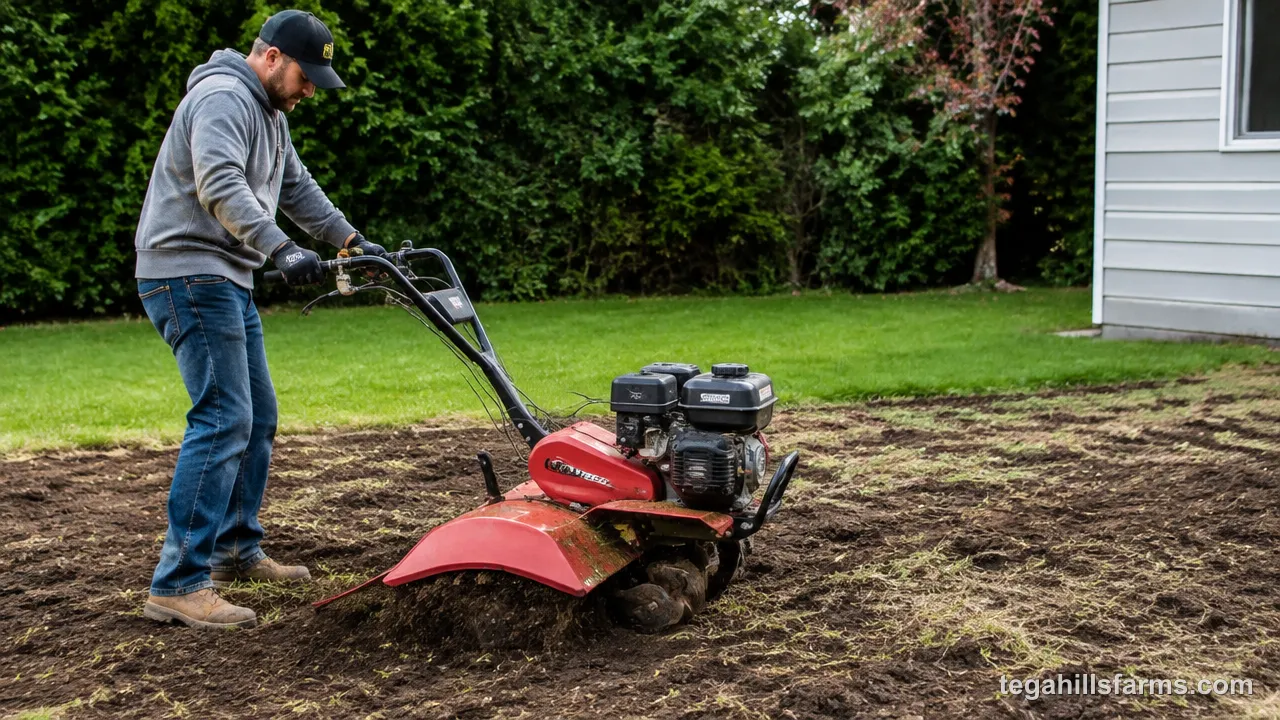
New ground hides the biggest risks. Gas lines, electric cables and communication lines are sometimes buried shallower than expected. The 811 call is free and routes your request to the local utilities, which mark their lines. How far ahead you need to call varies by state, so check with your local 811 center.
Next, walk the area and pull out stones, stumps, old fence wire and buried debris. Cut and remove thick sod rather than tilling it in, because sod wraps around the tine shaft and drags on the engine. A single hidden rock or piece of wire can bend a tine or damage a gearbox in one pass, and that kind of repair costs far more than an hour of site prep.
Tiller Lifespan FAQs
Can you till wet soil?
No, tilling wet soil damages both the bed and the machine. Wet soil smears into clods, packs into a dense layer and sticks around the tines, so the engine and drivetrain work much harder for a worse result. Wait until a handful of soil crumbles in your palm instead of forming a sticky ball.
How long should you wait to till after rain?
Wait a few days after rain, until the soil is semi-dry. The exact time depends on your soil type and the weather, since clay holds water much longer than sandy ground. Squeeze a handful from tilling depth: if it crumbles, the bed is ready; if it smears or drips, give it more time.
What should you do after tilling?
Water the tilled area, let it rest for a day or two, then make a final, deeper pass to finish breaking up clods. Clean the tiller once the engine cools by scraping soil off the tines and removing any wrapped roots or grass. That way moisture and debris don’t sit against the metal and seals.
How often do tiller tines need replacing?
Tines don’t follow a fixed schedule. Replace them when they are bent, cracked or worn down so far that they no longer dig to depth. Rocky or sandy soil wears tines faster than loam. Inspect them before each season, because worn tines force the engine to work harder and speed up wear elsewhere.
Which type of tiller is the most reliable?
Corded electric tillers have the fewest wear parts, and heavy rear tine tillers handle the toughest ground. In practice, reliability comes from matching the tiller to your garden. A machine sized for its job and maintained regularly will outlast a stronger one that is used in the wrong conditions or stored dirty.
Write Your Review
No reviews yet. Be the first to share your experience!