

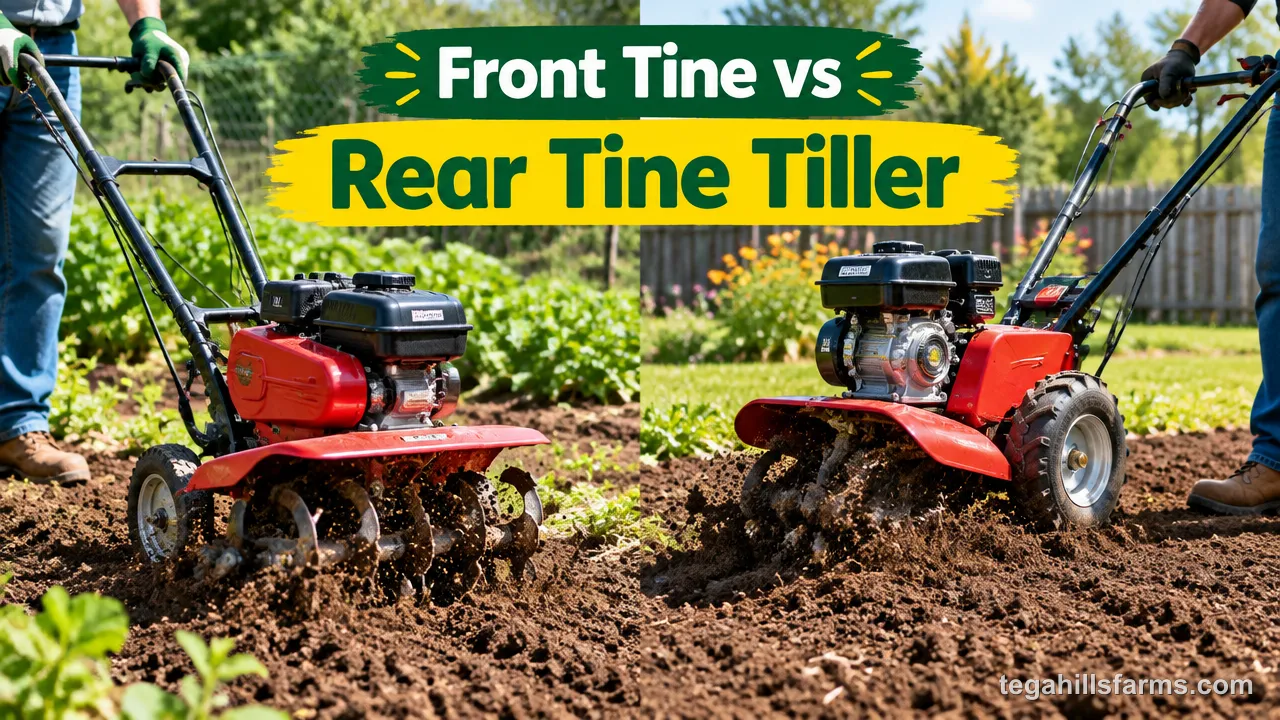
A front-tine tiller fits small gardens with soil that has already been worked, where a lighter machine that turns easily matters most. A rear-tine tiller is the better choice for breaking new ground, cutting through heavy clay and covering large plots. Where the tines sit decides most of this, because it changes where the machine’s weight rests and what pulls it across the ground.
Four things settle the choice: how hard your soil is, how big the garden is, how much effort you can put into steering, and how many times a year you till. These factors often point in different directions. A large garden in loose loam doesn’t need the same machine as a small bed cut from compacted sod.
The common worry is buying too much machine for the yard, or too little. A heavy rear-tine model is overkill if you only work three raised rows each spring. A light front-tine model will buck and skip across clay it can’t bite into. Both mistakes cost money and a sore back, and you can avoid both by matching the design to your ground first.
If you don’t know how hard your soil is, push a spade into the spot you plan to till. If it slides in with body weight alone, a front-tine machine will handle that ground. If you have to stand and rock on the blade to get it down, plan around a rear-tine tiller or a rental.
What’s the Difference Between Front-Tine and Rear-Tine Tillers?
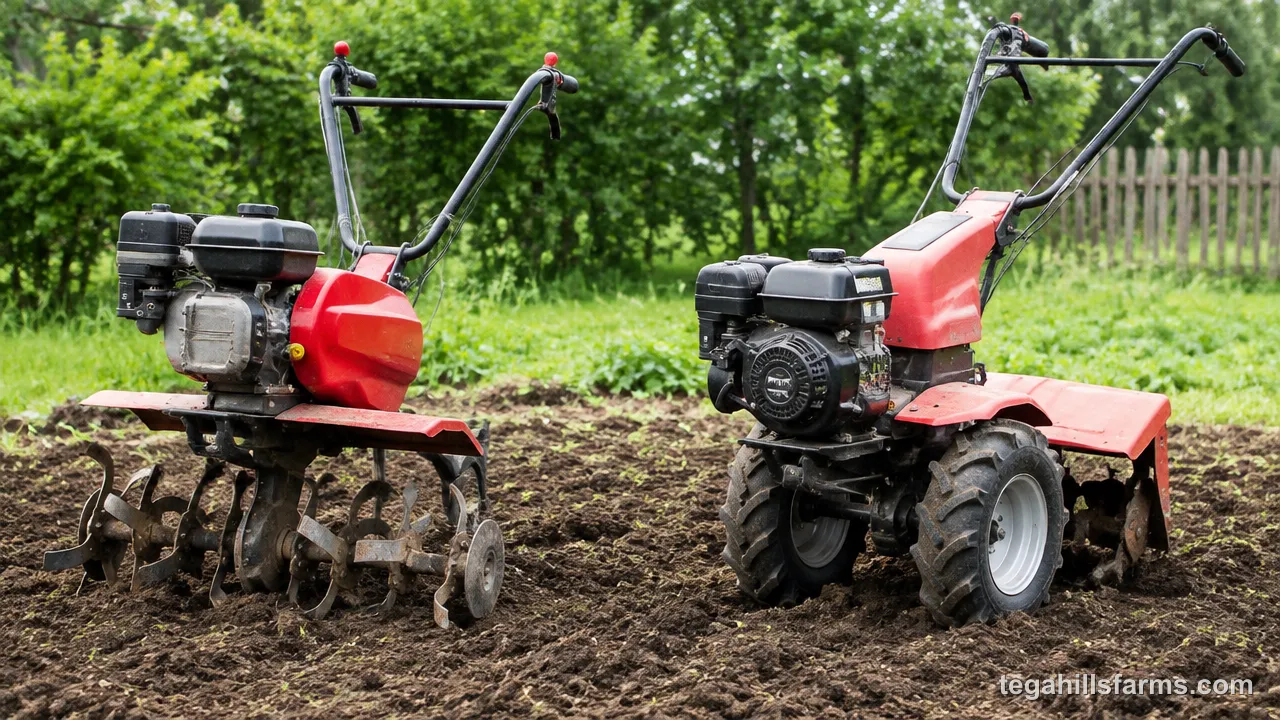
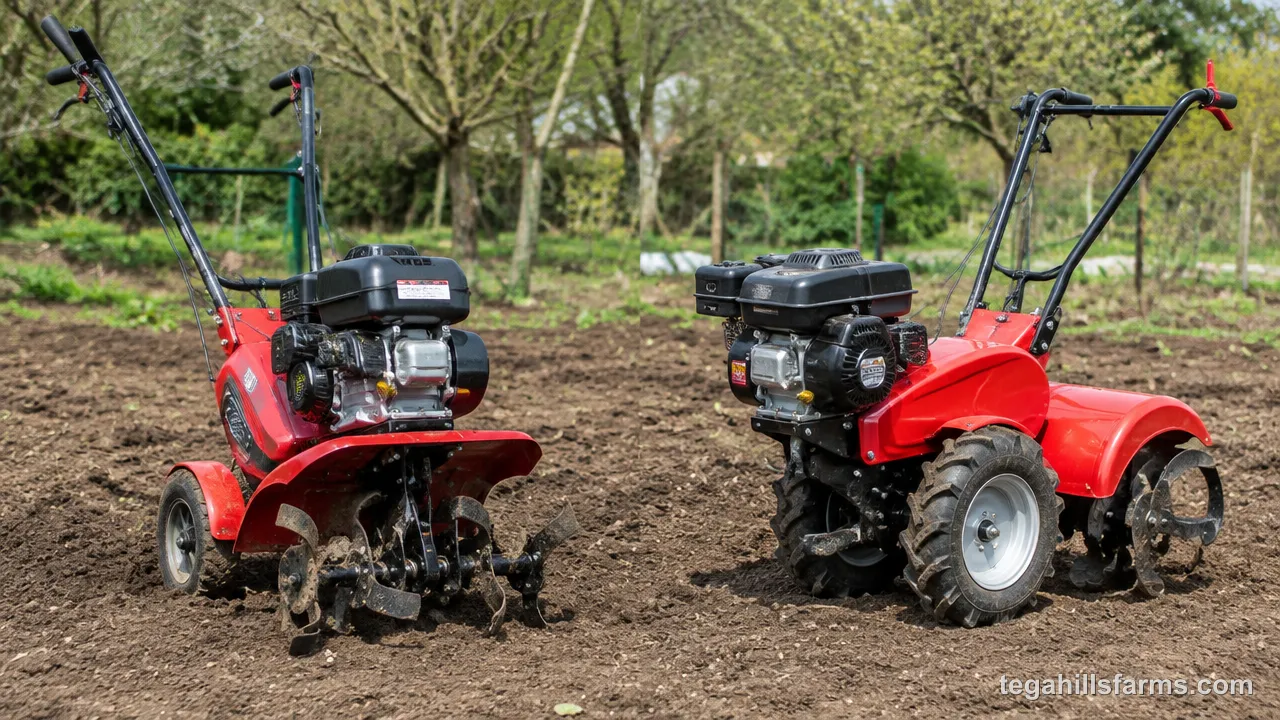
A front-tine tiller has its tines mounted ahead of the wheels and uses them to pull itself forward, while a rear-tine tiller places the tines behind powered wheels that drive the machine.
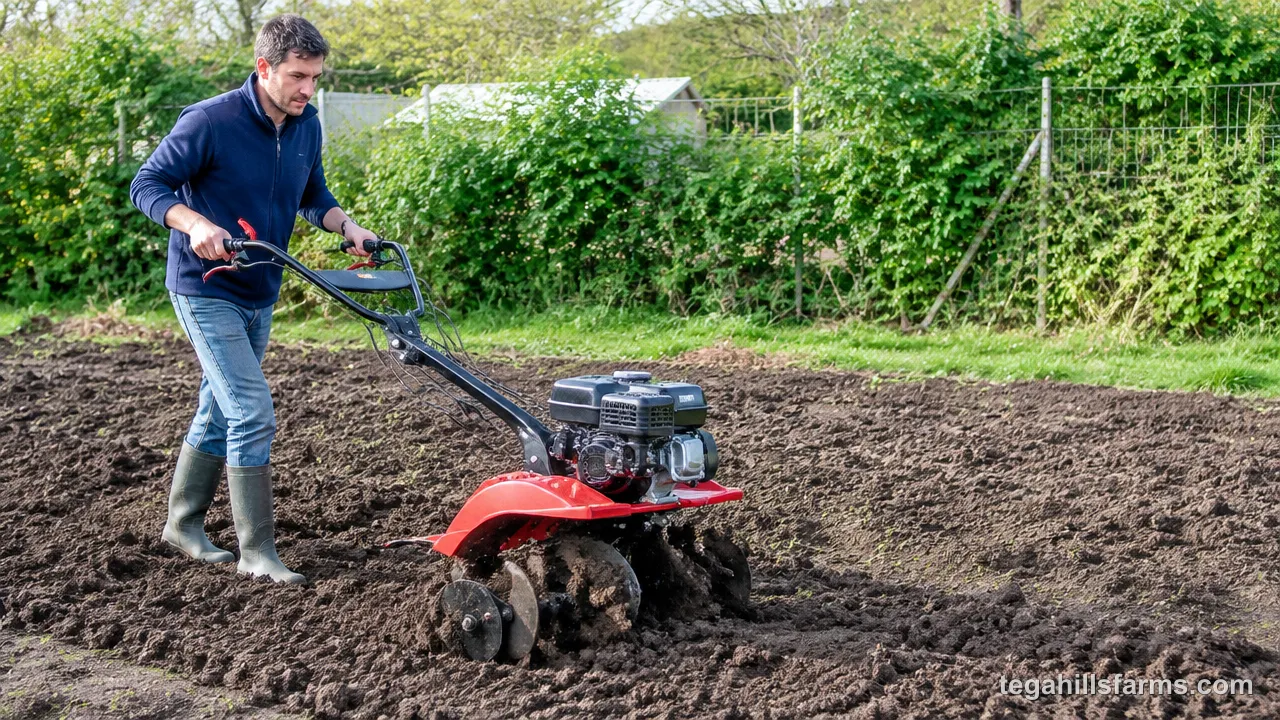
On a front-tine model the engine sits over the tines, and the wheels mostly help with transport and depth. Your arms hold the machine back and keep it on line. On a rear-tine model the transmission sends power to both the wheels and the tines. The wheels set the pace and the tines dig on their own, so the machine works the soil without dragging you along. Deciding between a front-tine and a rear-tine model is the first step in how to choose a tiller that fits your garden and soil type.
| Criterion | Front-Tine Tiller | Rear-Tine Tiller |
|---|---|---|
| Tine position | Ahead of the wheels | Behind the wheels |
| What drives it forward | The tines | Powered wheels |
| Best ground | Loose, previously worked soil | Sod, heavy clay, compacted soil |
| Garden size | Small to mid-size plots | Large plots |
| Turning in tight spaces | Easier | Needs more room |
| Overall weight | Lighter | Heavier |
| Purchase cost | Lower | Higher |
| Maintenance | Engine and tines | Engine, tines, drive system |
Which Tiller Type Handles Hard or Unbroken Ground?
A rear-tine tiller breaks hard or unbroken ground far more reliably, because its powered wheels and engine weight over the tines keep the blades cutting downward instead of skipping across the surface.
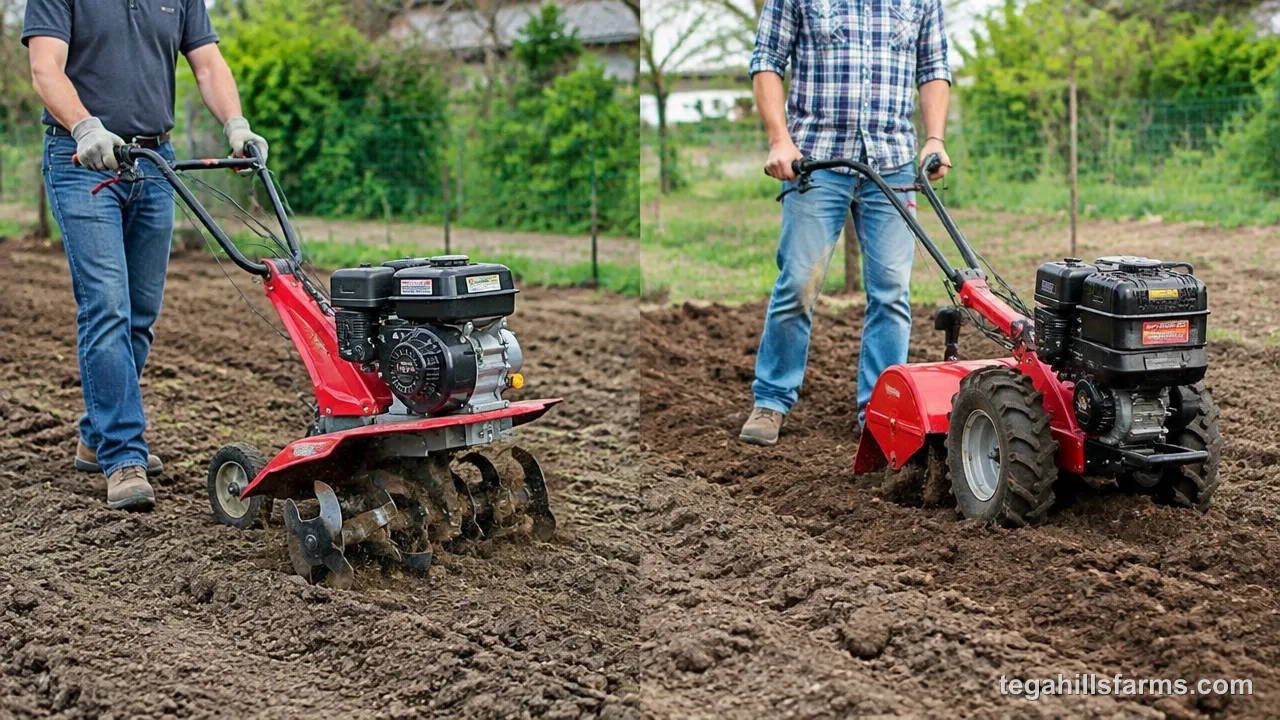
Two design features account for the gap. The first is what moves the machine forward. The second is which way the tines spin as they meet the soil. Both affect how much of your own strength goes into the job. On a lawn being turned into a vegetable bed, or on clay that bakes hard by midsummer, they decide whether the machine digs in or rides on top.
What Front-Tine Tillers Can Handle
Front-tine tillers do their best work in soil that has been tilled before: loose loam, garden beds turned each spring, and moderately compacted ground or light clay that still gives under a spade. In these conditions the tines cut in easily, and the machine moves forward at a pace you can manage.
The limit comes from the tine-first design. The tines also drive the machine, so when they hit soil they can’t cut, they climb out of it. The tiller then lurches ahead or bounces up, and you have to press down on the handles while holding it back. Rocks make this worse because a tine that catches one kicks the whole machine sideways. In hard ground you also get shallower depth on each pass, which means more passes to reach a usable seedbed. A rear-tine tiller avoids most of this because its wheels, not its tines, control forward motion.
What Rear-Tine Tillers Can Handle
Rear-tine tillers handle the jobs that stop front-tine models: cutting through sod for a new bed, working heavy clay, and opening compacted soil that hasn’t been turned in years. Because powered wheels drive the machine at a steady pace, the tines can stay in hard ground and grind through it instead of pulling the machine out.
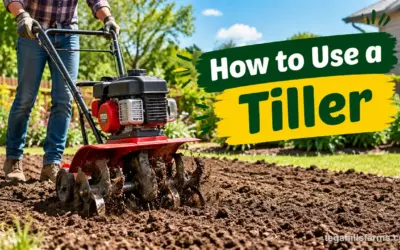
Weight matters as much as drive. The engine and transmission sit over and just ahead of the tines, and that mass pushes the blades down while the wheels keep them from running ahead. The result is deeper penetration on the first pass and far less wrestling at the handlebars. Technique still makes a difference, though. Knowing how to use a tiller on unbroken sod, starting with a shallow depth setting and going deeper on later passes, keeps the engine from bogging down and stops roots from wrapping the tine shaft.
How Tine Rotation Affects Soil Penetration
Forward-rotating (standard) tines spin in the same direction a wheel would roll, so they pull the machine ahead. Counter-rotating tines spin the opposite way and dig down and back against the direction of travel, which adds downward force.
Front-tine tillers use forward rotation by design, because the tines are their only drive. That self-propulsion is exactly why they climb out of hard ground. Rear-tine tillers can use counter-rotation because the powered wheels push forward while the tines dig backward, and that opposing force drives the blades deeper into compacted soil. On hard or unbroken ground the rear-tine tiller wins, especially a counter-rotating model. On soil you’ve already loosened, a front-tine tiller does the job without the extra weight.
How Does Garden Size Determine Your Tiller Choice?
Plot area sorts most buyers into three groups: front-tine tillers for small to mid-size gardens, rear-tine tillers for large plots, and hand tools for very small beds.
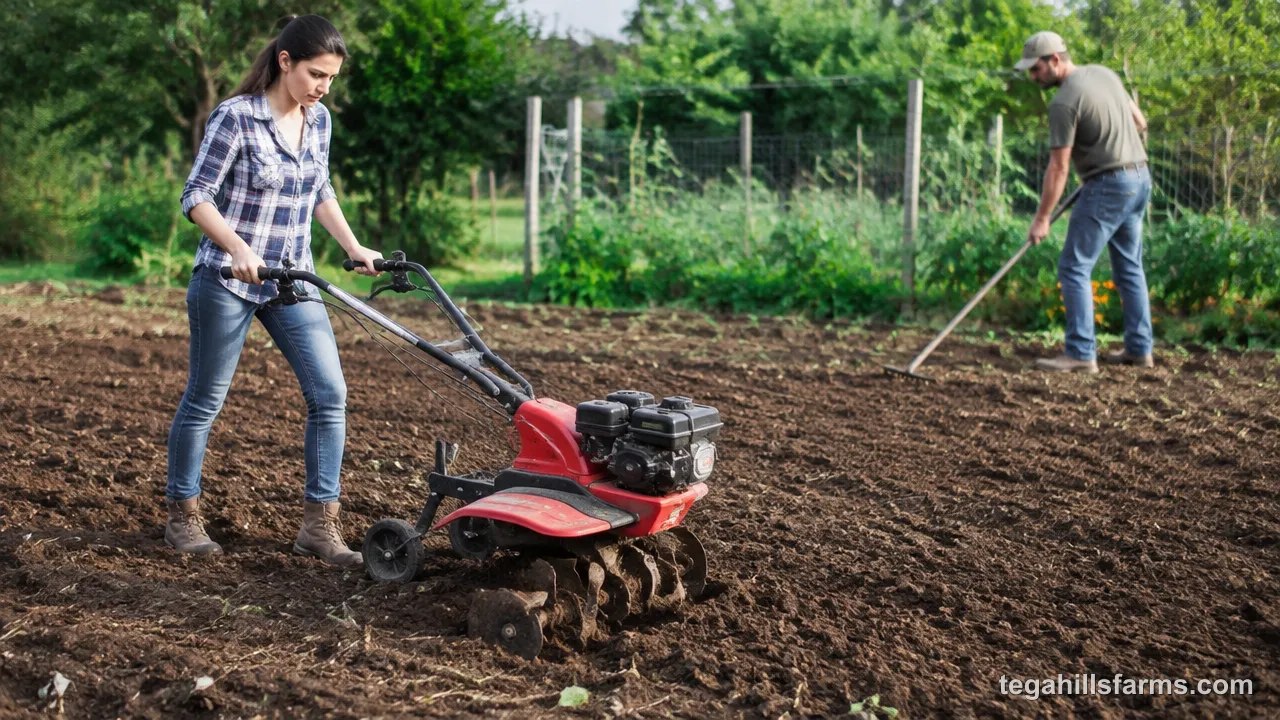
Size matters because it multiplies everything else. Each pass with a heavy machine in a small bed means more turning than tilling. Each pass with a narrow, light machine in a big plot means more time behind the handlebars and more effort spent holding it steady. The right group is the one where coverage, effort and storage space balance out for your yard.
Front-Tine Tillers for Smaller Gardens
A front-tine tiller is the practical choice for gardens under 5,000 square feet, where it covers the ground without the weight or cost of a bigger machine. In a plot that size, most of your time goes into turning at row ends, working around fence posts and staying clear of perennials. A lighter machine that pivots on its tines handles all of that better than a heavy one.
The narrower tilling width also suits compact layouts. It fits between established rows and along raised edges that a wider machine would hit. Storage is part of the equation too. A front-tine tiller fits in a corner of the garage or a small shed, and it’s light enough to lift into a pickup bed for a job at a neighbor’s place. For a homeowner turning a vegetable patch each spring and mixing in compost each fall, I’d start here.
Rear-Tine Tillers for Larger Plots
Beyond that size, a rear-tine tiller begins to earn back its higher cost and weight. On a large garden, speed and stamina matter more than nimble turning. The powered drive keeps the machine moving at an even pace whether you’re fresh or an hour into the job, so fatigue doesn’t slow you down partway through.
Tilling width matters here as well. A wider cut covers the plot in fewer passes, and on a big garden that saves real time over a season. Large plots are also more likely to include new ground, such as a section of lawn being converted or a field that hasn’t been worked. A rear-tine machine handles that without a separate rental. The tradeoff is storage and transport. You’ll need floor space for a heavier machine and a ramp or trailer if it ever leaves your property.
When to Use Hand Tools Instead
For beds under 500 square feet, a hand tiller is often the better tool, and a garden fork handles areas under 300 square feet without needing fuel or an engine. At those sizes, a powered tiller spends more time being unloaded, started and cleaned than actually tilling.
Raised beds point toward hand tools too. Their frames leave little room for a machine to enter or turn, and a tiller can chew into the bed’s sides. Manual tools also give you finer control around established plants. If the real job is loosening the surface and pulling weeds between rows rather than turning soil, weighing a tiller vs a cultivator makes more sense than choosing between two tiller types.
Which Tiller Type Is Easier to Maneuver?
A front-tine tiller is easier to turn and lift, while a rear-tine tiller takes less arm effort to keep moving in a straight line but needs more room and muscle to turn around.
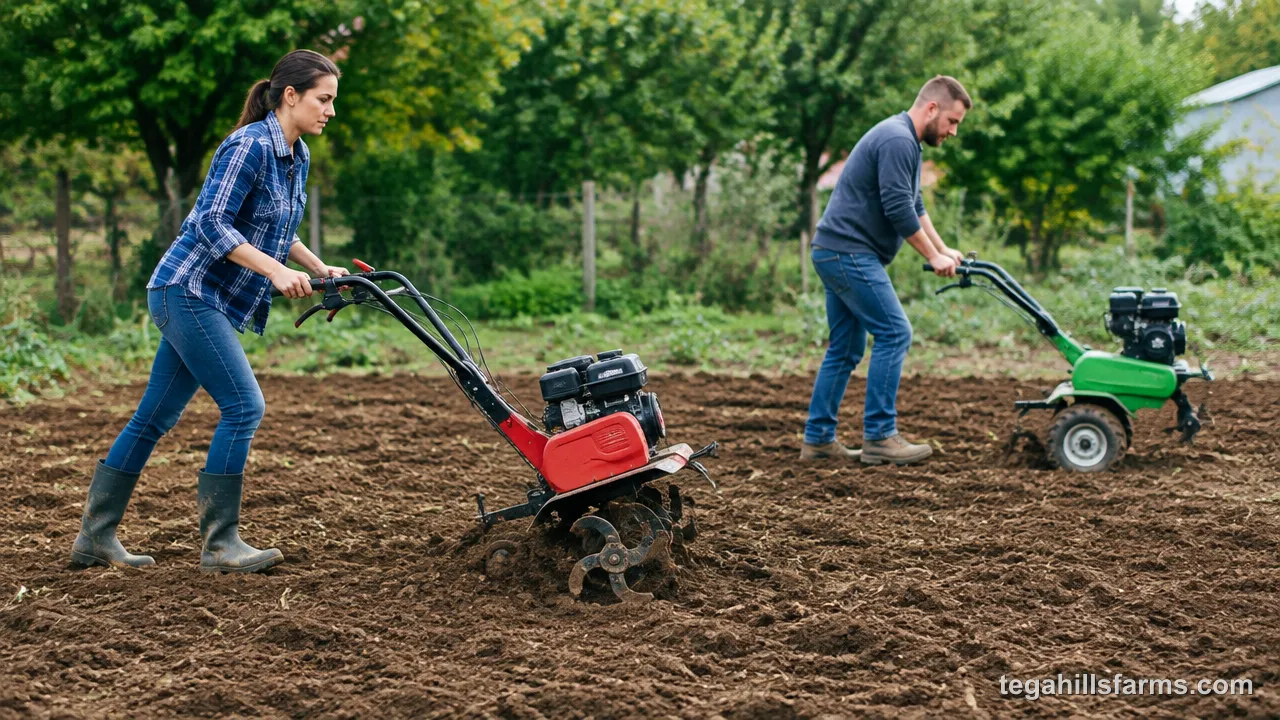
Maneuverability splits into two questions that don’t have the same answer: how hard the machine is to control while it works, and how easily it changes direction. Which one matters more depends on your layout. An open rectangular plot rewards straight-line ease, while a garden full of curves and existing plants rewards nimble turning.
Weight and Physical Effort
Front-tine tillers weigh less overall, but they ask more of your arms while running. The forward-pulling tines tug the machine ahead in uneven bursts, especially when they hit a root or a hard patch. You spend the session holding back, pressing down and keeping it from wandering, and that strain builds up in your forearms and shoulders.
Rear-tine tillers flip that tradeoff. Their powered wheels control speed, so light pressure on the handlebars keeps them on line, and the tines can’t drag the machine forward. The cost shows up whenever the engine is off. These machines are heavier to roll out of the shed, to push up a ramp and to free when a wheel sinks into soft soil. For long straight passes, the rear-tine tiller asks less of your body. For short jobs with a lot of handling before and after, the front-tine tiller is less effort.
Turning and Control in Tight Spaces
Lighter front-tine tillers pivot easily. You lift the handles a little, the machine balances on its tines, and you swing it around at the end of a row or past a tomato cage. That makes them a good fit for narrow rows, curved beds and gardens where established plants sit close to the tilled ground.
Rear-tine tillers need more space to turn because of their heavier frame and longer wheelbase. Even with powered drive, turning means lifting the tines clear of the soil and steering the full weight around, which takes open ground at each row end. In tight beds and around existing plants, the front-tine tiller is easier to steer. In open ground with room to turn, the rear-tine tiller is less tiring across a long session.
How Do Front-Tine and Rear-Tine Tiller Costs Compare?
A front-tine tiller costs noticeably less to buy and to rent, while a rear-tine tiller costs more up front but delivers more value for large or tough ground worked often.
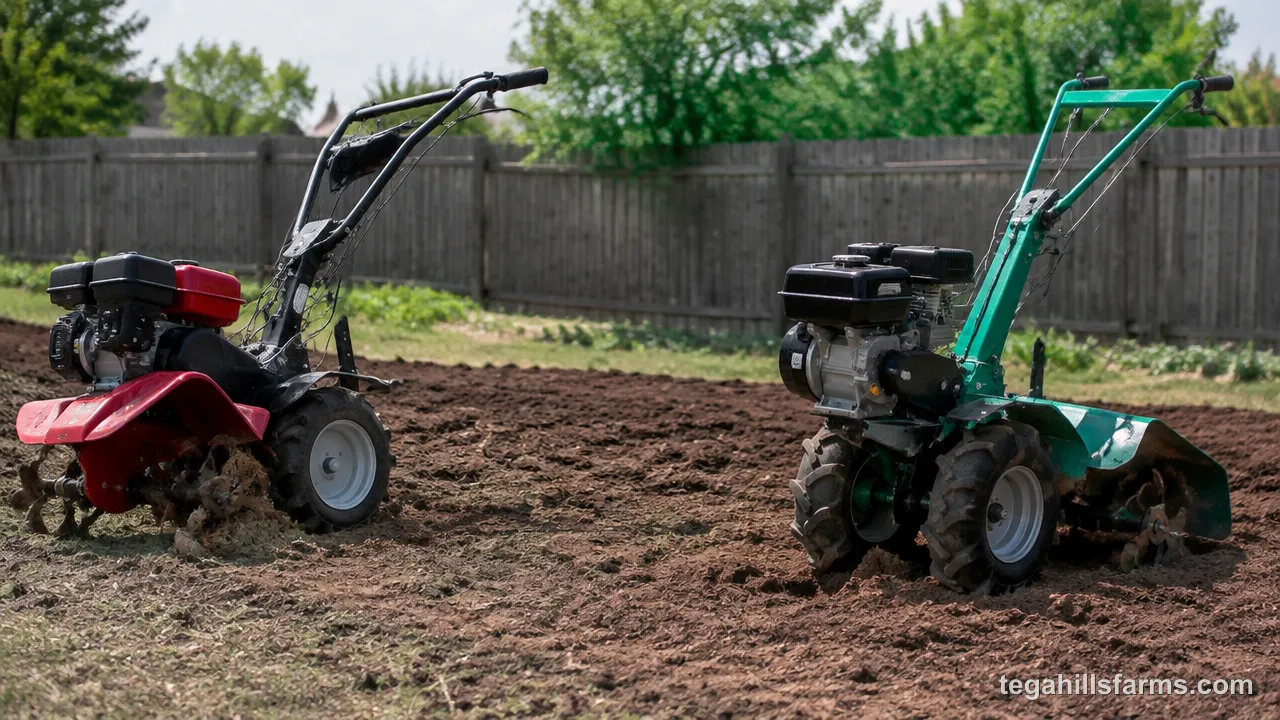
Cost isn’t just the purchase price. Rental is a real option for both types, and how often you till decides whether buying ever makes sense. Choosing the cheaper machine and fighting it for years can cost more in time and wear than paying for the right one, and buying a heavy machine for a once-a-year job ties up money and garage space.
Purchase Price Comparison
Rear-tine tillers sit in a higher price tier than front-tine models, and the difference comes from what’s built into them. A larger engine, a transmission that powers both the wheels and the tines, and a heavier frame to carry that weight all add cost. Models with switchable tine rotation add gearing, which pushes the price up further.
Front-tine tillers keep costs down because they’re simpler machines. The tines handle propulsion, the wheels are basic, and the smaller engine doesn’t need a heavy chassis. Across the market, how much a tiller costs follows engine size and drive system closely, so a front-tine machine is the budget-conscious choice and a rear-tine machine is the long-term investment. For buyers who mainly work small, loose beds, the front-tine tiller wins on purchase price without giving up much. For anyone breaking new ground every year, the extra spent on a rear-tine model goes toward capability they’ll actually use.
Rental Costs and When to Rent
Rental shops charge more per day for a rear-tine tiller than for a front-tine model, which mirrors the purchase price gap. Many rental counters keep rear-tine machines specifically for breaking ground, because that’s the job homeowners most often rent for.
Renting makes sense for one-time projects and infrequent use. Turning a section of lawn into a new garden, preparing soil before reseeding, or tilling once each spring all fit a rental better than a purchase. For that kind of job, rent the rear-tine tiller, since a single day with the right machine beats a weekend of fighting a light one. Factor in transport: a rented rear-tine machine usually needs a truck or trailer to get home. If you till several times a season, rental fees and pickup trips add up quickly, and owning starts to look better.
Long-Term Value and Return on Investment
A purchased front-tine tiller typically pays for itself in two to three years compared with renting, as long as you till three or more times a year in a garden larger than 1,000 square feet. Below that frequency or garden size, repeated rentals often remain the cheaper route.
A rear-tine tiller follows the same logic at a higher price, so it needs heavier and more frequent use to pay off. That makes it a strong value on large plots tilled through spring and fall, and a poor one for a single annual pass on an established bed.
- Choose a front-tine tiller if your soil is already worked, your garden is small to mid-size, and you need to turn in tight rows.
- Choose a rear-tine tiller if you’re breaking sod or clay, tilling a large plot several times a season, and you’d rather let powered wheels do the pulling.
A counter-rotating rear-tine tiller will chew deep into clay but leave a lumpy, churned bed, while a standard-rotating model on the same ground can glide across the top and barely scratch it. Pick the wrong one for your soil and you’ll spend spring making extra passes to break up clods, or struggling with a machine that never cuts deep enough to work compost in.
How Do Tine Rotation Types Change Performance?
Rear-tine tillers come with one of three tine setups: counter-rotating, standard rotating, or dual-direction. That setup decides whether the machine digs aggressively, finishes smoothly, or switches between the two. Since front-tine tillers only use forward rotation, this choice applies once you’ve settled on the rear-tine design.
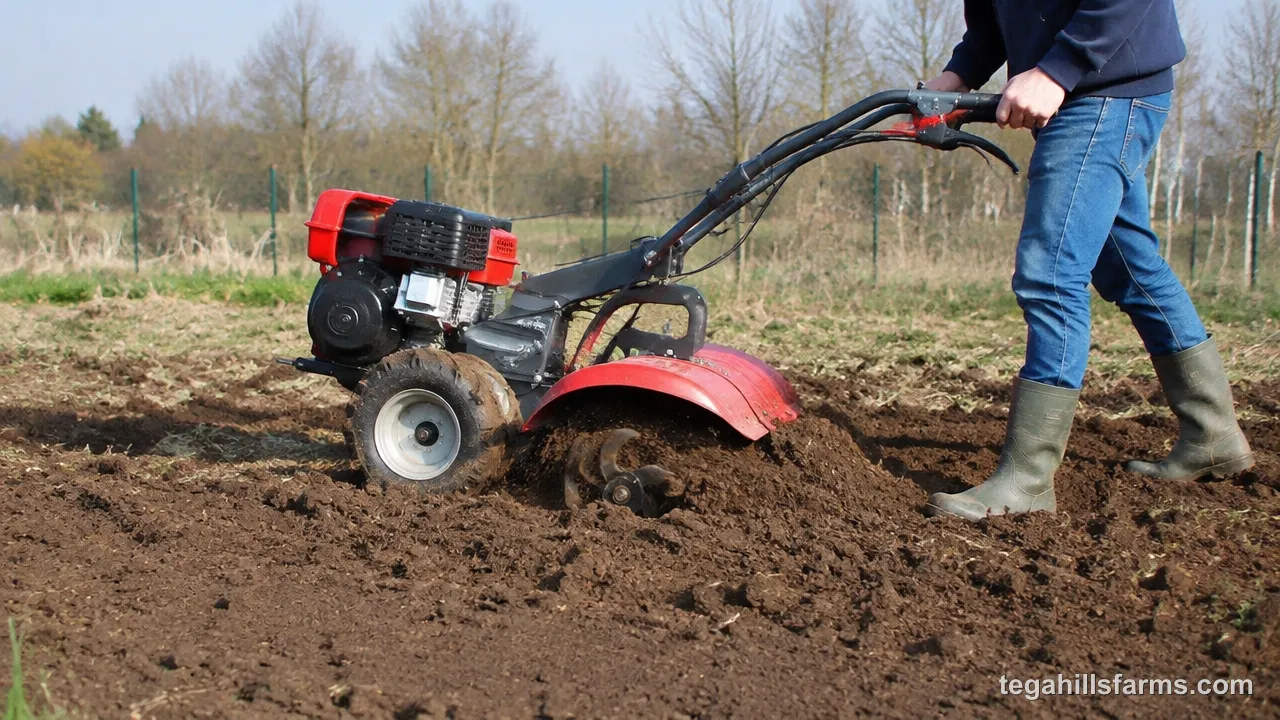
The setup matters because most gardens go through two phases. In the first, you break the ground, and in the years after, you maintain soil that’s already loose. One rotation type suits each phase, and a mismatch shows up as wasted passes or poorly mixed beds.
Counter-Rotating Tines (CRT)
Counter-rotating tines spin opposite to the wheels, so they claw down and back while the wheels push forward. That opposing motion creates strong downward force, which is what you want for breaking sod, cutting into hard clay and tilling ground for the first time.
The same aggressive action works against you in loose soil. CRT machines churn the ground hard and can leave a rough, uneven surface that needs extra raking. Because the tines resist the wheels, the machine also takes a firmer grip than a standard-rotating model. For a new bed or ground that bakes hard each summer, CRT makes sense. For soil you already turn every season, it’s more digging force than the job calls for.
Standard Rotating Tines (SRT)
Standard rotating tines spin in the same direction as the wheels, so they help push the tiller forward instead of fighting the drive. The machine feels lighter to guide, and the tines leave a smoother, more even finish.
That makes SRT the better match for maintaining worked soil: mixing in compost, preparing a seedbed in a garden turned last year, or loosening ground between plantings. On hard or unbroken soil, SRT tines tend to ride up rather than dig in, much like a front-tine machine, so they need loosened ground to work well. If your beds are established and your soil stays workable, an SRT rear-tine tiller gives you the powered drive without the extra churn.
Dual-Direction Tines (DDT)
Dual-direction tines let you switch between counter-rotating and standard rotation with a lever, so one machine covers both phases of a garden’s life. You run CRT mode to break new ground, then switch to SRT for finishing passes and for maintenance in later seasons.
That flexibility adds gearing, so DDT models cost more than single-mode machines. The premium makes sense when you’re starting a new garden you plan to keep for years, or when your property mixes hard, unbroken areas with established beds. If your ground is already established, an SRT machine covers your needs. If you only need to break ground once, renting a CRT machine for that job and skipping the extra cost is the better trade.
What Maintenance Differs Between Front and Rear Tillers?
Both types need the same engine upkeep: oil, air filter, spark plug and fuel care. A rear-tine tiller adds a transmission, drive belts and a larger gearbox, so it takes more time each season and has more parts that can wear out.
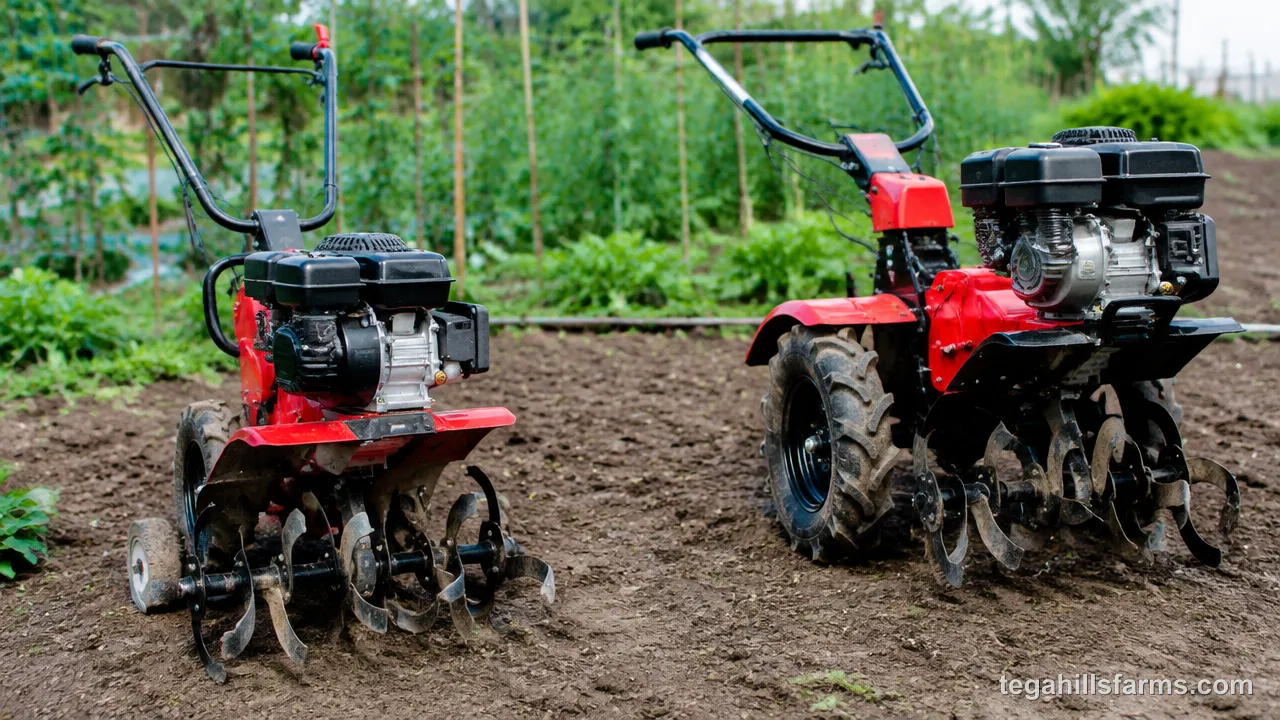
That difference goes beyond extra chores. A drive system left full of packed soil or low on gear oil can turn a durable machine into one that slips, leaks and loses power. Knowing where each design collects dirt and wears down tells you what to check before it turns into a repair.
Cleaning Between Uses
After each session, knock caked soil off the tines before it dries hard, and cut away grass or roots wrapped around the tine shaft. Brush dirt off the engine’s cooling fins and check the air filter. Dusty tilling clogs the filter faster than almost any other yard job.
Front-tine machines are quick to clean because the tines and engine are out in the open. Rear-tine machines collect soil in more places: under the tine shield, around the wheels and near the belt cover, where packed dirt can make belts slip and hold moisture against metal. Take a few extra minutes with those areas. When using a garden hose, keep the spray away from the air intake and the engine.
Off-Season Storage Requirements
Before winter, either add fuel stabilizer and run the engine long enough to move treated fuel through the carburetor, or run the tank dry. Change the oil so acidic, dirty oil doesn’t sit in the engine for months. Then store the machine covered in a dry place away from standing moisture.
Rear-tine tillers need extra attention here. A larger fuel tank holds more fuel that can go stale, so stabilizing or draining it matters more. Check the gearbox oil level and look for seepage around the seals before storage, since a slow leak found in fall is a simple fix while one found at spring planting delays the season. Plan for the floor space too, since a rear-tine machine takes up noticeably more room in the garage or shed.
Tine and Gearbox Wear Patterns
Tines wear on both types. The tips round off, the edges dull, and blades bend after hitting rocks. If tilling slows down or the machine bounces in soil it used to handle, inspect the tines, and replace bent or worn ones as a set so the machine stays balanced.
Rear-tine models have more to inspect. Look for glazing or cracks on drive belts, since a slipping belt shows up as wheels or tines losing power under load. Check the gearbox seals for oil around the tine shaft, and keep the transmission fluid at the level the manufacturer specifies. Front-tine machines have a tine gearbox as well, so check those seals too, but they don’t have the extra drive components.
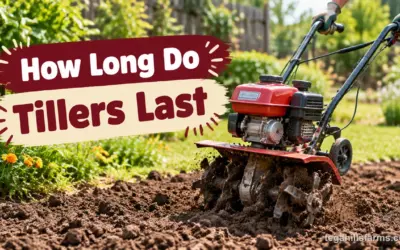
How Long Do Front and Rear Tillers Typically Last?
A well-maintained tiller of either type can last many seasons, but rear-tine machines generally have the advantage because their heavier frames and gear-driven transmissions are built for harder work. Front-tine models, with lighter construction, wear faster when they’re pushed into hard ground they weren’t designed for.
Build quality sets the upper limit on how long tillers last, but care decides whether a machine gets there. Stale fuel left in the carburetor over winter, skipped oil changes, and repeated passes through rocky soil shorten the life of either type. Using a light front-tine machine to break sod every year wears its gearbox and tines faster than its design expects, so the right type for the ground is itself a durability choice.
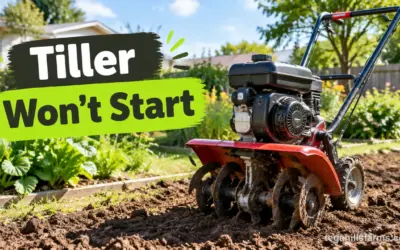
What to Check When Your Tiller Won’t Start
When a tiller won’t start, the cause is almost always fuel, spark or air, and the checks are the same for front-tine and rear-tine machines. Start with the fuel. Gas left over from last season gums up and loses its ability to ignite, so drain it and refill with fresh fuel.
Next, pull the spark plug and look at the tip. A plug coated in carbon or oil, or one with a worn electrode, should be cleaned or replaced. If fresh fuel and a good plug still don’t help, a carburetor clogged by old fuel is the likely cause, and you’ll need to clean it or have it serviced. On electric-start models, test the battery before anything else. Also check the choke position and the oil level, because some engines won’t run when the oil is low. If all of those check out, take it to a small-engine shop.
Write Your Review
No reviews yet. Be the first to share your experience!