

A log splitter has no fixed expiration date. A well-built hydraulic machine that gets clean fluid, a sharp wedge and a workload inside its tonnage rating can keep splitting for many seasons. An undersized or neglected one can wear out its pump long before the frame shows any damage.
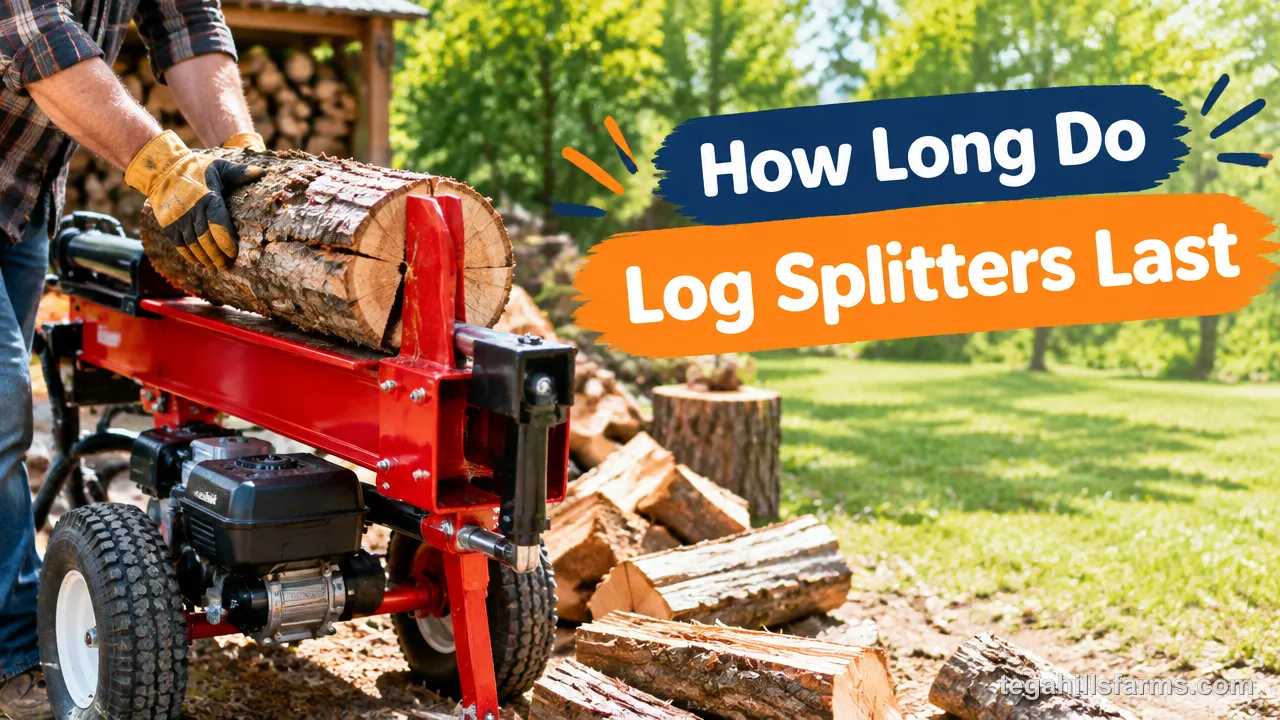
The type of splitter sets the starting point. Gas hydraulic, electric hydraulic, kinetic and manual designs each have a different part that wears first. A machine with fewer of those parts usually has fewer ways to fail.
Most early failures come from things you control: running hardwood through a machine rated for softwood, splitting until the hydraulic oil gets hot, and leaving the unit outside with old fuel in the tank. If you know which habits wear down the pump, seals and engine, you can stretch the life of the splitter you already own.
How Long Does a Log Splitter Last?
Expect many seasons of service from a machine that is sized for your wood and kept in fresh fluid, because the hydraulic pump and seals usually fail long before the steel beam and frame do.
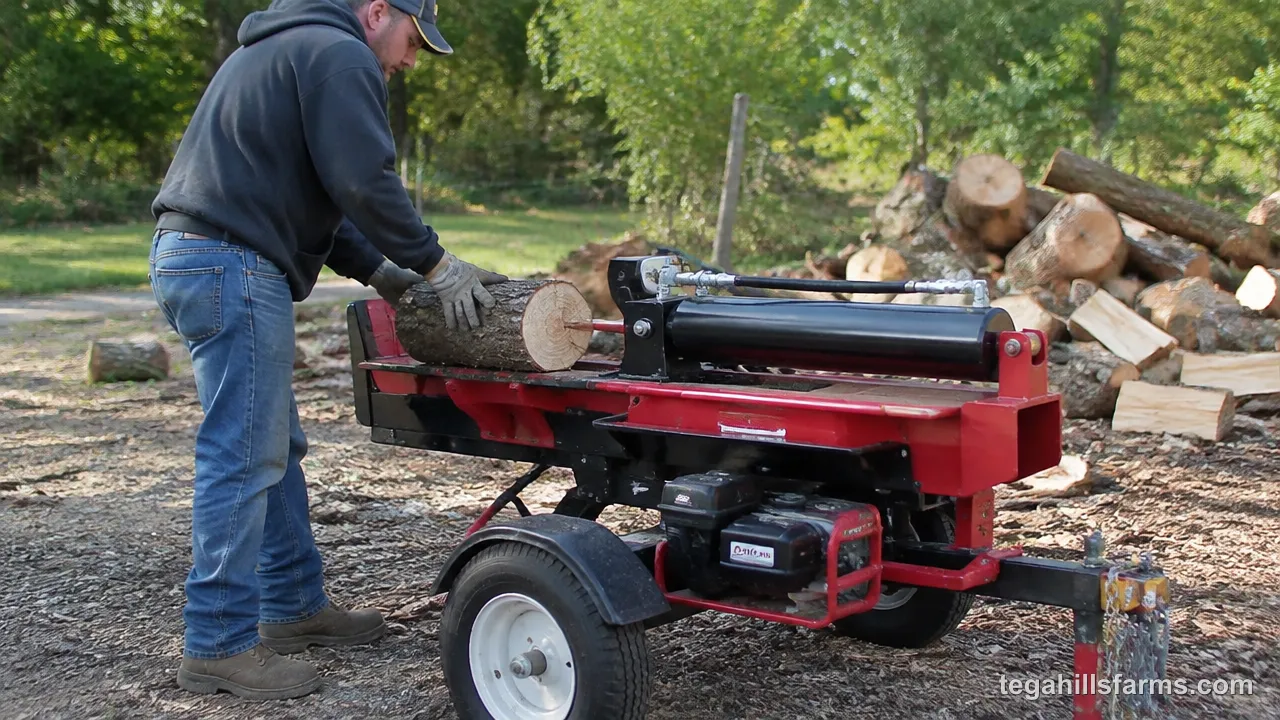
Lifespan is not a fixed number of years. It depends on three things you control: the type of machine, how much wood it splits each year, and how well it is maintained. One example shows how long a modest machine can last when it is matched to its job. A DR 4-ton electric splitter built in 2001 still handles 5–6 cords a year and does 95% of its owner’s splitting. A small motor and a light-duty pump can run that long because the workload stays inside what the machine was designed for.
The same logic works in reverse. A machine that strains on every log builds up heat and pressure that wear seals and pump internals much sooner. If you are still deciding which machine fits your woodpile, the guide on how to choose a log splitter covers the sizing and power-source choices that affect how long a unit holds up.
How Long Does Each Type of Log Splitter Last?
Machines with fewer moving parts tend to last longest, because every engine, pump and valve on a splitter is another part that can wear out before the frame does.
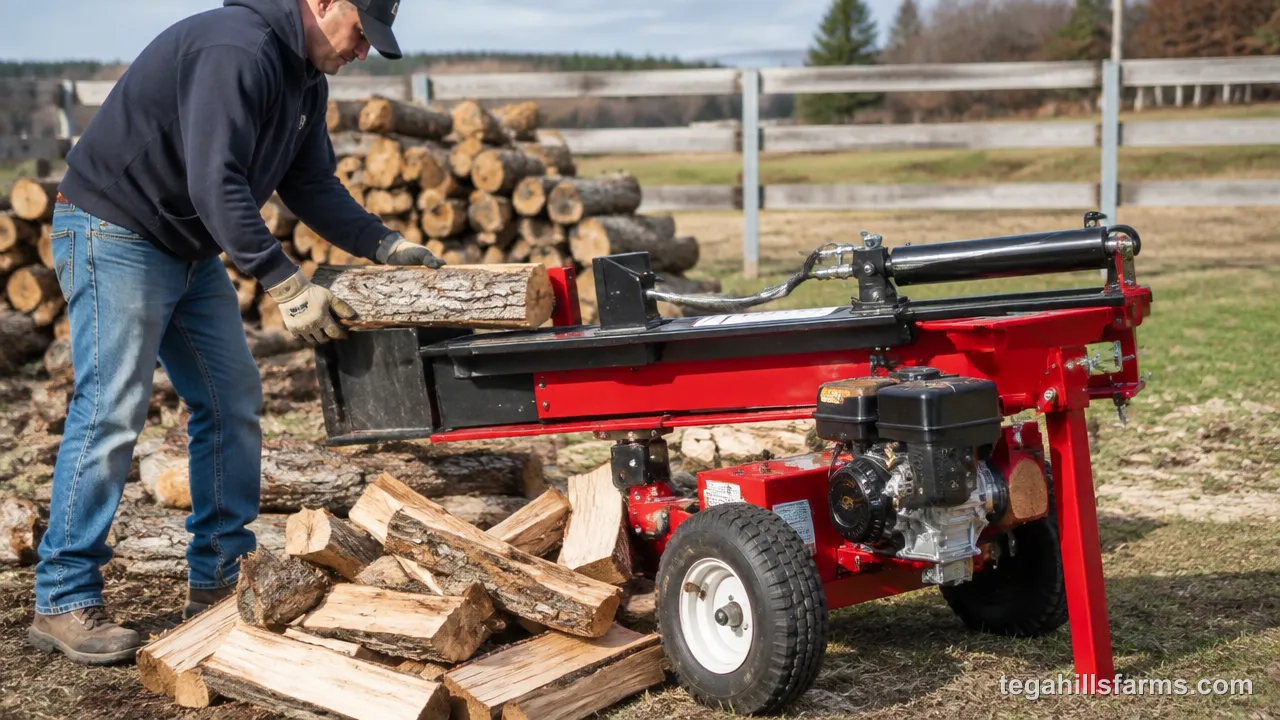
Each design has a different weak link. On a hydraulic machine, the pump, valve and seals take the steady wear. On simpler designs, the cutting edge and the mechanism that drives it do. The type that will last longest for you is the one whose weak link handles your wood without straining. A light machine that runs well inside its limits often outlasts a stronger one that gets pushed past them every weekend.
Gas Hydraulic Log Splitters
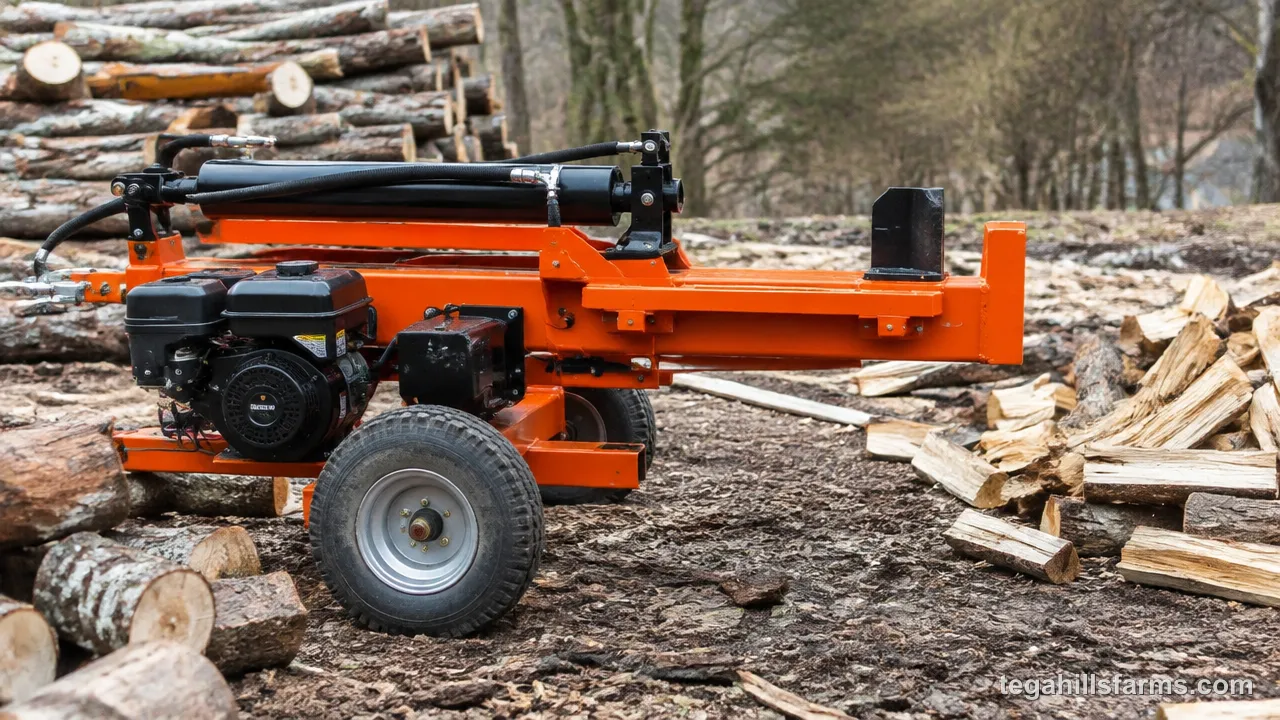
Gas hydraulic splitters have the longest potential service life of any powered type, as long as the engine and hydraulic system both get regular care. These machines produce 20 to 40 tons of splitting force, so most homeowners use them well below their limit. That leaves headroom, and headroom is what keeps the pump from running at full pressure on every log.
Two systems wear on a gas unit. The small engine needs the same care as a mower engine: oil changes, a clean air filter and fresh fuel. The hydraulic side wears more slowly. Pump gears, the control valve and cylinder seals lose efficiency over many seasons, and dirty oil speeds that up.
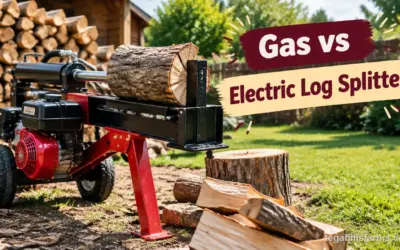
Heavier-duty units usually come with thicker beams, larger cylinders and pumps built for continuous work, which is why they tend to stay in service longer. If you are comparing gas vs electric log splitters, the engine is the extra upkeep you take on in return for that extra force and runtime.
Electric Log Splitters
Electric hydraulic splitters replace the engine with a motor, so they have no fuel system, spark plug or carburetor to wear out. The hydraulic pump and seals still face the same strain as on a gas machine. In one case, an electric splitter used for 5–10 minutes a day to re-split wood through a full burning season reached 14 months in service.
Most electric models run on standard 120V household outlets, and larger models need 240V. Their force tops out around 25 tons, and they work best on logs up to 10 inches in diameter. When you push dense, oversized rounds through one, the motor stalls against the pump, and that heat shortens the life of both.
The cord is a wear item too. An extension cord that is too long or too thin starves the motor of voltage and makes it run hotter. A cut or crushed cord is also a shock hazard, so use a GFCI-protected outlet.
Kinetic and Manual Log Splitters
Kinetic and manual splitters have the fewest failure points because neither one uses a hydraulic pump, hoses or seals. A kinetic splitter stores energy in spinning flywheels and releases it through a rack or ram. It cycles in 2 to 3 seconds and works best on small, dry logs.
On a kinetic unit, the parts that wear are the rack teeth, the engagement mechanism and the wedge edge. They take a hard impact on every split, so check them for chips and play each season. Manual splitters, whether lever, foot-pump or slide-hammer designs, mostly wear at the wedge, pivot pins and moving joints. All of these are simple to grease or replace.
The trade-off is splitting ability. Neither design handles large, knotty or green rounds well. Forcing those logs through is the quickest way to bend a rack or crack a casting.
What Factors Decide How Long a Log Splitter Lasts?
How hard the machine works relative to its rating decides most of its life, and heat and build quality decide how much strain it can take before parts start to fail.
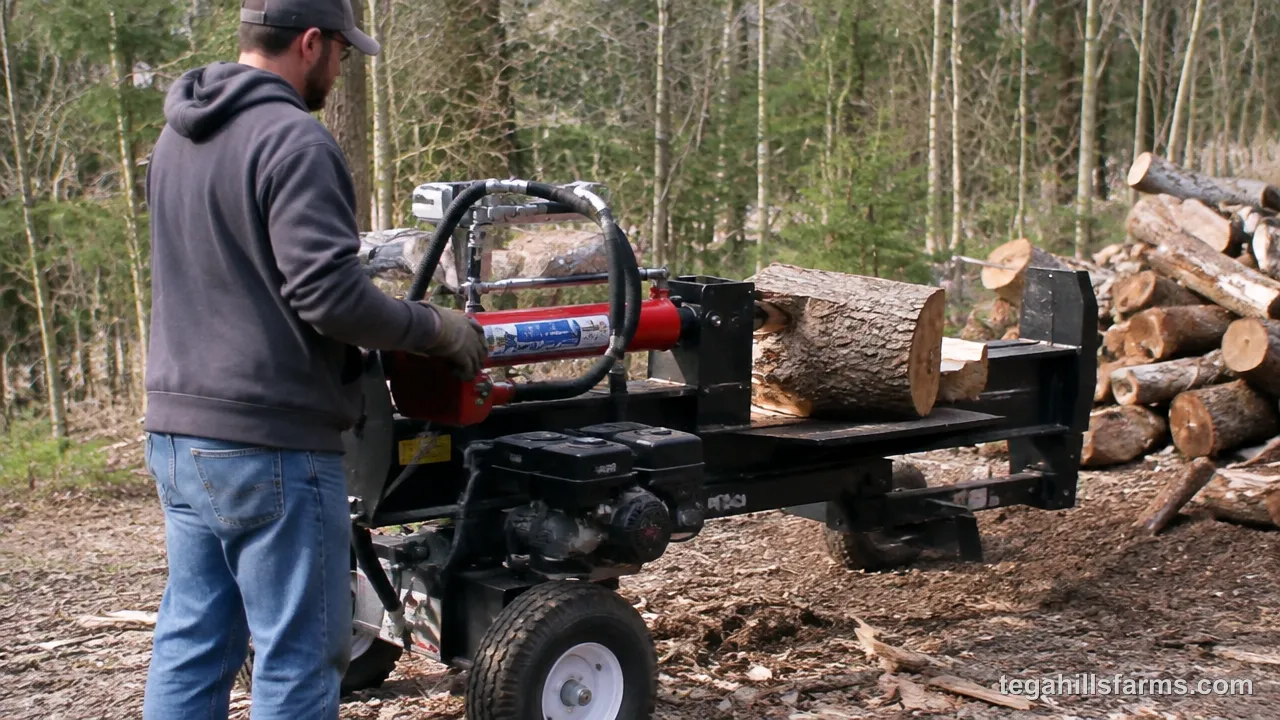
These factors stack. A well-built machine can handle the occasional oversized round, but repeated overload plus hot oil will wear out even a good pump. A budget machine has less margin from the start, so the same habits damage it sooner. Matching the splitter to your wood and your workload is the part you control at purchase time. Heat and component quality decide how forgiving the machine is after that.
How Do Workload and Tonnage Affect Lifespan?
Both matter, and an undersized machine wears faster than a larger one doing the same job. Small, seasoned logs split cleanly at 5–7 tons. Dense hardwoods and green logs call for 10–16 tons. Red oak, hickory and freshly cut wood resist the wedge much more than dry pine, and knots make it worse.
When a log resists, the pump builds pressure until the relief valve opens. The pump keeps working, the oil heats up, and the seals take the full load without the log moving. On a gas unit, the engine also lugs down under that load. One stuck round won’t ruin a machine. Making it a weekly habit wears out the pump and engine years ahead of schedule.
Annual volume adds to this. A machine that splits a few cords each year gets far fewer pressure cycles than one heating a whole house. The log splitter tonnage guide matches force ratings to wood species and log size so the machine you buy isn’t working at its limit.
Why Does Overheating Shorten a Log Splitter’s Life?
Heat is one of the main things that kills hydraulic splitters. Hot oil thins out, lubricates less, and hardens the rubber seals and hoses it flows through. Three conditions cause most of it: long stretches of continuous splitting, hot summer days, and low or worn-out hydraulic fluid.
A small reservoir has less oil to absorb and release heat, so its temperature climbs fast during long sessions. Low fluid makes it worse, because the same heat gets spread through less oil, and the pump can pull air. Degraded fluid has already lost some of its ability to protect metal surfaces, so the pump gears and valve wear faster even before the oil gets hot.
Over time, hardened seals start weeping at the cylinder and valve, hoses crack near the fittings, and the pump loses pressure. I’d rather stop when the reservoir is too hot to touch and finish the pile later than push through and pay for a pump.
Does Build Quality Make a Difference?
Yes, and it shows up first in the hydraulic connections, not the steel. On budget machines, hoses and fittings are usually the first parts to leak. Thin hose walls, weak crimps and low-grade seals wear out after a few seasons of pressure cycles and temperature swings.
Pump housing material matters next. Cast iron housings tolerate heat and long runs better than lighter aluminum housings. That is why heavy-duty machines usually use them. Frame welds matter on high-force splitters, because every split pushes the beam and cylinder mounts in opposite directions. A thin weld at the cylinder mount can crack before anything else on the machine wears out.
When you’re comparing machines, look at the hose quality, the weld beads and whether the seals and fittings are standard sizes you can replace. Those details tell you more about long-term reliability than the paint color or the advertised tonnage.
How Can You Make a Log Splitter Last Longer?
Clean hydraulic fluid, a sharp wedge and a quick pre-season inspection extend service life more than any feature you can buy, because they protect the pump, seals and engine from the wear that ends most machines.
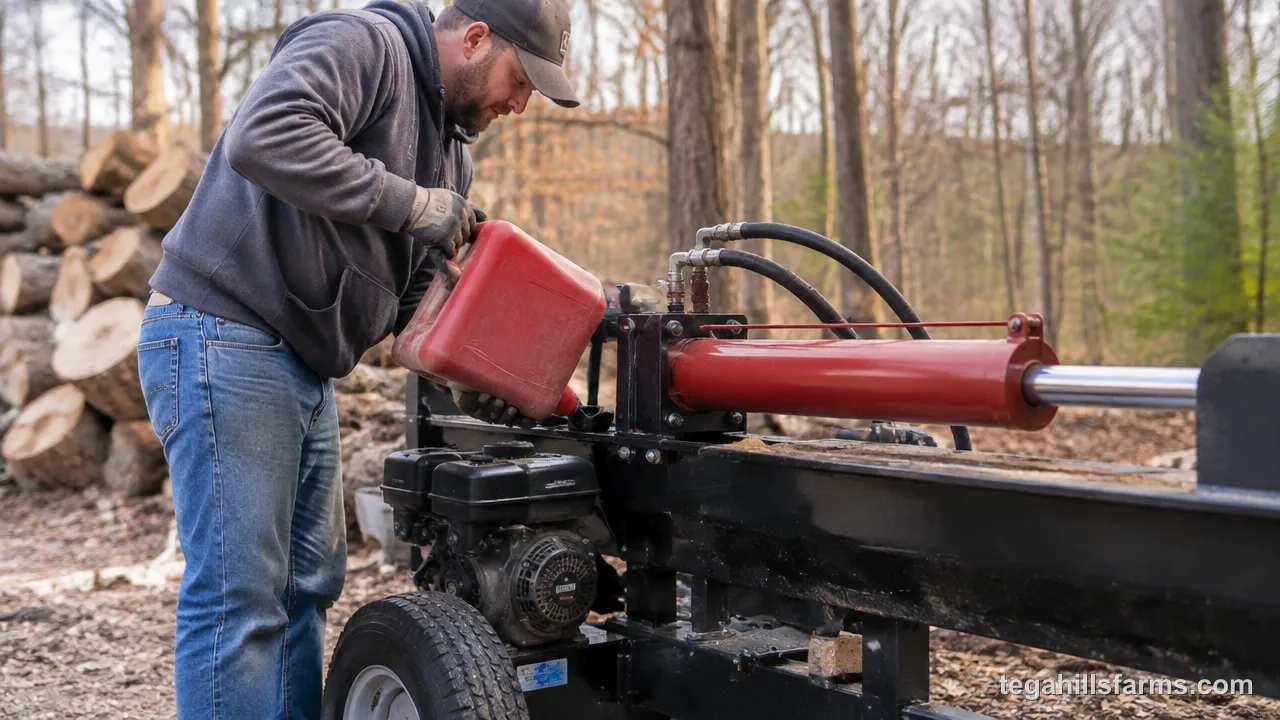
None of this takes much time. Most of it is checking things before damage starts, not fixing them after. Operating habits count as well: knowing how to use a log splitter correctly, such as keeping rounds centered on the beam and splitting along existing cracks, keeps side loads off the cylinder and ram.
When Should You Change Hydraulic Fluid?
Change it on the schedule in your owner’s manual, and sooner if the fluid looks or smells wrong. Fluid condition is the most important upkeep item on a hydraulic splitter, because that oil carries the force, lubricates the pump and carries heat away from the seals.
Check the level before each session and look at the color. Clean fluid is clear or lightly tinted. Milky fluid means water got in, usually through condensation or a poorly sealed reservoir. Dark fluid with a burnt smell has overheated and lost its protective additives. Foam or a whining pump means air is getting in, often because the level is low.
Use only the fluid type the manufacturer specifies. Different viscosities behave differently in cold and hot weather, and the wrong one can starve the pump on a cold start. Replace the filter when you change the fluid, since a clogged filter puts its own strain on the pump.
What Engine and Wedge Care Does a Log Splitter Need?
A gas splitter needs the same small-engine care as a mower: fresh oil, a clean air filter and a good spark plug. The engine runs in dusty, bark-filled air, so the air filter clogs faster than it does on a lawn mower. A dirty filter makes the engine run rich, which leaves carbon on the plug and makes it harder to start.
Change the engine oil on the manufacturer’s schedule and check the level before every use. These engines often run long sessions under load, which breaks down oil quickly. Replace the spark plug when the electrode looks worn or fouled.
The wedge needs care too. A dull or sap-covered edge takes more force to start each split, so the pump runs at higher pressure on every log. File out nicks, clean off sap and pitch, and keep the edge true. A sharp wedge lets the machine work less on every split.
What Should You Inspect Before Each Season?
A short inspection before the first split catches the problems that turn into expensive failures mid-season. Go over these points:
- Hoses: Look for cracks, bulges or soft spots, especially near the fittings. A bulging hose can burst under pressure.
- Fittings and seals: Wipe them clean and look for fresh oil. A small leak means a seal is going and will get worse.
- Frame welds: Check the cylinder mounts and beam welds for hairline cracks, which spread with every split.
- Tires: Check pressure and sidewalls so the machine tows and sits level.
- Power cord (electric models): Look for fraying, crushed sections or exposed wire. A damaged cord means stop using the machine until it’s replaced.
Can a Log Splitter Be Stored Outside?
Only under a fitted cover or a roof, because rain, snowmelt and sun damage the metal, hoses and electrical parts that decide how long the machine lasts.
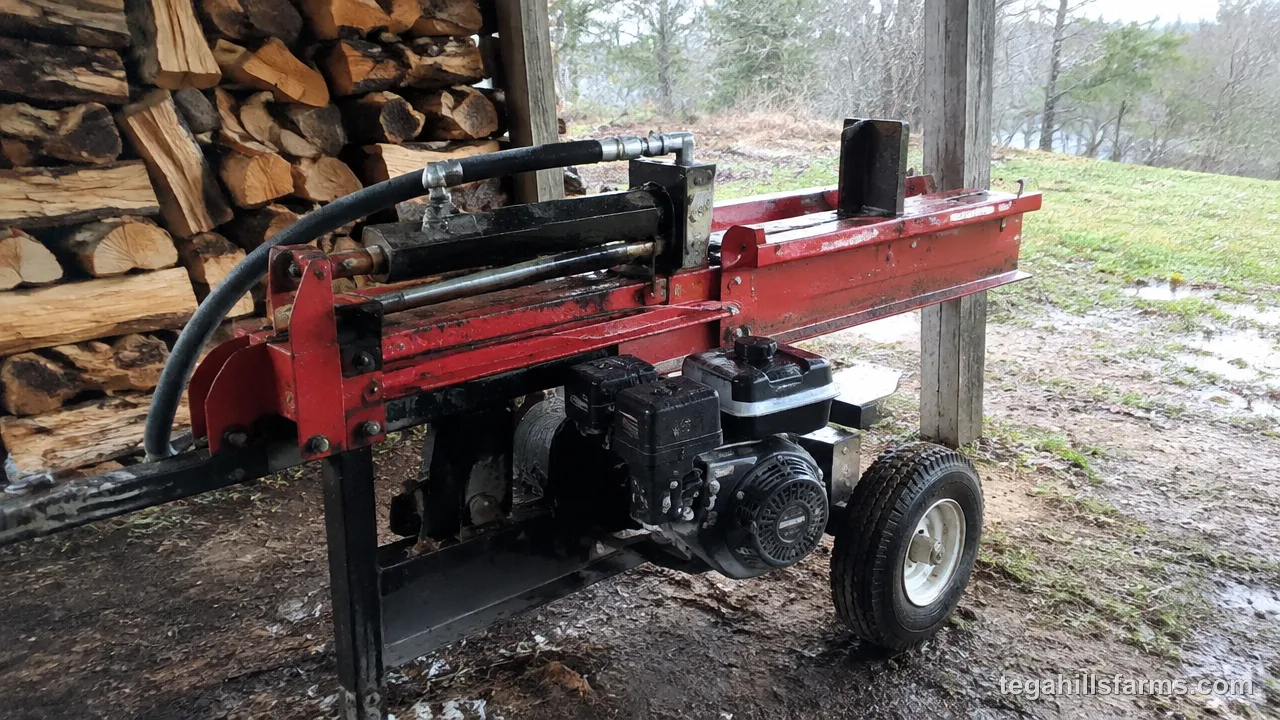
Moisture is the main problem. Water sitting on the beam and wedge causes rust that pits the surfaces the ram slides along. Condensation can enter the hydraulic reservoir through the breather cap and turn the fluid milky. Sunlight dries out rubber hoses, so they crack sooner. Electric models are the least suited to outdoor storage, because water in the motor housing or switch is a shock and short-circuit risk. A shed, garage or covered lean-to is the better choice.
Fuel needs attention between seasons. Ethanol-blended gasoline absorbs water as it sits. Over the off-season it can separate, leave varnish in the carburetor, and corrode metal parts of the fuel system. Before storage, add fuel stabilizer and run it through the engine, or drain the tank and run the carburetor dry. Stale fuel is the most common reason a log splitter won’t start after sitting all winter.
To winterize, top off the hydraulic fluid to limit condensation, grease the beam, retract the ram so the cylinder rod isn’t exposed, and cover the machine.
When Should You Repair or Replace a Log Splitter?
Repair it when one wear part fails on an otherwise sound machine, and consider replacing it when the pump, cylinder or frame fails on an older unit that already shows wear elsewhere.
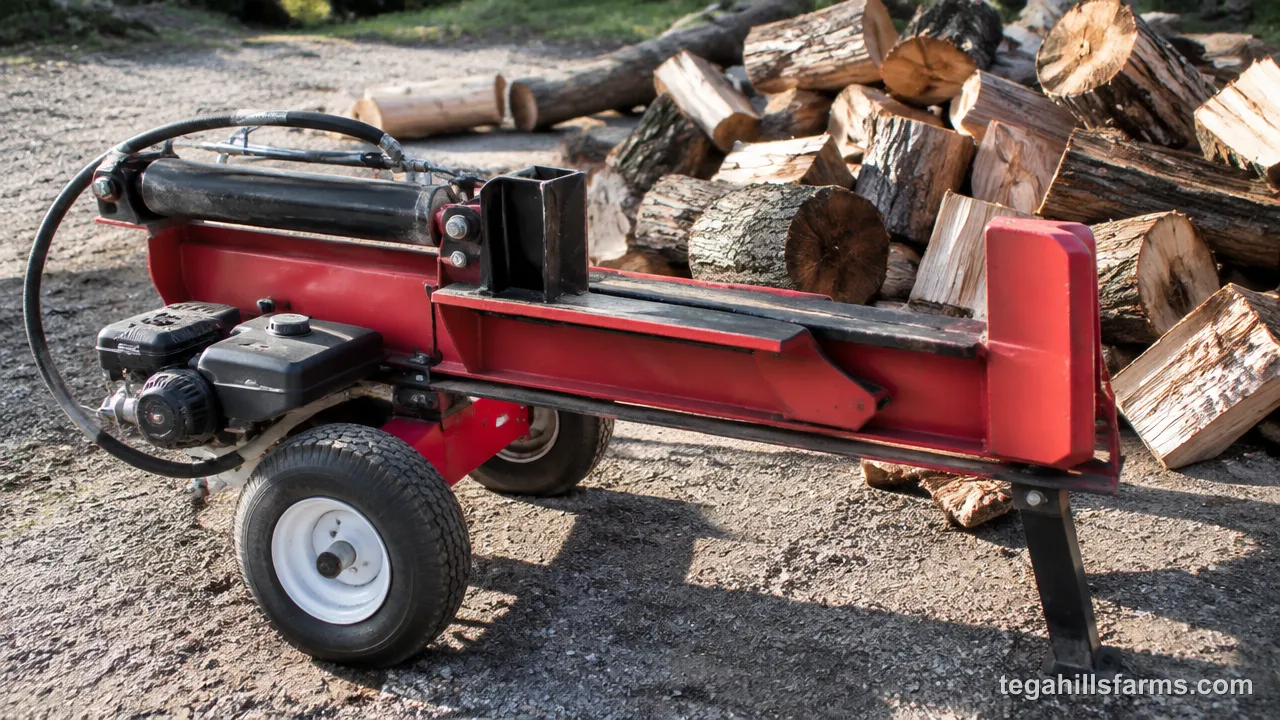
Hoses, seals, filters, spark plugs and wedges are routine parts, and replacing them is normal ownership, not a sign the machine is finished. A rebuilt cylinder seal or a new hose brings a solid splitter back to full use for a fraction of the cost of a new one.
The decision gets harder with major parts. A failed pump on a machine with a straight beam, solid welds and an engine that runs well is usually worth replacing. The same pump failure on a unit with a cracked frame, a tired engine and leaking fittings means several parts are failing together, and the next repair is coming soon.
Parts availability also matters. Machines that use standard pump sizes, hose fittings and engine models are easy to keep running. A discontinued model with proprietary parts can stay broken just because nothing fits. Before you decide, price the part against how much a log splitter costs new in the same size class.
A splitter that takes longer to finish each stroke, or stops on rounds it used to split easily, often has a pump losing pressure or fluid running low, not a dead machine. If you ignore those early signs, a cheap seal or fluid fix can turn into a seized pump in the middle of splitting season.
What Are the Signs a Log Splitter Is Wearing Out?
A slower cycle time and weaker splitting force are the clearest signs that a hydraulic splitter is reaching the end of its useful life, especially when fresh fluid and a sharp wedge don’t fix them. Knowing your machine’s rated cycle time gives you a baseline. For example, Landworks lists 7.5 seconds for its 20-ton model. If yours is noticeably slower than its rating, the pump or valve is wearing.
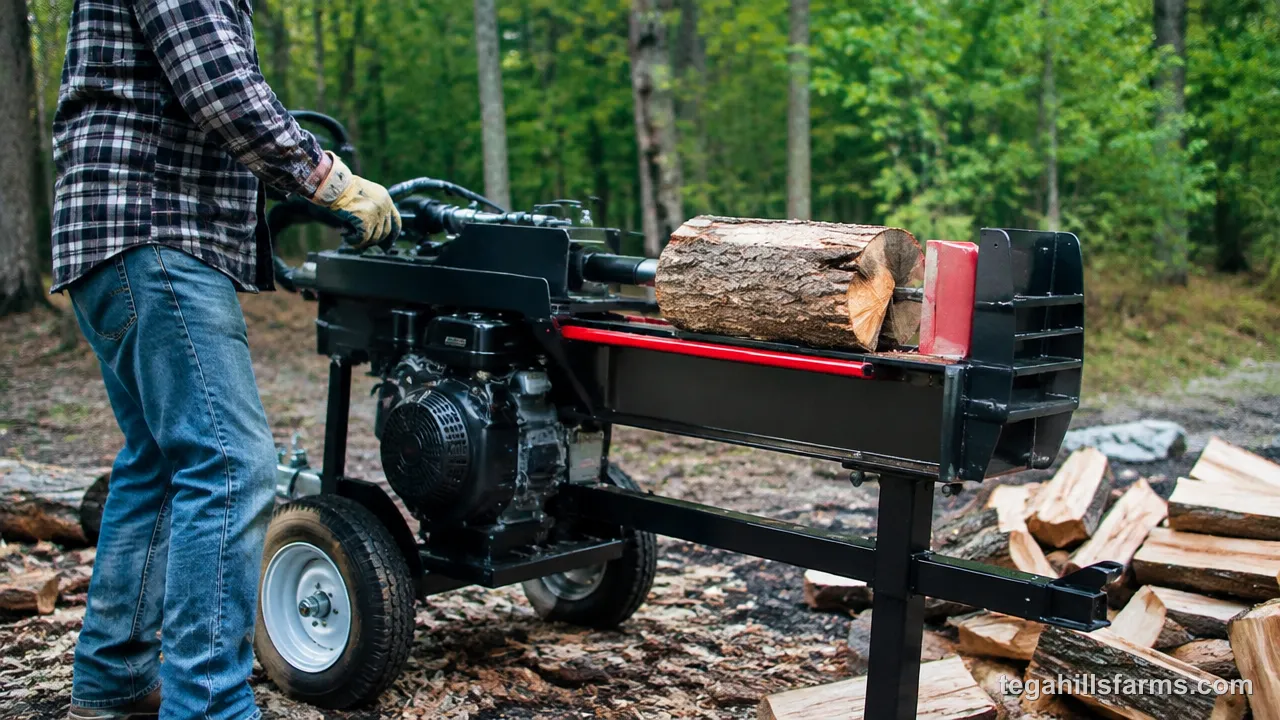
Other symptoms point to specific parts:
- Weak splitting force: Rounds it used to split now stall. This usually means internal pump wear or a leaking cylinder seal.
- Fluid leaks: Oil at the cylinder, valve or fittings means seals or hoses are failing.
- Unusual pump noise: Whining or grinding points to air in the system, low fluid or worn pump gears.
- Hard starting: On gas models, this usually traces to the fuel system or spark plug, not the hydraulics.
- Visible frame cracks: Cracks at the beam or cylinder mounts are structural, and you should stop using the machine until they’re repaired.
Which Log Splitters Have the Best Long-Term Reliability Reputation?
There’s no reliable way to rank brands by lifespan, so judge a machine by its design and serviceability, not its name. Few machines have been followed through many seasons of documented use. The DR electric mentioned earlier is one of the rare long-running examples, and it lasted because the machine was matched to its workload.
These are the traits that tend to show up in durable machines:
- Pump design: Heavy-duty pumps with cast iron housings handle heat and long sessions better.
- Serviceability: A reachable filter, drain plug and reservoir make routine fluid changes easy.
- Standard parts: Common hose fittings, seal kits and engine models keep a machine repairable.
- Parts support: A maker that stocks replacement pumps, seals and wedges keeps older units running.
When reading reviews, look for ones written after several seasons of use rather than the first week, and make sure they cover the exact model and tonnage you’re considering.
Log Splitter Lifespan FAQs
Will a log splitter start after sitting for months?
Usually yes, if it was stored with stabilized fuel or a dry carburetor and a full hydraulic reservoir. Check the hydraulic fluid for milkiness, replace stale gasoline, and run the ram through a few empty strokes before splitting. That pushes out any air and warms the oil before the pump faces a load.
Do rental log splitters say anything about durability?
They show what heavy-duty construction looks like. The typical US rental machine is rated around 26 tons and is built to handle many users and rough handling. Rental units get frequent professional service, though, so their durability reflects that care as much as their design.
Does light seasonal use make a log splitter last longer?
Yes, fewer pressure cycles mean less wear on the pump, seals and engine. Light use doesn’t protect a machine from neglect, however. Fuel still goes stale, fluid still absorbs moisture and hoses still age, so a lightly used splitter needs the same storage prep and pre-season checks.
Can you leave hydraulic fluid in a splitter over winter?
Yes, and a full reservoir is better than a partly empty one because it leaves less air space for condensation. Just inspect the fluid before the first spring session. If it looks milky or dark, change it before you split, since contaminated oil wears the pump from the first stroke.
Does a gas or electric splitter last longer?
Neither type wins automatically. Gas units have more force to spare but add an engine that needs regular upkeep. Electric units skip the engine but run closer to their force limit on tough wood. The machine that lasts longer is the one sized correctly for your wood and maintained on schedule.
Write Your Review
No reviews yet. Be the first to share your experience!