
Best Pressure Washers Brands in 2026: Top Picks for Home Use
Ryobi and Craftsman are the safest bets for everyday house and yard cleaning. Karcher and Greenworks lead when you want electric power for cars, decks and siding. Simpson, Generac and Westinghouse handle heavy gas work, and EGO covers quick cordless rinses away from an outlet.
Choosing among them depends on three things. The pressure and water flow need to match the surfaces you clean, the power source has to fit your yard and storage space, and build quality is worth paying for only where your workload will use it.
The real risk is buying the wrong tier of machine. Too much pressure etches softwood deck boards and strips wax off a car. Too little leaves an oil-stained driveway looking the same after an hour of work. A logo prevents neither, because several of these makers sell both mild electrics and aggressive gas units.
Size the machine to the toughest job you do several times a season, not the one you face once a year. If you only scrub the driveway once a year, renting a gas unit for that day often makes more sense than owning one and storing it.
What Defines the Best Pressure Washer Brands for Home Use in 2026?
A maker earns a spot in a homeowner’s garage when its machines deliver enough cleaning force for concrete without gouging softwood, start reliably after months in storage, and come with parts and service you can actually find.
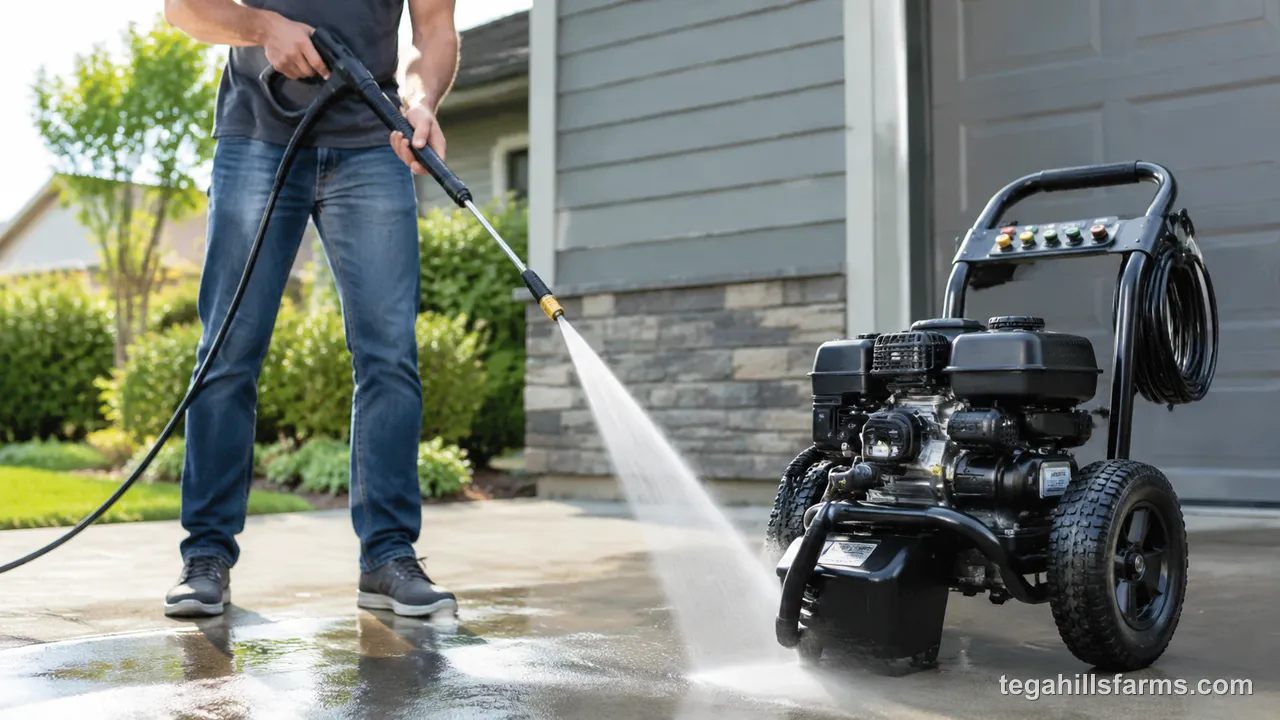
Peak PSI gets the biggest print on the box because it’s the easiest number to advertise. On a house lot, though, the balance of pressure, water flow and durability decides whether a Saturday wash takes an hour or leaves marks on the deck rail. If you’d rather compare individual machines across every power type and job, our roundup of the best pressure washers ranks them by use case.
What PSI and GPM Ranges Actually Matter for Home Use?
PSI sets how hard the water hits, and GPM sets how much water carries the loosened dirt away. Home cleaning needs enough PSI to break a stain loose and enough GPM to rinse it off in reasonable time. Painted surfaces have a low ceiling: car washing is generally kept under 1800 PSI, because higher pressure can lift clear coat and force water past trim seals.
Pressure at the surface drops when you switch to a wider nozzle or step back from the surface. That is why a machine rated well above that ceiling can still wash a car gently with the right tip and distance.
Flow gets less attention on the box, but it decides how long a job takes. The Craftsman CMEPW2100 electric moves 1.2 GPM, while the Westinghouse WPX3400 gas unit pushes 2.6 GPM. The gas machine therefore clears a concrete slab in fewer passes, even before its extra pressure comes into play. Modest flow is plenty for siding, outdoor furniture and cars. On long driveways, flow is what saves the afternoon.
Which Build Features Separate Good Brands From Great Ones?
A machine you replace soon and one you keep for years differ mainly in the motor, the connections and the frame.
Brushless and induction motors run cooler and wear more slowly than the brushed universal motors in many entry-level electrics. That matters if you clean siding in long sessions. Metal hose and wand connections survive repeated hookups, where plastic threads tend to cross-thread or crack. A total-stop system shuts the motor off when you release the trigger, which cuts heat buildup in the pump between bursts.
The frame matters on uneven ground. Wide-set wheels and a low center of gravity keep a tall unit upright on a sloped driveway. Onboard hose and nozzle storage keeps tips from vanishing into the lawn.
Weighing these features against your own jobs is the core of how to choose a pressure washer. At that stage, the build of the specific model should count for more than the brand’s reputation.
Which Pressure Washer Brands Are Most Reliable for Homeowners?
Ryobi and Craftsman earn the most trust for routine house and yard cleaning, Karcher and Greenworks for electric car, deck and siding work, and Simpson, Generac and Westinghouse for heavy gas jobs where engine and pump durability count.
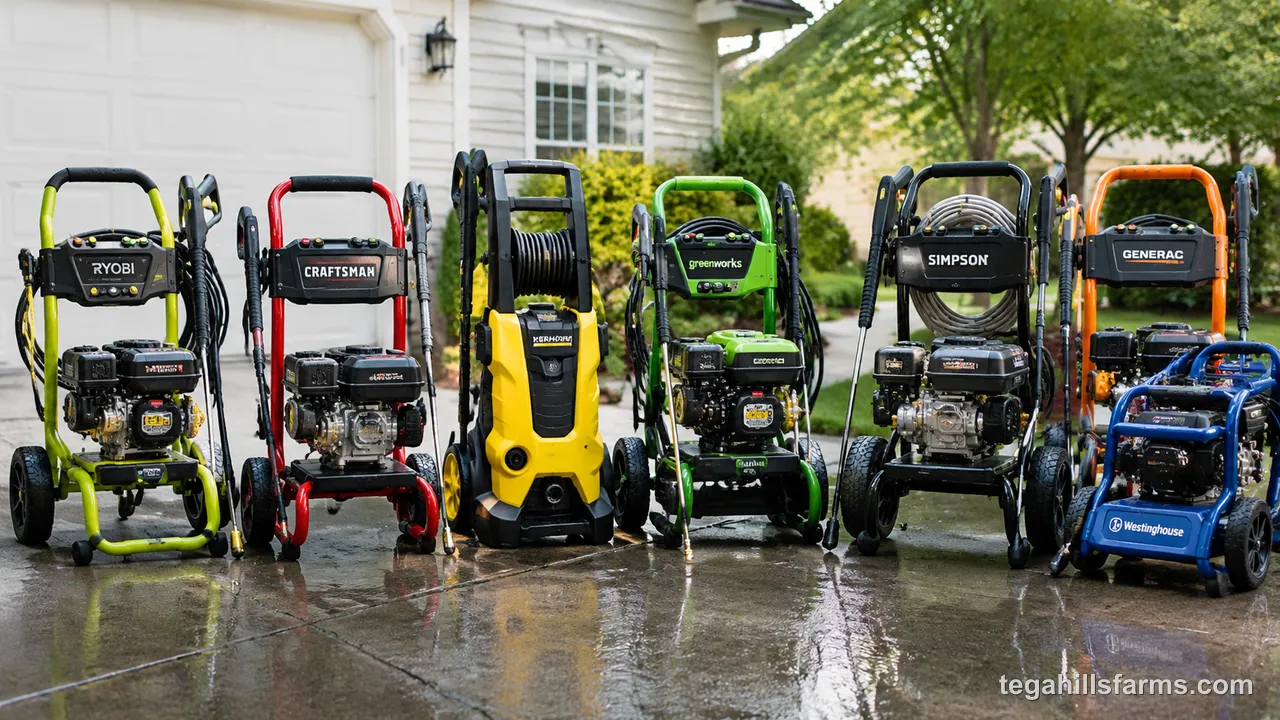
Reliability varies more between models than between logos. The brand tells you where to start, and the model’s motor, pump and fittings tell you how long it will last. Here is how the brands line up by the power types they sell and the work they suit:
| Brand | Main power types | Where it fits best |
|---|---|---|
| Ryobi | Electric, gas, battery | Light carrying weight, easy storage, shared battery platform |
| Craftsman | Electric, gas | Everyday cleaning with extra force for concrete paths |
| Karcher | Electric, gas | Cars, patio furniture and deck work |
| Greenworks | Electric, battery | Higher-pressure electric jobs with a brushless motor |
| Simpson | Gas | Concrete, long driveways, frequent heavy use |
| Generac | Gas | Large outdoor areas and heavy soil |
| Westinghouse | Electric, gas | Mid-power electric through strong gas |
| EGO | Battery | Quick cordless rinses away from an outlet |
Why Do Ryobi and Craftsman Lead for Everyday Homeowners?
Their electric models are light enough to carry up porch steps and compact enough for a garage shelf, yet strong enough for patios, siding and outdoor furniture. The Ryobi 1900 PSI model weighs 20.0 lb. The Craftsman CMEPW2100 weighs 28.0 lb and is rated at 2100 PSI, so Craftsman gives up some carrying ease for extra force on gritty concrete paths.
Easy access to parts is the less obvious reason these two hold up for homeowners. Ryobi sells mainly through Home Depot and Craftsman through Lowe’s. A replacement wand, nozzle set or hose is usually a store trip away rather than a mail order.
Ryobi also has an edge if its batteries already power your trimmer and blower, because its cordless pressure washers run on the same packs.
I’d pick the Ryobi if you’ll carry it around the house, and the Craftsman if most of your cleaning is concrete. Sorting the best Ryobi pressure washers by power source gets you to a specific model quickly. The best Craftsman pressure washers split between compact electrics and gas units built for bigger slabs.
Are Karcher and Greenworks Better for Quiet Electric Cleaning?
They’re quieter than any gas machine, but not clearly quieter than other electrics. The Greenworks TruBrushless is rated at 83 dBA, which is close to the Craftsman CMEPW2100 at 82 dBA and Ryobi’s electric at 85 dBA.
The real difference between them is the kind of work they suit. Greenworks pairs a brushless motor with a 3000 PSI rating, more than the Craftsman or Ryobi electrics deliver. That lets it handle concrete and upper siding without a gas engine’s fumes or fuel storage. The extra capability comes with a 47.0 lb weight, so you’ll wheel it rather than carry it.
Karcher’s compact electrics fit car, patio furniture and deck work. Several K-series models use a twist-adjust spray wand that lowers pressure for softer surfaces without swapping tips. If quiet operation is your main goal, choosing any electric over gas matters far more than choosing between these two.
Do Simpson, Generac and Westinghouse Dominate Heavy-Duty Performance?
They do for long driveways, large patios and stained concrete, because their gas machines pair high pressure with the water flow that carries grime off quickly. The Westinghouse WPX3400 is rated at 3400 PSI, enough to cut through oil spots and mildew on concrete that electric units only fade.
Each brand comes at heavy-duty work differently:
- Simpson builds mostly gas machines for contractors and serious homeowners. Many models use Honda engines, so engine parts and service are easy to find at small-engine shops.
- Generac brings the engine experience behind its home standby generators.
- Westinghouse sells both electric and gas lines, which suits buyers who want one brand across power types.
The trade-off is upkeep. Gas units need oil changes, fresh or stabilized fuel, and pump protection before freezing weather. They must also run outdoors, away from open garage doors, because of carbon monoxide. If you only clean concrete once a year, that maintenance load can outweigh the speed.
How Do Gas, Electric, and Battery Pressure Washer Brands Compare?
Electric lines win on noise, weight and storage, gas lines on cleaning speed over concrete, and battery lines on grab-and-go convenience for small jobs away from an outlet.
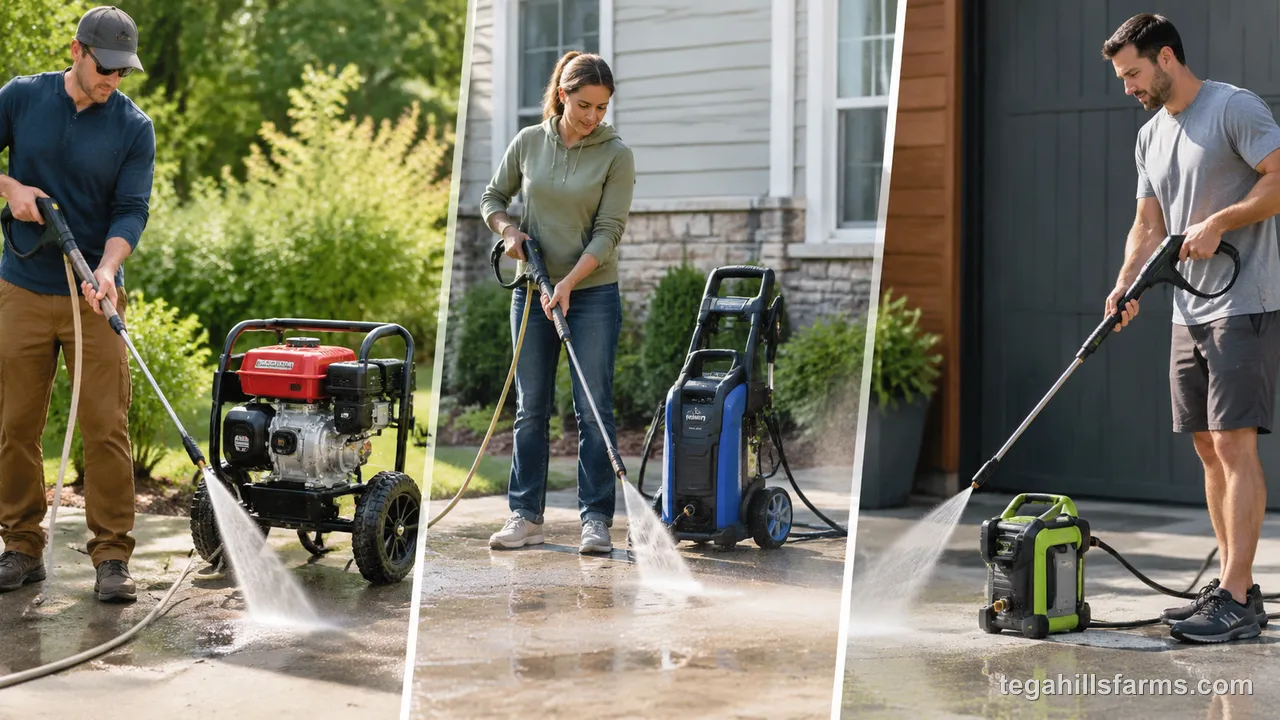
Your outlets and your toughest surface usually make the call. When every surface you clean sits near a GFCI outlet and within reach of a garden hose, electric covers it. When the dirt is on a long driveway or a barn slab far from power, gas finishes far sooner. Battery fills the gap for quick rinses you’d never drag a cord out for.
Which Electric Brands Fit Quiet Suburban Home Use Best?
Ryobi, Craftsman, Karcher, Greenworks and Westinghouse cover most suburban cleaning: cars, vinyl siding, decks and patio furniture. They do it at noise levels that don’t carry down the street the way a gas engine does. Westinghouse’s ePX3500 shows how far electric now reaches, with 2500 PSI and 1.76 GPM, enough for siding and moderate concrete work.
Within the group, each brand suits a different owner:
- Ryobi and Craftsman fit owners who value light weight and easy access to parts.
- Karcher fits car and furniture cleaning.
- Greenworks and Westinghouse fit owners who want more reach into concrete without switching to gas.
Plug the machine directly into a GFCI outlet, and add garden hose length rather than an extension cord. A long or undersized cord starves the motor of voltage, so if you must use one, follow the manufacturer’s cord guidance. Lining up the best electric pressure washers by motor type and weight narrows the choice within these brands.
Which Gas Brands Deliver More Power for Large Driveways?
Simpson and Generac make the most sense when heavy soil, tire marks and years of mildew cover a large concrete area. Westinghouse is a strong option when you want gas power from a brand that also covers electric. Their mix of high pressure and high flow lets a surface cleaner attachment move steadily across a driveway instead of leaving streaks.
Gas also frees you from staying within reach of an outlet. That matters for a long rural drive, a barn floor or a fence line far from the house. Craftsman and Ryobi sell gas models too, but Simpson’s lineup centers on gas, which makes it the first brand to shortlist when concrete is your main job.
Gas engines are loud enough that early-morning use can run into neighborhood noise rules, so check your local ordinances before a dawn driveway session. Comparing the best gas pressure washers by engine and pump type shows which of these brands fit your workload.
Are Battery Brands Like EGO Worth It for Cordless Convenience?
Yes, for quick jobs, if you already own the batteries. EGO’s 56V platform and Ryobi’s cordless line handle muddy mower decks, bikes, boots, patio chairs and car wheels anywhere in the yard. Many battery units can also draw water from a bucket when no spigot is close.
They aren’t built for driveways or full house washes. Runtime ends with the charge, so large surfaces become a slow cycle of swapping and recharging packs.
Buying into a platform only for a pressure washer is hard to justify. The value comes from sharing packs with the trimmer, blower and mower you already run. Store those batteries indoors over winter, since cold garages shorten their life.
Which Brands Offer the Best Value for Your Budget in 2026?
Entry-level electrics from Ryobi, Craftsman, Greenworks and Sun Joe give most homeowners the strongest return, while Simpson and Generac gas machines earn their higher cost only when concrete and large areas fill your cleaning list.
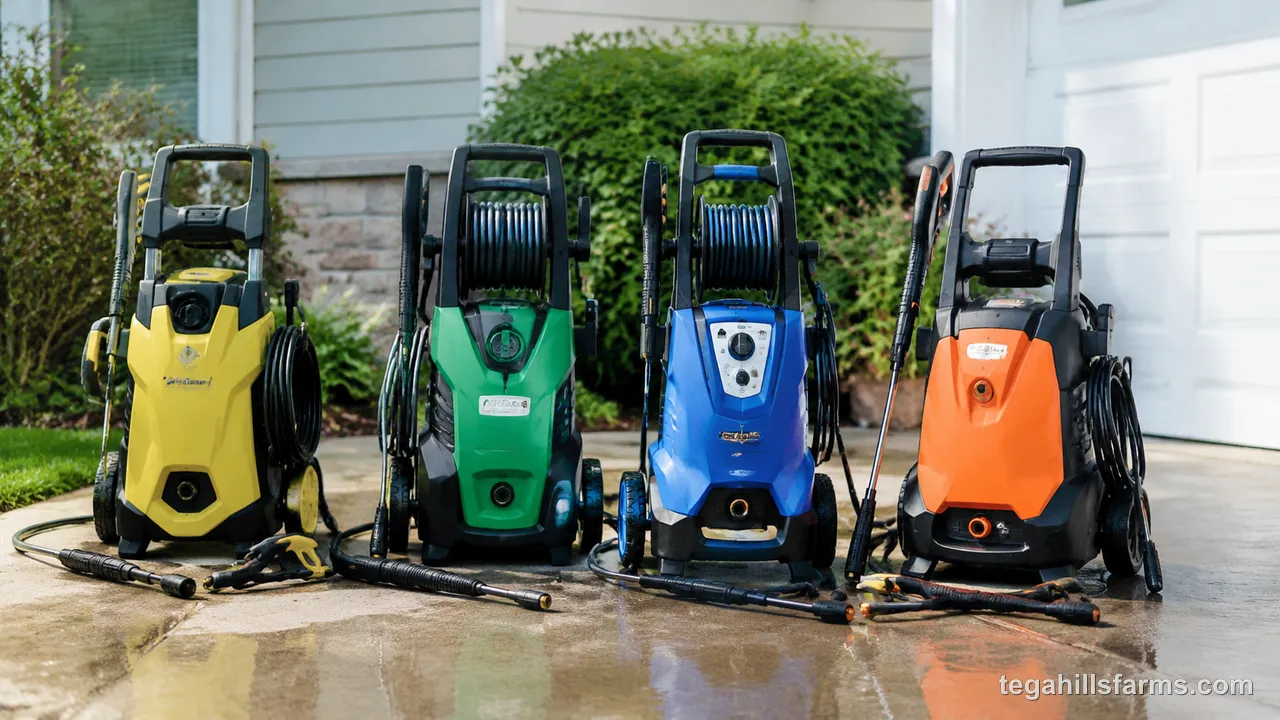
Price follows power source and pump design more than the logo, so the real question is how many hours a year the machine will run. A homeowner who washes a car, a deck and some siding each season can get full use out of pressure washers under $200 from most of these electric lineups.
Which Budget-Friendly Brands Deliver the Most for Under $300?
For first-time buyers, Ryobi and Craftsman deliver the most at this level. Their entry electrics combine adequate pressure, sturdy frames and easy access to parts. Sun Joe and Greenworks round out the field with compact models aimed at cars, patio furniture and light siding.
At this level, value comes from features that cut daily hassle rather than from raw PSI. Look for:
- a total-stop motor
- onboard tip storage
- a detergent tank
- a high-pressure hose long enough to reach around a car without moving the unit
Small lots and occasional cleaning rarely justify more machine than this. If you clean a patio often, put the money you save toward a surface cleaner rather than a bigger motor. Comparing the best pressure washers under $300 by motor type and fittings shows which entry models are built to last past their warranty.
When Is It Worth Paying More for Premium Brands?
Paying more pays off when the machine will run for hours each session or many times a season. That typically means driveways, large patios, long fences or two-story siding. In that kind of use, higher PSI and GPM shorten every job. A longer high-pressure hose saves you from dragging the unit around the house, and a more durable pump survives the hours that wear out an entry model.
Premium machines also run more smoothly from day to day. You get a sturdier frame, a better spray gun with a comfortable trigger and, on gas units, an engine backed by a strong dealer network.
It isn’t worth it when the jobs are light. A premium gas machine used for car washes and patio chairs sits idle most of the year, and its fuel system and pump need care whether you use it or not. I’d put premium money into the pump and engine you’ll actually wear out, not into a PSI rating you’ll use once a year.
How to Match a Brand to Your Home Cleaning Task?
Compact electrics from Ryobi, Craftsman and Karcher suit cars and foam cannons, adjustable electrics from Greenworks and Westinghouse suit decks and siding, and high-flow gas machines from Simpson and Generac suit driveways.
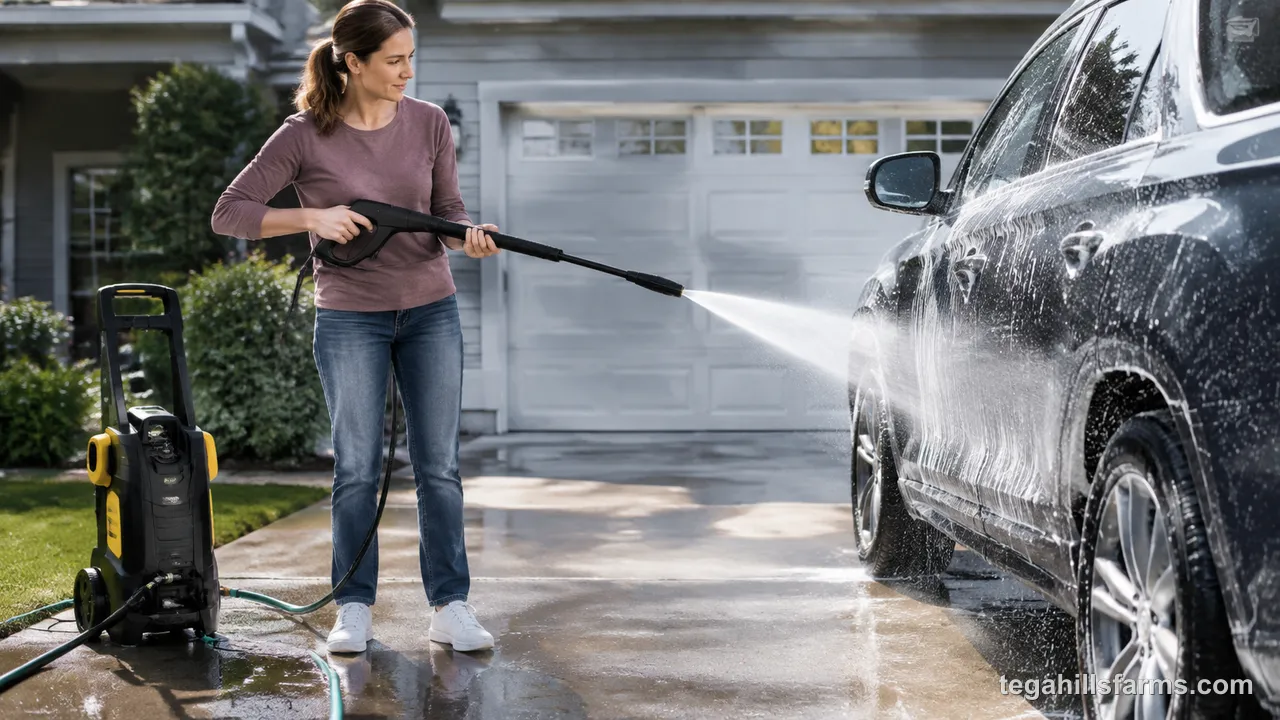
The surface material matters more than how dirty it is. The wrong pressure on soft wood or paint does damage that no amount of washing removes. Buy for the job you repeat most, and use nozzles to adapt the machine to everything else.
Which Brands Are Safest for Cars and Foam Cannons?
Compact electrics from Karcher, Ryobi and Craftsman are the safest match for car washing, because their moderate pressure leaves room for error and they pair easily with foam cannons. Even when a model is rated above the car-safe range, the 40-degree white tip and some distance from the paint bring the pressure down to a gentle level.
On most Ryobi and Craftsman models, foam cannons attach through the wand’s standard quick-connect fitting. Several Karcher units use their own wand connection, so check for an adapter before buying a third-party cannon. Thick foam also depends on steady water flow, so a machine with very low GPM produces runny suds.
Westinghouse’s electrics work for cars too, but their higher pressure calls for more care with tip choice. Keep the 0-degree red tip out of reach during car washes, since it can cut into clear coat and tire sidewalls in a single pass.
Which Brands Handle Decks and House Siding Without Damage?
Greenworks, Westinghouse and Karcher electrics handle wood and siding well because they let you control pressure, through adjustable wands or a full set of quick-connect tips. On softwood decks like pine and cedar, the 25-degree green tip held at an angle lifts gray weathering without raising the wood fibers. Narrow tips can carve lines into the boards that still show after staining.
Vinyl siding needs a different habit:
- Spray level or slightly downward, so water isn’t forced up behind the laps.
- Use an extension wand or a soap nozzle for the second story instead of climbing a ladder with a pressure washer.
Greenworks’ higher pressure helps you reach upper siding from the ground, but turn it down on old paint and soft trim. Shortlisting the best pressure washers for decks with pressure control keeps one machine useful for both the deck and the house.
Which Brands Power Through Driveways and Heavy-Duty Jobs?
Simpson, Generac and Westinghouse gas machines are built for driveways and other heavy-duty jobs: high pressure breaks stains loose, and high flow sweeps them away. Greenworks’ brushless electric is the exception for owners who want to stay electric. It has enough pressure for moderate concrete work on a smaller driveway.
A surface cleaner attachment changes driveway work more than any spec increase. It holds the nozzle at a fixed height above the concrete, cleans a wide path in one pass, and prevents the striping a wand leaves behind. Pre-treating oil stains with a degreaser loosens them in a way extra pressure alone won’t.
Sorting the best pressure washers for driveways by flow rate and surface-cleaner compatibility points you to the right model within these brands.
Two pressure washers can look nearly identical on the shelf while one uses a sealed pump that can’t be rebuilt, a stiff PVC hose, or a fitting size no local store stocks. Those differences stay hidden until the spring the pump starts leaking or a replacement hose won’t thread on, and by then the only fix the brand offers may be a whole new machine.
What Hidden Brand Details Affect Long-Term Ownership?
Pump design, fitting standards and parts support decide how long a pressure washer stays useful, and none of them show up in the headline PSI. Most consumer electrics use axial cam pumps, which are compact and inexpensive but usually replaced rather than rebuilt. Some premium gas units, including certain Simpson models, use triplex pumps that can be serviced with seal kits and hold up longer under heavy use.
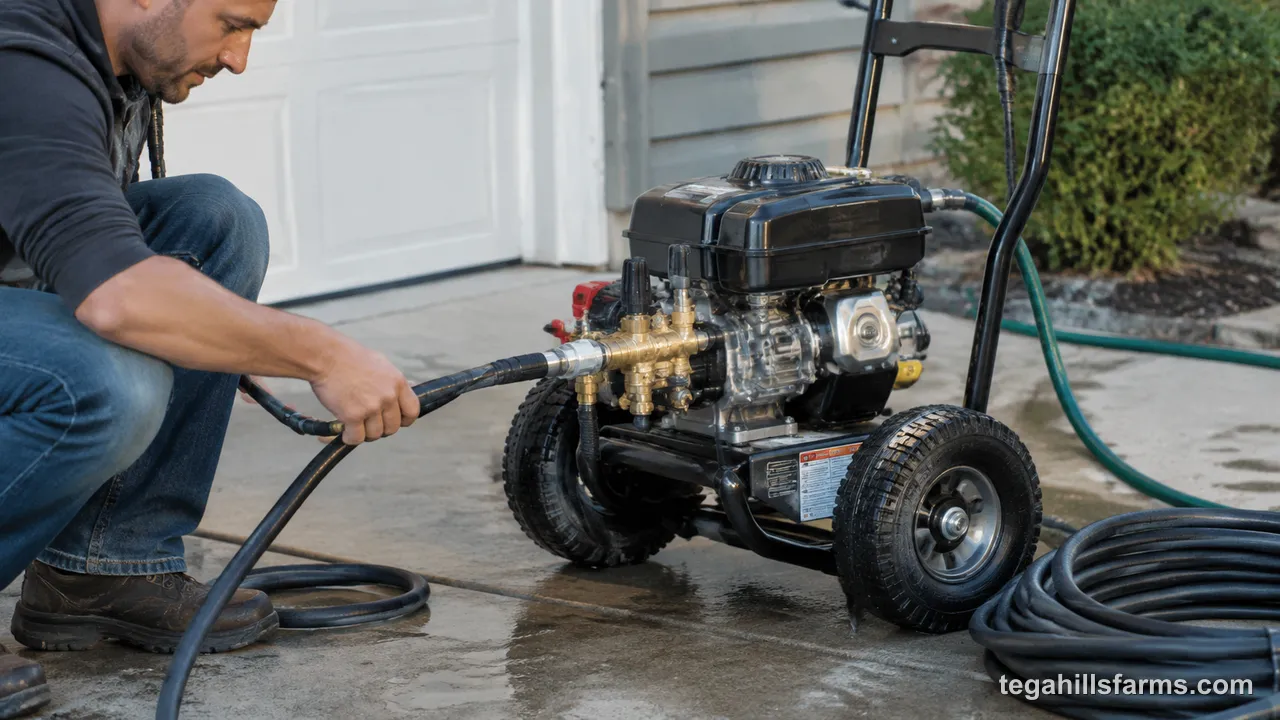
Fittings are the next trap. High-pressure hose connections labeled M22 come in two bore sizes that look nearly identical, and some brands use their own wand fittings. A replacement hose or wand may therefore not seal without an adapter. Tips with a 1/4-inch quick-connect plug are the closest thing to a universal standard. If you upgrade, the best pressure washer hoses with rubber or polyurethane walls stay flexible in cool weather, while stock PVC hoses kink and coil stiffly.
Parts support finishes the picture. Brands sold through big-box chains or backed by a dealer network make it simple to replace a trigger gun, an unloader valve or an O-ring kit. An obscure import may leave you without parts once the model is discontinued.
How to Avoid Overbuying or Buying the Wrong Brand Tier?
Sizing the machine to the job you repeat every season, not the one you face once, prevents both mistakes, and renting covers the rare heavy cleanup.
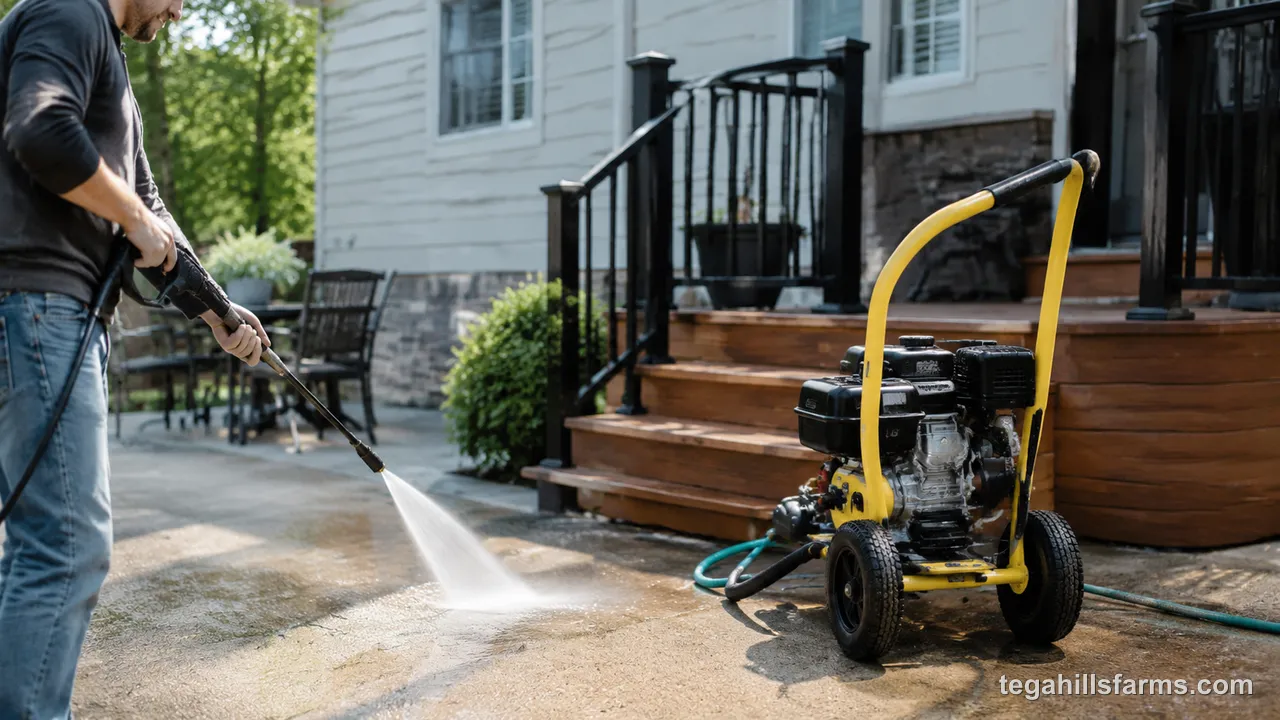
Overbuying looks like a gas machine bought for car washes and patio chairs. It’s heavy to move, loud for a suburban street and risky on paint, and it still needs fuel care and pump protection all winter. Underbuying looks like a small electric on a long, stained driveway, where low flow drags the job out for hours longer and the motor runs hot the whole time.
The middle tier fits most single-family homes that clean a mix of siding, decks, cars and a standard driveway. For that buyer, the best pressure washers under $500 include mid-range electric and entry gas models with enough flow for concrete that stay manageable on cars with the right tip. Before checkout, list the jobs you do every season and confirm the model handles the toughest of them comfortably.
Quick Brand Questions Homeowners Ask Before Buying
What is the most reliable pressure washer brand for homeowners?
No single brand wins every category. Ryobi and Craftsman are dependable for everyday electric cleaning, with parts available at big-box stores. Simpson and Generac stand out for gas durability on heavy concrete. Within any brand, the specific model’s motor, pump and fittings matter more than the name on the housing.
Is Ryobi or Craftsman better for home use?
Ryobi suits owners who carry the machine around the house or already use its battery tools, since its electric is lighter. Craftsman suits owners who clean more concrete, because its electric delivers more pressure at a slightly heavier weight. Both are easy to service through major home-improvement chains.
Which pressure washer brand is best for washing cars?
Compact electrics from Karcher, Ryobi and Craftsman are the easiest to use safely on paint. Pair them with the widest standard tip and a foam cannon, and check whether the wand needs an adapter for third-party accessories. Skip gas machines for regular car washing, since their pressure leaves little margin for error.
Are expert ratings useful when comparing brands?
They help when they cover the exact model number you’re considering. A brand’s flagship can earn strong marks while its entry model uses a different motor and pump, so a high rating on one doesn’t carry over to the other. Match the reviewed model’s specs, power source and weight to your listing before trusting the score.
More Guides on Best Pressure Washer Brands
- Best Westinghouse Pressure Washers
- Best Greenworks Pressure Washers
- Best Karcher Pressure Washers
- Best Simpson Pressure Washers
- Best Sun Joe Pressure Washers
- Best DeWalt Pressure Washers
- Best EGO Pressure Washers