
Best Leaf Blowers Brands Compared in 2026 – Top Picks
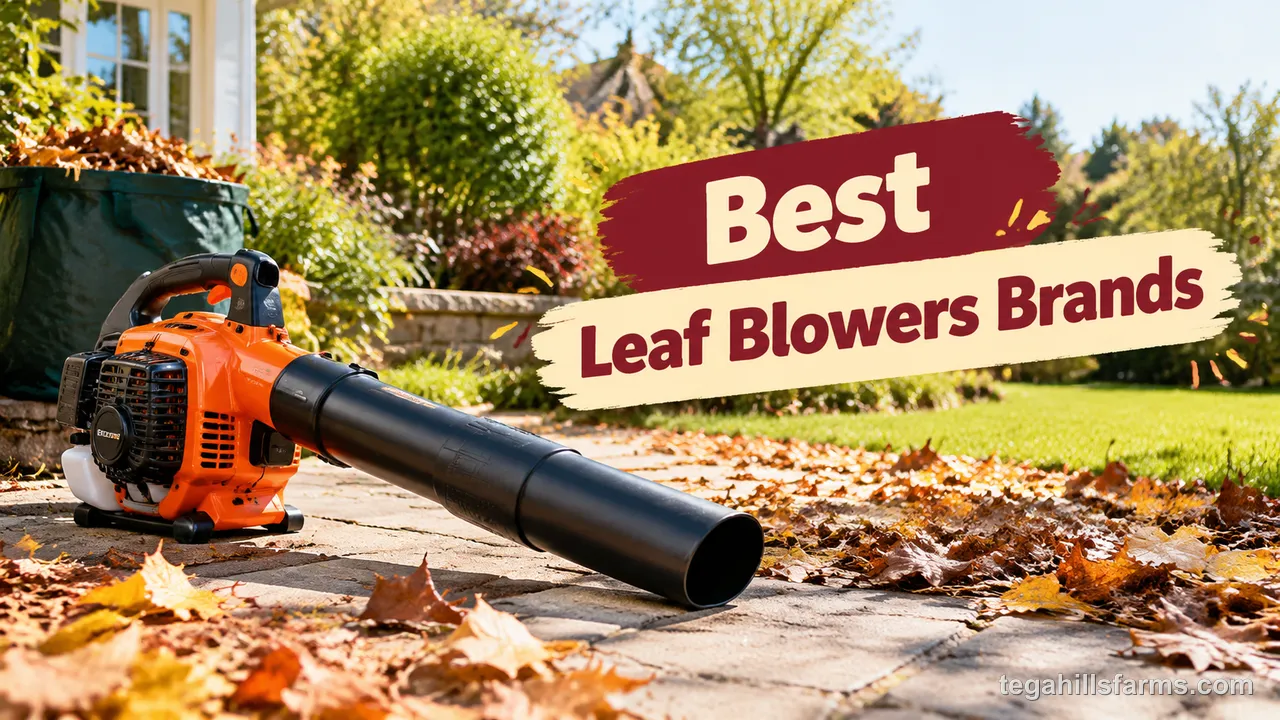
The top leaf blower brands for 2026 fall into four groups. EGO and Greenworks lead for battery power without an engine to maintain. Stihl, Husqvarna and Echo handle heavy debris on large properties. Ryobi, DeWalt, Milwaukee and Makita suit owners who already run those tool batteries. Toro, Craftsman, BLACK+DECKER and WORX cover small yards and light cleanup.
Each brand earns its place on four things:
- how it powers its blowers
- whether its batteries run your other tools
- how much air a blower moves for the weight in your hand
- how much upkeep the engine or pack demands
Peak airflow printed on the box tells you less than whether the machine fits your lot and the tools already hanging in your garage.
The expensive mistake is committing to a platform and regretting it a couple of seasons later. That can mean a pack that fades halfway through fall cleanup, a gas engine that won’t start after winter, or a brand whose nearest repair shop is a long drive away.
If you already own batteries from one of these brands, start your shortlist there. A bare blower that takes your existing packs skips the cost of a new battery and charger.
What Defines the Best Leaf Blower Brands in 2026?
Raw power matters less than airflow matched to your debris, a platform you’ll keep buying into, and service you can reach close to home.
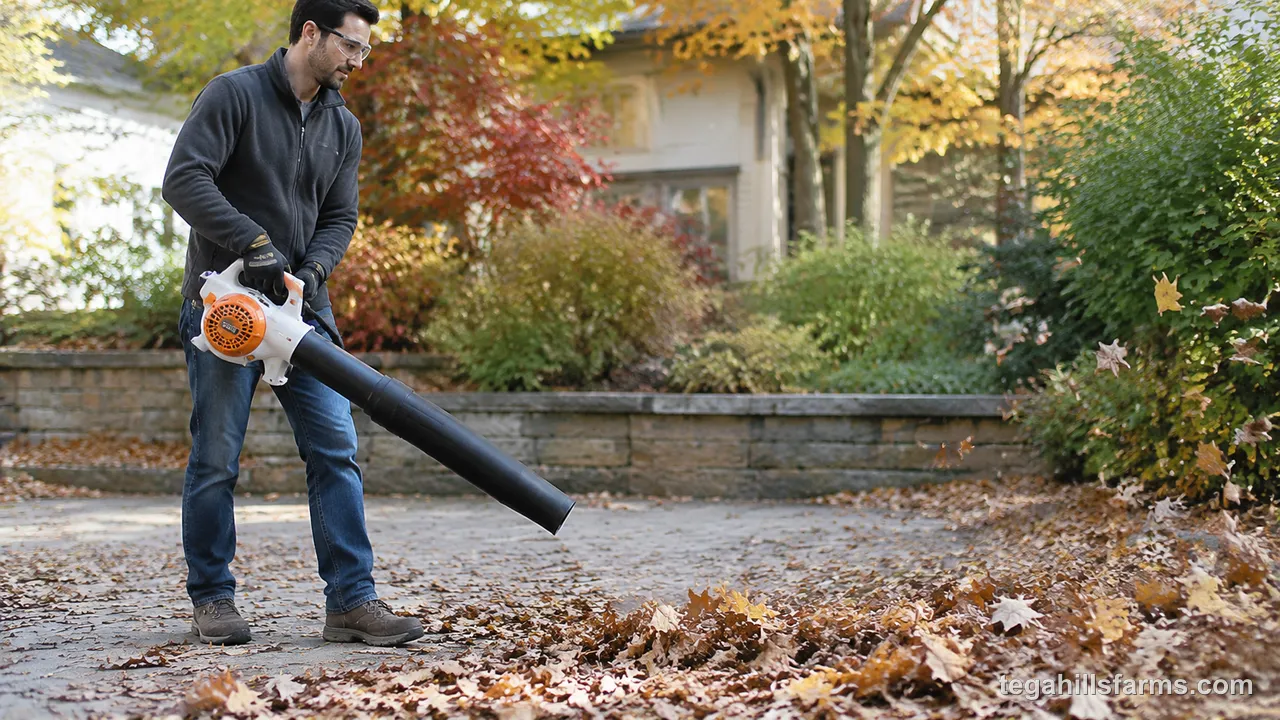
Airflow, rated in CFM, sets how big a pile you can push in one pass. Air speed in mph decides whether you can peel wet leaves off the grass. A brand that publishes both, along with its test conditions, lets you compare honestly.
The platform matters because every battery brand locks its packs to its own tools. Picking a blower is really picking the battery you’ll buy again for your trimmer and mower.
Service decides how long a gas model stays useful. Carburetors and starter cords eventually need a technician, and a brand with no shop nearby turns a small repair into a long wait.
The four brand groups compare on those criteria as follows:
| Criterion | EGO, Greenworks | Ryobi, DeWalt, Milwaukee, Makita | Stihl, Husqvarna, Echo | Toro, Craftsman, BLACK+DECKER, WORX |
|---|---|---|---|---|
| Main power source | Battery | Battery shared with power tools | Gas, plus battery lines | Corded, battery and some gas |
| Battery sharing | Across the brand’s yard tools | Across drills, saws and yard tools | Within each brand’s battery line | Within each brand’s tool line |
| Best yard fit | Suburban lots and mid-size yards | Owners already on the platform | Large properties and heavy debris | Small to mid-size yards |
| Upkeep | Low | Low | Higher on gas models | Low |
| Service access | Retail and authorized service centers | Retail and tool-service centers | Dealers, plus retail for some models | Retail stores |
If you’re still weighing the full field, our guide to the best leaf blowers puts these brands in context across every power type and use case.
Which Battery Brands Lead for Cordless Leaf Blowers?
Pure yard-battery output favors EGO and Greenworks, while Ryobi, DeWalt, Milwaukee and Makita pay off when their tool packs already sit on your shelf.
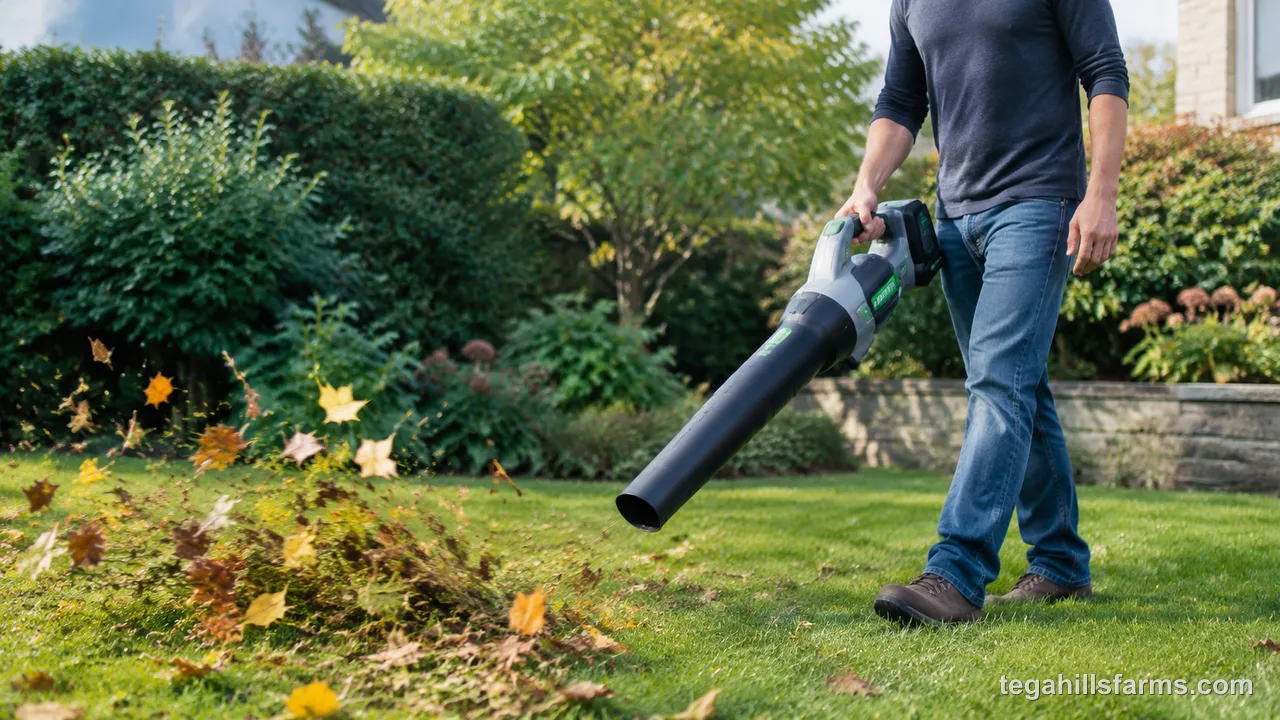
The deciding factor is which battery you’ll still be buying years from now. A blower is often the second or third tool on a platform, after a trimmer or a drill, and the pack you choose now sets the cost of every tool after it.
Spec sheets help only when you read voltage, airflow and weight together. A strong motor on a heavy pack can wear you out before the driveway is clear.
Why Do EGO and Greenworks Stand Out for Battery Performance?
EGO builds only battery-powered equipment, so its 56V packs run everything from its blowers to its mowers. The EGO Power+ 615 CFM Blower (LB6151) shows what that platform delivers.
It weighs 7.8 lb with the battery and runs 16 minutes on its highest standard setting. That handles a driveway, walks and front beds in one charge, but a leaf-heavy lot calls for a second pack. Lower settings stretch the runtime for routine weekly cleanup.
Greenworks splits its range across voltages: a 40V line aimed at homeowners and an 80V line built for heavier output. It also still sells corded models for small yards near an outlet. That spread lets you pick a power level without leaving the brand, though the 40V and 80V packs don’t swap between lines.
I’d start with EGO if you want one battery to run a full yard kit. Compare the best EGO leaf blowers against Greenworks’ 80V models before committing.
How Do Ryobi, DeWalt, Milwaukee and Makita Leverage Tool Ecosystems?
These four split into a homeowner camp and a contractor camp, and that split matters more than any single blower spec.
Ryobi sits on the homeowner side. Its ONE+ batteries run a long list of drills, sanders and yard tools, and a separate higher-voltage outdoor line adds stronger blowers for bigger yards. If your garage is already full of green tools, the best Ryobi leaf blowers let you add serious cleanup power without another charger on the bench.
DeWalt and Milwaukee build for jobsites. Their blowers run on the same packs as their drills and saws, which suits a homeowner who already owns those tools for remodeling work. Their yard lineups are narrower than a dedicated outdoor brand’s, so the blower is an add-on to the tool kit rather than the center of it.
Makita bridges both camps with its LXT line. Several of its outdoor tools draw from two packs at once to reach higher output without a separate battery format.
What Do Voltage, CFM and Weight Mean for Your Yard?
Voltage sets the power ceiling, CFM tells you how much leaf volume moves per pass, and weight with the battery decides how long your arm holds out.
A higher-voltage system delivers the same power at lower current, so the motor and pack run cooler under load. That is why yard-focused brands build on bigger platforms.
The gap shows in budget models. The EWORK EK-01GYG runs on 21V and rates 510 CFM and 85 mph on turbo, with a 12.5-minute runtime on its highest standard mode. That fits a patio, deck and short driveway rather than a lawn buried in oak leaves.
Weight cuts the other way. The Husqvarna Leaf Blaster 350iB weighs 10.2 lb with its battery, noticeably heavier than the EGO blower, and you carry that difference for every minute of a long cleanup.
Read all three numbers together. High airflow on a heavy pack suits big, short jobs. A lighter blower with moderate CFM is easier to live with during long weekly sessions.
Which Gas and Pro-Grade Brands Still Dominate for Maximum Power?
Large properties and heavy, wet debris still call for Stihl, Husqvarna and Echo, and each now backs its gas engines with battery backpack options.
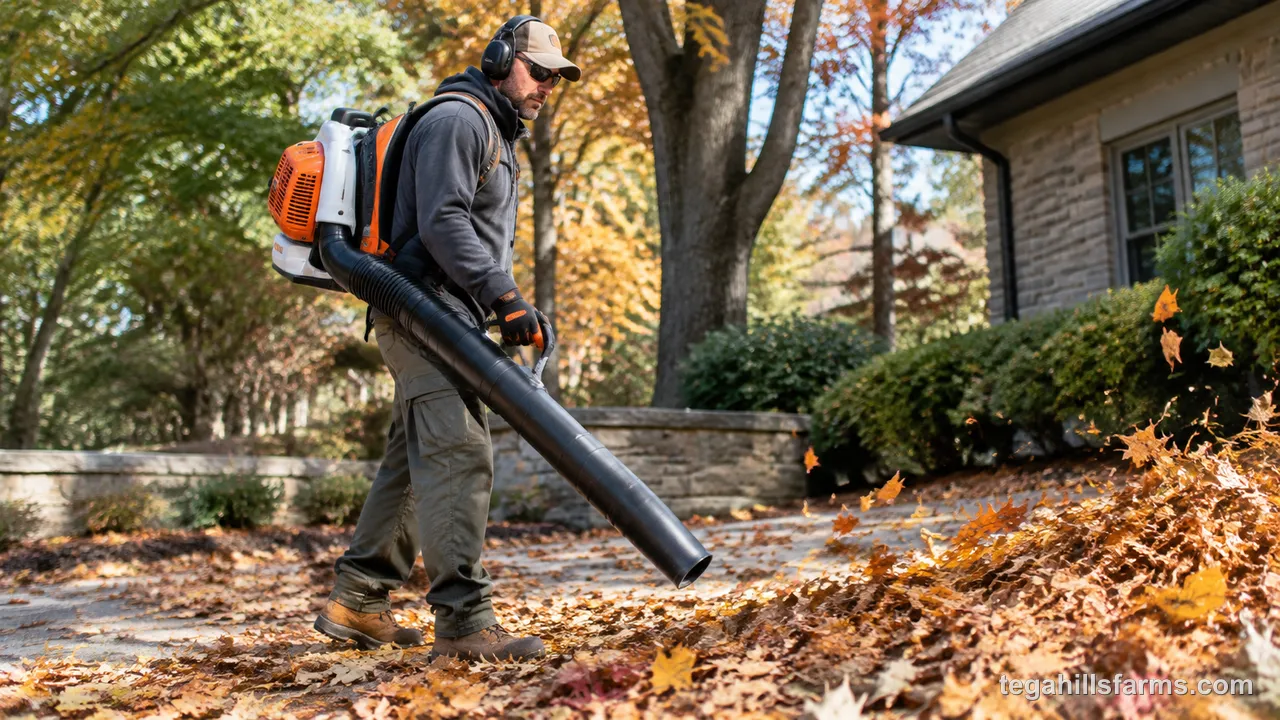
Choosing among them depends less on peak numbers than on who will service the machine. A backpack blower on a big property works hard every fall, and a local dealer who stocks parts keeps it running.
The other question is whether you need gas at all. Battery backpacks from these same brands now cover jobs that used to require an engine.
How Do Stihl and Husqvarna Compare for Pro-Level Blowing Power?
Husqvarna gives you published battery figures to compare, while Stihl’s strength is a deep gas backpack lineup backed by dealers.
The Husqvarna Leaf Blaster 350iB runs on a 36V platform. It rates 1105 CFM and 153 mph on turbo, measured 5 inches from the nozzle, so match the test conditions before setting it against another brand’s rating. On its highest standard mode it runs 37.4 minutes, enough for a long front-to-back pass on a sizable lot.
Stihl sells mainly through independent dealers, so setup, fuel-system tuning and repairs come from the shop where you bought the blower. Its gas backpacks suit wooded lots where leaves pile deep, and its battery line gives quieter options for work closer to the house.
Husqvarna sells through both dealers and big-box retail. That makes it easier to find, but the service you get depends on where you buy.
If you’re weighing the best Husqvarna leaf blowers against a Stihl, I’d let the nearest dealer decide it. Both brands make capable backpacks, and the shop down the road determines how fast yours gets fixed.
Where Does Echo Fit for Durability and Commercial Use?
Echo is a gas-first brand built around commercial-grade two-stroke handhelds and backpacks. That focus makes it a strong fit when you want an engine that keeps starting season after season.
Its blowers use straightforward engine designs, with parts sold through a wide dealer network. A clogged spark arrestor screen or a worn starter rope becomes a quick fix rather than a long wait for parts.
The trade-off is that Echo’s appeal rests on gas. You take on fuel mixing, stale-fuel prevention and winter storage. Echo also sells a battery line, but its long-run value comes from the gas machines.
When you compare the best Echo leaf blowers, the backpack models are where the brand’s commercial build pays off on a large property.
Should You Still Choose a Gas Brand Over Battery?
Gas still makes sense when your property is large or wooded, your leaves arrive wet and matted, or you need to blow for long stretches without stopping to swap packs. In those cases a gas backpack refuels on the spot and keeps full power until the tank runs dry.
For a typical suburban lot, battery is the better choice. It starts with a trigger, needs no fuel or spark plugs, and stores without draining a carburetor each winter.
Gas also brings noise that some towns restrict. Check local rules before buying an engine-powered blower, especially if you clean up early in the day.
Which Homeowner-Focused Brands Offer the Best Value?
Everyday cleanup on mid-size lots fits Toro and Craftsman, while small yards and quick sweeps fit BLACK+DECKER and WORX at the entry price tier.
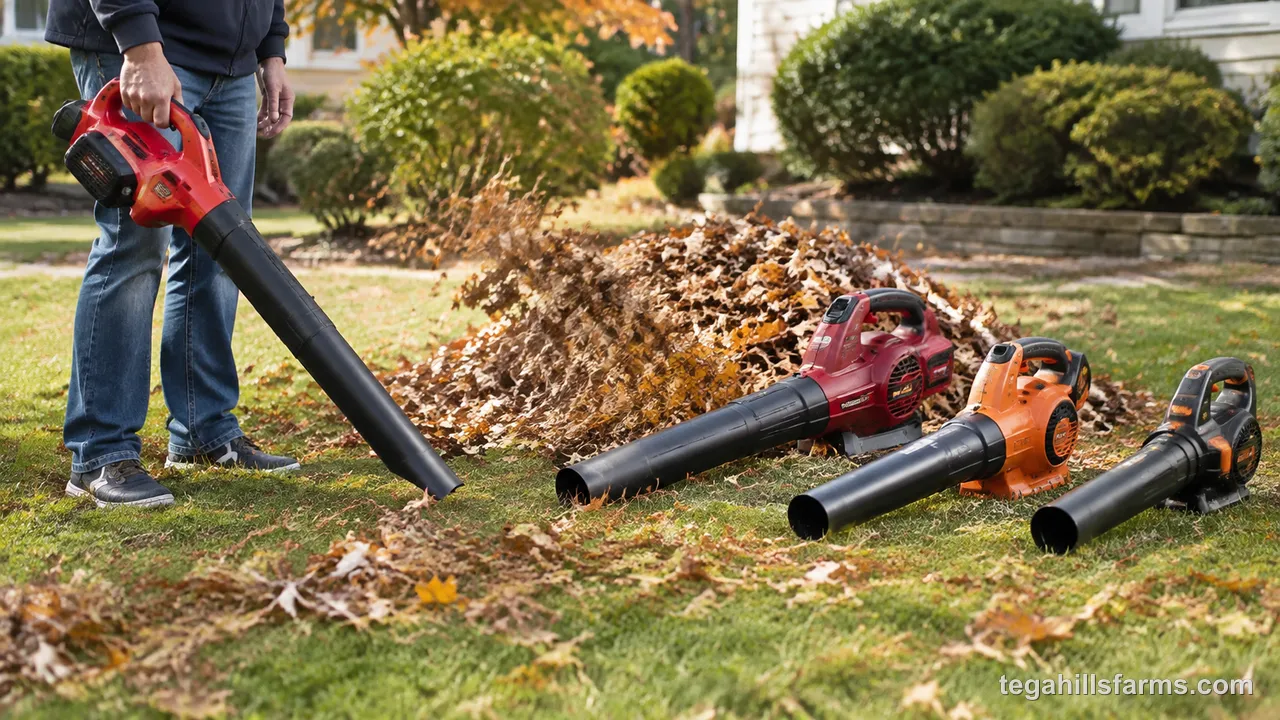
Value here means paying for the job you actually have. A blower that clears a patio and a short driveway does not need a backpack’s airflow, and the bigger machine adds weight and cost you’ll carry every week.
The battery platform still counts in this tier. A cheap blower on a battery you won’t reuse loses its value when that pack wears out.
What Do Toro and Craftsman Offer for Everyday Homeowners?
Toro and Craftsman both prioritize ease of use: machines that start fast, weigh little, and cover a typical yard without a dealer visit.
Toro’s strength is versatility. Its corded blower-vacs blow, vacuum and mulch leaves into a bag, and its battery line shares packs with its mowers. That combination suits a homeowner who wants one battery for both mowing and fall cleanup.
Craftsman covers more power types under one name, selling gas and cordless blowers through Lowe’s. Its cordless line shares batteries with its hand tools, which makes it a practical match if you already own Craftsman drills. The gas models give a step up for leafier lots without moving into pro-brand territory.
Neither brand targets heavy wooded properties, so both are best suited to ordinary suburban yards.
Are BLACK+DECKER and WORX Smart Picks for Small Yards and Light Use?
Both work well for small yards, but they solve different problems.
BLACK+DECKER leans on corded blower-vacs and compact cordless sweepers. These suit a patio, deck or driveway within reach of an outlet and an extension cord. The appeal is low weight and almost no upkeep, and the best Black Decker leaf blowers make sense if you clear a small space often and never face deep piles.
WORX fits the owner who wants cordless freedom on a small lot. Its PowerShare batteries run a wide range of yard tools, and some blowers draw from two packs at once for extra output, so you can grow the kit without changing platforms.
Neither brand is built for wet, matted leaves across a big lawn. That job calls for a high-voltage battery or gas machine.
How Do You Match a Brand to Your Yard, Power Source and Budget?
Shortlist by power source first, narrow by yard size and noise limits, then let budget tier choose among the brands left.
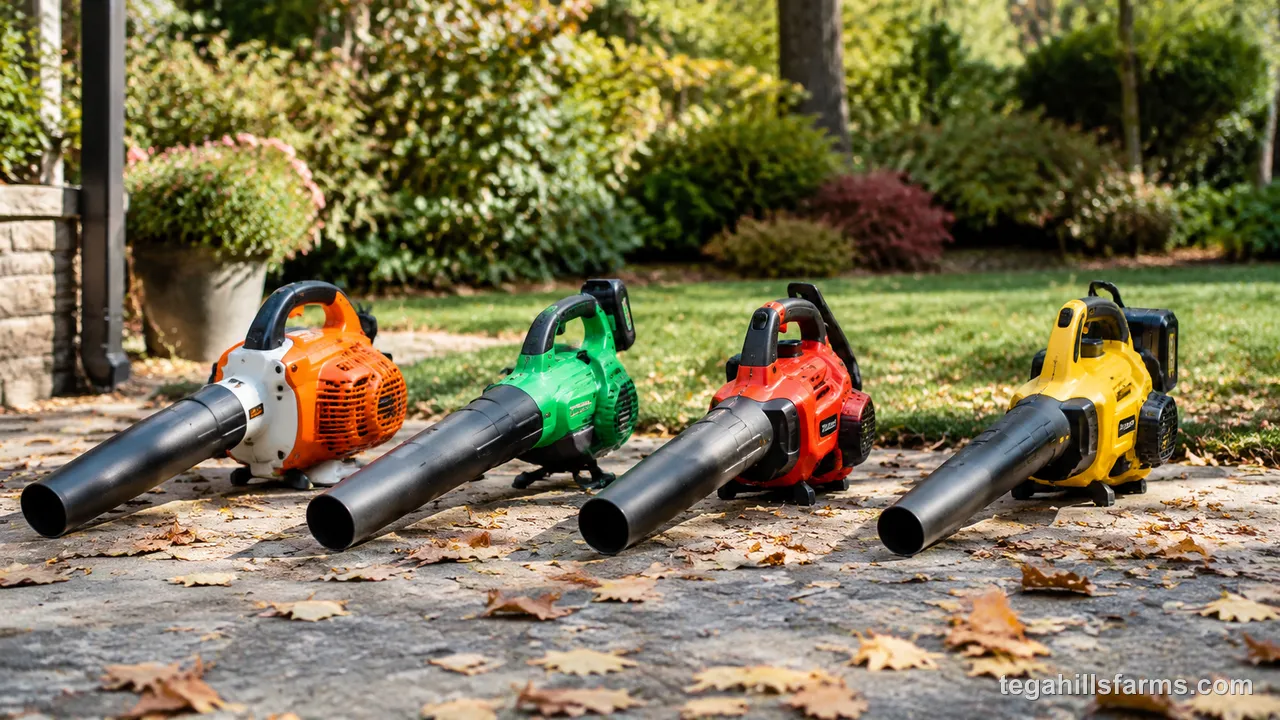
That order works because power source rules out whole brand groups at once. Yard size and noise then decide how much airflow and runtime you need from what remains. Budget comes last so it trims the list instead of steering you toward a machine that can’t finish your yard.
For a spec-by-spec walkthrough beyond brands, our guide on how to choose a leaf blower covers nozzle types, decibel ratings and handling.
Which Brands Excel by Power Source: Cordless, Gas, Corded and Electric?
Each power source has a short list of brands that build their lineups around it. Match the brand to how and where you blow:
- Choose EGO or Greenworks if you want cordless power strong enough for a full suburban lot and one battery for every yard tool.
- Choose Ryobi, DeWalt, Milwaukee or Makita if you already own their tool batteries and want a blower without buying a new charger.
- Choose Stihl, Husqvarna or Echo if you clear large, wooded or wet properties and want gas power or a pro-grade battery backpack.
- Choose Toro, BLACK+DECKER or WORX if you clean a small space near an outlet and want a corded blower-vac that also mulches.
- Choose Greenworks or Toro if you want electric power both ways: corded for the patio and battery for the back lawn.
Electric covers both corded and cordless models. Corded blowers run as long as the outlet stays live, with no fuel to mix or pack to charge.
Before you commit to a battery platform, compare the best cordless leaf blowers across these brands so the pack you buy fits the tools you’ll add later.
How Should Yard Size, Noise and Runtime Narrow Your Brand Shortlist?
Yard size sets the airflow you need, noise limits push you toward battery or corded, and runtime decides whether one pack is enough.
- Small lot or townhouse patio: a quiet cordless or corded blower from WORX, BLACK+DECKER or Toro clears the space before noise becomes an issue.
- Mid-size suburban yard: EGO, Greenworks or Ryobi’s higher-voltage line, ideally with a second battery for fall.
- Large or wooded property: Stihl, Husqvarna or Echo, either gas or a battery backpack.
Noise can override yard size. An HOA rule or close neighbors may push you toward battery even on a big lot, which means planning for spare packs.
Runtime is the last check. A blower that dies halfway through the job sends you back to the charger before the leaves are bagged.
How Does Budget Shape Which Brand Tier Makes Sense?
Budget tiers map closely to brand tiers:
- Under-$100 tier: mostly corded blowers and compact cordless sweepers from BLACK+DECKER, WORX and Toro, suited to small spaces.
- Under-$200 tier: homeowner battery kits from Ryobi, Greenworks and Craftsman, which handle a typical suburban yard.
- Under-$300 tier: high-voltage kits from EGO and Greenworks plus entry gas models, the point where mid-size and leafy lots get covered.
- Above that tier: pro backpacks from Stihl, Husqvarna and Echo.
Overbuying is the common trap at every tier. If you already own a brand’s batteries, a bare tool can put a higher tier’s blower within reach without paying for another pack.
A replacement battery for a high-voltage blower can cost a big share of what the whole kit did, and it fits only that brand’s tools, so the brand you pick today sets what you’ll pay when the pack wears out. Service follows the same pattern, since a gas blower bought online may have no nearby dealer willing to work on it. Skip those details and the blower that looked right in the store can sit unused through peak leaf season, waiting on a pack you can’t replace cheaply or a repair shop hours away.
What Ownership Realities Do Brand Spec Sheets Rarely Show?
Battery lock-in, charge time, service access, noise rules and off-season storage shape long-term satisfaction more than airflow ratings, and none of them appear in the headline specs.
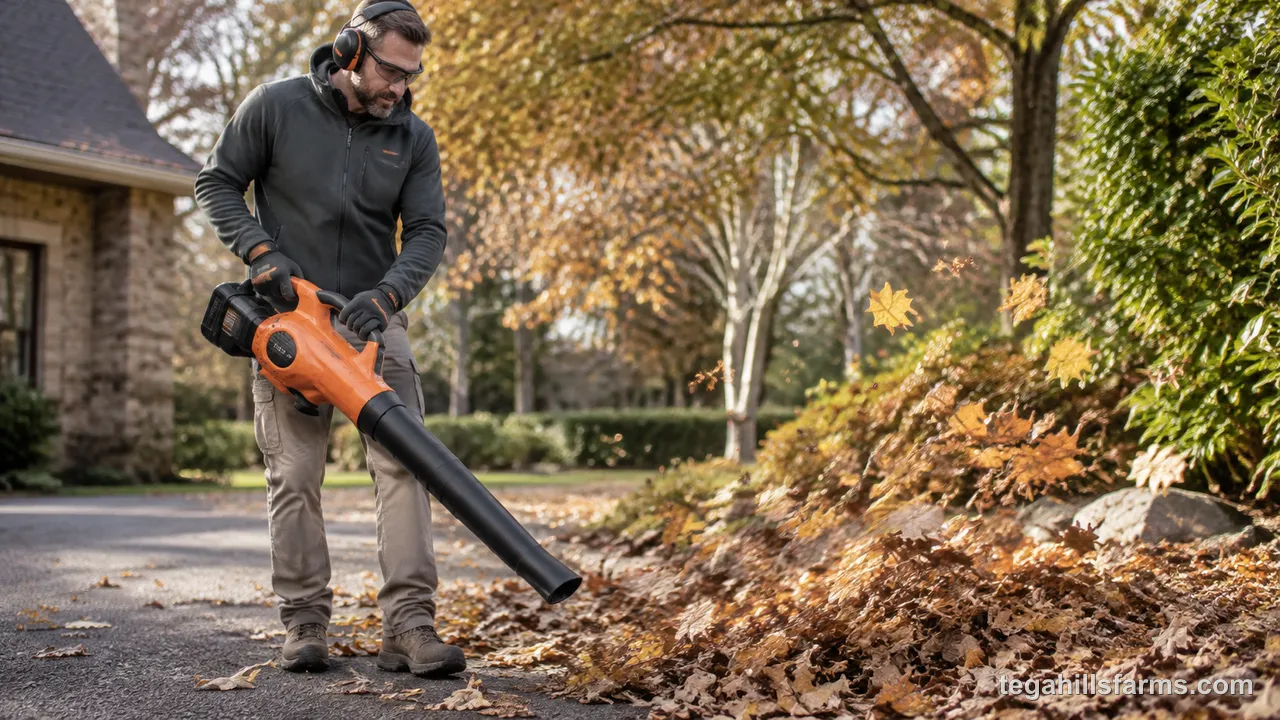
- Battery lock-in comes first. Packs fit only their own brand, and replacement packs on high-voltage platforms are a major expense. The second battery you buy often costs more attention than the blower itself, so price the platform rather than just the tool.
- Charge time decides how a cleanup day flows. The EGO blower’s battery charges in 45 minutes, while the Husqvarna 350iB’s 7.5 Ah pack takes 70 minutes. With a single pack, that gap determines whether a coffee break finishes the job or you need a spare on the charger.
- Service access varies by brand. Dealer-sold brands handle repairs locally. Retail-focused brands may route repairs through a service center you have to ship to or drive to. Check where the nearest authorized repair point is before you buy.
- Noise shapes when you can work. Battery and corded blowers run quieter than gas, and some neighborhoods limit early-morning or gas-powered blowing. If that applies to you, the best quiet leaf blowers deserve a look before raw power does.
- Storage protects the investment. Lithium packs keep best indoors, away from freezing garages and summer heat, and stored partly charged rather than full or empty. Gas engines need stabilized fuel or a drained tank before winter, or the carburetor gums up by spring.
How Can You Spot Authentic Products and Avoid Premature Wear?
Buy from the brand’s authorized dealers or official retail partners, and check the battery, charger and serial label before first use. Knockoff packs and gray-market units can look close to genuine, but they tend to fail sooner and may not be covered by the manufacturer’s warranty.
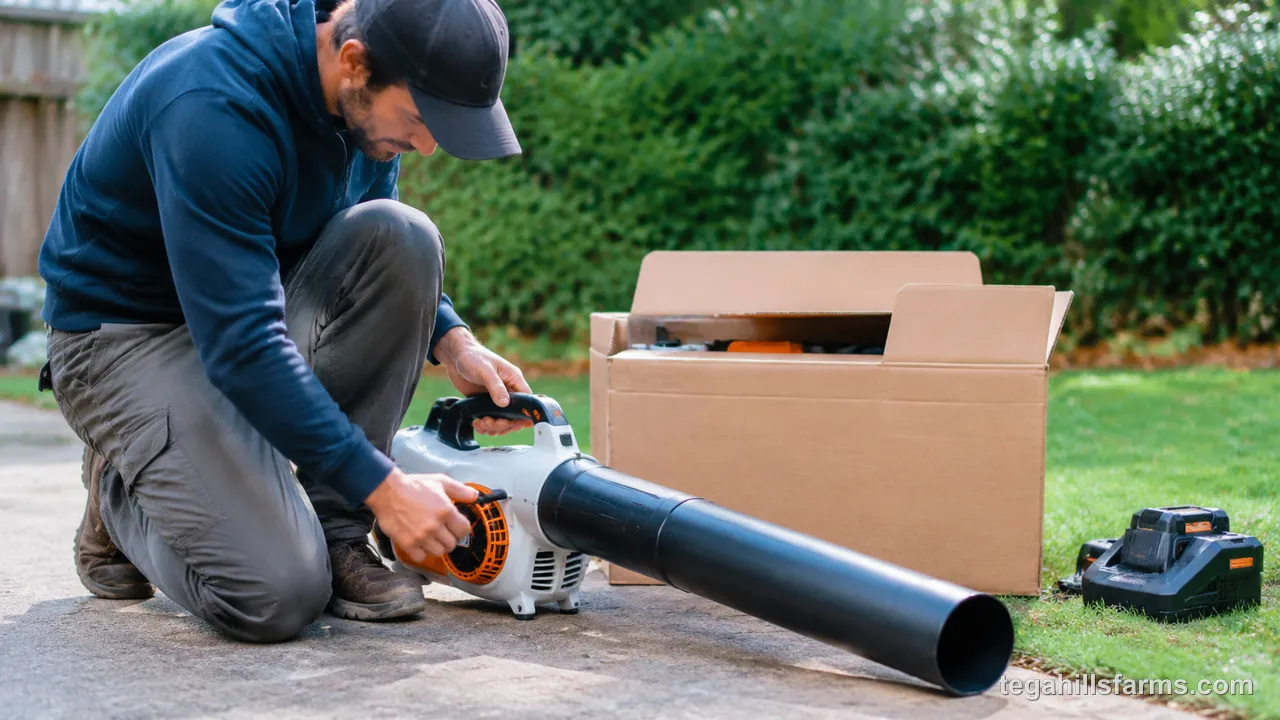
A genuine product shows a few consistent signs:
- printed labels with a model and serial number that match the box
- a serial number the manufacturer’s registration page accepts
- a battery that seats with a firm click and that the brand’s charger recognizes without a fault light
A “compatible” battery priced far below the brand’s own packs is the clearest warning sign. Its cells and battery management circuitry rarely match the original, which raises the risk of overheating and short life.
Premature wear looks different on each power type:
- Battery blowers: a pack that loses runtime quickly in its early seasons, turns hot after short use, or triggers charger fault lights points to a weak cell or a counterfeit. The fix is usually replacing the pack.
- Gas blowers: hard starting, surging or power loss at full throttle usually trace to stale fuel, a dirty air filter or a clogged spark arrestor screen. These are cheap maintenance fixes if you catch them early.
On either type, a rattle after vacuum use can signal impeller damage from sticks or gravel. Stop and inspect before the housing cracks.
Leaf Blower Brands Compared: Quick Answers
Which leaf blower brand is the most reliable?
For gas, Echo, Stihl and Husqvarna back their engines with dealer networks that stock parts, which keeps those machines running for years. For battery, EGO builds only cordless equipment around one platform. Reliability depends as much on fuel care and battery storage as on the badge, so favor a brand with service near you.
Is EGO better than Ryobi for leaf blowers?
EGO suits you if you want a dedicated yard platform with high-voltage power across mowers, trimmers and blowers. Ryobi makes more sense if you already own its ONE+ tools, since a blower that shares those batteries skips the cost of a new pack and charger. Pick the platform you’ll keep expanding.
Can I use one brand’s battery in another brand’s blower?
No. Each brand shapes its packs and electronics for its own tools, so batteries don’t swap between platforms. Third-party adapters exist, but they bypass the brand’s battery management and may affect warranty coverage. Sticking with one platform for your yard tools keeps charging and storage simple.
Which brands handle wet leaves well?
Wet, matted leaves need high air speed more than raw airflow, so gas backpacks from Stihl, Husqvarna and Echo, or a high-voltage battery backpack, handle them reliably. Light corded and compact cordless models struggle to lift soaked piles. If fall rain is routine where you live, check the best leaf blowers for wet leaves before buying.
Are budget leaf blower brands worth buying?
They are for small yards and quick sweeps. BLACK+DECKER and WORX make light corded and cordless models that clear a patio or driveway with little upkeep. On a large lot or during heavy fall cleanup, a low-cost unit runs short on airflow and runtime, so step up a tier instead.
More Guides on Best Leaf Blower Brands
- Best Greenworks Leaf Blowers
- Best Craftsman Leaf Blowers
- Best Milwaukee Leaf Blowers
- Best DeWalt Leaf Blowers
- Best Makita Leaf Blowers
- Best WORX Leaf Blowers