
Best Hedge Trimmers Brands for Every Yard & Budget in 2026
EGO and Greenworks lead for homeowners going all-in on battery power. Ryobi ONE+ HP is the value play for anyone already on that battery line. Milwaukee M18 FUEL and DEWALT 20V MAX suit owners of those tool systems. Husqvarna and ECHO remain the gas and professional standard, and BLACK+DECKER, CRAFTSMAN and Worx cover small yards on a tight budget.
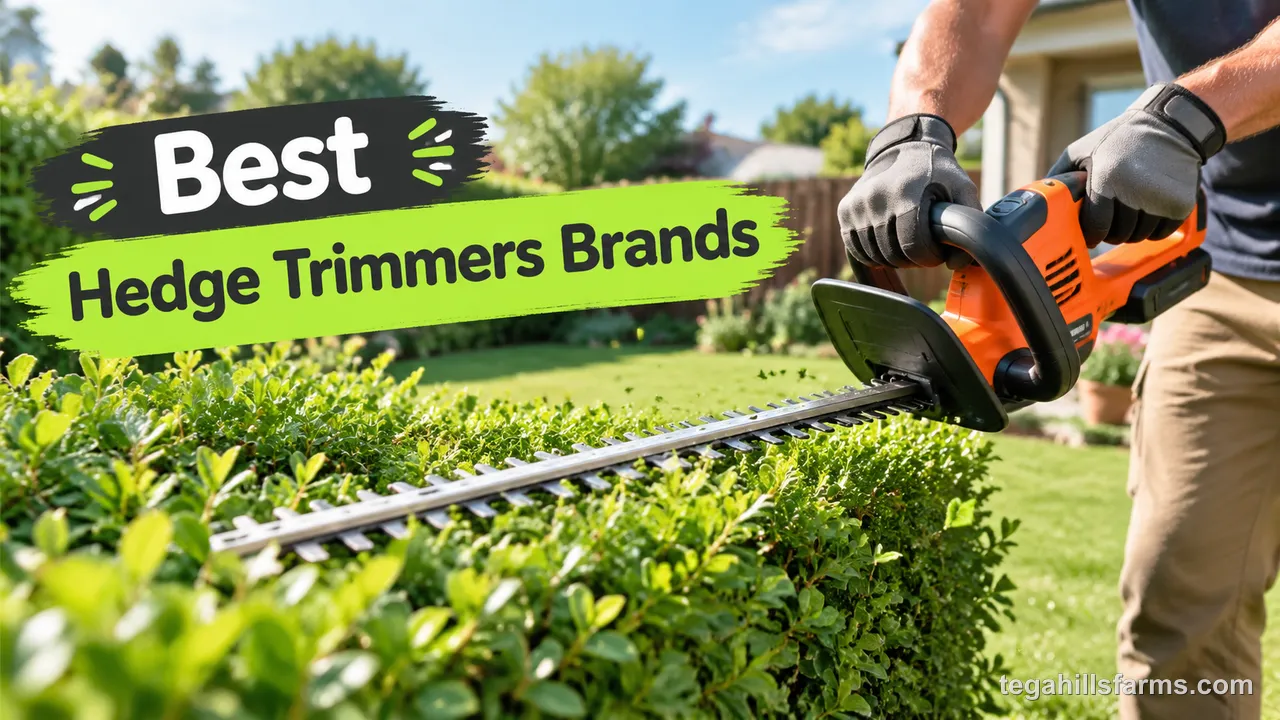
Choosing among them comes down to four things. The first is the power source each brand does best. The others are how thick a branch its blades can take, how much the trimmer weighs at shoulder height, and whether parts and service are easy to get once a blade dulls or a battery fades.
The bigger long-term risk is the battery itself. Packs and chargers outlast any single tool, so the brand you choose for hedges also shapes which mower, blower and string trimmer make sense later. Switching brands means buying a new set of batteries.
Before comparing specs, check what batteries are already in your garage. If you own a drill or blower on a platform that also offers a capable hedge trimmer, that usually settles the choice. Buying the trimmer as a bare tool also leaves more of your budget for blade quality.
What Defines a Top Hedge Trimmer Brand in 2026?
A maker earns its place through a power platform that lasts for years, blades that cut cleanly through woody growth, and parts and service you can find when something wears out.
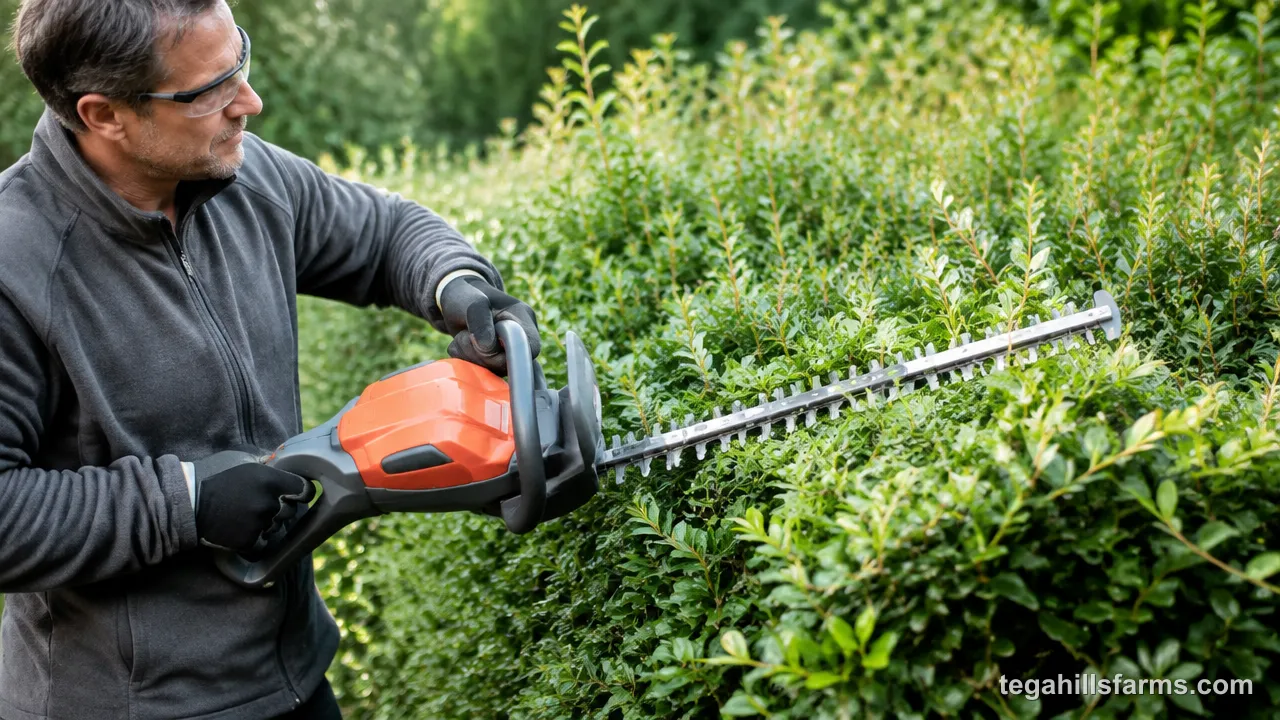
Platform longevity matters because a hedge trimmer is rarely the only tool on that battery or engine design. Brands that keep their packs and fuel systems consistent over the years protect what you have already spent.
Blade quality shows up in cutting capacity and gear design. Those decide whether the trimmer slices through older stems or tears them, which leaves brown, ragged tips along the hedge.
Service support decides whether a dull blade or worn part means a quick repair or a whole new tool.
Readers who want the whole field of models before narrowing by brand can compare the best hedge trimmers across every power type and price tier. If you are still working out blade length and power for your own shrubs, read up on how to choose a hedge trimmer first, then let those answers point you to a brand.
Each major maker has one platform where it is strongest, and that is the clearest way to sort them.
| Brand | Main platform | Strongest fit |
|---|---|---|
| EGO | Power+ battery | Battery-first owners with larger hedges |
| Greenworks | Battery, several voltage lines | Homeowners who want battery power at a moderate cost |
| Ryobi | ONE+ HP battery | Owners already using Ryobi batteries |
| Milwaukee | M18 FUEL battery | Owners already on M18 tools |
| DEWALT | 20V MAX battery | Owners already on 20V MAX tools |
| Husqvarna | Gas and battery | Heavy trimming with dealer service |
| ECHO | Gas, plus a battery line | Thick, overgrown hedges and pro use |
| BLACK+DECKER | Corded and battery | Small yards and occasional trims |
| CRAFTSMAN | V20 battery | Small to mid-size yards on a budget |
| Worx | Nitro battery and corded | Small yards and light shaping |
Which Power Platform Should Drive Your Brand Choice?
The amount of hedge you cut and how often you cut it should settle the fuel question before the brand question, because the power source shapes how a trimmer handles long sessions, weight and upkeep.
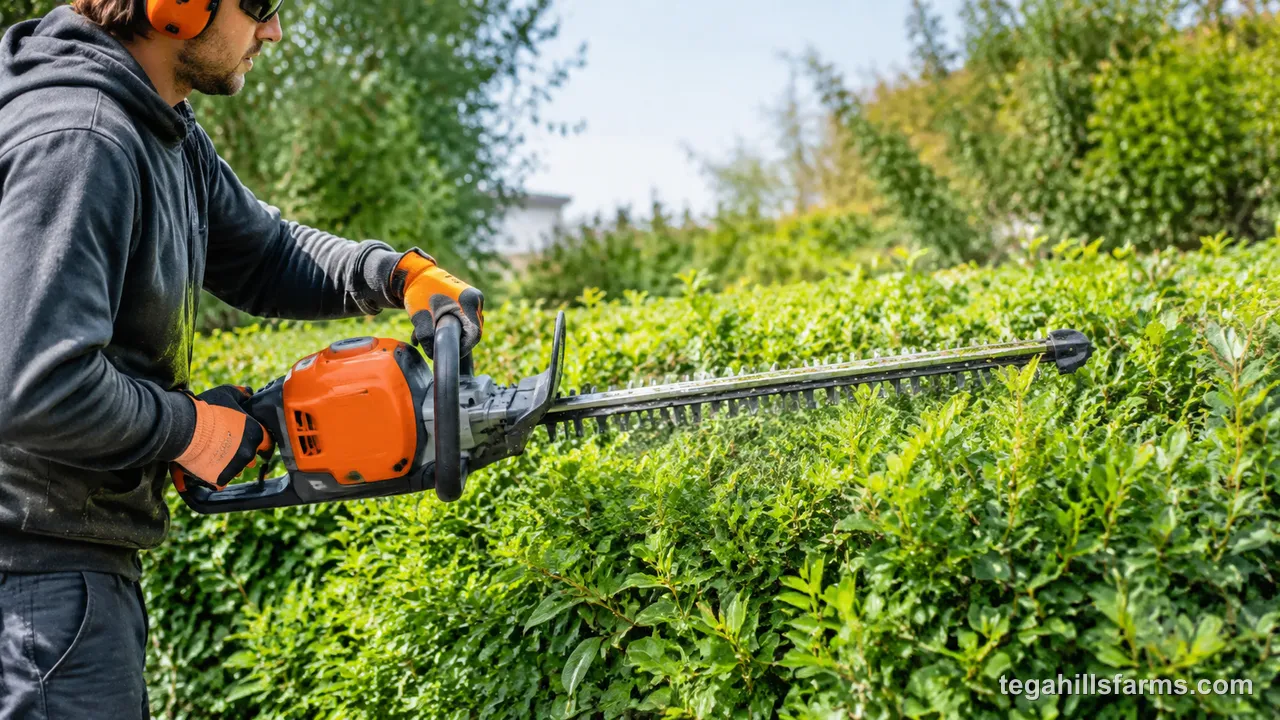
Choosing battery, gas or cord first narrows the field quickly. A brand that excels in one category can be ordinary in another. The choice also sets your maintenance routine: charging packs, mixing fuel or managing an extension cord every time you trim.
Are Cordless Battery Brands the Best Fit for Most Homeowners?
For a typical suburban yard, yes. A battery trimmer starts with a trigger pull, needs no fuel or oil, and runs far quieter than gas, which covers what most weekend hedge work requires. EGO Power+, Ryobi ONE+ HP, Greenworks, DEWALT 20V MAX and Milwaukee M18 FUEL all build trimmers around batteries shared with their other tools.
Runtime is the trade-off. A charged pack usually handles foundation shrubs and a property-line hedge in one session. Long hedgerows call for a second pack or a higher-capacity one.
Higher-voltage platforms also tend to hold blade speed better when the teeth bite into dense growth. That keeps the cut clean instead of letting the motor bog down halfway through a stem.
Shoppers who have settled on battery power can narrow things further with the best cordless hedge trimmers, sorted by blade length and platform.
When Do Gas Brands Still Make Sense?
Gas still earns its place on large properties with long hedgerows, thick overgrowth or several hours of trimming at a stretch. A refill takes seconds, and power doesn’t fade the way it does as a battery drains. ECHO’s X Series and Husqvarna’s gas trimmers are built for that kind of sustained work.
The cost is upkeep. Two-stroke engines run on mixed fuel, and fuel left in the carburetor over winter can gum it up and cause hard starts in spring. Gas units also weigh more, vibrate more and run loud enough that hearing protection belongs in the kit.
If your hedges are mostly soft, green growth trimmed a few times a season, that maintenance burden outweighs the extra power.
For properties that need engine power, the best gas hedge trimmers lay out which models handle the heaviest work.
Is a Corded Electric Brand Worth Considering?
Yes, if your hedges sit close to an outdoor outlet and the yard is small. A corded trimmer from BLACK+DECKER or Worx is light and needs no battery or fuel. It also runs as long as you need, which suits a row of shrubs along the house.
The cord is the limit. Your reach ends where the extension cord does. The cord also has to stay behind you, away from the blade, on every pass.
Use an outdoor-rated extension cord plugged into a GFCI outlet. For anything beyond the front beds, a battery trimmer removes that constant cord management.
How Do Leading Brands Compare on Performance and Comfort?
Cutting capacity and carried weight separate the major makers more than blade length does, because those two specs decide whether a trimmer clears woody stems and how long you can hold it at shoulder height.
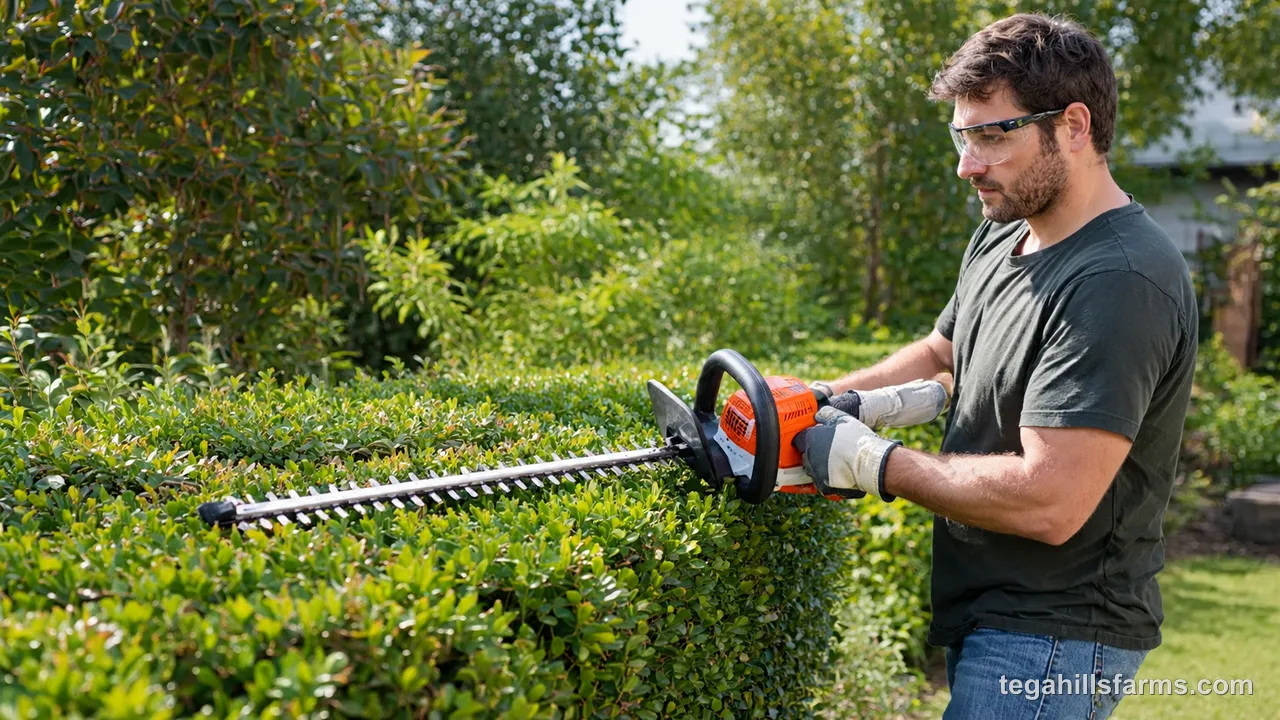
A brand’s reputation follows from these physical differences, plus the support behind the tool once it ages. Husqvarna’s Hedge Master 320iHD60 and Ryobi’s ONE+ HP trimmer show how far apart a premium brand and a value brand can sit even on similar hardware.
How Do Blade Length and Cutting Capacity Differ by Brand?
Brands split their lineups by blade length. Shorter 18- and 22-inch bars handle shaping small shrubs and tight corners. Longer 24-inch bars handle long, flat runs and reach across a wide hedge top.
The Husqvarna Hedge Master 320iHD60 and the Ryobi ONE+ HP both fall in that longer class. Even so, the Husqvarna is rated for branches up to 1 inch thick, while the Ryobi tops out at 3/4 inch.
That capacity gap matters more than the shared bar length. Tooth spacing and gearbox torque decide whether a blade shears an old privet stem or stalls on it. A stalled blade tears bark instead of cutting cleanly.
For hedges that have gone untrimmed for a while, the best hedge trimmers for thick branches put capacity first. For long, uniform hedgerows, the best 24 inch hedge trimmers cover the longer-bar end of each brand’s lineup.
Which Brands Are Easiest to Handle for Longer Sessions?
Lighter battery models from value brands win on comfort over long sessions. The Ryobi ONE+ HP weighs 6.6 lb. The Husqvarna 320iHD60 comes in at just over 11 lb, and nearly 13 lb once the battery is on. That extra weight sits at the end of your arms on every overhead pass, so shoulder fatigue sets in sooner with the heavier tool.
Noise and vibration tilt the other way. Husqvarna rates the 320iHD60 at 67 decibels. Battery motors also avoid the engine buzz that travels through the handles of gas trimmers and numbs your hands over a long session.
Balance matters as much as weight. A trimmer with its battery or engine mass near the rear handle feels lighter at full reach than its weight suggests. If you trim for more than a quick pass along the walk, I’d rank comfort above raw cutting speed.
Which Brands Offer Better Long-Term Support?
Brands sold through servicing dealers, chiefly Husqvarna and ECHO, give the strongest long-term support. A local shop can sharpen blades, replace gearboxes and source carburetor parts. Battery brands sold mainly through home centers, such as Ryobi, EGO, Greenworks, DEWALT, Milwaukee and BLACK+DECKER, rely more on mail-order parts and manufacturer warranty claims.
Platform longevity is the other durability signal. Ryobi built its name on keeping ONE+ batteries working across new generations of tools. DEWALT and Milwaukee have kept their 20V MAX and M18 packs consistent as their lineups grew.
A brand that changes battery designs leaves your old packs stranded. Steady compatibility therefore counts as long-term support even when nothing breaks.
Which Brand Fits Your Budget and Yard Size Best?
The thickness of your toughest stems and the length of your hedge line should set the spending tier, because pro-grade torque you never use only adds weight to every pass.
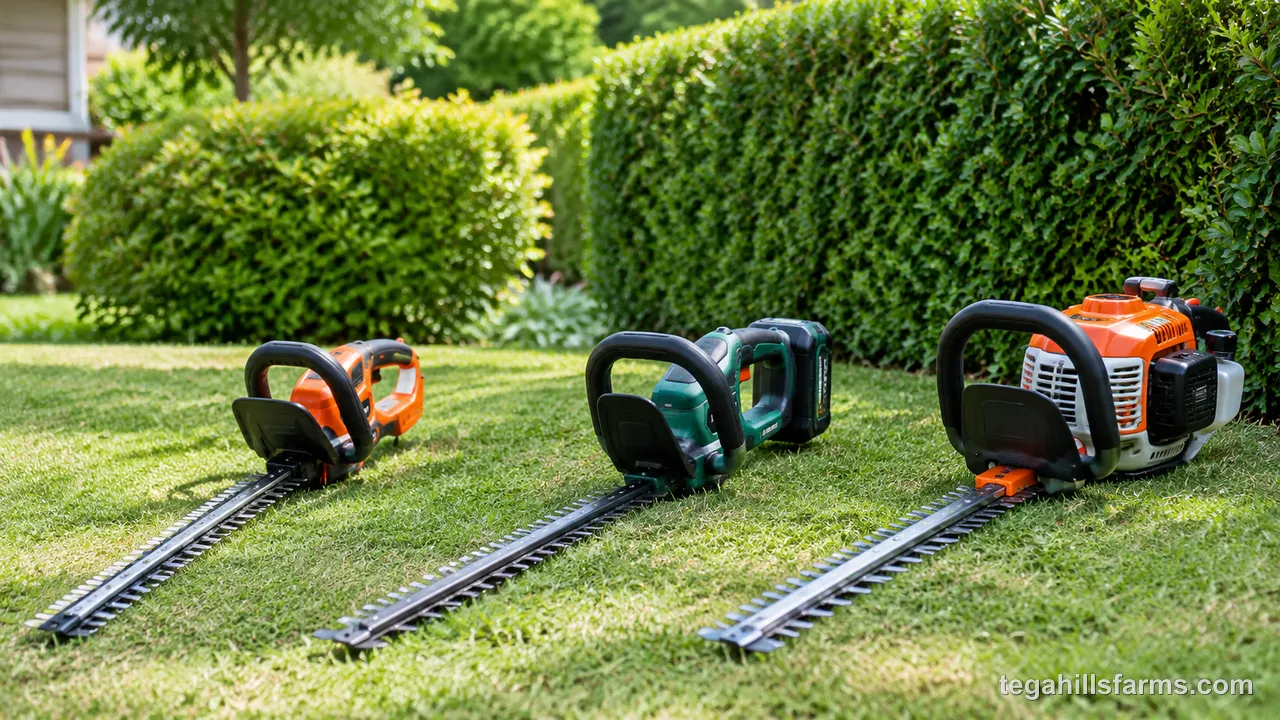
A small lot with soft growth and a large property with overgrown privet need very different machines. The brands that serve each end rarely overlap. Matching the tier to the job keeps you from carrying a heavy pro trimmer around a few boxwoods, or burning out a light one on woody growth.
Best Value Brands for Small Yards and Occasional Trimming
BLACK+DECKER, CRAFTSMAN and Worx deliver clean cuts on soft, green growth at a budget price, which is all a small lot with a few shrubs and a short hedge needs. Their trimmers are typically light and simple. BLACK+DECKER and Worx offer corded options, and battery models run on CRAFTSMAN’s V20 and Worx’s Nitro lines.
Their limit is woody growth. Lighter motors handle new shoots well but struggle with stems that have hardened over a season. These brands fit owners who trim on schedule rather than catching up on overgrowth.
Shoppers working with a firm ceiling can start with the best hedge trimmers under $100.
Mid-Range Battery Brands That Balance Power and Price
Ryobi ONE+ HP, Greenworks and EGO Power+ sit in the middle ground that fits a typical suburban yard: enough power for an established hedge, with batteries that run a full set of yard tools. The Ryobi ONE+ HP trimmer runs at 3,200 strokes per minute. That blade speed keeps cuts clean on routine trimming without moving into premium territory.
Greenworks spreads its lineup across several voltage lines, so one brand covers both a light trimmer for small beds and a stronger one for longer hedges. Check which line a trimmer belongs to before buying a second tool.
EGO sits at the upper edge of this tier. Its platform was designed for outdoor equipment from the start, which makes it a strong fit if a battery mower is next on your list.
If you are comparing models in this band, line them up against other hedge trimmers under $200.
When Should You Step Up to Premium or Commercial Brands?
Step up when your hedges are long or thick, or when you trim for clients. That is where Husqvarna, ECHO, Milwaukee M18 FUEL and DEWALT 20V MAX justify their cost through torque, durability and service. For a few shrubs trimmed on schedule, the premium tier buys power you won’t use.
The Husqvarna Hedge Master 320iHD60 shows what the extra spend brings. It runs at 3,000 cuts per minute and climbs to 3,800 in Boost mode for dense sections.
ECHO’s X Series targets daily professional use with gas power. Milwaukee and DEWALT appeal to contractors who already run those batteries across a truck full of tools.
Which Battery Ecosystems Make a Brand Stickier Long Term?
The battery pack you already own usually outweighs any single trimmer spec, because packs and chargers carry across a brand’s mowers, blowers and string trimmers.
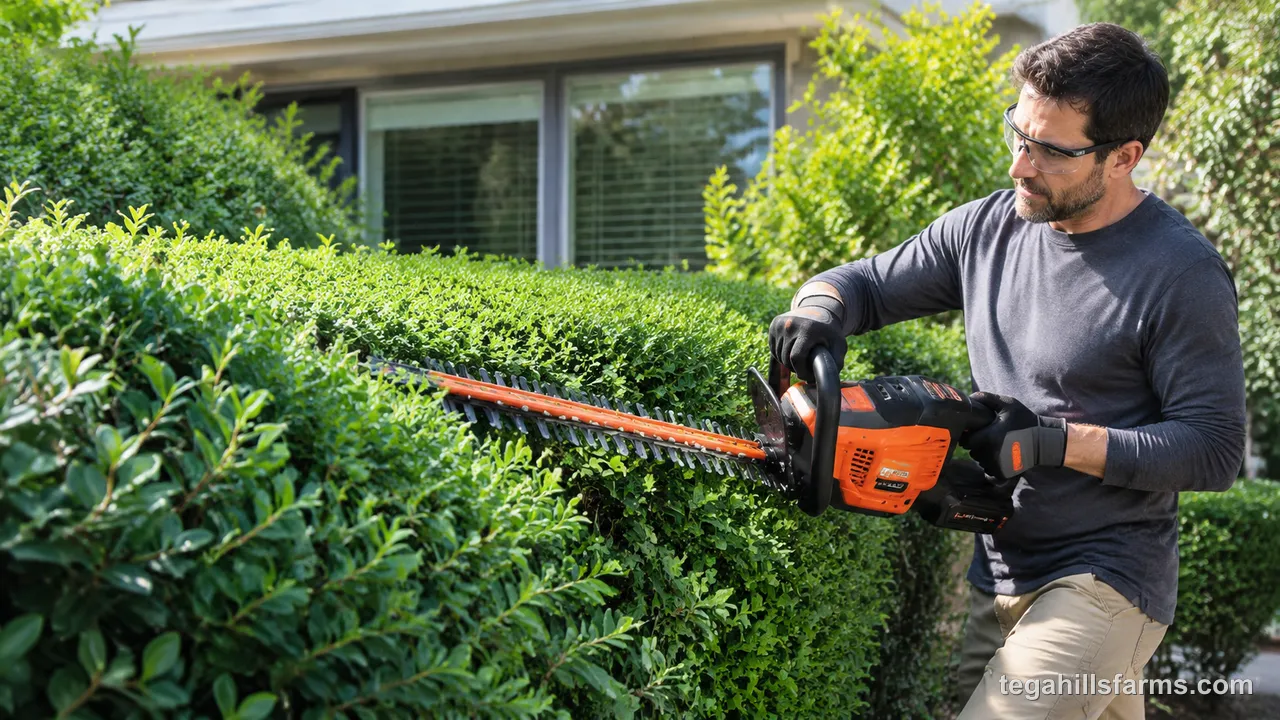
That shared pack is what makes a brand hard to leave. Every new tool on the same platform can be bought as a bare tool, while switching means buying batteries and a charger again. The right ecosystem depends on whether your garage leans toward yard equipment, workshop tools or gas.
Why Do EGO and Greenworks Appeal to Battery-First Owners?
EGO and Greenworks fit owners who are replacing gas across the whole yard, because both built their platforms around outdoor equipment rather than drills. Higher-voltage packs keep blade speed up under load. That shows in clean cuts through dense growth, and in mowers and blowers strong enough to retire a gas lineup.
EGO keeps one Power+ battery design across its yard tools, so a pack bought for a hedge trimmer also runs a mower or blower.
Greenworks offers more voltage choices. That widens the price range, but packs from different Greenworks lines don’t swap. Picking one line and staying with it avoids a garage full of mismatched batteries.
If you are committing to EGO’s platform, you can compare the best EGO hedge trimmers by blade length and reach.
Are Ryobi, Milwaukee and DEWALT Safer Bets If You Own Their Tools Already?
Yes, if their batteries already power your drills and drivers, because staying put turns a hedge trimmer into a bare-tool purchase. Ryobi’s ONE+ HP trimmer runs on the same 18V packs as the brand’s hand tools. Milwaukee M18 FUEL and DEWALT 20V MAX work the same way for owners of those systems.
The trade-off is focus. Milwaukee and DEWALT grew from contractor tools, so their yard lineups center on trimmers, blowers and chainsaws. Ryobi also runs a separate higher-voltage line for bigger yard machines.
I’d stay inside the system you own unless your hedges regularly need more cutting capacity than that brand’s trimmer offers.
Do Husqvarna and ECHO Still Lead for Gas and Professional Use?
They do. Husqvarna and ECHO hold that position for gas and professional trimming, backed by servicing dealers who can repair an engine rather than replace the tool. ECHO’s X Series is built for daily commercial work. A nearby dealer also shortens downtime when a crew can’t wait on mail-order parts.
Husqvarna also offers battery power with the Hedge Master 320iHD60, which runs on a 36V pack. That gives dealer-backed owners a quieter option without leaving the brand.
On demanding hedges you maintain yourself, gas keeps its edge on unlimited runtime, while battery wins on noise and upkeep. If you lean toward Husqvarna, you can sort through the best Husqvarna hedge trimmers across both power types.
A lithium-ion pack left fully charged in an unheated garage through a hard winter can come back in spring holding noticeably less charge, and a trimmer bought from an unauthorized listing may carry no warranty at all. Either slip turns a well-chosen brand into a tool you replace long before you planned.
Rare Ownership Details That Affect Brand Value Over Time
Three habits decide whether a brand stays a good value: buying from an authorized seller, storing batteries and fuel properly over winter, and managing vibration on long sessions. Each one can shorten a trimmer’s life or cancel the support you paid for, no matter how strong the brand.
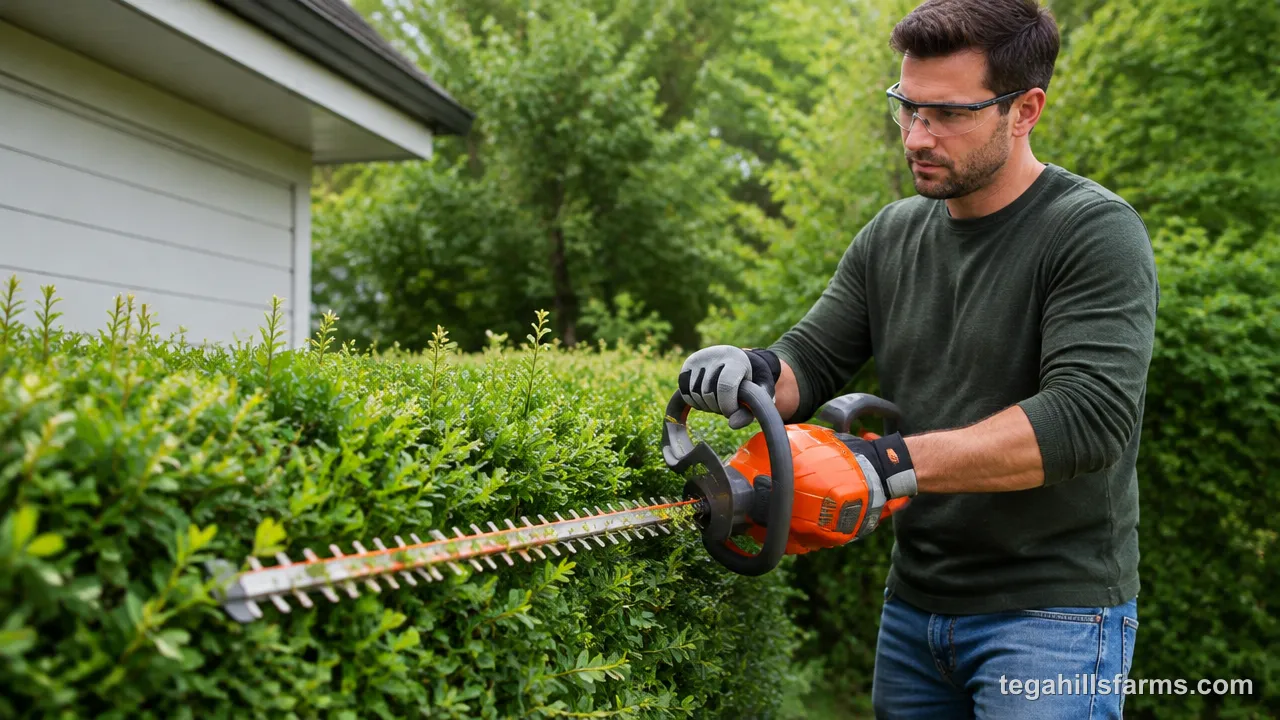
Knockoff batteries and trimmers sold through unauthorized sellers can look identical to the real thing. They may lack the protection circuitry of a genuine pack, and they fall outside the manufacturer’s warranty. Buy from the brand’s authorized retailers or dealers, register the tool, and confirm the serial number matches the packaging.
Lithium-ion packs lose capacity faster when they are stored fully charged or left in a freezing garage. Keep them indoors in a cool, dry spot at a partial charge.
Gas trimmers need the opposite kind of care. Run the tank dry or add fuel stabilizer before storage, because ethanol-blended fuel breaks down and gums the carburetor.
Vibration fatigue builds quietly. Long gas sessions can leave your hands tingling and your grip weaker, which also costs control when the blade is at full reach. Anti-vibration mounts, padded gloves and regular breaks keep that fatigue from turning into a safety problem.
Quick Answers for Brand Decisions
Which brand is best for tall hedges?
For hedges above head height, look at brands that offer pole hedge trimmers or pole attachments, such as EGO, Ryobi, ECHO and Husqvarna. Reaching overhead with a standard trimmer strains your shoulders and brings the blade close to your face. The best hedge trimmers for tall hedges compare reach and head angle across those lineups.
Which brands hold up for commercial use?
ECHO and Husqvarna lead for commercial gas trimming thanks to dealer service and parts availability. Milwaukee M18 FUEL and DEWALT 20V MAX suit crews already standardized on those batteries. Daily professional use rewards durability and fast repairs over low weight, which are the traits the best commercial hedge trimmers are judged on.
Can one brand’s battery run another brand’s hedge trimmer?
No. Battery packs only fit their own brand’s platform, and often only one voltage line within that brand. Third-party adapters exist, but they can void the warranty and bypass the protection circuits that keep packs and motors from overheating. Stick with the brand’s own batteries.
Do pole hedge trimmers replace a long-bar trimmer?
They complement a long-bar trimmer rather than replace it. A pole trimmer reaches hedge tops and far sides without a ladder. Its weight sits far from your hands, though, which makes long, flat runs at waist height tiring. Yards with low shrubs and one tall hedge often benefit from both, or from a multi-head system.
Is gas still worth it for thick, overgrown hedges?
Only when the overgrowth is heavy and your sessions run long. For a hedge trimmed on schedule, a strong battery model from EGO, Husqvarna or Milwaukee cuts cleanly with less noise and no fuel to manage. Gas keeps its edge on remote corners of a large property, where recharging between sections isn’t practical.
More Guides on Best Hedge Trimmer Brands
- Best Black Decker Hedge Trimmers
- Best Greenworks Hedge Trimmers
- Best Milwaukee Hedge Trimmers
- Best DeWalt Hedge Trimmers
- Best Ryobi Hedge Trimmers
- Best Echo Hedge Trimmers